House Training a Golden Retriever
Oh, the joys and… challenges… of bringing home a Golden Retriever puppy! One of the biggest hurdles, let's be honest, is navigating the minefield of potty training. You're trying to establish good habits, understand their tiny bladders, and avoid that gut-wrenching feeling of stepping into a puddle on the living room rug. It feels like a never-ending cycle of vigilance, praise, and enzyme cleaner, doesn't it? But don't despair! This comprehensive guide is here to walk you through every step of house training your Golden, from those adorable, accident-prone puppy days to a reliably clean adult dog.
Understanding the Golden Retriever's Nature and Potty Training
Golden Retrievers are renowned for their intelligence and eagerness to please, qualities that certainly give us a head start in house training. However, they're also exuberant, easily distracted, and, well, puppies with very small bladders. Understanding these inherent traits is crucial to approaching potty training with patience and the right strategy.
Why Goldens Can Be Easy, Yet Challenging
On the one hand, Golden Retrievers are incredibly smart. They pick up routines and associations quickly, especially when positive reinforcement is involved. Their strong desire to make their humans happy means they generally want to do the "right" thing. If you consistently show them where to go potty and reward them lavishly for doing so, they catch on fast. They crave that approval, which is a powerful motivator. This inherent intelligence and biddability often make them a joy to train compared to some more independent or stubborn breeds. You tell them what you want, you reward them, and they often try their best to repeat that behavior.
However, their puppyhood exuberance can also be a challenge. A Golden puppy is a bundle of energy, easily distracted by a fluttering leaf, a passing squirrel, or even just the interesting smell of a new blade of grass. You might take them outside, wait patiently for five minutes, and just as you give up and head back in, voilà – they squat right by the back door. Their playful nature can mean that sometimes, the urge to play or explore overrides the sudden need to go, making it hard for them to focus on the task at hand when outside. Plus, until their bladders mature, their physical control is simply limited. It's not a matter of them being disobedient; it's just biology.
Puppy Development and Bladder Control
A puppy's ability to control their bladder and bowels develops gradually, much like a human child's. An 8-week-old Golden Retriever puppy has minimal control; their bladder is small, and the neurological pathways for holding it are still developing. They often need to go every couple of hours, sometimes more frequently if they've just woken up, eaten, or had a big play session. As they grow, their bladder capacity increases, and their muscles and nervous system mature, allowing them to hold it for longer periods.
- 8-12 Weeks Old: At this stage, your Golden puppy is learning the world. Their bladder control is minimal. Think of it as an infant; they literally cannot hold it for long. They might manage 1-2 hours during the day and perhaps 3-4 hours overnight. Expect frequent trips outside. This is where vigilance is key.
- 3-4 Months Old: You'll start to see noticeable improvement. They might be able to hold it for 3-4 hours during the day, and sometimes even 5-6 hours overnight. They'll still need a very consistent schedule, but the urgency lessens slightly.
- 5-6 Months Old: Many Golden puppies at this age are nearing full bladder control. They can often hold it for 4-6 hours during the day and potentially through the night (6-8 hours), assuming a late-night potty break. They're still not fully reliable, especially with distractions or excitement, but the foundations are strong.
- 6 Months and Beyond: By around six months to a year, most Golden Retrievers have achieved excellent bladder control and are reliably house-trained. However, some individual differences exist, and factors like spaying/neutering timing can play a role in their physical development, as discussed in Spaying and Neutering Timing for Goldens. Even then, regressions can happen, especially during their "teenage phase," which we'll delve into later.
Understanding this progression helps manage expectations. You wouldn't expect a two-year-old human to be perfectly toilet-trained overnight, and the same grace should be extended to your Golden pup.
Setting Up for Success: Crate Training and Potty Zones
One of the most effective tools for house training a Golden Retriever is a properly introduced and utilized crate. Combined with a designated outdoor potty spot, these elements create a clear framework for your puppy to understand where they should go.
The Crate as a Training Tool
A crate isn't just a cage; it's a powerful house training aid that taps into a dog's natural den instinct. Dogs generally prefer not to soil their sleeping area. When used correctly, the crate becomes your Golden's safe, personal space where they feel secure and are less likely to have accidents. It helps teach them to hold their bladder and bowels for increasingly longer periods, essentially "supervising" them even when you can't have your eyes directly on them.
- Positive Introduction: Never use the crate as punishment. Make it a positive place by feeding meals inside, offering high-value chews, and ensuring it's comfortable with a soft bed. Start with short periods and gradually increase the time, always with praise and rewards. A happy association is key.
- Proper Crate Sizing: The crate should be just big enough for your Golden puppy to stand up, turn around, and lie down comfortably. If it's too large, they might use one end as a bathroom and the other as a bed, defeating the purpose. Many crates come with dividers that allow you to adjust the size as your puppy grows, so you can buy one that fits their adult size but adjust it for puppyhood. If your Golden Retriever is exhibiting distress, consider exploring tips in Crate Training a Golden Retriever Who Cries.
- Scheduled Crate Time: The crate is invaluable when you can't actively supervise your puppy. This includes overnight, when you're busy with chores, or when you need to step out briefly. Remember the rule of thumb for how long a puppy can hold it: roughly one hour per month of age, plus one. So, a 3-month-old puppy can usually hold it for about 4 hours. However, this is a guideline, and individual puppies vary.
Establishing a Designated Potty Area
Consistency is the absolute bedrock of successful house training. Part of that consistency involves taking your Golden to the same spot every time they need to go. This helps them quickly associate that particular area with "potty time."
- Choosing the Spot: Select a relatively quiet, easily accessible spot in your yard. It doesn't need to be large, just distinct. Avoid high-traffic areas where they might be distracted by people or other pets.
- Leash Up: Even if you have a fenced yard, it's often best to take your puppy out on a leash for potty breaks, especially in the beginning. This keeps them focused on the task at hand rather than playing or exploring. Stand still in the designated spot, giving them a few minutes to sniff around and do their business. This routine reinforces the purpose of going outside.
- Praise and Reward: The moment your Golden finishes eliminating, offer enthusiastic praise and a high-value treat immediately. This "jackpot" reward creates a strong positive association: "Going potty here makes my human incredibly happy and gives me delicious things!" If you wait too long, they might associate the reward with coming back inside or another behavior.
Essential Potty Training Gear
Having the right tools on hand can make the house training journey smoother and less stressful for both you and your Golden Retriever.
- Leash and Collar/Harness: A comfortable leash and collar or harness are essential for those frequent trips outside, especially for keeping your puppy focused on the task.
- High-Value Treats: These are your secret weapon for positive reinforcement. Small, soft, smelly treats that your Golden absolutely loves will ensure they stay motivated to go potty in the right place. Don't skimp on these during the early training phases!
- Enzyme Cleaner: Accidents will happen. It’s part of the process. A good quality enzymatic cleaner is non-negotiable. These cleaners don't just mask odors; they break down the stain and odor molecules, eliminating the scent that might draw your Golden back to the same spot for future accidents. You can find excellent options on Amazon that are specifically formulated for pet stains and odors.
- Puppy Pads (Use with Caution): While some owners use puppy pads, they can be a double-edged sword. They teach your puppy that it's okay to go potty indoors, which can prolong outdoor training. If you must use them (e.g., if you live in an apartment without immediate yard access, as discussed in Potty Training a Golden Retriever With No Yard), confine them to one specific area and gradually move them closer to the door, eventually phasing them out entirely as soon as possible. The goal is 100% outdoor elimination.
- Crate: As mentioned, a well-sized crate is critical. Ensure it's comfortable with a soft bed or blanket.
The Golden Retriever Potty Training Schedule
Consistency is king when it comes to house training, and that means establishing a predictable daily schedule. Puppies thrive on routine, and knowing when to expect potty breaks helps them learn to hold it and signals to their tiny bladders when it's time to empty.
Creating a Daily Routine for Puppies
Your Golden Retriever puppy's schedule will revolve around their natural urges: waking up, eating, drinking, playing, and going to bed. The more predictable you make these events, the faster your puppy will catch on.
Here’s a sample schedule, keeping in mind that actual times will vary based on your puppy's age and individual needs:
| Time | Activity | Notes |
|---|---|---|
| 6:00 AM | Wake up & Immediate Potty Break | Carry puppy outside to designated spot. Praise & treat heavily. |
| 6:15 AM | Breakfast | Feed in crate or designated feeding area. |
| 6:30 AM | Potty Break (after eating) | Important! Food stimulates bowels. |
| 6:45 AM | Play & Training (short session) | Engage puppy, keep an eye out for signs of needing to go. |
| 7:30 AM | Potty Break (after play) | High energy play often leads to a full bladder. |
| 7:45 AM | Crate Time / Nap Time | For short periods when you can't supervise. Offer a safe chew. |
| 9:00 AM | Potty Break | General check-in, even if they were just out. |
| 9:15 AM | Supervised Free Play / Training | Keep puppy within eyesight, perhaps tethered to you. |
| 10:00 AM | Water Bowl Pick-up (1-2 hours before next crate) | Helps prevent accidents during longer crate sessions or naps. |
| 10:30 AM | Potty Break | Again, before extended rest or crate time. |
| 10:45 AM | Crate Time / Nap Time | Longer stretch. |
| 12:00 PM | Potty Break & Lunch | Immediate potty upon waking, then food. |
| 12:30 PM | Potty Break (after eating) | Crucial after meals. |
| 1:00 PM – 5:00 PM | Repeat morning cycle of Potty, Play, Crate | Adjust frequency based on puppy's age. Water available during supervised periods. |
| 5:00 PM | Dinner | Feed at a consistent time. |
| 5:30 PM | Potty Break (after eating) | Don't skip! |
| 6:00 PM – 8:00 PM | Family Time / Play / Training | Keep an eye on your puppy, take them out often. |
| 8:00 PM | Water Bowl Pick-up | About 2-3 hours before bedtime for older puppies, sooner for very young ones. |
| 9:00 PM | Last Potty Break before Bed | Make sure they fully empty their bladder and bowels. |
| 9:15 PM | Bedtime in Crate | Safe chew, quiet environment. |
| Overnight | Scheduled Potty Break (if needed) | See next section for guidance on Overnight Potty Breaks for a Golden Puppy. |
This schedule requires active participation, but it’s your best bet for rapid and reliable house training. The rule of thumb for "How Long a Golden Retriever Puppy Can Hold It" is roughly one hour per month of age, plus one hour. So, an 8-week-old (2 months) might hold it for 3 hours maximum during the day, but often less.
Overnight Potty Breaks for a Golden Puppy
Nighttime can feel like a marathon of alarms and hurried trips to the yard. Remember that your Golden puppy's bladder capacity doesn't magically expand overnight. They will need to go.
- Age-Dependent Frequency:
- 8-12 weeks: Expect to take your puppy out every 2-3 hours. Yes, it's exhausting, but it's temporary. Set an alarm.
- 3-4 months: They might stretch to 3-4 hours, or even 5 if you're lucky and they have had their water bowl picked up a few hours before bed.
- 5-6 months: Many puppies can hold it for 6-7 hours at this stage, sometimes through the entire night (8 hours) if they've had a proper late-night potty break.
- Keep it Business-Like: When you take your puppy out overnight, keep it calm and quiet. No play, no extended walks. Just business. Carry them out if possible to prevent accidents on the way. Once they go, praise them quietly, offer a small treat, and return them immediately to their crate. This reinforces that nighttime trips are for potty only, not for fun.
- Dealing with Crying: It's tough when your Golden puppy cries in their crate at night. It's important to distinguish between "I need to potty" crying and "I'm lonely/bored" crying. If you suspect they need to go, take them out. If they just stand there and don't potty, return them to the crate. Never reward attention-seeking crying. Consistency is key, and understanding Golden Retriever Puppy Sleep and Night Crying can help you manage these moments.
Consistency, Rewards, and Positive Reinforcement
Positive reinforcement is the cornerstone of effective dog training, especially for eager-to-please Goldens. This means rewarding the behaviors you want to see repeated.
- Immediate Rewards: Timing is everything. The treat and praise must come the second your puppy finishes going potty outside. If you wait until you're back inside, they won't connect the reward to the act of eliminating outdoors.
- Enthusiastic Praise: Use a happy, high-pitched voice: "Good potty! Yes! Good boy/girl!" Make it a celebration. Goldens thrive on your approval.
- "Go Potty" Cue: You can teach your Golden a verbal cue. As they're squatting or lifting a leg, say "Go potty!" or "Do your business!" in a calm, encouraging tone. Over time, they'll associate the phrase with the act, and eventually, you might be able to prompt them to go on command, which is incredibly useful in various situations, like before getting in the car or entering a store.
- Avoid Punishment: Never scold, yell at, or punish your Golden Retriever for accidents. This only teaches them to fear you and to hide their accidents, making house training harder. They won't understand why they're being punished, only that going potty in your presence (even outside) can lead to scary reactions. This can lead to issues like submissive urination or fear of eliminating when you're watching. Your goal is to build trust and positive associations.
Handling Accidents: When Things Go Wrong
Accidents are an inevitable part of puppyhood. No matter how diligent you are, there will be slips. How you react to these incidents is critical; your response can either reinforce bad habits or help move the training process forward.
Catching Accidents in Progress
The best-case scenario for an indoor accident is catching your Golden Retriever puppy in the act. This gives you a small window to intervene and redirect them to the appropriate spot.
- Interrupt, Don't Scold: If you see your puppy squatting or peeing/pooping inside, make a sudden, non-scary noise (a clap, a sharp "Ah-ah!") to interrupt them. The goal isn't to scare them, but to startle them enough to stop. Avoid yelling or harsh tones, as this can make them afraid to go in front of you.
- Rush Them Outside: Immediately pick up your puppy or quickly leash them and carry/lead them to their designated outdoor potty spot. Use your "go potty" cue.
- Praise and Reward if Successful: If they finish going potty outside, praise and reward them lavishly. This reinforces that going outside is the correct behavior, even if they started indoors.
- If They Don't Go Outside: If you take them out and they don't finish their business, bring them back inside and put them directly in their crate for 10-15 minutes. Then, take them back out for another attempt. This short confinement helps reset their bladder and gives them another chance to succeed in the right place.
The key here is redirection, not punishment. You're teaching them where to go, not scaring them for going.
Cleaning Up Accidents Properly
Proper cleanup is more important than you might think. A lingering scent of urine or feces can signal to your Golden Retriever that a particular spot is a "potty area," encouraging repeat offenses.
- Absorb First: For liquid accidents, blot up as much urine as possible with paper towels or an old cloth. Do not rub, as this can spread the stain and push it deeper into carpets or upholstery.
- Use an Enzymatic Cleaner: This step is crucial. Regular household cleaners often only mask the odor to human noses, but a dog's sense of smell is far more acute. Enzymatic cleaners contain beneficial bacteria that break down the organic matter in urine and feces, completely eliminating the odor. Follow the product instructions carefully, often requiring saturation and allowing it to air dry. Brands like Nature's Miracle or Rocco & Roxie (available on Amazon) are popular choices among dog owners for their effectiveness.
- Avoid Ammonia-Based Cleaners: Ammonia is a component of urine, so cleaners containing ammonia can actually attract your dog back to the spot, making the problem worse.
- Why Punishment is Ineffective: Rubbing a puppy's nose in an accident, scolding them long after the fact, or hitting them is not only cruel but entirely counterproductive. A puppy lives in the moment. If you punish them for an accident that happened five minutes ago, they won't connect the punishment to the act of peeing on the floor. They'll only associate your angry reaction with your presence, leading to fear, anxiety, and a tendency to hide their accidents from you. This severely damages your bond and makes house training much harder. Focus on prevention and positive reinforcement.
Avoiding Future Mistakes
Prevention is truly the best medicine for house training. By managing your Golden Retriever puppy's environment and schedule, you can drastically reduce the opportunities for accidents.
- Constant Supervision: This cannot be stressed enough. When your puppy is not in their crate, they should be within your eyesight at all times. This means actively watching them, not just being in the same room.
- Tethering: If you need to focus on something else but want your puppy out of the crate, consider tethering them to you with a leash. This ensures they can't wander off to a secluded corner for an accident and makes it easy to spot pre-potty signals (sniffing, circling, sudden quietness).
- Restricted Access: Use baby gates or close doors to limit your puppy's access to certain rooms. Confining them to a puppy-proofed area or the room you are in reduces the likelihood of "hidden" accidents.
- Pre-emptive Potty Breaks: Always take your puppy out before putting them in their crate, after waking up from a nap (even a short one), after eating or drinking, and after a play session. These are prime times for elimination.
- Managing Water Intake: While you should always provide fresh water, you can manage when it's available. Pick up the water bowl about 1-2 hours before bedtime (earlier for younger puppies) and for longer crate sessions. This helps prevent nighttime accidents without dehydrating your pup.
By being proactive and consistent, you create an environment where your Golden Retriever puppy is set up to succeed, building good habits from day one.
Common Potty Training Challenges and Solutions
Even with the best intentions and a solid plan, house training can present its unique hurdles. Golden Retrievers, being the sensitive and expressive dogs they are, sometimes exhibit behaviors that seem like setbacks but often have specific underlying causes.
Submissive or Excitement Urination
This is a common issue, especially in young puppies or more timid Goldens. It's not a deliberate "accident" or a sign of poor training; it's an involuntary physical response.
- What it is:
- Submissive Urination: Your puppy pees a little (or a lot) when they feel intimidated, reprimanded, or overly submissive. This might happen if you lean over them, speak in a loud voice, or even just make direct eye contact. It's an appeasement gesture, saying "Please don't hurt me!"
- Excitement Urination: Your puppy dribbles or pees when they get very excited, often during greetings, when guests arrive, or during intense play. Their underdeveloped bladder control and heightened emotional state mean they just can't hold it.
- How to manage it:
- Avoid Punishment: Absolutely do not punish your Golden for either of these. It will only worsen their fear (for submissive urination) or confuse them (for excitement urination), potentially making them even more anxious.
- Calm Greetings: When you come home or guests arrive, keep greetings low-key. Crouch down to their level, avoid direct eye contact, and speak in a soft, calm voice. Let them come to you rather than rushing at them.
- Potty Before Excitement: Take your Golden out to potty before you anticipate an exciting event (e.g., before guests arrive, or before you initiate a big play session). An empty bladder has less chance of leaking.
- Ignore the Urination: If an accident happens, quietly clean it up with an enzymatic cleaner. Don't make a big deal out of it. Your calm reaction helps keep the puppy's emotional state level.
- Professional Guidance: If this issue persists and is severe, consult with a professional dog trainer or veterinary behaviorist. They can offer tailored strategies and rule out any underlying medical causes.
Regression During Adolescence
Just when you think you've got it all figured out, your perfectly house-trained Golden Retriever suddenly starts having accidents again. Welcome to the "teenage phase!" This can happen anytime between 6 months and 1.5 years of age.
- What it is: Adolescent Golden Retrievers, much like human teenagers, test boundaries and experience hormonal changes that can lead to temporary lapses in learned behaviors. They might "forget" their house training, seemingly ignoring all your previous efforts. Their focus shifts from pleasing you to exploring the world, and sometimes, the urge to sniff an interesting smell trumps holding their bladder. This regression can be frustrating, but it's a normal part of development. Understanding The Golden Retriever Teenage Regression can provide further insights.
- How to handle it:
- Go Back to Basics: The best approach is to pretend your Golden is an 8-week-old puppy again. Re-implement the strict schedule: frequent potty breaks, immediate praise and treats for outdoor success, and diligent supervision.
- Crate Reinforcement: If you've started phasing out the crate, bring it back for supervision when you can't be actively watching. This helps them remember their den instincts and limits opportunities for indoor accidents.
- Increased Supervision: Tethering and restricting access to certain areas become your best friends during this phase. Don't give them too much freedom too soon.
- Rule Out Medical Issues: Always consult your vet to rule out any underlying medical problems, like a urinary tract infection (UTI), which could be causing the sudden change in potty habits. It's always best to be safe.
- Patience: This phase will pass. Stay consistent, patient, and positive. Your Golden will eventually remember their good habits.
"Marking" Behavior in Intact Males (and sometimes females)
Marking is distinct from having an "accident." It's a territorial behavior where a dog deposits small amounts of urine to claim an area.
- What it is: Typically seen in intact (unneutered) male dogs, marking involves lifting a leg and spraying a small amount of urine on vertical surfaces (furniture legs, walls, trees, bushes) both indoors and outdoors. It's a way for them to leave a scent message. While less common, some intact females and even spayed/neutered dogs can mark, especially in response to stress, new environments, or the presence of other dogs.
- Why it happens: Hormones play a significant role. It's a declaration of presence and territory. Stress, anxiety, or competition (even perceived) can also trigger it.
- Management Strategies:
- Neutering: For intact males, neutering often significantly reduces or eliminates marking behavior. While not guaranteed, it removes the hormonal drive behind much of the territorial spraying.
- Thorough Cleaning: Use that enzymatic cleaner religiously on any marked spots indoors to completely eliminate the scent. If the scent remains, your Golden will be more likely to remark the area.
- Supervision and Interruption: Keep your Golden on a leash indoors if they've been marking. If you see them sniffing excessively or preparing to lift a leg, interrupt them with a sound and immediately take them outside to their designated potty spot. Reward if they go outside.
- Belly Bands: For persistent indoor markers (especially intact males), a belly band (a wrap that goes around their midsection with an absorbent pad) can be a useful temporary tool. It catches urine, preventing damage to your home, but more importantly, it makes marking less satisfying for the dog.
- Environmental Management: Identify what might be triggering the marking. Is it new visitors? Changes in routine? The smell of another dog outside? Address these stressors where possible. For instance, if another dog's scent is wafting in, try to block access to that window or door.
- Vet Check: Again, always rule out a medical cause first. Any change in urination habits warrants a vet visit.
By understanding these common challenges, you can respond effectively and continue to guide your Golden Retriever towards reliable house training.
Transitioning to Long-Term Reliability
Once your Golden Retriever puppy has grasped the basics of house training and is consistently going potty outside, the next step is to gradually transition them to more independence, both in holding their bladder and moving freely around your home. This phase requires continued patience and observation.
Gradually Increasing Alone Time
The goal is for your Golden to be comfortable and reliable when you're not constantly supervising them. This transition should be slow and deliberate.
- Extending Crate Time: As your Golden puppy matures (typically past 4-5 months), you can gradually increase the duration of their crate time. Always ensure they've had a recent potty break before crating. Watch for their cues when you let them out – if they immediately need to go potty, you might have crated them for too long or waited too long for a break. A good guideline for How Long a Golden Retriever Stays in a Crate is typically 4-5 hours during the day once they are past 4 months old, and longer overnight.
- Short Periods of Free Roam: Begin by allowing your fully potty-trained Golden to free-roam in a single, puppy-proofed room for very short periods (5-10 minutes) while you are present but not directly supervising. Watch them like a hawk. If they succeed, gradually increase the time and expand to more rooms.
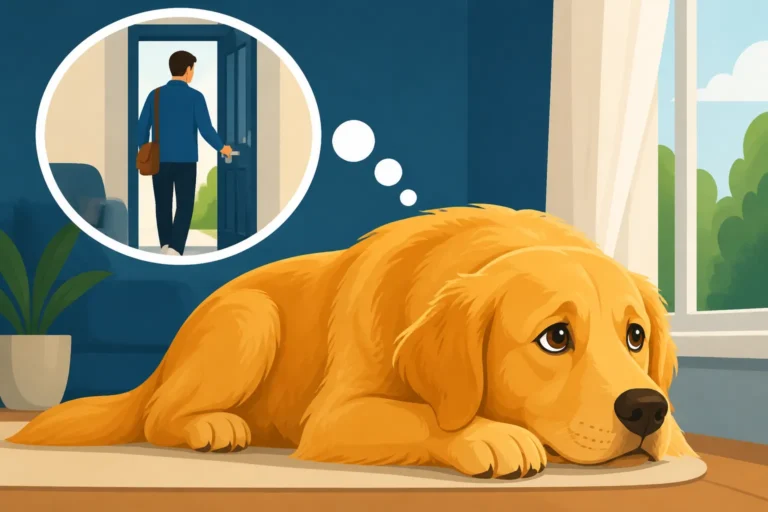
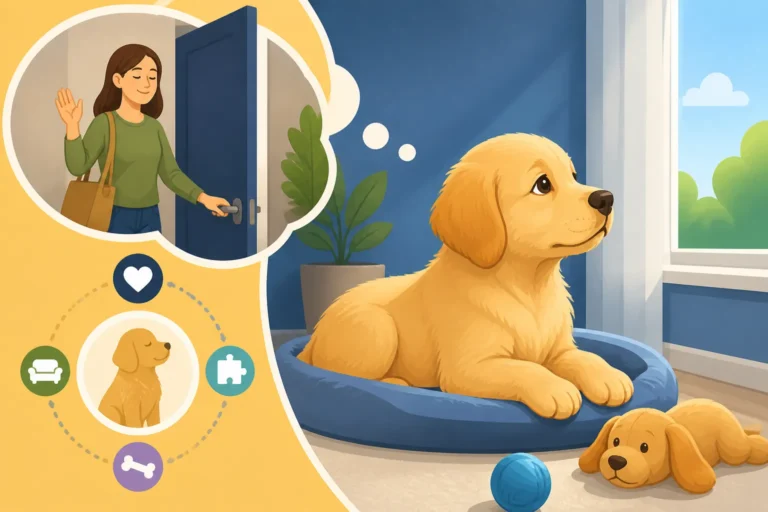
- Leaving Home for Short Intervals: Once they are reliably clean in their crate for a few hours and trustworthy during short, supervised free-roam sessions, you can begin leaving them unsupervised for very short periods. Start with 15-30 minutes, ensuring they've just had a potty break, and build up slowly. Always come back to a calm Golden and reward them for good behavior. This also helps with preventing Golden Retriever Separation Anxiety Signs.
Moving Beyond the Crate
The crate is an invaluable house training tool, but many owners eventually want their Golden Retriever to have full run of the house without supervision. This transition should happen only when you're confident in their reliability.
- Assess Readiness: Before fully ditching the crate, consider these factors:
- Has your Golden gone 3-4 months without a single indoor accident (excluding excitement/submissive urination, which are different issues)?
- Are they consistently holding their bladder for appropriate adult intervals (6-8 hours)?
- Do they reliably signal when they need to go out?
- Are they past their adolescent regression phase?
- Gradual Freedom: Don't just open the crate and assume success. Continue with the short periods of free-roam described above, gradually increasing duration and area.
- Overnight Transition: If you're moving them out of the crate at night, start by leaving the crate door open but keeping them in the same room. Then, if successful, try letting them sleep on their dog bed in your room. Ensure they get a thorough last potty break before bed.
- Maintain a Schedule: Even an adult, house-trained Golden Retriever benefits from a consistent potty schedule. While they can hold it longer, regular outings help prevent "holding it too long" accidents and provide mental stimulation. Don't assume they'll just tell you every time if you stop taking them out proactively.
- "Oops" Moments are Possible: Even fully trained adult dogs can have an occasional accident due to illness, stress, a change in routine, or just getting too engrossed in something. Don't panic. Treat it as an isolated incident, clean thoroughly, and perhaps briefly revisit some puppy principles if it seems to become a pattern.
Recognizing "Tells" for Potty Needs
As you spend more time with your Golden Retriever, you'll start to notice their unique ways of telling you they need to go out. Learning these "tells" is key to preventing accidents and fostering communication.
- Subtle Cues: These might include:
- Sniffing the ground excessively: Especially in areas where they've had accidents before.
- Circling: Often a prelude to squatting.
- Restlessness or Pacing: Unable to settle down.
- Whining or Barking: Sometimes a low whine or a single "woof" directed at you or the door.
- Sitting or Standing by the Door: Looking at the door, then at you.
- Sudden Quietness/Disappearance: If your normally boisterous Golden suddenly gets very quiet and disappears into another room, it's a huge red flag!
- Encouraging Communication: You can actively encourage your Golden to communicate. Some owners hang bells on the doorknob and teach their Golden to nudge them with their nose or paw to signal. When they ring the bells, immediately take them out. This gives them an active way to "ask" to go.
- Active Observation: The best way to learn their tells is to be observant, especially during the early training phases. Note their behavior just before they have an accident (if you catch them) or just before you take them out and they successfully potty. Over time, you'll develop an intuitive understanding of your Golden's unique signals.
By mastering these transitions and staying attuned to your Golden's communication, you'll build a lasting foundation of reliability and trust in your house training efforts.
Advanced Tips for a Fully House-Trained Golden
Even after your Golden Retriever is reliably house-trained at home, life throws curveballs. Travel, new environments, and challenging weather conditions can all test their training. Having strategies for these situations ensures their good habits extend beyond your familiar turf.
Travel and New Environments
Taking your Golden Retriever on a road trip or staying at a friend's house or hotel can disrupt routines and sometimes lead to unexpected accidents.
- Maintain Routine: As much as possible, stick to your Golden's established potty schedule. If they're used to going out every 4-6 hours, try to maintain that rhythm while traveling. Don't assume that because they're in a new exciting place, they'll "forget" to signal.
- Designate a Potty Spot: Upon arrival at a new location, immediately take your Golden to a specific area outside that you designate as their potty spot for the duration of your stay. This helps them understand where it's okay to go. Keep them on a leash for these initial potty breaks, even if they're usually off-leash at home, to keep them focused.
- Supervise Heavily: In new indoor environments, keep supervision levels high, especially for the first day or two. Use a tether if necessary, or a portable travel crate, to prevent "exploratory" accidents while they adjust. They might feel unsure of the rules in a new house.
- Bring Familiar Scents: A familiar blanket or bed in their travel crate can provide comfort and reinforce the "den" concept, making them less likely to soil their immediate sleeping area.
- Clean Up Any Accidents Impeccably: If an accident occurs in a new place, clean it thoroughly with an enzymatic cleaner to prevent any lingering scent from attracting them back to that spot.
Cold Weather and Rain Challenges
Let's face it, very few of us, or our dogs, enjoy standing in a freezing downpour or trudging through snow just to go potty. This can be a real test of even the best house training.
- Motivation is Key:
- Gear Up: Invest in appropriate gear for both of you! A waterproof coat for your Golden (especially if they have a shorter coat or are sensitive to cold) and a good raincoat and boots for you can make these trips less miserable.
- High-Value Treats: Pull out the really good treats for successful potty breaks in bad weather. Make it worth their while to brave the elements.
- Sheltered Spot: If possible, try to create a somewhat sheltered potty area in your yard, perhaps under an overhang or a large tree, to offer a bit of protection from the worst of the weather.
- Don't Rush It: In bad weather, your Golden might be hesitant to fully relax and do their business. Give them a few extra minutes, even if you're shivering. Rushing them might mean they only partially empty their bladder and need to go again sooner.
- Wipe Paws: Always wipe their paws and belly when coming back inside from snow or rain. This prevents tracking mud and snowmelt into your home and also checks for ice balls or salt irritation on their paws. This also helps with Cold Weather and a Golden Retriever's Double Coat.
- Indoor Alternatives (Temporary and Controlled): If the weather is truly extreme (e.g., blizzard, hurricane), you might need a temporary indoor solution like a large grass patch specifically designed for dogs or an emergency puppy pad setup. However, this should be a last resort and phased out immediately once the weather improves, to avoid confusion. For the most part, a Golden Retriever needs to go outside.
Utilizing Training Programs and Resources
You don't have to navigate the house training journey alone. There are fantastic resources available that offer structured guidance and support.
- Online Courses and Communities: Platforms like BAXTER & Bella offer comprehensive online puppy training programs that cover everything from house training to basic obedience, socialization, and problem-solving. These programs often include video tutorials, live Q&A sessions, and access to a community of trainers and fellow puppy owners, providing structured support that can be invaluable, especially for first-time Golden owners.
- Puppy Classes: Enrolling in a local puppy class can be incredibly beneficial. Beyond house training tips, these classes provide crucial socialization opportunities (essential for Goldens!) and teach you how to communicate effectively with your dog. The structured environment and experienced instructors offer hands-on guidance.
- Professional Dog Trainers: If you're struggling with specific challenges or just want personalized guidance, don't hesitate to consult a certified professional dog trainer. They can assess your Golden Retriever's behavior, your home environment, and tailor a plan specifically for your situation. Look for trainers who use positive reinforcement methods.
Remember, house training is a journey, not a race. There will be good days and frustrating days. With consistency, patience, positive reinforcement, and the right resources, your Golden Retriever will become a reliably house-trained and beloved member of your family.
Disclaimer
This article is for general informational purposes only and does not constitute professional advice. Laws, prices and regulations vary by location and change over time. Consult a qualified professional for guidance on your specific situation.