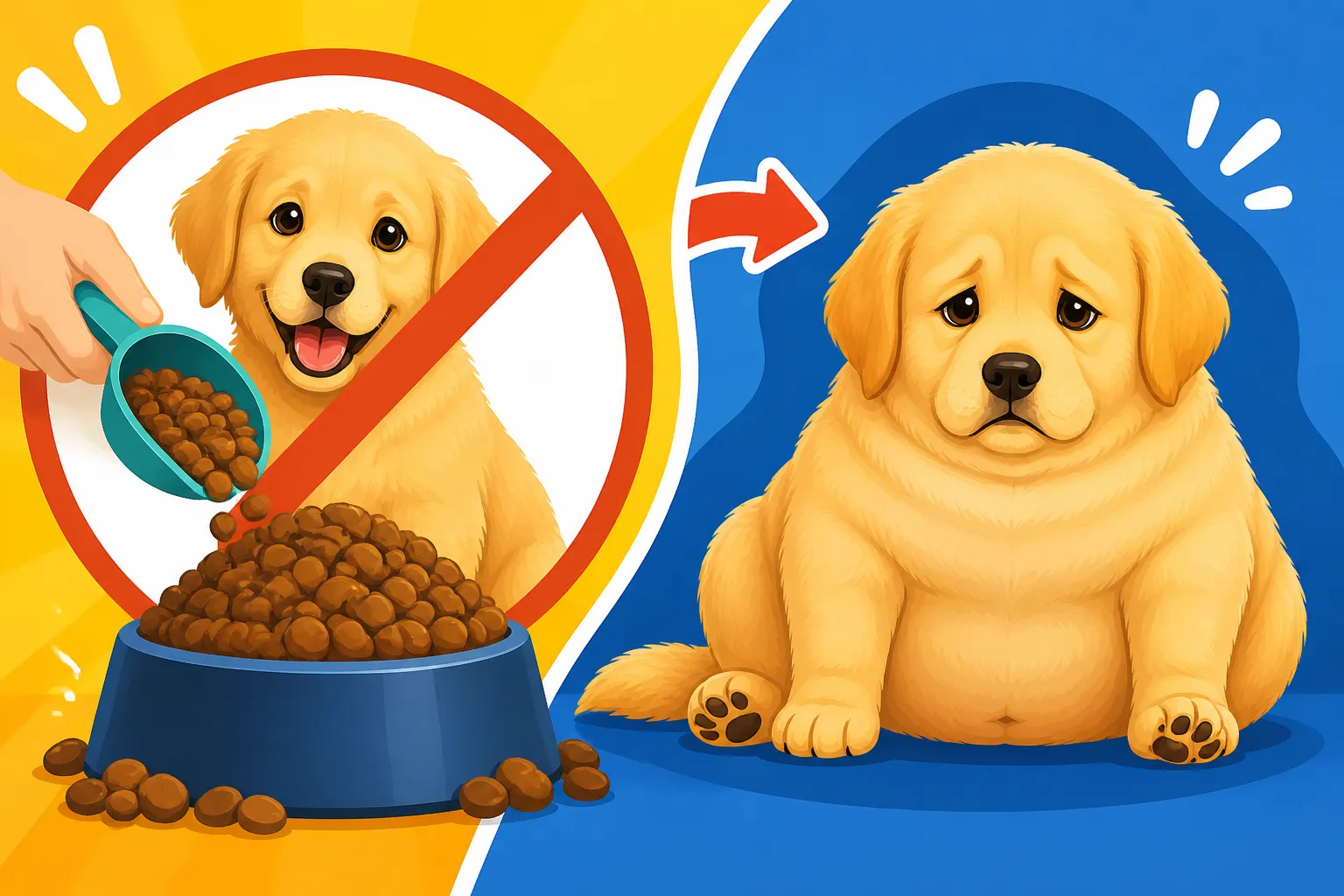
Overfeeding a Golden Retriever Puppy
It’s an almost universal experience for Golden Retriever puppy parents: you look at your adorable, growing fluffball and wonder if they’re getting enough to eat. We all want our puppies to be strong and healthy, and it’s natural to want to see them fill out. But sometimes, in our eagerness to nurture, we can actually do more harm than good by giving them too much. Overfeeding a Golden Retriever puppy, especially during those critical first months, can pave the way for a host of health problems down the road. This guide will help you understand the very real risks, recognize the signs, and set your sweet pup up for a long, healthy life by feeding them just right.
Why Overfeeding a Golden Retriever Puppy Is a Big Deal
It might seem counterintuitive. More food equals bigger, stronger puppy, right? For Golden Retrievers, particularly, that’s a dangerous misconception. These magnificent dogs are prone to certain orthopedic conditions, and rapid growth from overfeeding can significantly increase their risk. It’s not just about a few extra pounds; it's about altering their very development.
The Silent Threat to Growing Joints
When a Golden Retriever puppy grows too quickly, their bones and soft tissues don't develop in sync. Imagine building a house with a frame that expands faster than the plumbing and electrical systems can keep up – things will inevitably get out of whack. In puppies, this accelerated growth can put immense stress on developing joints. Their growth plates, which are still soft cartilage at the ends of their long bones, are particularly vulnerable.
Excessive calories, especially from diets not formulated for large breeds, can lead to bones growing too fast for the surrounding cartilage, ligaments, and tendons to properly support them. This can result in structural instabilities and predispose your Golden to painful and debilitating conditions such as hip dysplasia and elbow dysplasia. These aren't just minor aches; they can mean a lifetime of pain, expensive surgeries, and a reduced quality of life. It’s a silent threat because you often won't see the damage until much later, when it's already a significant problem. We delve deeper into this in Why Fast Growth Damages a Golden Retriever's Joints, highlighting how crucial it is to manage growth in those formative months.
Setting the Stage for Adult Obesity
Beyond joint issues, overfeeding a puppy can establish unhealthy patterns that lead directly to obesity in adulthood. Studies have shown that puppies who are overfed tend to develop more fat cells, and these cells don't just disappear. They might shrink if the dog loses weight, but the predisposition to store fat remains. This means that a puppy who is chunky early on is more likely to struggle with their weight throughout their entire life, even if their diet is managed better later.
Adult obesity in Golden Retrievers, much like in humans, brings with it a cascade of health problems. We’re talking about increased risk of diabetes, heart disease, certain types of cancer, and exacerbated joint issues. Their beautiful golden coats can suffer, their energy levels can plummet, and their overall lifespan can be significantly shortened. It’s a tough truth, but that extra bit of kibble or one too many treats during puppyhood can have profound, long-lasting consequences for your beloved companion. You can read more about this long-term impact in How Extra Weight Shortens a Golden Retriever's Life.
How to Spot the Signs of an Overfed Puppy
It's easy to look at a fluffy Golden Retriever puppy and think "chubby is cute." But for their long-term health, "lean is keen" is a much better motto. Learning to properly assess your puppy's body condition is one of the most important tools you have to ensure they're growing at a healthy rate.
The Body Condition Score for Puppies
One of the most effective ways to tell if your Golden Retriever puppy is at an appropriate weight is by regularly checking their Body Condition Score (BCS). This isn't about the number on the scale as much as it is about how they look and feel. A healthy puppy should be lean, not barrel-shaped or overly padded.
To check your puppy's BCS, run your hands along their sides. You should be able to easily feel their ribs without pressing hard, much like feeling the knuckles on the back of your hand. You shouldn't see them prominently sticking out, but you definitely shouldn't have to search for them under a layer of fat. Next, look at your puppy from above: they should have a discernible waist, an "hourglass" figure, even if slight. From the side, their abdomen should tuck up slightly, rather than hanging low or appearing distended. If you're finding it hard to feel those ribs, or if your puppy looks more like a little butterball than a sleek athlete, it's a strong indicator they might be getting too much food. For a more detailed guide on assessing your dog's physical state, check out Checking a Golden Retriever's Body Condition Score.
Growth Spurt vs. Excessive Weight Gain
Golden Retriever puppies grow incredibly fast, and it can sometimes be hard to distinguish between a healthy growth spurt and unhealthy, excessive weight gain. A healthy growth spurt will see your puppy getting taller, longer, and generally more substantial, but they should retain that lean, lanky puppy look, especially during their gangly adolescent phase. Their proportions might seem a bit off for a while as different parts of their body grow at different rates, which is normal.
Excessive weight gain, however, will manifest as a noticeable layer of fat over their ribs, a lack of a waist, and a general roundness to their body. Their movement might even start to seem a bit less agile, though this can be subtle in a playful puppy. It’s incredibly helpful to weigh your puppy weekly, or at least bi-weekly, and track their progress. Discuss these weights with your veterinarian at each visit. If your vet notes that your puppy is trending significantly above the healthy weight range for their age and breed, it's a clear signal to adjust their feeding. Many owners mistakenly think their puppy will just "grow into" the weight, but this rarely happens and can be incredibly damaging. The article Signs You Are Overfeeding a Golden Retriever Puppy offers more specific visual cues to watch out for.
The Right Way to Feed Your Golden Retriever Puppy
Feeding your Golden Retriever puppy correctly is about precision and consistency, not guesswork. It’s a balance of providing all the necessary nutrients for healthy development without encouraging excessive, rapid growth. This means being mindful of the food you choose, how much you give, and when you give it.
Understanding Puppy Food Requirements
Choosing the right food is paramount. Golden Retrievers are a large breed, and their nutritional needs during puppyhood are distinct from smaller breeds. They require a diet specifically formulated for "large breed puppies." Why? Because these formulas are carefully balanced to promote slower, more controlled growth. They typically have slightly lower calorie densities and, critically, specific calcium and phosphorus ratios that are essential for skeletal development.
Feeding a regular puppy food, or worse, an adult dog food, can throw off this delicate balance. Too much calcium, for instance, can be just as detrimental as too little, leading to developmental orthopedic diseases. Look for reputable brands that clearly state they are formulated for large breed puppies. Reading the ingredient list and nutritional analysis carefully is a must. Your vet can offer excellent recommendations tailored to your specific puppy’s needs. For a deeper dive into why this formulation matters, read Large Breed Puppy Food and Why Goldens Need It and Calcium Levels in Golden Retriever Puppy Food.
Sticking to a Feeding Schedule and Portions
One of the biggest mistakes new puppy owners make is allowing their Golden to "free-feed," meaning food is left out all day for them to graze whenever they wish. While this might work for some breeds, it's a recipe for overeating and rapid growth in Goldens, who often lack a self-regulating "off switch" when it comes to food. Measured meals are crucial.
Puppies typically need to eat three times a day until they are about six months old, at which point you can often transition to two meals a day, usually morning and evening. The key is to measure out their daily allowance of food and divide it evenly between those meals. This not only controls their intake but also establishes a routine, aids in potty training, and prevents gorging. Consistency is your friend here. For a detailed breakdown of meal times and amounts, consult Golden Retriever Puppy Feeding Amounts and Schedule. The importance of this structured approach is further emphasized in Why Golden Retriever Puppies Should Not Free Feed.
Reading and Adjusting Food Labels
Every bag of quality puppy food will have a feeding guide printed on its label. This guide typically recommends a daily amount based on your puppy's current age and expected adult weight. It's a great starting point, but it’s crucial to understand that these are guidelines, not gospel. Your puppy is an individual, and their metabolic rate and activity level will vary.
A highly active Golden Retriever puppy might need slightly more than the recommended amount, while a calmer one might need less. It’s your job to use the feeding guide as a base, then adjust up or down based on your puppy's body condition score. If you can't feel their ribs, cut back a little. If they seem too lean, you might add a small amount. Always make adjustments gradually, usually by about 10% of their daily intake, and monitor their weight and condition closely. Don't be afraid to check different brands for their recommendations, whether you're looking at something readily available on Chewy or a carefully sourced fresh food option like Ollie. For a more comprehensive understanding of these labels, check out Reading a Dog Food Label for a Golden Retriever.
Common Overfeeding Mistakes to Avoid
Even with the best intentions, it’s easy to fall into certain traps that lead to overfeeding. Recognizing these common mistakes is the first step toward correcting them and ensuring your Golden Retriever puppy maintains a healthy weight and growth rate.
The Pitfalls of "Free-Feeding"
As we touched on earlier, free-feeding is perhaps the most common and damaging mistake when it comes to Golden Retriever puppies. Goldens are known for their love of food – it's part of their charm! But this strong food drive means they often lack the ability to self-regulate their intake, especially when young. Leaving a bowl of kibble out all day is an open invitation for them to graze constantly, consuming far more calories than they need.
This continuous eating doesn't just lead to weight gain; it can also disrupt their digestive system and make potty training much harder. When food is always available, it’s impossible to track how much they’re truly eating, making it difficult to adjust portions. Instead, embrace scheduled meal times. Present the food, give them 15-20 minutes to eat, and then pick up anything remaining. This teaches them to eat when food is available and allows you to accurately monitor their intake.
Too Many Treats and Table Scraps
Who can resist those pleading Golden Retriever puppy eyes when you're enjoying a snack? It’s incredibly tempting to share, or to use treats generously for training. However, the calories from treats and human food can add up astonishingly fast, often pushing your puppy's daily intake far beyond what’s healthy. A small piece of cheese for you is a significant calorie bomb for a growing puppy.
Treats should be small, low-calorie, and used judiciously for training, not as meal supplements. Think pea-sized pieces of kibble from their daily allowance, or tiny bits of plain, cooked chicken or green beans. Avoid high-fat, sugary, or processed human foods, and absolutely no table scraps – many human foods are toxic to dogs, and even safe ones contribute to overfeeding and can cause digestive upset. Be mindful of how many treats you’re giving throughout the day; it's easy to lose count. We have a helpful guide on How Many Treats a Golden Retriever Can Have to help you make smarter choices. If you're buying treats, look for options with limited ingredients that are easily available from places like Amazon or your local pet store.
Ignoring Activity Levels
A Golden Retriever puppy's activity level can fluctuate significantly from day to day. One day they might be a whirlwind of energy, chasing toys and wrestling with siblings (or you!), burning through calories. The next, they might be more subdued, perhaps feeling a bit under the weather or simply enjoying a lazy afternoon. Ignoring these variations and feeding the exact same amount of food every single day is another common mistake.
While you don't need to adjust their food dramatically on a daily basis, be mindful of prolonged periods of higher or lower activity. If your puppy has had an exceptionally active week with extra play sessions, they might need a slight bump in their food. Conversely, if they've been less active due to bad weather or a minor ailment, a small reduction might be in order. Regular body condition assessments are your best friend here, as they provide a real-time indicator of whether their caloric intake is matching their output. Remember that too much forced exercise for a puppy can also be detrimental to their joints, so find a healthy balance. Our article Exercise Limits for a Golden Retriever Puppy offers great insights into appropriate activity levels for young Goldens.
When to Consult Your Veterinarian
While this guide provides a wealth of information, your veterinarian remains your most trusted partner in ensuring your Golden Retriever puppy's healthy development. Don't hesitate to reach out to them with any concerns about feeding or growth.
Regular Vet Check-ups for Growth Monitoring
One of the most valuable aspects of your puppy's regular veterinary check-ups is the professional assessment of their growth and weight. Your vet isn't just there for vaccinations and deworming; they're also carefully monitoring your puppy's progress, checking their body condition, and discussing their diet with you. They'll have a keen eye for signs of either underfeeding or, more commonly, overfeeding and rapid growth.
During these visits, be honest about what and how much you're feeding, including treats and any shared human foods. Bring the bag of food you're using so your vet can review the nutritional information. They can provide personalized advice, recommend specific feeding amounts, and help you interpret your puppy's body condition. These routine visits are an investment in your Golden's future health. Don't skip them! The first vet visit for a puppy is critical, as detailed in The First Vet Visit for a Golden Retriever Puppy.
Addressing Persistent Weight Concerns
If you've been diligently following feeding guidelines, measuring portions, and monitoring your puppy's body condition, but you're still concerned about their weight – whether they seem too heavy or perhaps aren't gaining enough – it's definitely time for a deeper conversation with your vet. Persistent weight concerns can sometimes indicate underlying health issues that aren't immediately obvious, or perhaps your puppy simply has a unique metabolic rate that requires a more tailored approach.
Your vet might recommend specific diagnostic tests, discuss different food formulations, or even refer you to a veterinary nutritionist for a highly individualized feeding plan. Don't try to drastically cut food or switch diets without professional guidance, as this could inadvertently deprive your growing puppy of essential nutrients. Trust your instincts as a pet parent, and if something feels off, get it checked out. It's always better to be proactive when it comes to your Golden's health.
Puppy Body Condition Score (BCS) Guide
Understanding your puppy's body condition is key to preventing overfeeding. Use this table as a reference, but always confirm with your veterinarian.
| Score | Appearance | Description | Ideal Action |
|---|---|---|---|
| 1 | Emaciated | Ribs, spine, pelvic bones, and all bony prominences are easily visible from a distance. No discernible fat. Severe waist tuck. Obvious muscle loss. | Consult vet immediately; increase food. |
| 2 | Very Thin | Ribs, spine, and pelvic bones are easily visible. Obvious waist tuck and abdominal tuck. Minimal fat. Some muscle loss may be evident. | Increase food, monitor closely. |
| 3 | Ideal (Lean and Healthy) | Ribs are easily felt but not seen. Waist is easily observed when viewed from above. Abdomen is tucked up when viewed from the side. Puppy looks lean and athletic. | Maintain current feeding. |
| 4 | Overweight | Ribs are difficult to feel under a slight layer of fat. Waist is absent or barely discernible. Abdomen may appear flat or slightly rounded instead of tucked. | Slightly decrease food, increase monitoring. |
| 5 | Obese | Ribs cannot be felt under a heavy layer of fat. No waist. Abdomen distended, heavy fat deposits over lumbar area and tail base. May show reduced activity. | Consult vet; significant diet adjustment. |
Disclaimer
This article is for general informational purposes only and does not constitute professional advice. Laws, prices and regulations vary by location and change over time. Consult a qualified professional for guidance on your specific situation.