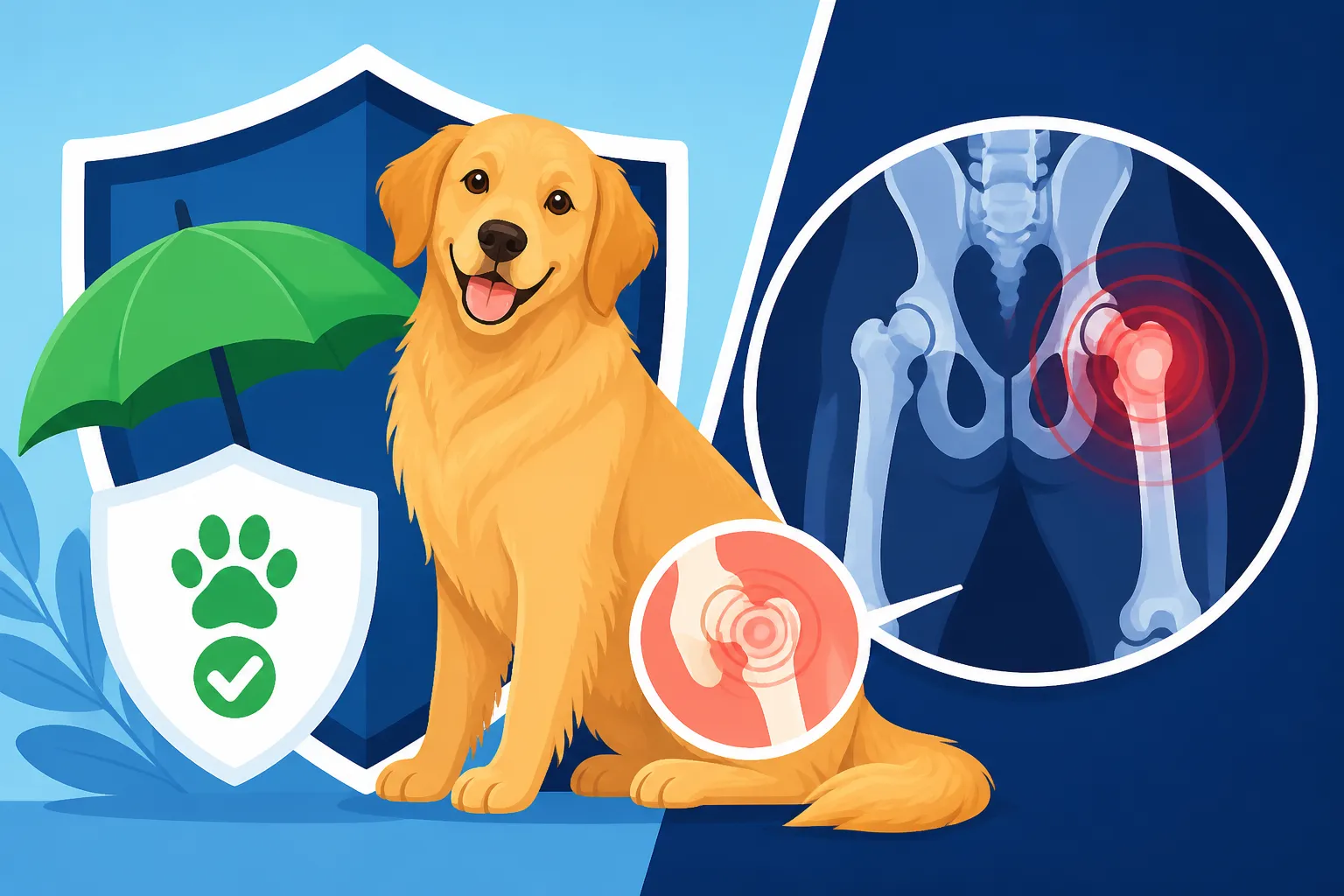
Whether Insurance Covers Golden Retriever Hip Dysplasia
One of the most heartbreaking realities of loving a Golden Retriever is the worry over their health, especially for conditions like hip dysplasia. It’s a common, often debilitating issue that can lead to significant pain and expense, leaving many owners wondering if their hard-earned pet insurance will actually step up when they need it most. This guide aims to clear up the confusion surrounding pet insurance coverage for Golden Retriever hip dysplasia, so you can make informed decisions for your beloved companion.
Understanding Golden Retriever Hip Dysplasia and Its Onset
Hip dysplasia is a complex condition where the ball and socket of the hip joint don't fit together properly. Instead of smooth gliding, there's friction, leading to wear and tear, pain, and eventually arthritis. For Golden Retrievers, this isn't just a random occurrence; it's a condition with a strong genetic component, meaning it's often inherited from their parents. This genetic predisposition is why reputable breeders go to great lengths to screen their breeding dogs. You can learn more about this in our detailed article on Golden Retriever Hip and Elbow Dysplasia Explained.
The tricky part about hip dysplasia in Goldens is that while it's inherited, it's not always evident from birth. Puppies might show no signs at all for months or even years. Often, the first subtle symptoms, like a slight limp after exercise or difficulty getting up, might not appear until they're adolescents or young adults. Some Goldens even mask their pain remarkably well, making it hard for owners to spot early signs. This delayed onset creates a significant hurdle when it comes to insurance coverage.
Why Golden Retrievers Are Prone to Hip Dysplasia
It’s no secret that Golden Retrievers, along with many other large breeds, are disproportionately affected by hip dysplasia. Their rapid growth rate, combined with their genetic blueprint for lax hip joints, makes them particularly susceptible. Imagine a beautiful, energetic Golden puppy, all gangly legs and boundless enthusiasm. While they’re scampering about, their hip joints might already be developing abnormally, even if you can't see or feel it. Environmental factors, like excessive forced exercise or improper nutrition during puppyhood, can exacerbate the genetic predisposition, turning a mild case into a severe one.
The reality is, even with the best breeding practices, there’s always a chance your Golden could develop hip dysplasia. This uncertainty is precisely why many loving owners consider pet insurance in the first place, hoping for a safety net against the unexpected. It's a heavy burden to carry, knowing that a condition that impacts their mobility and quality of life could be lurking.
Recognizing Early Signs Versus a Formal Diagnosis
Many Golden Retriever owners first notice something isn't quite right when their otherwise playful puppy starts showing hesitation with stairs, seems stiff after a nap, or exhibits a "bunny hop" gait when running. These early indicators, while concerning, aren't a formal diagnosis. A definitive diagnosis typically involves a veterinary examination, physical manipulation of the hips, and most importantly, X-rays. Often, vets will recommend specific views, like an extended hip view, to properly assess the joint's conformation.
The crucial distinction for insurance purposes is between when symptoms start and when a condition is diagnosed. Insurance companies are very particular about this timeline. If your Golden showed any signs or symptoms, or received any veterinary advice or treatment for hip-related issues before your policy's waiting period ended or even before you enrolled them, it will likely be considered a pre-existing condition, even if the formal X-ray diagnosis came much later. This is a common frustration for owners who feel blindsided by the technicalities. Our article When Golden Retriever Hip Dysplasia First Shows provides more detail on what to look for.
The Pre-Existing Condition Clause and Pet Insurance
This is where the rubber truly meets the road for pet insurance and hip dysplasia. Almost every pet insurance policy has a "pre-existing condition" clause. Simply put, if your Golden Retriever showed any signs, symptoms, or received a diagnosis for hip dysplasia (or a related condition) before your policy's effective date or during its waiting period, that condition will almost certainly be excluded from coverage. This rule applies whether you knew about the condition or not.
It's a tough pill to swallow because, as we discussed, hip dysplasia can be silent for a while. You might adopt a seemingly healthy puppy, enroll them in insurance, and then a few months later, they start limping. If your vet notes indicate any musculoskeletal issues before your policy kicked in, even vague ones, the insurance company might deny coverage. This is why understanding the fine print and enrolling your Golden Retriever puppy as early as possible is so incredibly vital.
Defining Pre-Existing: What Insurers Look For
Insurance companies aren't just looking for an official diagnosis date. They delve deep into your pet's veterinary records, often requesting every single document from every vet visit dating back years, or even from birth if available. They're searching for any notation that could indicate a problem with the hips, legs, or even general lameness that could be related to hip dysplasia. This could include:
- Symptoms: Any mention of limping, stiffness, "bunny hopping," difficulty rising, pain, or reluctance to exercise.
- Observations: A vet noting a "wobbly gait," "hip laxity" during an exam, or even just general "musculoskeletal pain" in their notes.
- Treatments: Any medication prescribed for pain or inflammation, even if it wasn't explicitly for hip dysplasia at the time.
- Conversations: Sometimes, a vet will simply make a note about discussing potential future joint issues with an owner. Even this can be used as evidence of a pre-existing condition.
The burden of proof often lies with the pet owner to show that the condition was not present or suspected before coverage began. This can feel unfair, especially if you were simply taking proactive steps or if the symptoms were so mild they were easily dismissed. It underscores the importance of transparent communication with your vet and carefully reviewing their notes.
Hereditary Conditions and Policy Distinctions
Many Golden Retriever owners are also confused about the difference between a "pre-existing" condition and a "hereditary" one. Hip dysplasia is unequivocally considered a hereditary condition in Golden Retrievers, meaning it's passed down genetically. However, most reputable pet insurance policies do cover hereditary conditions, provided they are not also pre-existing.
Here's the key distinction: if your Golden Retriever has a genetic predisposition to hip dysplasia (which all Goldens do to some extent), and they develop it after your policy's waiting periods have passed and without any prior symptoms or diagnosis, then it would generally be covered as a hereditary condition. The issue arises when that hereditary condition manifests with symptoms or is diagnosed before your coverage is fully active. Then it becomes pre-existing, and coverage is denied. This is a critical point that differentiates many policies and can significantly impact your financial outlay. When you're looking for Pet Insurance for a Golden Retriever, always ask specifically about their stance on hereditary conditions.
Waiting Periods, Bilateral Conditions, and Exclusions
Understanding the nuances of pet insurance involves more than just knowing what a pre-existing condition is. Waiting periods, how bilateral conditions are handled, and other common exclusions can significantly affect whether your Golden Retriever's hip dysplasia treatment will be covered. These are often the clauses that catch pet parents by surprise.
The Impact of Waiting Periods on Coverage
Every pet insurance policy comes with waiting periods – a specific amount of time that must pass after you enroll your pet and before certain conditions are eligible for coverage. These periods vary by insurer and by type of condition. For accidents, it might be as short as a few days. For illnesses, it's typically 14 days. However, for orthopedic conditions like hip dysplasia, patellar luxation, or cruciate ligament issues, waiting periods can be much longer, often 6 months or even 12 months.
Let's say you get a Golden Retriever puppy and enroll them in pet insurance right away. If they develop symptoms of hip dysplasia before that 6-month or 12-month orthopedic waiting period is up, even if there were no signs when you first enrolled, the condition will likely be considered pre-existing and excluded. This is a huge risk, especially for a breed so prone to the condition. It’s why some pet parents hold off on insurance, but that can backfire if an accident or sudden illness occurs during the uncovered period. You'll find more information on this in our article Waiting Periods on Golden Retriever Insurance.
Bilateral Conditions: A Common Sticking Point
Hip dysplasia is a bilateral condition, meaning it affects both hips, even if one hip is worse than the other. Many insurance policies have a "bilateral condition" clause that states if one side of a bilateral condition is diagnosed or shows symptoms before or during the waiting period, the other side will also be considered pre-existing and excluded from coverage, even if it hasn't shown symptoms yet.
Imagine your Golden develops a limp on their right hind leg at 10 months old, and you get a diagnosis of hip dysplasia in that hip. If your insurance policy had a 6-month orthopedic waiting period and you enrolled them at 8 weeks, that right hip might be covered. However, if they hadn't yet passed that waiting period, both hips would be excluded. If the right hip was covered, and then two years later, the left hip starts causing problems, some policies might deny coverage for the left hip too, arguing it's the same bilateral condition that was present (even if asymptomatic) on the other side when the policy started. This can be incredibly frustrating, as it feels like they’re penalizing you for a genetic predisposition.
Other Common Exclusions and Policy Specifics
Beyond pre-existing and bilateral conditions, there are other aspects of pet insurance policies that can affect coverage for hip dysplasia:
- Routine Care/Wellness Plans: Most standard pet insurance policies (accident & illness plans) do not cover routine wellness care like regular check-ups, vaccinations, or preventive screenings. While hip X-rays for screening purposes (like OFA or PennHIP) might not be covered, X-rays performed to diagnose a symptomatic condition would typically be covered under an accident and illness plan, assuming it's not pre-existing.
- Age Limits: Some older policies or certain insurers may have age limits for new enrollments, or they may impose restrictions on orthopedic coverage for older pets. Enrolling a Golden Retriever puppy is generally the best strategy to maximize your chances of coverage for hereditary conditions.
- Deductibles and Reimbursement Levels: Even with coverage, you'll still be responsible for your deductible and a percentage of the remaining costs, depending on your chosen reimbursement level (e.g., 70%, 80%, 90%). When considering Golden Retriever Hip Surgery Costs and Options, remember these out-of-pocket expenses can still be substantial.
- Specific Exclusions: Always read the policy document thoroughly. Some niche policies might specifically exclude certain orthopedic conditions or breeds. While less common with major providers like Healthy Paws, it's always worth checking.
Here's a quick overview of how different scenarios might play out with pet insurance and Golden Retriever hip dysplasia:
| Scenario | Timing of Enrollment | Symptoms/Diagnosis | Likely Coverage |
|---|---|---|---|
| Ideal Coverage | Puppyhood | No symptoms/diagnosis before enrollment or waiting periods; develops symptoms later | YES (for hereditary conditions) |
| Pre-Existing Exclusion | Puppyhood/Adulthood | Symptoms or diagnosis before enrollment or during waiting periods | NO |
| Bilateral Exclusion | Puppyhood | One hip symptomatic/diagnosed within waiting period; other hip develops symptoms later | NO (for second hip too) |
| Older Golden with New Symptoms | Adult Dog | No prior history; develops symptoms after all waiting periods | YES (for hereditary conditions, if allowed by age) |
| Proactive OFA/PennHIP Screening | Any Age | Performed before any symptoms; results show mild dysplasia; no symptoms or treatment initiated | Could make it pre-existing if noted, but if purely for screening, typically fine until symptoms appear. |
It's a lot to navigate, and it's why I always recommend calling potential providers directly to discuss your specific concerns about hip dysplasia and your Golden Retriever.
What to Look for in a Pet Insurance Policy for Hip Dysplasia
Given the complexities, choosing the right pet insurance for your Golden Retriever, especially with hip dysplasia in mind, requires careful consideration. It's not just about the monthly premium; it's about the depth of coverage and how transparent the policy is about orthopedic conditions.
Comprehensive Accident and Illness Plans
First and foremost, you'll want a comprehensive accident and illness plan. Accident-only plans are much cheaper, but they won't cover hip dysplasia, as it's an illness/hereditary condition, not an accidental injury. Some plans offer "wellness riders" that can help with routine costs like vaccinations or dental cleanings, but these typically don't contribute to covering major conditions like hip dysplasia. Focus on the core accident and illness coverage.
Look for a policy that explicitly states it covers hereditary and congenital conditions. While most do, it's always good to see it in black and white. Remember, "hereditary" coverage is only useful if the condition isn't deemed "pre-existing" by the insurer.
Short Orthopedic Waiting Periods
This is a big one. As discussed, longer waiting periods for orthopedic conditions can leave you vulnerable. Look for insurers with the shortest possible orthopedic waiting periods. Some might have a standard 14-day illness waiting period that applies to all conditions, including orthopedic ones, while others specifically carve out longer periods for conditions like hip dysplasia. For example, Healthy Paws is known for its comprehensive coverage and shorter waiting periods compared to some other providers, though orthopedic conditions still have specific waiting periods.
The sooner your Golden passes these waiting periods without any symptoms or diagnoses, the better your chances of having hip dysplasia covered if it develops later. This reinforces the advice to enroll your Golden Retriever as a puppy, ideally before any signs of joint issues could possibly emerge.
Clear Stance on Bilateral Conditions
During your research, ask potential insurers directly about their policy on bilateral conditions. Understand how they would handle a scenario where one hip is diagnosed with dysplasia after the waiting period, and then the other hip develops problems later. Will they consider it one continuous condition and deny the second hip's treatment? Or will they treat each hip independently, assuming the second hip shows no signs until well after coverage is active? This clarity can save you immense heartache and financial strain down the line.
Some providers may offer specific riders or options that address bilateral conditions more favorably, so it's worth exploring all possibilities.
Reputation and Customer Service
When you're dealing with a potentially expensive and complex condition like hip dysplasia, you want an insurance company that stands by its word and provides excellent customer service. Look for providers with strong reputations for processing claims fairly and transparently. Read reviews, particularly those from owners of breeds prone to orthopedic issues. A good company will have knowledgeable representatives who can clearly explain their policy terms regarding hip dysplasia, pre-existing conditions, and waiting periods without ambiguity.
While Chewy is a fantastic resource for everything from orthopedic beds for a Golden Retriever to prescription food that supports joint health, they also offer pet insurance plans through partnerships. It's worth exploring their offerings and comparing them against other dedicated pet insurance providers like Healthy Paws. Remember, the goal isn't just to have insurance, but to have effective insurance that actually pays out when your Golden needs it most.
Considering Other Joint Health Factors
Even with insurance, you'll be actively involved in managing your Golden's joint health. This includes keeping them at a healthy weight (as Golden Retriever Weight and Joint Damage is a significant factor), ensuring they get appropriate exercise, and potentially considering supplements. While supplements might not be covered by standard insurance, they are often part of a holistic approach to managing joint health. Some owners even choose fresh food options like Ollie, believing it contributes to overall health, though diet's direct impact on preventing genetic hip dysplasia is not fully proven.
Ultimately, preventing or managing hip dysplasia is a multi-faceted approach. Pet insurance is a crucial financial tool, but it works best when combined with responsible ownership, excellent veterinary care, and an understanding of your Golden's unique needs. Don't hesitate to engage in proactive discussions with your veterinarian about joint health, even for a young puppy, to establish a clear medical history that can benefit your insurance claims if needed.
Navigating a Hip Dysplasia Diagnosis with Insurance
When your Golden Retriever finally gets a formal diagnosis of hip dysplasia, it's a gut-wrenching moment. The immediate thoughts often turn to pain management, potential surgery, and the looming financial burden. If you have pet insurance, this is the moment you hope it all pays off.
Submitting a Claim and What to Expect
The process of submitting a claim usually starts with your veterinarian. They'll provide you with detailed invoices for diagnostics (like X-rays), consultations, medications, and any recommended treatments or surgeries. You'll then submit these, along with a claim form, to your insurance provider. Many providers, including Healthy Paws, have online portals or apps that make submitting claims fairly straightforward.
Expect the insurance company to request your Golden's full veterinary history. This is where their deep dive into "pre-existing conditions" truly happens. They'll meticulously review every vet note, every treatment, and every symptom documented from day one. If they find any indication that hip issues were present or suspected before your policy's waiting periods were satisfied, they will likely deny coverage for that specific condition. This can be incredibly frustrating if you felt your dog was perfectly healthy when you enrolled them.
Treatment Options and Their Coverage
If your Golden's hip dysplasia is indeed covered, pet insurance can significantly alleviate the financial stress of treatment. Treatment for hip dysplasia can range from conservative management to surgical interventions.
- Conservative Management: This often includes pain medication, anti-inflammatory drugs, joint supplements (though supplements are rarely covered by insurance), weight management, and Physical Therapy for a Golden Retriever With Bad Hips. Insurance would typically cover vet visits, diagnostics, and prescription medications within the scope of a covered condition.
- Surgical Interventions: These are generally the most expensive options and include procedures like Femoral Head Ostectomy (FHO), Triple Pelvic Osteotomy (TPO) for younger dogs, or Total Hip Replacement (THR). These surgeries can cost thousands of dollars per hip. If covered, pet insurance can reimburse a significant portion of these costs, after your deductible and according to your reimbursement level. Our article on Golden Retriever Hip Surgery Costs and Options provides more detail on these procedures and their associated expenses.
It's important to remember that insurance typically covers the "medically necessary" aspects of treatment. This usually includes the diagnostic tests (X-rays, bloodwork), specialist consultations, surgery, anesthesia, hospitalization, and prescribed post-operative medications. It generally won't cover things like special diets you buy at the pet store (unless prescription and linked to a covered illness), or over-the-counter supplements.
Appealing a Denied Claim
Receiving a denial for a claim related to hip dysplasia can be devastating. However, it's not always the final word. You usually have the right to appeal the decision. When appealing, you'll need to gather additional information or clarification from your veterinarian.
- Veterinary Clarification: Ask your vet to provide a letter clarifying their notes, specifically addressing the insurance company's concerns about pre-existing conditions. For instance, if a general lameness was noted but later determined to be unrelated to hip dysplasia, your vet can state that.
- Expert Review: Some insurance companies offer an internal review by a veterinary professional on their staff.
- Policy Review: Carefully reread your policy's terms and conditions to ensure the denial aligns with the stated exclusions.
While appeals can be time-consuming and emotionally draining, they are sometimes successful, especially if you can provide clear evidence that challenges the insurance company's initial assessment. It’s a testament to how much we love our Goldens that we're willing to fight through this bureaucratic maze for their well-being.
Disclaimer
This article is for general informational purposes only and does not constitute professional advice. Laws, prices and regulations vary by location and change over time. Consult a qualified professional for guidance on your specific situation.