Why a Golden Retriever Puppy Bites Hands
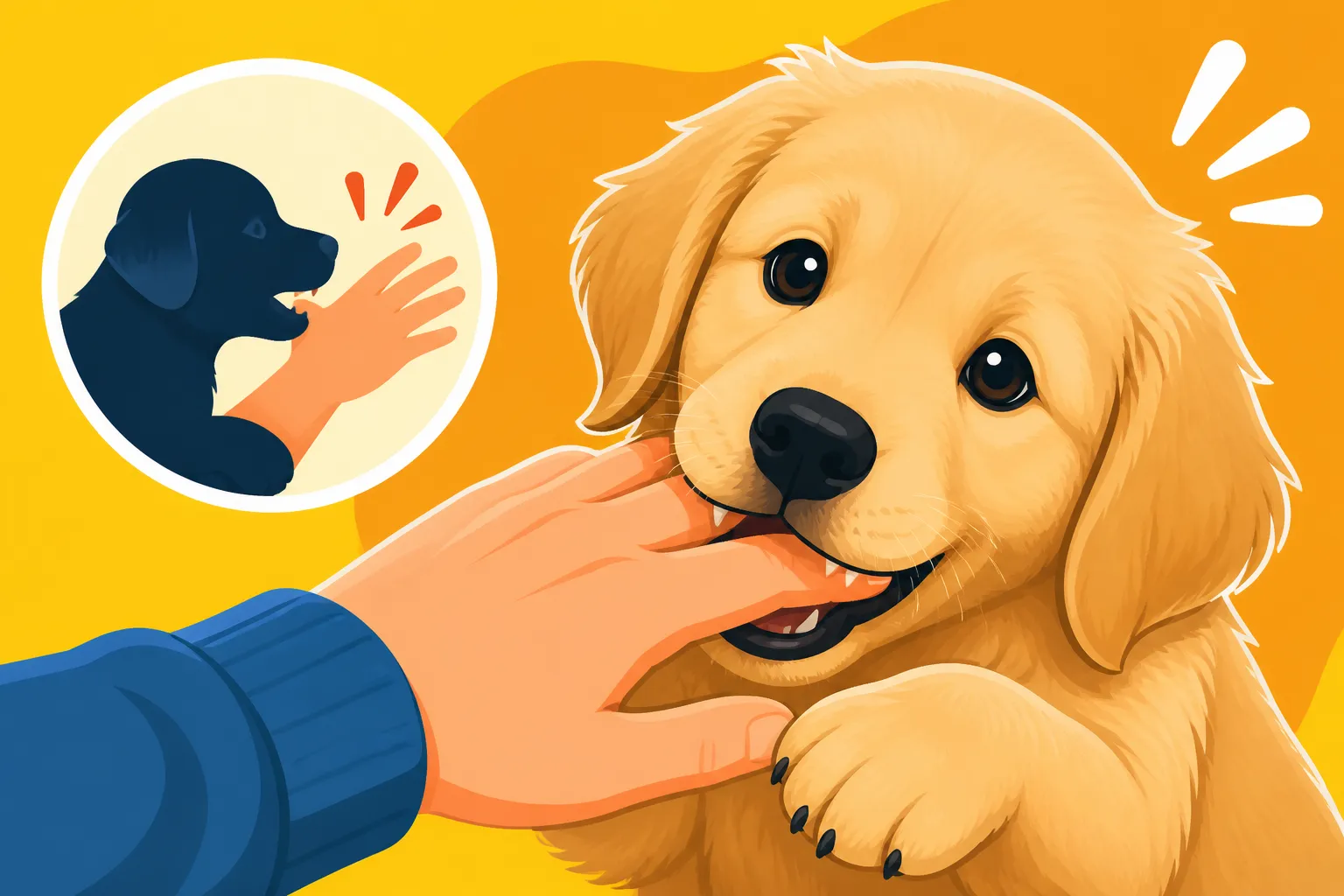
It’s a tale as old as time for Golden Retriever puppy parents: you bring home that adorable, fluffy bundle of joy, envisioning gentle cuddles and sweet puppy kisses, only to find yourself with tiny, needle-sharp teeth constantly latching onto your hands, ankles, and anything else within reach. This isn't just a minor annoyance; it can be painful, frustrating, and even concerning, making you wonder if you’ve somehow adopted a tiny piranha instead of a Golden. This comprehensive guide will explain exactly why your Golden Retriever puppy is biting your hands, break down the underlying reasons for this common behavior, and provide you with actionable, empathetic strategies to gently guide them towards appropriate mouthing and play.
The Natural Instincts Behind Puppy Mouthing
Before we dive into solutions, it’s really important to understand that your Golden Retriever puppy isn't biting you out of malice or aggression. This behavior, while uncomfortable for us, is completely natural and stems from a few key developmental stages and breed characteristics. It’s how they interact with their world and learn about their environment.
Exploring the World with Their Mouths
Imagine a human baby. What’s one of the first things they do with anything new they encounter? They put it in their mouth! Puppies are no different. They don't have hands with opposable thumbs to pick things up and examine them closely. Instead, their mouths are their primary tools for investigation. A new texture, a new smell, a new object – it all goes into the mouth.
Your hands, especially, are a treasure trove of interesting sensations for a puppy. They move, they smell like you, and they offer a unique combination of soft skin and harder bones. For a curious Golden Retriever puppy, your hands are fascinating objects to explore. They’re trying to figure out what your hands are, how they react, and what they can do with them. This isn’t a sign of aggression; it’s pure, unadulterated puppy curiosity at work. They’re trying to gather information, and sometimes that information-gathering can feel a lot like a shark attack to our sensitive skin.
The Teething Terror Stage
Ah, teething. Every puppy owner knows this phase well, and it's a huge contributor to why your Golden Retriever puppy seems determined to gnaw on anything and everything, especially your hands. Just like human babies, puppies experience significant discomfort as their sharp baby teeth fall out and their larger, stronger adult teeth push through. This process typically starts around 3-4 weeks of age, but it really ramps up between 12-16 weeks and can continue until they're about six months old.
During this time, their gums are sore, swollen, and itchy. Chewing provides a natural way for them to relieve this discomfort and help those new teeth emerge. Your hands, being readily available and often engaging with them in play, become prime targets. It’s not that they prefer your hands over a chew toy, but if your hands are the most accessible and interesting thing to chomp on when their gums are aching, that’s what they’ll go for. Understanding The Golden Retriever Teething Timeline can really help you anticipate and prepare for the most intense phases of this behavior. Providing appropriate outlets for this need to chew is paramount during these months.
Learning Bite Inhibition from Littermates
In a natural puppy environment, before they come home to you, puppies learn crucial lessons about bite inhibition from their mother and their littermates. When puppies play, they mouth and bite each other. If one puppy bites another too hard, the bitten puppy will yelp loudly, signaling that the bite was painful. This causes the biting puppy to momentarily stop, or at least soften their bite. Through repeated experiences, they learn to control the pressure of their jaws, understanding that a gentle mouth allows play to continue, while a hard bite ends it.
However, when a puppy leaves their litter at eight weeks old (or sometimes even earlier), they’re suddenly taken out of this natural classroom. They haven't had a chance to fully master bite inhibition. Now, you, the human, become their primary teacher. And unfortunately, we don't have a thick coat of fur like a littermate, nor do we always instinctively know how to "yelp" effectively. Without this consistent feedback, your Golden Retriever puppy simply doesn't know the limits of their bite force on human skin. They're still practicing, and sometimes, that practice hurts! This is why proactive Bite Inhibition Training for a Golden Retriever is so vital from the moment they arrive in your home.
Understanding the "Why" Behind Specific Biting Scenarios
It's one thing to know that puppies bite, but understanding why they're biting in a particular moment can really help you respond effectively. It's often more than just teething or curiosity; sometimes, their behavior is a direct response to their environment or how we're interacting with them.
Play Biting and Over-Stimulation
Golden Retrievers are renowned for their playful, energetic nature, and their puppies are no exception. Much of their early interaction with the world and with you is through play. For a puppy, play often involves chasing, wrestling, and, yes, mouthing. They might be trying to initiate a game of tug, or they might just be so revved up that their natural instincts take over.
Think of a Golden Retriever puppy during zoomies, or after a particularly exciting game. Their energy levels spike, and they can become over-stimulated. Just like a human toddler who becomes cranky and acts out when overtired or over-excited, a puppy might start to nip and bite more frequently and with less control. They’re not being aggressive; they’re just overloaded with energy and haven't yet learned how to regulate themselves. Your hands, moving around and perhaps engaging them, become irresistible targets in this state of heightened excitement. It’s crucial to recognize these moments and provide calm, appropriate redirection rather than escalating the excitement.
Attention Seeking and Unintended Reinforcement
Puppies are incredibly smart, and they quickly learn what behaviors get them attention. Even negative attention can be perceived as a reward from their perspective. If your Golden Retriever puppy nips at your hand, and you immediately pull your hand away, yell, or even just look directly at them, they’ve gotten a reaction. To a puppy, a reaction means success. "Aha!" they think, "If I nip, my human responds!"
This is a really common trap we fall into. We want the biting to stop, so we react strongly, but without realizing it, we might actually be reinforcing the very behavior we want to extinguish. Consider how often you respond to a nip compared to how often you praise them for being calm or chewing on an appropriate toy. The balance often skews towards reacting to the unwanted behavior. This isn't your fault, of course; it's a natural human instinct to respond to pain. However, understanding this dynamic is a powerful tool in changing the behavior.
The Golden Retriever's "Soft Mouth" Heritage
It might seem contradictory to talk about "soft mouths" when your hands are covered in tiny puncture marks, but Golden Retrievers were specifically bred to have what's known as a "soft mouth." This means they were selectively bred to retrieve game birds without damaging them, holding them gently rather than clamping down hard. This ingrained instinct means they naturally want to carry things, hold things, and engage with their environment using their mouths.
As puppies, this manifests as being particularly "mouthy." They love to pick up objects, carry toys around, and yes, explore with their mouths. This is part of their charming Golden Retriever personality, but it requires careful guidance during puppyhood. We want to preserve their ability to be gentle with their mouths while teaching them that human skin is off-limits for anything but the gentlest of licks. Why Golden Retrievers Have Soft Mouths dives deeper into this fascinating breed trait. They are often predisposed to carrying things, and this can extend to your hands if not redirected appropriately.
Practical Strategies to Stop Hand Biting
Now that we understand why your Golden Retriever puppy is biting, let's talk about how to gently, effectively, and consistently teach them that human hands are not chew toys. The key here is consistency and patience – lots of it!
Teaching Bite Inhibition: The "Ouch" Method
One of the most effective ways to teach your puppy bite inhibition is to mimic how their littermates would teach them. This involves signaling that their bite was too hard.
- The Yelp/Ouch: The moment your puppy’s teeth make contact with your skin, give a sharp, high-pitched "ouch!" or "yelp!" Don't shout or scream aggressively, just a quick, clear sound of discomfort.
- Withdraw Attention: Immediately after the "ouch," pull your hand away and completely disengage from your puppy. Turn your back, cross your arms, and ignore them for 10-20 seconds. If they follow you or continue to try and nip, calmly get up and leave the room for a very short "time-out" (no more than 30-60 seconds) in a puppy-proofed area or their crate.
- Resume Play (if appropriate): After the short break, return and calmly resume playing. If they bite hard again, repeat the process. The goal is for them to learn that hard bites stop the fun.
It’s crucial that everyone in the household uses this method consistently. If one person allows harder bites while another is strict, your puppy will become confused. Over time, as your puppy learns to mouth more gently, you can begin to yelp for softer and softer bites, gradually shaping their bite inhibition until they understand that even gentle mouthing on human skin is not allowed. This gradual process is often referred to as Bite Inhibition Training for a Golden Retriever.
Redirection with Appropriate Chew Toys
This is perhaps the most fundamental and continuously useful strategy. A Golden Retriever puppy's need to chew is powerful, especially during teething. You need to provide them with acceptable alternatives to your hands.
- Always Be Prepared: Carry appropriate chew toys with you. When your puppy comes to nip your hand, immediately present a suitable toy. Praise them enthusiastically the moment their mouth touches the toy.
- Variety is Key: Offer a range of textures and types of chew toys. Some puppies prefer soft, rubbery toys; others like harder nylon bones or rope toys. Experiment to find what your puppy enjoys most. Durable rubber toys, puzzle toys, and appropriate Teething Toys That Calm a Golden Retriever Puppy are excellent choices.
- Interactive Chew Toys: Toys that dispense treats, like a Kong filled with peanut butter or plain yogurt (check for xylitol!), can keep them occupied and chewing appropriately for extended periods. These are often readily available from retailers like Amazon.
- Rotation: Keep a selection of toys and rotate them every few days to keep them novel and exciting. A toy that’s been put away for a few days will feel new and interesting again.
- Engage with the Toy: Don’t just give them a toy; make it exciting! Wiggle it, throw it, play a short game of fetch or tug with it. This teaches them that the toy is where the fun is, not your hands. Redirecting a Golden Retriever Onto a Toy is a skill you'll hone over time.
Structured Play and Mental Stimulation
A tired Golden Retriever puppy is often a less mouthy puppy. Ensuring your puppy gets enough physical exercise and mental stimulation can significantly reduce unwanted nipping.
- Short, Frequent Play Sessions: Golden Retriever puppies have short attention spans and tire quickly. Instead of one long play session, aim for several short bursts of activity throughout the day.
- Fetch and Tug: These are excellent games for Goldens, tapping into their natural retrieving instincts. Teach them rules for tug-of-war, like "drop it" and "take it gently," so they learn to release the toy on command and not to bite your hands during the exchange. Always end tug-of-war by winning the toy and putting it away, teaching them that you control the game.
- Puzzle Toys and Scent Games: Mental stimulation is just as important as physical exercise. Puzzle feeders make them work for their food, engaging their brains. Scent games, where they have to sniff out hidden treats, are also fantastic. These kinds of activities can be found at pet stores and online, including places like Amazon, and provide great Mental Enrichment for a Bored Golden Retriever. A mentally tired puppy is less likely to resort to hand-biting out of boredom or excess energy.
- Puppy Classes: Enrolling in a positive reinforcement puppy class is invaluable. Not only do they learn basic obedience, but they get crucial, supervised socialization with other puppies, which helps them further refine their bite inhibition in a safe environment. Many online resources, such as BAXTER & Bella, offer structured programs that guide you through these crucial puppy stages.
Consistency, Management, and Prevention
The biggest challenge with puppy biting is often human inconsistency. Every member of the family needs to be on the same page and react to biting in the same way, every single time.
- Everyone Agrees: Before you even bring your puppy home, have a family meeting to discuss the rules for biting. What's the "yelp" word? How long is a time-out? Which toys are appropriate? Consistency prevents confusion for your puppy.
- Avoid Provoking Play: While it might seem cute to wrestle with your tiny puppy, using your hands as playthings encourages them to bite hands. Instead, always use a toy during interactive play.
- Recognize Over-Tiredness: Just like children, puppies can become nippy when they are tired. If your puppy is getting cranky and bitey, it might be time for a nap in their crate.
- Crate Training: A crate can be an invaluable tool for managing a puppy's energy and preventing biting episodes. It offers a safe space for your puppy to decompress and nap when they are over-stimulated or overly mouthy.
| Biting Scenario | Puppy's Possible Intent | Effective Response | What NOT to Do |
|---|---|---|---|
| Sharp Nips During Play | Learning bite inhibition, over-excitement | "Ouch!" + withdraw attention/short time-out | Roughhouse with hands, wave hands around |
| Constant Mouthing on Hands | Teething, exploration, seeking attention | Immediately redirect to an appropriate chew toy | Yell, push away roughly, engage in hand play |
| Nipping When Over-Tired | Needs to decompress, over-stimulated | Calmly put puppy in crate for a nap | Continue stimulating play, scold |
| Ankle Biting | Play chase instinct, attention seeking | Freeze, "Ouch!", turn away, redirect to toy | Run away (reinforces chase), kick |
| Growling/Hard Snaps | Fear, resource guarding (less common) | Immediately stop interaction, seek professional help | Punish, reach for guarded item, escalate fear |
When to Seek Professional Guidance
For most Golden Retriever puppies, consistent application of the above strategies will lead to a significant reduction in hand-biting as they mature and gain better impulse control. However, there are times when it’s absolutely appropriate, and even necessary, to reach out for professional help.
Escalation of Biting Intensity or Frequency
If your puppy's biting doesn't seem to be improving, or worse, if it's escalating in intensity (they're biting harder and drawing blood more frequently) or frequency despite your best efforts, it's a red flag. This isn't normal puppy behavior anymore. A puppy who isn't learning bite inhibition or whose bites are becoming genuinely aggressive needs intervention.
Similarly, if the biting is accompanied by other concerning behaviors, such as growling, snarling, prolonged stiffness, or snapping even when not playing, this goes beyond typical puppy mouthing. These could be early signs of fear-based aggression or resource guarding, and they require immediate professional assessment. It's much easier to address these issues early on than to wait until they are entrenched behaviors in an adult dog.
Feeling Overwhelmed or Not Seeing Progress
Raising a puppy is tough, and it's perfectly normal to feel overwhelmed, especially when dealing with persistent behavioral issues like biting. If you've been consistently applying the training methods and you're just not seeing the progress you expect, or if you feel completely at a loss, don't suffer in silence. That's exactly when a professional can step in and provide tailored guidance.
A qualified professional dog trainer or a veterinary behaviorist can assess your puppy's individual behavior, your training techniques, and your home environment to identify what might be going wrong. They can offer personalized advice, demonstrate proper techniques, and help you develop a structured plan to manage and modify the biting behavior. There’s no shame in asking for help – it’s a sign of a responsible and caring pet parent. If you're looking for guidance, seeking out a professional who uses positive reinforcement methods is key, as highlighted in resources like Choosing a Positive Reinforcement Trainer for a Golden.
Remember, your Golden Retriever puppy is trying to learn the rules of your human world, and sometimes their natural instincts clash with our expectations. With patience, understanding, and consistent positive reinforcement, you can guide your mouthy little land shark into becoming the gentle, affectionate companion you always dreamed of.
Disclaimer
This article is for general informational purposes only and does not constitute professional advice. Laws, prices and regulations vary by location and change over time. Consult a qualified professional for guidance on your specific situation.