Yelping Versus Ignoring a Biting Golden Puppy
Ah, the joys (and toothy pains!) of a Golden Retriever puppy! If you're currently sporting tiny nips and puncture marks on your hands, ankles, and pretty much every exposed bit of skin, you're not alone. Every Golden puppy parent reaches a point where they wonder: should I yelp like a hurt littermate, or should I just ignore the little land shark? It's a common dilemma, and one that often leaves owners feeling confused and frustrated, especially when advice seems to conflict. This guide will dive deep into both methods, explain why your puppy bites, and help you find the best approach for teaching your adorable Golden to be gentle.
Why Golden Retriever Puppies Are So Mouthy in the First Place
Before we even get into how to react, it’s really important to understand why your sweet Golden puppy is turning into a miniature piranha. It’s not malice, I promise! It’s all part of normal puppy development, even if it feels anything but normal on your fingertips. Understanding the root cause helps us approach the solution with empathy and a clearer strategy.
The Natural Instinct to Explore and Play
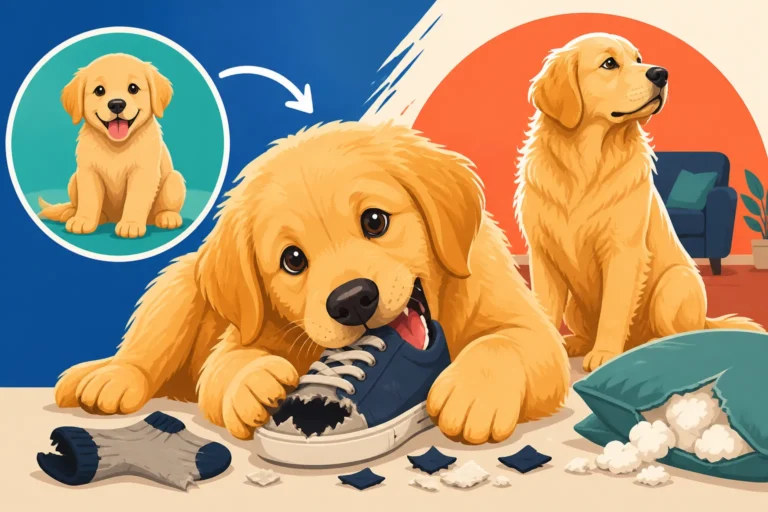
Think about it: puppies don’t have hands. They experience the world primarily through their mouths. Every new object, every new texture, every human finger that dangles temptingly is an invitation to mouth, chew, and investigate. This exploratory biting is how they gather information about their environment. When they play with their littermates, it’s a flurry of wrestling, chasing, and yes, biting. Their siblings teach them boundaries through yelps and disengagement, but when your puppy comes home to you, you become the primary playmate and teacher. This instinctual drive to mouth and play doesn't just disappear overnight when they join your family. They're still learning the rules of engagement, and often, those rules are very different from the ones they knew with their brothers and sisters. For a deeper dive, check out Why Golden Retriever Puppies Are So Mouthy.
The Teething Gauntlet: A Biological Need to Chew
Just like human babies, Golden Retriever puppies go through a teething phase, and oh, is it a doozy! From about 3 weeks to 6 months of age, those needle-sharp puppy teeth erupt, fall out, and are replaced by stronger adult teeth. This process is uncomfortable, sometimes even painful, for your little one. Chewing provides immense relief to their aching gums. It's not just about exploring; it's about alleviating discomfort. If you don’t provide appropriate chew items, your puppy will naturally seek out whatever is available – and that often means your hands, furniture legs, or anything else they can get their jaws around. This isn't naughty behavior; it's a physiological need. Providing a variety of textures can make a big difference, from soft rubber toys to firmer, safe chews. Sometimes, putting a chew toy in the freezer can offer extra relief for sore gums.
Developing Bite Inhibition: A Lesson from Littermates
This is where the "why" directly connects to the "how." In a litter, puppies learn "bite inhibition." When one puppy bites another too hard, the bitten puppy will yelp loudly and often stop playing. This teaches the biter that hard bites end the fun. If the biter continues to be rough, the other puppies might refuse to play with them altogether for a while. This natural feedback loop is crucial for puppies to learn to control the pressure of their jaws. When your puppy comes home, they haven't fully learned this lesson yet with human skin. Their goal isn't to hurt you; it's to play. They just don't realize the intensity of their bite or the fragility of human skin compared to a furry sibling. This is a critical period for Bite Inhibition Training for a Golden Retriever.
The "Yelp" Method: A Simulated Puppy Warning
One of the most commonly suggested techniques for dealing with a biting Golden Retriever puppy is the "yelp" method. The idea behind this is to mimic the natural feedback a puppy would receive from its littermates or mother when it bites too hard.
How to Execute the Yelping Technique
When your Golden puppy nips you too hard, the response is simple but requires consistency and good timing.
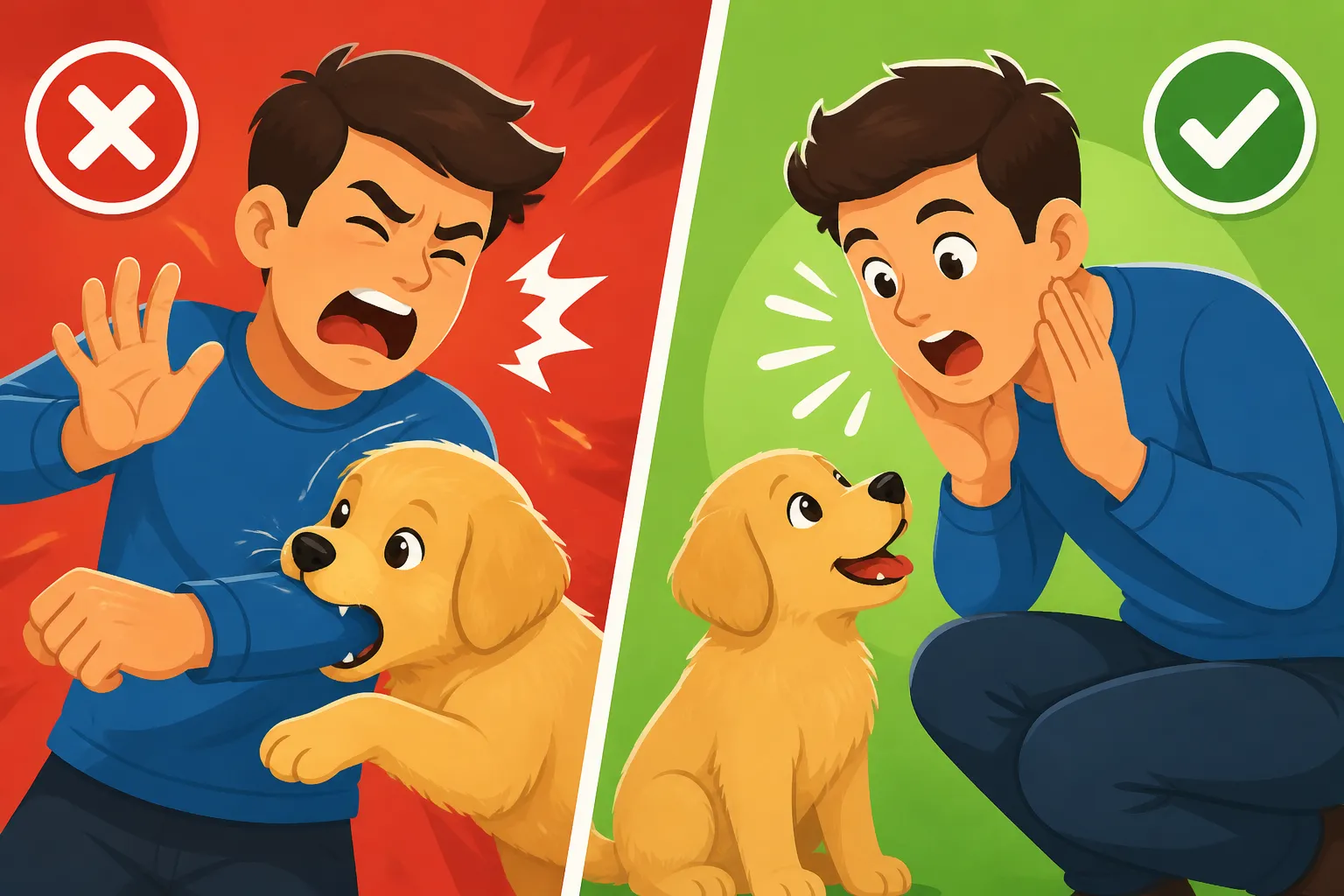
- A Sharp, High-Pitched Yelp: The moment you feel teeth on your skin, let out a short, sharp, high-pitched "ouch!" or "yelp!" It needs to sound genuinely pained, not angry. The goal is to startle and communicate "that hurt!"
- Immediate Disengagement: As soon as you yelp, quickly but calmly withdraw the body part your puppy was biting. Don't yank it away aggressively, as this can turn into a game or even escalate the biting.
- Temporary Freeze or Walk Away: After the yelp and withdrawal, either freeze completely for a few seconds (turning your back if possible) or, if the biting continues, immediately get up and walk away, removing yourself from the puppy's reach. This signals that play stops when teeth touch skin.
- Resume Play Only After Calm: Wait for a few seconds (no more than 10-20) until your puppy calms down. Once they are settled, you can re-engage, offering a toy instead of your hand. If they bite your hand again, repeat the process.
The key is consistency. Every time those teeth hit skin with too much pressure, the yelp and disengagement must happen. It teaches them that their actions have consequences: a hard bite means the fun stops.
When Yelping Works Best (and When It Might Backfire)
The yelp method can be incredibly effective for many Golden Retriever puppies, especially those who are sensitive to social cues and easily startled. It taps into their natural instinct to understand canine communication. If your puppy seems taken aback by the yelp and pauses, looking confused, then this method is likely working for you. It's a quick, clear signal that translates well into their world.
However, it's not a one-size-fits-all solution, and it's essential to recognize when it might not be the best fit for your specific puppy. Some puppies, particularly those with a very high play drive or those who get over-stimulated easily, might interpret a yelp as an exciting squeak toy. Instead of backing off, they might get more excited and bite harder, thinking you’re just upping the ante in the game. For these puppies, a yelp can actually escalate the biting rather than deter it. Also, if your yelp is too loud or too aggressive, it can sometimes scare a timid puppy or even make an already reactive puppy more anxious. The sound has to be just right—enough to convey discomfort, but not so much that it creates fear or over-excitement. Observing your puppy's reaction is paramount.
The "Ignore and Disengage" Method: Cutting Off the Fun
For puppies who get more amped up by a yelp, or for owners who find yelping feels unnatural, the "ignore and disengage" method offers a powerful alternative. This technique is all about removing the reinforcement for the biting behavior, essentially teaching your puppy that human skin is not a toy, and that biting equals the end of all fun.
Implementing the Ignore Method Effectively
This method hinges on the idea that what your Golden puppy wants most is your attention and interaction. If biting your hands makes that attention disappear, they'll learn quickly.
- Immediate Withdrawal: The instant your puppy’s teeth touch your skin, pull your hand (or whatever body part they’re biting) away, making it inaccessible. Do this calmly, without drama.
- Turn Your Body Away: Without a word, turn your back to the puppy. Cross your arms and stand still. The goal is to become utterly boring and unresponsive. No eye contact, no talking, no pushing them away. You want to make it clear that the second they bite, all interaction ceases.
- Walk Away (If Needed): If turning your back isn't enough to stop the biting, or if they continue to nip at your clothes or feet, calmly get up and leave the room for 10-20 seconds. This is a very clear "time-out" for you from the interaction, and it leaves the puppy alone.
- Re-engage with a Toy: After the brief time-out, return to your puppy. Offer them an appropriate chew toy or redirect their attention to a fun, interactive toy. If they engage with the toy, praise them! If they go back to biting you, repeat the disengagement process immediately.
This method requires patience and an understanding that your puppy thrives on interaction. By consistently removing that interaction the moment they bite, you’re sending a clear message: "Teeth on skin means no more play with me." This method can be especially effective for puppies who are highly motivated by attention.
The Power of a Brief Time-Out
The time-out, when used correctly, is a potent tool in teaching bite inhibition. It’s not about punishment, but about consequence. Imagine your Golden puppy is having the absolute time of their life, playing tug-of-war with your sleeve, and then suddenly, poof! You're gone. The toy is gone. The fun is gone. This stark contrast is what teaches them.
The key to an effective time-out is brevity and consistency. It should be just long enough for your puppy to register that the fun stopped, but not so long that they forget why you left. Twenty seconds is often plenty. You’re not trying to punish them or make them feel bad; you’re simply demonstrating that certain behaviors (biting human skin) lead to the immediate cessation of desirable outcomes (play and attention). Ensure the area you retreat to is boring – no exciting toys or other people to engage with. The absence of anything stimulating is the lesson. Over time, your Golden will connect their biting to your departure, and they’ll begin to modify their behavior to keep the good times rolling.
Beyond Reactive Responses: Proactive Strategies for Bite Inhibition
While reacting effectively when your Golden puppy bites is crucial, true success comes from a proactive approach. Prevention and redirection are your best friends in managing those sharp puppy teeth and teaching your Golden to use their mouth appropriately.
Redirection: Giving Them What They Can Chew
This is perhaps the single most effective proactive strategy. Golden Retrievers are retrievers – they are bred to carry things in their mouths, and they love to chew. Your job is to provide plenty of appropriate outlets for this natural behavior.
- Keep Toys Handy: Always have a variety of chew toys within arm's reach when you're interacting with your puppy. As soon as you anticipate a bite (or one happens), immediately shove a toy into their mouth. A sturdy rope toy, a rubber chew, or a puzzle toy filled with a treat can be invaluable. My Goldens have always loved their KONG chew toys, especially when stuffed with peanut butter and frozen. For some great options, take a look at products available on Amazon.
- Rotate Toys: Keep things interesting! Don't leave all the toys out all the time. Rotate them regularly to keep their novelty high. This makes the toys more appealing than your hands.
- Interactive Play: Engage in games that involve toys, not your body. Tug-of-war with a sturdy rope, fetch, or hide-and-seek with their favorite squeaky toy are all fantastic ways to channel that mouthy energy productively. Make sure you're regularly offering new and exciting things to mouth, as discussed in Redirecting a Golden Retriever Onto a Toy.
- Frozen Chews: For teething puppies, Teething Toys That Calm a Golden Retriever Puppy can be a godsend. Freezing a wet washcloth (twisted into a rope shape) or specific puppy-safe dental chews can offer relief for sore gums and redirect their chewing from your limbs.
Managing Arousal and Play Bites
Sometimes, Golden Retriever puppies bite simply because they get over-excited. Their energy levels can quickly escalate, leading to rougher play and more intense nipping. Recognizing the signs of over-arousal is key to preventing these incidents.
- Short Play Sessions: Golden puppies, especially young ones, have short attention spans and can get tired (and therefore cranky or over-excited) quickly. Keep play sessions brief, perhaps 5-10 minutes, especially with high-energy games.
- Recognize Over-Stimulation: Look for signs like frantic zoomies, increased nipping intensity, growling that seems more than playful, or frantic panting. These are cues that your puppy needs a break.
- Enforced Naps: A tired puppy is often a bitey puppy. If your Golden is getting super mouthy and can't be redirected, they might be overtired. Pop them into their crate for an enforced nap. Often, they'll wake up refreshed and much less prone to nipping.
- Calm-Down Activities: Incorporate calm activities throughout the day. Chew sessions with a long-lasting chew, puzzle feeders that require thought, or short training sessions for First Commands to Teach a Golden Retriever can help regulate their energy.
Consistency, Timing, and Patience: The Unsung Heroes
I can't stress this enough: consistency is everything. Every person who interacts with your Golden puppy must respond to biting in the exact same way. If one family member yelps and another ignores, your puppy will be utterly confused and the behavior will take much longer to extinguish. Talk to everyone in your household and agree on a unified strategy.
- Timing is Crucial: The consequence (yelp/disengagement) must happen immediately after the bite. Puppies live in the moment, and a delayed reaction won't connect the behavior to the consequence in their minds.
- Patience, Always Patience: Puppy biting doesn't disappear overnight. It's a phase, and it will take weeks, sometimes months, of consistent effort. There will be good days and bad days. Don't get discouraged! Remember that your Golden is a puppy, still learning the rules of a human world. Celebrate the small victories when you notice When Golden Retriever Puppy Biting Stops for longer periods.
- Positive Reinforcement for Good Behavior: While we focus on stopping the biting, it's equally important to reward your puppy when they don't bite, or when they choose an appropriate chew toy instead. When they gently mouth a toy, praise them lavishly or offer a treat. This helps them understand what behaviors you do want.
| Method | How It Works | Pros | Cons | Best For |
|---|---|---|---|---|
| Yelp & Disengage | Mimics littermate pain, stops play. | Intuitive for puppies, immediate feedback. | Can over-excite some puppies, may be misinterpreted as play by others. | Socially sensitive puppies, those who are easily startled. |
| Ignore & Time-Out | Removes attention/fun as consequence for biting. | Clear, non-punitive, less likely to escalate arousal. | Requires immediate action, can be harder for owners to consistently implement. | Attention-seeking puppies, easily over-excited puppies. |
| Redirection | Swapping human hands for appropriate chew toys. | Proactive, teaches acceptable outlets, reduces frustration. | Requires constant vigilance and readily available toys. | All puppies, essential alongside other methods. |
| Managing Arousal | Preventing over-excitement through short play/naps. | Prevents biting before it starts, reduces stress. | Requires recognizing puppy cues, may limit intense play. | All puppies, especially high-energy or easily over-stimulated ones. |
When to Call in the Big Guns: Seeking Professional Guidance
While puppy nipping is normal, there are times when it escalates beyond typical puppy behavior or when your efforts simply aren't making a dent. Knowing when to reach out for professional help can save you a lot of stress and ensure your Golden grows into a well-mannered adult.
Recognizing Persistent or Escalating Biting
Most Golden Retriever puppies grow out of the worst of their sharp-toothed phase by around 4-6 months, especially with consistent training. However, if you notice any of the following, it might be time to get a professional involved:
- Biting is Getting Worse: Instead of decreasing, the frequency or intensity of the bites seems to be increasing, even with consistent application of the methods above.
- Biting Isn't Just Playful: The bites seem to have an edge of aggression, snarls, or growling that is more than just a play vocalization.
- Difficulty Interrupting Biting: You find it nearly impossible to stop your puppy once they start biting, even with disengagement or redirection.
- Biting with Intent to Harm: While rare for Goldens, if your puppy seems to be genuinely trying to hurt you or breaks skin repeatedly and deeply, this is a serious concern.
- Biting When Startled or Guarding: If your puppy bites when surprised, or if they guard resources (food, toys) aggressively, these are red flags that need immediate attention.
- Family Members Are Afraid: If children or even adults in the household are becoming genuinely fearful of interacting with the puppy due to biting, it's time for help.
Don't feel ashamed if you need to bring in a professional. Sometimes, an outside pair of eyes can spot something you're missing, or provide tailored strategies that fit your specific puppy and household dynamics.
Finding the Right Trainer for Your Golden
When seeking help, it's crucial to find a trainer who uses positive reinforcement and force-free methods. A good trainer will help you understand your puppy's motivations and teach you effective, humane ways to modify their behavior.
- Look for Certifications: Seek out trainers certified by organizations that emphasize ethical, science-based training. Look for designations like Certified Professional Dog Trainer (CPDT-KA), Karen Pryor Academy Certified Training Partner (KPA CTP), or a Certified Dog Behavior Consultant (CDBC) for more severe issues.
- Ask About Methods: Inquire about their training philosophy. Avoid any trainer who advocates for dominance theory, harsh corrections, or punitive tools like choke chains, prong collars, or e-collars for puppy biting. These methods can damage your relationship with your Golden and often exacerbate fear or aggression.
- Observe a Class or Session: If possible, observe a Puppy Classes Worth It for a Golden Retriever or a private session before committing. See how they interact with dogs and owners. Do they explain why they do things? Do they encourage questions?
- References: Ask for references from past clients. A reputable trainer will be happy to provide them.
- Consider Online Resources: Sometimes, an online training program can provide excellent resources and direct access to certified trainers. Programs like BAXTER & Bella offer comprehensive online puppy training that covers biting, socialization, and general obedience. They can be a fantastic resource for learning at your own pace and getting expert advice from home, often with live support. For more on finding a good trainer, check out Choosing a Positive Reinforcement Trainer for a Golden.
Remember, your Golden Retriever puppy is learning a whole new world. With patience, consistency, and the right approach, you can guide them through this nippy phase and help them grow into the gentle, loving companion they are meant to be.
Disclaimer
This article is for general informational purposes only and does not constitute professional advice. Laws, prices and regulations vary by location and change over time. Consult a qualified professional for guidance on your specific situation.