Redirecting a Golden Retriever Onto a Toy
It's incredibly frustrating when your sweet Golden Retriever puppy's sharp little teeth seem to be everywhere but on their toys, or when your older Golden decides your favorite slipper is fair game. This guide is all about helping you master the art of redirection, teaching your Golden to channel that natural mouthiness and chewing instinct onto appropriate, fun toys instead of your hands, clothes, or furniture.
Understanding Why Golden Retrievers Need Redirecting
Golden Retrievers are renowned for their gentle, "soft" mouths, a trait carefully bred into them for their original purpose: retrieving downed game without damaging it. But this inherent trait also means they are, by nature, very mouthy dogs. It's not aggression; it's just how they interact with the world and how they learn.
The Golden Retriever's Natural Mouthiness
From the moment they're born, Golden Retriever puppies explore their environment with their mouths. They mouth their littermates, their mother, and eventually, anything new that enters their world – including your fingers and toes. This isn't a sign of aggression or naughtiness; it's a completely normal, instinctual behavior for a breed developed to carry things gently. Their ancestors were masters of bringing back waterfowl, and that desire to hold things in their mouths is deeply ingrained.
As a Golden Retriever puppy grows, this mouthing can intensify during playtime or when they're overstimulated. They might nip playfully, grab at clothing, or mouth your hands as a way of seeking attention or engaging in a game. Without proper guidance, this behavior can become ingrained and lead to issues down the line. It's our job as their guardians to help them understand what is acceptable to mouth and what isn't, and redirection is a powerful tool in that education. We want to nurture that retrieving instinct, not suppress it, by giving them appropriate outlets.
Developmental Stages and Chewing Needs
Chewing is far more than just a bad habit; it's a fundamental canine need that evolves throughout a Golden Retriever's life. Understanding these stages can help us anticipate their needs and intervene with timely redirection.
First, there's the teething phase, typically from about 3 to 6 months of age. Just like human babies, Golden Retriever puppies experience discomfort as their baby teeth fall out and their adult teeth come in. Chewing provides immense relief for their sore gums. During this time, they'll seek out anything they can get their mouths on, and if appropriate chew toys aren't readily available and appealing, your furniture or hands might become the target. Providing a variety of textures and even chilled toys can be incredibly soothing. If you're struggling with this stage, you might find valuable insights in Teething Toys That Calm a Golden Retriever Puppy.
Next comes adolescence, often lasting from 6 months to about 2 years. This period is notorious for a resurgence of chewing behavior, sometimes even more intense than during puppyhood. Adolescent Goldens have more jaw strength, more energy, and are exploring their independence. Boredom or excess energy can quickly manifest as destructive chewing. They might "test" boundaries, and items that were previously off-limits suddenly become irresistible. This isn't just about discomfort anymore; it's about exploring, relieving stress, and expending energy. Understanding Golden Retriever Chewing Through Adolescence can help you navigate this sometimes challenging stage.
Finally, even adult Golden Retrievers need to chew. It's a natural way for them to clean their teeth, relieve stress, combat boredom, and simply engage their minds. A Golden who isn't given appropriate chewing outlets might turn to inappropriate items, or even develop anxiety behaviors. Recognizing these underlying needs is the first step in successful redirection, ensuring we're not just stopping a behavior, but fulfilling a canine instinct in a healthy way.
Choosing the Right Toys for Redirection
Successful redirection hinges almost entirely on offering something more appealing than whatever your Golden Retriever is currently fixated on. This means having a well-stocked and varied "toy chest" is crucial.
Types of Toys for Different Chewing Styles
Not all toys are created equal, especially when it comes to a Golden Retriever's powerful jaws and diverse play preferences. You'll want a range of options to address different chewing styles and situations.
For serious chewers, durable chew toys are non-negotiable. Think hard rubber toys, like the classic Kong, which can be stuffed with treats to increase their appeal and longevity. These are fantastic for keeping a Golden occupied and directing intense chewing. Brands like Nylabone also offer extremely durable chew toys designed to withstand strong jaws, though always ensure you choose the appropriate size and hardness for your dog to prevent dental injury. The goal here is to provide something nearly indestructible that offers a satisfying chewing experience. You can find a huge variety of these types of toys on platforms like Amazon, making it easy to stock up.
Interactive and puzzle toys are brilliant for mental stimulation, which is just as important as physical exercise for a Golden Retriever. These toys dispense treats as your dog manipes them, engaging their problem-solving skills and making them work for a reward. This can be especially useful for Goldens who get bored easily or need an outlet for their intelligence. They shift the focus from destructive chewing to constructive "work," often tiring them out mentally, which can prevent other unwanted behaviors like excessive barking or digging.
Finally, don't forget the soft retrieve and comfort toys. While not designed for heavy chewing, these are perfect for Goldens who love to carry things around gently, fulfilling their "soft mouth" instinct. Plush toys, often with squeakers, are ideal for games of fetch and for satisfying that inherent desire to retrieve and hold. They can also provide comfort, particularly for puppies or anxious Goldens. Just be mindful of durability if your Golden tends to disembowel plush toys quickly, and always supervise play with softer items to prevent ingestion of stuffing.
Here's a quick comparison of toy types for Golden Retrievers:
| Toy Type | Purpose | Durability | Mental Engagement | Best For |
|---|---|---|---|---|
| Hard Rubber Chew Toys | Satisfy intense chewing, dental health | High | Medium | Strong chewers, boredom, crate time |
| Puzzle/Interactive | Mental stimulation, slow feeding, problem-solving | Medium-High | High | Intelligent Goldens, reducing boredom |
| Plush/Comfort Toys | Fetch, carrying, comfort, gentle play | Low-Medium | Low | Soft-mouthed Goldens, puppies, comfort |
| Rope Toys | Tug-of-war, fetch, dental cleaning | Medium | Medium | Interactive play, dental benefits |
| Edible Chews | Extended chewing, dental health | Varies | Medium | High-value reward, supervised chewing |
Toy Rotation and Novelty
Imagine having the same meal every single day – eventually, it loses its appeal, right? The same goes for your Golden Retriever's toys. Even the most exciting chew toy can become boring if it's always available. That's why toy rotation is a game-changer when it comes to maintaining their interest and making redirection truly effective.
The idea is simple: keep a selection of toys readily available, but rotate the entire collection every few days or once a week. Store the "out of rotation" toys in a bin or drawer. When you reintroduce them, they'll feel new and exciting, instantly boosting their appeal. This element of novelty makes a huge difference, especially when you need to quickly redirect your Golden away from something inappropriate. A "new" toy is almost always more enticing than the one they've been ignoring for days.
Moreover, the novelty factor can be a lifesaver in specific training scenarios. If you're trying to prevent your Golden from chewing on a particular item, having a novel, high-value toy ready to swap can make the redirection seamless. Think of it as having a secret weapon in your training arsenal. This strategy also encourages your Golden to see their toys as valuable possessions, making them more likely to choose them over your shoes or the leg of your dining table. A robust toy collection, replenished and rotated, is a key component in successfully Redirecting a Golden Retriever Onto a Toy.
Step-by-Step Guide to Effective Redirection
Successfully redirecting your Golden Retriever is an art that combines timing, positive reinforcement, and a keen understanding of their behavior. It's not about punishment, but about guiding them towards appropriate choices.
The "Trade" Game and Positive Reinforcement
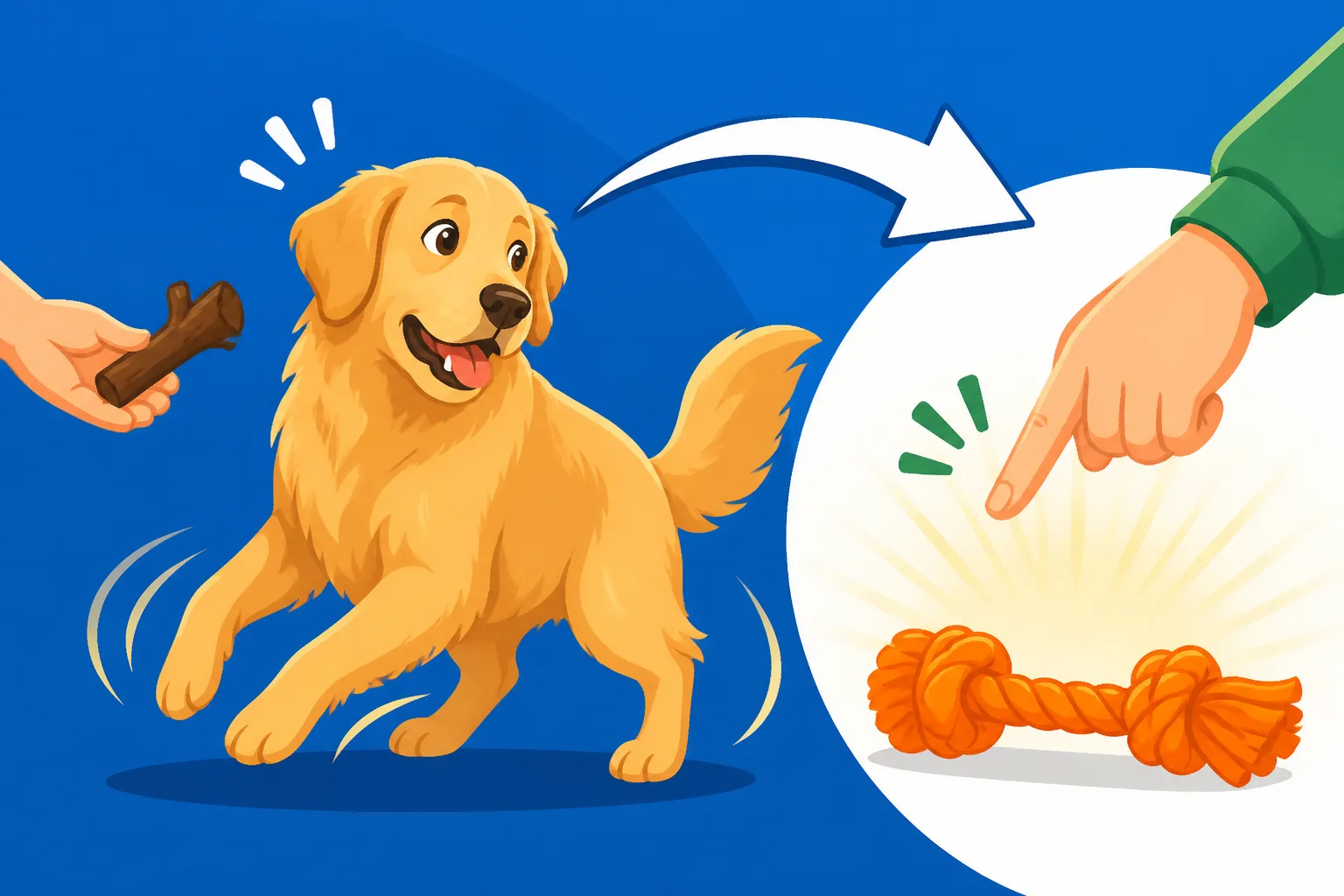
The "trade" game is an incredibly powerful tool for redirection, especially when your Golden has something inappropriate in their mouth. It teaches them that letting go of something they value can lead to something even better, reinforcing trust rather than fear.
Here’s how to play:
- Identify the Target: Let's say your Golden Retriever has picked up your sock (again!). Instead of rushing over and snatching it, which can teach them to guard items, remain calm.
- Offer a High-Value Swap: Have a truly enticing toy or a delicious treat ready. This needs to be something your Golden will find irresistible, something more appealing than the sock. For instance, a squeaky toy they adore, or a piece of their favorite training treat. For tips on effective rewards, check out Best Treats for Training a Golden Retriever.
- Initiate the Trade: Gently present the high-value item close to their nose. As soon as they drop the sock (or whatever they shouldn't have) to investigate your offering, immediately say "Yes!" or "Good drop!" and give them the treat/toy.
- Practice, Practice, Practice: Start with low-value items (like their own boring toy) and work your way up to more tempting things. This builds a strong association: "dropping this gets me something awesome!"
Consistency is key. Every time you successfully trade, you're building a positive association with giving things up and choosing appropriate alternatives. This technique not only redirects their current behavior but also teaches them a valuable "drop it" command in a gentle, encouraging way. It fosters cooperation and makes your Golden more likely to look to you for guidance when they pick up something they shouldn't.
Interrupting Unwanted Behavior and Offering Alternatives
Sometimes, your Golden Retriever might be about to engage in an unwanted behavior, or has just started. In these moments, timely interruption combined with offering an appropriate alternative is crucial.
Let's say your Golden puppy is starting to mouth your hand a bit too much during playtime. Instead of pulling your hand away sharply (which can make them bite harder), try a gentle interruption. A soft "Ah-ah!" or simply standing up and turning your back for a moment can break their focus without being harsh. The moment their mouth leaves your hand, or they stop what they're doing, immediately present them with an appropriate chew toy. Wiggle it, make it exciting, and encourage them to take it. As soon as they do, praise them enthusiastically! "Yes! Good toy!"
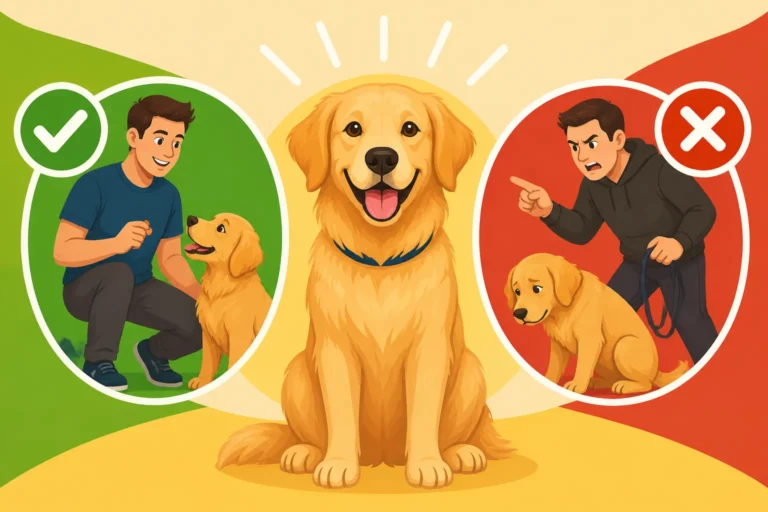
The key is timing. You want to interrupt the undesirable behavior and immediately reward the desirable one. This teaches them, "When I chew on the toy, I get praise and attention; when I chew on hands, the fun stops." It's not about punishment, but about clear communication and positive reinforcement. Avoid yelling or physically reprimanding them, as this can create fear or make them more prone to hiding their unwanted behaviors. Remember, Goldens want to please you, and clear guidance helps them understand how.
This method is highly effective for common puppy behaviors like nipping. For more on handling those sharp puppy teeth, refer to Stopping a Golden Retriever Puppy From Biting. It also applies to older Goldens who might be starting to chew on furniture. As soon as you see them eye that chair leg, gently clap your hands, say their name to get their attention, and then enthusiastically offer their favorite Kong. Make that toy the most exciting thing in the room.
Proactive Redirection and Environmental Management
While reactive redirection is important for correcting moments of unwanted behavior, proactive redirection and smart environmental management are the true long-term solutions. It’s about setting your Golden Retriever up for success before they even have a chance to make a "wrong" choice.
Think of it this way: if your Golden consistently chews the same rug, putting all their toys in a basket on the other side of the room isn't going to solve the problem. Instead, anticipate where and when unwanted chewing might occur. If your puppy tends to get mouthy when they're overtired in the evening, make sure a suitable chew toy is right there, easily accessible. If your adolescent Golden targets the couch cushions when you're watching TV, keep a favorite stuffed Kong nearby to offer them.
Environmental management means making inappropriate items unavailable. This might sound obvious, but it's often overlooked. Pick up shoes, remote controls, children's toys, and anything else that's tempting but off-limits. Puppy-proofing isn't just for puppies; it's an ongoing process as your Golden grows and their interests change. Use baby gates to restrict access to certain rooms, or use a crate during times when you can't actively supervise. Crate Training a Golden Retriever Who Cries can offer helpful tips for making the crate a positive space where they can safely chew on their toys.
Supervision is the bedrock of proactive redirection. When you're actively watching your Golden, you can intervene at the very first sign of trouble, before the unwanted behavior even fully develops. This allows for immediate redirection onto an appropriate toy, reinforcing the good choice from the outset. By being mindful of their environment and anticipating their needs, you drastically reduce the opportunities for them to practice unwanted behaviors, making redirection much easier and more effective in the long run.
Common Challenges and Troubleshooting
Even with the best intentions and a crate full of exciting toys, redirection isn't always a magic bullet. Sometimes, you'll hit a snag. It's important to understand why your efforts might not be working and how to adjust your approach.
When Redirection Isn't Working
It can be incredibly disheartening when you've tried everything, but your Golden Retriever still seems determined to chew on that one forbidden item. If your redirection efforts aren't yielding results, it's time to play detective.
First, is the inappropriate item too valuable? A tasty morsel dropped on the floor, or a truly novel, scent-filled item (like a used tissue) might simply be more enticing than any toy you offer. In these cases, prevention is always better than cure. Focus on a thorough "leave it" command and diligent environmental management to prevent them from getting these high-value items in the first place.
Second, is the alternative toy appealing enough? This is where toy rotation really shines. If you're consistently offering the same old squeaky ball, it might not compete with the thrill of a forbidden shoe. Try a novel toy, a different texture, or a puzzle toy stuffed with something truly delicious. The "trade" game only works if the trade is seen as an upgrade. If your Golden turns their nose up at your offering, it's a clear sign you need to up your toy game.
Third, are you being consistent? This is perhaps the biggest pitfall. If sometimes you redirect, and other times you just snatch the item away or ignore it, your Golden will get confused. They need clear, consistent messages every single time. Every family member needs to be on the same page, too. Inconsistency undermines all your hard work.
Finally, is there an underlying issue? A Golden Retriever who is under-exercised, under-stimulated mentally, or even experiencing anxiety, might chew excessively as an outlet. Redirection helps with the symptom, but addressing the root cause is vital. A bored Golden is a destructive Golden. Ensuring they get adequate physical exercise, mental enrichment, and quality time with you can dramatically reduce inappropriate chewing. For ideas on keeping their minds active, consider Mental Enrichment for a Bored Golden Retriever.
Dealing with Persistent Biting and Nipping
While Goldens are known for their gentle nature, puppies can be particularly prone to persistent biting and nipping, especially during play. Even adolescent Goldens might resort to nipping if they're overstimulated or frustrated. When redirection to a toy isn't immediately effective, you might need to employ a few extra tactics.
For puppies, the "yelp" method can be surprisingly effective. When your puppy nips too hard, let out a sharp, high-pitched "ouch!" or "yelp!" just like a littermate would. Immediately withdraw your hand or stand up and turn away, ending playtime for a few seconds. This teaches them that hard bites end the fun. The moment they calm down, you can re-engage with a toy. This helps them develop "bite inhibition," learning how much pressure is too much. You can delve deeper into this in Bite Inhibition Training for a Golden Retriever.
Sometimes, a short "time-out" is necessary. If your puppy is overly mouthy and won't redirect, gently remove them from the situation. This doesn't mean banishing them to another room for a long period, but simply placing them in their crate or a designated "chill out" area for a minute or two until they calm down. The goal isn't punishment, but to teach them that overly excited nipping or biting leads to a temporary removal of attention and fun. When they're calm, you can bring them back and immediately offer an appropriate toy for play.
If the biting or nipping seems aggressive, is causing injury, or redirection efforts consistently fail, it's crucial to seek professional help. A certified professional dog trainer or a veterinary behaviorist can assess the situation and provide tailored strategies. Persistent biting can sometimes stem from fear, resource guarding, or other behavioral challenges that require expert guidance. Training platforms like BAXTER & Bella offer online puppy programs and resources that can provide structured guidance for owners dealing with various puppy behaviors, including biting and nipping, through positive reinforcement methods. Remember, your Golden wants to understand what you expect; sometimes, we just need a little help translating.
Integrating Redirection into a Broader Training Plan
Redirection is a fantastic tool, but it works best when it's part of a holistic approach to your Golden Retriever's training and overall well-being. It's not just about managing individual moments; it's about building a well-behaved companion.
The Role of Basic Obedience
Basic obedience commands are the foundational building blocks that make redirection smoother and more effective. Think of them as the verbal cues that empower you to guide your Golden Retriever's choices.
Commands like "leave it" and "drop it" are paramount. "Leave it" teaches your Golden to ignore or move away from tempting items they shouldn't have, even before they get their mouth on them. This is proactive control. If your Golden is eying your slipper, a clear "leave it" can prevent them from picking it up, allowing you to then immediately redirect them to their own toy. "Drop it" complements the "trade" game, giving you a reliable command to ask them to release an item they already have. Practicing these commands regularly, always with positive reinforcement and high-value rewards, will make them incredibly reliable in real-life situations.
A solid "settle" or "place" command can also be incredibly useful. If your Golden gets overstimulated and starts nipping or mouthing inappropriately, sending them to their "place" to settle down can help them regain control. Once they're calm, you can then offer a long-lasting chew or puzzle toy to keep them occupied in an appropriate way. These commands aren't just about control; they're about teaching your Golden self-control and providing them with clear expectations, which reduces frustration for both of you.
Consider the example of Teaching a Golden Retriever to Come When Called. A strong recall isn't directly about biting, but it shows how foundational commands create a dog who listens and trusts your guidance, making all other training – including redirection – much easier.
Mental and Physical Exercise
Let's face it: a tired Golden Retriever is generally a well-behaved Golden Retriever. Both mental and physical exercise are absolutely critical for preventing boredom, reducing stress, and channeling that boundless Golden energy into positive outlets, rather than destructive chewing or incessant mouthing.
Physical exercise helps burn off excess energy that, if left unchecked, can lead to destructive behaviors. Daily walks, runs, fetch sessions, or even swimming are excellent ways to tire out a Golden. A Golden who has had a good romp is less likely to feel the urge to chew your furniture out of sheer boredom. However, be mindful of age-appropriate exercise; puppies need less strenuous activity to protect their developing joints. For adult Goldens, two good walks a day, combined with active playtime, is often a good baseline. You can learn more about appropriate activity levels in How Much Exercise a Golden Retriever Needs Each Day.
Mental stimulation is just as important, if not more so, for this intelligent breed. Golden Retrievers are problem-solvers, and if their minds aren't engaged, they will find their own "work" – often by chewing things they shouldn't. Puzzle toys, scent games, short daily training sessions, and learning new tricks are all fantastic ways to provide mental enrichment. Even scattering their kibble around the yard for them to "hunt" can be a great mental workout. When their minds are tired, they are less likely to look for trouble.
Combining consistent redirection with ample physical and mental exercise creates a comprehensive approach to managing your Golden Retriever's chewing and mouthing. It addresses both the immediate behavior and the underlying needs, leading to a happier, healthier, and better-adjusted companion. It’s about building a lifestyle that naturally promotes good choices, rather than constantly battling unwanted habits.
Disclaimer
This article is for general informational purposes only and does not constitute professional advice. Laws, prices and regulations vary by location and change over time. Consult a qualified professional for guidance on your specific situation.