Seasonal Care for a Golden Retriever
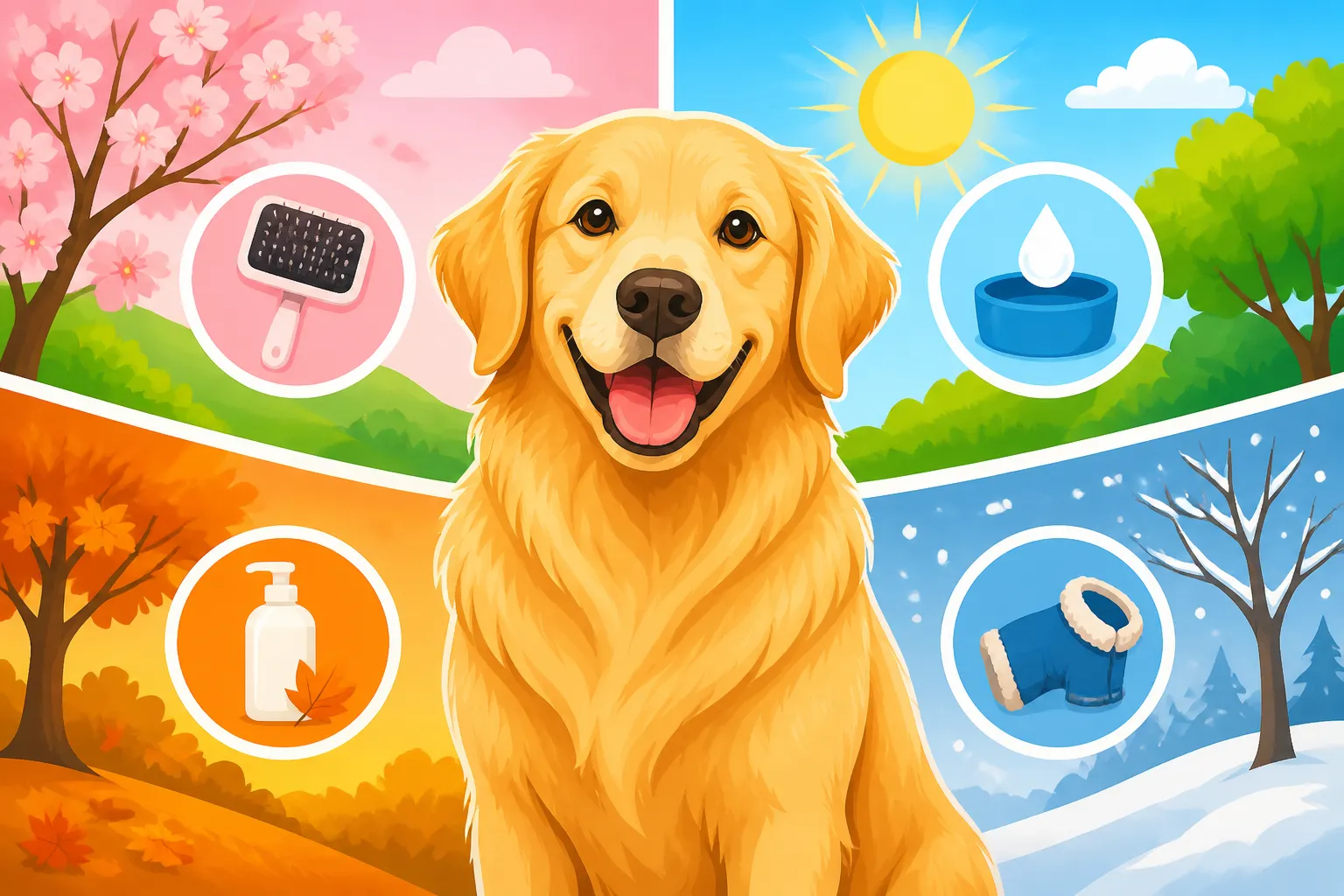
As Golden Retriever parents, we often face unique challenges with the changing seasons. From the relentless shedding of spring to the perils of summer heat, the muddy romps of fall, and the icy grip of winter, each shift brings its own set of concerns for our beloved companions. This comprehensive guide will walk you through everything you need to know to adapt your Golden Retriever's care routine, ensuring they stay happy, healthy, and comfortable no matter what the weather brings.
Spring Cleaning and Allergy Season Navigation
Ah, spring! The days get longer, the flowers bloom, and for many Golden Retriever owners, it signals the start of the infamous "coat blow" and the unwelcome arrival of seasonal allergies. It's a time of renewal, but also a time to be extra vigilant about our Goldens' comfort and health.
Shedding Management as Temperatures Rise
If you live with a Golden Retriever, you know "shedding season" is less a season and more a way of life, but spring definitely takes it up a notch. As the weather warms up, your Golden is naturally shedding their dense winter undercoat to make way for a lighter summer one. This isn't just a minor inconvenience; it can lead to mats, skin irritation, and a house covered in golden fluff if not managed properly. Getting ahead of this massive shed is key.
My own Golden, Daisy, used to leave a trail of fur wherever she went in March and April. It felt like I was constantly vacuuming and brushing, but it was never enough. What I learned was consistency is far more important than intensity. Daily brushing, even just for 10-15 minutes, with the right tools, makes a huge difference. Investing in a good undercoat rake can pull out all that loose, dead fur before it ends up on your furniture or tangles in their beautiful feathering. Some folks swear by a deshedding tool, but be careful not to overdo it, as some can damage the topcoat. A slicker brush followed by a metal comb to check for tangles works wonders. You might also find yourself bathing your Golden a bit more frequently in spring to help loosen and rinse away dead hair, making the subsequent brushing more effective. Remember to thoroughly dry their thick coat to prevent skin issues. Golden Retriever Shedding and How to Manage It offers more in-depth tips.
Identifying and Managing Spring Allergies
Just like us, Golden Retrievers can suffer from seasonal allergies. The pollen count skyrockets in spring, and many Goldens react to airborne allergens like grasses, trees, and weeds. You might notice your otherwise cheerful companion suddenly seems miserable, constantly scratching, licking their paws, or rubbing their face. Their skin might look red or inflamed, and you might even see some fur loss in those itchy areas. It's truly heartbreaking to see them so uncomfortable.
Recognizing the signs early is crucial. Look for excessive paw licking, scratching at their ears or flanks, rubbing their face on the carpet, or developing red, inflamed skin, especially between their toes or in their armpits. Some Goldens even get watery eyes or chronic ear infections as a result of allergies. Golden Retriever Food and Skin Allergies can provide more insights into the various forms of allergies. If you suspect allergies, a vet visit is essential to rule out other causes like parasites or infections. Your vet might suggest antihistamines, medicated shampoos, or even prescribe stronger medications if the itching is severe. On top of that, consider wiping down your Golden's paws and belly after outdoor excursions to remove pollen, and regular bathing with a gentle, hypoallergenic shampoo can also provide relief. For sensitive skin, sometimes adding a good quality fish oil supplement to their diet can help support skin barrier health.
Tick and Flea Prevention in the Awakening Landscape
With spring comes the resurgence of those pesky parasites: fleas and ticks. As you and your Golden start enjoying longer walks in the woods or romps in grassy fields, you're unwittingly entering their prime hunting grounds. Fleas cause intense itching and can lead to skin infections, while ticks carry a host of diseases, some of which can be very serious, such as Lyme disease. It’s a constant worry for us as pet parents.
Preventative measures are your best defense. There are numerous options available, including oral medications, topical treatments, and collars. It’s always best to discuss with your veterinarian which product is most suitable for your Golden, considering their lifestyle, any existing health conditions, and local parasite prevalence. For example, if you live in an area with a high tick population, a product that specifically repels and kills ticks will be paramount. I personally make sure to check Daisy thoroughly after every walk, especially in tall grass or wooded areas. I pay close attention to her ears, armpits, groin, and between her toes—those sneaky places ticks love to hide. If you find a tick, remove it carefully with tweezers, grasping it as close to the skin as possible and pulling straight up. Never crush or twist it, as this can leave parts of the tick embedded. Many online retailers like Chewy offer a wide selection of proven flea and tick preventatives, often with convenient auto-ship options so you never run out.
Summer Heat and Water Safety
Summer is a time for adventures, long walks, and splashing around, but it also brings its own unique set of dangers, especially for a double-coated breed like the Golden Retriever. Their thick fur, while insulating in winter, can make them highly susceptible to overheating in hot weather.
Keeping Your Golden Retriever Cool and Hydrated
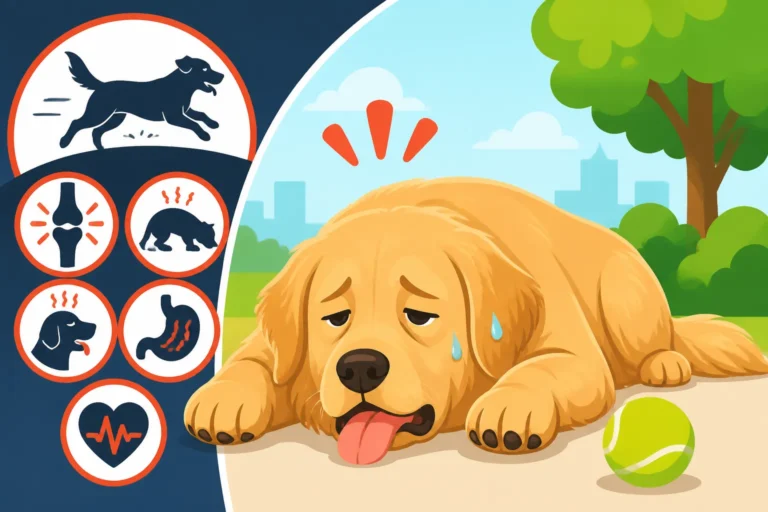
Golden Retrievers absolutely adore being outdoors, but their enthusiasm can often lead them to overexert themselves in the heat. Unlike us, they can't sweat effectively to cool down; they primarily rely on panting. If they can't release enough heat, they can quickly succumb to heatstroke, which is a very serious, life-threatening condition. The thought of my Golden overheating always sends a shiver down my spine, even on the hottest days.
Monitoring the temperature and humidity is crucial. On really hot days, especially with high humidity, it's best to keep outdoor activities to the cooler parts of the day – early morning or late evening. Limit strenuous exercise, and always ensure access to fresh, cool water. You can even add ice cubes to their water bowl or offer frozen treats like Kongs stuffed with peanut butter or plain yogurt. Many Goldens love to chew on ice. A kiddie pool filled with shallow water in the backyard can be a fantastic way for them to cool off safely, or you can use cooling mats or elevated beds that allow for airflow underneath. Never, ever leave your Golden in a parked car, even for "just a minute," as temperatures can rise to dangerous levels incredibly fast. Golden Retriever Heat Tolerance and Overheating explains the risks and signs to watch for in detail.
Swimming Safety and Post-Dip Care
Golden Retrievers are practically born swimmers, and many absolutely revel in a good dip in a lake, pond, or ocean. It's excellent exercise and a fantastic way to cool down in the summer. However, just because they love water doesn't mean they're immune to its dangers. Drowning, accidental ingestion of harmful water, and skin/ear infections are all risks to be aware of.
Always supervise your Golden when they're near water, especially if it's a new or unfamiliar body of water with strong currents or hidden drop-offs. For open water swimming, a dog-specific life jacket is always a good idea, particularly for older Goldens or those not strong swimmers. After a swim, it's vital to rinse their coat thoroughly with fresh water to remove any chlorine, salt, or lake debris that can irritate their skin or cause matting. Pay special attention to their ears. Those lovely floppy ears, while adorable, create the perfect warm, moist environment for yeast and bacteria to grow, leading to painful ear infections. Drying their ears thoroughly with a cotton ball or a soft towel after every swim, and using an ear-cleaning solution recommended by your vet, can prevent a lot of grief. For more comprehensive advice, check out Swimming Safety for Golden Retrievers.
Protecting Paws from Hot Surfaces
Think about walking barefoot on asphalt in the summer – it's practically impossible, right? Our Goldens' paw pads, while tough, are not immune to burning on hot surfaces. Asphalt, concrete, metal manhole covers, and even artificial turf can reach scorching temperatures on a sunny day, causing painful blisters, burns, and serious injury.
Before heading out for a walk, always do the "seven-second test": place the back of your hand on the pavement. If you can't hold it there comfortably for seven seconds, it's too hot for your dog's paws. It's a simple test that can prevent a lot of suffering. Stick to grassy areas, shaded trails, or walk during the cooler parts of the day. If you absolutely must walk on hot surfaces, consider investing in dog booties to protect their paws. While some Goldens might resist them at first, with patience and positive reinforcement, most can learn to tolerate them. After walks, check their paw pads for any redness, blistering, or tenderness. Applying a paw balm can help keep their pads moisturized and resilient, and you can often find good options on Amazon or at your local pet supply store.
Fall Transitions and Cooler Weather Preparations
Fall brings a welcome reprieve from summer's oppressive heat, with crisp air, beautiful foliage, and a renewed energy for outdoor activities. However, it’s also a transitional period that requires us to adjust our Goldens’ care routines to prepare them for the colder months ahead.
Managing the Autumn Coat Blow
Just like in spring, autumn ushers in another significant shedding period for our Golden Retrievers. This time, they're shedding their lighter summer coat to grow in a dense, protective winter undercoat. You might notice a renewed intensity of golden fluff around your home, much to the chagrin of your vacuum cleaner. This "coat blow" is a natural process, but it still needs active management to keep your Golden comfortable and prevent matting.
Consistent grooming remains paramount. Daily brushing with an undercoat rake or deshedding tool will help remove all that dead hair before it becomes tangled or embedded in their new growth. This not only keeps your house cleaner but also allows their new winter coat to grow in healthy and strong, providing better insulation. Imagine trying to grow a new, thick jacket over an old, shed one – it just wouldn't be as effective! Regular grooming sessions are also a wonderful bonding experience, giving you a chance to check their skin for any issues that might be hiding under that thick fur. Remember to pay extra attention to areas like behind the ears, armpits, and the "feathers" on their legs and tail, as these are prime spots for mats to form.
Revisiting Flea and Tick Protocols
Many Golden Retriever owners make the mistake of thinking flea and tick prevention can be relaxed once the summer heat fades. Unfortunately, parasites don't pack up and leave just because the leaves are turning. Ticks, in particular, can remain active well into the fall, especially in areas with milder autumns, often seeking hosts when temperatures are above freezing. Fleas can also find refuge and thrive in the warmth of your home, leading to year-round infestations.
It's vital to continue your chosen flea and tick preventative through the fall and even into winter. Consult with your veterinarian about the prevalence of these pests in your specific region and their recommended year-round strategy. You might be surprised to learn that many vets advise continuous prevention regardless of the season. After outdoor adventures, especially in wooded or leaf-littered areas, a thorough check of your Golden's coat and skin is always a good practice. Removing ticks promptly significantly reduces the risk of disease transmission. Don't let your guard down just because the weather is cooler – those tiny hitchhikers are still out there!
Preparing for Shorter Days and Longer Nights
As autumn progresses, the days visibly shorten, and daylight hours dwindle. This change can subtly impact both our Goldens' routines and our own. Morning and evening walks often transition from bright sunshine to twilight or complete darkness, introducing new safety considerations.
When walking in low light conditions, visibility becomes a major concern. Equipping your Golden with a reflective collar or vest, and using a leash with reflective stitching, can make a huge difference in ensuring they are seen by motorists, cyclists, and other pedestrians. Many dog owners also find a small LED light that clips onto the collar incredibly useful for both visibility and helping you spot them in the dark if they're off-leash in a safe, fenced area. It’s a good idea to carry a flashlight for yourself as well, not just for visibility but to help you spot any hazards on the ground. Beyond safety, the change in daylight can sometimes affect a dog's mood or energy levels, much like it can for humans. Maintaining a consistent routine for walks and playtime can help them adjust smoothly to the shifting seasons.
Winter Wonders and Cold Weather Considerations
Winter, with its frosty air and snowy landscapes, can be a magical time for many Golden Retrievers, who often delight in romping through the snow. However, the cold also presents a new set of challenges and hazards that require diligent care to keep our beloved companions safe and healthy.
Protecting Paws from Ice, Salt, and Snow
Snow and ice might look like fun playgrounds to our Goldens, but they conceal dangers for their paws. Ice can be sharp, cutting into tender paw pads, and accumulation of snow and ice between their toes can cause discomfort, cracking, and even frostbite. Worse, ice melt products and rock salt, commonly used on sidewalks and roads, are highly irritating and often toxic if ingested when your Golden licks their paws.
After every winter walk, it’s absolutely essential to clean your Golden's paws. I always keep a towel by the door to wipe away snow, ice, and any de-icing chemicals. You can also rinse their paws with warm water if they've been exposed to a lot of salt. Consider applying a paw balm before walks to create a protective barrier against the elements and chemicals. Dog booties, as mentioned for hot pavement, are also incredibly useful in winter for comprehensive protection against ice, snow, and salt. While it might take some coaxing to get your Golden used to them, the benefit to their paw health is immense. Cold Weather and a Golden Retriever's Double Coat highlights other winter care necessities.
Maintaining Activity Levels Indoors and Out
When the weather turns frigid, snowy, or icy, it's tempting to shorten walks or even skip them altogether. However, Golden Retrievers are an active breed that still requires regular physical and mental stimulation, regardless of the temperature. A bored Golden can quickly become a destructive Golden! Finding ways to keep them active without risking their safety or comfort is key.
On days when outdoor conditions are too harsh for a full walk, get creative with indoor activities. Engage them with puzzle toys from brands like Chewy or Amazon that challenge their minds and make them "work" for their food or treats. Practice obedience commands in different rooms, teach them new tricks, or play indoor fetch in a safe, open space. A game of hide-and-seek with their favorite toy can also be a blast. When you do venture outside, ensure they are dressed appropriately if needed (some Goldens benefit from a warm jacket in extreme cold, especially older ones) and monitor them closely for signs of being too cold, such as shivering or lifting paws. Short, brisk walks can still provide necessary exercise without prolonged exposure to bitter temperatures. Remember that fresh air and some outdoor time, even brief, can significantly boost their mood.
Keeping Warm and Cozy in the Cold
While Golden Retrievers have a magnificent double coat that offers excellent insulation, they aren't impervious to the cold, especially during prolonged exposure or in extremely low temperatures. Puppies, senior Goldens, or those with underlying health conditions can be particularly vulnerable. Ensuring they have warm, comfortable spaces to rest is crucial for their well-being.
Indoors, make sure your Golden has a cozy, elevated bed away from drafts. An orthopedic dog bed with good insulation can be a godsend, particularly for older Goldens who might be experiencing joint stiffness due to arthritis. Golden Retriever Arthritis and Joint Decline explores this topic further. Consider adding an extra blanket for them to nestle into. If your home tends to be chilly, or if your Golden is showing signs of being cold (like seeking out warm spots or curling up tightly), a dog-specific sweater or coat can provide an extra layer of warmth, especially for those with less dense coats or who are very young or old. Always ensure they have unlimited access to fresh, unfrozen water, which might mean checking their outdoor water bowl more frequently if they spend time outside.
Year-Round Essentials: Adapting Routine Care
While each season presents its unique demands, many aspects of Golden Retriever care are year-round necessities that simply need to be adapted to the prevailing conditions. A proactive and consistent approach to diet, exercise, and grooming ensures your Golden thrives throughout the entire year.
Adjusting Diet and Exercise for Seasonal Needs
A Golden Retriever's activity level can naturally fluctuate with the seasons. They might be less active during the peak heat of summer or the extreme cold of winter, and more energetic during the temperate days of spring and fall. Their diet and exercise regimen should ideally flex with these changes to maintain optimal health and prevent issues like weight gain or insufficient energy.
During periods of lower activity, you might need to slightly reduce their food intake to prevent them from putting on excess weight. Conversely, if your Golden is particularly active in a given season, perhaps enjoying long hikes or extensive playtime, they might need a slight increase in calories to fuel their adventures. It's always about finding that balance. Regular check-ins with your vet can help you determine if your Golden's body condition score is ideal. For Goldens with specific dietary needs, or if you're looking for fresh food options that can be easily portioned, consider services like Ollie which deliver customized meals right to your door. Remember, even if outdoor exercise is limited, mental enrichment through puzzle toys or training sessions is vital year-round to keep their intelligent minds engaged. For puppies, it’s also important to remember Exercise Limits for a Golden Retriever Puppy to protect their developing joints.
The Importance of Consistent Grooming Across Seasons
Grooming isn't just about making your Golden look pretty; it's a fundamental aspect of their health and comfort, requiring consistent attention throughout the year. While shedding might intensify in spring and fall, their double coat needs regular care to prevent mats, allow air circulation to the skin, and keep them clean.
In warmer months, consistent brushing helps remove loose undercoat, preventing matting and aiding in cooling. In colder months, it helps distribute natural oils, keeping their coat healthy and providing better insulation. Regular grooming also allows you to routinely check for any lumps, bumps, skin irritations, parasites, or changes in their coat or skin that might indicate a health issue. This proactive approach can catch problems early, making them easier to treat. Beyond brushing, regular nail trims prevent painful overgrowth, and routine ear cleaning (especially for those beautiful floppy ears) helps prevent infections. Golden Retriever Ear, Paw and Nail Care details how to keep these vital areas healthy.
Regular Vet Checks and Preventative Care
Consistent veterinary care is the cornerstone of your Golden Retriever's long-term health, acting as an essential protective measure against seasonal and year-round threats. While we adapt their daily routines, a vet’s oversight ensures underlying issues are caught and preventative strategies are optimized.
It's tempting to think that if your Golden seems healthy, a vet visit isn't necessary. However, many health problems, particularly those common in Goldens like certain cancers or joint issues, can develop subtly. Regular check-ups, often twice a year, allow your vet to catch these issues early, review vaccination status, discuss parasite prevention strategies tailored to seasonal risks in your area, and assess their overall health. For instance, Why Goldens Need Vet Visits Twice a Year underscores the importance of these routine examinations. During these visits, you can also discuss any seasonal concerns you have, such as managing allergies or adjusting their diet, and ensure your Golden is up-to-date on necessary vaccinations, like the Lyme and Leptospirosis shots, which are particularly relevant for active outdoor dogs. Golden Retriever Vaccination Schedule offers a general guide. Investing in preventative care now can save you significant stress and costs down the road by avoiding more serious health problems.
Special Considerations for Sensitive or Senior Goldens
Not all Golden Retrievers experience the seasons in the same way. Puppies, adolescents, and senior dogs, as well as those with chronic health conditions, often require a more tailored and attentive approach to seasonal care. Their unique vulnerabilities mean a one-size-fits-all strategy simply won't cut it.
Tailoring Seasonal Care for Puppies and Adolescents
Golden Retriever puppies and adolescents are bundles of energy and curiosity, but their developing bodies and immune systems mean they need special consideration during seasonal changes. They are more sensitive to temperature extremes and still learning how to navigate the world.
Young puppies, especially, have less developed thermoregulation, making them more susceptible to both overheating and chilling. In summer, restrict their intense play to very early mornings or late evenings to prevent heat exhaustion. In winter, their short coats offer less protection, so limit their time outdoors and consider a puppy sweater if temperatures are truly biting. Their growth plates are still open, so avoid excessive or forced exercise in any season, particularly repetitive high-impact activities like long runs or vigorous jumping, to protect their developing joints. When a Golden Retriever's Growth Plates Close is an important read for puppy owners. Additionally, puppies are in the critical phase of vaccination, so be mindful of exposing them to high-traffic dog areas before they are fully protected, especially in seasons where certain diseases might be more prevalent.
Supporting Senior Goldens Through Environmental Changes
Our senior Golden Retrievers, with their frosted faces and gentle souls, often feel the effects of seasonal changes more acutely. Their bodies are less resilient, their joints might ache, and their immune systems can be weaker, making them more vulnerable to both heat and cold.
In warmer months, senior Goldens are at a higher risk of overheating due to less efficient panting and potential underlying heart conditions. Keep them in cool, air-conditioned environments, provide easy access to fresh water, and avoid any strenuous activity during the hottest parts of the day. For winter, the cold can exacerbate arthritis and joint pain. Providing extra warm bedding, ramps to help them access furniture or cars, and ensuring their outdoor potty breaks are short and on clear paths are crucial. If they're on pain management medication, be extra vigilant during cold snaps. Caring for a Senior Golden Retriever offers a wealth of information specific to older Goldens. Simple mobility aids like traction socks or paw grips can also make a big difference on slippery indoor or icy outdoor surfaces.
Managing Chronic Conditions with Seasonal Shifts
For Goldens living with chronic health conditions, seasonal changes can pose additional challenges, often requiring adjustments to their medication, lifestyle, or monitoring routine. Conditions like arthritis, heart disease, hypothyroidism, or allergies can be particularly sensitive to environmental factors.
For instance, Goldens with arthritis often experience increased stiffness and discomfort in cold, damp weather. Your vet might recommend adjusting pain medication dosages or adding supplements like glucosamine and chondroitin, which you can find at stores like Chewy, during winter months. Those with heart conditions need careful monitoring in extreme heat, as their bodies work harder to cool down, putting extra strain on their cardiovascular system. Goldens prone to allergies might need increased medication or more frequent medicated baths during peak pollen seasons. Keeping open communication with your veterinarian is paramount. They can help you create a customized seasonal care plan that accounts for your Golden's specific health needs, ensuring their comfort and stability year-round. This proactive management prevents small seasonal changes from turning into major health crises.
| Season | Key Considerations for Golden Retrievers | Common Issues & Solutions |
|---|---|---|
| Spring | Warming temperatures, increased outdoor activity, new plant growth. | Heavy Shedding: Daily brushing with undercoat rake. Seasonal Allergies: Watch for itching/licking; vet consultation for medication, paw wipes after walks. Golden Retriever Skin, Ear and Allergy Problems for details. Parasites: Re-evaluate and ensure year-round flea/tick prevention. |
| Summer | High heat and humidity, prolonged sun exposure, water activities. | Overheating/Heatstroke: Limit exercise to cool hours, constant water access, cooling mats. Never leave in car. Hot Pavement: Check surface with hand test, walk on grass, consider booties. Hot Pavement and a Golden Retriever's Paws for prevention. Water Hazards: Supervised swimming, rinse and thoroughly dry ears after dips. |
| Fall | Cooler weather, shorter days, falling leaves, potential for damp conditions. | Autumn Coat Blow: Increased shedding, consistent brushing to prevent mats. Persistent Parasites: Continue flea/tick prevention, especially in milder climates. Low Visibility: Use reflective gear for walks in dim light. Joint Stiffness (Seniors): Warmer bedding, gentle exercise. |
| Winter | Cold temperatures, ice, snow, de-icing chemicals. | Paw Irritation/Injury: Clean paws after walks, use paw balm, consider booties. Dry Skin: May require moisturizing shampoos or supplements. Reduced Exercise: Engage in indoor games and mental stimulation. Hypothermia/Frostbite: Limit time outdoors in extreme cold, provide warm shelter, check for shivering. Cold Weather and a Golden Retriever's Double Coat discusses how their coat handles it. |
| Year-Round | Consistent needs across all seasons, with adjustments for life stage and health. | Diet & Hydration: Adjust food intake to activity, always provide fresh water. Grooming: Regular brushing, nail trims, ear cleaning, dental care. Preventative Vet Care: Annual or bi-annual check-ups, ongoing parasite prevention, addressing chronic conditions. Annual Routine Vet Spend for a Golden Retriever outlines typical costs. Mental Stimulation: Puzzle toys, training, new tricks. |
Disclaimer
This article is for general informational purposes only and does not constitute professional advice. Laws, prices and regulations vary by location and change over time. Consult a qualified professional for guidance on your specific situation.