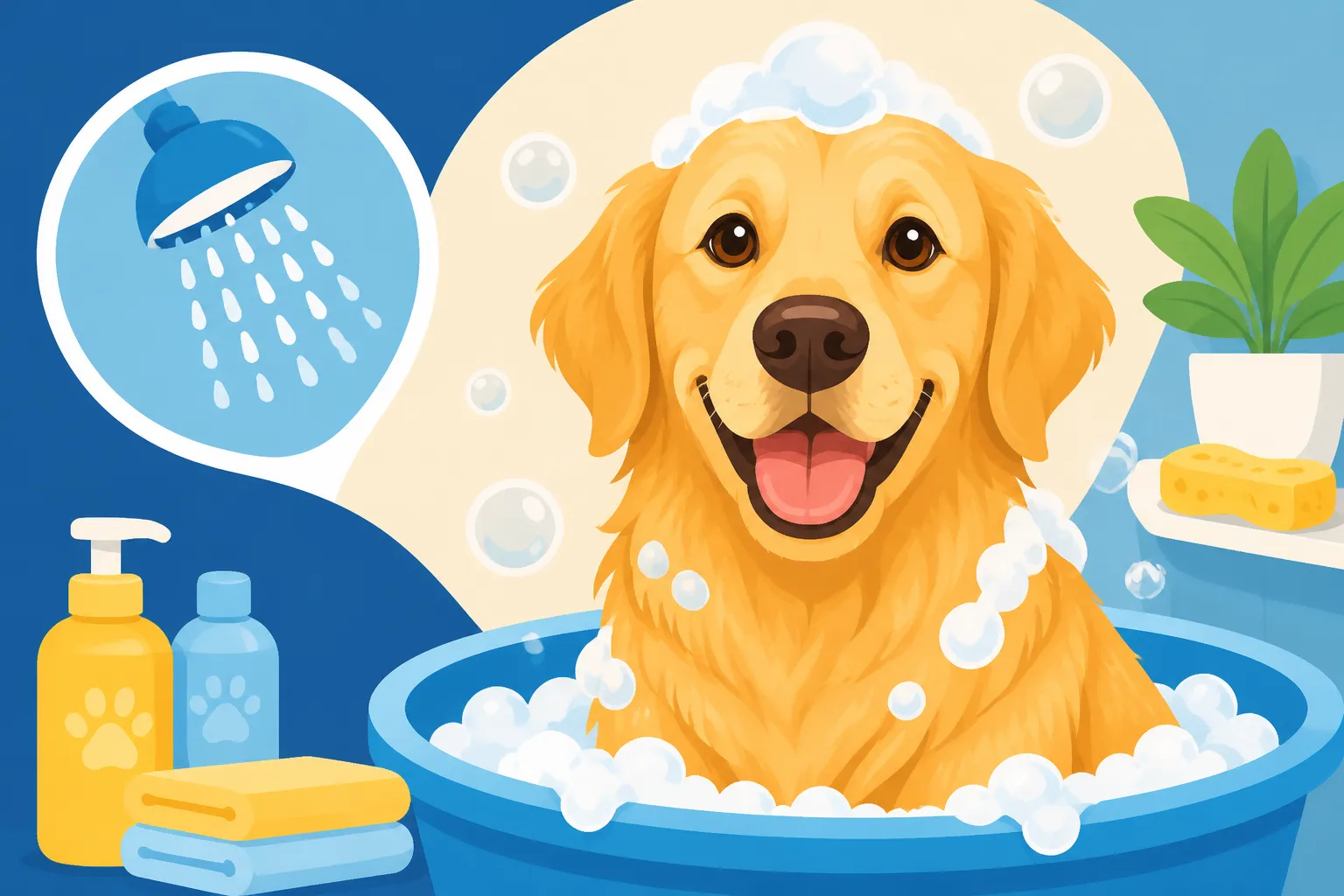
Bathing a Golden Retriever
One of the trickiest parts of sharing your life with a magnificent Golden Retriever is tackling bath time. You love their beautiful, flowing coats, but let's be honest, those double coats are magnets for mud, burrs, mystery goo, and everything else they manage to roll in. If you've ever wrestled a 70-pound furry, wet noodle into a tub, or spent an hour trying to dry them only for them to emerge still damp and smelling faintly of wet dog, you know the struggle is real. This guide is here to walk you through everything you need to know about bathing your Golden Retriever, from gathering the right tools to mastering the art of the rinse, ensuring a cleaner dog and a less chaotic experience for both of you.
Understanding Your Golden's Coat Before Bathing
Before you even think about turning on the tap, it's crucial to understand the unique characteristics of your Golden Retriever's coat. It's not just "fur"; it's a finely engineered protective layer that serves several important purposes. Treating it incorrectly during bathing can strip it of its natural oils, damage the hair, and even compromise its ability to protect your beloved companion.
The Golden Retriever's Unique Double Coat
Golden Retrievers are renowned for their gorgeous, lustrous coats, but what many new owners don't realize is that it's actually a "double coat." This means there are two distinct layers, each with its own job. The outer coat, often called the guard coat, consists of longer, water-repellent hairs that feel somewhat coarse to the touch. These hairs shed water and dirt, protecting your Golden from the elements like rain, snow, and even harsh sunlight. Beneath this lies the undercoat – a dense, soft, fluffy layer that acts as insulation, keeping them warm in winter and cool in summer. Think of it like a natural climate control system!
This double-layered system is what makes Goldens so adaptable to various climates and environments, a trait that goes back to their origins as hunting dogs. It's also why Grooming a Golden Retriever's Double Coat is such an important topic, as proper care is key to maintaining its integrity. When you bathe a Golden, you need to ensure you're cleaning both layers effectively without stripping away the vital natural oils that keep the coat healthy and functional.
Why Bathing is More Than Just "Getting Clean"
For a Golden Retriever, a bath is far more than just sudsing up to remove visible dirt. Regular, proper bathing plays a critical role in their overall skin and coat health. It helps to remove loose hair, especially during shedding seasons when their undercoat is "blowing out." This prevents mats and tangles, which can be painful and lead to skin issues if left unchecked. A good bath also washes away allergens, dander, and environmental irritants that can accumulate in their dense fur, which is particularly important for Goldens prone to sensitivities.
Furthermore, bathing allows you to inspect your dog's skin for any abnormalities – hot spots, rashes, fleas, ticks, or bumps that might otherwise go unnoticed. It’s a chance to get hands-on and really feel their body, checking for any changes. So, while it might feel like a chore sometimes, consider bath time a holistic health check and a vital part of your Golden's preventative care routine. It's an investment in their comfort and well-being.
Common Issues from Improper Bathing or Neglect
Skipping baths or doing them incorrectly can lead to a host of problems for your Golden. One of the most common issues is matting. The dense undercoat, if not regularly brushed and washed, can quickly form tight mats, especially behind the ears, under the legs, and around the tail. These mats pull on the skin, causing discomfort and even pain. They can also trap moisture, leading to skin infections or hot spots, which are intensely itchy and can become severe very quickly.
Another consequence is skin irritation. Residue from shampoo that isn't thoroughly rinsed out can lead to dry, flaky, or itchy skin. Conversely, not bathing often enough allows dirt, oils, and allergens to build up, which can also cause itching, foul odors, and even worsen existing Golden Retriever Skin, Ear and Allergy Problems. Stripping natural oils through harsh shampoos or over-bathing can leave the coat dull, brittle, and more susceptible to damage. It's a delicate balance, and understanding these risks helps emphasize the importance of a thoughtful bathing routine.
Gathering Your Golden Retriever Bathing Supplies
Successfully bathing a Golden Retriever isn't just about technique; it's also about preparation. Walking in unprepared is a recipe for chaos, a wet bathroom, and a frustrated dog. Having all your tools within arm's reach before you even think about getting your Golden wet will make the entire process smoother, safer, and far less stressful for both of you.
Shampoos and Conditioners Fit for Goldens
Choosing the right shampoo and conditioner is paramount for a Golden Retriever. You'll want to avoid harsh detergents or human shampoos, as these can strip the natural oils that protect their double coat and maintain skin health. Look for dog-specific shampoos that are pH-balanced and formulated for sensitive skin, or those designed for double coats. Hypoallergenic options are excellent for Goldens prone to allergies. Brands like Earthbath, TropiClean, or even specific veterinary lines are often recommended. If your Golden has Shampoo for a Golden Retriever With Itchy Skin, a colloidal oatmeal or medicated shampoo might be necessary, but always consult your vet before using anything medicated.
A good conditioner is equally important, especially for Goldens. It helps to detangle the coat, add moisture back to the skin, and leave the fur soft and manageable. After rinsing the shampoo, apply conditioner, let it sit for a few minutes, and then rinse thoroughly. Remember, residue from either product can cause skin irritation, so rinsing is key. You can find a wide variety of these specialized products on online retailers like Chewy or Amazon, making it easy to compare ingredients and read reviews to find the best fit for your dog.
Essential Brushes and Tools
A successful Golden Retriever bath often starts before the water even touches their fur. Pre-bath brushing is non-negotiable. You'll need a good quality slicker brush to remove loose hair and minor tangles, and an undercoat rake to get deep into that dense undercoat and pull out shedding fur. Tools like the Furminator can be effective for Golden Retriever Shedding and How to Manage It, but use them carefully as they can cut healthy hair if misused.
During the bath, a rubber curry brush or a bathing mitt can help work the shampoo deep into the coat and stimulate the skin, ensuring a thorough clean. For drying, a super absorbent microfibre towel is a must to get as much water off as possible before air drying or using a force dryer. Speaking of which, a high-velocity force dryer (like those sold on Amazon or Chewy) is a game-changer for Goldens, dramatically cutting down drying time and helping to "blow out" more loose undercoat. If you don't have one, several absorbent towels and a regular hairdryer set to a cool setting (held far from the skin) can work in a pinch. Finally, a non-slip mat for the tub or shower base will provide your dog with secure footing, making them feel much more comfortable and reducing the risk of slips.
Towels and Drying Equipment
When it comes to drying your Golden Retriever, you can never have too many towels. Have at least 2-3 large, absorbent towels ready. Microfiber towels are particularly effective because they soak up a remarkable amount of water quickly. After the bath, these will be your first line of defense in getting your Golden as dry as possible before they shake water all over your bathroom (and you!).
However, towels alone aren't usually enough for a Golden's thick double coat. This is where a high-velocity dog dryer comes in. These specialized dryers blow cool or warm air at a high speed, effectively "blasting" water out of the coat rather than just evaporating it. They significantly reduce drying time, prevent hot spots from trapped moisture, and help to remove even more loose undercoat. Investing in one, perhaps from Chewy or Amazon, will save you immense time and effort in the long run. If a force dryer isn't an option, a regular human hairdryer on a cool setting, kept at a safe distance and in constant motion, can be used. Just be very careful to avoid overheating your dog's skin, which can cause burns. Drying a Golden Retriever's Thick Coat is a serious business, and proper equipment makes all the difference.
| Item Type | Specific Item | Why It's Essential for a Golden Retriever |
|---|---|---|
| Pre-Bath Prep | Slicker Brush | Removes loose hair, detangles minor mats before wet |
| Undercoat Rake | Gets deep into undercoat to pull out shedding fur | |
| Nail Clippers/Grinder | Easier to trim nails when wet/soft, avoid later struggle | |
| Washing | Dog-Specific Shampoo | pH-balanced, cleans without stripping natural oils |
| Dog-Specific Conditioner | Moisturizes coat, aids in detangling, prevents dryness | |
| Rubber Curry Brush/Mitt | Helps work shampoo into thick coat, massages skin | |
| Non-Slip Mat | Provides secure footing in the tub, reduces anxiety | |
| Drying | Large Microfiber Towels | Super absorbent, removes bulk of water quickly |
| High-Velocity Force Dryer | Blasts water out, significantly reduces drying time, removes undercoat | |
| Cotton Balls/Ear Cleaner | For post-bath ear cleaning, preventing infections | |
| Post-Bath | Treats/Rewards | Positive reinforcement for a good experience |
The Step-by-Step Golden Retriever Bathing Process
Bathing a Golden Retriever might seem like a daunting task, but with a clear step-by-step approach, you can turn it into a manageable and even enjoyable experience for both of you. The key is to be methodical, patient, and thorough at each stage.
Pre-Bath Brushing and Dematting
This is arguably the most critical step, and one that many owners are tempted to skip, to their detriment. Before your Golden Retriever ever sets a paw in the water, you absolutely must brush them thoroughly. Use an undercoat rake and a slicker brush to remove as much loose hair and as many mats and tangles as possible. Water actually tightens mats, making them nearly impossible to remove without cutting them out, which can be painful and lead to patchy fur. If you encounter a stubborn mat, use a mat splitter or carefully work it out with your fingers and a detangling spray. Never pull on the hair.
A good pre-bath brush-out also means less hair going down your drain, which is a major bonus for your plumbing! This step not only prepares the coat for effective cleaning but also helps you get a handle on shedding. Remember, Goldens shed year-round, but especially during "coat blowing" seasons, so this initial brushing will remove a huge amount of dead hair that would otherwise just get wet and matted.
Getting Your Golden Wet and Lathered Up
Once your Golden is thoroughly brushed and (hopefully) relaxed, it's time for the water. Start with lukewarm water – not too hot, not too cold – and use a detachable showerhead or a pitcher to wet their coat gradually. Start from their feet and work your way up their body, speaking in a calm, reassuring voice. Avoid spraying directly into their face or ears; instead, use a washcloth for their face. Ensure their entire coat, down to the skin, is completely saturated before applying shampoo.
Dispense a generous amount of dog-specific shampoo into your hands and work it into a lather. Start at the neck and work your way down their back, sides, belly, and legs. Pay special attention to areas that get particularly dirty, like their paws, underbelly, and behind the ears. For their head and face, use a tearless shampoo or apply a small amount onto a wet washcloth and gently wipe their face, avoiding their eyes, nose, and inner ears. Massage the shampoo deep into the undercoat, ensuring every part of their body is cleaned. This is where a rubber curry brush can be really helpful, as it helps the shampoo penetrate through the thick fur.
Rinsing Thoroughly: The Most Crucial Step
If there's one golden rule (pun intended!) of bathing a Golden Retriever, it's this: rinse, rinse, and then rinse some more. Residual shampoo is a common culprit for skin irritation, itching, and dull coats. It can also attract dirt faster, making your Golden feel less clean in the long run.
Use your detachable showerhead or pitcher and start rinsing from their neck down, working your way to their tail and legs. Keep rinsing until the water runs completely clear and you can no longer feel any slickness or suds on their fur. Run your fingers through their coat to check for any hidden pockets of shampoo. This might feel like it takes forever, but trust me, it’s worth the extra time. After the shampoo, apply a good dog-specific conditioner, massaging it in thoroughly. Let it sit for the recommended time (usually a few minutes) to allow it to moisturize the coat and skin, then rinse that out just as thoroughly as the shampoo. When you think you're done rinsing, rinse for another minute or two, just to be sure. A truly clean Golden Retriever is one that is thoroughly rinsed.
Post-Bath Drying Techniques
Once the rinsing is complete, the drying process begins. First, let your Golden shake off as much water as they want – preferably in the tub or shower, not all over your bathroom! Then, use your absorbent microfibre towels to pat and squeeze as much water out of their coat as possible. Don't rub vigorously, as this can create tangles.
Next, it's time for the force dryer. This tool is a game-changer for Golden Retrievers, significantly reducing drying time and helping prevent common issues like skin irritation from trapped moisture. Work section by section, starting from the rear and moving forward, holding the nozzle a few inches from the coat. The force of the air will separate the hairs, blowing out water and any remaining loose undercoat. If you don't have a force dryer, use a human hairdryer on a cool or low-heat setting (never hot!) and keep it moving constantly to avoid burning their skin. Brush their coat with a slicker brush or pin brush as you dry to help straighten the fur and ensure even drying. Ensure your Golden is completely dry, especially the undercoat, as dampness can lead to skin problems.
How Often Should You Bathe a Golden Retriever?
This is a question many Golden Retriever owners grapple with, and there's no single "right" answer. The frequency of bathing depends on several factors, and finding the right balance is key to maintaining a healthy coat and happy dog without overdoing it.
Factors Influencing Bathing Frequency
Several things will dictate how often your Golden needs a full bath. Firstly, their lifestyle is a huge factor. A Golden who spends a lot of time outdoors, swimming in lakes, rolling in mud, or exploring wooded trails will undoubtedly need more frequent baths than a city-dwelling Golden whose adventures are limited to paved parks. Secondly, any underlying skin conditions or allergies play a role. If your Golden suffers from Golden Retriever Skin, Ear and Allergy Problems, your vet might recommend specific medicated baths more or less frequently.
The time of year also matters. During heavy shedding seasons (typically spring and fall, when their undercoat "blows"), more frequent bathing, combined with rigorous brushing, can help manage the excess fur. And of course, sometimes a bath is simply necessitated by an unfortunate encounter with something particularly smelly or sticky. For most Goldens with a generally healthy coat and moderate activity, a bath every 4-6 weeks is often a good baseline, but some may do well with less frequent baths (every 2-3 months) if regularly brushed, while others might need them every 2-3 weeks.
Over-Bathing Risks and Signs
While regular bathing is important, it is possible to overdo it, especially with a breed like the Golden Retriever. Over-bathing, particularly with harsh shampoos, can strip the natural oils from their skin and coat. These oils are vital for maintaining the coat's water-resistant properties, its healthy sheen, and the skin's protective barrier. When these oils are stripped, your Golden's skin can become dry, flaky, itchy, and irritated. This can lead to a dull, brittle coat and even make them more susceptible to skin infections.
Signs that you might be bathing too frequently include excessive scratching, dry or flaky skin (dandruff), a dull-looking coat, or a noticeable change in the texture of their fur. If you observe these symptoms, try extending the time between baths or switching to a gentler, moisturizing shampoo and conditioner. Sometimes, what looks like a need for another bath is actually a need for more thorough brushing to remove dead undercoat and stimulate natural oil distribution.
Spot Cleaning and Quick Freshen-Ups
For those times when a full bath isn't necessary or practical, spot cleaning and quick freshen-ups can be a lifesaver. This is especially useful for Goldens who get into minor mischief or need a quick spruce-up between full baths. Did your Golden roll in a small patch of mud? Instead of a full bath, try rinsing just the affected area with water, using a small amount of dog shampoo if needed, and then thoroughly rinsing and drying only that section. This saves time and minimizes stress.
For general freshening, especially if your Golden starts to develop that "doggy smell," you can use dog-specific deodorizing sprays or dry shampoos. These products are designed to neutralize odors and absorb excess oils without the need for water. A quick wipe-down with a damp cloth can also work wonders on dirty paws or a dusty coat. Remember to always brush your Golden regularly between baths; this not only helps remove loose fur and prevent mats but also distributes natural oils, keeping their coat healthier and cleaner for longer. These strategies are fantastic for extending the time between full baths, helping to avoid the risks associated with How Often to Bathe a Golden Retriever too frequently.
Dealing with Common Bathing Challenges
Even with the best intentions and the right supplies, bathing a Golden Retriever can present its fair share of challenges. From a dog who views the tub as a torture chamber to a bathroom that looks like a war zone afterward, these hurdles are common. But don's despair—there are strategies to make it less of a struggle.
Overcoming Water Aversion or Fear
Some Golden Retrievers genuinely dislike baths. This isn't stubbornness; it can be genuine fear or anxiety, often stemming from previous negative experiences, the slipperiness of the tub, or the sound of rushing water. The key to overcoming this is positive reinforcement and gradual desensitization. Start slow: introduce your Golden to the dry tub with lots of treats and praise. Let them investigate it on their own terms. Put a non-slip mat down so they feel secure.
Once they're comfortable with the dry tub, introduce water slowly. Start by just getting their paws wet, then gradually move to their legs, always with a cheerful voice and plenty of high-value treats. Use a gentle stream from a detachable showerhead rather than a strong spray. You can even try using a lick mat with peanut butter stuck to the side of the tub to distract them during the process. Keep sessions short and positive, even if it means only getting one part of them wet initially. Consistency and patience will eventually help build a positive association with bath time. For puppies, early positive experiences are vital; never force them or make bath time scary.
Managing Excessive Shedding During Bath Time
Golden Retrievers are renowned for their majestic coats, but with that beauty comes significant shedding. During bath time, especially during coat blow seasons, it can feel like you're pulling endless amounts of fur from your dog. This isn't just a mess; if not managed, all that loose hair can clog your drain and make drying more difficult.
The best strategy is to be proactive. A thorough pre-bath brushing with an undercoat rake is essential. This removes a large percentage of dead hair before it even gets wet. During the bath, using a rubber curry brush or bathing mitt helps to agitate and release even more loose hair while you're shampooing. You'll be amazed how much comes off. After the rinse, a high-velocity dryer is your best friend. Not only does it dry your Golden quickly, but the powerful air stream also "blows out" a tremendous amount of shedding undercoat, effectively deshedding them further. This helps to manage Golden Retriever Shedding and How to Manage It dramatically, reducing the amount of fur left to shed around your home.
Keeping Your Bathroom (Relatively) Clean
Let's face it: bathing a Golden Retriever often turns your bathroom into a soggy, hairy disaster zone. But with a few tricks, you can keep the chaos to a minimum. First, designate a specific bathing area if possible – a large utility sink, a walk-in shower, or even an outdoor wash station if the weather permits. Wherever you bathe, lay down old towels or bath mats around the perimeter to catch splashes.
A non-slip mat in the tub is crucial not only for your dog's comfort but also to prevent them from slipping and potentially injuring themselves (or you!). Before you start, remove anything from the bathroom that you don't want to get wet or hairy. Keep your shampoo, conditioner, and brushes within arm's reach but out of your dog's immediate grasp. After the bath, encourage your Golden to do their initial full-body shake while still in the tub or shower. Then, use a grooming apron or old clothes to protect yourself from the inevitable "wet dog shake" that will happen once they're out. Finally, have a handheld vacuum or broom ready to tackle the wet fur that accumulates on the floor and walls immediately after. A hair catcher in the drain is also a must-have to prevent plumbing nightmares.
After the Bath: Essential Post-Grooming Care
The bath isn't truly over once your Golden is dry. There are a few crucial steps you should take immediately afterward to ensure their continued health and comfort, making the entire bathing experience a positive one from start to finish.
Ear Cleaning and Nail Trimming Post-Bath
Immediately after a bath, your Golden's ears and nails are in the perfect condition for some extra care. Their ear canals, especially in a floppy-eared breed like the Golden Retriever, can trap moisture, creating an ideal breeding ground for yeast and bacterial infections. Use a veterinarian-approved ear cleaner and cotton balls to gently wipe the visible parts of their inner ear flaps. Never insert anything into the ear canal itself. Cleaning a Golden Retriever's Ears Correctly is vital to prevent painful infections. Make sure to dry the area thoroughly.
Similarly, their nails are softer after a bath, making them easier to trim. Use sharp nail clippers or a dremel tool to carefully trim their nails, taking care to avoid the quick. If you're unsure how to do this, ask your vet or a professional groomer to show you. Keeping their nails a healthy length is important for their comfort and joint health. This post-bath routine turns a chore into an opportunity for comprehensive care.
Conditioning and Maintaining Coat Health
Even if you used a conditioner during the bath, the post-bath stage is a great time to reinforce coat health. Once your Golden is completely dry, a final brush-out is always a good idea. This helps to ensure no mats have formed during the drying process, distributes any remaining natural oils, and stimulates circulation in the skin. You can also use a light conditioning spray or detangler, especially on their feathering (the longer hair on their legs, chest, and tail), to keep it soft and prevent static.
Remember, the goal is not just a clean Golden, but a healthy one. The integrity of their double coat is crucial for their protection and comfort. Regular brushing between baths, using the right products, and ensuring thorough drying all contribute to a lustrous, healthy coat. Don't forget that Why You Never Shave a Golden Retriever is a commonly misunderstood topic, and proper bathing techniques are part of keeping that double coat healthy.
Rewarding Your Golden for a Job Well Done
Last but certainly not least, showering your Golden Retriever with praise and a well-deserved reward after a bath is paramount. Even if they tolerated the bath rather than enjoyed it, ending the experience on a high note helps reinforce positive associations. Offer their favorite high-value treats, engage in a short play session, or give them a good belly rub.
This positive reinforcement helps them understand that while baths might be a little uncomfortable or confusing, they always lead to something good. Over time, this can transform a dreaded ordeal into a routine they at least tolerate, and perhaps even look forward to. A happy, clean Golden Retriever is the ultimate reward for both of you, and building that positive relationship around grooming is an essential part of responsible pet ownership.
Disclaimer
This article is for general informational purposes only and does not constitute professional advice. Laws, prices and regulations vary by location and change over time. Consult a qualified professional for guidance on your specific situation.