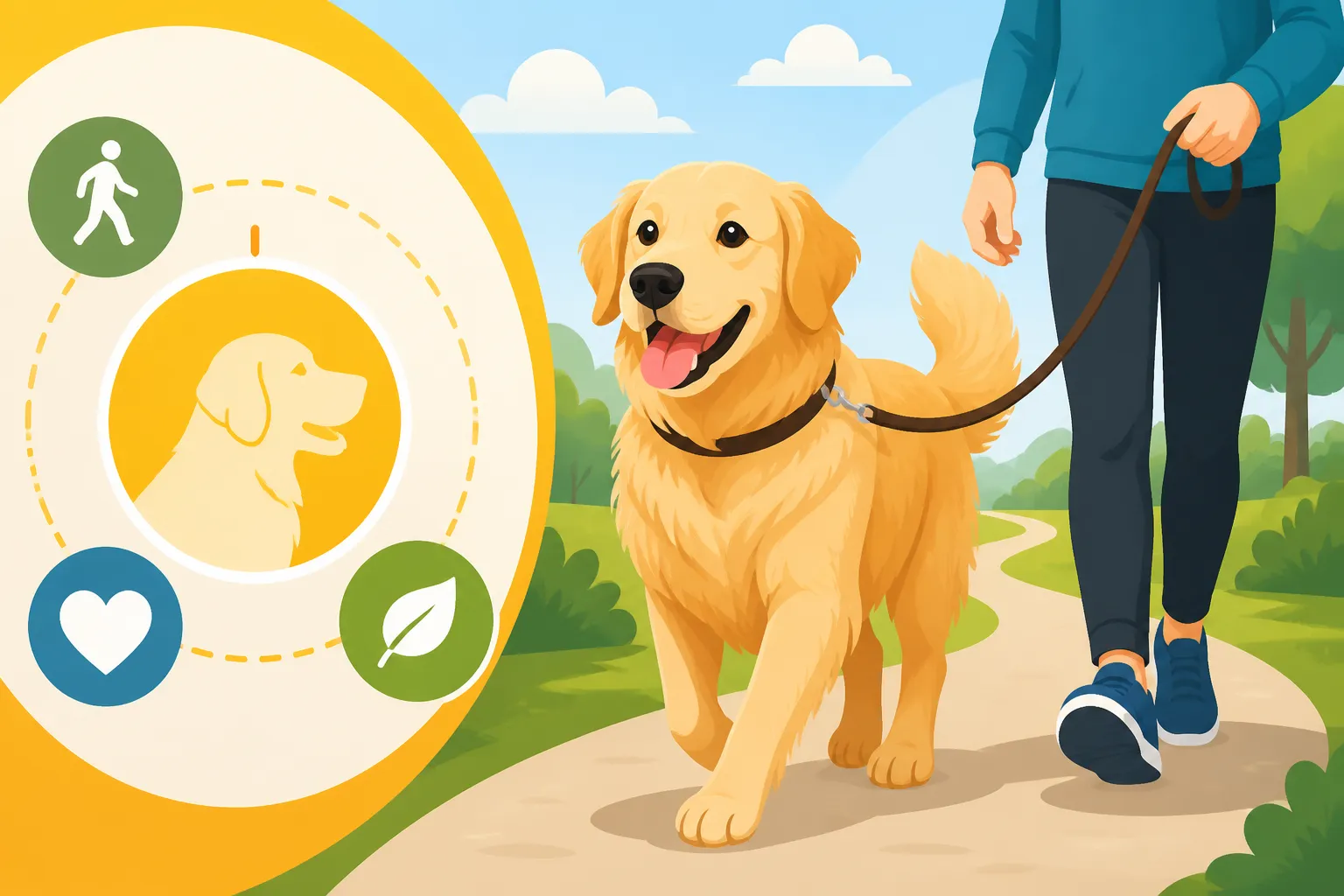
Daily Walk Length for a Golden Retriever
One of the biggest questions I hear from new Golden Retriever parents, and even seasoned ones, is "How much exercise do they really need?" It’s a common frustration because Goldens are known for being active, but figuring out the right balance can feel like a moving target, constantly changing as they grow and age. This guide is all about helping you understand the optimal daily walk length for your Golden Retriever, taking into account their unique needs at every stage of life, and ensuring they live their happiest, healthiest life with you.
The Active Heart of a Golden Retriever: Why Daily Walks Are Essential
Golden Retrievers aren't just beloved for their sunny dispositions and soft mouths; they were originally bred as working dogs. Their ancestors were tasked with retrieving shot fowl from both land and water, requiring incredible stamina, intelligence, and an eager-to-please attitude. This strong heritage means that beneath that fluffy, friendly exterior lies a deep, inherent need for physical and mental activity. Neglecting this need isn't just about a bored dog; it can profoundly impact their well-being.
Ignoring a Golden's exercise requirements often leads to a whole host of unwanted behaviors. Picture this: your beautiful Golden puppy, full of boundless energy, starts chewing the legs off your dining room table, digging craters in the yard, or barking incessantly at every rustle outside the window. These aren't signs of a "bad" dog; they're often desperate calls for an outlet for their pent-up energy and intelligence. A well-exercised Golden is a much calmer, happier, and more manageable companion. It truly makes a world of difference in their overall behavior and your peace of mind.
It's also crucial to remember that for Goldens, exercise is more than just burning off calories; it's about engaging their minds. A walk isn't just a physical trek; it's a sniffari, a chance to explore the world through their nose, encountering new sights, sounds, and smells. This mental stimulation is just as vital as the physical exertion, preventing boredom and enriching their lives in a way that simply letting them out in the yard can't achieve. Think of it as their daily newspaper and social media rolled into one!
Factors That Shape Their Exercise Needs
While the Golden Retriever breed as a whole is known for its high energy, it's not a one-size-fits-all equation. Several key factors come into play when determining the right amount of daily walking and exercise for your individual dog. Understanding these nuances will help you tailor a routine that perfectly suits your furry friend.
Without a doubt, age is the biggest determinant. A bouncing, clumsy eight-week-old puppy has vastly different needs and physical limitations than a two-year-old adult in their prime, or a gray-muzzled senior enjoying their golden years. We'll dive into specific age-related recommendations shortly, but keep in mind that their bones, joints, and energy levels are constantly evolving. What’s appropriate for one stage can be detrimental for another, especially when it comes to growing pups.
Beyond age, your Golden's overall health and individual temperament play huge roles. A dog with hip or elbow dysplasia, even if mild, will have different walking requirements than one with perfect clearances. Similarly, a Golden recovering from a heart condition or managing a chronic illness might need very gentle, monitored activity. Always consult your veterinarian to ensure any exercise regimen is safe and appropriate for your dog's specific health status. Even their lineage can influence things; Exercise a Golden Retriever Needs Each Day can vary depending on whether they come from a high-drive field line or a calmer show line. Field Goldens are often bred for intense, sustained activity, whereas many show lines tend to be a bit more mellow.
The Golden Retriever's High Energy Drive
Goldens possess an energy level that is truly impressive, often maintaining a playful, youthful exuberance well into their adult years. This isn't just about running around; it's a deep-seated enthusiasm for life and activity. They thrive on having a "job" to do, whether that's retrieving a ball, carrying the mail, or simply accompanying you on a long hike. Their strong prey drive, even if redirected to toys, means they love to chase and fetch.
This high drive can be a double-edged sword for owners. On one hand, it means you have a willing partner for almost any adventure. On the other, it means if that energy isn't channeled constructively, it can quickly manifest as destructive behaviors. Imagine a Golden Retriever staring out the window, twitching with unused energy, while their human is engrossed in work. That pent-up drive has to go somewhere, and often it ends up in chewing, digging, or barking.
A significant portion of their daily exercise should come from structured activities like walks because these provide both physical exertion and mental stimulation. The change of scenery, the new smells, and the opportunity to interact with their environment in a controlled way helps satisfy their curious and intelligent minds. Simply letting them run in a backyard, while helpful, rarely provides the full spectrum of stimulation a Golden truly craves and needs.
Tailoring Walk Length by Your Golden's Life Stage
One of the biggest mistakes owners make is treating a Golden Retriever's exercise needs as static. What's perfect for a boisterous adolescent can be harmful to a growing puppy or exhausting for a senior. Understanding and adapting to their life stage is paramount for their long-term health and happiness.
The Delicate Balance of Puppy Walks (8 weeks – 6 months)
Golden Retriever puppies are little bundles of energy, but their bones and joints are still developing rapidly. This is a critical period where too much strenuous exercise can actually do more harm than good, potentially predisposing them to orthopedic issues later in life. Their growth plates are open, making them vulnerable to injury.
A commonly cited guideline for puppy exercise is the "5-minute rule": roughly 5 minutes of structured exercise per month of age, twice a day. So, a three-month-old puppy might get two 15-minute walks a day, plus some supervised playtime. These aren't forced marches; they should be leisurely strolls where the puppy can sniff, explore, and move at their own pace. Focus on quality over quantity, letting them discover the world around them without pushing them too hard. Short, frequent outings are far better than one long, exhausting trek. For more on this, check out Exercise Limits for a Golden Retriever Puppy.
During this stage, the emphasis should be on exploration, socialization, and short bursts of play, not endurance training. A puppy class, for instance, offers a fantastic blend of controlled play and mental stimulation without overtaxing their young bodies. Avoid activities like long-distance running, intense jumping, or repetitive high-impact games until their growth plates have fully closed, which typically happens around 12 to 18 months of age, depending on the individual dog. The goal is to build strong muscles supporting their joints without stressing the joints themselves.
Adolescent Energy Bursts (6 months – 2 years)
Once your Golden Retriever hits adolescence, usually around 6 months, you might feel like you've suddenly got a furry teenager who's discovered an endless energy reserve. This is the stage where they seem to zoom around non-stop, capable of playing for hours without tiring. However, even with this surge of energy, caution is still advised regarding their developing joints. While some growth plates might be closing, others, particularly in larger breeds like Goldens, can remain open longer.
During this period, you can gradually start to increase the duration and intensity of their walks. Structured walks, where they learn to heel and walk politely on a leash, are excellent for burning physical energy and reinforcing good manners. Aim for 30-45 minute walks, twice a day, in addition to free play in a secure yard. This free play can include games of fetch or tug, but always be mindful of overdoing it. A good quality front-clip harness can be invaluable during this stage to help manage their newfound strength and enthusiasm on the leash.
This is also the time when many Goldens might start showing interest in more vigorous activities. However, it's generally recommended to hold off on intense activities like long-distance running or competitive agility training until they are at least 18 months to 2 years old. This gives their joints the best chance to mature fully. Gradually introducing new activities, like a short jog alongside you, is perfectly fine, but build up slowly. If you're wondering When a Golden Retriever Can Start Running With You, err on the side of caution and wait until they're physically mature.
Adult Goldens: Finding Their Stride (2 years – 7 years)
Once your Golden Retriever reaches full maturity, typically around two years old, they are usually ready for more sustained and vigorous exercise. This is their prime, and they're capable of incredible feats of stamina and enthusiasm. This is when you'll truly see their retrieving instinct shine, whether it's chasing a ball or accompanying you on outdoor adventures.
For most adult Golden Retrievers, a solid 60 to 90 minutes of dedicated physical activity each day is a good benchmark. This doesn't have to be one continuous session; it can be broken up into two or three walks. For example, a brisk 30-minute walk in the morning, another 30-minute walk in the evening, and perhaps a 15-minute fetch session in the middle of the day. The intensity matters too; a sniff-filled amble is different from a brisk, continuous pace. Varying your routes and introducing new environments can keep things exciting for them. Golden Retriever Energy Level by Age really plateaus and allows for this sustained output in their adult years.
A well-exercised adult Golden Retriever is a joy to live with. They're typically calm indoors, happy to snooze by your feet, and less prone to destructive behaviors or excessive barking. Conversely, an under-exercised adult Golden can become restless, anxious, and destructive. They might constantly nudge you for attention, pace around the house, or vocalize their boredom. This sustained daily exercise is also critical for maintaining a healthy weight. How Extra Weight Shortens a Golden Retriever's Life by putting undue stress on their joints and internal organs, highlighting the importance of a consistent exercise routine.
Senior Saunters: Respecting Their Golden Years (7+ years)
As your Golden Retriever gracefully enters their senior years, typically around seven or eight years old, their exercise needs will begin to shift again. You'll notice they might not have the same boundless energy they once did, and they might tire more easily. This is a natural part of aging, but it doesn't mean they should stop exercising altogether. In fact, gentle, consistent movement is incredibly important for maintaining muscle mass, joint flexibility, and mental well-being in older dogs.
For senior Goldens, the focus should move from high-impact endurance to gentle, low-impact activity. Shorter, more frequent walks are often preferable to one long trek that might leave them sore or exhausted. Instead of two 30-minute walks, you might opt for three 15-20 minute strolls throughout the day. The key is to let them set the pace. If they start lagging behind, panting excessively, or showing signs of discomfort, it's time to head home.
It's also important to be mindful of any developing health conditions. Golden Retriever Arthritis and Joint Decline is common in older Goldens, and while exercise helps manage it, too much can exacerbate pain. Consider softer walking surfaces like grass or dirt trails rather than hard pavement. Swimming, if they enjoy it and it's safe, can be an excellent low-impact option. The goal is to keep them moving and mentally engaged without causing pain or overexertion, ensuring their golden years remain comfortable and happy.
Beyond Just Walking: Enriching Your Golden's Daily Routine
While daily walks are the cornerstone of a Golden Retriever's exercise routine, they are by no means the only way to keep your dog physically and mentally fit. Goldens are intelligent, versatile dogs that thrive on a variety of activities. Incorporating different forms of exercise and mental enrichment can prevent boredom, build confidence, and strengthen your bond.
Engaging Mind and Body with Play
Interactive play is a fantastic way to supplement walks and provide bursts of high-energy fun. Games like fetch, hide-and-seek with toys, or even a good old-fashioned tug-of-war can burn off a lot of steam in a short amount of time. Goldens typically adore fetch, and throwing a ball or frisbee in a secure area can be incredibly satisfying for them, tapping into their natural retrieving instincts. Just be mindful of repetitive jumping and twisting, especially if your dog is still young or has any joint concerns.
Rotating toys keeps things fresh and exciting. If your Golden always has access to every single toy, they can quickly lose interest. Instead, offer a selection and rotate them every few days. This makes old toys feel new again and sparks their curiosity. Many owners find value in subscription boxes or simply browsing options on Chewy or Amazon for durable, engaging toys that can withstand a Golden's enthusiastic play style. Look for toys made for tough chewers, as Goldens often have strong jaws and can make quick work of lesser quality items.
These play sessions aren't just physical; they're also mentally stimulating. When your Golden has to think about where the ball went, or strategize how to "win" a game of tug, their brain is working just as hard as their body. This combination of physical and mental effort is the recipe for a truly tired and content Golden.
The Power of the Paddle: Water Play
For many Golden Retrievers, water is not just a place to swim; it's their happy place. Bred to retrieve waterfowl, most Goldens have an innate love for splashing, swimming, and fetching things from the water. This makes water activities an incredibly effective and enjoyable form of exercise, especially during warmer months or for dogs needing a low-impact option.
Swimming is a full-body workout that is remarkably gentle on joints. Unlike running or jumping, the buoyancy of water supports their weight, reducing stress on hips, elbows, and spines. A good 20-30 minute swim can be as tiring as a much longer walk, helping to build muscle strength and cardiovascular fitness without the impact. Many Goldens will happily retrieve floating toys from a lake, pond, or dog-friendly pool for extended periods, working off energy with a huge grin on their face. You can learn more about this incredible exercise option in Swimming as Exercise for a Golden Retriever.
Safety in and around water is paramount. Always ensure your Golden has a safe entry and exit point, and never leave them unsupervised. For open water or strong currents, a dog-specific life jacket is a wise investment, providing extra buoyancy and a handle to help you guide them. After swimming, especially in chlorinated pools or saltwater, it's always a good idea to rinse your Golden's coat thoroughly to prevent skin irritation and protect their beautiful fur.
Mental Games and Training Sessions
A Golden Retriever's brain is just as powerful as their body, and neglecting their mental needs can lead to just as many behavioral issues as neglecting their physical ones. Mental stimulation is crucial for preventing boredom, reducing anxiety, and ensuring a well-rounded, happy dog. Even on days when a long walk isn't possible, engaging their minds can make a huge difference.
Puzzle toys are fantastic for this. These toys require your Golden to figure out how to get a treat, using their problem-solving skills and nose work. Snuffle mats, treat-dispensing balls, or interactive feeders can keep them engaged for significant periods, turning mealtime into a mental challenge. Scent work, where you hide treats or toys and encourage your dog to find them, is another excellent way to tap into their natural olfactory abilities and can be done indoors or out. These activities are powerful for Mental Enrichment for a Bored Golden Retriever.
Short, positive reinforcement-based training sessions throughout the day also provide valuable mental exercise. Even if your Golden knows their basic commands, practicing them in new environments or adding new twists can keep their brain sharp. Learning new tricks, working on advanced obedience, or even practicing silly behaviors can be incredibly rewarding for both of you. Incorporating these short training bursts into your daily walks, perhaps practicing a "sit-stay" at an intersection or a "come" in a quiet park, also adds a layer of mental engagement to their physical activity.
Reading Your Golden: Signs of Proper vs. Improper Exercise
As attentive Golden Retriever parents, it's essential to become fluent in your dog's subtle cues. They can't tell you in words if they're tired, bored, or in pain, so understanding their behavior is key to ensuring their exercise routine is just right. Finding that sweet spot is crucial for their physical health and emotional balance.
When Your Golden is Getting Just Enough
A Golden Retriever who is receiving adequate exercise will typically exhibit a range of positive behaviors and physical traits. After a good walk or play session, they should be pleasantly tired, but not utterly exhausted. They might nap contentedly, but they shouldn't be too sore or unwilling to move later in the day. Think of it like how you feel after a satisfying workout – a bit weary, but accomplished.
Indoors, a properly exercised Golden is generally calm, relaxed, and easy to live with. They'll settle down quickly, enjoy lounging near you, and aren't constantly seeking attention or pacing. Their appetite should be healthy and consistent, and they'll typically enjoy deep, restful sleep through the night. If your Golden is a happy, well-adjusted family member, largely free from destructive habits or excessive barking, chances are you've hit the right exercise balance.
This balanced state translates into overall better health. Regular, appropriate exercise helps maintain a healthy weight, strengthens muscles and joints, and supports a robust cardiovascular system. It’s also a powerful tool for emotional regulation, helping to reduce anxiety and increase their resilience to stress.
Warning Signs of Under-Exercise
If your Golden Retriever isn't getting enough physical and mental stimulation, you'll almost certainly notice behavioral changes. These aren't indicators of a "bad" dog, but rather a dog desperately trying to communicate their unmet needs. They are often just bored and have too much energy to burn.
One of the most common signs is destructive chewing. If your furniture, shoes, or personal items are becoming targets, it's highly likely your Golden needs more outlets for their energy. Other clues include excessive barking, especially at minor noises or shadows, or hyperactive behavior like constant zooming around the house, nipping, or refusing to settle down. They might also become incredibly "needy," constantly nudging you, pawing for attention, or bringing you toys incessantly. In puppies, Golden Retriever Puppy Sleep and Night Crying can often be linked to not enough activity during the day, leading to restlessness at night.
Beyond these, an under-exercised Golden might pace anxiously, exhibit repetitive behaviors, or even have "accidents" in the house despite being house-trained. This isn't always a direct result of needing to go, but sometimes a symptom of stress or a lack of mental engagement. If you're seeing these patterns, it's a clear signal that it's time to re-evaluate and likely increase their daily activity.
The Dangers of Over-Exercising
While the focus is often on ensuring Goldens get enough exercise, it's equally important to understand the risks of over-exercising them, especially in young dogs. Pushing your Golden too hard, too fast, or for too long can lead to significant health issues and even behavioral problems.
In puppies and adolescents, over-exercising can lead to severe and lasting joint damage. Their growth plates are still soft and vulnerable, and repetitive, high-impact activities can cause inflammation, pain, and contribute to conditions like hip or elbow dysplasia. Signs of overexertion in young dogs include limping, stiffness, reluctance to play, or an unusual gait. Always be watchful for any changes in how they move or reluctance to get up after rest.
In Goldens of any age, but particularly in hot weather, over-exercising can lead to overheating and even heatstroke, a life-threatening condition. Watch for excessive panting, drooling, wobbliness, or bright red gums. If you see these signs, stop activity immediately, get your dog to a cool place, and offer water. Another sign can be muscle soreness, reluctance to move, or an overall grumpy demeanor. Chronic over-exercise can also lead to mental fatigue and stress, paradoxically making them more anxious or irritable rather than calmer. It's about finding that balanced sweet spot where they are tired but not spent.
Practical Tips for Your Golden Retriever's Daily Walks
Even with the best intentions, fitting in daily walks can feel like a logistical challenge. Life gets busy, schedules shift, and the weather doesn't always cooperate. But with a little planning and flexibility, you can ensure your Golden Retriever consistently gets the exercise they need.
Making Time in a Hectic Schedule
The reality for many Golden Retriever owners is that a continuous 60-90 minute walk might not be feasible every single day. The good news is that you don't always need one marathon session. Breaking up their exercise into shorter, more frequent segments can be just as effective. A brisk 20-minute walk before work, a quick play session at lunch, and another 30-minute walk in the evening can easily add up to their daily requirement.
Consider involving other family members in the walking routine. Even older children, with proper supervision, can take on some of the responsibility for a short, neighborhood stroll. If your schedule is particularly demanding, don't feel guilty about enlisting professional help. A trusted dog walker can be a lifesaver, ensuring your Golden gets their midday outing. Companies found on platforms like Chewy or local pet service directories often offer reliable dog walking services. Consistency truly is more important than duration; a regular routine, even if it's shorter walks, is better than sporadic, intense sessions.
You can also combine errands with quick outdoor breaks. If you're driving to the pet store or a friend's house, factor in an extra 10-15 minutes to take your Golden for a quick walk around the block before you go inside. These small additions throughout the day contribute significantly to their overall activity level and happiness.
Adapting to Weather and Environment
The weather can throw a wrench into even the most well-intentioned walking plans. Extreme temperatures, heavy rain, or snow require adjustments to protect your Golden Retriever. Goldens, with their double coats, are generally quite tolerant of cooler weather, but still need protection from extreme cold. Hot weather, however, poses a significant risk.
In summer, hot pavement can burn your Golden's paws, and their thick coat makes them prone to overheating. Schedule walks for early mornings or late evenings when temperatures are cooler. Always check the pavement temperature with the back of your hand – if it's too hot for you to hold for five seconds, it's too hot for their paws. Carry water for both of you and know the signs of heatstroke. If you want to know Tiring a Golden Retriever on a Rainy Day or when it's just too cold, remember that shorter, focused potty breaks are fine, followed by more intense indoor games like fetch down a hallway or puzzle toy sessions to meet their energy needs.
Winter walks require different considerations. While many Goldens love snow, keep an eye on ice and rock salt, which can irritate their paws. Paw balm or booties can offer protection. For very cold temperatures, especially if your Golden has a trimmed coat or is older, a dog coat might be appropriate. Always ensure your dog is visible in low-light conditions by using reflective collars or vests, which you can easily find on Amazon.
Essential Walking Gear
Having the right gear makes walks safer and more enjoyable for both you and your Golden Retriever. It’s an investment in their comfort and your peace of mind.
Starting with the basics, a sturdy leash and a comfortable harness or collar are essential. For Goldens who tend to pull, a front-clip harness can be a game-changer, redirecting their momentum and making walks much more pleasant. A standard 6-foot leash offers enough freedom while maintaining control. Avoid retractable leashes, as they offer less control and can be dangerous.
Never leave home without poop bags – it's a matter of courtesy and public health. A dispenser that clips to the leash makes them easily accessible. During longer walks or in warmer weather, a portable water bottle and collapsible bowl (many great options available on Amazon) are absolute necessities to keep your Golden hydrated. For walks in low light conditions, such as early mornings or evenings, reflective gear for both you and your dog significantly increases visibility and safety. A reflective vest or collar for your Golden, and perhaps a small headlamp for yourself, can make all the difference.
| Golden Retriever Life Stage | Recommended Daily Walk Length | Focus of Exercise | Important Considerations |
|---|---|---|---|
| Puppy (8 weeks – 6 months) | 10-30 minutes total (2-3 short walks) | Exploration, socialization, short play | 5-minute rule per month of age. Protect growth plates. Avoid forced exercise. |
| Adolescent (6 months – 2 years) | 60-90 minutes total (2-3 walks) | Structured walks, varied play, gradual intensity | Still mindful of closing growth plates. Can introduce light jogging. |
| Adult (2 years – 7 years) | 60-90+ minutes total (2-3 brisk walks) | Sustained activity, fetch, hikes, swimming | Maintain healthy weight. Engage mind and body. |
| Senior (7+ years) | 30-60 minutes total (2-3 gentle strolls) | Low-impact movement, sniffaris, joint health | Let them set the pace. Adapt for arthritis. Maintain mobility. |
Disclaimer
This article is for general informational purposes only and does not constitute professional advice. Laws, prices and regulations vary by location and change over time. Consult a qualified professional for guidance on your specific situation.