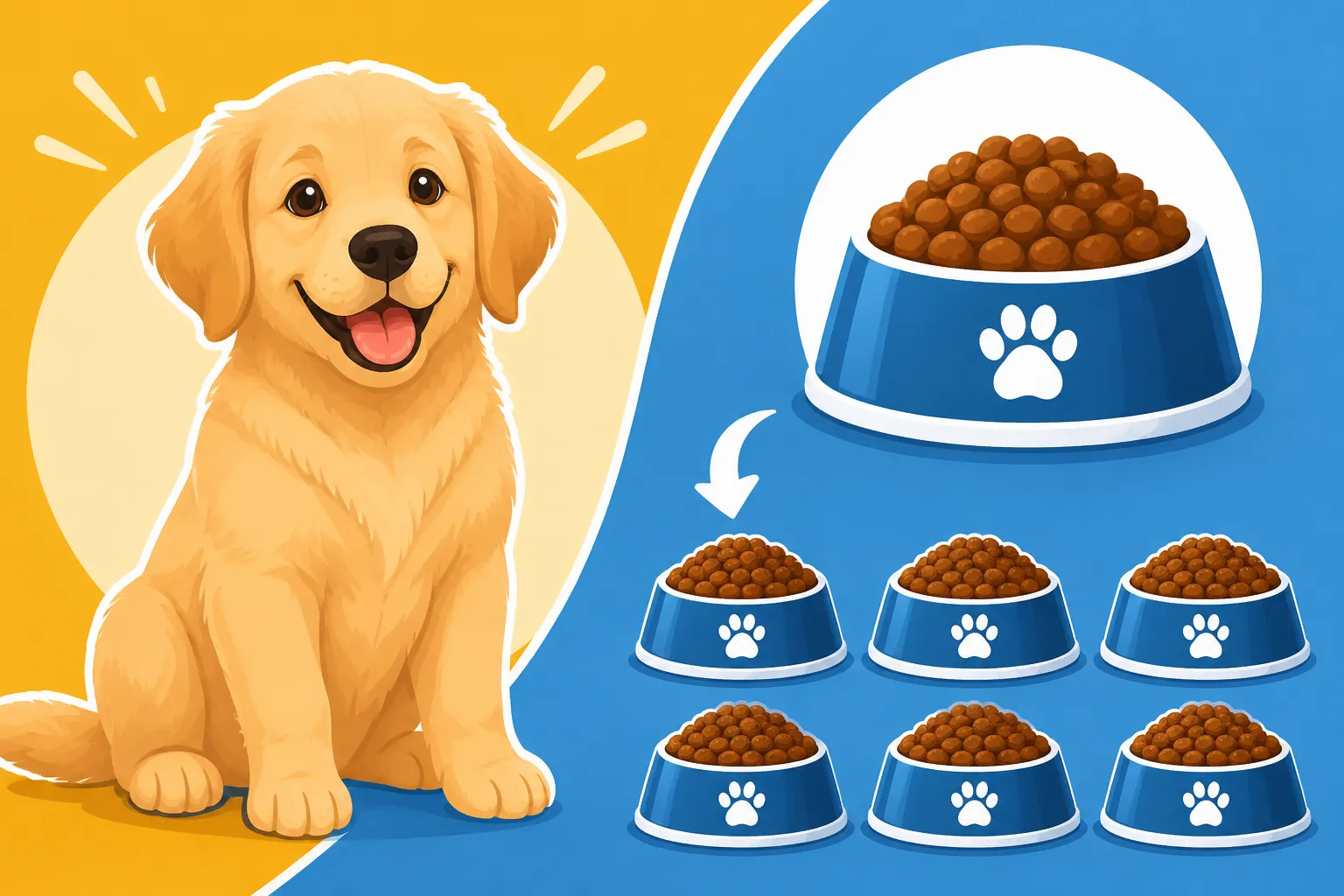
How Much a Six Month Golden Retriever Eats
It's incredibly common to feel a little lost and overwhelmed when your Golden Retriever puppy hits that six-month mark. One minute they're tiny, insatiable fluffballs, and the next, they're gangly teenagers with bottomless stomachs, making you wonder if you're feeding them enough, too much, or even the right thing for their rapidly changing bodies. This guide is here to walk you through exactly what your six-month-old Golden Retriever needs when it comes to food, helping you navigate this vital stage of their growth with confidence and ensuring they thrive.
Understanding Your Six-Month-Old Golden Retriever's Needs
By six months old, your Golden Retriever isn't quite the tiny tot they once were, but they're still very much a puppy in a rapid growth phase. This period is a fascinating, if sometimes frustrating, blend of intense physical development and burgeoning personality. Their bodies are literally building bone, muscle, and tissue at an incredible rate, which means their nutritional demands are still quite high, yet different from those early, frantic weeks. You're moving past the "eat everything in sight" stage into a more refined, but still very hungry, adolescent phase.
Why Six Months is a Crucial Growth Stage
At six months, your Golden Retriever is likely looking more like a dog and less like a teddy bear. They're gaining height and starting to fill out, but their growth plates are still open and quite vulnerable. This isn't just about getting bigger; it's about forming the strong skeletal structure they'll rely on for their entire lives. Improper nutrition during this time, especially too much of certain nutrients or too rapid growth, can have long-lasting consequences for their joints, potentially exacerbating issues like hip and elbow dysplasia that the breed is already prone to. It’s a delicate balance to strike, and many owners worry they're getting it wrong, which is perfectly understandable. For more on this, you might find Why Fast Growth Damages a Golden Retriever's Joints particularly insightful.
Their energy levels are also likely through the roof! While they might not be as constantly frantic as a tiny 8-week-old, they now have the stamina for longer play sessions, more extensive walks, and a seemingly endless desire to explore. This high activity level naturally translates into a need for substantial fuel to keep their engines running and support all that important development. It's not just about raw calories, though; it's about the quality and balance of those calories.
Calorie and Nutrient Requirements
A six-month-old Golden Retriever still requires a diet specifically formulated for large breed puppies. Why "large breed puppy"? Because these formulas are designed with a careful balance of calcium and phosphorus to support steady, controlled bone growth, rather than the rapid, potentially damaging growth that standard puppy foods might encourage in a larger breed. They also tend to have a slightly lower calorie density per cup, which helps prevent overfeeding while still providing all necessary nutrients. Many owners assume all puppy food is the same, but for a Golden, that "large breed" label is truly important. You can learn more about this specific requirement in Large Breed Puppy Food and Why Goldens Need It.
Protein is crucial for muscle development, and good quality fats provide concentrated energy for all that puppy exuberance. You'll want to see real meat as the first ingredient on your dog food label, and the fat content should still be robust, typically in the range of 12-18%. Don't forget the importance of balanced vitamins and minerals, which support everything from immune function to coat health. It's a complex puzzle, but reputable large breed puppy foods do most of the heavy lifting for you.
The Transition to Adolescence
Around six months, many Goldens start to enter their "teenage" phase. This isn't just about attitude; it also affects their metabolism and growth patterns. While they're still growing quickly, the most intense, rapid weight gain of early puppyhood often starts to plateau somewhat in favor of filling out and lengthening. This doesn't mean less food, necessarily, but it means their growth becomes a bit more predictable.
You might also notice shifts in their appetite. Some Goldens remain absolute chowhounds, while others might become a little pickier as their growth rate slightly decelerates. It's a time of constant observation for us as owners, checking their body condition, feeling their ribs, and adjusting portions as needed. This transitional period means staying vigilant, as their needs aren't static; they're constantly evolving. Thinking ahead, you'll eventually need to transition them to adult food, a topic covered well in When a Golden Retriever Moves to Adult Food.
How Much to Feed and What to Look For
The golden rule for feeding your six-month-old Golden Retriever isn't a single, magic number of cups, but rather a combination of careful observation and adherence to guidelines. Every dog is an individual, and factors like their activity level, metabolism, and even the specific food you choose will influence their ideal portion size. It's less about strict adherence to a chart and more about becoming attuned to your dog's unique needs.
Estimating Daily Food Portions
The best starting point for how much to feed your six-month-old Golden is always the feeding guide on your chosen large breed puppy food bag. These guides typically provide a range based on your puppy's current weight and age. For a six-month-old Golden Retriever, you'll generally be looking at feeding somewhere between 3 to 4.5 cups of a high-quality large breed puppy kibble per day, divided into two or three meals. This is a very broad estimate, though, and it can vary wildly depending on the calorie density of the specific food. Some premium foods are much more calorie-dense than others.
For example, a bag might say to feed a 50-pound, 6-month-old puppy 3.5 cups, but if your Golden is particularly active, spending hours romping at the dog park or joining you on long walks, they might lean towards the higher end of that recommendation. Conversely, if they're having a lazier week or are a smaller-framed Golden, they might need less. This is where your veterinarian comes in—they can offer personalized guidance based on your dog's specific growth trajectory and health. Never hesitate to call them if you're unsure.
The Importance of Body Condition Score
The most critical tool you have in determining if you're feeding the right amount isn't the measuring cup, but your hands and eyes. Learning to assess your Golden Retriever's Body Condition Score (BCS) is vital. At six months, they should have a lean, athletic build. You should be able to easily feel their ribs when you run your hands along their side, without pressing hard. They shouldn't look like they have a thick layer of fat over their ribs. You should also see a noticeable "tuck" in their abdomen when viewed from the side, and a waistline when viewed from above.
If you can see their ribs without touching, or if their hip bones are very prominent, they might be too thin and need a slight increase in food. On the flip side, if you can't feel their ribs without significant pressure, or if they lack a defined waist, they're likely overweight, which is particularly detrimental for a growing Golden's joints. Golden Retriever Weight and Joint Damage really drives home why keeping them lean is so crucial. Overfeeding during puppyhood, as discussed in Overfeeding a Golden Retriever Puppy, can set them up for joint problems later on.
| Body Condition Score | Appearance | Ribs | Waist/Tuck | What It Means for a 6-Month Golden |
|---|---|---|---|---|
| Too Thin | Ribs, spine, hip bones visible from a distance | Easily visible, no fat cover | Severe abdominal tuck | Potentially underfed; consult vet |
| Ideal | Ribs easily felt but not seen; slight abdominal tuck | Easily palpable with slight fat cover | Clearly visible from above and side | Healthy and growing appropriately |
| Overweight | Ribs difficult to feel; no waist | Requires firm pressure to feel | Absent or minimal abdominal tuck | Overfed; increase exercise or reduce food |
Meal Frequency and Schedule
While very young puppies often need three or even four meals a day to keep their blood sugar stable and energy levels consistent, by six months, most Golden Retrievers do very well on two meals a day. Some owners still prefer three, especially if their puppy is prone to scarfing food down quickly or has a sensitive stomach, but two is generally sufficient. Consistency is key here. Feeding at roughly the same times each day helps establish a routine, which can aid in digestion and make potty training easier too.
For example, you might feed half their daily portion first thing in the morning, say 7:00 AM, and the other half in the early evening, around 5:00 PM. This schedule allows for proper digestion between meals and gives you time for an evening potty break before bedtime. Sticking to a routine minimizes anxiety and allows their digestive system to work efficiently.
Common Feeding Challenges and Solutions
Even with the best intentions and the right food, feeding a six-month-old Golden Retriever isn't always smooth sailing. They're growing, changing, and sometimes developing interesting quirks around their food bowl. Understanding these common challenges can help you anticipate and address them effectively, saving you a lot of frustration.
Addressing a Voracious Appetite
Ah, the Golden Retriever gulper! It's a tale as old as time for this breed. Many six-month-old Goldens act like they haven't eaten in a week, vacuuming up their food in mere seconds. While it might seem cute or even endearing, eating too quickly can lead to digestive upset, choking, and even a higher risk of bloat, a life-threatening condition. The good news is, there are simple solutions.
Slow feeder bowls are a fantastic invention for this exact problem. They have ridges or obstacles inside that force your Golden to eat around them, significantly slowing down their mealtime. You can find excellent slow feeders on Amazon or Chewy that come in various sizes and designs. Another trick is to spread their kibble out on a large baking sheet or even a snuffle mat, turning mealtime into a fun foraging game. Some owners even use puzzle toys, where the Golden has to work to get the kibble out, extending the meal and providing mental enrichment. Don't forget that appropriate portion control is your best defense against overeating; just because they act hungry doesn't mean they need more.
Dealing with Picky Eaters
While Goldens are generally known for their love of food, some individuals can go through phases of pickiness, especially as they enter adolescence. If your six-month-old Golden suddenly turns up their nose at food they once devoured, it can be alarming. First, rule out any medical issues with a vet visit; a sudden lack of appetite could signal illness.
If it's just a phase, try not to panic or immediately switch foods, which can create a pattern of pickiness. Sometimes, a simple topper can entice them—a spoonful of plain, unsweetened pumpkin puree, a little low-sodium chicken broth, or even a small amount of commercially prepared fresh food from brands like Ollie mixed in. Heating their kibble slightly (just enough to release aromas, not make it hot) can also sometimes work wonders. Ensure they're not getting too many treats or table scraps between meals, as this can spoil their appetite for their main course. Remember, a healthy dog won't starve itself, so a little tough love (offering the food for 15-20 minutes, then removing it until the next meal) can sometimes reset their expectations.
Balancing Treats and Training
At six months, you're likely still deep in training mode, and treats are an invaluable tool for positive reinforcement. However, those delicious little rewards add up quickly! It’s easy to inadvertently overfeed your Golden if you're not factoring treats into their daily calorie intake. A few training sessions a day, especially with high-value treats, can equate to a significant portion of their recommended daily calories.
Consider using small, soft, low-calorie training treats. Many brands offer "mini" versions perfect for multiple repetitions. Alternatively, you can use a portion of their daily kibble as training rewards, especially if they're particularly motivated by their regular food. If you find your Golden gaining weight or skipping meals, it's a clear sign you might be overdoing it on the treats. A good rule of thumb is that treats should make up no more than 10% of their daily caloric intake. This ensures they're still getting the bulk of their nutrition from their balanced puppy food. For ideas on smart treat usage, you might consult How Many Treats a Golden Retriever Can Have.
Choosing the Right Food for Your Growing Golden
With so many dog food brands on the market, each promising to be the "best," it’s easy for Golden Retriever owners to feel overwhelmed. Making an informed choice at this crucial six-month mark is vital for their long-term health, particularly given the breed's predispositions to joint issues and certain health conditions.
Large Breed Puppy Formulas Explained
We've touched on this before, but it bears repeating: for your six-month-old Golden, a large breed puppy formula is non-negotiable. These diets are specifically engineered to provide a slightly lower calorie density and a controlled calcium-to-phosphorus ratio compared to standard puppy foods. This might sound counterintuitive—less calories for a growing pup? But for large breeds, slower, more controlled growth is far healthier for developing joints. Rapid growth can put undue stress on their still-forming bones and cartilage, increasing the risk of developmental orthopedic diseases.
When you're looking at labels, pay attention to the AAFCO statement. It should say that the food is "formulated to meet the nutritional levels established by the AAFCO Dog Food Nutrient Profiles for growth/all life stages including growth of large size dogs (70 lbs or more as an adult)." This specific wording ensures the food is appropriate for your Golden Retriever's unique developmental needs. Avoid generic "all life stages" foods unless they explicitly mention suitability for large breed growth, as they may not have the right calcium levels or caloric balance.
Deciphering Dog Food Labels
Reading a dog food label can feel like trying to understand a foreign language, but a few key areas will tell you most of what you need to know. First, look at the ingredients list. The first few ingredients should be identifiable protein sources like "chicken," "lamb meal," or "salmon." Avoid foods where corn, wheat, or soy are the primary ingredients. The quality of the protein matters immensely for muscle development.
Next, check the guaranteed analysis. This panel lists the minimum percentages of crude protein and crude fat, and maximum percentages of crude fiber and moisture. For a six-month-old Golden on a large breed puppy formula, look for:
- Protein: At least 25% (often higher for large breed formulas)
- Fat: Around 12-18%
- Fiber: Around 2-5% (good for digestive health)
- Calcium and Phosphorus: This is critical. Look for calcium around 1.0-1.5% and phosphorus around 0.8-1.2%, with a calcium-to-phosphorus ratio between 1.1:1 and 1.5:1. These precise ranges help prevent orthopedic issues.
Don't be swayed by marketing buzzwords like "human-grade" without checking the actual ingredient list and guaranteed analysis. Focus on the nutritional science behind the food. A deeper dive into this can be found in Reading a Dog Food Label for a Golden Retriever.
Considering Different Food Types
While dry kibble is the most common and often most convenient choice, especially from reputable brands available on Chewy, it's not the only option. Many Golden owners explore various food types, and what works best often comes down to individual preference, budget, and your dog's specific health needs.
- Dry Kibble: Offers convenience, shelf stability, and generally the most cost-effective way to provide balanced nutrition. High-quality large breed puppy kibbles are formulated to meet all their needs.
- Wet Food: Can be highly palatable and provides extra moisture, but it's typically more expensive and much lower in calorie density per serving, making it impractical as a sole diet for a growing Golden. It can be a good topper, though.
- Fresh/Cooked Food: Services like Ollie deliver freshly prepared, human-grade meals that can be a great option for some dogs. The benefits include high palatability and easily digestible ingredients. However, it's usually significantly more expensive and requires careful portioning to ensure it's nutritionally complete for a growing large breed puppy. If you choose this route, ensure the formula is balanced and approved by a veterinary nutritionist for large breed puppy growth.
- Raw Food: A more controversial option. While proponents advocate for its natural benefits, it carries risks of bacterial contamination and requires extensive knowledge to ensure it's nutritionally complete and balanced, especially for a large breed puppy with specific calcium and phosphorus requirements. It's generally not recommended without expert veterinary guidance.
Ultimately, the "best" food type is one that is nutritionally complete and balanced for a large breed puppy, that your Golden thrives on, and that fits your lifestyle and budget. Pay close attention to their stool quality, energy levels, coat condition, and body condition score as indicators of how well a particular food is suiting them.
Disclaimer
This article is for general informational purposes only and does not constitute professional advice. Laws, prices and regulations vary by location and change over time. Consult a qualified professional for guidance on your specific situation.