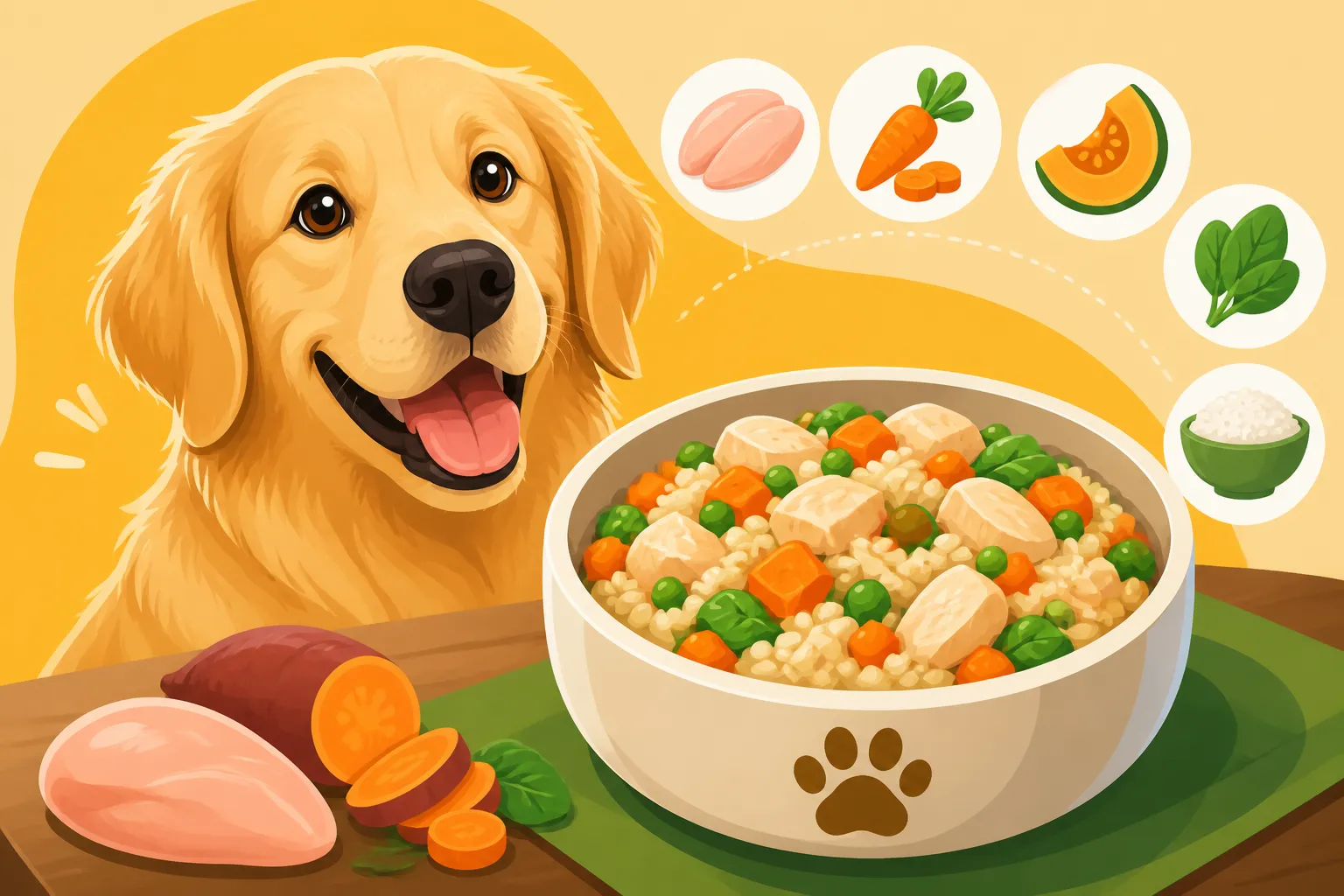
Home Cooked Meals for a Golden Retriever
It’s incredibly common to feel like you’re doing your absolute best for your beloved Golden Retriever, yet still worry about their diet. Many of us have peered at kibble ingredient lists, felt a pang of guilt, or struggled with a finicky eater or a dog with endless allergies. This comprehensive guide is here to walk you through everything you need to know about preparing nourishing, home-cooked meals for your Golden, helping you understand the benefits, potential pitfalls, and how to get started safely and effectively.
Why Consider Home-Cooked Meals for Your Golden Retriever?
The bond we share with our Golden Retrievers often extends to what we put in their bowls. For many owners, the desire to provide the absolute best leads them away from commercial pet foods and toward the kitchen. There’s a certain satisfaction that comes from knowing exactly what ingredients are going into your furry family member’s body.
Addressing Health Concerns and Allergies
One of the most compelling reasons Golden Retriever owners turn to home-cooked meals is to address persistent health issues, particularly those related to allergies or sensitive digestive systems. It’s truly frustrating when your Golden is constantly scratching, developing hot spots, or experiencing chronic ear infections, and you suspect their food might be the culprit. Commercial dog foods, even some premium brands, can contain a myriad of ingredients – from common protein sources like chicken or beef to various grains, fillers, and artificial additives – that can trigger sensitivities. Trying to pinpoint the exact allergen from a long, confusing ingredient list on a bag of kibble can feel like detective work without any clear answers.
When you cook for your Golden, you gain complete control over every single component. This allows you to meticulously eliminate suspected allergens, introduce novel protein sources, or use ingredients known to be gentle on sensitive stomachs. For example, if your Golden has Golden Retriever Food and Skin Allergies, you might experiment with a single, less common protein like duck or venison, paired with a hypoallergenic carbohydrate like sweet potato, and see if their symptoms improve. This level of customization simply isn't possible with pre-packaged foods, offering a sense of hope and empowerment when facing ongoing health challenges.
Knowing Exactly What Your Golden is Eating
Beyond specific health problems, there's immense peace of mind in preparing your Golden's meals from scratch. How many times have you looked at a bag of kibble and wondered what "meat meal" or "animal digest" truly means? The lack of transparency in some commercial pet food manufacturing can be a real source of anxiety for dedicated owners. You want to know that the food you're giving your best friend is wholesome, nutritious, and free from questionable components.
With home-cooked meals, there are no hidden ingredients. You select fresh, whole components – human-grade meats, vibrant vegetables, and wholesome grains – and you prepare them yourself. This means you’re not only avoiding potential allergens but also steering clear of artificial preservatives, colors, and flavors that are common in many processed pet foods. It’s like the difference between eating a home-cooked meal yourself versus a highly processed convenience food; you can taste and feel the difference, and your Golden often can too. This transparency ensures that every meal contributes to your Golden's overall well-being, fostering a stronger sense of trust and confidence in their diet.
Enhancing Palatability and Enjoyment
Let's be honest, some Golden Retrievers are notorious for being picky eaters, despite their generally enthusiastic approach to life! If your Golden turns their nose up at their kibble or eats it with a distinct lack of enthusiasm, it can be disheartening. You want them to enjoy their meals, not just tolerate them. The aroma and taste of freshly cooked food can be a game-changer for these selective eaters.
Think about it: the smell of warm chicken and vegetables wafting from the kitchen is far more appealing than dry, processed pellets. Many Goldens, who might otherwise pick at their kibble, will eagerly devour a home-cooked meal. This isn't just about satisfying their taste buds; it can also stimulate their appetite, ensuring they get the necessary nutrients. Watching your Golden happily munch through their meal, tails wagging, can be incredibly rewarding. It strengthens the bond you share, making mealtime a truly positive experience for both of you. Plus, a contented dog is often a healthier dog, and their enjoyment of food directly contributes to their quality of life.
Essential Considerations Before You Start Cooking
While the idea of cooking for your Golden Retriever is appealing, it's not something to jump into without careful planning and consideration. There are crucial aspects you need to understand to ensure you're providing a truly beneficial and safe diet.
The Critical Need for Nutritional Balance
This is, without a doubt, the most important point to grasp: simply cooking some chicken and rice for your Golden, while seemingly healthy, is often not enough for long-term nutritional balance. Dogs have very specific dietary requirements, and unlike humans, they can't just "eat a variety" to ensure they get everything they need. A diet that is unbalanced over time can lead to serious health problems, including nutrient deficiencies or excesses that can be detrimental. For instance, too little calcium can lead to bone issues, while too much can also be problematic, especially for a growing large breed puppy.
It's tempting to think you know what’s best, but canine nutritional science is complex. You need to provide the right balance of proteins, fats, carbohydrates, vitamins, and minerals. This isn't just about the main ingredients; it's also about trace elements that are vital for everything from enzyme function to bone health. Without these, your Golden could suffer. That’s why it's absolutely crucial to consult with a veterinary nutritionist or use carefully formulated, veterinarian-approved recipes. They can help you understand what constitutes a truly balanced meal, ensuring your Golden gets every nutrient they need, rather than just filling their stomach. Understanding Reading a Dog Food Label for a Golden Retriever gives you a foundation for what nutrients to look for, but balancing them in a home-cooked diet requires expert guidance.
Time Commitment and Cost Implications
Preparing home-cooked meals for your Golden Retriever is a significant time investment. It's not just a matter of throwing some ingredients together once a day. You'll need to plan menus, shop for fresh ingredients, and dedicate time to cooking, cooling, and portioning. For a large breed like a Golden, this means preparing a substantial amount of food regularly. If you have a busy schedule, this daily or weekly commitment might become overwhelming. Batch cooking on weekends can help, but it still requires dedicated hours.
Regarding cost, it's a bit of a mixed bag. Compared to budget kibble, home-cooked meals will almost certainly be more expensive, sometimes significantly so. However, if you're currently feeding a premium, limited-ingredient, or fresh-frozen commercial diet, the costs might be comparable, or even slightly lower if you're smart about shopping. Bulk buying ingredients, especially from discount stores or during sales, can help manage expenses. Places like Amazon can be useful for buying larger quantities of certain grains or supplements, potentially reducing your overall spend. But you'll need to factor in not just the raw ingredient cost, but also your time and the energy used for cooking. It’s important to sit down and realistically crunch the numbers against your current feeding costs. Think about Budget Versus Premium Kibble for a Golden Retriever and how the costs stack up when you factor in fresh produce and lean meats.
Storage and Food Safety
Food safety is paramount when preparing meals for your Golden. Just as with human food, improperly stored or prepared ingredients can lead to bacterial contamination, causing severe gastrointestinal upset for your dog, or even you. All meats must be cooked thoroughly to kill pathogens like salmonella and E. coli. If you choose to incorporate any raw elements (though a fully raw diet is a separate, more complex topic that requires even stricter handling), you must be extremely diligent about cross-contamination.
Once cooked, meals need to be cooled quickly and stored properly. Refrigerate portions in airtight containers for no more than 3-4 days. For longer storage, freezing is essential. Label and date everything so you know when it was prepared. This ensures the food remains fresh and safe, preventing waste and potential illness. This careful approach also extends to cleaning all food preparation surfaces, bowls, and utensils thoroughly after each use. A diligent routine for storage and hygiene is critical for the health of your Golden and your household.
Building a Balanced Home-Cooked Meal: The Core Components
Creating a truly balanced home-cooked meal for your Golden Retriever involves carefully selecting and portioning various food groups to meet all their nutritional needs. This isn't just about throwing a few things together; it's about understanding the role each component plays in their overall health.
Protein Sources
Protein is absolutely essential for your Golden Retriever, forming the building blocks for muscles, skin, hair, enzymes, and hormones. When cooking at home, you have a wonderful array of lean meat sources to choose from. Chicken and turkey, especially the breast meat, are popular choices due to their lean nature and digestibility for many dogs. Beef (lean ground beef or cuts like sirloin) and lamb are also excellent options, providing different nutrient profiles and flavors, which can be great for rotation or for Goldens with specific sensitivities. Fish, such as salmon or cod, offers fantastic omega-3 fatty acids, crucial for skin and coat health, and also provides a novel protein source.
It's vital that all protein sources are cooked thoroughly to eliminate harmful bacteria. Boiling, baking, or steaming are ideal methods. Always remember to remove all bones from any meat, as cooked bones can splinter and cause serious internal injury. When selecting your protein, consider your Golden's individual sensitivities; some dogs might do better with one protein over another. For example, if your Golden has had issues with chicken in the past, opting for turkey or fish can be a good starting point to observe how they react.
Complex Carbohydrates
Complex carbohydrates provide the energy your active Golden Retriever needs to play, train, and just be their happy, bouncy selves. They also contribute essential fiber, which is vital for a healthy digestive system. Good choices include sweet potatoes, which are packed with vitamins and antioxidants, and are generally well-tolerated by dogs. Brown rice is another staple, offering steady energy release. Other options include oats and quinoa, both of which are highly nutritious and provide diverse textures.
The key with carbohydrates is appropriate portion sizing. An incredibly active Golden will require more carbohydrates than one who leads a more sedentary life. Overfeeding carbs can lead to unwanted weight gain, while too few can leave them feeling lethargic. All carbohydrates should be cooked until soft and digestible. For instance, rice should be thoroughly cooked, and sweet potatoes should be boiled or steamed until tender. These ingredients serve not only as energy providers but also as bulk, helping your Golden feel full and satisfied after their meal.
Healthy Fats
Fats are a concentrated source of energy for your Golden Retriever and are crucial for the absorption of fat-soluble vitamins (A, D, E, K), hormone production, and maintaining a healthy skin and coat. However, moderation is key, as too much fat can lead to digestive upset or pancreatitis. Healthy fat sources include small amounts of flaxseed oil or fish oil (like salmon oil), which are rich in omega-3 fatty acids. These can be added as a supplement after the food has cooled, never cooked directly into the meal, as heat can degrade their beneficial properties.
The flesh of an avocado (pit and skin removed) in very small quantities can provide healthy fats, but be cautious as the pit and skin contain persin, which can be toxic to dogs. Natural fats found in lean meats, even after cooking, also contribute. The goal is to provide a balanced amount that supports their health without overwhelming their system. For improving coat luster and reducing inflammation, fish oil supplements are often recommended. Fish Oil for a Golden Retriever's Coat delves deeper into the benefits of these crucial supplements, which are easily added to home-cooked meals.
Vitamins, Minerals, and Fiber from Vegetables
Vegetables are powerhouses of vitamins, minerals, and dietary fiber, all essential for your Golden Retriever's immune system, digestion, and overall vitality. Green beans, carrots, broccoli, and spinach are excellent choices. They add bulk to the meal, helping your Golden feel full without adding excessive calories. Always steam, boil, or lightly cook vegetables to make them easier for your dog to digest. Raw vegetables can be harder on a canine digestive system and may not offer the same nutrient bioavailability.
It's absolutely critical to know which vegetables are safe and which are dangerous. Never feed your Golden Retriever onions, garlic, chives, or leeks, as these are toxic to dogs and can cause red blood cell damage. Rhubarb is also off-limits. Stick to dog-safe vegetables, and introduce new ones slowly to see how your Golden reacts. A varied selection of vegetables will ensure a broader spectrum of micronutrients. You can learn more about Fruits and Vegetables Safe for Golden Retrievers to expand your dog’s palate safely.
Essential Supplements for Completeness
Even with the most carefully selected whole ingredients, it is extremely difficult, if not impossible, to achieve complete nutritional balance for a dog through home cooking alone without specific supplementation. The truth is, commercial dog foods are fortified with a host of vitamins and minerals to meet AAFCO (Association of American Feed Control Officials) standards, something that's incredibly challenging to replicate in a home kitchen. Relying solely on whole foods for all micronutrients can lead to deficiencies over time, which can manifest as serious health problems.
This is where essential supplements come into play. These aren't just "add-ons"; they are critical components designed to bridge the nutritional gaps in a home-cooked diet. A high-quality, canine-specific vitamin and mineral supplement, often referred to as a "balancer," is almost always necessary. These supplements are formulated to provide the precise ratios of calcium, phosphorus, trace minerals, and vitamins that might be lacking in your chosen ingredients. Your veterinary nutritionist will typically recommend a specific product or formulation based on your dog's individual needs. Services like Ollie, while offering fresh pre-made meals, also highlight the importance of perfectly balanced nutrition, which is what you're aiming for with home cooking. You can often find these specialized balancers and individual ingredients like specific oils or calcium powders on platforms like Chewy, ensuring you have access to everything you need to make your Golden's meals truly complete.
Practical Steps for Transitioning to Home-Cooked Meals
Deciding to make the switch to home-cooked meals for your Golden Retriever is a big step, and it requires a methodical approach to ensure it’s successful and beneficial for your dog. Rushing the process or skipping critical steps can lead to digestive upset or, worse, nutritional deficiencies.
Consulting Your Veterinarian or a Veterinary Nutritionist
This is arguably the single most important step in the entire process. Before you even boil your first batch of chicken for your Golden, you absolutely must consult with your veterinarian. Even better, seek out a board-certified veterinary nutritionist. Why? Because while your regular vet is a fantastic resource for general health, a specialist in nutrition has the deep knowledge required to formulate a diet that is perfectly balanced for your Golden's specific needs. They will take into account your dog's age, weight, activity level, any existing health conditions (like allergies, kidney disease, or joint issues), and even breed-specific concerns when developing a recipe.
Simply trying to piece together recipes from online sources without professional guidance is risky. A veterinary nutritionist can create a bespoke meal plan that precisely meets all macro and micronutrient requirements, ensuring your Golden thrives. They can also guide you on sourcing appropriate ingredients, recommend necessary supplements, and teach you how to prepare and store the food safely. Think of it as laying the strongest possible foundation for your Golden's health. They might suggest specific genetic tests to rule out sensitivities, or recommend Golden Retriever Genetic Tests Worth Running before tailoring a diet plan.
Gradual Transition and Monitoring
Once you have a vet-approved recipe, resist the urge to switch your Golden Retriever to the new home-cooked diet cold turkey. A sudden change can easily cause digestive upset, leading to diarrhea, vomiting, or a loss of appetite. Your Golden's digestive system needs time to adjust to new ingredients and different nutrient compositions. The best approach is a slow, gradual transition over a period of 7 to 10 days, sometimes even longer if your Golden has a particularly sensitive stomach.
Start by replacing a very small portion of their current food (say, 10-25%) with the new home-cooked meal. Over the next few days, gradually increase the proportion of the home-cooked food while decreasing their old food. During this period, meticulously monitor your Golden for any signs of digestive upset, such as loose stools, constipation, gas, or changes in their energy levels or appetite. If you notice any issues, slow down the transition or revert to a previous ratio until their system stabilizes. This careful monitoring is key to a smooth and successful transition, making sure your Golden adjusts comfortably to their new, delicious diet. Understanding Switching a Golden Retriever's Food Without Upset can provide additional guidance on this crucial process.
Recipe Formulation and Batch Cooking
Once you have your approved recipes from the veterinary nutritionist, consistency in formulation is key to maintaining nutritional balance. This means sticking to the exact measurements and ingredients specified in the recipe. Deviating can unintentionally throw off the delicate balance of nutrients your Golden needs. This commitment to precision helps avoid deficiencies or excesses that can arise from guessing or making substitutions.
To make home cooking manageable in your busy life, embrace the power of batch cooking. Dedicate a specific day each week or every other week to preparing a large quantity of your Golden's food. Cook larger amounts of protein, carbohydrates, and vegetables, then mix and portion them according to your Golden's daily needs. These individual portions can then be stored in airtight containers in the refrigerator for a few days, or frozen for longer-term use. Freezing is an excellent way to ensure you always have a fresh, balanced meal ready, saving you time during hectic weekdays. When it's mealtime, simply thaw a portion in the refrigerator overnight or gently warm it. This systematic approach transforms home-cooked meals from a daily chore into a manageable and rewarding routine, ensuring your Golden enjoys consistent, nutritious food without overwhelming your schedule.
| Component | Example Ingredients | Key Benefits for Golden Retrievers |
|---|---|---|
| Protein | Chicken breast, lean ground beef, turkey, salmon | Muscle maintenance, healthy skin/coat, enzymes, hormones |
| Carbohydrate | Sweet potato, brown rice, oats, quinoa | Energy, dietary fiber, digestive health, satiety |
| Vegetables | Green beans, carrots, spinach, broccoli | Vitamins, minerals, antioxidants, additional fiber, low calorie bulk |
| Healthy Fats | Flaxseed oil, fish oil (added after cooking) | Omega-3s, energy, vitamin absorption, coat health |
| Supplements | Canine-specific multivitamin/mineral balancer | Ensures complete nutritional balance, prevents deficiencies |
Disclaimer
This article is for general informational purposes only and does not constitute professional advice. Laws, prices and regulations vary by location and change over time. Consult a qualified professional for guidance on your specific situation.