Golden Retriever Eye Disease and Pigmentary Uveitis
Few things are more unsettling than noticing something isn't quite right with your beloved Golden Retriever's eyes. Our Goldens rely on their keen senses, and any change in their bright, expressive gaze can immediately trigger worry. This comprehensive guide is here to walk you through the various eye diseases that can affect Golden Retrievers, with a special focus on the breed-specific challenge of pigmentary uveitis, offering you clarity, understanding, and actionable steps to protect your furry friend's vision and comfort.
Understanding Your Golden Retriever's Eyes
Our Golden Retrievers communicate so much with their eyes – the hopeful gaze for a treat, the loving stare, the focused intensity during a game of fetch. Keeping those beautiful eyes healthy is paramount, not just for their vision but for their overall quality of life. Knowing what to look for, and what's normal, is the first step in being a proactive pet parent.
The Marvel of Canine Vision
While we might think of our Goldens seeing the world just like us, canine vision actually has some unique differences. Goldens, like most dogs, have a wider field of vision than humans, excellent low-light vision, and are particularly good at detecting movement. This is a direct inheritance from their retrieving heritage, designed to spot falling birds in varying light conditions. Their eyes are equipped with a tapetum lucidum, a reflective layer behind the retina that enhances night vision, giving them that characteristic "eyeshine" in photos.
However, where they differ is in color perception and visual acuity. Dogs see fewer colors than humans – primarily shades of blue and yellow – and their vision isn't as sharp for fine details. This means while a Golden Retriever might not appreciate the subtle nuances of a rainbow, they'll certainly notice you walking across the room, even in dim light, and quickly spot a tennis ball rocketing through the air. The overall structure, including the cornea (the clear front surface), iris (the colored part), pupil (the opening in the iris), lens (behind the iris), and retina (at the back of the eye), is similar to ours, each playing a vital role in processing light and sending signals to the brain. Any disruption to these delicate structures can impact their ability to navigate and interact with their world.
Early Detection: What to Watch For
Regularly checking your Golden Retriever's eyes should be a part of your grooming routine, right alongside brushing their beautiful coat. Many eye conditions start subtly, and catching them early can make a huge difference in treatment success and preventing discomfort. What you're looking for are changes from their normal, healthy state.
Healthy Golden Retriever eyes should appear bright and clear, free from excessive tearing, discharge, or redness. The whites of their eyes (sclera) should be white, not yellowed or bloodshot. Their pupils should be equal in size and react to light. When you gently pull down their lower eyelid, the lining should be a healthy pink, not bright red or inflamed. Look closely for any cloudiness in the cornea or lens, changes in eye color, or uneven pupil sizes. Even subtle signs like frequent blinking, squinting, rubbing their face against furniture, or pawing at their eyes can indicate irritation or pain. Imagine a tiny speck of dust in your own eye; it's intensely annoying. For a Golden, persistent irritation can escalate quickly. Any unusual discharge, whether clear, thick, yellow, or green, warrants attention. If one eye looks different from the other, or if they seem hesitant to go into dimly lit areas, it's time to take note. Don't dismiss these small observations; they are your Golden's way of telling you something is amiss.
Common Eye Conditions in Golden Retrievers
Golden Retrievers, sadly, are predisposed to a number of health issues, and their eyes are no exception. While some conditions are inherited, others can be acquired through injury, infection, or environmental factors. Knowing the difference and understanding the common culprits can empower you to advocate for your Golden's health.
Genetically Linked Eye Problems
Some of the most concerning eye conditions in Golden Retrievers are those passed down through generations. These genetic predispositions highlight the critical importance of responsible breeding practices and health clearances. Two prominent examples are Progressive Retinal Atrophy (PRA) and hereditary cataracts.
Progressive Retinal Atrophy, often referred to as PRA, isn't just one disease but a group of degenerative disorders that affect the retina, the light-sensitive tissue at the back of the eye. In simple terms, the cells in the retina that detect light begin to deteriorate, leading to progressive vision loss and, eventually, blindness. For Goldens, one of the most common forms is progressive rod-cone degeneration (PRCD-PRA). Owners might first notice their Golden becoming clumsier in low light, bumping into furniture at dusk, or being hesitant to navigate unfamiliar dark spaces. This "night blindness" is often the first symptom, slowly advancing to total blindness over months or years. While there is no cure for PRA, DNA tests are available to identify carriers and affected dogs, which is a cornerstone of ethical breeding. You can learn more about this specific condition in our article on Progressive Retinal Atrophy in Golden Retrievers.
Hereditary cataracts are another significant concern. A cataract is an opacity or cloudiness in the lens of the eye that obstructs light from reaching the retina, much like looking through a foggy window. While cataracts can develop at any age due to injury, diabetes, or simply old age, hereditary cataracts in Golden Retrievers often appear at a younger age. They can vary in size and density, ranging from small, almost imperceptible spots that don't significantly impact vision, to dense, large opacities that cause complete blindness. Early signs might include a bluish-white cloudiness in the pupil or your dog bumping into objects, particularly in new environments. Though treatment can be costly, surgical removal of cataracts can often restore vision, especially if caught early. Understanding the different types and their implications is crucial, which is why we also have a dedicated guide to Cataracts in an Aging Golden Retriever. The best defense against these inherited diseases is ensuring your puppy's parents have had proper Golden Retriever Genetic Tests Worth Running.
Acquired Eye Conditions
Beyond genetics, Golden Retrievers can also suffer from various eye conditions acquired during their lifetime. These can be caused by allergies, trauma, infections, or other underlying health issues. While not always exclusive to Goldens, their long hair, love for the outdoors, and playful nature can sometimes increase their risk.
One common issue is entropion or ectropion, which are eyelid abnormalities. Entropion is when the eyelid rolls inward, causing the eyelashes and fur to rub against the cornea, leading to irritation, pain, and potentially corneal ulcers. Ectropion is the opposite, where the eyelid rolls outward, exposing the delicate conjunctiva and making the eye prone to dryness and infection. Both can be uncomfortable and, if severe, may require surgical correction. You might notice excessive tearing, squinting, or persistent eye discharge. Conjunctivitis, often called "pink eye," is another frequent visitor. It's an inflammation of the conjunctiva, the membrane lining the eyelids and covering the white part of the eyeball. It can be caused by allergies, bacteria, viruses, or irritants like dust or pollen. Symptoms include redness, swelling, discharge (clear, yellow, or green), and discomfort. If your Golden is suddenly exhibiting these signs, especially if they also have other allergy symptoms like itchy skin or ear infections, it could be related to broader Golden Retriever Skin, Ear and Allergy Problems.
Corneal ulcers are particularly painful. These are open sores on the surface of the cornea, often caused by trauma (like running into a branch), foreign bodies, infections, or severe dry eye. A Golden might suddenly start squinting, tearing excessively, or keep one eye closed. The cornea might appear cloudy, and there could be a noticeable discharge. These require immediate veterinary attention because they can quickly worsen and, if deep enough, even lead to a ruptured eyeball. Treatment typically involves topical antibiotics, pain relief, and sometimes a protective contact lens. While some of these conditions are fairly common in all dog breeds, Golden Retriever owners need to be particularly vigilant, given their breed's overall predisposition to various health challenges.
Diving Deep into Pigmentary Uveitis in Golden Retrievers
Among the various eye conditions that can affect our beloved Goldens, Pigmentary Uveitis (PU) holds a special, and often concerning, place. It's a breed-specific ailment that can be incredibly challenging to diagnose early and manage effectively, underscoring why every Golden owner needs to be aware of it.
What Exactly is Pigmentary Uveitis?
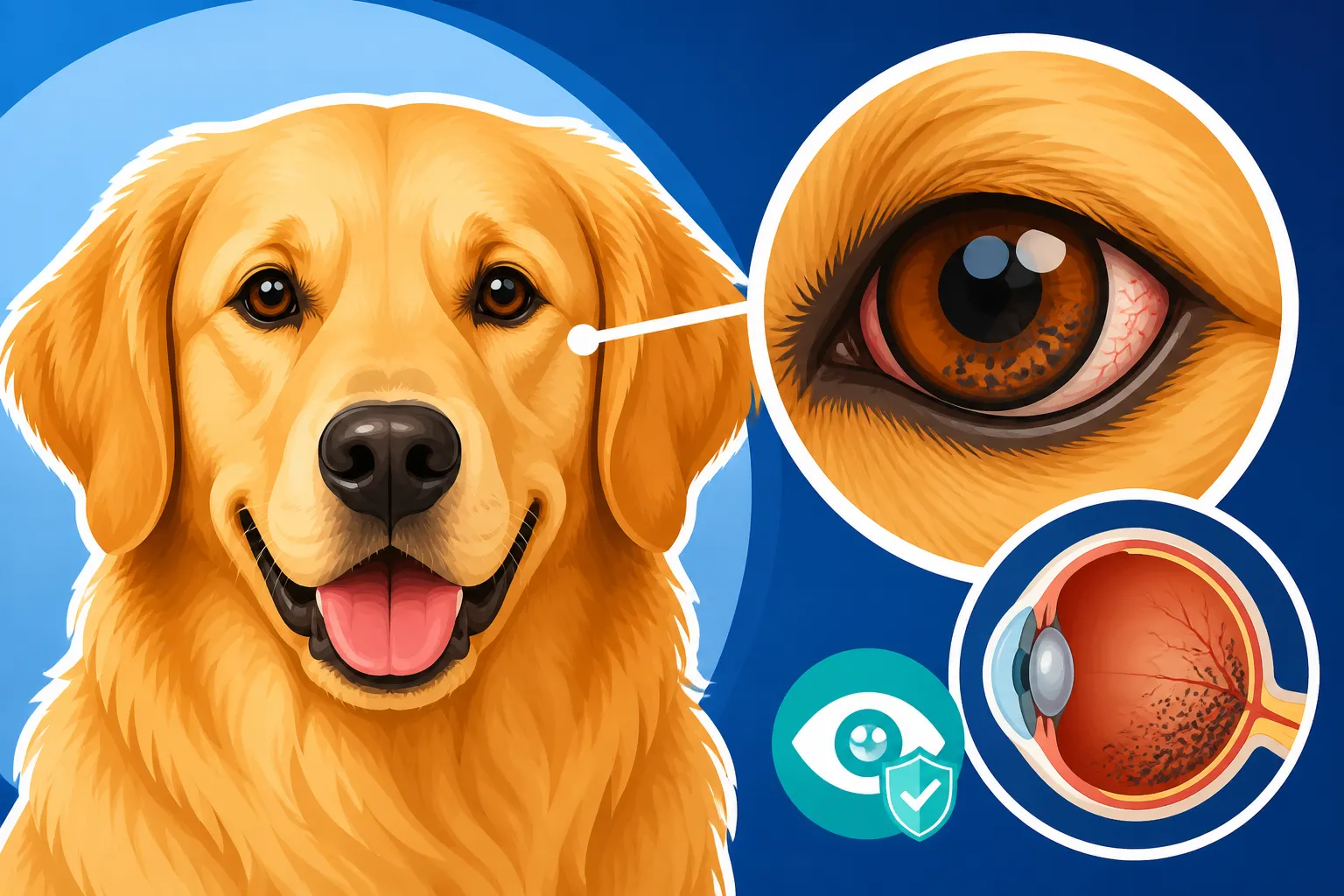
Pigmentary Uveitis (PU) is a chronic inflammatory condition of the uvea, which is the middle layer of the eye containing the iris, ciliary body, and choroid. What makes PU in Golden Retrievers unique and particularly insidious is the accompanying deposition of pigment. Imagine tiny flecks of dark pigment, similar to the color of the iris, gradually spreading and sticking to various structures inside the eye. This isn't just a cosmetic change; this pigment, along with the chronic inflammation, causes significant damage over time.
This condition is considered immune-mediated, meaning the dog's own immune system mistakenly attacks healthy eye tissues, leading to inflammation. It's progressive, and while the exact cause is still under extensive research, it's widely believed to have a genetic component specific to Golden Retrievers. The hallmark of PU is the formation of cysts on the iris and ciliary body, which can rupture and release more pigment, creating a vicious cycle. This spreading pigment can then clog the drainage angles of the eye, which are responsible for outflowing fluid, ultimately leading to a dangerous rise in intraocular pressure (IOP). This rise in pressure is known as secondary glaucoma, a painful and vision-destroying consequence of PU. Unlike other forms of uveitis which might be acute and resolve with treatment, PU is a chronic, lifelong battle that requires diligent management to slow its progression and preserve vision for as long as possible.
Recognizing the Subtle Symptoms of PU
One of the biggest frustrations for Golden Retriever owners is the incredibly subtle and often slow onset of Pigmentary Uveitis. By the time obvious signs appear, the disease can already be quite advanced, making early intervention difficult. This is why paying close attention to minor changes in your Golden's eyes is so incredibly important.
Early on, you might notice a very mild redness in the white of the eye, or perhaps a slight cloudiness to the cornea that comes and goes. The iris itself might start to look a little different, with tiny dark spots or areas of discoloration that weren't there before. Your Golden might squint ever so slightly in bright light or seem a bit more sensitive to touch around their face. These aren't dramatic symptoms, and they can easily be dismissed as a fleeting irritation or just "getting older." For example, Sarah, a Golden owner in Bend, Oregon, initially thought her 7-year-old Golden, Bailey, was just developing allergies because his eyes seemed a little watery and she saw occasional mild redness. It wasn't until she noticed a persistent hazy film over one eye, almost like a faint smoke, and Bailey started blinking more frequently, that she made an appointment with a veterinary ophthalmologist. What they found was early-stage pigmentary uveitis, already causing iris cysts. Without a baseline understanding of what to look for, these early indicators are easily missed, yet they are the critical window for starting treatment before irreversible damage sets in. Keep a keen eye out for any changes in the color or texture of the iris, any new dark spots, or a subtle haziness developing over the cornea.
How Pigmentary Uveitis Progresses
The progression of Pigmentary Uveitis is what makes it so devastating for Golden Retrievers and their families. It's a journey from subtle irritation to chronic pain and, often, eventual blindness, highlighting the critical need for early and aggressive management.
Initially, the chronic inflammation and pigment deposition lead to the formation of small, dark cysts on the iris, the colored part of the eye. These cysts are unique to PU in Goldens and are often one of the first indicators a specialist might spot. As the disease advances, these iris cysts can rupture, releasing even more pigment that then settles and sticks to other structures within the eye. This pigment acts like sludge, accumulating in the iridocorneal angle – the natural drainage system of the eye. When this drainage system gets clogged, the fluid inside the eye (aqueous humor) can't escape properly, leading to a build-up of pressure. This is the onset of secondary glaucoma, a condition that is incredibly painful and rapidly destructive to the optic nerve, causing irreversible vision loss. A Golden with glaucoma will often show obvious signs of pain, such as severe squinting, holding the eye shut, pawing at the face, and a visibly enlarged or bulging eyeball.
The pigment can also deposit on the lens, leading to the formation of pigmentary cataracts that further impair vision. In the most advanced and unfortunate cases, the chronic inflammation, unrelieved high pressure, and extensive damage can lead to a completely blind, painful eye. At this stage, some owners face the heartbreaking decision of enucleation, the surgical removal of the eye, to alleviate intractable pain. It's crucial to understand that PU is not a curable disease; it's a condition that can only be managed, with the goal of slowing its progression, controlling inflammation, preventing glaucoma, and preserving vision and comfort for as long as possible. Consistent vigilance and treatment are absolutely essential.
Diagnosing and Managing Golden Retriever Pigmentary Uveitis
When it comes to a condition as complex and progressive as Golden Retriever Pigmentary Uveitis, a precise diagnosis and a carefully tailored management plan are your Golden's best hope for preserving their vision and quality of life. This isn't a condition for guesswork; it requires specialized expertise.
The Diagnostic Process
If you suspect any eye issues in your Golden, your first stop should always be your regular veterinarian. However, for specific and complex conditions like pigmentary uveitis, a referral to a board-certified veterinary ophthalmologist is highly recommended, and often necessary. These specialists have advanced training and equipment to accurately diagnose and manage intricate eye diseases.
During an ophthalmological exam, the specialist will perform a thorough assessment using several tools. A slit-lamp biomicroscope is crucial, allowing the vet to examine the various structures of the eye in high magnification, looking for subtle inflammation, pigment deposition, and the characteristic iris cysts that define PU. They will also perform tonometry, a test that measures the intraocular pressure (IOP) within the eye. This is vital for detecting glaucoma, which is a common and severe complication of PU. The test involves gently touching a probe to the surface of the eye, which is usually painless, especially after a numbing drop is applied. Another important procedure is gonioscopy, where a special lens is placed on the eye to visualize the drainage angle. This helps the ophthalmologist assess if pigment or cysts are clogging the angle, a key factor in predicting glaucoma risk. While your general vet might catch obvious issues, they often lack the specialized equipment and experience to spot the very subtle, early signs of pigmentary uveitis, which can be easily missed until the disease has significantly progressed. This is why seeking out a specialist is not an overreaction, but a proactive step in protecting your Golden's sight.
Treatment Options and Strategies
Managing Golden Retriever Pigmentary Uveitis is a marathon, not a sprint. There's no cure, but consistent, aggressive treatment can significantly slow its progression, reduce inflammation, control pain, and prevent or delay the onset of secondary glaucoma. The cornerstone of treatment usually involves topical medications.
Most Goldens diagnosed with PU will be on a regimen of daily eye drops, sometimes multiple times a day. These often include topical steroids, such as prednisolone acetate, to reduce inflammation within the eye. Topical non-steroidal anti-inflammatory drugs (NSAIDs) may also be prescribed to further combat inflammation and provide pain relief. Because glaucoma is such a critical concern, medications to lower intraocular pressure are frequently part of the treatment plan. These might include dorzolamide or latanoprost, which help to decrease fluid production or increase fluid outflow from the eye. It's not uncommon for Goldens to be on a combination of these medications, sometimes for the rest of their lives. Administering eye drops regularly can be a challenge for even the most cooperative Golden, so learning proper techniques and making it a positive experience with treats is essential.
In more advanced cases, or when medication alone isn't sufficient to control glaucoma, surgical interventions might be considered. Procedures like gonioimplantation can involve placing a tiny shunt in the eye to help improve fluid drainage and lower pressure. If an eye becomes irreparably damaged, blind, and chronically painful, enucleation (surgical removal of the eye) may be recommended to alleviate suffering. This is a difficult decision for any owner, but sometimes it is the kindest option for a Golden experiencing intractable pain. The key takeaway is that managing PU requires a dedicated partnership with your veterinary ophthalmologist, strict adherence to the treatment schedule, and ongoing monitoring to adjust medications as needed.
Living with a Golden Retriever with PU
Receiving a diagnosis of Pigmentary Uveitis can feel overwhelming, but many Golden Retrievers live fulfilling lives with the condition, thanks to diligent owners and veterinary care. Adapting to the routine and supporting your Golden becomes a new normal, but it's absolutely manageable.
Administering multiple eye drops daily requires patience and consistency. It helps to establish a routine, using positive reinforcement like treats and praise. Many owners find success with two people – one to gently hold the Golden, the other to apply the drops. It's also vital to monitor your Golden for any changes, no matter how subtle. Keep a journal of their eye appearance, any discomfort, or changes in vision. If you notice increased redness, cloudiness, frequent blinking, or if their pupil looks different, contact your ophthalmologist immediately. Regular follow-up appointments, often every few months initially, are crucial for monitoring progression and adjusting medication dosages.
If your Golden's vision starts to decline, or if they unfortunately become blind due to PU, adapting your home environment is paramount. Keep furniture in consistent locations, use distinct scents to mark important areas (like food bowls or dog beds), and ensure pathways are clear. You might introduce verbal cues for steps or obstacles. Investing in non-slip rugs can help them navigate more confidently. For older Goldens, this can be part of a broader need for adjustments to their living space, similar to what's covered in our guide on Caring for a Senior Golden Retriever. The emotional toll on owners can be significant, so remember to seek support from your vet, other Golden Retriever owners, or online communities. You are not alone in this journey, and your Golden relies on your love and resilience.
Preventing and Reducing Risk Factors
While some Golden Retriever eye diseases are genetic and unavoidable without responsible breeding, there are definitely steps you can take as an owner to minimize risks and promote overall eye health. Prevention and early detection are always the best strategies.
The Role of Responsible Breeding
When it comes to genetically linked eye diseases like Progressive Retinal Atrophy, hereditary cataracts, and pigmentary uveitis, the single most impactful prevention strategy begins long before a puppy even comes home: responsible breeding. A reputable breeder will meticulously screen their breeding dogs for known inherited conditions to avoid passing them on to future generations.
This involves comprehensive health clearances, not just for hips and elbows, but critically for eyes. The Canine Eye Registry Foundation (CERF), now largely transitioned to the OFA Eye Certification Registry (OFA Eye), provides a standardized system for evaluating a dog's eyes. Breeding dogs should undergo annual eye examinations by a board-certified veterinary ophthalmologist. The results of these exams are then registered, indicating whether the dog is clear of observable inherited eye disease at the time of examination. For a prospective puppy owner, this means asking to see current OFA Eye certifications for both parents, along with proof of genetic testing for conditions like PRCD-PRA. A breeder who cannot or will not provide these documents is a major red flag. By choosing a puppy from parents with clear health clearances, you are significantly reducing the likelihood of your Golden developing these devastating inherited eye conditions. This proactive approach by breeders is fundamental in improving the breed's overall eye health, which is a key part of our larger discussion on Health Clearances a Golden Retriever Breeder Must Show.
General Eye Health Maintenance
Beyond choosing a well-bred puppy, maintaining good general eye health throughout your Golden Retriever's life is about consistent care and attention. Simple habits can go a long way in preventing minor irritations from escalating into serious problems.
Regular veterinary check-ups are foundational. Your vet will perform a basic eye exam during annual visits, but for Goldens, especially as they age, many vets recommend Why Goldens Need Vet Visits Twice a Year specifically to catch subtle changes in senior dogs. At home, get into the habit of routinely checking your Golden's eyes. Look for clear eyes, alert expression, and no excessive discharge. If you notice crusty build-up or mild discharge, gently clean around the eyes with a soft, damp cloth or a vet-approved eye wash. Always wipe away from the eye, and use a fresh part of the cloth for each eye to prevent cross-contamination. For Goldens with longer hair around their eyes, carefully trimming these hairs can prevent them from irritating the cornea or trapping debris. Be extremely cautious and use blunt-nosed scissors if you do this yourself, or have a professional groomer handle it.
Consider protective eyewear in certain situations. While it might sound silly, if your Golden loves sticking their head out the car window (which is generally discouraged due to flying debris and potential injury), or if you're hiking in very dusty, brushy areas, dog-specific goggles (like those from Rex Specs or Doggles) can protect their eyes from foreign bodies and UV radiation. Similarly, avoid harsh chemicals, sprays, or powders near their face during grooming or cleaning routines. These simple steps, when integrated into your routine, act as a vital line of defense, keeping your Golden's eyes sparkling and healthy.
Financial Considerations and Support
Let's be realistic: providing top-notch veterinary care for a Golden Retriever, especially when dealing with chronic conditions like pigmentary uveitis, can come with a significant financial burden. It's an aspect of pet ownership that many people underestimate until they're faced with tough decisions.
The Cost of Treating Golden Retriever Eye Disease
The cost of diagnosing and treating eye conditions in Golden Retrievers can vary wildly depending on the specific condition, its severity, and where you live. For pigmentary uveitis, which often requires a specialist, the expenses can quickly add up. An initial consultation with a veterinary ophthalmologist might range from $150 to $300, not including diagnostic tests. Specialized tests like tonometry, gonioscopy, and slit-lamp exams could add another $100 to $500.
If a PU diagnosis is confirmed, the ongoing medication costs are substantial. Topical steroid drops and glaucoma medications can run from $50 to $200 per month, sometimes more if multiple drops are needed. These are often lifelong expenses. If secondary glaucoma develops and becomes severe, surgical intervention to preserve the eye or alleviate pain can be even more costly. Procedures like gonioimplantation can be thousands of dollars per eye, and enucleation, while less expensive than complex surgeries, still involves surgical fees, anesthesia, and post-operative care. In scenarios where a Golden develops cataracts, surgical removal can easily exceed $3,000 to $5,000 per eye. These figures highlight why an ounce of prevention (responsible breeding) and early detection are worth pounds of cure, not just for your Golden's health but for your wallet. It's a stark reminder that pet ownership is a significant financial commitment, especially when chronic illnesses strike.
| Eye Condition | Initial Diagnosis (Estimate) | Monthly Medication (Estimate) | Surgical Treatment (Estimate) | Long-Term Prognosis |
|---|---|---|---|---|
| Pigmentary Uveitis | $250 – $800 | $50 – $200 | $1,000 – $5,000+ | Lifelong management, potential blindness/glaucoma |
| Progressive Retinal Atrophy | $200 – $500 | N/A (no cure) | N/A (no surgery) | Progressive blindness |
| Hereditary Cataracts | $200 – $500 | N/A | $3,000 – $5,000+ per eye | Good with surgery, otherwise vision loss |
| Corneal Ulcer | $100 – $400 | $30 – $100 | $500 – $2,000 (if deep/complex) | Good with timely treatment |
| Conjunctivitis | $80 – $250 | $20 – $70 | N/A | Good with treatment |
Note: These are estimates and can vary widely based on location, vet, and complexity.
Pet Insurance and Financial Aid Options
Given the potentially high costs associated with Golden Retriever eye diseases, especially chronic conditions like pigmentary uveitis, pet insurance can be an absolute lifesaver. Many owners don't consider it until a major illness hits, but by then, it's often too late due to waiting periods and pre-existing condition clauses.
Companies like Healthy Paws offer comprehensive coverage that can help reimburse a significant portion of your veterinary bills for accidents and illnesses. If you enroll your Golden when they are young and healthy, before any signs of eye disease appear, future treatments for conditions like PU, PRA, or cataracts would likely be covered (after meeting your deductible and reimbursement percentage). It's crucial to understand the policy details, including deductibles, reimbursement percentages, and any waiting periods for specific conditions. Some policies might have longer waiting periods for orthopedic or hereditary conditions, so always read the fine print. This is why we always recommend looking into Pet Insurance for a Golden Retriever as early as possible.
Beyond insurance, building an emergency fund specifically for your pet is a smart financial move, even if you have insurance. Our article on How Big an Emergency Fund a Golden Retriever Needs delves into this. For those without insurance or sufficient savings, there are financial aid options. Organizations like the Pet Fund, RedRover, and the Humane Society often have programs or lists of resources for owners facing vet bills they can't afford. Your veterinary office may also offer payment plans through services like CareCredit or local programs. Don't be afraid to discuss financial concerns with your vet; they want to help your Golden, and they can often guide you to available resources.
When to Seek Emergency Veterinary Care
Knowing when to call your regular vet versus when to rush to an emergency veterinary hospital can be a critical distinction when it comes to your Golden Retriever's eye health. Some conditions simply cannot wait, and rapid action can mean the difference between saving vision, alleviating severe pain, or preventing a more serious complication.
Recognizing Urgent Symptoms
While many eye irritations can wait for a regular vet appointment, certain symptoms warrant immediate emergency care. If your Golden Retriever exhibits any of the following, do not hesitate:
- Sudden Blindness: If your Golden suddenly starts bumping into objects, seems disoriented, or struggles to find their way around, especially if it appears to come on rapidly, it's an emergency. This could indicate acute glaucoma, sudden retinal detachment, or even a brain issue.
- Severe Pain: Intense squinting, holding the eye completely shut, rubbing their face frantically, or crying out when the eye area is touched are all signs of severe pain. This could be due to a deep corneal ulcer, severe glaucoma, or trauma.
- Bulging or Swollen Eye: An eye that suddenly appears larger than the other, or where the entire area around the eye is swollen and red, suggests significant internal pressure or a severe infection.
- Acute Redness and Swelling: While mild redness can be allergies, sudden, intense redness of the white of the eye and surrounding tissues, especially if accompanied by discharge or pain, indicates a serious inflammatory or infectious process.
- Foreign Body: If you can clearly see an object embedded in the eye, or if you suspect something sharp has scratched the cornea, this is an emergency. Do not try to remove it yourself.
- Trauma: Any direct blow to the eye or face, even if the eye initially looks normal, should be checked by a vet immediately, as internal damage might not be visible.
In these situations, time is often of the essence. Delaying care could lead to permanent vision loss or chronic pain.
Preparing for a Vet Emergency
No one wants to think about a pet emergency, but being prepared can make a stressful situation a little less chaotic. Knowing what to do and having essential information at hand can shave off crucial minutes when every second counts.
First and foremost, know the location and contact information for your closest 24/7 emergency veterinary hospital. Don't wait until an emergency strikes to figure this out. Have their number programmed into your phone and perhaps taped to your fridge. If you live in an area with multiple options, know which one you prefer based on reputation or services. Secondly, keep a basic pet first aid kit readily accessible. While it won't replace professional veterinary care, it can help stabilize your Golden during transport. Our guide to Building a First Aid Kit for a Golden Retriever offers a comprehensive list of what to include. For eye emergencies, sterile saline solution (not contact lens solution), gauze, and a soft towel can be helpful.
If you suspect an eye emergency, call the emergency vet while you are on your way. This allows them to prepare for your arrival and gives you a chance to describe the symptoms. Try to remain calm; your Golden will pick up on your stress, which can make them more anxious. Be prepared to clearly and concisely describe what you've observed: when the symptoms started, how they've progressed, and any other relevant medical history. If your Golden is on any medications, bring them or a list of them. These preparations can significantly streamline the emergency process and ensure your Golden receives prompt and appropriate care.
Disclaimer
This article is intended for informational purposes only and is not a substitute for professional veterinary advice, diagnosis, or treatment. Always seek the advice of your veterinarian or other qualified animal health provider with any questions you may have regarding a medical condition. Never disregard professional veterinary advice or delay in seeking it because of something you have read in this article.