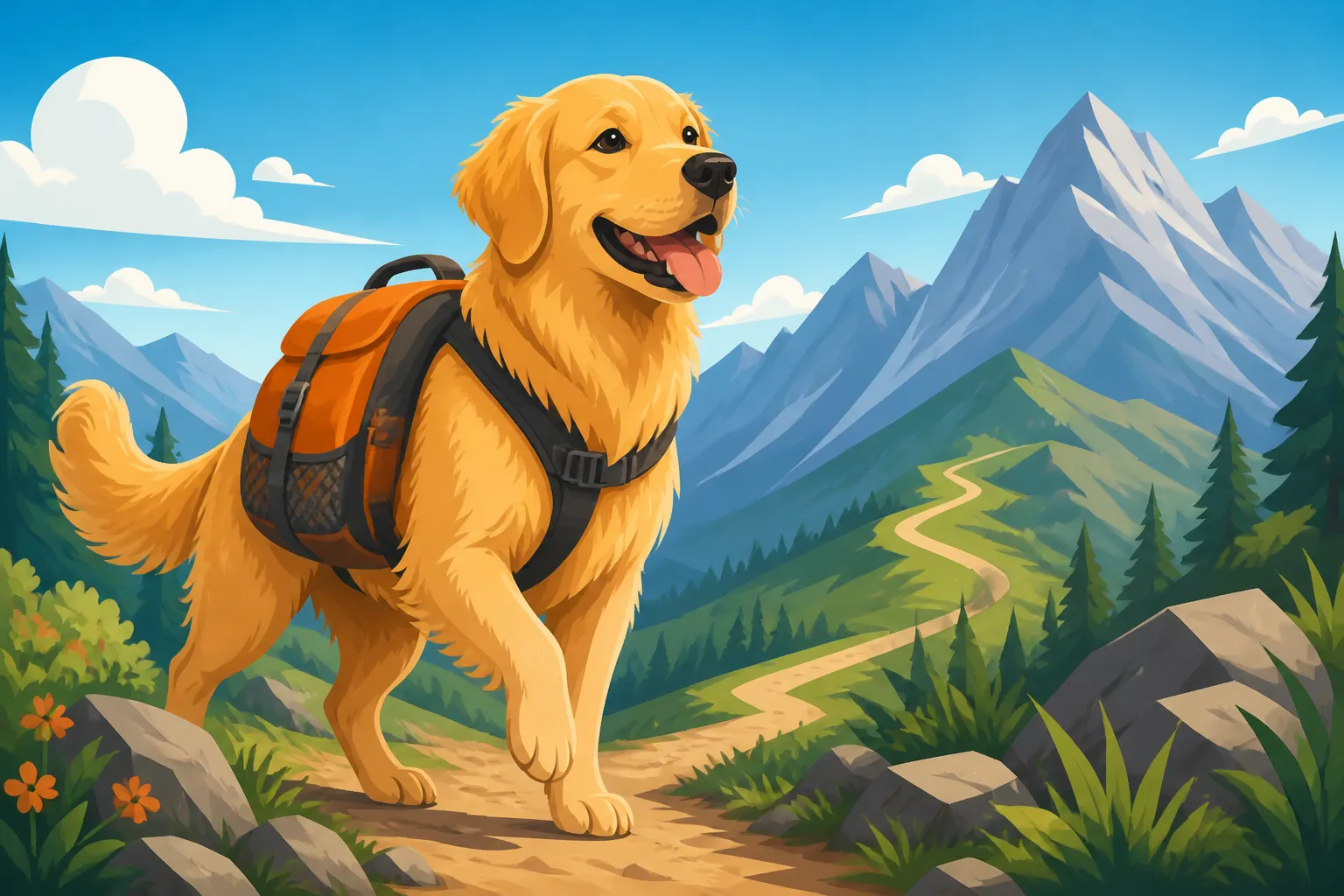
How Far a Golden Retriever Can Hike
Oh, the sheer joy of hitting the trail with your Golden Retriever! There's nothing quite like it – the wagging tail, the happy sniffles as they explore new scents, the way they bound through the leaves. But as much as we dream of epic adventures with our furry best friends, it’s only natural to worry about pushing them too hard. We want them to be happy and healthy, not come home with sore paws or aching joints. This guide is all about figuring out just how far your Golden Retriever can comfortably and safely hike, taking into account all the individual quirks and considerations that make our Goldens so special.
Understanding Your Golden Retriever's Hiking Potential
Before you strap on your hiking boots and grab the leash, it's crucial to understand that not all Golden Retrievers are created equal when it comes to hitting the trails. Their capacity for distance and difficulty is a blend of their age, physical development, and overall health. Pushing a dog beyond their limits, especially when they're still growing or already facing health challenges, can lead to serious problems down the line.
Age and Development Are Key Factors
Think about it this way: you wouldn't expect a toddler to run a marathon, right? The same principle applies to our beloved Golden puppies. Their bodies are still developing, and those adorable, clumsy leaps and bounds aren't quite ready for strenuous, long-distance activity.
When a Golden Retriever is young, their bones are still growing, and their growth plates – the areas of cartilage at the ends of their long bones – haven't yet fused. These growth plates are incredibly vulnerable to injury from too much impact or repetitive stress. Forcing a young puppy to embark on long hikes on uneven terrain can cause irreversible damage, potentially leading to issues like hip or elbow dysplasia later in life. This is why we so often talk about limiting Forced Exercise and Golden Retriever Growth Plates. Most veterinarians and reputable breeders recommend waiting until a Golden Retriever is at least 12 to 18 months old, often closer to two years, before introducing them to really long or challenging hikes. Until then, focus on shorter, controlled walks and plenty of free play in safe, soft environments. You might be surprised to learn When a Golden Retriever's Growth Plates Close, and it's later than many first-time owners realize.
On the other end of the spectrum, our wise and wonderful senior Goldens also have different needs. As Goldens age, just like us, their joints can start to stiffen, arthritis might set in, and their stamina naturally decreases. What used to be a breeze for a five-year-old might be a grueling challenge for a ten-year-old. When you're Caring for a Senior Golden Retriever, shorter, flatter, and more frequent hikes are often the best approach. It’s about quality of movement and enjoyment, not breaking any distance records. Watching for Golden Retriever Arthritis and Joint Decline symptoms becomes incredibly important, and sometimes, a shorter walk around a flat park is a more appropriate and enjoyable adventure for them than a challenging mountain trail.
Individual Fitness Levels and Health
Beyond age, your Golden's current fitness level and overall health play a massive role. A Golden who spends most of their days lounging on the couch (adorable as that may be!) isn't going to be ready for an eight-mile trek up a mountain.
Conditioning is everything. If your Golden is regularly active, with daily walks, runs, or swims, they'll naturally have better stamina and muscle tone. Think of it like training for a human marathon; you wouldn't just jump into it without weeks of consistent training. For dogs, it’s a similar gradual process. Start with shorter distances, easier terrain, and slowly increase the challenge over weeks or months. Pay attention to how they recover. Do they bounce back quickly, or are they unusually tired or stiff the next day? That’s your dog telling you if you’re pushing too hard.
Then there are underlying health considerations that can dramatically impact hiking ability. Golden Retrievers, unfortunately, are predisposed to certain conditions that can make strenuous exercise difficult or even dangerous. Golden Retriever Hip and Elbow Dysplasia Explained are common orthopedic issues that can cause pain and limit mobility, making long or steep hikes very uncomfortable. Heart conditions, such as Subaortic Stenosis in Golden Retrievers, can also be present, sometimes silently, and extreme exertion could be risky. It's always a good idea to ensure your Golden has had a recent vet check-up and that you're aware of any potential health issues. Even something as seemingly simple as Golden Retriever Weight and Joint Damage can turn a fun hike into a painful ordeal, as extra pounds put immense strain on their joints. Before embarking on regular hiking, especially if your dog hasn't been consistently active, a visit to the vet for a full work-up is a wise investment in their long-term health and your shared adventures.
Factors Influencing Hiking Distance and Difficulty
Hiking isn't just about covering ground; it's about navigating the environment. The type of trail, the weather, and even the gear you carry all contribute to how far and how comfortably your Golden Retriever can hike. Ignoring these factors can quickly turn a beautiful outing into a miserable, or even dangerous, experience for your furry companion.
Terrain and Elevation
Imagine running on a sandy beach versus walking on a paved sidewalk. The effort is vastly different, right? The same applies to your Golden Retriever on a hike. The terrain makes a huge difference.
Flat, well-maintained dirt trails are generally the easiest on a dog's body. They offer good traction and predictable footing. However, once you introduce uneven terrain, loose rocks, or significant elevation changes, the challenge intensifies. Steep ascents and descents put a lot more strain on muscles and joints. Going uphill works the hindquarters and cardiovascular system intensely, while going downhill puts a surprising amount of stress on the front legs and joints as your dog brakes and stabilizes itself. For Goldens with any predisposition to joint issues, repeated downhill pounding can be particularly taxing. Consider a trail with long, gentle inclines over one with short, sharp climbs if you're concerned about joint impact.
The surface type also plays a role in paw health. Pavement can get incredibly hot, especially in direct sun, potentially burning paw pads. Rocky trails, while perhaps beautiful, can be rough on paws, leading to cuts, blisters, or soreness. Sand can get between toes and cause irritation, while mud can lead to slippery footing and increased effort. Always check your Golden's paws periodically during and after a hike. If you're tackling rough terrain, consider dog boots, especially for Goldens with sensitive paw pads, or if you're navigating areas with sharp gravel or thorns.
Weather Conditions
Golden Retrievers are renowned for their beautiful double coats, but this thick fur comes with its own set of challenges, particularly when it comes to weather. Their dense undercoat, perfect for keeping them warm in cold water, can quickly become a disadvantage in hot, humid conditions.
Heat and humidity are perhaps the biggest weather-related dangers for Golden Retrievers on trails. They don't sweat like humans do; instead, they cool themselves primarily by panting. If the air is hot and humid, this evaporative cooling becomes much less effective. Goldens can overheat very quickly, leading to heatstroke, which is a severe and often fatal condition. Symptoms can include excessive panting, drooling, weakness, staggering, bright red gums, and vomiting. You absolutely need to know the Signs of Heatstroke in a Golden Retriever and take preventive measures. Hike in the early morning or late evening, stick to shaded trails, and carry plenty of water for both of you. Always prioritize your dog's safety over completing a planned distance. When temperatures climb, it’s best to keep hikes short, or even skip them entirely in favor of indoor activities or swimming. Remember that Golden Retriever Heat Tolerance and Overheating is generally lower than what we humans might comfortably endure.
Conversely, while their double coat provides excellent insulation in cooler weather, there are still considerations. Cold Weather and a Golden Retriever's Double Coat generally means they can handle lower temperatures well, but extreme cold can still pose risks. Their paws can be sensitive to ice and snow, and prolonged exposure can lead to frostbite. Certain areas, like their ears or the tip of their tail, might also be more vulnerable. During winter hikes, especially in snowy or icy conditions, paw protection like balms or boots can be beneficial. Always ensure your dog stays moving to generate warmth and avoid prolonged stops that could lead to them getting too cold.
Pack Weight and Gear
It's tempting to think of your Golden as a strong, tireless companion, capable of carrying their own weight – literally. And while some Goldens can wear dog backpacks, it's not without careful consideration.
Dog backpacks can be great for carrying some of your Golden's essentials, like water, collapsible bowls (Chewy has some fantastic lightweight options!), or even some extra kibble. However, it's crucial not to overload them. Generally, a dog should carry no more than 10-12% of their body weight, and even less if they are new to carrying a pack, are older, or have any joint concerns. For a healthy, well-conditioned Golden Retriever weighing, say, 70 pounds, this means a maximum of about 7-8 pounds. Any more than that can strain their back and joints, especially over longer distances or on uneven terrain. Introduce the pack empty first, letting them get used to the feel, and then gradually add weight over several short walks before a longer hike. Make sure the pack fits well, with no rubbing or chafing points.
Your hiking pace also matters. If you're a fast hiker, constantly pulling your Golden along, they might be expending more energy trying to keep up than if you walked at a comfortable, consistent pace. Conversely, if your dog is constantly sniffing and stopping, while enjoyable for them, it can prolong the hike, increasing overall exertion time. A good hike is one where both you and your Golden can maintain a comfortable, consistent rhythm, enjoying the scenery and the shared experience without feeling rushed or dragged. Remember, this is about shared enjoyment, not just covering distance.
Practical Advice for Safe and Enjoyable Golden Retriever Hikes
Taking your Golden Retriever hiking should be a joyful, bonding experience, not a test of endurance or a recipe for injury. Thoughtful preparation and attentive observation are key to ensuring every outing is a positive one. This means building up their fitness slowly, having the right gear, and knowing how to care for them after the adventure.
Building Up Stamina Gradually
You wouldn't run a marathon without training, and neither should your Golden. The biggest mistake many enthusiastic owners make is jumping straight into a long, challenging trail without proper conditioning. This can lead to exhaustion, muscle soreness, injuries, and a generally miserable experience for your dog.
Always start small. If your Golden is new to hiking, begin with shorter, flatter trails – think a mile or two on a well-maintained path. Observe how they handle it. Do they seem full of energy at the end? Or are they lagging behind, panting heavily, or seeking shade? Gradually increase the distance and difficulty over several weeks or even months. This slow progression allows their muscles, joints, and cardiovascular system to adapt and strengthen. For a young, healthy adult Golden, moving from a two-mile walk to a five-mile hike should happen over many outings, not just one. Consistency is far more important than intensity when building stamina.
Perhaps the most important piece of advice is to listen to your dog. They can't tell you in words if they're tired, sore, or in pain, but they'll show you with their body language. Keep a close eye out for Signs a Golden Retriever Is in Pain – things like limping, a reluctance to keep moving, slowing down significantly, excessive panting even during rest, seeking to lie down frequently, or a general lack of enthusiasm. If you notice any of these signs, it's time to cut the hike short, take a long break, or turn back. Don't push them to finish a planned route just because you set out to do it. Their well-being is paramount. Sometimes, the most heroic thing an owner can do is admit the dog needs to rest and head home early.
Essential Hiking Gear for Your Golden
Being prepared with the right gear can make all the difference between a frustrating hike and a fantastic one. You don't need to outfit your Golden like a backcountry explorer, but a few key items are non-negotiable. Many of these essentials can be found readily available on Chewy or Amazon.
First and foremost, water and food. This seems obvious, but it's easy to underestimate how much water a dog needs on a hike, especially on warmer days. Goldens can easily drink a liter or more on a moderately long trek. Invest in a collapsible water bowl (they're super portable!) and carry more water than you think you'll need for both of you. Consider a few high-energy, easily digestible snacks, particularly for longer hikes. Small portions of their regular kibble or specially formulated dog treats work well. Some owners even pack fresh food from services like Ollie for a nutrient-dense, easily packable meal on longer excursions.
Next up, a sturdy leash and a comfortable harness are vital. While off-leash adventures are wonderful, many trails require dogs to be leashed, and even where it's allowed, situations can arise (wildlife, other dogs, steep drops) where you need immediate control. A comfortable, well-fitting harness distributes pressure across their chest and shoulders, rather than their neck, making it safer and more comfortable, especially if they pull or you need to assist them over an obstacle. Avoid retractable leashes on trails, as they offer little control and can be dangerous.
Finally, a basic first aid kit for your dog is a must-have. Accidents happen on trails: a cut paw pad, a thorn in the paw, or a scraped leg. Your kit should include antiseptic wipes, gauze, medical tape, tweezers, a paw balm, and perhaps some single-use saline solution. Knowing how to use these items for minor injuries can prevent a small problem from becoming a big one. Having some basic pain relief approved by your vet for dogs can also be a lifesaver in an emergency, but always consult your vet before administering any medication. Remember, it's not just about getting out there, it's about getting home safely.
Post-Hike Recovery and Care
The adventure doesn't end when you get back to the car. What you do after the hike is just as important for your Golden's well-being and readiness for the next adventure. Neglecting post-hike care can lead to discomfort, delayed recovery, or even undetected injuries.
The first thing you should do upon returning home is a thorough inspection of your Golden. This is particularly crucial for checking for ticks, especially if you've been in wooded or grassy areas. Goldens' thick coats can hide these tiny parasites very well. Run your hands over their entire body, paying special attention to ears, armpits, groin area, and between their toes. Regularly checking for Ticks in a Golden Retriever's Thick Coat can help prevent serious tick-borne illnesses. Also, check their paw pads carefully for any cuts, abrasions, embedded debris, or signs of blistering. Look for any burrs or thorns caught in their coat or between their toes. Address any minor issues promptly.
After a hike, hydration and rest are paramount. Offer fresh water immediately. Even if they drank on the trail, they'll likely be thirsty again. Encourage them to rest in a comfortable, cool spot. Avoid intense play or further strenuous activity for the rest of the day. A tired Golden is a happy Golden, but an overly exhausted Golden might be prone to injury or prolonged soreness. Some Goldens love a cool bath or a gentle rinse after a muddy hike, which can also help relax their muscles.
For active Goldens, particularly those who hike regularly or are prone to joint stiffness, joint support can be a proactive measure. Supplements containing glucosamine and chondroitin, often combined with MSM or omega fatty acids, are popular choices among owners. These ingredients are believed to help support cartilage health and reduce inflammation. While not a magic bullet, they can be a valuable addition to the regimen of an active or aging Golden. Discuss Glucosamine Doses for a Golden Retriever and other supplements with your veterinarian to ensure you're giving appropriate amounts and that they are suitable for your specific dog. Proactive care goes a long way in keeping their joints happy for many years of trail adventures.
General Guidelines for Golden Retriever Hiking Distances
So, after all that, what's the magic number? How far can a Golden Retriever hike? The truth is, there's no single answer that fits every dog. It's a spectrum, highly dependent on all the factors we've discussed. However, we can offer some general guidelines based on life stage and conditioning.
Puppy and Adolescent Guidelines
As mentioned earlier, puppies and adolescents (roughly up to 18-24 months) are still developing. Their growth plates are open, and too much high-impact exercise can cause lasting damage.
For puppies under 6 months, hiking should be limited to short, exploratory walks on soft, even surfaces. Think 15-20 minutes, two or three times a day, allowing them to sniff and explore at their own pace. The focus is on socialization and gentle exposure to different environments, not covering distance.
From 6 to 18 months, you can gradually increase walk length, but still avoid strenuous, long hikes. A good rule of thumb is 5 minutes of structured exercise per month of age, twice a day. So, an 8-month-old Golden might get two 40-minute walks. Keep it mostly on soft ground. Avoid forced running, jumping from heights, or long, steep climbs. Short, easy nature walks of 1-3 miles on flat trails are acceptable if spread out and interspersed with rest, but never push them. This is a crucial time for their joint development, and you want to protect it. Remember, Why Golden Retriever Puppies Should Not Jog until their growth plates are fully closed.
Adult Golden Retriever Averages
Once your Golden Retriever is fully grown (typically 18-24 months and older) and has been properly conditioned, they can be fantastic hiking companions. A healthy, well-conditioned adult Golden can generally handle:
- Easy to Moderate Trails (Flat to Rolling Hills): 5-10 miles. Many Goldens can comfortably hike this distance over 2-4 hours, with adequate breaks for water and rest.
- Challenging Trails (Steep Elevation, Rough Terrain): 3-7 miles. The intensity of these hikes means that shorter distances can be just as demanding, if not more so, than longer distances on flat ground. These types of hikes are best for Goldens who are in peak physical condition and accustomed to such challenges.
- Highly Conditioned Athletes: Some Goldens, particularly those from field lines or those involved in canine sports, might be able to go longer, perhaps 12-15 miles or even more in ideal conditions. However, this level of endurance requires consistent, specific training and is not typical for most pet Goldens.
Always consider the weather, hydration, and your dog's individual cues. If it's a hot day, even 3-4 miles might be too much. If they're showing signs of fatigue, turn back.
Senior Golden Retriever Adjustments
Our senior Goldens (generally 7-8 years and older) require a more compassionate and flexible approach to hiking. While they still love to be active and explore, their bodies can't keep up like they used to.
- Shorter Distances: Focus on 1-3 miles, often broken into two shorter outings.
- Flatter Terrain: Avoid steep climbs or descents which put extra strain on aging joints.
- Frequent Breaks: Allow for more stops to rest, sniff, and hydrate.
- Gentle Surfaces: Stick to soft dirt trails, grassy paths, or even paved walkways if they offer even footing.
- Pace: Let your senior Golden set the pace. If they want to meander and sniff every bush, that's part of their enjoyment.
The goal with a senior Golden is enrichment and gentle exercise, not strenuous adventure. If you see them struggling, it's okay to call it a day and enjoy some quiet time together. Every hike with a senior dog is a gift.
Here's a quick reference table to help visualize these guidelines:
| Age/Condition | Typical Max Distance (Miles) | Terrain Type | Key Considerations |
|---|---|---|---|
| Puppy (Under 6 months) | 0.5 – 1 (Short, frequent walks) | Flat, soft ground | Focus on socialization; growth plates are vulnerable. |
| Adolescent (6-18 months) | 1 – 3 (Gradually increase) | Flat to gentle rolling | Avoid strenuous activity; continue protecting joints. |
| Adult (18 months – 7 years, conditioned) | 5 – 10 | Varied (Easy to Moderate) | Good health, regular conditioning, monitor weather. |
| Adult (18 months – 7 years, highly conditioned) | 10 – 15+ | Varied (Moderate to Challenging) | Requires consistent, specific training; elite fitness. |
| Senior (7+ years) | 1 – 3 (Shorter, frequent) | Flat, even ground | Prioritize comfort; frequent breaks; monitor for pain. |
Ultimately, how far your Golden Retriever can hike comes down to knowing your individual dog. Their personality, their current fitness, their health history, and their immediate responses on the trail will be your best guide. Every Golden is unique, and the most rewarding hikes are those where both of you return home happy, tired, and ready for the next adventure, whenever that may be. Enjoy those trails together!
Disclaimer
This article is for general informational purposes only and does not constitute professional advice. Laws, prices and regulations vary by location and change over time. Consult a qualified professional for guidance on your specific situation.