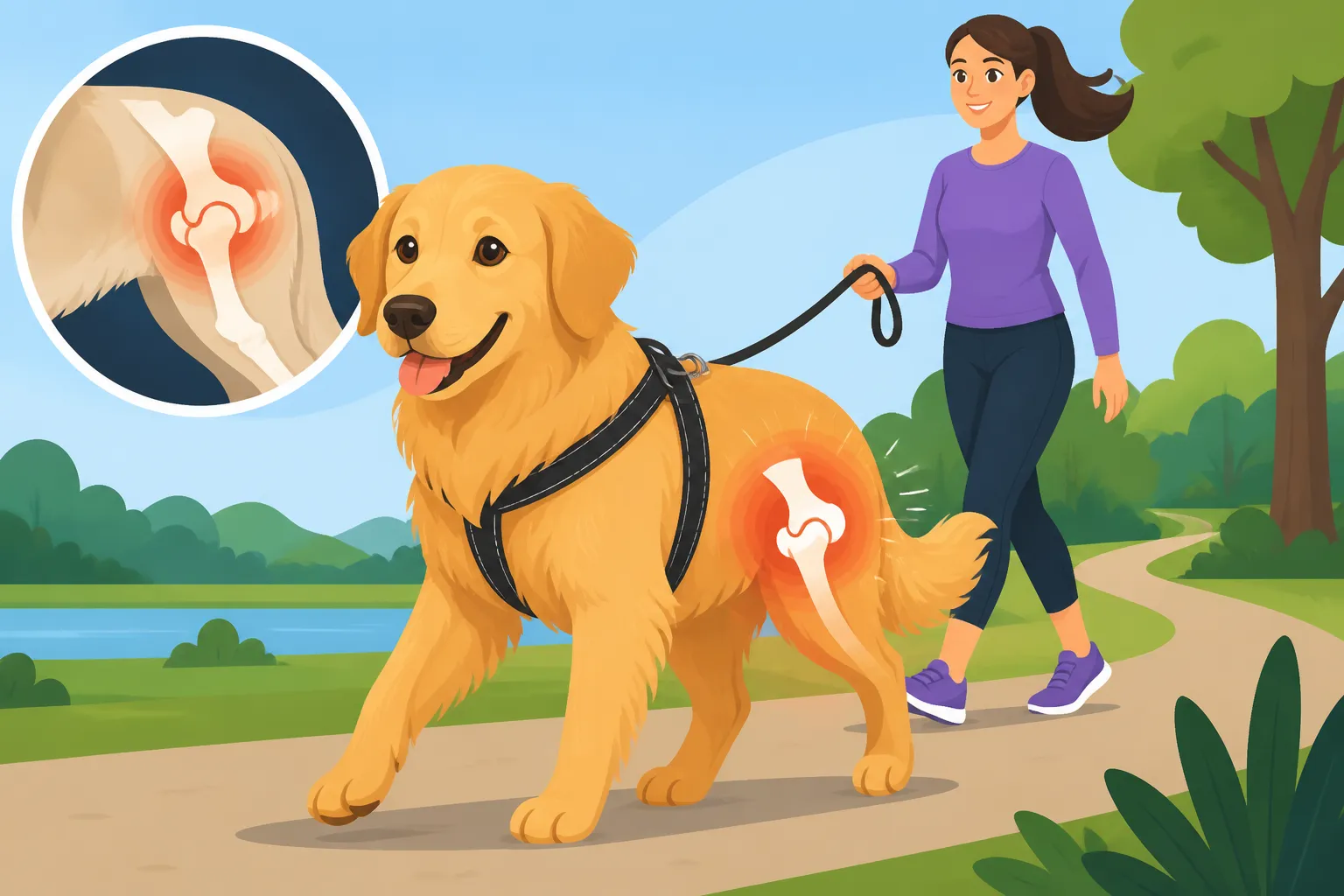
Exercising a Golden Retriever With Bad Hips
It's heartbreaking to see your beloved Golden Retriever struggle with what we affectionately, or perhaps despairingly, call "bad hips." The joy they typically find in running, jumping, and playing can feel like a distant memory, and as their owner, you're constantly walking a tightrope between wanting them to be happy and active, and fearing you might cause them more pain. This guide is all about helping you navigate that delicate balance, offering realistic strategies for exercising your Golden Retriever safely and effectively when hip issues are a daily reality.
Navigating Life with a Golden Retriever's Bad Hips: The Daily Challenge
Living with a Golden Retriever who has hip issues can feel like a constant puzzle. You want them to be happy, to enjoy life, and to feel like the energetic dog they are at heart, but every stumble, every hesitant step, sends a pang of worry through you. It's a tough situation, and many Golden owners find themselves questioning every walk, every playtime, wondering if they're doing more harm than good. The key is understanding the condition and tailoring their activity to support, rather than hinder, their joint health.
What "Bad Hips" Really Means for Your Golden
When we talk about "bad hips" in Golden Retrievers, we're almost always referring to hip dysplasia. This isn't a sudden injury; it's a developmental condition where the ball and socket of the hip joint don't fit together perfectly. Instead of a smooth, snug fit, there's looseness, which causes the joint to grind and wear down over time. This leads to pain, inflammation, and eventually, degenerative joint disease or osteoarthritis.
The severity can vary wildly. Some Goldens might have mild dysplasia and show subtle signs, like a slight limp after heavy exercise, while others might be severely affected even as puppies, exhibiting significant lameness or a "bunny hopping" gait. It's crucial to get a definitive diagnosis from your vet, often through X-rays, to understand the extent of the problem. This diagnosis sets the stage for how you'll manage their exercise and overall care. You might have heard of Golden Retriever Hip and Elbow Dysplasia Explained, which delves into the mechanics of this condition in more detail. Watching for Golden Retriever Hip Dysplasia Symptoms by Age can help you catch early signs.
Why Exercise is Still Crucial
It might seem counterintuitive to advocate for exercise when your dog has painful hips. Wouldn't rest be better? Surprisingly, no. While certain types of strenuous exercise can definitely be detrimental, complete inactivity is equally harmful. When a dog doesn't move, their muscles begin to atrophy, meaning they lose mass and strength. The muscles surrounding the hip joint are vital for providing stability and support. If these muscles weaken, the unstable joint becomes even more unstable and painful.
Furthermore, exercise is critical for weight management. Every extra pound your Golden carries puts increased stress on their already compromised joints. Keeping them at a lean, healthy weight is one of the most impactful things you can do to manage hip dysplasia. Beyond the physical, exercise is essential for your Golden's mental well-being. These are intelligent, active dogs. Without appropriate outlets for their energy, they can become bored, frustrated, and even destructive. Tailored exercise provides mental stimulation, helps maintain a positive mood, and strengthens the bond between you and your dog, all while supporting their physical health within safe limits.
Designing a Safe Exercise Routine for Joint Health
The goal isn't to stop exercising, but to reimagine it. Your Golden Retriever won't be competing in agility trials or going on intense, multi-mile runs, and that's okay. The focus shifts to activities that build muscle without jarring the joints, improve flexibility, and maintain cardiovascular health, all while keeping pain at bay. This is where quality over quantity, and smart choices, truly shine.
Embracing Low-Impact Activities
Low-impact exercises are your best friends when managing hip dysplasia. These activities minimize stress on the joints while still providing a good workout.
- Swimming: This is often considered the gold standard for Goldens with hip issues. The buoyancy of the water takes the weight off their joints, allowing them to move their legs through their full range of motion without impact. It builds strong hindquarter muscles, improves cardiovascular fitness, and is often incredibly enjoyable for water-loving Goldens. Start with short sessions in calm, shallow water and gradually increase duration. Always supervise closely.
- Controlled Leash Walks: Regular, short walks on soft surfaces are far better than infrequent, long excursions on pavement. Think grassy parks, dirt trails, or even your backyard. Keep the pace moderate and consistent, avoiding sudden stops, starts, or changes in direction. Multiple short walks throughout the day (10-15 minutes each) are usually preferable to one long one. The key is consistency and gentle movement.
- Underwater Treadmill Therapy: This is a fantastic option often recommended by vets and physical therapists. Similar to swimming, the water reduces weight-bearing, but the controlled environment of a treadmill allows for precise gait analysis and targeted muscle strengthening. The resistance of the water also helps build muscle more efficiently than walking on land. Many specialty canine rehabilitation centers offer this. If you're looking into Physical Therapy for a Golden Retriever With Bad Hips, this will likely be a core component.
- Gentle Play: Forget the high-flying frisbee or long games of fetch that involve hard stops and turns. Instead, opt for slow, controlled games of retrieve with soft toys in your living room or a small, enclosed yard. Rolling a ball for your dog to nudge with their nose, or hiding treats for them to sniff out (scent work is wonderfully low-impact and mentally stimulating!), can be great alternatives.
The Importance of Consistent, Short Sessions
One of the biggest mistakes owners make is trying to cram all their dog's exercise into one long session, or only exercising when their dog seems to be having a "good day." This often leads to overexertion, increased pain, and a setback. Consistency is paramount.
Imagine if you had a bad knee and tried to run a marathon one day, then did nothing for a week. You'd likely be in agony! It's the same for your Golden. Daily, gentle activity is far more beneficial than sporadic, intense bursts. Aim for several short sessions throughout the day, maybe 10-20 minutes each, depending on your dog's tolerance. This helps keep muscles warm and supple, prevents stiffness, and distributes the physical load more evenly. It also prevents your Golden from getting too revved up and pushing themselves harder than they should. A dog with hip dysplasia might seem fine during an activity, only to be stiff and sore the next day. A careful, consistent approach helps avoid these painful flare-ups. This is a core part of Managing Golden Retriever Hip Dysplasia Without Surgery.
Tools and Techniques to Support Comfortable Movement
Beyond the specific types of exercise, there are numerous tools and techniques that can make a huge difference in your Golden Retriever's comfort and mobility, turning a potentially painful activity into a manageable one. Integrating these into your daily routine is a proactive way to support their joint health.
Mobility Aids and How They Help
Sometimes, a little help goes a long way. Mobility aids are not just for senior dogs in their final years; they can be incredibly beneficial for younger Goldens dealing with chronic hip pain.
- Ramps and Steps: This is a big one. Jumping on and off furniture, or in and out of cars, puts immense stress on the hips. A quality ramp or sturdy set of steps can eliminate this high-impact activity, preserving their joints. You can find excellent, non-slip ramps on sites like Amazon that are designed for larger breeds, making it easy for your Golden to safely access the couch or car.
- Support Harnesses and Slings: For Goldens with more significant mobility challenges, a full-body support harness or a rear-end sling can be invaluable. These allow you to gently lift and support their hindquarters, taking some of the weight off their hips when they're walking, going up stairs (if unavoidable), or getting up from a lying position. Brands like Help 'Em Up Harness are often recommended by vets for their comprehensive support.
- Orthopedic Beds: While not an "exercise aid," a truly supportive orthopedic bed is critical for a Golden with bad hips. Resting on a hard surface for extended periods can exacerbate joint stiffness and pain. An orthopedic bed, especially one with memory foam, provides pressure relief and cushioning, making their rest periods more restorative. This allows them to recover more effectively from their gentle exercise. You can find many highly-rated options on Chewy or Amazon that are specifically designed for large breeds. Consider Orthopedic Bed Prices for a Golden Retriever when budgeting.
Nutrition and Supplements for Joint Support
What goes into your Golden's bowl can play a surprisingly significant role in managing hip dysplasia, working hand-in-hand with their exercise routine.
- Weight Management: As mentioned, maintaining an ideal body weight is paramount. Even a few extra pounds dramatically increase the load on already compromised hips. Your vet can help you determine your Golden's ideal weight and how much to feed them to achieve it. Read How Extra Pounds Damage a Golden Retriever's Hips for more context.
- Joint-Supportive Diets: Many premium dog food brands offer formulas specifically designed for large breeds or senior dogs that include ingredients aimed at supporting joint health. Look for ingredients like glucosamine, chondroitin, and omega-3 fatty acids (DHA/EPA). These nutrients are thought to help reduce inflammation and support cartilage health.
- Supplements: While many joint-supportive ingredients are in dog food, your vet might recommend additional supplements, particularly for Goldens with more severe hip dysplasia.
- Glucosamine and Chondroitin: These are the most common joint supplements, believed to help with cartilage repair and joint fluid production.
- Omega-3 Fatty Acids (Fish Oil): EPA and DHA, found in fish oil, are powerful natural anti-inflammatories that can significantly reduce joint pain and stiffness.
- MSM (Methylsulfonylmethane): Another ingredient often found in joint supplements, thought to have anti-inflammatory and pain-relieving properties.
- Green-Lipped Mussel: A natural source of glucosamine, chondroitin, and omega-3s, often praised for its comprehensive joint support.
You can find a wide range of these supplements on Chewy or from specialty pet health retailers. Always discuss any supplements with your vet first to ensure they are appropriate and correctly dosed for your dog. For more information, check out Joint Supplements for a Golden Retriever.
- Fresh Food Options: Some owners find success with fresh food diets, like those offered by Ollie, which are often less processed and can be carefully customized for optimal nutrient intake. While not a direct cure, a highly bioavailable diet can contribute to overall health, which in turn supports joint well-being.
When to Rest, When to Stop, and What to Avoid
Understanding your Golden Retriever's limits is perhaps the most critical aspect of managing hip dysplasia. They can't tell you in words when they're hurting, so it's up to you to be a diligent observer of their body language and behavior. Pushing them too hard can lead to significant pain and long-term damage.
Identifying Signs of Pain or Overexertion
Your Golden might be stoic, but their body will give you clues. Learning to recognize these subtle (and sometimes not-so-subtle) signs of pain or discomfort is essential for preventing overexertion.
- Lameness or Limping: This is the most obvious sign. It might be mild stiffness when they first get up, or a more pronounced limp while walking. Pay attention to which leg they favor.
- Stiffness After Rest: If your Golden struggles to get up after lying down for a while, or seems particularly stiff in the morning, it's a strong indicator of joint pain.
- Reluctance to Move: They might be hesitant to go on walks, avoid stairs, or skip jumping on the couch (even with a ramp, if it's too much effort). This isn't laziness; it's often pain.
- Changes in Gait: Observe their walk. Are they "bunny hopping" with their back legs together? Do they have a shorter stride? Are they shifting their weight to their front end? These can all be signs of hip discomfort.
- Vocalization: Whining, yelping, or growling when touched around the hips or when trying to move in certain ways.
- Licking or Chewing: Excessive licking, chewing, or grooming of their hindquarters can indicate pain in that area.
- Behavioral Changes: Lethargy, irritability, or a lack of interest in activities they usually love can sometimes be linked to chronic pain. For a deeper dive, read Signs a Golden Retriever Is in Pain.
- Muscle Atrophy: Visually, you might notice that the muscles in their hind legs appear smaller or less defined than their front leg muscles. This indicates they're not using those muscles effectively due to pain.
If you notice any of these signs, it's time to ease up on the exercise and consult your veterinarian. Don't assume it will get better on its own.
Activities That Can Worsen Hip Dysplasia
Just as there are beneficial exercises, there are activities that are best avoided entirely, or at least minimized.
- High-Impact Activities: This includes long-distance running, intense fetch sessions with quick turns and stops, jumping (especially repeatedly), and frisbee. These movements create concussive forces on the joints that can accelerate cartilage damage.
- Slippery Surfaces: Walking or running on slick floors (hardwood, tile) can cause your Golden's legs to splay, putting immense strain on their hips. Use rugs or runners in your home, especially where they walk or play.
- Strenuous Uphill/Downhill Walking: While gentle inclines can build muscle, steep hills can be very hard on dysplastic hips, particularly downhill where gravity pulls them forward, putting extra stress on the hind end.
- Long Periods of Standing Still: Paradoxically, just standing in one spot for a long time can lead to stiffness. Keep them gently moving or allow them to lie down if you're waiting around.
It's also worth noting that symptoms often worsen with age, evolving into Arthritis Signs in an Eight-Year-Old Golden. Being proactive now can help Slowing Arthritis Down in an Older Golden Retriever.
The Role of Your Veterinarian and Physical Therapist
You are not alone in managing your Golden's hip dysplasia. Your veterinarian is your primary partner. They can provide accurate diagnosis, prescribe pain management medications if needed (Pain Medication a Vet Prescribes for Goldens), and offer referrals.
Often, the most impactful professional you can consult is a certified canine physical therapist (also called a rehabilitation therapist). These specialists are experts in designing tailored exercise programs that build strength, improve range of motion, and reduce pain without overstraining joints. They can teach you specific exercises, stretches, and massage techniques to do at home. A physical therapist can also guide you on the optimal frequency, duration, and intensity of activities, ensuring your Golden gets the right amount of exercise without suffering a setback. They're like personal trainers, but for dogs with specific mobility challenges, and their expertise is invaluable for optimizing your Golden's quality of life.
Disclaimer
This article is for general informational purposes only and does not constitute professional advice. Laws, prices and regulations vary by location and change over time. Consult a qualified professional for guidance on your specific situation.