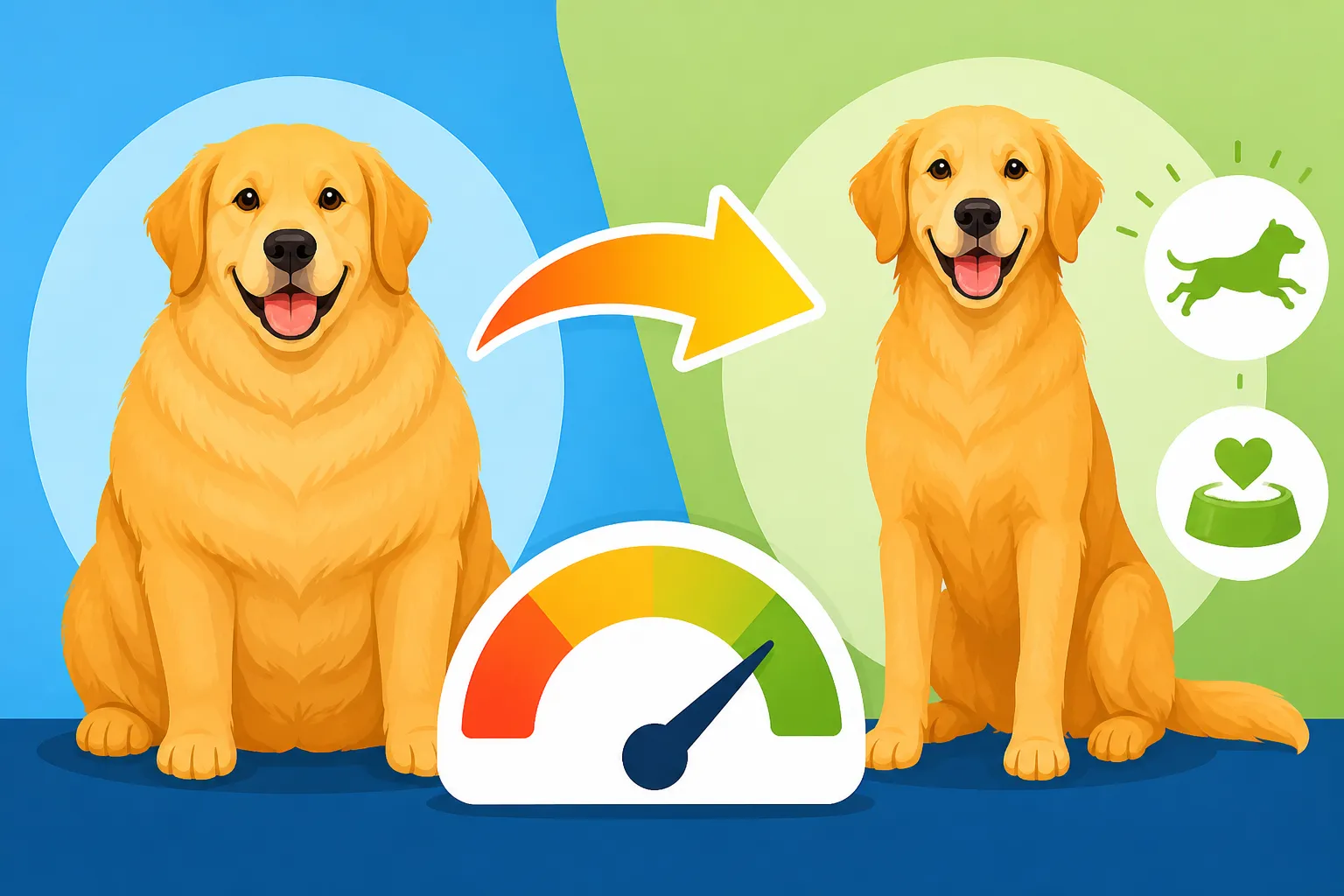
How Fast a Golden Retriever Should Lose Weight
It's incredibly frustrating when you look at your beloved Golden Retriever and notice they've packed on a few too many pounds, especially when you know that extra weight can silently chip away at their health and happiness. Trying to figure out the right way to help them shed those pounds, and more importantly, how fast it's safe for them to do so, can feel like a confusing maze. This guide is here to walk you through the realistic and healthy pace for Golden Retriever weight loss, ensuring your furry friend gets back to their vibrant, healthy self without unnecessary risks.
Understanding Why Weight Loss Matters for Your Golden Retriever
Seeing your Golden Retriever a bit rounder than they should be can be disheartening, not just for their appearance, but because deep down, we know it's not good for them. It's easy to spoil our Goldens with an extra treat or a little more kibble, especially when they give us those soulful eyes. But these small indulgences, over time, can lead to significant health issues that no loving owner wants for their dog. Understanding why those extra pounds are so detrimental is the first step toward a successful weight loss journey.
The Hidden Risks of Extra Pounds
Those extra few pounds on your Golden aren't just cosmetic; they carry a heavy burden of health risks that can seriously impact their quality of life and even shorten it. One of the most immediate and impactful concerns is the strain on their joints. Golden Retrievers are already prone to Golden Retriever Hip and Elbow Dysplasia Explained, and excess weight exacerbates these conditions, leading to earlier onset or more severe pain from arthritis. Imagine trying to walk or run all day with a backpack full of bricks – that's what those extra pounds feel like to your Golden's joints. It's not just discomfort; it's a constant, grinding wear and tear that speeds up joint degeneration. We've talked about Golden Retriever Weight and Joint Damage before, and it’s a constant concern for this breed.
Beyond joint issues, being overweight significantly increases the risk of other serious health problems. Overweight dogs are more susceptible to diabetes, heart disease, and certain types of cancer, which sadly, Golden Retrievers are already predisposed to. Their respiratory system has to work harder, making them more prone to heat intolerance, especially with their thick double coat. Even their immune system can be compromised. It truly is a silent killer, slowly undermining their vitality and ability to enjoy life to the fullest. We want our Goldens to live long, happy lives, and carrying extra weight directly contradicts that goal.
Recognizing an Overweight Golden
Sometimes, it can be hard to objectively assess our own dog's weight. They're family, and we see them every day, so subtle changes can go unnoticed. However, there are clear signs that your Golden Retriever might be carrying more weight than is healthy. One of the best ways to gauge this is by using a Body Condition Score (BCS). This isn't about the number on the scale as much as it is about how your dog's body feels and looks. You should be able to easily feel your Golden's ribs when you run your hands along their side without having to press hard. Their waist should be evident when viewed from above, like an hourglass figure, and there should be an abdominal tuck when viewed from the side, meaning their belly should go up from their chest, not hang down.
If you can't easily feel their ribs, if their waist blends into their hips, or if their belly sags, these are clear indicators that it's time for a change. It's also helpful to look at breed standards for their ideal build; a healthy Golden Retriever is athletic and agile, not barrel-chested and heavy. Don't fall into the trap of thinking a thick, fluffy coat hides nothing; you need to get your hands on your dog and feel what's underneath. We also have a more in-depth guide on Golden Retriever Body Condition Scoring if you want to dive deeper into this topic and really learn how to assess your dog.
Setting Realistic Weight Loss Goals for Your Golden
Once you've determined your Golden needs to shed some pounds, the next question naturally becomes, "How fast can they lose it?" Just like with people, quick fixes and crash diets are almost always a bad idea for dogs. The goal isn't just to drop weight, but to do it in a way that is sustainable, safe, and promotes long-term health. Patience and consistency are your best friends on this journey.
What's a Healthy Rate of Loss?
For most Golden Retrievers, a safe and healthy rate of weight loss is typically around 1% to 2% of their total body weight per week. So, if your Golden weighs 70 pounds, a healthy loss would be between 0.7 to 1.4 pounds per week. This might not sound like a lot, especially if they have a significant amount of weight to lose, but slow and steady truly wins the race here. Rapid weight loss can lead to muscle loss instead of fat, create nutritional deficiencies, and even put stress on their organs. It can also make them feel perpetually hungry, leading to begging and frustration for both of you.
Imagine your Golden losing 1 pound a week. Over a month, that's 4 pounds. Over three months, that's 12 pounds! That's a significant improvement in their overall health and mobility. This pace allows their body to adjust gradually, their metabolism to re-regulate, and for you to establish sustainable new habits without feeling overwhelmed. Always aim for a steady, predictable decline on the scale rather than dramatic fluctuations. Your vet is a fantastic resource to help you calculate an ideal target weight and a realistic timeline.
The Importance of a Gradual Approach
A gradual approach to weight loss is paramount for your Golden Retriever's well-being. Think about it from their perspective: sudden drastic changes in diet can lead to digestive upset, and an abrupt increase in exercise without proper conditioning can cause injuries, especially if their joints are already under strain. A slow, controlled reduction in calories, coupled with a carefully incremented exercise regimen, allows their body to adapt without shock. This also helps prevent the dreaded "rebound" weight gain that often follows crash diets.
For example, if you suddenly cut their food portion in half, your Golden will likely feel constantly hungry, potentially leading to destructive behaviors or excessive begging. But gradually reducing their portion by 10-15% and substituting higher-calorie treats with low-calorie options like carrot sticks or green beans, helps them adjust. Similarly, instead of suddenly taking them on a 5-mile hike, start with an extra 10-minute walk each day and build up slowly. This gentle progression ensures that the process is as comfortable and stress-free as possible for your loyal companion, making it a positive change rather than a punishing one. We want our Goldens to enjoy their journey back to health, not dread it.
Crafting an Effective Weight Loss Plan
Okay, so we know why weight loss matters and how fast it should happen. Now, let's get down to the practical steps of making it a reality for your Golden Retriever. This isn't just about feeding less; it's about making smart choices with their food, getting them moving, and leaning on your vet's expertise every step of the way. It’s a comprehensive approach, not a single magic bullet.
Diet Adjustments: Quantity and Quality
The cornerstone of any successful weight loss plan for a Golden Retriever is diet. It’s often said that weight loss is 80% diet and 20% exercise, and while both are crucial, what goes into their bowl truly makes the biggest difference. The first step is often to simply reduce the quantity of their current food. If you've been free-feeding or guessing, it's time to measure precisely. Consult the feeding guidelines on your dog food bag, but then adjust downwards by about 10-20% as a starting point, always keeping their activity level in mind.
However, just cutting back can sometimes leave your Golden feeling hungry and missing out on essential nutrients if the food isn't nutrient-dense. This is where the quality of their food comes into play. Consider switching to a high-quality, lower-calorie, or "weight management" formula specifically designed for large breeds. These foods are often higher in fiber to help them feel full, and they contain carefully balanced protein and fat levels. Brands like Purina Pro Plan, Royal Canin, or even fresh-food options like Ollie (if your budget allows) often have excellent weight management formulas. Remember, a full-grown Golden needs specific calorie levels, and you can learn more about How Much an Adult Golden Retriever Eats Daily. When choosing new food, always transition slowly over 7-10 days to avoid upsetting their stomach. And remember those treats! They add up quickly. Opt for Low Calorie Treats for an Overweight Golden like small pieces of cooked chicken, plain green beans, or bits of carrot instead of fatty biscuits. Even healthy snacks add calories.
Increasing Activity Safely
Exercise is the other crucial piece of the weight loss puzzle. For a Golden Retriever, who naturally loves to be active, this should ideally be a fun and engaging part of their day. However, if your Golden is significantly overweight or older, you need to be cautious not to overdo it, especially if they have underlying joint issues. Start small and build up gradually. Instead of one long walk, try two shorter walks. A 15-20 minute brisk walk in the morning and another in the evening can be a great start. Over time, you can slowly increase the duration and intensity.
Low-impact exercises are excellent for overweight Goldens to protect their joints. Swimming is a fantastic option as it provides a full-body workout without putting stress on their hips and elbows. If you have access to a safe lake or a dog-friendly pool, make it a regular activity. Interactive play in the yard, like gentle fetch sessions (avoiding vigorous, high-impact jumps initially), can also contribute. Even indoor games, like hide-and-seek with their dinner kibble, can add extra movement and mental stimulation. The key is consistency and making it enjoyable for your dog. For more ideas on how much activity your Golden truly needs, check out our guide on Exercise a Golden Retriever Needs Each Day.
Involving Your Vet in the Journey
You are your Golden Retriever's best advocate, but your veterinarian is your essential partner in their weight loss journey. Before making any significant changes to their diet or exercise routine, schedule a visit to your vet. They can perform a thorough physical examination, check for any underlying medical conditions (like hypothyroidism, which can contribute to weight gain in Goldens) that might be hindering weight loss, and accurately determine your dog's ideal weight. They can also help calculate a precise daily calorie target, which is far more accurate than just guessing.
Your vet can recommend specific therapeutic weight-loss diets that are formulated to provide complete nutrition while being lower in calories. They can also advise on appropriate exercise levels given your dog's age, current fitness, and any existing health issues. They might even suggest supplements like glucosamine for joint support, especially if your Golden is prone to Golden Retriever Arthritis and Joint Decline. Regular weigh-ins at the vet's office (often offered for free) are excellent for accountability and tracking progress. Don't underestimate the value of professional guidance; it ensures your Golden's weight loss is safe, effective, and tailored to their individual needs.
| Weight Status | Ribs | Waist | Abdominal Tuck | Energy Level | Health Risks |
|---|---|---|---|---|---|
| Underweight | Easily visible, no fat | Prominent | Marked | Low, sometimes | Malnutrition, poor immune function |
| Ideal Weight | Easily felt, minimal fat | Clearly visible | Obvious | Active, playful | Low |
| Overweight | Difficult to feel | Barely visible | Minimal/absent | Moderate, less active | Joint pain, diabetes, heart strain |
| Obese | Cannot feel | None | None | Low, lethargic | Severe joint disease, significant health problems |
Common Pitfalls and How to Avoid Them
Even with the best intentions, helping your Golden Retriever lose weight can be a challenge. There are common hurdles that many owners face, from the temptation of quick fixes to struggles with consistency. Being aware of these pitfalls beforehand can help you navigate the process more smoothly and increase your chances of long-term success.
The Temptation of Crash Diets
It's natural to want to see quick results, especially when your Golden is struggling, but resisting the urge for a "crash diet" is critical. Severely restricting calories or dramatically changing food without a plan can be detrimental. As mentioned before, rapid weight loss can lead to muscle wasting, leaving your Golden weaker, not healthier. It can also mess with their metabolism, making it harder to maintain weight in the long run. Imagine the deprivation your dog would feel if their food was suddenly cut in half, leading to constant hunger and potential behavioral issues like scavenging or becoming frantic around food.
Instead of drastic cuts, focus on gradual, sustainable changes. A healthy caloric deficit should be determined by your vet, aiming for that 1-2% body weight loss per week. If your Golden is on a weight management formula, these foods are designed to be filling without excessive calories. If you're struggling to feed less without them acting ravenous, consider puzzle feeders or slow feeder bowls from retailers like Chewy or Amazon. These can extend meal times, making them feel more satisfied by working for their food. Remember, Putting an Overweight Golden Retriever on a Diet is a marathon, not a sprint, and patience will yield far better, more lasting results than any quick fix.
Staying Consistent and Motivated
Perhaps the biggest challenge in any weight loss journey, for humans or dogs, is consistency. Life gets busy, we get tired, and it's easy to slip back into old habits, especially when your Golden looks up at you with those pleading eyes during dinner. Consistency isn't just about sticking to the diet and exercise plan; it's about making these changes a permanent part of your daily routine. This means measuring food precisely every time, sticking to the treat allowance, and ensuring regular exercise, even on days when you'd rather curl up on the couch.
Motivation can wane, so finding ways to keep yourself and your Golden engaged is key. Celebrate small victories – maybe they can now jump into the car with less effort, or they have more energy on walks. Keep a log of their weight loss and activity; seeing the progress in black and white can be a huge boost. Enlist the help of family members to ensure everyone is on board and not secretly sneaking extra treats. Consider signing up for a new activity, like beginner obedience classes or even just exploring new walking trails, to keep things fresh and fun. Remember why you started this journey: to give your beloved Golden Retriever the longest, healthiest, and happiest life possible. That deep love and commitment are the ultimate motivators.
Disclaimer
This article is for general informational purposes only and does not constitute professional advice. Laws, prices and regulations vary by location and change over time. Consult a qualified professional for guidance on your specific situation.