Whether Golden Retrievers Handle Cold Well
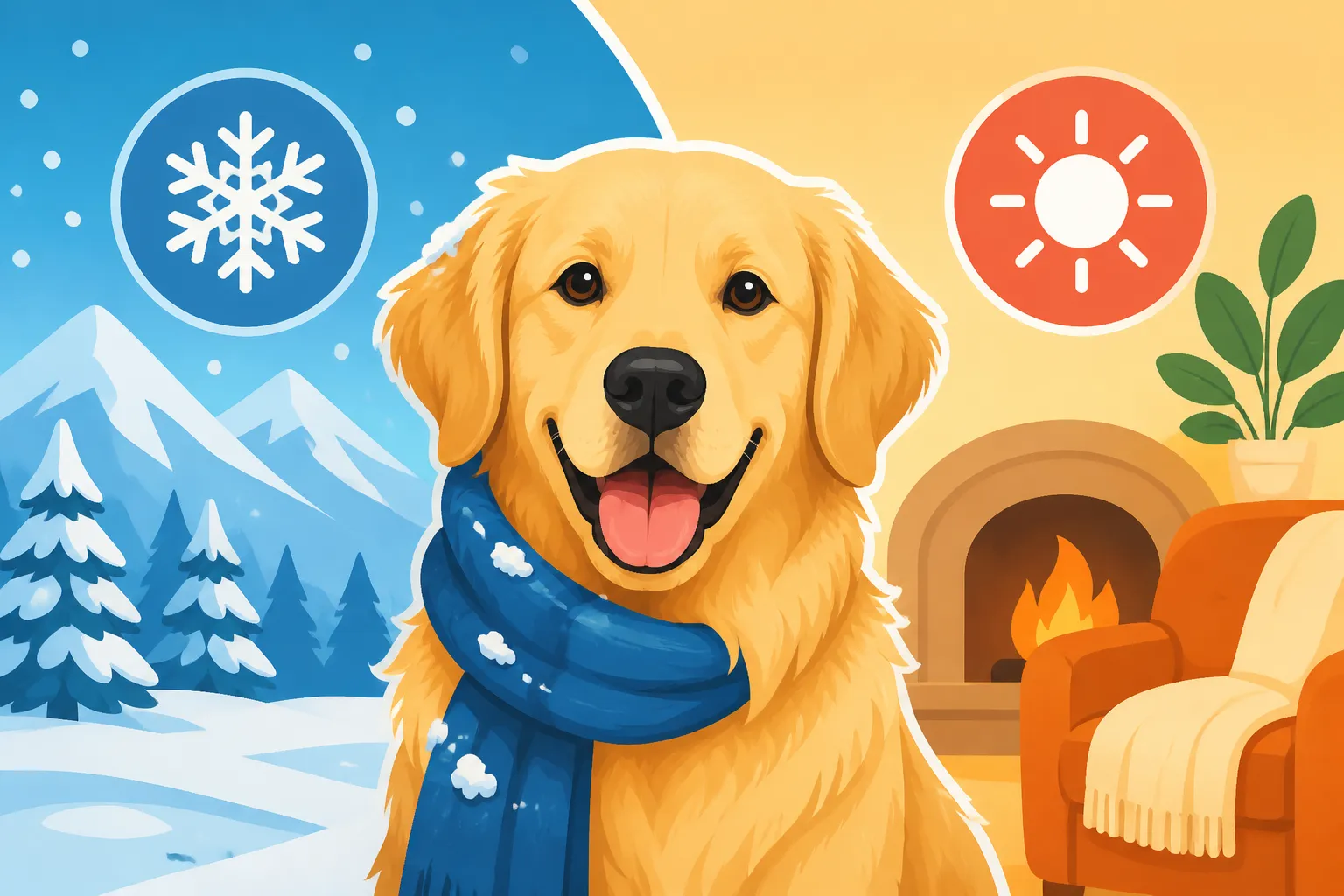
It's a common misconception that because Golden Retrievers have a beautiful, thick coat, they're automatically impervious to the cold. While their luscious fur certainly gives them an edge over some thinner-coated breeds, assuming they're fine in any winter weather can lead to dangerous situations. This comprehensive guide will help you understand your Golden's natural defenses, recognize when the cold is too much, and equip you with the knowledge to keep your beloved companion safe and comfortable through the chilliest months.
Understanding the Golden Retriever's Natural Insulation System
When you look at a Golden Retriever, you see that glorious, flowing coat, but there's a lot more going on than just beauty. Their entire physical makeup is designed to offer a significant degree of protection against harsh elements, stemming from their heritage as water retrieving dogs in chilly climates.
The Marvel of the Double Coat
The Golden Retriever's most formidable defense against the cold is their iconic double coat. This isn't just one layer of fur; it's a sophisticated system built for insulation and water resistance. The outer layer consists of guard hairs that are relatively long, dense, and naturally water-repellent. These hairs act like a protective shield, shedding rain and snow, and preventing moisture from reaching the skin. Think of it like a high-quality, waterproof shell jacket for your dog.
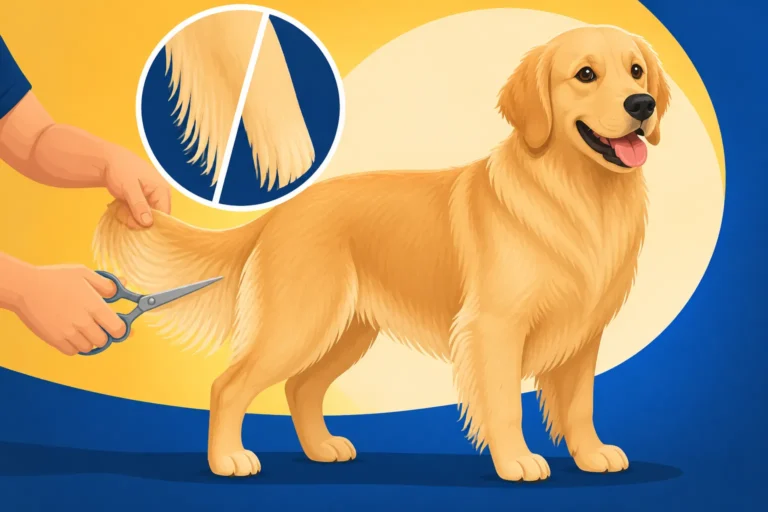
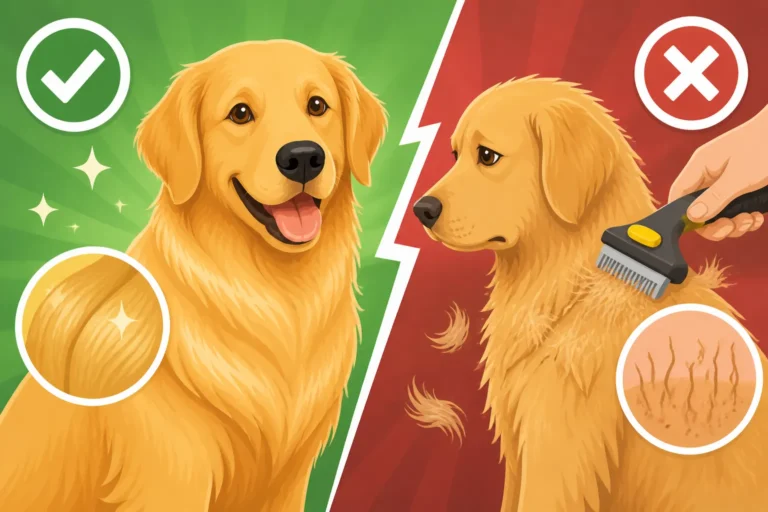
Beneath this outer layer lies the true secret to their warmth: a soft, dense undercoat. This fluffy, wool-like layer traps air close to the dog's body, creating an insulating barrier that holds in heat. It's similar to how a down sleeping bag works for humans – countless tiny air pockets keep the warmth in. This undercoat is especially thick around the chest and hindquarters, areas crucial for warmth retention. This natural design is why you should never shave a Golden Retriever, even in summer, as it compromises their ability to regulate their body temperature year-round. You might notice this undercoat really "blowing out" during seasonal changes; this is their body's way of adjusting its insulation for the upcoming weather. When Golden Retriever Shedding Season Starts goes into more detail about this process.
Body Composition as a Natural Thermostat
Beyond their fur, a Golden Retriever's overall body composition plays a vital role in their cold tolerance. These are medium-to-large dogs with a robust, muscular build and a healthy layer of subcutaneous fat, particularly noticeable in well-conditioned individuals. This muscle mass generates heat through metabolism and activity, while the fat layer provides an additional blanket of insulation beneath the skin, much like blubber helps marine mammals stay warm in icy waters.
Their compact, athletic frame also contributes to heat retention by minimizing exposed surface area relative to their body volume. Long, lean breeds with less body fat tend to lose heat more quickly. While Goldens are known for their love of swimming and activity, even a less active Golden will benefit from this natural build in cooler temperatures. This isn't to say they can't get cold, but their inherent physical traits give them a significant advantage over, say, a Greyhound or a Chihuahua when the mercury drops.
Factors That Influence a Golden's Cold Tolerance
While Golden Retrievers are generally well-equipped for cold weather, it's not a one-size-fits-all situation. Several factors can significantly impact how well an individual Golden handles chilly temperatures. Understanding these nuances is key to responsible pet ownership, especially during winter months.
Age, Health, and Acclimation
Just like people, puppies and senior Golden Retrievers are often more vulnerable to cold than healthy adults. Puppies, especially those under six months, have not yet fully developed their dense adult coat and have less body fat to draw upon for insulation. Their internal thermoregulation systems are also still maturing, making them less efficient at maintaining core body temperature. It's crucial to keep young puppies' outdoor excursions brief and supervised in cold weather.
Senior Goldens, on the other hand, face different challenges. Their metabolism might have slowed down, their circulation could be less efficient, and their coat might be thinning out. Conditions like arthritis can also worsen in the cold, making movement painful and reducing their willingness to exercise, which further reduces body heat generation. Caring for a Senior Golden Retriever offers more insights into the unique needs of older Goldens. Furthermore, underlying health issues such as hypothyroidism, which can impact metabolism and coat health, or certain heart conditions, can significantly reduce a Golden's ability to tolerate cold. If your Golden has been diagnosed with Hypothyroidism in Golden Retrievers or Golden Retriever Heart Murmurs a Vet Hears, discuss specific cold weather precautions with your veterinarian. A Golden who is accustomed to cold temperatures will also handle them better than one who has spent their entire life in a warmer climate. Acclimation allows their body to adjust to temperature fluctuations gradually, including thickening their undercoat.
The Impact of Activity Level and Individual Variation
An active Golden Retriever generates a significant amount of body heat through exercise, making them more resilient to cold temperatures during their outdoor excursions. A Golden engaged in a vigorous game of fetch or a long hike will stay warmer much longer than one simply standing or sitting quietly in the cold. However, even active dogs need breaks and monitoring to prevent overexertion and subsequent chilling once they stop moving. On the flip side, a sedentary or less active Golden will have a harder time generating and maintaining warmth, making them more susceptible to the cold.
Beyond general activity, individual variation plays a huge role. Not all Golden Retrievers are created equal. Some Goldens naturally have a denser undercoat than others, which can be influenced by genetics and their specific line (e.g., some field lines might have slightly less dense coats than show lines, though both are double-coated). Their body fat percentage, diet, and overall health status also contribute to their individual cold tolerance. What's "cold but fine" for one Golden might be "chilly and uncomfortable" for another. It's always best to observe your dog's specific reactions and preferences rather than relying on generalized rules.
Practical Strategies for Winter Safety
As responsible Golden Retriever guardians, our job is to complement their natural defenses with practical strategies to ensure their safety and comfort when winter truly sets in. This isn't about coddling them, but recognizing their limits and providing the necessary support.
Assessing Environmental Conditions
Before stepping outside with your Golden, it's vital to assess more than just the temperature. Wind chill can dramatically lower the "feels like" temperature, making a seemingly mild day dangerously cold. A dry, still day at 20°F might be more tolerable than a windy, damp day at 30°F. Humidity also plays a role; wet cold penetrates the fur more easily than dry cold, making a Golden more prone to chilling. Always check local weather forecasts for both ambient temperature and wind chill, and consider precipitation.
A good rule of thumb is that if it's too cold for you to comfortably stay outside without appropriate winter gear, it's likely too cold for your Golden to be out for extended periods, especially if they are older, very young, or have health issues. Pay attention to how quickly snow melts on their fur – if it's not melting, their body heat might not be radiating effectively, or it could be too cold.
Essential Winter Gear and Shelter
While their double coat is fantastic, there are times when your Golden might benefit from some extra layers. For very cold, windy, or wet conditions, particularly for older or less active Goldens, a dog coat or sweater can provide crucial additional insulation. Look for waterproof or water-resistant options that cover the chest and belly. When considering what to buy, platforms like Chewy or Amazon offer a wide array of options, from simple fleeces to heavy-duty insulated parkas, suitable for various budgets and needs.
Paw protection is equally important. Ice, snow, and especially de-icing salts and chemicals can be harsh on paw pads, leading to cracking, irritation, or even chemical burns. Dog boots offer the best protection, creating a barrier between their paws and the elements. If boots aren't an option, a good paw balm applied before and after walks can help. Paw Balm and Salt for a Golden Retriever in Winter provides excellent guidance on keeping those paws healthy. When indoors, ensure your Golden has a warm, draft-free place to rest. An orthopedic dog bed, perhaps one purchased from Ollie that offers plush support, can elevate them off cold floors and provide extra cushioning for older joints. If your Golden spends any time outdoors unsupervised, they absolutely need access to a well-insulated, raised, and appropriately sized dog house with plenty of clean, dry bedding.
Adjusting Routine Care for Cold Weather
Winter doesn't mean skipping exercise, but it often means adjusting how and when your Golden exercises. Instead of one long walk, you might opt for several shorter, more vigorous play sessions to keep them moving and warm. Incorporate more indoor games and mental stimulation when outdoor conditions are prohibitive. Indoor Exercise for a Golden Retriever in Winter has some fantastic ideas to keep boredom at bay. Remember that retrieving, true to their name, is a natural instinct, so even playing fetch inside can be a great way to burn off energy.
Cold weather can also increase a Golden Retriever's caloric needs as their body expends more energy to stay warm. You might need to slightly adjust their food intake to compensate, especially if they are spending more time outdoors or are particularly active. Consult your vet before making significant changes, but keep an eye on their body condition. You want them to maintain a healthy weight without becoming either too thin (which reduces insulation) or overweight (which puts strain on joints). Monitoring their food intake, whether it's their regular kibble or a fresh food delivery service like Ollie, is crucial. How Much Food a Golden Retriever Eats in a Year is a great resource for understanding their nutritional requirements over time. Fresh, unfrozen water must always be available, as dehydration can occur even in cold weather.
Recognizing and Responding to Cold Stress
Even with the best precautions, there might be times when your Golden Retriever gets too cold. Knowing the signs of cold stress and hypothermia, and how to react quickly, can be life-saving.
Identifying Early Warning Signs
The first signs that your Golden is getting too cold can be subtle. One of the most obvious is shivering. Just like humans, a dog will shiver to generate heat through muscle contractions. However, if the shivering is persistent or becomes violent, it's a clear sign they need to warm up immediately. Another common indicator is seeking warmth – your Golden might try to huddle close to you, burrow into blankets, or find a sunny spot indoors. They might also lift their paws off the cold ground, indicating discomfort.
Their gait might become stiff or slowed, especially if they have underlying joint issues like arthritis. Their ears and paws might feel unusually cold to the touch. You might also notice a change in their demeanor; they could become less playful, more lethargic, or generally seem unhappy. If you observe any of these signs, it's time to bring your Golden indoors, wrap them in a warm blanket, and offer a small amount of warm (not hot) water to drink.
What to Do in Case of Hypothermia or Frostbite
Hypothermia is a dangerous condition where a dog's body temperature drops below normal. If your Golden shows more severe signs like extreme lethargy, weakness, mental dullness, muscle stiffness, or unresponsiveness, they could be experiencing moderate to severe hypothermia. Their gums might appear pale or bluish, and their breathing could become shallow and slow. In such cases, immediate action is critical.
Gently move your Golden to a warm, dry environment. Wrap them in blankets or towels that have been warmed (perhaps in a dryer for a few minutes). You can also use hot water bottles (wrapped in towels to prevent burns) placed against their body, particularly on their chest and abdomen. Do not use direct heat sources like hair dryers, as this can cause burns and shock. If they are conscious and able to swallow, offer small sips of warm, sugary water. Never force liquids. It's important to get them to a veterinarian as quickly as possible, even if they seem to be warming up. Frostbite is another serious concern, typically affecting extremities like ears, tail, and paw pads. Signs include cold, pale, or bluish skin that might swell, blister, or become black and necrotic in severe cases. If you suspect frostbite, do not rub the affected area. Warm it gently with lukewarm (not hot) water compresses and seek veterinary attention immediately.
Conclusion
While Golden Retrievers possess a remarkable natural defense system against the cold, thanks to their thick double coat and robust build, they are by no means immune to winter's chill. Their ability to handle cold temperatures varies based on age, health, activity level, and individual genetics. As their caretakers, it's our responsibility to understand these nuances, pay close attention to environmental conditions, and provide appropriate protection and care. By doing so, we can ensure our beloved Goldens remain happy, healthy, and warm, no matter how low the thermometer dips.
| Temperature Range (Fahrenheit) | Golden Retriever Cold Tolerance | Recommended Action |
|---|---|---|
| Above 45°F (7°C) | Generally comfortable | Normal activity, monitor for rain/wind |
| 32°F – 45°F (0°C – 7°C) | Tolerant, but monitor | Normal activity, watch for signs of cold stress in vulnerable dogs (puppies, seniors, ill) |
| 20°F – 32°F (-7°C – 0°C) | Risk increases | Limit outdoor time, consider a dog coat, protect paws, ensure shelter |
| Below 20°F (-7°C) | Significant risk | Short bathroom breaks only, full winter gear (coat, boots), do not leave unsupervised |
Disclaimer
This article is for general informational purposes only and does not constitute professional advice. Laws, prices and regulations vary by location and change over time. Consult a qualified professional for guidance on your specific situation.