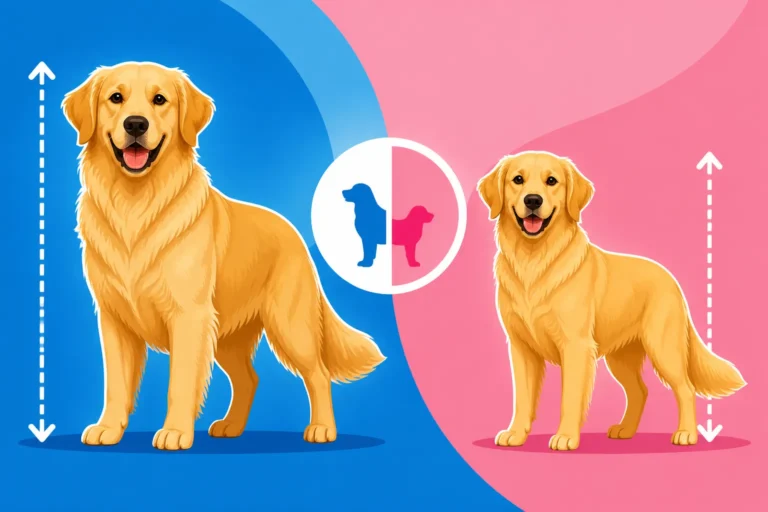
Golden Retriever Compared With Other Popular Breeds
Choosing a new dog is an exciting journey, but it can also be incredibly overwhelming, especially when you find yourself caught between a few breeds that all seem wonderful. If you're captivated by the Golden Retriever's famously friendly disposition and beautiful looks, you're probably also curious how they compare to other popular breeds you might be considering. This guide is here to help you navigate those comparisons, giving you a detailed look at how Golden Retrievers stack up against their canine counterparts in temperament, care, and overall lifestyle fit, ensuring you make the most informed decision for your family.
Why Compare Golden Retrievers to Other Popular Breeds?
It's easy to fall in love with the idea of a breed based on a picture or a quick online description. We've all been there, scrolling through adorable puppy photos and imagining that perfect life. However, bringing a dog into your home is a decade-plus commitment, and understanding the nuances between breeds—even seemingly similar ones—is absolutely crucial. A dog's breed influences everything from their daily exercise needs to their grooming routine, potential health issues, and how they interact with children or other pets. Skipping this vital comparison step can lead to frustration for both you and your future furry family member down the line.
Understanding Your Lifestyle Fit
Think about your daily life. Are you an avid hiker who spends weekends exploring trails, or do you prefer cozy evenings on the couch? Do you have young children, other pets, or an active social life with frequent visitors? All these factors play a significant role in determining which breed will truly thrive in your home. For example, a dog bred for high-energy fieldwork might be miserable in a quiet apartment with minimal outdoor access, just as a very sensitive breed might struggle in a boisterous, chaotic household. A Golden Retriever is renowned for its adaptability, but even they have their limits, and their specific needs might differ from, say, a herding breed or a companion lapdog. Understanding these differences upfront helps you avoid a mismatch that could result in behavioral problems or an unhappy dog.
Setting Realistic Expectations
Every breed comes with its own set of characteristics that are deeply ingrained from generations of selective breeding. While individual personalities vary, general breed traits like energy levels, vocal tendencies, and grooming requirements are quite consistent. Many people adopt a dog expecting a certain temperament only to be surprised when their energetic puppy chews through everything or requires far more exercise than they anticipated. Comparing breeds like the Golden Retriever to others helps you manage your expectations. You'll learn, for instance, about the typical Golden Retriever Temperament and Personality and how that might differ from a breed known for being more independent or assertive. This knowledge empowers you to prepare for the realities of dog ownership, from managing shedding to understanding typical training timelines, rather than being caught off guard by unexpected challenges. It's about finding a dog whose natural tendencies align with what you can realistically provide.
Golden Retriever Versus Labrador Retriever
This is perhaps the most common comparison, and for good reason! Both Goldens and Labs are immensely popular, friendly, intelligent, and famously good with families. They share a similar heritage as retrieving gun dogs, bred to work alongside hunters, patiently waiting and then retrieving downed game with a "soft mouth" (meaning they don't damage what they carry). However, there are distinct differences that can make one a better fit for your family than the other.
Temperament and Drive: Eager-to-Please Companions
While both breeds are incredibly friendly and eager to please, the subtle nuances in their temperament often come down to their original breeding purposes and how those traits have been emphasized. Golden Retrievers are often described as having a slightly softer, more sensitive disposition. They are deeply devoted to their families, often preferring to be involved in all household activities, sometimes to the point of being a bit "shadowy." They typically mature a little slower than Labs, retaining a puppy-like exuberance well into their adult years. A Golden's enthusiasm for life is infectious, but it also means they require consistent mental and physical stimulation. Labs, on the other hand, are often seen as a bit more boisterous and driven, particularly field-line Labs. They tend to have an even higher energy level and can be more independent in their drive, though still incredibly biddable. They possess an intense retrieving drive, often seeming to live for the next game of fetch. While both are excellent family dogs, a Golden might be slightly more content with cuddle time after a good walk, whereas a Lab might still be looking for a ball to chase.
Grooming and Shedding: Double Coats in Detail
Here's where a significant visual difference comes into play. Both Goldens and Labs have dense, water-repellent double coats, which means they both shed, and quite a bit! However, the type of coat varies. Golden Retrievers have a longer, flowing outer coat with feathering on their legs, tail, and chest. This beautiful coat requires more regular grooming to prevent mats and tangles, especially during their twice-yearly "coat blow" seasons when they shed heavily. Weekly brushing, sometimes daily during these periods, is essential to keep their coat healthy and reduce the amount of hair floating around your home. You'll want to invest in good brushes, and Chewy offers a wide selection of undercoat rakes and slicker brushes perfect for managing a Golden's luxurious locks. Golden Retriever Shedding and How to Manage It is a constant task. Labradors have a shorter, denser, and coarser coat that lies flat against their body. While it doesn't mat, it still sheds year-round, often in short, stiff hairs that can weave themselves into fabric. Labs generally require less intensive daily grooming than Goldens, but regular brushing is still key to managing their shedding and keeping their skin healthy.
Health Considerations: Shared Risks and Differences
Both Golden Retrievers and Labrador Retrievers are large, active breeds, and unfortunately, share some common health concerns that prospective owners should be aware of. Joint issues, particularly hip and elbow dysplasia, are prevalent in both breeds due to their size and genetics. Responsible breeders will perform Health Clearances a Golden Retriever Breeder Must Show to screen for these conditions, as well as eye and heart issues. Cancer is a significant concern for Golden Retrievers, tragically being the leading cause of death in the breed, with various forms like hemangiosarcoma and lymphoma being particularly common. Cancer in Golden Retrievers and Why the Breed Is Hit Hardest is a topic many Golden owners face. Labs are also susceptible to certain cancers, though perhaps not with the same devastating frequency as Goldens. Additionally, both breeds can be prone to obesity if overfed and under-exercised, which exacerbates joint problems. They can also face bloat, a life-threatening gastric condition, though deep-chested breeds like Goldens might be considered slightly more at risk.
Exercise and Training Needs: Working Breeds at Heart
As intelligent working breeds, both Goldens and Labs need substantial daily exercise and mental stimulation to be happy, well-adjusted companions. A bored Golden or Lab is often a destructive one! Golden Retrievers typically need at least an hour to two hours of moderate to vigorous exercise daily, which can include brisk walks, fetch, swimming, or active play. They excel in obedience, agility, and therapy work, thriving on having a "job" to do. Their eagerness to please makes them highly trainable, but consistency is key. Labs also require significant exercise, often leaning towards the higher end of the spectrum. Their boundless energy and retrieving instinct mean they can go, go, go for hours. They are phenomenal at dog sports, hunting trials, and even search and rescue. Both breeds benefit immensely from early socialization and consistent positive reinforcement Training a Golden Retriever From Puppy to Adult to harness their intelligence and prevent common behavioral issues like jumping or excessive chewing.
Suitability for Various Households
Both breeds are fantastic family dogs, known for their patience and gentleness with children. However, a Golden Retriever's slightly softer nature might make them marginally more tolerant of enthusiastic toddlers, though supervision is always paramount. Labs, with their slightly higher drive and boundless energy, might be better suited for families who lead a very active, outdoor lifestyle. For first-time dog owners, both are excellent choices due to their biddable nature and intelligence, but their exercise and training needs should not be underestimated. Neither breed is particularly suited to apartment living unless their owners are committed to providing ample daily outdoor activity. If you're looking for a devoted, gentle family companion who loves to be by your side and enjoys daily adventures, a Golden is a wonderful choice. If you want a robust, high-energy partner for intense outdoor sports and endless games of fetch, a Lab might be your go-to.
| Feature | Golden Retriever | Labrador Retriever |
|---|---|---|
| Temperament | Friendly, gentle, sensitive, devoted, eager-to-please, slower to mature | Friendly, outgoing, high-energy, confident, very driven |
| Coat Type | Long, feathery double coat | Short, dense, smooth double coat |
| Grooming Needs | High (daily/weekly brushing, prevents mats) | Moderate (regular brushing) |
| Shedding | Moderate to heavy year-round, heavy seasonal blow | Moderate to heavy year-round, shorter hairs |
| Exercise Needs | High (1-2 hours vigorous activity daily) | Very High (1.5-2+ hours vigorous activity daily) |
| Trainability | Excellent, highly biddable, intelligent | Excellent, intelligent, strong work ethic |
| Health Concerns | Cancer (high), Hip/Elbow Dysplasia, Heart Disease, Eye Conditions | Hip/Elbow Dysplasia, Obesity, Eye Conditions, Bloat |
| Family Fit | Excellent, patient with children, loves inclusion | Excellent, robust, active partner for families |
Golden Retriever Versus German Shepherd
Moving from one retrieving giant to another, let's look at the German Shepherd. This is a comparison of two very different types of working dogs, each with their own unique strengths and requirements. While both are incredibly intelligent and loyal, their inherent drives and temperaments create distinct experiences for their owners.
Temperament and Loyalty: Family Protectors Versus Friendly Greeters
Golden Retrievers are universally known for their friendly, outgoing nature. They typically greet strangers with a wagging tail and an open heart, often viewing everyone as a potential friend. Their loyalty is deep and unwavering towards their family, but it doesn't manifest as suspicion or protectiveness towards outsiders. They are more likely to retrieve a dropped item for a stranger than to guard you from them. Golden Retriever Temperament and Personality emphasizes their geniality. German Shepherds, by contrast, were bred for herding and protection work, and this heritage is deeply ingrained in their temperament. They are fiercely loyal and protective of their families, often forming an intense bond with one primary person. While they can be affectionate with their loved ones, they are typically reserved, watchful, and sometimes aloof with strangers. They possess a natural guarding instinct and a strong presence, making them excellent watchdogs and guardians, which is a stark contrast to the Golden's 'everyone's friend' demeanor.
Trainability and Work Ethic: Intelligence Applied Differently
Both breeds are highly intelligent and remarkably trainable, but they channel their intelligence in different ways. Golden Retrievers are motivated by praise, play, and food, and their desire to please their humans makes them respond very well to positive reinforcement. They excel in a wide array of activities, from obedience and rally to therapy work, because they love engaging with people. Their work ethic often centers around cooperation and a joyful approach to tasks. German Shepherds are also incredibly intelligent and possess an exceptional work ethic, often ranking high in working dog competitions, police work, and search and rescue. They thrive on clear structure, consistent leadership, and challenging tasks that engage both their mind and body. While they can learn complex commands and tasks rapidly, their training often requires a more firm, consistent, and experienced hand to channel their strong protective instincts and drive effectively. They need a job to do, and if one isn't provided, they will often create their own, which might not always align with your household rules.
Grooming and Shedding: Varying Coats and Maintenance
Like Golden Retrievers, German Shepherds also have a dense double coat designed for protection against the elements, and they are also significant shedders. Their coats can come in various lengths, from a standard medium-length coat to a long-haired variety, though the long-haired type is less common and often considered a fault in the show ring. The standard German Shepherd coat is generally straight and coarse, requiring regular brushing to remove loose hair and keep it healthy. They, too, experience seasonal "coat blows" where shedding intensifies. You can expect a steady stream of hair throughout the year. While a Golden's long feathering might be prone to mats if neglected, a German Shepherd's coat is more straightforward to maintain, though the sheer volume of shedding can be just as demanding. Regular use of a deshedding tool and vacuum cleaner is a must for both breeds.
Health Concerns: Hips, Elbows, and Beyond
Both breeds share a predisposition to hip and elbow dysplasia, which is a critical consideration for any large breed owner. Golden Retriever Hip and Elbow Dysplasia Explained delves into what to look for, and similar issues plague German Shepherds. Reputable breeders for both will have comprehensive health clearances for their breeding stock. However, German Shepherds are also particularly prone to degenerative myelopathy, a progressive neurological disease that affects the spinal cord and can lead to paralysis in the hind limbs. This condition is far less common in Golden Retrievers. On the flip side, while Goldens have a tragically high rate of cancer, German Shepherds are not generally considered to have the same breed-specific cancer rates, though any dog can develop cancer. Bloat is a concern for both deep-chested breeds. Early screening and careful selection of a breeder are paramount for both.
Lifestyle Match: Active Homes and Purpose-Driven Roles
For families, a Golden Retriever is often the quintessential choice for a gentle, playful, and affectionate companion who integrates seamlessly into family life. They thrive on being included in everything and are generally forgiving of typical family chaos. A German Shepherd, while deeply loyal to its family, requires an owner who understands their need for structure, purpose, and clear boundaries. They are not typically a "set it and forget it" dog and thrive in active homes where they are given consistent training, mental challenges, and a feeling of having a job to do. They can be excellent with children when raised with them and properly socialized, but their protective instincts mean they need careful management around strangers or unfamiliar situations. If you're an experienced dog owner looking for a devoted, intelligent partner for serious training, protection, or active sports, a German Shepherd could be a fantastic match. If you prioritize an overtly friendly, universally beloved family dog who adapts easily to various social situations, the Golden Retriever will likely be a better fit.
Golden Retriever Versus Poodle and Goldendoodle
Now we venture into a very different type of comparison, especially with the Poodle, and then its popular hybrid, the Goldendoodle. While the Golden Retriever's heritage is purely that of a sporting gun dog, Poodles have a more complex history, originally water retrievers but developed into elegant companion dogs, and Goldendoodles are a more recent phenomenon.
The Poodle: Intelligence, Elegance, and a Different Coat
The Poodle, whether Standard, Miniature, or Toy, is one of the most intelligent dog breeds in the world, often giving the Golden Retriever a run for its money in trainability. They are highly responsive, eager to learn, and excel in advanced obedience, agility, and even circus acts. Standard Poodles, in particular, are athletic and require significant exercise. Their temperament is generally proud, active, and very devoted to their families, but they can sometimes be a bit more reserved than a Golden with strangers. They don't have the same universal "golden charm" for everyone they meet, often preferring to observe before engaging. Goldens, in contrast, tend to dive in head-first with enthusiasm.
The Goldendoodle: Hybrid Vigor and Varied Traits
The Goldendoodle is a cross between a Golden Retriever and a Poodle, specifically bred to combine the friendly, gentle nature of the Golden with the Poodle's intelligence and low-shedding coat. The challenge with hybrid breeds is that their traits can be less predictable. You might get a dog that leans heavily towards its Golden parent in temperament and coat, or one that's more Poodle-like, or a mix of both. This unpredictability is often the biggest hurdle. While some Goldendoodles inherit the best of both worlds, others might not, leading to a wider range of temperaments and physical characteristics within the breed compared to a purebred Golden Retriever with its more consistent traits. Many Goldendoodle owners cherish their unique companions, but it's important to understand you're rolling the dice a bit more than with a purebred.
Grooming and Allergy Considerations
This is arguably the most significant differentiator. Golden Retrievers, with their dense double coat, are significant shedders and require regular, thorough grooming to manage their fur and prevent mats, especially during seasonal coat blows. Owners often joke about their "glitter" (golden hair) being everywhere. The Poodle, on the other hand, has a single coat of curly hair that grows continuously, similar to human hair. This coat sheds minimally (meaning the hair gets caught in the curls rather than falling out), making them a popular choice for people with dog allergies. However, this low-shedding coat comes with a trade-off: it must be professionally groomed every 6-8 weeks, or at home with considerable effort, to prevent severe matting. This grooming can be costly and time-consuming.
Goldendoodles can fall anywhere on this spectrum. Some have the Poodle's curly, low-shedding coat, while others have a wavier, "fleece" coat that might shed more, and some can even have a straighter coat closer to a Golden's. The amount of grooming needed varies greatly, as does their hypoallergenic potential. Even a low-shedding Goldendoodle will still require regular brushing and professional grooming to maintain their coat, often just as much as a Poodle. For severe allergy sufferers, a purebred Poodle is generally a safer bet than a Goldendoodle, as the Poodle's coat characteristics are more reliably passed down.
Temperament Blends and Predictability
A Golden Retriever's temperament is well-established: friendly, affectionate, patient, and eager to please. When you get a purebred Golden from a reputable breeder, you have a very good idea of the temperament you're bringing home. With Goldendoodles, the temperament can be a blend. They are generally intelligent, friendly, and social, aiming to please. However, because they are a mix, their personality traits can vary more. Some might be more reserved like some Poodles, while others might have the boundless, extroverted energy of a Golden. For example, some Goldendoodles might inherit a higher prey drive from the Poodle side (which was a hunting dog), or the more independent streak sometimes seen in Poodles, blending in unpredictable ways with the Golden's cooperative nature. Both Goldens and Poodles are excellent with children and make devoted family pets, and Goldendoodles generally follow suit, but the degree to which these traits express themselves can be less consistent in the hybrid.
Exercise and Mental Stimulation
All three breeds are intelligent and active, requiring significant exercise and mental stimulation. Golden Retrievers need their daily walks, games of fetch, and opportunities to swim or run. They love training and learning new tricks. Standard Poodles are surprisingly athletic and need similar levels of exercise to a Golden, enjoying long walks, running, and dog sports. They thrive on mental challenges, often outperforming many breeds in canine competitions. Goldendoodles, being a mix of these two active and intelligent breeds, also require substantial daily exercise and mental engagement. A bored Goldendoodle, like a bored Golden or Poodle, can become destructive or develop unwanted behaviors. They respond well to positive reinforcement training and enjoy activities that challenge their minds, whether it's puzzle toys (Chewy has great options for all breeds!), obedience classes, or advanced trick training. The key for all three is to provide an outlet for their intelligence and energy to ensure they are happy and well-behaved companions.
Golden Retriever Versus Bernese Mountain Dog
This comparison brings us to two large, affectionate breeds, but with very different histories, physical builds, and health considerations. While both are wonderful family dogs, their underlying needs and temperaments couldn't be more distinct.
Size and Physicality: Gentle Giants and Robust Retrievers
Bernese Mountain Dogs are true gentle giants. They are larger, more heavily built, and more muscular than Golden Retrievers, with a distinctly stocky and powerful appearance. Their presence is commanding, and they move with a characteristic slow, deliberate gait. Goldens, while substantial, are more agile and athletic, built for running, swimming, and retrieving. They possess a leaner, more fluid physique, designed for sustained activity. The Bernese's sheer size means everything from their food consumption to the space they need in your home or car is on a larger scale.
Temperament and Affection: Calm Companions Versus Energetic Friends
Golden Retrievers are renowned for their boundless enthusiasm, playful spirit, and unwavering friendliness. They are often described as "forever puppies" due to their joyful nature, which can extend well into adulthood. They are highly affectionate, thriving on human interaction and often acting as social butterflies with anyone they meet. Bernese Mountain Dogs, while equally affectionate and devoted to their families, have a much calmer, more laid-back demeanor. They are known for their gentle, sweet nature and their patience, especially with children. They are less boisterous than Goldens and tend to be more reserved with strangers, though not typically aggressive. A Berner might prefer a quiet cuddle session or a slow stroll to a vigorous game of fetch, which is a key distinction from the energetic Golden.
Health and Lifespan: Unique Challenges for Each
Here's a significant point of divergence. Golden Retrievers, as discussed, face high rates of cancer, which unfortunately impacts their average lifespan, bringing it into the lower double-digits. Golden Retriever Lifespan and What Shortened It is a critical read for potential owners. Bernese Mountain Dogs, sadly, have one of the shortest average lifespans among dog breeds, often only reaching 7-10 years. They are prone to a different set of severe health issues, including various aggressive cancers (histiocytic sarcoma, mast cell tumors, lymphoma), hip and elbow dysplasia (even more prevalent and severe due to their size), and heart conditions. Both breeds require diligent health screening from reputable breeders. The prospect of a shorter lifespan and higher incidence of serious genetic conditions is a significant factor to consider when choosing a a Bernese versus a Golden.
Grooming Needs: Heavy Coats, Different Requirements
Both breeds possess impressive double coats, but their grooming needs differ slightly. Golden Retrievers have their long, flowing feathered coats that require regular brushing to prevent mats and manage shedding. Bernese Mountain Dogs have a thick, long, tricolor double coat that is stunning but also requires substantial grooming. Their coat is often thicker and coarser than a Golden's, and they shed heavily year-round, with intense seasonal "blows." Daily brushing is often necessary to prevent mats, especially in their longer feathering, and to control the amount of hair in your home. You'll need durable grooming tools, which you can find readily on platforms like Chewy, to keep a Berner's coat in good condition. The sheer volume of their coat and the amount of shedding can be quite a shock if you're not prepared.
Activity Levels and Family Dynamics
A Golden Retriever needs vigorous daily exercise to channel its energy and intelligence. They are playful, love to run, swim, and engage in active games. They fit well into active families who enjoy outdoor adventures. Bernese Mountain Dogs, despite their size, have moderate exercise needs. They enjoy leisurely walks, playtime in the yard, and are generally not built for high-impact activities due to their heavy build and joint predispositions. They can overheat easily in warm weather. They thrive in homes where they are integrated into family life but are content with a calmer pace. They are incredibly patient with children, often acting as gentle, stoic companions. For a family looking for an energetic, endlessly playful companion to join them on hikes and runs, the Golden is the clear choice. For those who prefer a more serene, devoted, and undeniably gentle giant who will be a calm presence in the home, the Bernese Mountain Dog is a wonderful option, provided you are prepared for their significant health challenges.
Golden Retriever Versus Flat-Coated Retriever
Here we have a true comparison of cousins! The Flat-Coated Retriever shares a common ancestry with the Golden Retriever, both stemming from British retrieving stock. They look similar enough to be mistaken for each other by the untrained eye, but delve deeper, and you'll find distinct differences in temperament and certain physical characteristics.
Close Cousins: Similarities in Spirit
Like Golden Retrievers, Flat-Coated Retrievers were also bred as gun dogs, specifically to retrieve game from land and water. This shared heritage means they both possess that characteristic "eager-to-please" attitude, a strong retrieving instinct, and a joyful, optimistic outlook on life. Both breeds thrive on human companionship and are generally very friendly and social dogs. They share a similar intelligence and biddable nature, making them highly trainable for various dog sports and roles. For a family looking for a playful, affectionate, and active companion, both breeds offer much to love.
Physical Differences and Breed Standards
The most immediate difference is in their appearance, especially their coats. Golden Retrievers have a dense, water-repellent double coat that can range from light cream to a rich, dark golden, with noticeable feathering on the legs, tail, chest, and underside. The What the AKC Golden Retriever Breed Standard describes this in detail. Flat-Coated Retrievers, as their name suggests, have a sleeker, "flatter" coat that is dense and lies close to the body. They also have feathering, but it is typically less profuse than a Golden's, giving them a more streamlined silhouette. Their coat color is exclusively black or liver (a dark reddish-brown), never golden. Flat-Coats also tend to be a bit more lithe and slightly less heavily boned than many Goldens, giving them a more elegant, racy appearance. Their heads are often described as being a "one-piece" head, flowing smoothly from the back of the skull to the muzzle, without the distinct stop seen in many Goldens.
Temperament and "Forever Puppy" Syndrome
While both breeds are joyful, Flat-Coated Retrievers are famously known as the "Peter Pan" of the dog world, or the "forever puppy." They mature very slowly, retaining their boisterous, playful, and sometimes goofy puppy behavior for much longer than most breeds, often well into their adult years. This means an owner needs a tremendous amount of patience and a good sense of humor! Golden Retrievers certainly have their puppy moments and can be playful adults, but they generally settle into a more composed maturity sooner than a Flat-Coat. Flat-Coats tend to be even more excitable and exuberant than Goldens, often expressing their joy with whole-body wiggles and enthusiastic greetings. This high-energy cheerfulness, while endearing, also means they need consistent training and socialization to ensure their enthusiasm doesn't become overwhelming.
Grooming and Health: Distinctive Coats and Concerns
Both breeds have double coats and shed, but a Flat-Coat's grooming needs are slightly different from a Golden's. While a Golden's longer feathering requires diligent brushing to prevent mats, a Flat-Coat's flatter coat is less prone to severe matting but still requires regular brushing (2-3 times a week) to remove loose hair and keep it glossy. They, too, experience seasonal shedding.
In terms of health, both breeds share concerns like hip and elbow dysplasia, eye conditions such as Progressive Retinal Atrophy in Golden Retrievers, and patellar luxation. However, like their Golden cousins, Flat-Coated Retrievers also have a tragically high incidence of certain cancers, particularly osteosarcoma and hemangiosarcoma, which can significantly shorten their lifespan. This unfortunate shared vulnerability is a significant consideration for prospective owners of either breed. Responsible breeders for both Flat-Coats and Goldens will perform genetic testing and health clearances to minimize the risk of passing on these devastating diseases.
Finding the Right Retriever for You
If you're drawn to the classic, universally adored Golden Retriever, but perhaps want a dog with a slightly different look and an even more pronounced "forever puppy" personality, the Flat-Coated Retriever might be an exciting alternative. They require a very active household that can provide plenty of exercise, mental stimulation, and a consistent training regimen to channel their effervescent energy. They thrive on being involved in family activities and excel in dog sports. For owners who are prepared for a dog that stays mentally and physically immature for a longer period and can embrace their joyful exuberance, the Flat-Coat offers a wonderfully affectionate and engaging companionship experience, very similar in spirit to their Golden relatives but with their own unique flair.
Beyond the Comparisons: What Makes a Golden Truly Unique?
After diving into the comparisons, it's worth taking a moment to appreciate the intrinsic qualities that make the Golden Retriever stand out, not just against other breeds, but as a truly special companion. While other breeds may excel in certain areas, the Golden's combination of traits is uniquely endearing and universally beloved.
The Golden Retriever's Enduring Appeal
The Golden Retriever consistently ranks as one of the most popular dog breeds in the world, and this isn't just because of their stunning good looks. Their appeal is deeply rooted in their incredibly well-rounded temperament. They are the quintessential family dog, known for their unwavering patience with children, their gentle nature, and their boundless capacity for affection. They possess a natural optimism and a desire to please that makes them incredibly easy to live with for many households. Whether you're a first-time dog owner or have years of experience, a Golden's innate biddability and friendly disposition make them an approachable and rewarding companion. This enduring appeal isn't a fluke; it's a testament to generations of breeding for a harmonious balance of beauty, brains, and a truly golden heart.
The "Soft Mouth" and Innate Desire to Please
One of the most defining characteristics of the Golden Retriever, inherited from their retrieving ancestors, is their "soft mouth." This means they can carry objects, even fragile ones like an egg, without breaking them. While most Goldens aren't fetching eggs for you daily, this trait manifests in their gentle interaction with toys, their careful approach to play, and their general tenderness. It's a physical manifestation of their deeper desire to please and cooperate. This isn't just about training; it's an innate drive. A Golden wants to make you happy, to bring you things, to be part of your world in a harmonious way. This makes them incredibly responsive to training and deeply devoted companions. They thrive on positive reinforcement and will go to great lengths to earn a "good boy!" or a scratch behind the ears. This core trait makes living with a Golden a truly collaborative and joyful experience.
Intelligence and Adaptability
Golden Retrievers are highly intelligent dogs, capable of learning a vast array of commands and tasks. Their intelligence isn't just about memorization; it's about problem-solving, understanding human cues, and adapting to various situations. This mental acuity, coupled with their desire to please, makes them incredibly versatile. They excel not only as family pets but also as service dogs, therapy dogs, search and rescue dogs, and top competitors in obedience and agility. Their adaptability means they can thrive in diverse environments, from active suburban homes to more relaxed rural settings, as long as their core needs for exercise, mental stimulation, and companionship are met. They adjust well to changes in routine, new people, and different environments, making them excellent travel companions or therapy visitors. This blend of brains and brawn, wrapped in a friendly, adaptable package, is truly what sets the Golden Retriever apart.
Making the Right Choice for Your Household
Deciding on a dog breed is a huge commitment, and it's essential to look beyond the cute puppy pictures to really assess if a Golden Retriever or one of their popular counterparts is the right fit for your life. It's not just about what you want in a dog; it's about what you can realistically provide.
Assessing Your Time Commitment
Every dog needs time, but highly intelligent and social breeds like Golden Retrievers require a significant investment. They thrive on companionship and suffer if left alone for extended periods without engagement. Consider how much time you have for daily walks and vigorous exercise—Exercise a Golden Retriever Needs Each Day is substantial. Can you commit to consistent training sessions to keep their minds sharp and their manners impeccable? Think about the time needed for grooming, especially during peak shedding seasons. If you travel frequently or have long work hours, do you have a reliable support system for dog walking, daycare, or pet-sitting? Goldens flourish when they are an integral part of family life, not just an afterthought. If your schedule is already stretched thin, or if you're looking for a low-maintenance companion, a Golden Retriever's needs might feel overwhelming, and another breed might be a better fit, or perhaps an older, calmer rescue dog.
Evaluating Your Financial Resources
Bringing a Golden Retriever into your life is a significant financial undertaking, from the initial Golden Retriever Puppy Prices and What Drives Them to ongoing costs. Factor in high-quality food (you'll find plenty of options on Chewy), routine vet care, vaccinations, and parasite prevention. Don't forget training classes, which are invaluable for a Golden's development. And critically, consider the potential for unexpected medical expenses. Goldens are prone to certain health conditions, particularly cancer and joint issues, which can lead to substantial vet bills. Many owners wisely invest in pet insurance or create a dedicated emergency fund to cover these possibilities. Remember that preventing obesity is also key to their long-term health, as extra weight puts undue strain on their joints, so maintaining a Golden Retriever Body Condition Scoring is important for their well-being. Being financially prepared for both the everyday and the unexpected is crucial for responsible dog ownership.
Considering Your Home Environment
Your living space also plays a role in breed suitability. While Golden Retrievers can adapt to various homes, they are large dogs that appreciate space. A securely fenced yard is ideal for their exercise needs and safety, but not strictly necessary if you're committed to daily walks and park visits. How much shedding can you tolerate? Goldens shed a lot, and their long hair will be a constant presence on your floors, furniture, and clothes. Do you have children or other pets? Goldens generally integrate beautifully into multi-pet households and are famous for being gentle with kids, but proper introductions and supervision are always necessary. Are you prepared for the energy and exuberance of a Golden, especially during their extended puppy and adolescent phases? If you live in a very small apartment with limited outdoor access, or if you prioritize a spotless, hair-free home, you might find yourself happier with a different breed or a smaller, less energetic companion. Ultimately, choosing the right breed isn't about finding the "best" dog, but the best dog for you and your family.
Disclaimer
This article is for general informational purposes only and does not constitute professional advice. Laws, prices and regulations vary by location and change over time. Consult a qualified professional for guidance on your specific situation.