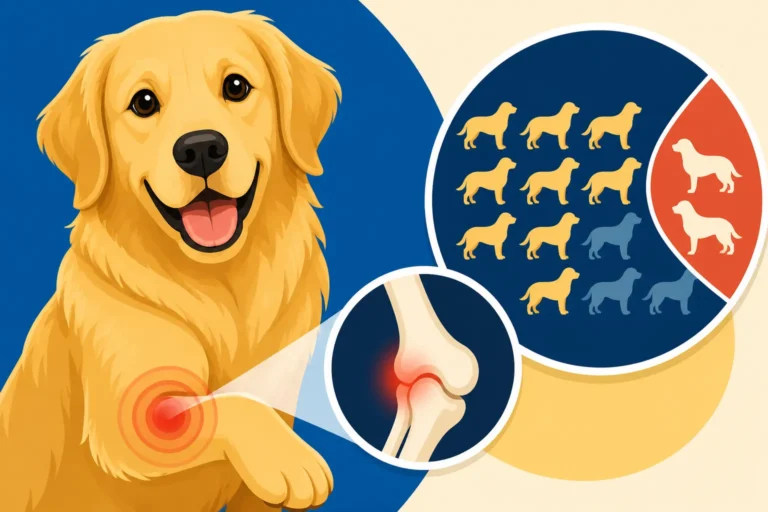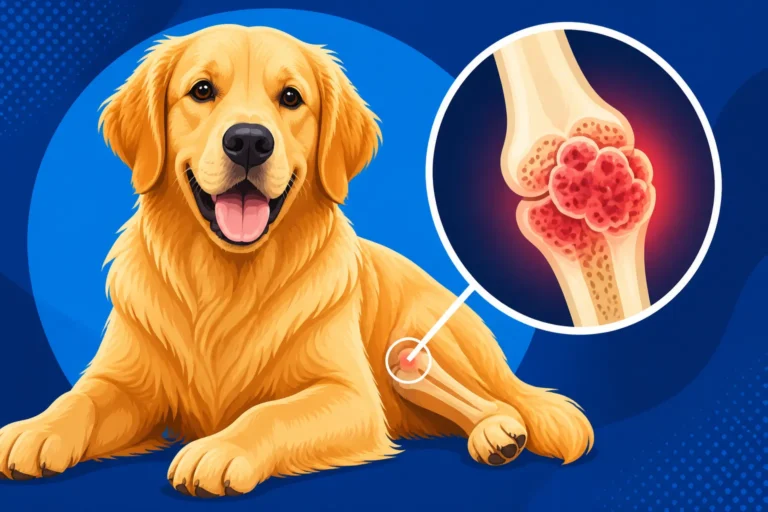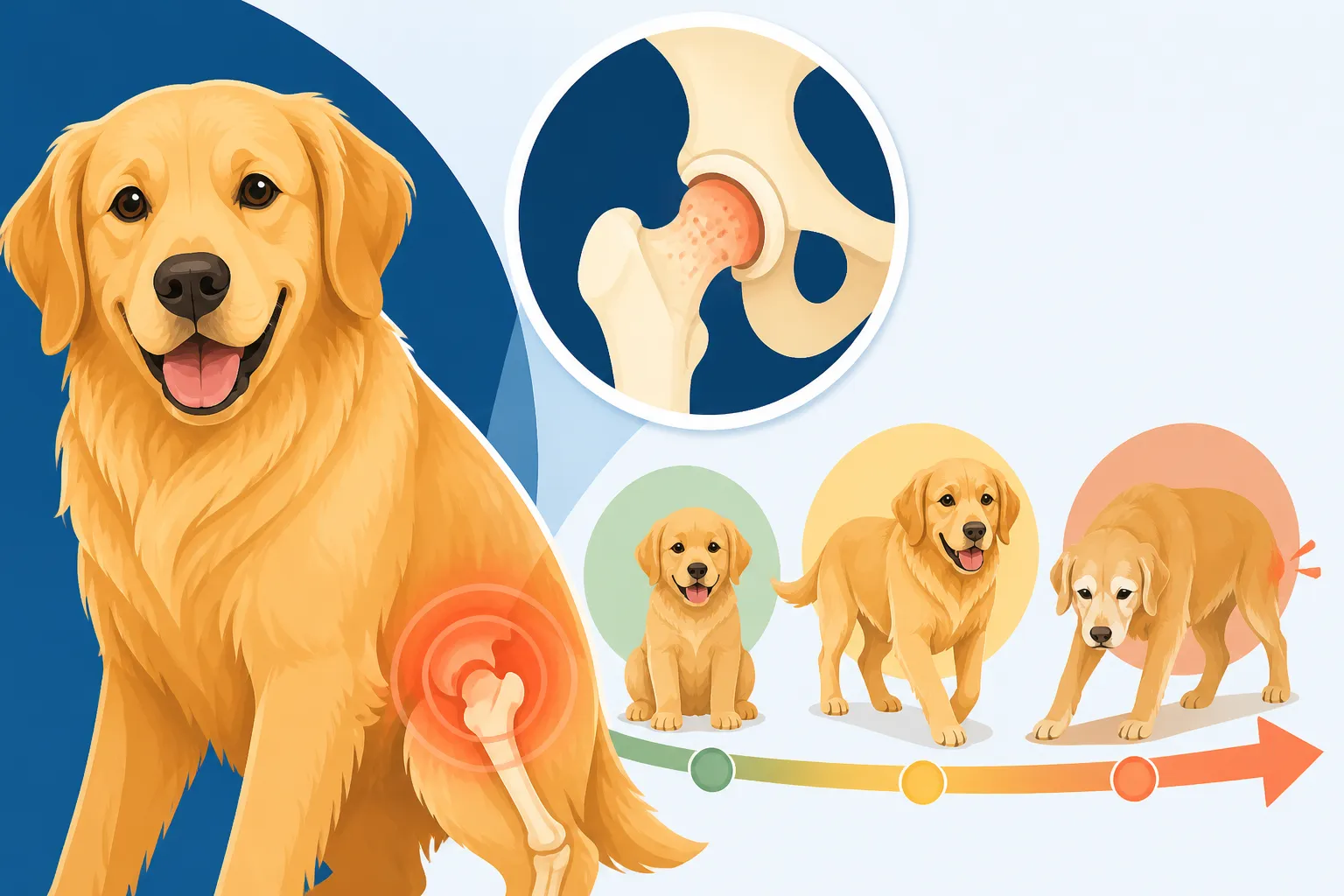
Golden Retriever Hip Dysplasia Symptoms by Age
It's heartbreaking to realize your beloved Golden Retriever might be struggling with pain, especially when the signs can be so subtle at first. Hip dysplasia is a common and often challenging condition that affects many Goldens, and catching the symptoms early can make a world of difference in their quality of life. This comprehensive guide is here to walk you through the various signs of hip dysplasia, broken down by age, so you can be an informed advocate for your furry family member.
Understanding Golden Retriever Hip Dysplasia
When you hear the term "hip dysplasia," it can sound pretty scary, and honestly, it is a serious condition. But understanding what's going on can help you navigate it with your Golden Retriever. It’s not just an "old dog" problem; it can start affecting them much earlier than you might think.
What Exactly is Hip Dysplasia?
At its core, hip dysplasia is a malformation of the hip joint. Think of your Golden’s hip as a ball-and-socket joint, much like our own. The "ball" is the head of the femur (thigh bone), and the "socket" is part of the pelvis, called the acetabulum. In a healthy hip, this ball fits snugly and moves smoothly within the socket, lubricated by synovial fluid. With hip dysplasia, this fit isn't quite right. The socket might be too shallow, or the ball might not be perfectly round, or both. This poor fit causes the joint to become loose, leading to abnormal wear and tear over time. This instability eventually results in the development of osteoarthritis, which is essentially the breakdown of the joint cartilage, causing pain, inflammation, and reduced mobility.
For a Golden Retriever, this means every step can be a struggle, and simple joys like running or jumping become painful chores. It’s a progressive disease, meaning it tends to get worse as your dog ages, making early detection and intervention all the more critical for managing their comfort and mobility.
The Genetic Predisposition in Goldens
It’s an unfortunate truth that Golden Retrievers, along with many other large breeds, are genetically predisposed to hip dysplasia. This isn't something that just happens by chance; there's a strong inherited component. If a Golden's parents or grandparents had hip dysplasia, their offspring are at a significantly higher risk of developing it. This is why it’s absolutely paramount to choose a reputable breeder who prioritizes the health of their breeding dogs.
A responsible breeder will screen their breeding stock for hip dysplasia, typically through organizations like the Orthopedic Foundation for Animals (OFA) or PennHIP evaluations. They should be transparent about the health clearances of their dogs, readily providing documentation that shows their hips are graded as "Fair," "Good," or "Excellent." If a breeder isn't willing to show you these certifications, or if they tell you their dogs are "vet checked" but don't have official clearances, that's a major red flag. Understanding Health Clearances a Golden Retriever Breeder Must Show is non-negotiable for anyone considering bringing a Golden puppy home. While genetics play a huge role, environmental factors like rapid growth, excessive exercise at a young age, and obesity can exacerbate the condition, making it appear worse or sooner than it might otherwise.
Spotting Early Signs in Golden Retriever Puppies and Juveniles
One of the toughest parts about hip dysplasia is that the earliest signs in puppies and young Goldens can be incredibly subtle, or even masked by their puppy energy. It's not always a sudden limp; sometimes it's a gradual change in how they move or play that only a vigilant owner will notice.
Subtle Clues in Young Pups (Under 6 months)
When your Golden Retriever puppy is small, typically under six months old, you might notice very faint indicators. They may not show overt lameness, but perhaps a slight hesitation when they want to jump up on the couch or climb a single step. You might see them favor one leg ever so slightly after a burst of play, or they might appear a bit stiff when they first wake up from a nap. These can be easily dismissed as "just puppy antics" or soreness from growing, but it’s worth noting.
For instance, you might observe your pup playing vigorously with another dog, but then when it's time to slow down, they seem to sit or lie down more awkwardly than you'd expect. Or perhaps they're not as enthusiastic about running or retrieving a toy across the yard as their littermates or other puppies their age. While a burst of energy followed by a brief rest is normal, an unusual reluctance to resume play or an uncharacteristic stiffness should pique your attention.
Developing Symptoms in Growing Goldens (6-18 months)
As your Golden Retriever grows into adolescence, between six and eighteen months, the signs of hip dysplasia often become more pronounced, though they can still be intermittent. One of the classic, yet often misunderstood, signs is the "bunny hopping" gait. Instead of using their back legs independently, they’ll move both hind legs together, almost like a rabbit hopping, to minimize weight bearing on the painful hip joints. You might also notice them struggling significantly with stairs, either refusing them or climbing very slowly and deliberately.
Their overall activity level might start to decrease. That once boundless energy could be replaced by more frequent rests or a general reluctance to engage in strenuous play. You might also observe muscle loss in their hindquarters, making their rear look less developed than their front. This is because they're subconsciously shifting weight forward to avoid pain in their hips. When you gently palpate their hip area, they might flinch or show signs of pain. It’s a good idea to discuss these observations with your vet. If diagnostic tests are recommended, having pet insurance like Healthy Paws can be a tremendous help in covering the costs, especially for chronic conditions like hip dysplasia. Their normal enthusiastic wag might still be there, but their body language in movement could tell a different story.
Recognizing Symptoms in Adult Golden Retrievers
Once your Golden Retriever reaches adulthood, typically after 18 months and up to around seven years of age, the symptoms of hip dysplasia are usually more apparent. This is often when the secondary osteoarthritis has begun to really set in, causing more persistent pain and functional limitations.
Chronic Pain and Mobility Challenges (18 months to 7 years)
In adult Golden Retrievers, chronic pain often manifests as a noticeable limp, particularly after exercise or after prolonged periods of rest. Waking up in the morning or after a long nap can be a struggle; they might take several minutes to gingerly get to their feet, looking stiff and uncomfortable. They might visibly favor one leg over the other, or shift their weight continuously when standing to alleviate pressure on a painful hip.
Their once graceful, powerful gait might become shorter, choppier, or even wobbly. Activities they once loved, such as chasing a ball, going for a brisk run, or jumping into the car, become difficult or are outright refused. You might see them try to stand on only three legs for brief moments to relieve discomfort. Observe their hindquarters closely; often, there will be a clear reduction in muscle mass in the affected leg or legs, as they are not using them as much. This muscle atrophy can be compounded if your Golden is carrying extra weight, which only puts more strain on compromised joints. In fact, understanding Golden Retriever Weight and Joint Damage is crucial for mitigating progression.
Behavioral Shifts and Lifestyle Impact
Beyond the physical signs, hip dysplasia in adult Goldens can lead to significant behavioral changes. Chronic pain is exhausting and can make even the most cheerful Golden irritable or withdrawn. They might become less tolerant of petting or touching around their hip area, sometimes even snapping if the pain is severe. You might notice them isolating themselves more, choosing to lie quietly instead of engaging with the family.
Many Goldens will resort to self-soothing behaviors, such as excessive licking, chewing, or grooming around their hips and flanks. This constant attention to the painful area can sometimes lead to skin irritation or hot spots. The joy they once took in daily activities might diminish; a dog that used to live for fetch might now only watch the ball roll by. They may also show reluctance to get into situations where they might slip or fall, such as on hardwood floors, or avoid interactions with other dogs if it involves rough play that exacerbates their pain. These changes aren't "bad behavior"; they're often a direct result of their discomfort and an attempt to manage their pain.
Advanced Symptoms in Senior Golden Retrievers
For our senior Golden Retrievers, hip dysplasia can become a debilitating condition, significantly impacting their comfort and overall quality of life. At this stage, the chronic wear and tear have often led to severe osteoarthritis, and management becomes focused on pain relief and maximizing their remaining mobility.
Exacerbated Pain and Decreased Function (8+ years)
In Goldens eight years and older, the symptoms of hip dysplasia are typically much more severe and constant. You might observe profound lameness, where walking becomes a struggle, and they move with extreme stiffness and difficulty. Getting up from a lying position can take a considerable amount of time and effort, sometimes involving groaning or visible discomfort. They might drag their feet or stumble more frequently, and their back legs may cross or buckle under them. These are often the same Arthritis Signs in an Eight-Year-Old Golden that indicate significant joint degradation.
Muscle atrophy in the hindquarters becomes even more pronounced, making their back legs look noticeably thinner and weaker compared to their front. They may compensate by carrying more weight on their front legs, which can lead to other issues like elbow pain or shoulder strain. In advanced stages, some Goldens may even lose control of their bladder or bowels due to difficulty getting up quickly enough to relieve themselves, or nerve impingement. Their appetite might decrease due to constant pain, and their overall demeanor could shift from joyful to subdued.
Impact on Quality of Life and Daily Care
At this advanced stage, the impact on a senior Golden's quality of life is undeniable. Simple daily tasks, like navigating the home, going outside for potty breaks, or even repositioning themselves in bed, become monumental challenges. You might find them spending most of their time lying down, preferring not to move at all. Pressure sores can develop on their elbows or hips from prolonged lying on hard surfaces, requiring extra vigilance and comfortable bedding.
Owners often need to provide physical assistance, such as helping them stand up with a sling or a towel under their belly, or guiding them up and down steps with a ramp. It’s a time when you really need to consider what’s best for their comfort and dignity. These difficult discussions, including End-of-Life Decisions for a Golden Retriever, become more frequent as you strive to alleviate their suffering. Providing mobility aids, ensuring easy access to food and water, and considering things like elevated bowls can all contribute to making their remaining years as comfortable as possible.
The Diagnostic Process for Hip Dysplasia
If you've noticed any of these symptoms in your Golden Retriever, the next crucial step is a veterinary visit. Don't try to guess or self-diagnose; a professional assessment is vital for an accurate diagnosis and appropriate treatment plan.
Initial Vet Examination and Red Flags
Your veterinarian will start with a thorough physical examination. This isn’t just a quick look-over; they will carefully palpate your Golden's hips, feeling for any instability, grinding, or pain response. They’ll also assess their range of motion, gently extending and flexing their hip joints, observing for any stiffness, discomfort, or reduced flexibility. Your vet might perform a specific test called the Ortolani sign, which involves manipulating the hip joint to check for laxity, a hallmark of hip dysplasia.
During this examination, your vet will also observe your Golden’s gait, looking for lameness, bunny hopping, or any compensatory movements. They’ll ask you detailed questions about the symptoms you’ve observed: when they started, what makes them worse or better, changes in activity level, and any behavioral shifts. Based on their findings and your input, if hip dysplasia is suspected, the next step will almost certainly involve diagnostic imaging. Remember, if these vet visits or potential treatments start adding up, having pet insurance like Healthy Paws can significantly ease the financial burden, allowing you to focus on your Golden's care.
Imaging and Official Certifications
The definitive diagnosis of hip dysplasia relies on X-rays. These images allow the veterinarian to visualize the hip joint structure, evaluate the congruence of the ball and socket, and assess for any signs of osteoarthritis. To get clear, accurate X-rays, your Golden Retriever will usually need to be sedated. This ensures they are perfectly still and relaxed, allowing for precise positioning and optimal image quality.
There are two primary methods for evaluating hip health through X-rays in the United States: the Orthopedic Foundation for Animals (OFA) and PennHIP. Both provide valuable information, but they differ in their approach and when they can be performed. OFA evaluations typically require dogs to be at least two years old for final certification, as the hips need to be fully developed to give a true assessment. You can learn more about Why OFA Waits Until Two Years to Certify and how to interpret the results by understanding Reading an OFA Certificate for a Golden Retriever. PennHIP, on the other hand, can assess hip laxity as early as 16 weeks of age, providing an earlier indicator of risk. Understanding the differences between PennHIP Versus OFA for a Golden Retriever can help you and your vet decide the best course of action. These certifications are not just for breeders; they are critical tools for owners to understand the extent of their dog’s condition.
Managing Hip Dysplasia and Improving Quality of Life
Once hip dysplasia is diagnosed, the focus shifts to managing the condition and ensuring your Golden Retriever maintains the best possible quality of life. This can involve a multi-faceted approach, combining conservative therapies, and in some cases, surgical intervention.
Conservative Management Strategies
For many Golden Retrievers, especially those with mild to moderate hip dysplasia, conservative management can be very effective in controlling pain and maintaining mobility. The absolute cornerstone of conservative management is weight control. Keeping your Golden at a lean, healthy weight dramatically reduces the stress on their already compromised joints. Even a few extra pounds can make a significant difference in their pain levels. This ties directly into topics like How Extra Pounds Damage a Golden Retriever's Hips.
Regular, moderate exercise is also key. This means low-impact activities like swimming or controlled leash walks, rather than high-impact running or jumping that can aggravate the hips. Anti-inflammatory medications, such as NSAIDs (non-steroidal anti-inflammatory drugs) prescribed by your vet, are often used to manage pain and inflammation. Joint supplements containing ingredients like glucosamine, chondroitin, and omega-3 fatty acids can also support joint health and comfort. You can explore Managing Golden Retriever Hip Dysplasia Without Surgery for more in-depth non-surgical approaches. Additionally, physical therapy, including hydrotherapy (underwater treadmill), therapeutic exercises, and massage, can build muscle strength around the joint, improve range of motion, and reduce pain. Many Goldens benefit immensely from a tailored physical therapy program, which is detailed further in Physical Therapy for a Golden Retriever With Bad Hips.
Surgical Options and Advanced Treatments
When conservative methods no longer adequately control pain or if the dysplasia is severe, especially in younger dogs, surgical intervention might be considered. The goal of surgery is to either improve joint function, eliminate pain, or both. One common procedure is a Femoral Head Ostectomy (FHO), where the head of the femur is removed, allowing a "false joint" to form. This is often an option for smaller or less active dogs, or when cost is a major concern.
For more severe cases, or in younger dogs with significant laxity, a Triple Pelvic Osteotomy (TPO) or Double Pelvic Osteotomy (DPO) may be performed, which involves cutting and rotating parts of the pelvis to improve the fit of the hip joint. The most comprehensive surgical solution is a Total Hip Replacement (THR), where the entire diseased joint is replaced with artificial implants. This offers the best long-term outcome for eliminating pain and restoring function, but it's also the most expensive and involves a significant recovery period. Exploring Golden Retriever Hip Surgery Costs and Options will give you a clearer picture of what these procedures entail financially and medically. The recovery after any hip surgery is extensive, often requiring weeks or months of strict rest and rehabilitation, and having comprehensive pet insurance like Healthy Paws can be a lifesaver for these extensive treatments.
Long-Term Care and Support
Living with a Golden Retriever with hip dysplasia means committing to long-term care and adaptations. This includes making modifications around your home to ensure their comfort and safety. Ramps can help them get into vehicles or onto furniture, reducing the strain of jumping. Non-slip rugs on slick floors can prevent falls, and orthopedic dog beds provide crucial support for their aching joints.
Regular veterinary check-ups are essential to monitor the progression of the disease, adjust pain management protocols as needed, and address any new issues. These routine visits, often twice a year, as discussed in Why Goldens Need Vet Visits Twice a Year, allow your vet to stay ahead of the condition. As an owner, your observation and advocacy are paramount. You are your Golden’s voice. Noticing subtle changes and communicating them to your vet can make a big difference in keeping them comfortable and happy. It's a journey, but with dedication and informed care, you can ensure your beloved Golden Retriever lives their best possible life, even with hip dysplasia.
| Age Group | Common Hip Dysplasia Symptoms |
|---|---|
| Puppies (0-6 months) | – Subtle lameness or limping after play – Reluctance to play as vigorously or for as long as littermates – Mild stiffness after resting – Slight hesitation with jumping or climbing small obstacles – Unwillingness to bear weight on one leg for brief moments – Unusual sitting positions (e.g., "frog-sitting") |
| Juveniles (6-18 months) | – "Bunny hopping" gait (moving both hind legs together) – Difficulty or hesitation with stairs, jumping, or getting into a car – Noticeable stiffness after exercise or rest – Decreased activity level and exercise intolerance – Pain response when hips are touched or manipulated – Mild to moderate hindquarter muscle atrophy – Shifting weight to front limbs when standing |
| Adults (18 months-7 years) | – Persistent limping or lameness, especially after activity or rest – Difficulty rising from a lying position, taking time to "warm up" – Noticeable stiffness and reduced range of motion in hips – Reluctance to run, jump, or play – Significant muscle loss in hindquarters – Changes in gait (e.g., shorter stride, wobbly walk) – Increased irritability or withdrawn behavior due to pain – Licking, chewing, or excessive grooming of hip area – Groaning or vocalizing when moving |
| Seniors (8+ years) | – Severe, constant lameness and stiffness – Extreme difficulty getting up, often requiring assistance – Significant hindquarter muscle atrophy, often with weakness – Stumbling, dragging feet, or crossing of back legs – Pain-induced loss of appetite or general malaise – Incontinence due to inability to posture or get up quickly – Reluctance to move at all, preferring to lie down – Development of pressure sores from prolonged recumbency – Visible signs of discomfort even at rest, sometimes whimpering or restlessness |
Disclaimer
The information provided in this article is for general informational purposes only and is not intended as a substitute for professional veterinary advice. Always consult with a qualified veterinarian regarding any health concerns or before making any decisions about your Golden Retriever's medical care.