Elbow Dysplasia in Golden Retrievers
There are few things more heartbreaking than watching your energetic Golden Retriever, full of life and joy, suddenly slow down or show signs of discomfort. Elbow dysplasia is a common, often inherited condition that can severely impact a Golden's mobility and quality of life, leading to pain and lameness even in young dogs. This comprehensive guide will walk you through everything you need to know about elbow dysplasia in Golden Retrievers, from understanding what it is to managing its effects and working towards prevention.
What Exactly Is Elbow Dysplasia?
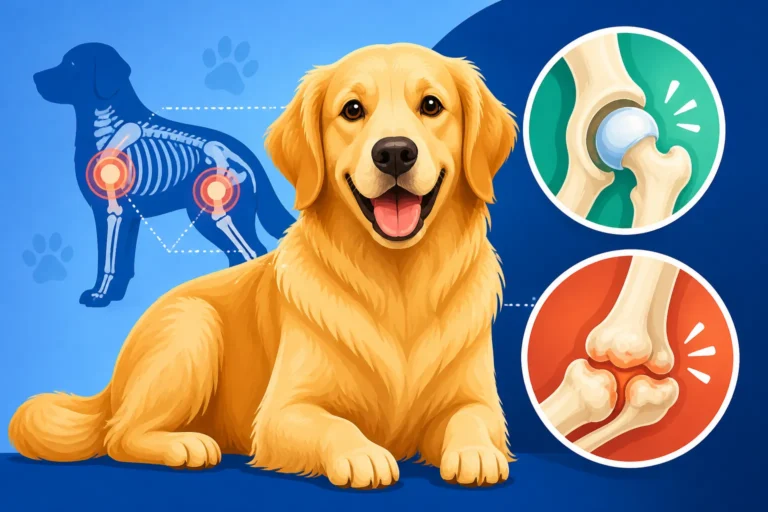
Elbow dysplasia, or ED, isn't just one single condition, but rather a catch-all term for a collection of developmental abnormalities that affect the elbow joint in growing dogs. For Golden Retrievers, it’s unfortunately a very common orthopedic issue that can cause significant pain and lead to degenerative joint disease, like arthritis, if not addressed. Understanding the complex anatomy of the elbow helps shed light on why these issues arise.
Understanding the Joint
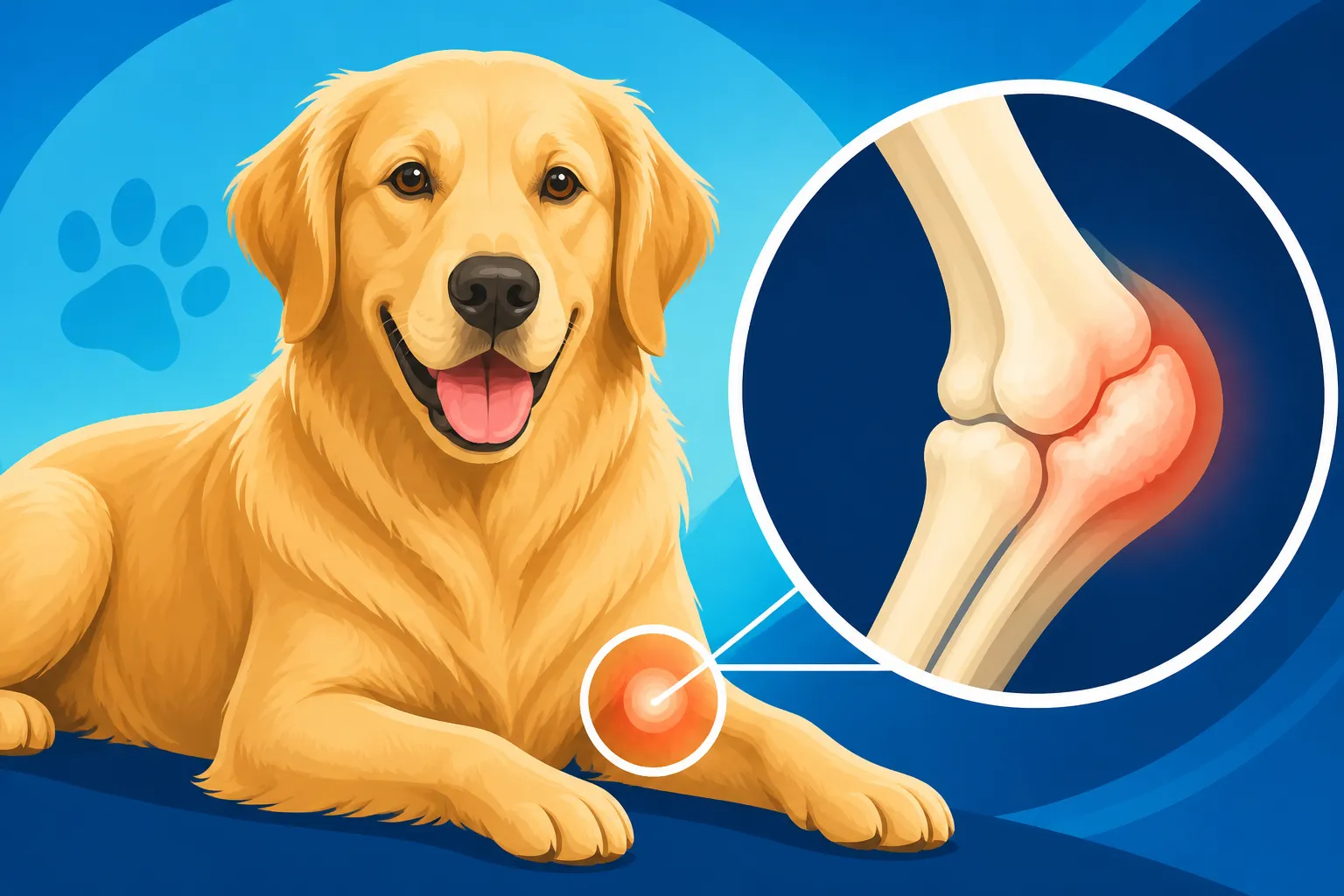
The canine elbow is a surprisingly intricate joint, formed by three bones: the humerus (the upper arm bone), the radius, and the ulna (the two forearm bones). These three bones need to fit together perfectly, articulating smoothly to allow for a full range of motion. The joint surfaces are covered in cartilage, providing a cushioned, low-friction environment for movement. Ligaments and muscles surround the joint, offering stability and power. When any part of this delicate interplay doesn't develop correctly, the smooth motion is disrupted, leading to abnormal wear and tear, inflammation, and pain. It's not just a matter of bone shape; the rate at which these bones grow and mature plays a critical role, and slight discrepancies can have major consequences.
The Different Manifestations of ED
Because "elbow dysplasia" is a syndrome, it can manifest in several ways, often simultaneously. The four main components are:
- Fragmented Coronoid Process (FCP): This is one of the most common forms in Golden Retrievers. The coronoid process is a small projection on the ulna bone. With FCP, a piece of this process breaks off, causing irritation, pain, and damage to the cartilage in the joint. Imagine a tiny shard of bone rubbing where it shouldn't be.
- Ununited Anconeal Process (UAP): The anconeal process is another bony protrusion on the ulna. Normally, it fuses with the rest of the ulna around 4-5 months of age. If it fails to fuse, it becomes a loose bone fragment within the joint, causing instability and pain.
- Osteochondritis Dissecans (OCD) of the Medial Humeral Condyle: This involves a defect in the cartilage lining the end of the humerus. A flap of cartilage may separate from the underlying bone, leading to inflammation and pain. If the flap detaches completely, it becomes a "joint mouse," a free-floating piece of cartilage within the joint.
- Elbow Incongruity: This occurs when the three bones forming the elbow joint don't fit together perfectly. The radius and ulna might be different lengths, or the joint surfaces might not align properly. This mismatch creates abnormal pressure points and uneven weight distribution, accelerating wear and tear.
These conditions can occur individually or in various combinations, making each case of elbow dysplasia unique and often complex. The underlying issue in all of them is abnormal stress on the joint, which leads to cartilage damage, bone changes, and ultimately, arthritis.
Why Goldens Are So Prone
Golden Retrievers, along with other large and giant breeds like Labrador Retrievers and German Shepherds, are particularly susceptible to elbow dysplasia. This predisposition is largely genetic, meaning it can be passed down from parents to their offspring. While genetics play the most significant role, environmental factors during rapid growth in puppyhood can also contribute. Things like excessive or inappropriate exercise, an imbalanced diet (especially too much calcium or too rapid growth), and even obesity can exacerbate a genetic predisposition or worsen the progression of the disease. It’s a sad reality that despite their generally robust nature, Goldens carry this vulnerability. This is why understanding Golden Retriever Hip and Elbow Dysplasia Explained is so crucial for prospective and current owners.
Recognizing the Early Signs and Symptoms
Catching elbow dysplasia early can make a significant difference in managing the condition and preserving your Golden's quality of life. However, the signs can be incredibly subtle, especially in stoic breeds like Goldens who might try to hide their pain. It often requires a keen eye and a good understanding of what "normal" Golden Retriever puppy behavior looks like.
Subtle Cues in Puppies and Young Dogs
Many Golden Retrievers with elbow dysplasia begin to show symptoms between 4 and 12 months of age, during their rapid growth phase. Initially, these might be easily dismissed as normal puppy clumsiness or fatigue. You might notice a slight, intermittent lameness, especially after periods of rest following play. Perhaps your puppy is reluctant to jump off furniture or avoids stairs, whereas their littermates might bound around without a care in the world. They might sit or lie down in unusual positions to relieve pressure on the affected elbow. For instance, a puppy might hold one elbow slightly away from their body or favor one limb by shifting their weight to the other. Pay close attention if your puppy seems to be "bunny hopping" with their front legs, similar to how dogs with hip issues sometimes use their hind legs, or if they have a stiff gait when they first get up.
Another subtle sign could be a change in how they interact with toys or how they carry objects. Golden Retrievers are known for their retrieving instinct and soft mouths. If your puppy drops things frequently, chews only on one side of their mouth, or seems less enthusiastic about carrying their favorite toy, it could be a sign of discomfort radiating from an elbow. Owners often mistake these as behavioral quirks rather than indicators of pain.
Noticeable Lameness and Pain Indicators
As the condition progresses, the signs become more overt. Persistent lameness, particularly after exercise, is a hallmark symptom. This lameness might be more pronounced in one front leg, but often affects both to varying degrees, making it harder to spot a distinct limp. You might see your Golden favoring a limb, putting less weight on it. They may also develop a stiff, choppy gait, especially after resting or first waking up. Imagine yourself trying to walk with a sore elbow – you'd naturally try to stiffen it to avoid pain.
Direct signs of pain include yelping when the elbow is touched, or pulling away sharply if you try to manipulate the joint. Swelling around the elbow joint can sometimes be palpable, and the area might feel warm to the touch due to inflammation. Some dogs might develop a grinding or clicking sound (crepitus) when the joint moves, indicating bone-on-bone friction or cartilage damage. They may also show a reduced range of motion in the affected limb, struggling to fully extend or flex the elbow. Don't dismiss these as simple growing pains; Golden Retrievers are prone to hiding discomfort, so any overt signs warrant immediate veterinary attention. These could also be important Golden Retriever Cancer Warning Signs to Watch For, so always consult a vet.
Behavioral Changes to Watch For
Pain, whether chronic or intermittent, can lead to significant behavioral changes in any dog, and Golden Retrievers are no exception. An otherwise playful and outgoing Golden might become withdrawn, less enthusiastic about walks, or refuse to play fetch—activities they usually adore. They might become irritable or even snap if approached or touched in a way that exacerbates their pain, which can be particularly distressing for families with children. If your Golden is usually a snuggle bug but suddenly flinches when you pet their shoulder or chest, it’s a huge red flag.
You might also notice a decrease in their overall activity level. A Golden Retriever who used to love long hikes or vigorous games of fetch might now prefer shorter, slower walks or simply lounging around. They might struggle to get up from a lying position, especially on slippery floors, or show hesitation before navigating stairs or jumping into the car. These subtle shifts in personality and routine are often the earliest and most telling indicators that something deeper is amiss. Keeping a close watch on these behavioral nuances is crucial for identifying when your beloved companion is truly hurting. For deeper insight into general discomfort, consider reading Signs a Golden Retriever Is in Pain.
Diagnosing Elbow Dysplasia
When you notice any of the concerning signs, your first and most important step is a visit to your veterinarian. Diagnosing elbow dysplasia can sometimes be straightforward, but it often requires a methodical approach, combining a thorough physical examination with advanced imaging techniques. Early and accurate diagnosis is key to formulating an effective management plan.
The Vet Exam and Palpation
Your veterinarian will begin with a comprehensive physical examination, which includes observing your Golden's gait and posture. They'll watch how your dog walks, runs, sits, and stands. They'll also carefully palpate, or feel, all the joints, paying particular attention to the elbows. During palpation, the vet will be checking for several things: swelling, warmth, pain responses, and any grinding or clicking sounds (crepitus) within the joint. They will also assess the range of motion in each elbow, noting any stiffness or discomfort when the joint is flexed or extended.
A common maneuver during this exam is the "elbow extension test," where the vet will gently extend the elbow to its full range. Dogs with elbow dysplasia often show pain or resistance during this movement. They might also apply pressure to specific areas around the elbow to pinpoint the exact source of discomfort. While a physical exam provides strong clues, it’s usually not enough for a definitive diagnosis or to determine the specific type and severity of elbow dysplasia. This is especially true since Goldens can be quite stoic and hide their pain, requiring a skilled and experienced vet to pick up on subtle cues.
Radiographs and Advanced Imaging
To confirm the diagnosis and identify the specific components of elbow dysplasia, radiographic imaging (X-rays) is essential. Standard X-rays of the elbows are typically taken from several different angles, often with the dog sedated or anesthetized to ensure proper positioning and minimize discomfort. These images allow the vet to visualize the bones and joint spaces, looking for abnormalities like bone fragments (FCP, UAP), signs of osteochondrosis, or incongruity in the joint surfaces. Your vet will specifically be looking for osteophytes, which are bony spurs that indicate the presence of arthritis, a common secondary condition to ED.
For more detailed assessment, especially when X-rays are inconclusive or surgery is being considered, your vet might recommend advanced imaging techniques. These include:
- CT (Computed Tomography) Scan: A CT scan provides a much more detailed, three-dimensional view of the bones and joint structures. It's particularly effective at identifying small bone fragments like FCP that might be missed on standard X-rays. Many orthopedic specialists rely on CT scans for surgical planning.
- MRI (Magnetic Resonance Imaging): While less commonly used for elbow dysplasia itself, an MRI can provide excellent detail of soft tissues, including cartilage, ligaments, and tendons. It might be recommended if there's suspicion of soft tissue injury alongside the bony abnormalities.
- Arthroscopy: This is a minimally invasive surgical procedure where a tiny camera is inserted into the joint. It allows the veterinarian or orthopedic specialist to directly visualize the cartilage and joint structures, remove loose fragments, and assess the extent of the damage. Arthroscopy is both diagnostic and often therapeutic.
These advanced imaging options can be costly, but they provide invaluable information for precise diagnosis and effective treatment planning. This is where pet insurance, like a policy from Healthy Paws, can be incredibly beneficial for managing the financial burden, as these diagnostic tools and subsequent treatments can quickly add up.
Understanding the Grading System
Once radiographs are taken, they are often submitted to an organization like the Orthopedic Foundation for Animals (OFA) for evaluation and grading. The OFA provides a standardized scoring system for elbow dysplasia, which is crucial for breeders aiming to reduce the incidence of ED in their lines. It’s also vital for owners to understand what these grades mean.
The OFA elbow grades are:
| OFA Elbow Grade | Description | Implications |
|---|---|---|
| Normal | No evidence of elbow dysplasia. Smooth joint surfaces and congruent alignment. | The best possible result. Indicates a genetically sound elbow. Goldens with normal elbows are recommended for breeding, assuming other health clearances are also good. |
| Grade I | Mild elbow dysplasia. Minimal arthritic changes (osteophytes) of 1-3 mm. | Indicates the presence of elbow dysplasia, though often mild. Dogs may or may not show clinical signs. Breeding is not recommended by OFA standards, as the condition can still be passed on. |
| Grade II | Moderate elbow dysplasia. Moderate arthritic changes (osteophytes) of 3-5 mm. | Clearly evident elbow dysplasia. Dogs will likely show clinical signs of pain and lameness. Breeding is strongly discouraged. |
| Grade III | Severe elbow dysplasia. Severe arthritic changes (osteophytes) of greater than 5 mm, often with primary lesions. | Severe elbow dysplasia with significant joint degeneration. Dogs will almost certainly experience chronic pain and lameness, requiring extensive management. Breeding is absolutely not recommended. |
The OFA only certifies elbows as "Normal" if they show no signs of dysplasia. Dogs with Grade I, II, or III are considered dysplastic. This grading system is an invaluable tool for responsible breeders, who should always be transparent about the elbow clearances of their breeding dogs. When looking for a puppy, always ask to see the OFA elbow certifications for both parents, ensuring they are listed as "Normal." For more on health clearances, see Health Clearances a Golden Retriever Breeder Must Show.
Management and Treatment Options
Discovering your Golden Retriever has elbow dysplasia can be distressing, but it's important to remember that there are many ways to manage the condition and help your dog live a comfortable life. The treatment approach will depend on the severity of the dysplasia, the specific lesions present, your dog's age, and their overall health. Often, a multi-modal approach combining different therapies yields the best results.
Conservative Approaches: Pain Management and Therapy
For many Golden Retrievers, especially those with mild to moderate elbow dysplasia or those who aren't surgical candidates, conservative management can be very effective. The primary goals are to alleviate pain, reduce inflammation, slow the progression of arthritis, and maintain mobility.
-
Medication:
- NSAIDs (Non-Steroidal Anti-Inflammatory Drugs): These are cornerstone medications for managing pain and inflammation. Drugs like carprofen (Rimadyl), meloxicam (Metacam), or firocoxib (Previcox) can significantly improve comfort and mobility. Your vet will determine the appropriate dosage and monitor for potential side effects, especially with long-term use.
- Pain Relievers: For more severe pain, other analgesics might be prescribed, such as gabapentin or tramadol, often in conjunction with NSAIDs.
- Joint Supplements: Glucosamine, chondroitin sulfate, and omega-3 fatty acids are popular supplements believed to support cartilage health and reduce inflammation. Brands like Dasuquin or Cosequin are often recommended. While not a cure, many owners report a noticeable improvement in their dog's comfort and mobility.
-
Weight Management: Keeping your Golden Retriever at a healthy weight is paramount. Every extra pound puts additional stress on already compromised joints, accelerating wear and tear and increasing pain. Your vet can help you determine your Golden's ideal body condition score and recommend a suitable diet and portion control. Excess weight can dramatically shorten a Golden's life and worsen joint issues, a topic covered in Golden Retriever Weight and Joint Damage.
-
Physical Therapy and Rehabilitation: Just like in humans, physical therapy can be incredibly beneficial. A certified canine rehabilitation therapist can develop a tailored exercise program focusing on strengthening supporting muscles, improving range of motion, and reducing pain. This might include:
- Therapeutic Exercises: Gentle stretches, controlled walks, and specific movements to build muscle.
- Hydrotherapy: Swimming or underwater treadmill exercises are excellent because they allow for joint movement without weight-bearing stress, making it less painful and more effective for muscle building.
- Massage and Modalities: Techniques like therapeutic massage, cold laser therapy, and acupuncture can help reduce pain and inflammation.
-
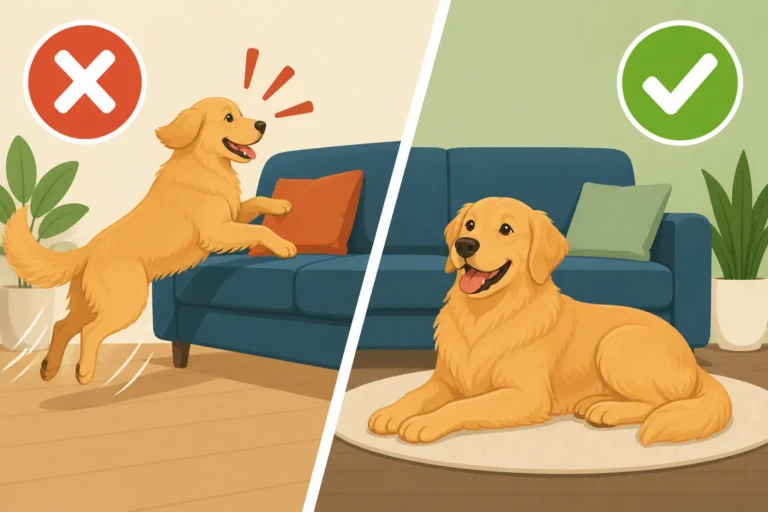
Lifestyle Modifications: Adjusting your Golden's daily routine can make a big difference. Avoid high-impact activities like intense fetch sessions, jumping, or long runs on hard surfaces. Opt for shorter, more frequent walks and low-impact exercises like swimming. Ramps or steps can help your Golden get onto furniture or into cars without stressing their elbows.
These conservative measures often require a lifelong commitment but can provide significant relief and maintain a good quality of life for many years.
Surgical Interventions and Their Efficacy
When conservative management isn't enough, or if the specific lesion (like a large FCP or UAP) is likely to cause severe, progressive arthritis, surgical intervention may be recommended. The goal of surgery is to remove the source of irritation, stabilize the joint, and improve comfort.
-
Arthroscopy: As mentioned earlier, arthroscopy is both a diagnostic and therapeutic tool. For conditions like FCP or OCD, a surgeon can use arthroscopy to enter the joint with a small camera and instruments to remove fragmented coronoid processes or loose cartilage flaps. It's minimally invasive, which means less pain and a faster recovery time compared to traditional open surgery. Its efficacy is high for removing offending fragments and reducing immediate pain.
-
UAP Fixation/Removal: If an ununited anconeal process is present, surgery may involve fixing the fragment back to the ulna with a screw or removing it entirely. The choice depends on the size of the fragment and the presence of associated arthritis. Early intervention (before 6 months of age) with fixation generally yields better results.
-
Proximal Ulnar Osteotomy (PUO): This procedure is sometimes performed to address elbow incongruity. It involves cutting the ulna bone to allow it to shorten slightly, which can help realign the joint surfaces and reduce pressure on affected areas. This can be done alone or in conjunction with other procedures.
-
Salvage Procedures: For very severe, end-stage elbow dysplasia with advanced arthritis, when other treatments have failed, "salvage" procedures might be considered:
- Elbow Arthrodesis (Fusion): This involves surgically fusing the elbow joint, eliminating movement and thus pain. However, it results in a completely stiff joint, severely impacting mobility and is generally a last resort.
- Total Elbow Replacement (TER): While still relatively uncommon and highly specialized, total elbow replacement involves replacing the damaged joint with prosthetic components. It's a complex and expensive procedure with a high risk of complications but can offer significant pain relief and improved function in select cases.
The decision for surgery is a significant one, and it's essential to consult with a board-certified veterinary orthopedic surgeon to discuss the best approach for your individual Golden Retriever. They can provide a realistic prognosis and explain the potential risks and benefits. Post-operative care, including rest, pain management, and extensive physical therapy, is crucial for a successful outcome. The costs associated with such surgeries can be substantial, underscoring the value of comprehensive pet insurance like Healthy Paws.
Long-Term Care and Quality of Life
Regardless of whether your Golden Retriever undergoes conservative or surgical management, long-term care for elbow dysplasia is a lifelong commitment. The goal is always to maximize comfort and preserve their quality of life for as long as possible. Arthritis is an almost inevitable consequence of elbow dysplasia, so ongoing management will focus on slowing its progression.
Regular veterinary check-ups are essential, typically twice a year for Goldens with orthopedic issues. These visits allow your vet to monitor your dog's pain levels, assess joint health, and adjust medications or therapies as needed. For older Goldens, these routine checks are critical, and you can learn more about this in Why Goldens Need Vet Visits Twice a Year. Your vet might recommend regular blood work to monitor organ function, especially if your dog is on long-term NSAIDs.
Maintaining a healthy weight, providing a high-quality diet, and continuing with low-impact exercise are fundamental. Consider investing in orthopedic dog beds to provide extra cushioning and support for their joints. Ramps, raised food bowls, and non-slip mats can also make daily life easier and reduce strain. As your Golden ages, their needs may change, and you might explore additional aids like joint braces or even specialized carts if mobility becomes severely compromised. The journey with a Golden Retriever battling elbow dysplasia is one of ongoing adjustment and devoted care, but with the right approach, they can still enjoy many happy and fulfilling years. This long-term care aligns closely with the advice given for Caring for a Senior Golden Retriever.
Prevention and Responsible Breeding
While you can't guarantee a Golden Retriever will never develop elbow dysplasia, especially given its strong genetic component, there are significant steps you can take as a prospective owner to minimize risk, and even more crucial actions for breeders to take in preventing its proliferation. Responsible choices at every stage are key.
Choosing a Reputable Breeder
This is perhaps the single most impactful step in preventing elbow dysplasia. A reputable Golden Retriever breeder is paramount. They will prioritize health and temperament above all else. Here’s what to look for:
- Health Clearances: Insist on seeing official certifications for both parent dogs from the Orthopedic Foundation for Animals (OFA) or PennHIP. For elbows, both parents should have an OFA elbow grade of "Normal." If a breeder tells you they "know their dogs are healthy" without providing verifiable documentation, walk away. They should be transparent and willing to discuss these clearances openly.
- Pedigree Research: Ask about the health history of the parent dogs' siblings, parents, and grandparents. A good breeder will be knowledgeable about their lines and openly discuss any health issues that have appeared, explaining how they are working to mitigate them.
- Breeding Age: Reputable breeders generally wait until their dogs are at least two years old before breeding. This allows them to obtain definitive OFA elbow and hip clearances, as these evaluations cannot be done until growth plates have closed.
- Limited Litters: Avoid breeders who seem to have multiple litters at once or always have puppies available. Responsible breeding is time-consuming and expensive.
- Puppy Rearing Environment: Visit the breeder's home (or video call if distance prevents a physical visit) to see the puppies and their parents in a clean, stimulating, and loving environment. A good breeder will socialize their puppies properly and care deeply about their well-being.
By choosing a breeder who adheres to these high standards, you dramatically reduce the likelihood of bringing home a puppy with a genetic predisposition to elbow dysplasia. This also extends to understanding PennHIP Versus OFA for a Golden Retriever as a diagnostic tool.
Early Puppy Care and Nutrition
Once you bring your Golden Retriever puppy home, proper care during their rapid growth phase is crucial, even if genetics are favorable. This is when environmental factors can either support healthy joint development or exacerbate any underlying predisposition.
- Controlled Exercise: Avoid forced or high-impact exercise during puppyhood. This means no long runs on hard surfaces, no repetitive jumping (like intense fetch sessions or agility training), and minimal stair climbing, especially in the first year. Puppies have open growth plates, and excessive strain can damage them, leading to developmental orthopedic diseases. Instead, focus on short, frequent, off-leash play sessions on soft surfaces like grass, allowing your puppy to self-regulate their activity. The article Exercise Limits for a Golden Retriever Puppy delves deeper into this.
- Appropriate Nutrition: Feed a high-quality, large-breed puppy food that is formulated for slow growth. These foods typically have carefully controlled calcium and phosphorus levels and appropriate calorie content. Overfeeding a puppy, leading to rapid weight gain, is a significant risk factor for developmental orthopedic issues. Follow the feeding guidelines on the food bag, but always consult your vet to ensure your puppy is growing at a healthy rate. Remember, a hefty puppy is not necessarily a healthy puppy. You can find more specific advice in Golden Retriever Puppy Feeding Amounts and Schedule.
- Weight Monitoring: Regularly monitor your puppy's weight and body condition score. You should be able to easily feel their ribs but not see them. If you're unsure, ask your vet at each check-up.
These early care practices won't prevent a genetically predetermined case of severe elbow dysplasia, but they can significantly influence the severity of the condition and the onset of symptoms, helping to give your Golden the best possible start in life.
Genetic Testing and Health Clearances
For breeders, genetic testing and comprehensive health clearances are not just a recommendation; they are an ethical imperative to protect the breed. Beyond OFA elbow and hip clearances, there are other genetic tests that can provide valuable information:
- OFA/PennHIP Clearances: These remain the gold standard for elbow (and hip) evaluation. Breeders should use these tools not just to screen their individual dogs, but to inform their breeding decisions over generations, striving to improve the genetic health of the breed.
- DNA Testing: While direct DNA markers for elbow dysplasia are not yet widely available or definitive like some other genetic diseases, ongoing research continues to explore this area. However, there are other genetic tests available for Golden Retrievers that screen for common inherited diseases like Ichthyosis, Progressive Retinal Atrophy (PRA 1 & 2), and Subaortic Stenosis (SAS). While not directly related to elbows, a breeder committed to overall health will perform these tests, indicating a thorough approach to genetic screening. Knowing the genetic background gives an overall picture of health, which is discussed further in Golden Retriever Genetic Tests Worth Running.
- Open Registries and Databases: Reputable breeders often participate in open health registries or contribute to databases like the Golden Retriever Lifetime Study, which tracks the health of thousands of Goldens to identify risk factors for various diseases, including cancer and orthopedic issues. This collaborative effort helps advance scientific understanding and provides critical data for future breeding decisions.
Ultimately, preventing elbow dysplasia requires a partnership between responsible breeders who meticulously screen their dogs and make informed breeding choices, and diligent owners who provide appropriate care and nutrition during their Golden Retriever's critical growth phases. This collective effort is what protects the health and well-being of this beloved breed.
Disclaimer
This article is intended for informational purposes only and is not a substitute for professional veterinary advice. If you suspect your Golden Retriever has elbow dysplasia or is in pain, please consult with your veterinarian immediately for an accurate diagnosis and personalized treatment plan.