What Excellent, Good and Fair Mean on a Golden’s Hips
It’s a truly frustrating and often confusing experience for so many Golden Retriever owners, whether you’re a prospective puppy parent trying to make sense of endless breeder jargon or an existing owner looking to understand your dog’s health clearances. When it comes to something as vital as hip health in our beloved Goldens, deciphering terms like "Excellent," "Good," and "Fair" on an OFA certificate can feel like learning a whole new language. This guide is here to break down exactly what those ratings mean for your Golden Retriever’s well-being and what they imply for their future.
Understanding Golden Retriever Hip Dysplasia: A Quick Refresher
Before we dive into the specifics of OFA ratings, it helps to understand the underlying condition they aim to evaluate: hip dysplasia. This isn't just a fancy vet term; it's a real and often painful challenge that impacts countless Golden Retrievers and their families.
What Exactly is Hip Dysplasia?
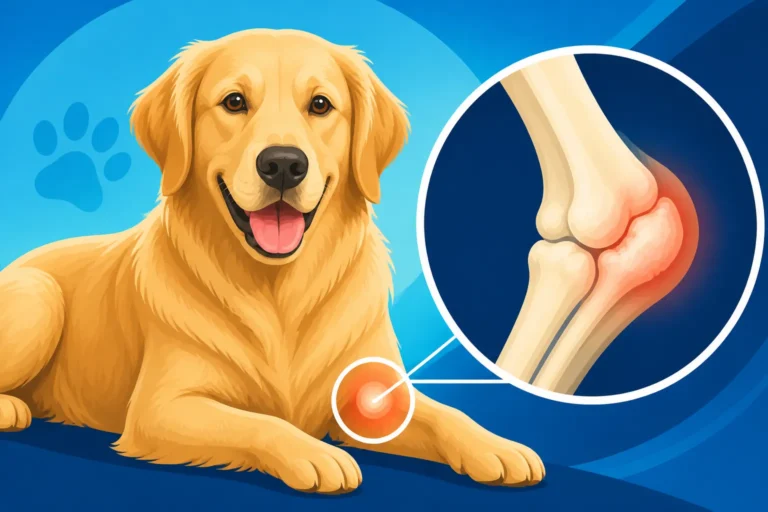
At its core, hip dysplasia is a developmental condition where the hip joint doesn't form correctly. Think of a healthy hip as a perfectly smooth ball (the top of the thigh bone, or femoral head) fitting snugly into a perfectly formed socket (the acetabulum in the pelvis). They glide seamlessly, allowing for effortless movement. In a dog with hip dysplasia, this ideal fit is compromised. The socket might be too shallow, the ball might be flattened, or the ligaments holding them together might be loose, leading to what veterinarians call "joint laxity."
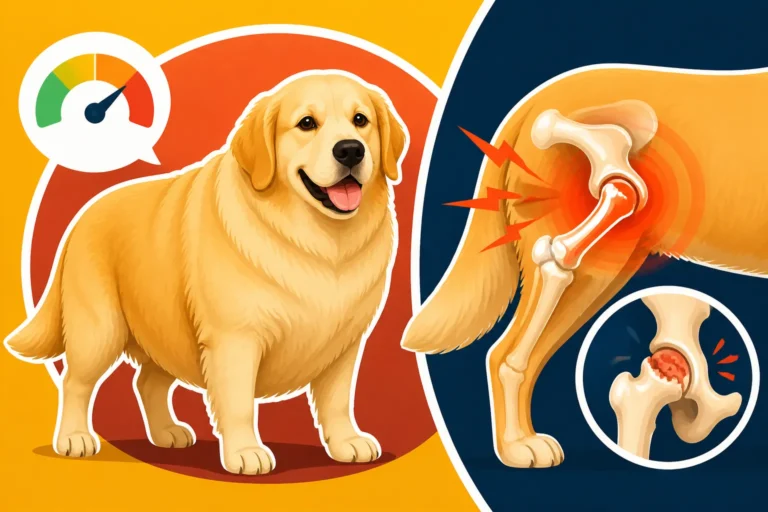
This laxity means the ball and socket don't maintain proper contact. Over time, this abnormal movement causes friction and wear, leading to degenerative joint disease, or osteoarthritis. The body tries to compensate by forming new bone, which further exacerbates the problem, causing pain, stiffness, and reduced mobility. It's a progressive disease, meaning it tends to get worse over time, especially if left unmanaged. For a deeper dive, you can explore Golden Retriever Hip and Elbow Dysplasia Explained.
Why Goldens Are So Prone to It
Golden Retrievers, unfortunately, are genetically predisposed to hip dysplasia. While environmental factors like rapid growth, excessive exercise as a puppy, and nutrition play a role, the primary driver is genetics. Breeders work diligently to minimize the risk by screening their breeding stock, but no breed is entirely immune, and Goldens are particularly susceptible. It's a testament to responsible breeders that they undertake extensive health clearances, like those from the Orthopedic Foundation for Animals (OFA), to try and improve the breed's health.
The breed's size, rapid growth rate, and active nature can also contribute to the expression of hip dysplasia if the genetic predisposition is present. A Golden Retriever puppy with genetically compromised hips, if over-exercised or fed a diet that promotes too rapid growth, can see more severe development of the condition than one with the same genetics but better management. It’s a complex interplay, and it's why understanding OFA ratings is so crucial for any Golden owner.
Decoding OFA Hip Ratings: The Basics
The Orthopedic Foundation for Animals (OFA) is the gold standard for evaluating hip and elbow health in dogs across North America. When you see an OFA certificate for a Golden Retriever, it signifies that the dog has undergone a specific radiographic (X-ray) examination, and those X-rays have been reviewed by a panel of experts.
The X-Ray Process
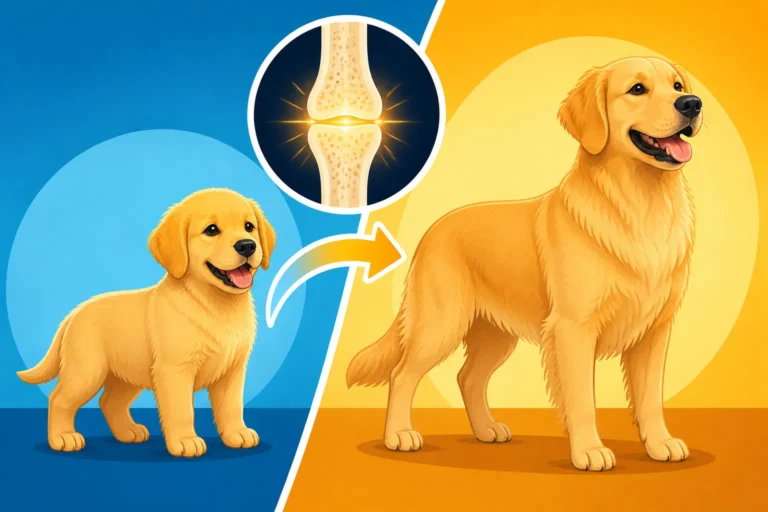
For an OFA hip certification, a Golden Retriever must be at least 24 months old. This age requirement is critical because it ensures that the dog has reached its full skeletal maturity. Prior to this, a puppy's bones and joints are still developing, and an accurate assessment of hip conformation can't be made. This is why OFA explicitly states Why OFA Waits Until Two Years to Certify. Your veterinarian will sedate your Golden to ensure proper positioning for the X-rays. This precise positioning is vital, as even a slight rotation can skew the results. The standard view is called the "VD-extended" view, where the dog lies on its back with its hind legs extended straight and parallel.
Once the X-rays are taken, they are submitted to the OFA. There, at least three independent, board-certified veterinary radiologists review the images. They evaluate several anatomical markers, including the depth of the acetabulum (socket), the shape of the femoral head (ball), the angle of the femoral neck, and the presence or absence of degenerative changes. They also assess the congruency of the joint and any signs of laxity. Based on their collective findings, the hips are assigned one of seven possible classifications: Excellent, Good, Fair (all considered "normal"), Borderline, Mild, Moderate, or Severe (the last three being dysplastic). This comprehensive, multi-reviewer system ensures a high degree of accuracy and reliability in the ratings. You can learn more about how to interpret these results by Reading an OFA Certificate for a Golden Retriever.
How OFA Interprets Hip Conformation
The three "normal" classifications – Excellent, Good, and Fair – represent a spectrum of hip joint health, all deemed acceptable for breeding under OFA guidelines, though with varying degrees of idealness. The radiologists are looking for specific indicators of joint health and stability. Excellent hips demonstrate superior conformation, with tight-fitting joints and no evidence of laxity or degenerative disease. Good hips are still very healthy and functional, showing only minor deviations from the ideal. Fair hips, while still considered normal, present with slight irregularities that merit careful attention.
The goal of this rating system is to provide breeders with objective data to make informed decisions aimed at reducing the incidence of hip dysplasia within the breed. By breeding dogs with "normal" hip ratings, especially those with Excellent or Good, the chances of producing offspring with healthy hips significantly increase. However, it’s important to remember that it's a genetic predisposition, and even two "Excellent" parents can theoretically produce a dysplastic puppy, though the probability is very low. This is why the OFA certification is just one piece of the puzzle that a responsible breeder will present, alongside other health clearances.
"Excellent" Hips: The Golden Standard
When a Golden Retriever receives an "Excellent" rating for their hips from the OFA, it truly is the pinnacle of what breeders strive for. It's the gold standard, signifying optimal hip health.
Anatomy of an Excellent Hip
An "Excellent" hip conformation means that the ball of the femur fits deeply and snugly into the acetabulum, or hip socket. The joint capsule is taut, providing superior stability, and there's virtually no space for movement beyond the intended range. The femoral head is perfectly spherical, and the acetabulum is well-formed and deep, embracing the femoral head without any signs of shallowing or malformation. Radiologists observe perfect congruency between the ball and socket. There are no indications of subluxation (partial dislocation), laxity, or any degenerative changes like bone spurs that would suggest wear and tear.
This ideal fit ensures that the weight and forces placed on the hip joint during a Golden Retriever's active life are distributed evenly and efficiently, minimizing stress on the cartilage and surrounding tissues. A dog with Excellent hips is mechanically designed for longevity and strenuous activity, although proper care throughout its life, including maintaining a healthy weight and appropriate exercise, remains crucial. While breeders aim for this rating, it’s not as common as "Good" or "Fair" but definitely something to celebrate when achieved.
Implications for Breeding and Performance
For breeders, an "Excellent" hip rating is a highly desirable attribute. It indicates a strong genetic predisposition for healthy hips, making that dog an excellent candidate for contributing to the breed's health pool. Many responsible breeders will actively seek to incorporate "Excellent" rated dogs into their breeding programs to continuously improve the hip health of future generations. However, it's not the only factor, as overall health, temperament, and genetic diversity are also critical considerations.
From a performance standpoint, a Golden Retriever with "Excellent" hips is exceptionally well-suited for a wide range of activities, from competitive obedience and agility to field trials and long hikes with their families. These dogs are built to move efficiently and withstand the rigors of an active lifestyle with minimal risk of hip-related lameness or pain. While it doesn't guarantee a lifetime free of all joint issues (environment, injury, and other conditions can still play a role), it provides the strongest genetic foundation for robust hip health. This rating is often a point of pride for breeders and a reassuring sign for prospective puppy owners.
"Good" Hips: A Perfectly Acceptable Outcome
While "Excellent" might be the ultimate dream for hip conformation, a "Good" rating from the OFA is a fantastic and completely acceptable outcome for any Golden Retriever. In fact, many healthy, active Goldens carry this designation.
Distinguishing Good from Excellent
The difference between "Excellent" and "Good" hips is often subtle and can even come down to slight variations observed by the panel of radiologists. "Good" hips still demonstrate well-formed, healthy joints with nearly perfect congruency. The ball fits well into the socket, and there's minimal evidence of joint laxity. However, there might be a very slight, almost imperceptible, deviation from the "textbook perfect" conformation seen in an "Excellent" hip. This could be a tiny bit less depth in the socket, or the femoral head might not be quite as perfectly round, or the joint space might be fractionally wider.
These minor differences do not compromise the function or health of the joint. A "Good" hip is still considered strong, stable, and completely normal. Think of it like comparing two perfectly ripe apples: one might be flawlessly round, while the other has a very slight indentation, but both are equally delicious and healthy. For the vast majority of Golden Retrievers, a "Good" rating means they have robust hips that will support an active, pain-free life.
Living and Breeding with Good Hips
For an owner, a "Good" hip rating means you have a Golden Retriever with a strong genetic foundation for joint health. These dogs can participate in all the activities Goldens are known and loved for – swimming, retrieving, long walks, and playful romps – without undue concern about their hips. It's a testament to good breeding practices and sets your dog up for success. Of course, ongoing care, including a balanced diet, appropriate exercise, and maintaining a healthy weight, remains vital to support those healthy joints throughout their lifespan.
From a breeder's perspective, "Good" hips are highly valued. A dog with "Good" hips is an excellent candidate for a breeding program, especially when paired with another dog that also has "Good" or "Excellent" clearances. This pairing strategy helps maintain and improve the overall hip health of the Golden Retriever breed. Many top show and field trial Goldens have "Good" hip ratings and go on to produce sound, healthy puppies. It's not about perfection, but about promoting robust health, and "Good" hips absolutely achieve that goal.
"Fair" Hips: Navigating the Nuances
Now, let's talk about "Fair" hips. This rating often causes the most confusion and, understandably, a bit of anxiety for owners and breeders alike. It’s important to understand that "Fair" is still considered a passing, "normal" classification by the OFA, but it does sit at the lower end of the normal spectrum.
The Fine Line Between Fair and Dysplastic
"Fair" hips exhibit minor irregularities in joint conformation, but critically, these are not considered dysplastic. The term often used is "minor deviations from the ideal." This could manifest as slight joint laxity, where the ball and socket don't fit as tightly as in "Excellent" or "Good" hips. There might be a slight subluxation (a minor, incomplete dislocation) of the femoral head, or the socket might appear slightly shallower than ideal. The radiologists might also note minimal osteoarthritic changes, such as very small bone spurs, which indicate a slight degree of wear and tear, but not enough to be classified as degenerative joint disease.
It’s a fine line because these minor irregularities, while technically within the "normal" range, do suggest a slightly increased propensity for developing arthritic changes later in life compared to dogs with "Good" or "Excellent" hips. However, it's crucial to reiterate: a "Fair" rating does not mean your dog has hip dysplasia. It means their hips passed the screening criteria, but perhaps not with flying colors. For some, understanding What an OFA Fair Rating Means for a Golden Puppy can shed more light on earlier assessments.
Considerations for Owners and Breeders
For owners of a Golden Retriever with "Fair" hips, this rating serves as a gentle reminder to be particularly diligent about joint care. This means focusing on maintaining an ideal body weight – perhaps even on the leaner side of healthy – to minimize stress on the joints. Consider incorporating joint-supporting supplements like glucosamine and chondroitin, discussed more in Golden Retriever Supplements Worth Giving. Regular, moderate exercise is key, avoiding high-impact activities that could exacerbate any slight laxity. Keeping an eye out for subtle signs of discomfort or changes in gait, especially as your Golden ages, becomes even more important. Proactive care can significantly reduce the likelihood of issues.
For breeders, the "Fair" rating presents a careful decision point. While a "Fair" dog can still be bred, responsible breeders will typically pair them with a mate that has "Excellent" or "Good" hip clearances to balance out the genetic contribution. Breeding two "Fair" rated dogs together is generally discouraged, as it could increase the chances of producing offspring with truly dysplastic hips. The goal is always to improve the health of the next generation. It’s about careful selection and understanding that even within the "normal" range, there are degrees of ideal.
| OFA Hip Rating | Conformation Description | Joint Congruency | Joint Laxity | Breeding Recommendation | Owner Implications |
|---|---|---|---|---|---|
| Excellent | Near perfect, deep hip socket, very tight femoral head. | Superior | Minimal to None | Highly Recommended | Optimal joint health, lowest risk of HD-related issues. |
| Good | Well-formed, healthy joints with minor imperfections. | Excellent | Very Slight | Recommended | Excellent joint health, low risk of HD-related issues. |
| Fair | Passable conformation, minor irregularities or laxity. | Acceptable, but not ideal | Mild | Considered with Caution | Monitor joint health, proactive care recommended (weight, supplements). |
Beyond the Labels: What Else Matters for Your Golden's Hips
While OFA hip ratings provide invaluable insight into a Golden Retriever's genetic predisposition for hip health, they are not the sole determinant of a lifetime free from joint issues. It’s a complex picture, influenced by a blend of genetics and environment.
The Role of Genetics and Environment
As we’ve discussed, genetics play a huge role in hip dysplasia. The OFA rating system is designed to help breeders make informed decisions to reduce the genetic load of hip dysplasia in the breed. When you choose a puppy from parents with "Excellent" or "Good" hip clearances, you're stacking the odds in your favor. However, it's crucial to understand that even with the best genetics, environmental factors can either mitigate or exacerbate a dog's joint health.
Rapid growth in puppies, often due to overfeeding or diets too high in calcium, can put immense strain on developing joints, potentially worsening any underlying genetic predisposition. Excessive, high-impact exercise in young, growing Goldens (before their growth plates have closed, usually around 12-18 months) can also be detrimental. Conversely, even a dog with "Fair" hips can live a long, healthy life if their environment is managed carefully. This includes maintaining a lean body condition to prevent unnecessary stress on their hips, as detailed in Golden Retriever Weight and Joint Damage. A truly responsible breeder will not only provide clearances but also educate new owners on proper nutrition and exercise for their growing pups.
Supporting Your Golden's Joint Health
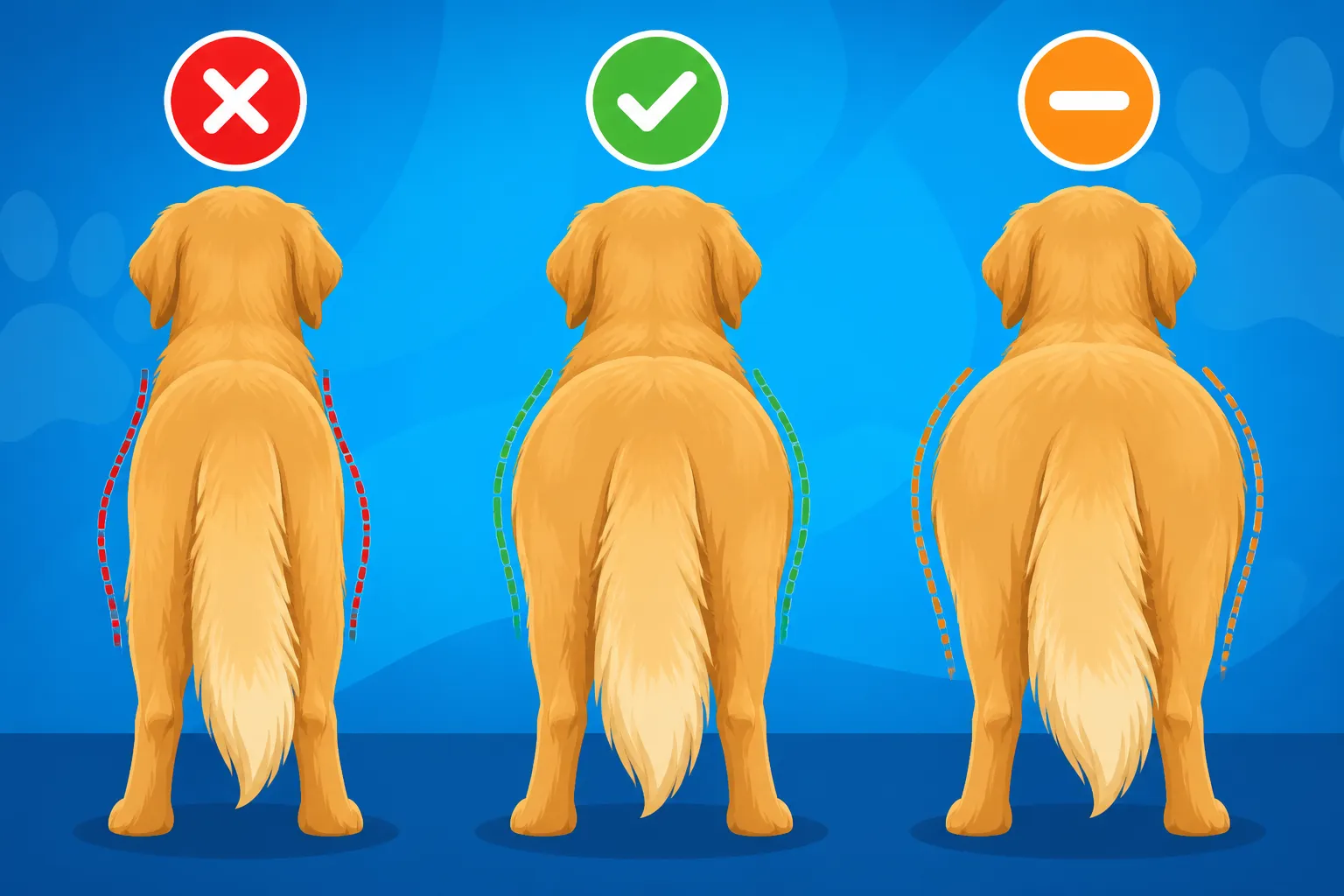
Regardless of your Golden Retriever's OFA hip rating, there are proactive steps you can take to support their joint health throughout their life. Maintaining an ideal body weight is arguably the most critical factor. Even a few extra pounds can significantly increase the load on a dog’s hips, accelerating wear and tear. Work with your vet to determine the ideal weight for your individual Golden, and adjust their diet and exercise accordingly. Regular, moderate exercise is essential for building strong muscles that support the joints, but avoid activities that involve excessive jumping, twisting, or hard landings, especially in younger dogs. Swimming is an excellent, low-impact exercise option that many Goldens adore.
Consider incorporating joint supplements, such as those containing glucosamine, chondroitin, and omega-3 fatty acids, particularly as your Golden approaches their senior years or if they have a "Fair" hip rating. These supplements can help maintain cartilage health and reduce inflammation. Providing comfortable, orthopedic bedding can also make a huge difference, especially for older dogs. Lastly, regular veterinary check-ups are paramount. Your vet can monitor your Golden's gait and mobility, recommend appropriate interventions if issues arise, and discuss options like Managing Golden Retriever Hip Dysplasia Without Surgery or Physical Therapy for a Golden Retriever With Bad Hips if necessary. Even with the best breeding, accidents happen or unexpected health issues pop up, which is why having a robust pet insurance plan like those offered by Healthy Paws can provide immense peace of mind. For owners, understanding these ratings helps in managing their dog's health proactively, and for that safety net, many turn to providers like Healthy Paws to cover unforeseen veterinary expenses. While OFA clearances significantly reduce the risk, they don't eliminate it entirely. This is where a good pet insurance policy, such as one from Healthy Paws, can be an invaluable part of your financial planning for your Golden, helping you cover unexpected costs for issues like Golden Retriever Hip Surgery Costs and Options.
Disclaimer
The information provided in this article is for general informational purposes only and is not a substitute for professional veterinary advice. Always consult with a qualified veterinarian for any health concerns or before making any decisions about your pet's medical care or treatment.