Cataracts in an Aging Golden Retriever
There’s little that tugs at the heartstrings more than watching your vibrant, once-agile Golden Retriever start to hesitate, bump into familiar furniture, or shy away from evening walks. As our beloved Goldens age, a decline in their eyesight often becomes a concerning reality, and for many, this manifests as cataracts. This guide aims to thoroughly demystify cataracts in aging Golden Retrievers, helping you understand what they are, why they occur in our wonderful breed, how to spot the signs, and what compassionate care and treatment options are available to help your furry family member navigate their golden years with dignity and comfort.
Understanding Cataracts in Golden Retrievers
When you think about the bright, expressive eyes of a Golden Retriever, the idea of them becoming cloudy or opaque can be truly unsettling. Understanding what cataracts are and how they differ from other age-related eye changes is the first step in addressing your dog's vision concerns.
What Exactly Are Cataracts?
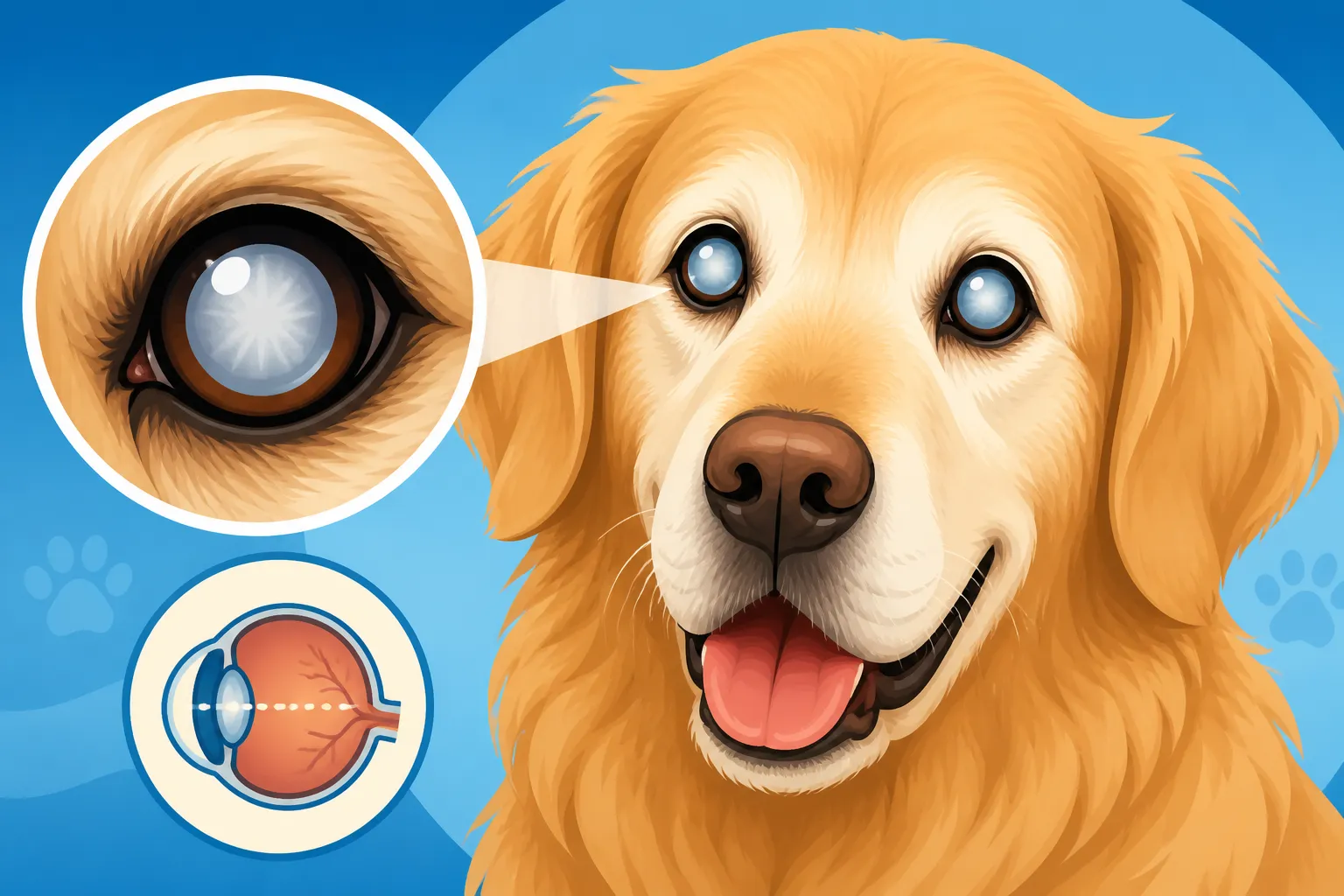
At its core, a cataract is an opacity or clouding of the lens inside your dog's eye. Think of the lens as a tiny, clear, perfectly shaped window responsible for focusing light onto the retina at the back of the eye. When a cataract forms, this window becomes progressively frosted or opaque. Instead of clear light passing through, it's scattered, distorted, or completely blocked, leading to blurry vision, impaired depth perception, and, in severe cases, total blindness. It’s important to understand that a cataract isn't a film over the eye – it's a structural change within the lens itself, where the proteins that make up the lens fibers clump together, losing their natural transparency.
The impact of a cataract can vary dramatically depending on its size, density, and location within the lens. A small, peripheral cataract might barely affect vision, while a dense, centrally located one can severely hinder your Golden's ability to see. For us, it might be like trying to read through a foggy car windshield, but for your dog, it can be even more disorienting, turning their once vibrant world into a hazy, muted landscape. This clouding prevents light from properly reaching the retina, which is essential for vision, causing a gradual or sometimes rapid decline in their ability to navigate their surroundings.
Many owners mistakenly believe cataracts are something that can be wiped away or treated with simple drops that dissolve the clouding. Unfortunately, once the lens proteins have denatured and clumped, they cannot simply be reversed with topical medications. The process is a physical change, and while supportive care can address secondary issues, the primary fix for vision restoration from a cataract often involves surgical removal of the affected lens. This distinction is crucial for setting realistic expectations for treatment.
Different Types of Cataracts Affecting Goldens
Cataracts aren't a one-size-fits-all condition; they can be classified in several ways, primarily by their cause, location, and stage of development. While "senile" or age-related cataracts are the most common type we see in older Golden Retrievers, it’s worth noting that Goldens can also develop cataracts due to genetics or underlying health conditions. Understanding the different types helps your veterinarian and a veterinary ophthalmologist tailor the most appropriate diagnosis and treatment plan.
Genetically, some Golden Retrievers can be predisposed to what are called juvenile or developmental cataracts, which can appear much earlier in life, sometimes even before they reach adulthood. While these aren't strictly "aging" cataracts, if they progress slowly, they can certainly become more impactful as the dog enters their senior years. The type that often catches owners off guard in middle-aged to older Goldens is the diabetic cataract, which can develop with alarming speed if a dog is diagnosed with diabetes mellitus. These often affect both eyes and can progress from clear to completely opaque within weeks or months.
Cataracts are also categorized by their location within the lens and their stage of maturity. You might hear terms like incipient (very small, barely affecting vision), immature (partially opaque, some vision still present), mature (entire lens opaque, vision severely impaired or lost), and hypermature (the lens starts to shrink, potentially leading to inflammation or glaucoma). The ophthalmologist will use a slit lamp to precisely identify the location and stage, as this information is vital for surgical planning and prognosis. For example, a small peripheral incipient cataract might be monitored, whereas a mature cataract in both eyes would warrant immediate consideration for surgical intervention if the dog is otherwise healthy.
Cataracts Versus Nuclear Sclerosis
This is perhaps one of the most common points of confusion and worry for Golden Retriever owners. Many people notice a bluish-grey haze in their older dog's eyes and immediately assume cataracts, leading to understandable anxiety. However, more often than not, this cloudiness is actually a normal, benign age-related change called nuclear sclerosis, also known as lenticular sclerosis. It’s absolutely vital to distinguish between the two, as their implications for your Golden’s vision and health are vastly different.
Nuclear sclerosis results from the continuous growth and compression of lens fibers over time. As dogs age, new lens fibers are constantly being produced, pushing the older, less flexible fibers towards the center (nucleus) of the lens. This compression increases the density of the lens nucleus, which then scatters light, giving the pupil a characteristic bluish-grey, sometimes pearlescent, appearance. While it can look similar to an early cataract, the key difference is that nuclear sclerosis causes minimal to no vision impairment because light can still pass through the denser lens, albeit with some scattering. Your Golden might have slightly less sharp vision, especially in low light, but they can still navigate their world with ease.
In contrast, a cataract involves the actual opacification and breakdown of the lens proteins, which severely impedes light transmission and significantly impairs vision. While nuclear sclerosis is a diffuse haze, cataracts tend to appear as more distinct, denser white or grey opacities within the lens. The differentiation requires a veterinary professional, usually with specialized ophthalmic equipment, to look deep into the eye and determine if light is merely being scattered (sclerosis) or truly blocked (cataract). If you're observing a bluish haze, it’s always best to get it checked by your vet, but knowing this distinction can certainly ease some initial worry until you get a professional opinion.
| Feature | Nuclear Sclerosis (Lenticular Sclerosis) | Cataract |
|---|---|---|
| Appearance | Diffuse bluish-grey haze, often symmetrical | White, grey, or bluish-white opacity, distinct clouding |
| Cause | Normal aging process, compression of lens fibers | Protein denaturation, clumped lens fibers |
| Vision Impact | Minimal to mild impairment, especially in low light | Ranges from blurry vision to total blindness |
| Progression | Very slow, gradual onset over years | Variable, can be slow or very rapid (e.g., with diabetes) |
| Treatment | None required, no vision-restoring treatment | Surgical removal is the only vision-restoring treatment |
| Age of Onset | Typically 6-8 years and older | Any age (congenital, juvenile, developmental, senile) |
| Underlying Issues | None | Can be linked to genetics, diabetes, trauma, inflammation |
Why Golden Retrievers Are Prone to Cataracts
Golden Retrievers are a fantastic breed, but like all purebred dogs, they come with certain predispositions to specific health conditions. When it comes to cataracts, there are a few reasons why our beloved Goldens might be more susceptible, ranging from their genetic makeup to broader health concerns that can trigger eye changes.
Genetic Predisposition and Breed Lines
One of the most significant factors contributing to cataracts in Golden Retrievers is their genetic heritage. It's a well-documented fact that Goldens have a known predisposition to hereditary cataracts, particularly juvenile cataracts, which can manifest in young dogs, sometimes even as puppies. While these might appear early, their progression often means they become a more serious concern as the dog ages, leading to vision impairment in their adult and senior years. Responsible breeders diligently screen for these conditions, and it's always critical to ask about Health Clearances a Golden Retriever Breeder Must Show before bringing a puppy home, as this foresight can help reduce the incidence of such hereditary conditions.
Even beyond specific early-onset forms, the genetic background of Golden Retrievers may also influence their general susceptibility to age-related cataracts. While senile cataracts are common across many breeds, some Golden Retriever lines might simply be more prone to the lens protein breakdown that characterizes these age-associated opacities. This isn't necessarily due to a single, identifiable gene mutation in all cases, but rather a complex interplay of genetic factors that make them slightly more vulnerable as they accumulate years. It's a subtle distinction, but it underscores why eye health is a perennial topic among Golden Retriever owners and breeders.
The importance of genetic testing and careful breeding practices cannot be overstated when it comes to mitigating the risk of cataracts. While not all forms of cataracts are easily predictable through current genetic tests, breeders who are committed to the health of the breed will track the ophthalmic history of their breeding stock and their relatives. This due diligence aims to minimize the passing on of genes associated with various eye diseases, including cataracts. Unfortunately, even with the best intentions and health clearances, some age-related conditions, including cataracts, can still occur simply due to the realities of aging and genetic complexity.
Underlying Health Conditions
While genetics play a role, sometimes cataracts are a symptom of a deeper, systemic health issue. For Golden Retrievers, and indeed many other breeds, the most common and dramatic underlying cause of cataract formation is diabetes mellitus. If your Golden is diagnosed with diabetes, the development of cataracts can be incredibly rapid and quite devastating to their vision.
When a dog has diabetes, their body struggles to produce or properly use insulin, leading to high levels of sugar (glucose) in the bloodstream. This excess glucose then enters the lens of the eye. Inside the lens, an enzyme called aldose reductase converts this glucose into sorbitol, a sugar alcohol. Unlike glucose, sorbitol cannot easily exit the lens, causing it to accumulate rapidly. This accumulation draws water into the lens, disrupting the delicate balance of lens fibers and leading to the characteristic swelling and opacification that we recognize as a diabetic cataract. These cataracts often progress incredibly quickly, sometimes making a dog blind within weeks or months of a diabetes diagnosis, often affecting both eyes simultaneously.
Beyond diabetes, other health issues can also contribute to cataract development, though typically less directly and dramatically. Trauma to the eye, for example, a direct blow or puncture, can damage the lens and lead to a traumatic cataract. Similarly, chronic inflammation within the eye, a condition known as uveitis, can lead to secondary cataracts. Uveitis can be caused by various factors, including autoimmune diseases, infections, or other systemic inflammatory conditions. In these cases, treating the underlying inflammation is crucial, but the cataract itself may remain and potentially progress, impacting your Golden's long-term vision. This is why a comprehensive health check, including blood work, is often part of the diagnostic process for cataracts.
Age and Environmental Factors
It's a simple truth that as our Golden Retrievers grow older, their bodies undergo various changes, and their eyes are no exception. Just like in humans, age is the most common factor for the development of what are termed "senile cataracts" in dogs. While the underlying mechanisms are still being fully elucidated, it’s understood that the natural aging process leads to changes in the lens proteins, causing them to clump and lose their transparency over time. This is often a slow, gradual process, unlike the rapid onset seen with diabetic cataracts.
While age is the predominant factor for senile cataracts, researchers also explore the potential roles of environmental factors. For instance, prolonged exposure to ultraviolet (UV) radiation is a known risk factor for cataracts in humans. While less definitive in dogs due to their different eye structure and outdoor habits, some theories suggest that cumulative UV exposure over a Golden Retriever's lifespan could potentially contribute to oxidative stress in the lens, accelerating the aging process and cataract formation. However, this is generally considered a minor factor compared to genetics and systemic diseases.
Nutritional deficiencies or imbalances have also been explored, although there is no strong evidence to suggest that specific dietary interventions can prevent or reverse age-related cataracts in dogs. What is clear is that while we can't stop time or entirely prevent the aging process, understanding that senile cataracts are a natural part of growing old for many Goldens can help owners approach the diagnosis with a realistic perspective. Regular veterinary check-ups for Caring for a Senior Golden Retriever are crucial to monitor eye health and other age-related conditions, allowing for early detection and intervention should cataracts or other issues arise.
Recognizing the Signs of Cataracts in Your Golden
Spotting cataracts early can be challenging because Golden Retrievers are masters at adapting, especially when their vision declines gradually. However, there are both visual and behavioral cues that observant owners can pick up on, signaling that something might be amiss with their dog's eyesight.
Visual Cues in Your Dog's Eyes
The most direct way to identify potential cataracts is by carefully observing your Golden Retriever’s eyes. You might notice a subtle change in the appearance of their pupils, which are normally deep black. With incipient cataracts, you might see a small, pinpoint white or grey spot within the lens. As the cataract progresses, this spot can expand, becoming a larger, more diffuse cloudiness that can range in color from a milky white to a grayish-blue or even yellowish hue, directly behind the iris. The color and density of the cloudiness will often depend on the specific type and stage of the cataract.
Sometimes, the cloudiness is more apparent in certain lighting conditions. You might first notice it when your Golden is facing a light source, or when their pupils are dilated in a darker room, making the opaque lens more visible. Unlike nuclear sclerosis which presents as a more uniform, often subtle, blue-grey haze, a cataract will typically show a more distinct, denser opacity, sometimes with visible patterns or spokes radiating from the center of the lens. This appearance is due to the uneven opacification of the lens fibers.
As the cataract matures, the entire lens can become opaque, appearing completely white or grey. At this stage, it becomes very clear that light is being blocked, and vision will be severely compromised or completely lost in that eye. If only one eye is affected, your Golden might compensate quite well, making it harder to notice initially. However, if both eyes are developing mature cataracts, the visual changes will be undeniable, and your Golden’s difficulty navigating will become much more pronounced. Any sudden or gradual change in the clarity of your Golden’s eyes warrants a visit to your veterinarian for a professional assessment.
Behavioral Changes Indicating Vision Loss
Beyond the physical changes in the eyes, your Golden Retriever’s behavior can offer significant clues that their vision is declining. Goldens are incredibly adaptable and will often try to compensate for vision loss by relying more heavily on their other senses – their superb sense of smell and acute hearing. This means you might not notice a problem until their vision is quite impaired, especially if the changes are gradual. However, by being attentive to subtle shifts, you can catch issues earlier.
One of the earliest behavioral signs is a newfound hesitation or caution, particularly in dimly lit environments or unfamiliar places. Your Golden might slow down on walks, seem more reluctant to navigate stairs, or pause before stepping off a curb. In your own home, you might notice them bumping into furniture they previously navigated with ease, misjudging the location of their food bowl, or having trouble catching a tossed toy. They might also become more clumsy, tripping over their own paws or struggling with familiar obstacles. This often leads to increased anxiety, as their world feels less predictable and safe.
As vision loss progresses, your Golden might become more clingy, staying closer to you for guidance and reassurance. They might startle more easily if approached unexpectedly, especially from behind, as their visual warning system is compromised. You might also observe changes in their play behavior; they might stop playing fetch as readily or struggle to find toys they’ve dropped. Nighttime can become particularly challenging, and they might show a clear reluctance to go outside after dark. Paying close attention to these subtle yet persistent behavioral changes is crucial, as they are often the most reliable indicators that your Golden Retriever is experiencing significant vision impairment.
The Pace of Progression
The speed at which cataracts develop and progress in Golden Retrievers is highly variable, adding another layer of complexity for owners. Some cataracts, particularly the typical senile cataracts associated with old age, can progress quite slowly over several years. You might notice a gradual, almost imperceptible clouding of the lens, with your Golden adapting remarkably well to the incremental loss of vision. For these dogs, vision impairment is a creeping process, giving them ample time to adjust their navigation strategies and rely more on their other senses.
However, other types of cataracts, especially those linked to underlying health conditions like diabetes, can develop with alarming speed. A Golden diagnosed with diabetes might go from having clear eyes to near-total blindness due to mature cataracts in both eyes within a matter of weeks or just a few months. This rapid progression is particularly distressing for both the dog and the owner, as there is little time to adjust or prepare. If you notice a sudden, dramatic change in your Golden’s eye clarity or vision, it’s imperative to seek veterinary attention immediately, as rapid cataract formation can be a tell-tale sign of an acute medical issue.
Monitoring your Golden Retriever’s eyes regularly, even if they show no obvious signs, is an important part of Why Goldens Need Vet Visits Twice a Year. These routine check-ups allow your veterinarian to track any subtle changes and distinguish between benign conditions like nuclear sclerosis and true cataracts. Early detection, regardless of the pace of progression, is key to exploring all available options, whether that involves managing an underlying condition like diabetes, or planning for potential surgical intervention to restore vision. Don’t hesitate to contact your vet if you notice any changes in your dog's eye appearance or behavior.
Diagnosing Cataracts and What to Expect at the Vet
If you suspect your Golden Retriever might be developing cataracts, your first step is a visit to your primary care veterinarian. They can conduct an initial assessment and, if necessary, refer you to a specialist who can provide a definitive diagnosis and discuss treatment options.
Initial Veterinary Examination
When you bring your Golden Retriever to your regular veterinarian with concerns about their eyes, they will perform a thorough physical examination, paying special attention to the ocular system. This initial exam typically involves observing your dog's eyes in normal light and using an ophthalmoscope – a handheld instrument with a light and magnifying lens – to look deep into the eye. Your vet will examine the cornea, iris, lens, and retina, looking for any abnormalities, inflammation, or opacities.
During this examination, your vet will aim to differentiate between nuclear sclerosis, which we discussed earlier, and a true cataract. While nuclear sclerosis can mimic an early cataract with its bluish-grey haze, your vet will be able to tell the difference based on how light reflects off the lens and whether the deeper structures of the eye are visible. If a cataract is present, they will assess its size, location, and density. They might also check your Golden’s menace response (blinking when an object rapidly approaches the eye), pupillary light reflexes, and overall ability to track objects to gauge their vision.
In many cases, especially with aging Golden Retrievers, your vet might also recommend comprehensive blood work. This is particularly important if diabetes is suspected as an underlying cause for rapid cataract formation. Blood tests like a complete blood count (CBC), chemistry panel, and specifically blood glucose and fructosamine levels can help diagnose diabetes. Finding an underlying systemic condition is crucial, as managing it effectively is essential for your Golden's overall health and can sometimes prevent further cataract progression or future complications, even if existing cataracts don’t reverse.
Referral to a Veterinary Ophthalmologist
If your primary veterinarian confirms the presence of cataracts or has strong suspicions, the next step will almost certainly be a referral to a board-certified veterinary ophthalmologist. Think of them as the eye specialists for animals, just like an ophthalmologist for humans. This specialist has advanced training and equipment dedicated solely to eye conditions, making them the most qualified professional to accurately diagnose, stage, and recommend treatment for your Golden’s cataracts.
During an appointment with a veterinary ophthalmologist, they will perform a much more comprehensive eye exam using specialized tools that aren’t typically available in a general practice. This includes a slit lamp biomicroscope, which allows them to examine the lens with incredibly high magnification and detail, precisely identifying the type, exact location, and maturity of the cataract. They will also use an indirect ophthalmoscope to get a wider view of the retina and optic nerve. These tools are critical for getting a complete picture of your Golden’s eye health.
The ophthalmologist will also evaluate whether your Golden Retriever is a good candidate for cataract surgery, which is currently the only effective treatment to restore vision from cataracts. They will assess the overall health of the eye, look for any signs of inflammation or glaucoma, and explain the prognosis and potential risks associated with surgery. This is also the stage where you'll get detailed information on expected outcomes and costs, which is an important consideration for many owners. Navigating complex conditions like these is precisely why pet insurance plans like those from Healthy Paws can provide immense peace of mind, potentially covering a significant portion of these specialist consultation and surgical expenses.
Pre-Surgical Evaluation
If your Golden Retriever is deemed a suitable candidate for cataract surgery, a series of important pre-surgical evaluations will be necessary. These tests are crucial to ensure the best possible outcome for your dog and to identify any underlying issues that could complicate the surgery or recovery. The ophthalmologist will want to confirm that the eye itself is otherwise healthy and that vision has the potential to be restored once the cloudy lens is removed.
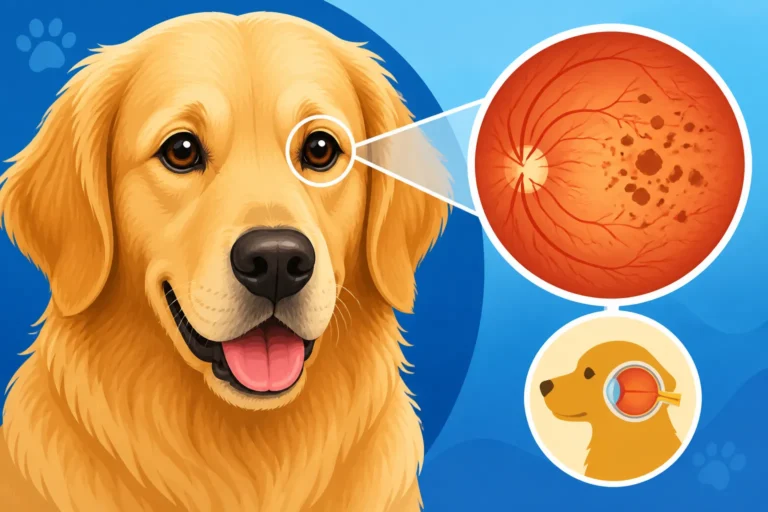
One of the most critical diagnostic tests is an electroretinography (ERG). This non-invasive test measures the electrical activity of the retina in response to light, much like an electrocardiogram (ECG) measures heart activity. The purpose of an ERG is to determine if the retina, the light-sensitive tissue at the back of the eye, is functioning normally. If the retina is compromised or damaged (for example, due to a condition like Progressive Retinal Atrophy in Golden Retrievers, a common Golden Retriever Eye Disease and Pigmentary Uveitis), removing the cataract won't restore vision. A healthy retina is a prerequisite for successful cataract surgery.
Another important tool, especially if the cataract is so dense that the ophthalmologist cannot see through it to the back of the eye, is an ocular ultrasound. This ultrasound allows the specialist to visualize the structures behind the lens, such as the vitreous and the retina, to ensure there are no detachments, masses, or other abnormalities that would prevent vision restoration. Finally, a thorough pre-anesthetic blood panel and sometimes a cardiac evaluation (like an ECG or consultation for Golden Retriever Heart Murmurs a Vet Hears) will be performed to ensure your Golden is healthy enough to undergo general anesthesia for the procedure, minimizing risks during surgery.
Treatment and Management Options for Golden Retriever Cataracts
When it comes to addressing cataracts in your Golden Retriever, there are clear paths forward, primarily focusing on restoring vision through surgery or managing comfort and quality of life if surgery isn't an option. Understanding these choices is vital for making the best decision for your furry friend.
Surgical Intervention: The Primary Solution
For most Golden Retrievers experiencing significant vision loss due to cataracts, surgical removal of the cloudy lens is the gold standard for restoring sight. The procedure commonly performed is called phacoemulsification, which is very similar to cataract surgery in humans. It’s a delicate and highly specialized surgery that requires a veterinary ophthalmologist with specific training and equipment.
During phacoemulsification, a very small incision is made in the cornea. Through this tiny opening, an ultrasonic probe is inserted. This probe emits high-frequency sound waves that gently break up the cataract into tiny fragments. These fragments are then carefully suctioned out of the eye. Once the cloudy natural lens material is removed, an artificial intraocular lens (IOL) is often implanted into the eye. This artificial lens acts as a replacement for the natural lens, allowing light to focus properly on the retina, thus restoring clear vision. While most dogs receive an IOL, in some cases, it might not be possible due to complications or pre-existing conditions, but even without an IOL, vision is significantly improved, though the dog will be farsighted.
The success rates for phacoemulsification in dogs are generally very good, with studies reporting favorable outcomes in 85-95% of cases when performed by experienced specialists. Many owners report a dramatic improvement in their Golden’s quality of life and navigation abilities after surgery. However, it’s important to be realistic about potential risks and complications. These can include post-operative inflammation, glaucoma (increased pressure in the eye), retinal detachment, or infection. While rare, these complications can sometimes lead to vision loss or even necessitate removal of the eye in severe cases. Your veterinary ophthalmologist will discuss all these factors in detail, helping you weigh the benefits against the risks for your individual Golden.
Non-Surgical Approaches and Supportive Care
While surgical intervention is the only way to physically remove a cataract and restore vision, there are situations where surgery isn't an option or isn't desired. In these cases, non-surgical approaches focus on managing secondary issues, addressing underlying causes, and supporting your Golden’s overall comfort. It's crucial to understand that there are currently no scientifically proven eye drops or oral medications that can dissolve existing cataracts in dogs and truly restore vision.
However, certain eye drops may be prescribed in specific circumstances. For example, if the cataract is causing inflammation within the eye (a condition called lens-induced uveitis), anti-inflammatory eye drops may be used to reduce discomfort and prevent further damage. These drops manage the symptoms, but they don't make the cataract disappear. Similarly, if there's a risk of glaucoma developing as a secondary complication, specific drops might be used to help manage intraocular pressure. These are supportive measures, not curative for the cataract itself.
For Golden Retrievers whose cataracts are caused by an underlying condition like diabetes, rigorous management of that condition is paramount. While tight blood sugar control won't reverse existing diabetic cataracts, it can certainly help prevent new ones from forming or slow the progression of very early-stage cataracts. This involves careful insulin administration, dietary management, and regular monitoring by your vet. Additionally, some owners explore antioxidant supplements, hoping they might slow cataract progression. While antioxidants are important for overall health, strong scientific evidence supporting their effectiveness in reversing or preventing cataracts in dogs is limited. Always discuss any supplements with your vet, especially since some could interact with other medications.
Post-Operative Care and Recovery
The journey doesn't end with surgery; in fact, the post-operative care and recovery phase is incredibly critical to the long-term success of cataract surgery for your Golden Retriever. This period requires significant commitment and dedication from you as an owner, involving meticulous adherence to veterinary instructions. It's not uncommon for owners to feel overwhelmed by the intensity of the post-surgical regimen, but your diligence directly impacts your Golden's comfort and restored vision.
Immediately after surgery and for several weeks to months thereafter, your Golden will likely need multiple different types of eye drops administered several times a day. These drops typically include anti-inflammatory medications to control swelling, antibiotics to prevent infection, and possibly others to manage intraocular pressure. Missing doses or administering them incorrectly can lead to serious complications, so a strict schedule is essential. Your dog will also need to wear an Elizabethan collar (the dreaded "cone of shame") continuously for several weeks to prevent them from rubbing or scratching their eyes, which could cause significant damage to the delicate surgical site.
Activity restriction is another key component of recovery. Your Golden will need to be kept calm and quiet, avoiding strenuous exercise, jumping, or rough play for an extended period. This allows the eye to heal without stress or injury. You'll also have a series of frequent re-check appointments with the veterinary ophthalmologist – often weekly at first, then gradually tapering off – to monitor healing, adjust medications, and check for any signs of complications like inflammation or rising eye pressure. The cost of these follow-up visits, medications, and the initial surgery can be substantial, easily running into several thousand dollars per eye. This is where investing in comprehensive pet insurance early, such as a plan from Healthy Paws, can be incredibly valuable, as it can help offset the significant financial burden of such specialized veterinary care, allowing you to focus on your Golden's recovery without undue financial stress.
Caring for a Golden Retriever with Impaired Vision
Whether your Golden Retriever has had cataract surgery or you've decided on a non-surgical approach, adapting your home environment and daily routines is crucial for ensuring their safety, comfort, and continued happiness. Even with impaired vision, Goldens can live full, joyful lives with a little help from their human companions.
Creating a Safe and Familiar Environment
The most important thing you can do for a Golden Retriever with vision loss is to maintain a consistent and predictable home environment. Dogs, like people, create mental maps of their surroundings, and any changes can be incredibly disorienting when they can't rely on sight. Avoid rearranging furniture, especially large items, as this can lead to bumps, falls, and increased anxiety. If you must move something, do it slowly and guide your Golden around the new layout repeatedly until they are familiar with it.
It’s also crucial to create clear, unobstructed pathways throughout your home. Remove clutter, tripping hazards like shoes, bags, or small rugs that can bunch up. Consider using baby gates or safety barriers to block off stairs, swimming pools, or other potentially dangerous areas, especially when you can't supervise your Golden directly. This prevents accidental falls and gives both you and your dog peace of mind.
To further aid navigation, you can strategically place tactile cues around the house. These could be small, distinctively textured mats (e.g., a rubber mat for the food station, a carpet square at the back door) that provide sensory markers for key locations. For example, a sisal mat placed before a step down, or a smooth rug indicating a turn. This allows your Golden to "feel" their way around their familiar space, bolstering their confidence and independence. Similarly, having consistent feeding and watering stations that don't move helps them know exactly where to go for essentials.
Establishing Predictable Routines and Communication
Beyond physical adjustments, establishing clear, predictable routines and consistent communication is paramount for a Golden Retriever living with impaired vision. A predictable schedule provides security and reduces anxiety, as your dog learns what to expect throughout their day, from meal times to walks and potty breaks. Stick to these routines as much as possible, as the familiarity helps them anticipate events without visual cues.
Your voice becomes their guiding light. Use consistent verbal commands to help them navigate their surroundings. Simple cues like "step up" for a curb, "watch out" for an obstacle, "this way" for a change in direction, or "wait" before opening a door can be incredibly helpful. Always speak to your Golden when you approach them, even if they're in the same room. Call their name and offer a gentle, reassuring touch before petting or picking them up to avoid startling them, which can be distressing for a dog who can't see you coming.
Consider adding bells to other pets in the household, especially cats, to help your visually impaired Golden know where they are. This helps prevent accidental collisions and promotes smoother interactions. Consistent and gentle handling, combined with clear verbal guidance, reinforces their trust in you and helps them feel secure in their environment. Remember that your calm, confident demeanor directly translates to their own sense of well-being, even when their world is a bit fuzzier.
Enrichment and Maintaining Quality of Life
Just because a Golden Retriever has vision impairment doesn't mean their quality of life has to diminish. Goldens are highly intelligent and adaptable dogs with incredible senses of smell and hearing, which become even more vital when eyesight falters. Embracing these strengths through focused enrichment activities can keep them mentally stimulated and happy.
Scent work is a fantastic way to engage your Golden's most powerful sense. Hide treats around the house, use puzzle feeders like KONGs or snuffle mats, or try out formal nose work games. These activities are incredibly rewarding for Goldens, tapping into their natural instincts and providing mental exercise without requiring perfect vision. You might be amazed at how adept they become at finding hidden items using just their nose. This is also a great way to utilize their Golden Retriever Retrieving Instinct and How to Use It, by using highly scented or noisy toys they can easily locate.
For auditory enrichment, use toys that make noise – squeaky toys, crinkly toys, or those with bells inside. Your verbal encouragement and constant chatter can also serve as an auditory beacon, guiding them. When it comes to outdoor exercise, stick to familiar, safe, and securely fenced areas. Leash walks in known neighborhoods are great, but always be mindful of uneven pavement, curbs, or other obstacles. Consider investing in a harness designed for visually impaired dogs, which often features "blind dog" patches to alert others, and ensure you keep them on a non-retractable leash for better control. Many Goldens still enjoy swimming, as long as the entry and exit points are clear and familiar, and they are always supervised. With thoughtful adjustments, your Golden can continue to enjoy a rich, active, and fulfilling life.
Disclaimer
The information provided in this article is for general informational purposes only and is not intended as a substitute for professional veterinary advice, diagnosis, or treatment. Always seek the advice of your veterinarian or other qualified pet health provider with any questions you may have regarding a medical condition for your Golden Retriever. Never disregard professional veterinary advice or delay in seeking it because of something you have read in this article.