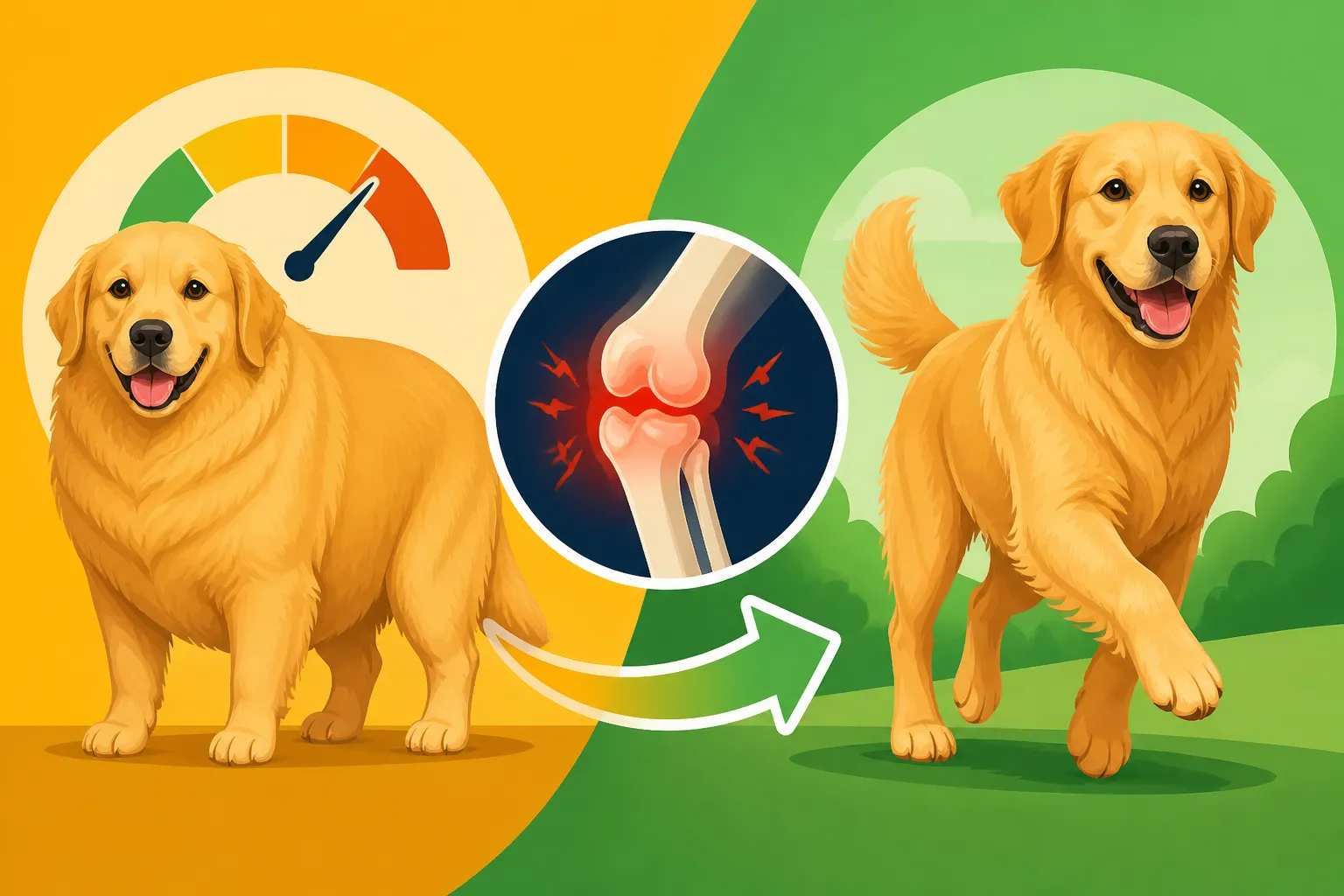
Golden Retriever Weight and Joint Damage
Golden Retrievers are renowned for their loving nature and boundless energy, but sadly, many face debilitating joint issues like hip and elbow dysplasia. One of the biggest silent contributors to the pain and progression of these conditions, and even just general wear and tear, is excess weight. This comprehensive guide will walk you through how extra pounds impact your Golden's joints, how to spot an overweight dog, and practical, empathetic steps to help them achieve and maintain a healthy weight for a longer, more comfortable life.
Why Golden Retrievers Are So Prone to Joint Issues
It's a frustrating reality for many Golden Retriever owners: despite our best intentions, our beloved companions often seem predisposed to joint problems. While genetics play a significant role, the conversation about joint health is incomplete without addressing the critical factor of weight. It's not just about a dog being "chubby" or "fluffy"; it's about the relentless, destructive impact of excess mass on structures that are already vulnerable. Understanding this inherent susceptibility helps us appreciate why diligent weight management is not just good practice, but a necessity for Goldens.
Breed Predispositions to Joint Conditions
Golden Retrievers, along with many large and giant breeds, carry a significantly higher genetic risk for orthopedic conditions such as hip dysplasia and elbow dysplasia. These aren't just minor inconveniences; they're chronic, often painful, conditions that involve the abnormal development of the hip or elbow joints. In a healthy hip, the ball (femoral head) fits snugly into the socket (acetabulum). With hip dysplasia, this fit is loose, leading to instability, grinding, and eventual degenerative joint disease or arthritis. Elbow dysplasia is similarly complex, involving multiple potential developmental abnormalities in the elbow joint.
Even with the most responsible breeding practices—where parents undergo rigorous health screenings and breeders meticulously select for sound structure, often showcasing excellent Health Clearances a Golden Retriever Breeder Must Show—the risk of these conditions isn't entirely eliminated. Genetics can be tricky, and even a well-bred Golden can face these challenges. When a joint is already structurally compromised due to genetics, adding extra weight is akin to piling bricks onto a shaky foundation; it dramatically accelerates the wear and tear, intensifies inflammation, and can transform a manageable condition into a severely debilitating one. This inherent vulnerability means that while weight isn't the sole cause, it acts as a significant accelerator and intensifier of symptoms, turning mild, intermittent discomfort into chronic, everyday pain. For a deeper dive into these specific issues, our guide on Golden Retriever Hip and Elbow Dysplasia Explained offers valuable insights.
This reality can be a source of deep concern and even guilt for owners. It's crucial to remember that you're not alone in facing these breed-specific challenges. However, acknowledging the genetic predisposition empowers us to focus even more intensely on the factors we can control, with weight being one of the most impactful. Proactive weight management for a Golden Retriever isn't just about preventing obesity; it's a vital strategy in mitigating the severity and progression of these deeply rooted breed health issues, offering our dogs the best possible chance at a comfortable, active life.
Rapid Growth and Puppy Joint Health
The adorable, clumsy, fast-growing stage of a Golden Retriever puppy is a critical period for their long-term joint health, and it's where the foundation for future problems can unfortunately be laid if not managed carefully. Golden Retriever puppies experience incredibly rapid growth, often reaching a significant portion of their adult height and weight by 8-10 months of age. This accelerated development means that their bones, joints, and cartilage are still forming and are incredibly vulnerable to undue stress during this time.
Overfeeding a puppy, even with a high-quality large-breed puppy food, can lead to accelerated growth rates that are simply too fast for their developing skeletal system. When a puppy gains weight too quickly or is allowed to carry excess weight, it places immense, premature strain on their soft, rapidly developing growth plates and joint surfaces. This constant pressure can disrupt the normal ossification (bone formation) process and contribute to the abnormal development seen in hip and elbow dysplasia, as well as other orthopedic issues like osteochondritis dissecans (OCD). It's a common, well-intentioned mistake born out of the desire to see a plump, thriving puppy, but in Goldens, a "chunky" puppy is actually a puppy at higher risk for a lifetime of joint pain. Our guide on Why Fast Growth Damages a Golden Retriever's Joints elaborates on this crucial topic.
Therefore, proper nutrition and controlled growth during puppyhood are absolutely paramount. This doesn't mean restricting calories to the point of malnourishment, which is equally harmful. Instead, it means carefully selecting a large-breed puppy food designed with appropriate calcium-to-phosphorus ratios and controlled calorie density, and then strictly adhering to measured feeding guidelines. Resist the urge to free-feed or overindulge with treats. The goal is a steady, healthy, and controlled growth rate that allows bones and joints to mature correctly and robustly, laying a solid foundation for an active, pain-free adult life.
The Mechanics of Weight and Joint Stress
It’s easy to understand, on a basic level, that more weight equals more stress. But the impact of excess weight on a Golden Retriever’s joints goes far beyond simple physics. It involves a complex interplay of mechanical forces and biological processes that systematically degrade joint health. This dual assault means that carrying even a few extra pounds can have a profound and long-lasting negative effect, making your Golden less comfortable and more prone to serious orthopedic problems.
Increased Load on Cartilage and Ligaments
Imagine a sophisticated shock absorber in a car – that's somewhat analogous to the role of cartilage in your Golden's joints. Cartilage is the smooth, resilient tissue that cushions the ends of bones within a joint, allowing them to glide friction-free over one another. Every time your Golden stands up, walks, runs, jumps, or even just shifts their weight, their joints—particularly the hips, elbows, and stifles (knees)—bear the brunt of their body weight. If they are carrying an extra five, ten, or even fifteen pounds, that translates into consistently greater compressive forces on this delicate cartilage.
This perpetual, excessive load causes the cartilage to wear down at an accelerated rate. Unlike bone, cartilage has no direct blood supply, which means it has a very limited capacity for repair or regeneration. Once it's damaged or gone, it's largely gone for good. When cartilage erodes, the protective cushioning disappears, leading to bone-on-bone friction, inflammation, and immense pain—the hallmarks of osteoarthritis. Furthermore, the ligaments that connect bones and provide critical stability to the joint also suffer. Under constant strain, they can stretch, weaken, and become less effective, making the joint even more unstable and susceptible to further injury, like a torn cranial cruciate ligament in the knee. This creates a devastating cycle: excess weight leads to cartilage damage and ligament strain, which causes pain and inflammation, leading to reduced activity, which then contributes to more weight gain and muscle loss, making the joints even more vulnerable. Addressing weight early is crucial to prevent this downward spiral and manage conditions like Golden Retriever Arthritis and Joint Decline.
Inflammation and Metabolic Impact
Beyond the mechanical stress of increased load, excess body fat isn't just inert, passive storage; it's a metabolically active organ. Adipose tissue, or body fat, actively produces and releases a cocktail of inflammatory hormones and signaling molecules, collectively known as adipokines. These substances circulate throughout your Golden's entire body, contributing to a state of chronic, low-grade systemic inflammation. This widespread inflammation doesn't just make your Golden feel generally unwell; it directly harms joint health.
These circulating inflammatory mediators can specifically target joint tissues, exacerbating any existing conditions like hip or elbow dysplasia. They create a hostile, destructive environment within the joint, speeding up the breakdown of cartilage and other joint structures. It's not simply the pain from weight bearing; it’s a cellular-level assault on the integrity of your Golden's joints. This metabolic component means that even a little extra padding, if it persists, can have a profound and detrimental impact that extends far beyond simple physical mechanics, making their joints ache and deteriorate faster than they otherwise would.
Furthermore, obesity often leads to other metabolic imbalances, such as insulin resistance, which can affect the body's overall ability to repair and maintain healthy tissues, including those in the joints. It's a silent threat, slowly but surely undermining your Golden's vitality, comfort, and longevity. Recognizing this dual mechanical and metabolic impact underscores why addressing weight in your Golden Retriever isn't merely about improving their aesthetics; it’s about combating a systemic inflammatory state and protecting their long-term health.
Recognizing an Overweight Golden Retriever
It's astonishing how many of us miss the subtle cues that our Golden Retriever is carrying too much weight. Their thick, luxurious double coats, combined with our tendency to see them through rose-tinted, loving eyes, can mask those extra pounds until they become a significant problem. Yet, recognizing an overweight Golden is the first and most crucial step toward safeguarding their joint health and overall well-being. It requires a combination of objective assessment and keen observation of their physical form and behavior.
Body Condition Scoring Made Easy
Relying solely on a number on a scale can be misleading because ideal weights can vary significantly even within the Golden Retriever breed, depending on lines, sex, and individual build. The most objective and reliable method for assessing your Golden’s weight is using a Body Condition Score (BCS) chart. This is a standardized visual and tactile assessment, typically on a 1-5 or 1-9 scale, where the lowest numbers indicate emaciation and the highest indicate morbid obesity. The ideal target for a Golden Retriever is usually a BCS of 5 on a 9-point scale, or a 3 on a 5-point scale.
For a Golden at a healthy weight, you should be able to easily feel their ribs when you gently run your hands along their side, without having to press hard. They should also possess a discernible "waist" when viewed from above – a clear indentation behind their rib cage before their hips. From the side, their abdomen should gently tuck up, rather than hang low or be straight. While a Golden’s beautiful feathering can sometimes obscure these visual cues, making the tactile assessment of their ribs, spine, and hip bones even more critical, these are still important indicators. It's about being lean and athletic, not bony, and certainly not plump. Our guide on Golden Retriever Ideal Weight by Sex can give you general ranges, but BCS offers a more individualized assessment.
Don't just glance at your dog; actively get your hands on them regularly. If you find yourself having to press firmly to feel their ribs, or if their "waist" is more of a straight line, or even bulges outwards, it’s a strong indicator that they are carrying excess weight. This isn't about shaming your dog or yourself, but about making an honest, objective assessment that can significantly impact their quality of life. Regularly performing a BCS check helps you catch weight creep early, long before it becomes a serious health issue.
Feeling Ribs the Right Way
Understanding how to properly feel your Golden's ribs is a fundamental skill for any responsible owner. It’s a simple, non-invasive technique that provides immediate feedback on their body condition. To perform this, place both of your palms flat against your Golden’s rib cage, just behind their front legs. With a gentle, sweeping motion, run your hands backward along their sides, applying only very light pressure, much like you'd run your hand over a closed fist to feel your knuckles.
At a healthy weight, you should be able to feel each individual rib bone distinctly, almost like feeling the knuckles of your hand with a thin layer of skin and muscle over them. You shouldn't see them prominently sticking out, but they should be easily palpable without having to dig or press hard. If you have to apply firm pressure to feel the ribs, or if they are completely hidden beneath a noticeable layer of fat, your Golden is almost certainly overweight. Conversely, if the ribs are highly visible or feel very sharp with absolutely no discernible fat covering, they might be underweight, which also has its own set of health concerns. The key indicator is that easy palpation with light pressure. For a more detailed guide on this specific technique, refer to Feeling a Golden Retriever's Ribs the Right Way.
Make this tactile assessment a regular part of your routine. It takes mere seconds and provides invaluable information. In addition to the ribs, also check for fat pads over the base of their tail and their hips – these are other common areas where excess fat accumulates on Goldens. Consistent monitoring through this hands-on approach empowers you to make timely adjustments to their diet and exercise, catching weight gain before it progresses to a point where it significantly impacts their joint health and overall well-being.
Early Signs of Mobility Issues
Beyond observing and feeling for excess fat, paying close attention to your Golden’s movement and behavior can offer crucial early warnings that their joints are under stress from too much weight. Sometimes, subtle changes in their daily habits can precede obvious lameness or pain. Are they slower to get up after a nap or after lying down for an extended period? Do they hesitate, even momentarily, before jumping onto the sofa, into the car, or tackling a flight of stairs, tasks they used to perform with joyous abandon? These shifts in enthusiasm or capability can be significant red flags.
You might notice a general stiffness, particularly after a period of rest, or a slight change in their gait—perhaps a less fluid motion, a subtle "bunny hop" when they run, or a tendency to favor one limb by shifting weight. They might seem less interested in extended playtime, appear more fatigued during walks, or even start avoiding activities they once loved, such as fetch or swimming. Sometimes, the signs manifest as behavioral changes: they might become a bit grumpy, less tolerant of being handled in certain areas, or more withdrawn, as chronic pain can significantly impact a dog's temperament.
It’s easy to dismiss these changes as simply "getting old." While aging does bring natural changes, significant declines in mobility, enthusiasm, or general comfort are not inevitable and can often be directly attributed to, or greatly exacerbated by, excess weight putting undue strain on compromised joints. Early detection of these subtle signs means earlier intervention, which can dramatically improve their quality of life, slow the progression of joint disease, and potentially extend their years of comfortable activity. If you are noticing any of these indicators, a veterinary visit is absolutely essential, and a thorough discussion about their weight and joint health should be a top priority.
Preventing and Managing Weight Gain
Successfully managing your Golden Retriever's weight, whether for prevention or loss, is a long-term commitment that requires consistency, mindfulness, and a proactive approach. It's often said that "an ounce of prevention is worth a pound of cure," and for Golden Retrievers and their joints, this adage rings especially true. The good news is that many effective strategies are within your control, focusing on daily habits that contribute to their overall health.
Consistent Feeding Schedules
One of the most common pitfalls leading to weight gain in Goldens is free-feeding, where food is left out for them to graze on throughout the day. Our Goldens are notoriously food-motivated and possess an impressive ability to consume more calories than they truly need if given unlimited access. This can quickly lead to an unhealthy caloric surplus. Establishing a consistent, structured feeding schedule—typically two measured meals a day for adult Goldens—is a fundamental step in controlling their caloric intake and ensuring you have a clear picture of exactly how much they are eating.
Crucially, you must measure their food accurately every single time. Eyeballing amounts or using a random scoop is a recipe for unintentional overfeeding. Invest in a proper measuring cup or, even better, a digital kitchen scale for precise kibble portions. While the feeding guidelines on your dog food bag provide a starting point, remember these are averages. Your individual Golden’s unique metabolism, age, activity level, and body condition will dictate the exact amount they require. If you notice weight gain, a slight reduction in portion size might be necessary; conversely, if they are too lean, a slight increase might be warranted.
Beyond portion control, maintaining consistency in meal times also helps regulate their digestive system and provides a predictable routine that Goldens thrive on. If you have multiple Goldens, or other pets, feeding them separately can prevent one dog from eating another's food, ensuring each gets precisely what they need—especially important if one is on a specific weight management plan. This structured, measured approach forms the bedrock of any successful plan, including Putting an Overweight Golden Retriever on a Diet.
Mindful Treating and Snacking
We all love to spoil our Golden Retrievers; it's practically written into their job description to be adorable and demand treats! However, treats are often calorie bombs that can quickly and subtly derail even the most carefully planned diet. It's easy to forget that every little morsel—a piece of cheese, a crust of bread, a handful of commercial dog biscuits, or even a lick of your ice cream cone—adds up. These seemingly small gestures of affection, given throughout the day, can accumulate into a significant caloric surplus, packing on pounds over time.
To combat this, become a mindful treat giver. Opt for low-calorie, healthy alternatives as treats. Small pieces of raw carrot, green beans, apple slices (without seeds), or plain cooked chicken are excellent, nutritious options that Goldens often adore. If you’re using commercial dog treats, consider breaking them into much smaller pieces. Your Golden typically won’t care about the size of the treat; they appreciate the interaction and the taste, regardless of its volume.
Furthermore, integrate treat calories into your Golden’s daily caloric intake. If you're using a lot of treats for training sessions, make sure to slightly reduce their regular meal portions to compensate. Another smart strategy is to use a portion of their daily kibble allowance as "training treats," thereby avoiding any additional calories. It's about being intentional and aware of every single calorie your Golden consumes, ensuring that every treat truly serves a purpose without compromising their waistline and, by extension, their joint health.
Regular Vet Check-ups
Your veterinarian is your most indispensable partner in the lifelong journey of managing your Golden Retriever's weight and optimizing their joint health. Annual, and ideally twice-yearly, check-ups are not just for vaccinations; they are crucial opportunities for a professional assessment of your dog's overall health, including their body condition. During these visits, your vet can accurately weigh your Golden, perform a thorough body condition assessment, and frankly discuss any concerns you might have about their diet, activity level, or any subtle changes in their mobility. They can help you determine your Golden's ideal target weight and, if necessary, assist in setting a realistic, healthy weight loss goal.
Beyond weight, these regular veterinary visits also facilitate the early detection of any underlying health conditions that could either contribute to weight gain or exacerbate joint issues. For example, hypothyroidism, a common endocrine disorder in Goldens, can slow metabolism and lead to weight gain. Similarly, a vet can identify early signs of joint disease, such as subtle discomfort or inflammation, and recommend preventative measures or appropriate interventions before problems escalate.
Do not hesitate to ask your vet for a comprehensive weight management plan. Many veterinary clinics offer specialized diet recommendations, specific food suggestions, and tailored exercise guidance unique to your Golden's needs, often with the support of veterinary technicians who are fantastic resources for practical tips. Furthermore, having pet insurance, such as a plan from Healthy Paws, can provide immense peace of mind. While it might not cover existing conditions, it can significantly help with unexpected costs related to new joint issues, injuries, or other health complications that might arise, ensuring you can afford the best possible care to keep your Golden comfortable and active.
Dietary Strategies for Joint Health and Weight Management
Feeding your Golden Retriever isn't merely about filling their bowl; it's about providing the precise nutritional fuel needed to maintain a healthy body, support robust joints, and achieve or maintain an ideal weight. The choices you make regarding their diet can profoundly impact their mobility, comfort, and longevity, especially for a breed so prone to orthopedic challenges. It’s about balance, quality, and precision.
Choosing the Right Food Formula
When your Golden Retriever needs to shed some pounds, simply cutting back on their current food might seem like the obvious solution. However, this approach can sometimes inadvertently lead to nutrient deficiencies, as they're getting less of everything, not just calories. A more strategic approach involves switching to a high-quality "light," "weight management," or "senior" dog food formula. These specialized diets are meticulously formulated to be lower in calories and fat, yet still provide an adequate balance of essential protein, vitamins, and minerals to ensure your Golden's nutritional needs are met even while eating less.
When evaluating these specialized formulas, prioritize those that feature lean protein sources (like chicken, turkey, or fish) as the primary ingredient. High protein content is crucial for helping your Golden maintain muscle mass, which is vital for supporting healthy joints and a robust metabolism during weight loss. Adequate fiber content is also beneficial, as it helps promote satiety, making your Golden feel fuller for longer without consuming excess calories. Always opt for reputable brands that adhere to rigorous quality control standards, conduct actual feeding trials, and bear the AAFCO (Association of American Feed Control Officials) statement of nutritional adequacy.
It’s also important to be aware of evolving dietary science. While "grain-free" diets gained significant popularity in recent years, there have been growing concerns and ongoing research by the FDA regarding a potential link between certain grain-free, legume-rich, or exotic ingredient diets and dilated cardiomyopathy (DCM) in some breeds, including Golden Retrievers. Always discuss any significant dietary changes with your veterinarian to ensure the chosen food not only supports weight management but also safeguards your Golden's overall health, particularly cardiac health.
Portion Control and Calorie Counting
This is where the rubber truly meets the road in effective weight management. Even with a carefully chosen "light" food, overfeeding, even slightly, will still lead to weight gain or prevent weight loss. The key lies in precise portion control and, for more challenging cases, calorie counting. To begin, consult your veterinarian to help calculate your Golden's ideal daily caloric intake. This often involves determining their Resting Energy Requirement (RER) and then adjusting for their activity level, current weight, and desired weight loss goals.
Once you have a target calorie count or a specific measured portion, adhere to it religiously. Using a digital kitchen scale to measure kibble by weight (grams) is far more accurate than using standard measuring cups, as kibble density can vary significantly. Crucially, remember to factor in all calories your Golden consumes throughout the day: their measured kibble, any wet food additions, all treats, dental chews, and even incidental remnants of human meals they might snatch. Every single calorie contributes to their total intake.
If your Golden is particularly food-motivated or tends to gulp down their meals too quickly, consider incorporating puzzle feeders or slow feeder bowls. These tools not only extend mealtime, making it a more engaging and mentally enriching experience, but they also force your Golden to eat more slowly. This can help them feel more satisfied with smaller portions and prevent overconsumption. Consistent, precise portion control is the cornerstone of effective weight management and joint protection.
Supplements to Support Joint Health
While a balanced diet and rigorous weight management are the primary pillars of joint health, certain dietary supplements can offer additional, supportive benefits, especially for Goldens who are genetically predisposed to or already experiencing joint issues. Among the most popular and scientifically supported choices are glucosamine and chondroitin. These compounds are natural components of healthy cartilage and are believed to help maintain cartilage integrity, support its repair processes, and reduce inflammation, thereby improving joint comfort and function.
Another superstar in the realm of joint supplements is Omega-3 fatty acids, particularly eicosapentaenoic acid (EPA) and docosahexaenoic acid (DHA), which are abundantly found in fish oil. These powerful natural anti-inflammatories can significantly help reduce joint pain, decrease stiffness, and improve overall mobility by tempering the body's inflammatory response. Look for high-quality, third-party tested fish oil supplements to ensure purity, potency, and freedom from contaminants like heavy metals.
However, it is absolutely vital to discuss any and all supplements with your veterinarian before introducing them into your Golden’s regimen. Your vet can provide guidance on appropriate dosages based on your dog's weight and specific condition, discuss potential interactions with any other medications they might be taking, and help you discern whether a particular supplement is truly beneficial for your Golden's individual needs. Supplements are intended as supportive measures, not as standalone solutions or magic bullets, and they work most effectively when combined with, and never as a replacement for, a healthy weight and appropriate veterinary care. Many effective Joint Supplements for a Golden Retriever are available, but informed choices are always the best choices.
Exercise Adaptations for Joint-Safe Weight Loss
Getting an overweight Golden Retriever moving is absolutely critical for weight loss and muscle development, but it must be approached with caution and intelligence to protect their already vulnerable joints. High-impact activities, while calorie-burning, can quickly exacerbate existing pain or lead to new injuries in a heavy dog. The goal is to stimulate cardiovascular health and build lean muscle mass without putting undue stress on the delicate structures of their hips, elbows, and knees.
Low-Impact Activities
When your Golden is carrying excess weight, or if they have a diagnosed joint condition, high-impact activities like intense fetching, prolonged running on hard surfaces, or repetitive jumping should be minimized or avoided entirely. Instead, the focus should shift to low-impact exercises that allow for caloric expenditure and muscle strengthening without the jarring forces that can damage cartilage and ligaments.
Swimming stands out as an absolute superstar for Golden Retrievers, for many reasons. It is a completely non-weight-bearing exercise, meaning it allows them to use a wide range of muscles and get an excellent cardiovascular workout without any impact on their joints. Most Goldens have an innate love for water, making it a highly enjoyable and effective form of exercise. If you have access to a safe pool, a calm lake, or even a dog-specific hydrotherapy facility, it's an invaluable tool for weight loss and joint rehabilitation.
Other excellent low-impact options include leisurely, consistent walks on soft, forgiving surfaces like grassy fields, dirt trails, or sandy beaches, carefully avoiding hard pavement. These types of surfaces provide natural cushioning. Additionally, extended "sniff-walks" where your Golden is allowed to explore their environment at their own pace, engaging their powerful sense of smell, provide mental enrichment alongside gentle physical activity. Consistency, rather than intensity, is key here; multiple shorter, moderate walks throughout the day are often far more beneficial and safer than one long, exhausting excursion that could leave them sore or injured.
Customizing Exercise for Joint Conditions
For Goldens with a pre-existing or diagnosed joint condition, such as hip or elbow dysplasia, their exercise regimen requires an even more meticulous and customized approach. Generic exercise advice may not only be ineffective but could also be detrimental. In these situations, consulting with a veterinary rehabilitation specialist or a certified canine physical therapist can be an absolute game-changer. These professionals possess specialized knowledge and can design a precise, tailored exercise plan that specifically aims to build strength around the affected joints, improve range of motion, and reduce pain, all without causing further harm.
Such customized programs might incorporate a variety of specific exercises: targeted muscle-strengthening routines, therapeutic stretches to improve flexibility, balance work on unstable surfaces, and even advanced modalities like therapeutic ultrasound, underwater treadmill sessions (hydrotherapy), or cold laser therapy. The overarching objective is to enhance the muscle support surrounding the compromised joints, improve overall body mechanics, and facilitate pain reduction, all while gently encouraging the calorie expenditure necessary for weight loss.
It's a delicate and continuous balancing act. Insufficient exercise can lead to muscle atrophy, further joint instability, and continued weight gain. Conversely, excessive or inappropriate exercise can cause acute pain, inflammation, and accelerated joint degeneration. Close collaboration with your veterinarian and a rehabilitation specialist is essential to find that optimal "sweet spot" of activity that supports healing and strength without overstressing vulnerable joints. This careful approach to exercise, just like our emphasis on safe puppy exercise in Exercise Limits for a Golden Retriever Puppy, is crucial for ensuring the long-term comfort and mobility of an adult Golden with joint issues. For an older Golden, even more specific adaptations may be needed, as detailed in our guide on Caring for a Senior Golden Retriever.
Monitoring Progress and Avoiding Overexertion
Embarking on a weight loss and fitness journey with your Golden Retriever is a process that demands continuous vigilance and observation. Consistent monitoring is not just about tracking numbers on a scale, but also about attentively observing your dog's physical and behavioral responses to their new routine. Regularly weighing your Golden (weekly or bi-weekly), reassessing their body condition score, and meticulously noting their energy levels and comfort both during and after exercise sessions are vital steps.
Pay close attention to any subtle indicators of overexertion or discomfort. These can include excessive panting that doesn't quickly subside, lagging behind during walks, any hint of limping or lameness, increased stiffness the day after activity, a reluctance to play, or even changes in appetite or mood. If you observe any of these signs, it's a clear signal that you need to adjust – either by reducing the intensity or duration of their exercise, or by taking a rest day. Always listen to your Golden; they communicate their limits, even if subtly, through their body language and behavior.
Celebrating small victories along the way is also incredibly motivating for both you and your Golden. Even a loss of a single pound can make a noticeable difference in how they move and feel. Remember that weight loss is a marathon, not a sprint, requiring immense patience, consistency, and dedication. Your unwavering commitment to their health will undoubtedly pay off in a happier, more comfortable, and longer-lived Golden. Furthermore, having pet insurance from a provider like Healthy Paws can offer significant peace of mind during this process, ensuring that if any underlying joint issues become more apparent or require treatment as a result of increased activity, you have financial support for diagnostic tests, medications, or therapies.
The Long-Term Benefits of Healthy Weight
The commitment to managing your Golden Retriever's weight might feel challenging at times, but the profound, long-term benefits for their health and happiness are immeasurable. It’s an investment that pays dividends in improved quality of life, greater comfort, and a significantly reduced risk of a myriad of health complications. This dedication transforms their daily existence, allowing them to truly thrive as the joyful, active companions they are meant to be.
Improved Quality of Life and Comfort
Imagine the constant burden of carrying a heavy backpack every single day, with every step, every rise from a resting position. That's a crude analogy for what an overweight Golden Retriever experiences. When those unnecessary pounds are shed, the relief your dog feels is palpable and profound. With less stress on their joints, they will naturally experience significantly less pain and discomfort, leading to a marked improvement in their overall physical and mental well-being.
A return to a healthy weight unleashes their true Golden spirit. They'll exhibit more energy, move with greater fluidity and ease, and demonstrate a renewed enthusiasm for activities they once loved but found difficult. Chasing a ball, romping joyfully in the park, embarking on longer, more enjoyable walks, and greeting you with those signature enthusiastic wiggles—all become more accessible and pleasurable when their body isn't weighed down. Their inherent happy and playful personality, which might have been dampened by chronic aches, often shines brighter once they're no longer battling constant discomfort. For many owners, witnessing this profound transformation in their Golden's daily comfort and zest for life is, without a doubt, the greatest reward of all. It’s not just about potentially adding years to their life, but crucially, adding life to their years, filling them with the vitality and joy they so richly deserve.
Reduced Risk of Further Complications
Beyond the immediate improvements in comfort and mobility, maintaining a healthy weight acts as a powerful preventative measure against the progression of existing joint diseases and significantly lowers the risk of developing new ones. For a breed like the Golden Retriever, already highly predisposed to conditions such as hip and elbow dysplasia, this proactive intervention is incredibly potent. By keeping them lean, you can substantially delay the onset of severe arthritis, reduce the need for chronic pain medications, and potentially even help them avoid costly and invasive surgeries later in life.
However, the benefits extend far beyond just joint health. A lean body condition contributes to your Golden's overall systemic well-being, mitigating the risk of a host of other serious obesity-related health issues. These include, but are not limited to, diabetes, heart disease, respiratory problems, certain types of cancer (as fat tissue is metabolically active and can promote inflammation and tumor growth), and even complications during anesthesia or surgery. Our in-depth article on How Extra Weight Shortens a Golden Retriever's Life delves into these broader, often underestimated, health impacts.
Consider managing your Golden's weight as one of the most impactful long-term investments you can make in their health and happiness. It represents a form of proactive care that not only maximizes their comfort and activity levels but also minimizes the likelihood of future medical interventions, potential suffering, and significant financial strain. Knowing that you've diligently done everything within your power to safeguard their physical health and ensure their joyful longevity provides unparalleled peace of mind.
Practical Tools and Resources for Weight Management
Successfully navigating the journey of weight management for your Golden Retriever requires more than just good intentions; it often benefits greatly from practical tools, leveraging technology, and enlisting the support of professionals and your entire household. You don't have to tackle this alone. Modern resources and a collaborative approach can make the process more manageable, sustainable, and ultimately, more successful for your beloved companion.
Leveraging Technology and Professional Support
In today's interconnected world, there's a wealth of technological tools available to assist you in monitoring and managing your Golden's weight. Various pet-specific apps can help you meticulously track their daily food intake, exercise duration and intensity, and weight fluctuations over time. This data-driven approach allows you to identify trends, pinpoint areas for adjustment, and stay consistent with their plan. Smart pet feeders, for instance, can be invaluable for dispensing precise, pre-measured portions at scheduled times, taking the guesswork and temptation out of manual feeding. Some even connect to apps for remote monitoring.
Beyond digital aids, don't underestimate the profound value of professional support. As touched upon earlier, a board-certified veterinary nutritionist can provide highly specialized and individualized dietary advice, formulating a precise meal plan that caters to your Golden's specific metabolic needs, activity level, and any underlying health conditions. Similarly, a certified canine rehabilitation therapist can develop a finely tuned exercise program, particularly crucial for Goldens with existing joint challenges or those requiring a careful reintroduction to activity. These experts offer personalized, evidence-based strategies that would be exceedingly difficult for most owners to develop accurately on their own.
Furthermore, remember that your entire veterinary team, including vet technicians, are fantastic, often underutilized, resources. They are typically well-versed in practical tips for portion control, creative low-calorie treat alternatives, and safe exercise ideas. They are often just a phone call away and happy to offer guidance, making them accessible allies in your Golden's weight management journey. Leveraging these technological and professional resources can significantly enhance your chances of long-term success.
Building a Supportive Environment
Weight management for a Golden Retriever isn't solely about the dog; it's inherently a household endeavor. To achieve lasting success, it’s paramount that every member of the family is on board and understands the importance of sticking to the established feeding plan. This means no slipping extra treats under the table, no "accidentally" dropping food, and no unauthorized extra meals. Consistency from all family members is not just helpful, it is absolutely crucial, as even small deviations can undermine progress and confuse your Golden.
Make exercise a communal and enjoyable activity. Daily walks, engaging playtime in the yard, or weekend excursions to dog-friendly parks or hiking trails can transform fitness into a bonding experience for the entire family. Exploring structured dog sports, such as scent work, rally obedience, or even beginner agility (with appropriate joint considerations), can provide wonderful mental and physical stimulation without excessive, high-impact stress on their joints. These activities offer a fun, interactive way to keep your Golden engaged and active.
Consider creating a dedicated "treat station" with only approved, low-calorie treats or a portion of their daily kibble allowance, making it easy for everyone to give appropriate rewards without accidentally overfeeding. Fostering a consistent, loving, and supportive environment removes many of the common hurdles to successful weight management and reinforces positive habits for your Golden. In this comprehensive care approach, having pet insurance, such as a robust plan from Healthy Paws, also plays a role in building a supportive environment. It ensures you have the financial means to address any unexpected health issues or injuries that may arise, allowing you to maintain consistent, high-quality care for your Golden Retriever throughout their life.
| BCS (9-point scale) | Description | Visual Cues (Golden Retriever Specific) | Tactile Cues (Golden Retriever Specific) |
|---|---|---|---|
| 1-3 (Underweight) | Emaciated to Thin: Ribs, lumbar vertebrae, pelvic bones, and other bony prominences are distinctly visible or easily palpable with no fat cover. Obvious loss of muscle mass. | Ribs, spine, and hip bones are very prominent, often visible through their coat, especially when wet or with minimal feathering. Severe abdominal tuck-up and extreme hourglass figure. | Ribs, spine, and hip bones are felt very easily with no discernible fat cover; sharp to the touch. Significant muscle loss is evident along the spine and ribs. |
| 4 (Lean/Ideal) | A bit lean, but still considered healthy. Ribs easily palpable; waist easily noted when viewed from above; abdominal tuck present. | Ribs are felt with minimal effort. A distinct, but not extreme, waist is evident behind the ribs. A clear abdominal tuck-up is visible from the side. | Ribs are felt easily without applying pressure, with a very thin layer of fat covering them. Muscle definition is good. |
| 5 (Ideal) | Ideal Body Condition: Ribs palpable with slight fat cover; waist observed behind the ribs when viewed from above; abdominal tuck present when viewed from the side. | Ribs, spine, and hip bones are palpable but not prominent. A distinct waist is observed when viewed from above, and a moderate abdominal tuck is present from the side. The Golden looks athletic and well-proportioned. | Ribs are felt with slight, easy pressure. A smooth, thin layer of fat covers the ribs, making them feel like the back of your hand. |
| 6 (Overweight) | Overweight: Ribs palpable with difficulty; waist absent or barely visible when viewed from above; abdominal tuck lost or minimal. Moderate fat deposits over lumbar area and base of tail. | Ribs require moderate pressure to feel. The waist is barely discernible or absent when viewed from above, appearing more like a straight line. The abdominal tuck is minimal or absent, and a slight fat accumulation is often visible over the lumbar area and tail base. | Ribs require noticeable pressure to feel, covered by a moderate layer of fat. The definition of the spine and hips is less clear. |
| 7-9 (Obese) | Obese to Morbidly Obese: Ribs, spine, and hip bones are difficult or impossible to feel due to heavy fat cover. Obvious abdominal distention and heavy fat deposits over the lumbar area, face, limbs, and tail base. | Ribs are very difficult or impossible to feel. No waist or abdominal tuck; the body appears rounded or barrel-shaped. Obvious distention of the abdomen and significant fat deposits are clearly visible over the spine, tail base, neck, and sometimes even the face and limbs. The Golden looks "blocky" or rotund. | Ribs are covered by a thick layer of fat, making them very difficult or impossible to palpate. Heavy fat deposits are evident over the lumbar area, base of the tail, and often around the neck and shoulders. The abdomen feels soft and pendulous, and the dog often struggles with movement. |
Disclaimer
The information provided in this guide is for informational purposes only and does not constitute veterinary medical advice. Always consult with a qualified veterinarian for any health concerns or before making any decisions about your Golden Retriever's diet, exercise, or medical treatment.