Private Training Rates for a Golden Retriever
Bringing a Golden Retriever into your home is an incredible joy, but let's be real – sometimes those adorable antics turn into genuine training challenges. You might be feeling overwhelmed by a puppy who nips endlessly, an adolescent who's forgotten all his manners, or an adult dog developing frustrating habits, and you're wondering if private training is the answer. It often is, but the thought of the cost can be a huge hurdle. This guide will walk you through what to expect for private training rates for your Golden Retriever, what influences those prices, and how to approach finding the right fit for your budget and your beloved furry family member.
Understanding Private Training for Your Golden Retriever
When your Golden Retriever starts exhibiting behaviors that are less than ideal – whether it's incessant jumping, pulling on the leash, or just a general lack of focus – you might feel like you've tried everything. Group classes are great, but they don't always address the unique quirks and specific challenges of your dog in your home environment. That's where private training steps in, offering a tailored approach that can make a world of difference.
What Private Training Entails
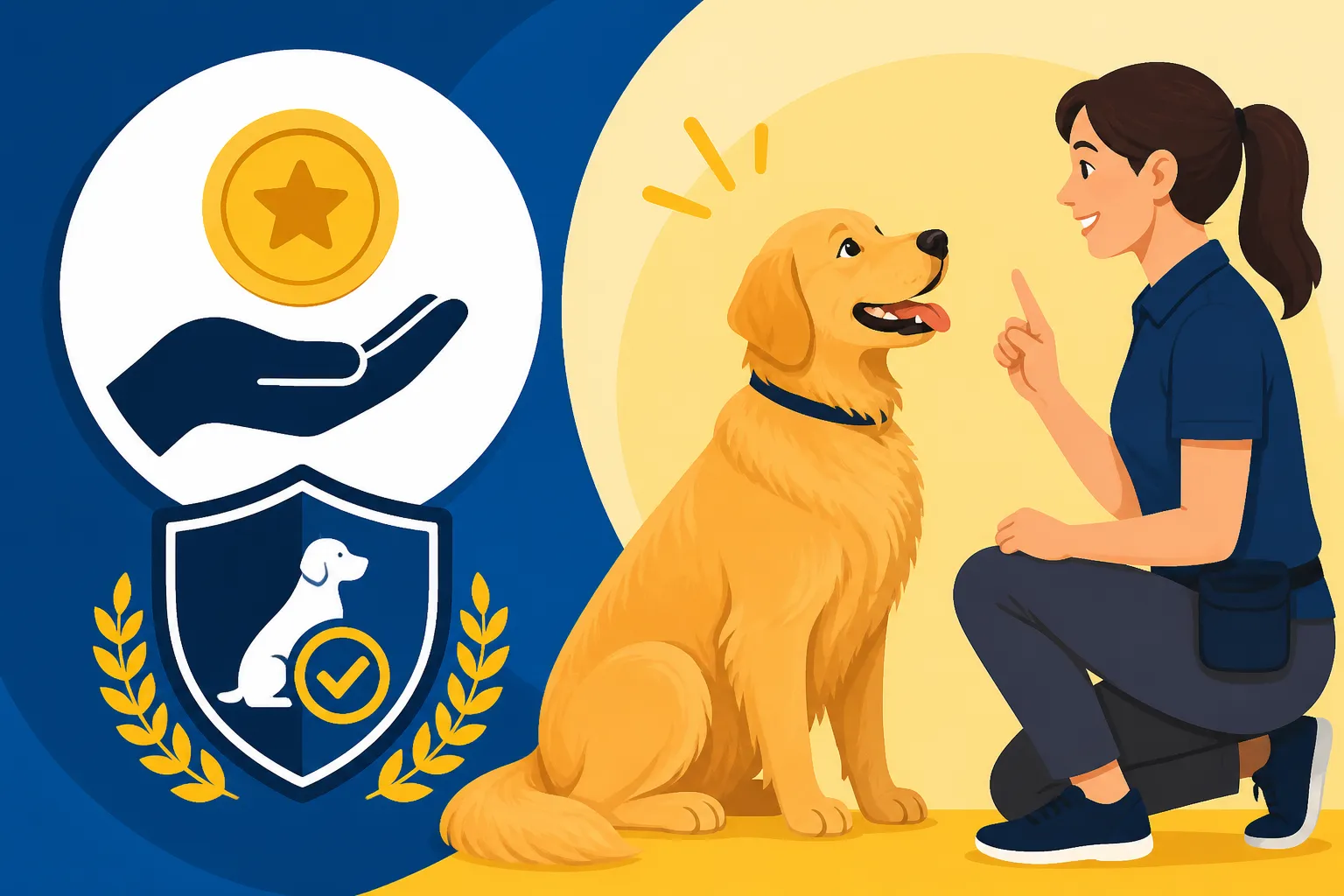
Private training, at its core, involves a professional dog trainer working one-on-one with you and your Golden Retriever, often in your home or a location where the behavior is most prominent, like a local park. Unlike group classes where the curriculum is fixed, private sessions are entirely customized to your needs and your dog's specific learning style and issues. For example, if your Golden is particularly reactive to squirrels during walks, a private trainer can work with you directly on that specific scenario, in that specific environment. This focused attention can accelerate learning and create more lasting change because it directly addresses the root causes and contexts of the behavior.
Think of it this way: if your Golden Retriever has developed a habit of Golden Retriever Counter Surfing and Food Stealing, a group class might cover "leave it" in a general sense. But a private trainer can actually come to your kitchen, set up real-life scenarios with tempting food on the counter, and guide you through the precise steps to prevent the behavior before it happens, and how to redirect and reward appropriately. This direct application in the problematic environment is incredibly powerful.
When Private Training Becomes the Best Option
While group classes are fantastic for basic obedience and socialization, there are several scenarios where private training truly shines for Golden Retrievers. One common reason is specific behavioral problems that are difficult to address in a group setting. This could include issues like aggression towards other dogs, severe separation anxiety, or intense reactivity to certain stimuli. In these cases, a private trainer can create a safe, controlled environment to gradually desensitize and counter-condition your dog without the added stress of other dogs or distractions.
Another key reason is the need for personalized attention. Perhaps your Golden is exceptionally sensitive, easily distracted, or has a unique learning pace that doesn't fit a standard class structure. A private trainer can adapt their methods and pace to suit your dog perfectly. Also, if your schedule is packed, private sessions offer flexibility that fixed-time group classes often don't. You can often arrange sessions that fit around your work and family commitments, making consistency much easier to maintain, which is vital for effective training. Many Golden owners find this flexibility invaluable, especially during critical phases like Golden Retriever Chewing Through Adolescence where consistent guidance is needed.
Finally, some owners prefer the one-on-one instruction themselves. They might feel more comfortable asking questions, practicing techniques without judgment, or simply want to learn at their own speed. For complex issues like Golden Retriever Separation Anxiety Signs, a private trainer can spend dedicated time teaching you how to recognize subtle cues, implement management strategies, and practice specific exercises that a group setting simply couldn't accommodate.
Factors Influencing Private Training Costs
It would be lovely if there was one flat rate for private dog training, but just like everything else, the cost can vary quite a bit. Understanding the different elements that go into pricing can help you manage your expectations and budget effectively when looking for a private trainer for your Golden Retriever.
Geographic Location and Local Market Rates
The cost of living and demand for services in your area play a significant role in how much you'll pay for private training. A trainer working in a bustling metropolitan area like New York City or Los Angeles will likely charge more per hour or per session than a trainer in a smaller town in, say, rural Oregon. This isn't just about overhead; it's about the competitive market and the prevailing wages in that region.
For instance, if you're in a high-demand area, trainers might have full schedules and can command higher rates, whereas in an area with fewer dog owners or more trainers, prices might be more competitive. It's always a good idea to research the average rates for dog training services specifically in your town or city. Don't be shy about calling a few local trainers or searching online for comparisons. This will give you a baseline to understand what is considered fair for your particular location. This also applies to other pet services; for example, Golden Retriever Vet Costs in a City Versus a Town can vary wildly based on location.
Trainer Experience, Certifications, and Specializations
Just like in any profession, experience and credentials come with a higher price tag, and dog training is no different. A trainer who is newly certified might charge less than someone who has been successfully working with dogs for two decades and holds multiple advanced certifications. For instance, a certified professional dog trainer (CPDT-KA), a certified behavior consultant (CBCC-KA), or a trainer with specific expertise in areas like aggression or advanced obedience will often command higher fees.
Specialization also plays a huge role. If your Golden Retriever has a very specific or complex issue, like severe reactivity or resource guarding, you'll want a trainer who specializes in behavioral modification, not just basic obedience. These specialists have undergone extensive education and hands-on experience to tackle more challenging cases, and their rates reflect that advanced skill set. While a general obedience trainer might charge $75-125 per hour, a highly sought-after behavior specialist might charge $150-300 or more per hour, especially if they are a board-certified veterinary behaviorist. When you're looking for Choosing a Trainer for a Golden Retriever, always ask about their experience and certifications.
Session Structure and Package Deals
Private training isn't just a one-off thing; it usually involves a series of sessions to achieve lasting results. Trainers often structure their services in a few ways:
- Hourly Rates: Some trainers charge a flat hourly rate, which can range from approximately $75 to $200 per hour. This is good if you only need help with a very specific, minor issue or want to "try out" a trainer.
- Per-Session Rates: Similar to hourly but might be for a fixed 60-90 minute session, costing anywhere from $100 to $250 per session.
- Package Deals: This is where many Golden owners find value. Trainers will offer packages of multiple sessions (e.g., 3, 5, or 10 sessions) at a slightly reduced rate per session compared to buying them individually. For example, a 5-session package might cost $450-$800, bringing the per-session cost down. These packages are often recommended because consistent training over several weeks is far more effective than sporadic sessions. Many trainers also include follow-up support or resources with their packages.
- "Board and Train" Programs: This is the most intensive and usually the most expensive option. Your Golden Retriever would live with the trainer for a period (e.g., 2-4 weeks) for immersive training. Costs for these programs can range from $1,500 to $6,000 or even more, depending on the duration and trainer. While effective for some, it's important to thoroughly research Whether Board and Train Works for Golden Retrievers and ensure the trainer's methods align with your values.
Here's a quick comparison of typical costs:
| Training Type | Average Cost Range (Hourly/Session/Package) | Pros | Cons |
|---|---|---|---|
| Group Classes | $150 – $300 (4-6 week course) | Cost-effective, socialization, basic obedience | Less personalized, fixed schedule, distractions |
| Private Hourly/Session | $75 – $250 per hour/session | Highly personalized, flexible, addresses specific issues | Can be expensive if many sessions are needed |
| Private Package (5-8 sessions) | $500 – $1200+ | Better value than hourly, comprehensive, consistent | Upfront cost, still requires owner participation |
| Board and Train | $1,500 – $6,000+ (2-4 weeks) | Immersive, fast progress, handles complex issues | Most expensive, dog is away from home, owner must learn transfer skills |
It's also worth noting that some trainers might charge extra for travel outside a certain radius, or for additional resources like training handouts, specialized equipment (though good trainers will advise on appropriate tools rather than sell them), or ongoing phone/email support. Always ask for a clear breakdown of all costs upfront.
What to Expect from Private Training Sessions
Deciding to invest in private training for your Golden Retriever is a big step, and knowing what to expect can help you prepare and get the most out of your investment. These aren't just one-off events; they're a partnership between you, your dog, and the trainer, designed for lasting success.
Initial Consultation and Goal Setting
The very first step with a private trainer is typically an initial consultation. This isn't usually a full training session, but rather an in-depth discussion where the trainer gets to know you and your Golden. They'll ask about your dog's history, current behaviors, what you're hoping to achieve, and any specific challenges you're facing. For example, if your Golden has suddenly started jumping on every guest, they'll want to know when it started, what triggers it, and what you've tried so far. This is also your chance to ask questions about their philosophy, methods, and experience, especially with Golden Retrievers.
During this consultation, the trainer will observe your dog's behavior, temperament, and response to you. They might do a quick assessment to gauge your dog's basic obedience and reactivity. Based on this, they'll work with you to set realistic, achievable goals. These goals might be something like "reduce leash pulling by 50%," "teach a reliable recall in the backyard," or "stop jumping on visitors when they enter the home." This collaborative goal-setting ensures everyone is on the same page and helps create a structured plan for future sessions.
Session Structure and Homework
A typical private training session for your Golden Retriever will last anywhere from 60 to 90 minutes. During this time, the trainer will usually demonstrate techniques, guide you through practicing them with your dog, and provide immediate feedback and adjustments. They'll break down complex behaviors into smaller, manageable steps, using positive reinforcement methods that are highly effective with Goldens. For instance, if you're working on Leash Manners for a Strong Golden Retriever, the trainer might start by teaching your dog to walk politely for just a few steps, gradually increasing the distance and adding distractions.
A crucial part of private training is the "homework" you'll receive. The trainer is there to teach you how to train your dog, so consistent practice between sessions is absolutely vital for success. This might involve short, daily practice sessions, environmental management (like putting tempting items out of reach to prevent counter surfing), or controlled socialization exercises. Expect to dedicate 10-20 minutes, several times a day, to reinforce what you learned during the session. Without this dedication, progress will be slow, and you might feel like you're not getting your money's worth.
For example, after a session focused on Teaching a Golden Retriever to Come When Called, your homework might be to practice recall in a low-distraction environment 5-10 times a day, always making it a positive experience with high-value treats (like those from Chewy or Ollie). They might also suggest specific toys or tools that could aid in your training.
Progress Tracking and Adjustments
Good private trainers are committed to seeing you and your Golden Retriever succeed. They will continuously track your progress, often taking notes during sessions and asking for updates on homework between visits. This allows them to assess what's working, what's not, and make necessary adjustments to the training plan. If your Golden isn't responding to a particular method, or if a new challenging behavior emerges, the trainer will adapt their approach.
You should feel comfortable communicating openly with your trainer about your struggles and successes. Perhaps your Golden is mastering "sit" but still struggling with "stay" when a squirrel runs by. The trainer can then adjust the next session to focus more heavily on building "stay" duration and proofing it against distractions. This iterative process is what makes private training so effective and tailored. It’s a dynamic partnership aimed at helping your Golden Retriever become the best companion they can be.
Budgeting for Private Training and Saving Money
We all want the best for our Golden Retrievers, but the costs associated with dog ownership can add up quickly. From premium food options like Ollie to potential emergency vet bills (which, by the way, Pet Insurance for a Golden Retriever from providers like Healthy Paws can really help with), every dollar counts. Private training is an investment, but there are smart ways to approach it without breaking the bank.
Prioritizing Training Goals
Before you even start looking for a trainer, sit down and identify your absolute top-priority training goals. Is it stopping incessant barking, preventing destructive chewing, or achieving reliable recall for off-leash adventures? Focusing on one or two major issues first can help you budget for a smaller package of sessions, rather than committing to a comprehensive program that might include behaviors you don't need help with immediately.
For instance, if your Golden Retriever is fantastic at home but a nightmare on walks, prioritize leash manners. Once you've made significant progress there, you can re-evaluate if you need more sessions for other concerns. Sometimes, addressing one core issue can have a positive ripple effect on other behaviors, making subsequent training easier or even unnecessary. This targeted approach ensures your investment goes directly to solving your most pressing problems, making the training more efficient and cost-effective.
Utilizing Online Resources and Group Classes First
While private training is invaluable for specific issues, don't underestimate the power of more affordable alternatives. Many basic obedience commands and manners can be taught through quality online courses or local group classes. Platforms like Chewy or numerous online dog training schools offer excellent resources, often at a fraction of the cost of private sessions. Group classes, as mentioned, are great for socialization and fundamental skills, and typically cost much less overall. Consider taking a puppy class or basic obedience class first.
For example, learning foundational commands like "sit," "stay," and "come" in a group class can set a strong base. Then, if your Golden Retriever struggles with a specific advanced challenge like Golden Retriever Recall and Off-Leash Reliability in high-distraction environments, you can bring in a private trainer for targeted help on that specific issue. This blended approach allows you to save money on the basics while reserving private sessions for truly difficult or specialized needs. Many resources also provide guidance for preventing common issues like Golden Retriever Puppy Nipping at Children before they escalate.
Negotiating and Payment Plans
It never hurts to ask! While trainers have set rates, some may be open to a slight negotiation, especially if you're committing to a larger package or if you have a genuinely unique circumstance. Some trainers might offer a discounted rate if you can schedule sessions during off-peak hours. Others might have sliding scale options or different tiers of service.
Additionally, inquire about payment plans. Some trainers understand that a large upfront cost can be prohibitive and might allow you to pay for a package in installments rather than all at once. For example, paying half upfront and the remainder over two months could make a 5-session package more manageable. Always be respectful and upfront about your budget limitations. A good trainer wants to help you and your dog, and they might be able to suggest creative solutions or alternatives that fit your financial situation. Just be sure to clarify all terms and conditions before committing.
Disclaimer
This article is for general informational purposes only and does not constitute professional advice. Laws, prices and regulations vary by location and change over time. Consult a qualified professional for guidance on your specific situation.