Golden Retriever Recall and Off-Leash Reliability
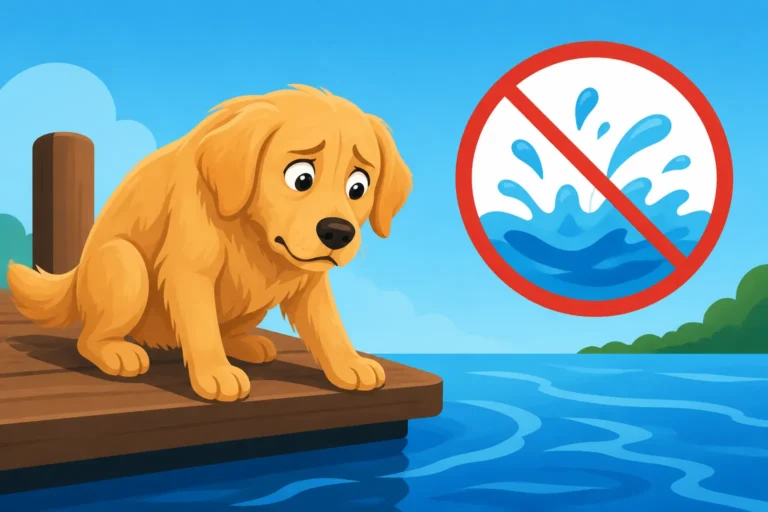
Few things are as frustrating, or frankly, as terrifying, as calling your beloved Golden Retriever when they're off-leash, only for them to give you a quick glance, a wag of the tail, and then bolt after a squirrel or another dog. It's a common scenario that many Golden owners face, leaving us feeling helpless and sometimes risking our dog's safety. This guide is here to help you understand the nuances of building a truly reliable recall for your Golden Retriever, making off-leash adventures a joy, not a source of anxiety.
Understanding the Golden Retriever's Nature and Recall Challenges
Golden Retrievers are renowned for their friendly demeanor, intelligence, and eagerness to please. These traits should, in theory, make them champions of recall. Yet, many owners struggle. The truth is, while they want to please you, their strong instincts and a world full of exciting distractions can often override even the best intentions. It's not about them being stubborn or disobedient; it's about making coming back to you the most rewarding choice they can possibly make.
Why Goldens Sometimes "Tune Out"
Imagine walking through a bustling street fair. You hear your name, but there's a delicious food truck, a captivating musician, and your best friend just spotted across the crowd. It's easy to get distracted, right? For a Golden Retriever, the world is an even more intense sensory experience. A scent trail from a rabbit, the sight of a dog playing in the distance, or the sound of children laughing can be incredibly powerful draws. Their focus shifts from you to the immediate, stimulating environment. This "tuning out" isn't defiance; it's often an overwhelmed or overstimulated brain, combined with natural instincts pulling them in a thousand directions.
Moreover, if calling them back always means the end of fun, like leaving the dog park, they'll quickly learn to associate your "come" command with something negative. This creates a learned avoidance, making recall a game of cat and mouse rather than a joyful reunion. We need to flip that script and ensure coming back is always better than whatever they were doing.
The Golden Retriever's Instincts and Distractions
Golden Retrievers were bred for a specific purpose: retrieving game for hunters. This means they have an innate drive to follow scents, chase moving objects, and carry things in their mouths. While these traits make them wonderful companions and excellent at games like fetch, they can also be significant distractions when you need their attention. A flock of birds taking flight, a rabbit darting into the bushes, or even a leaf blowing across the path can trigger their prey drive, sending them off without a second thought.
Their friendly nature also plays a role. Goldens generally love people and other dogs, which means they're highly motivated to go say hello. If your Golden sees another dog on the horizon, their instinct to greet and play can be far more compelling than your voice. Understanding these deep-seated instincts isn't about excusing poor recall, but about recognizing the powerful forces you're up against and designing your training to be even more compelling.
The Importance of Early Recall Training
Starting early is crucial. The younger your Golden Retriever puppy is, the less ingrained their independent exploration habits are, and the more malleable their minds are to new concepts. Establishing a strong foundation for recall during their critical socialization period means you're building a habit of checking in with you and responding reliably before the teenage "rebellious" phase sets in. Think of it like teaching a child to look both ways before crossing the street – it's a fundamental safety skill.
Early recall also builds trust and strengthens your bond. When your puppy learns that coming to you always leads to something wonderful (a treat, a favorite toy, enthusiastic praise), they develop a positive association that will serve them for life. This isn't just about obedience; it's about creating a safe, responsive partner who sees you as the most valuable resource in any environment. For more on their development, check out our guide on Training a Golden Retriever From Puppy to Adult.
Building the Foundation: Early Recall for Golden Retriever Puppies
The key to a bulletproof recall starts with making it the most fun, rewarding, and consistent thing your puppy ever does. Forget punishment or scolding; those only teach your Golden to avoid coming to you when called, especially if they think they're in trouble. We want them to sprint back with a joyful "what's next?!" attitude.
Starting with Positive Reinforcement
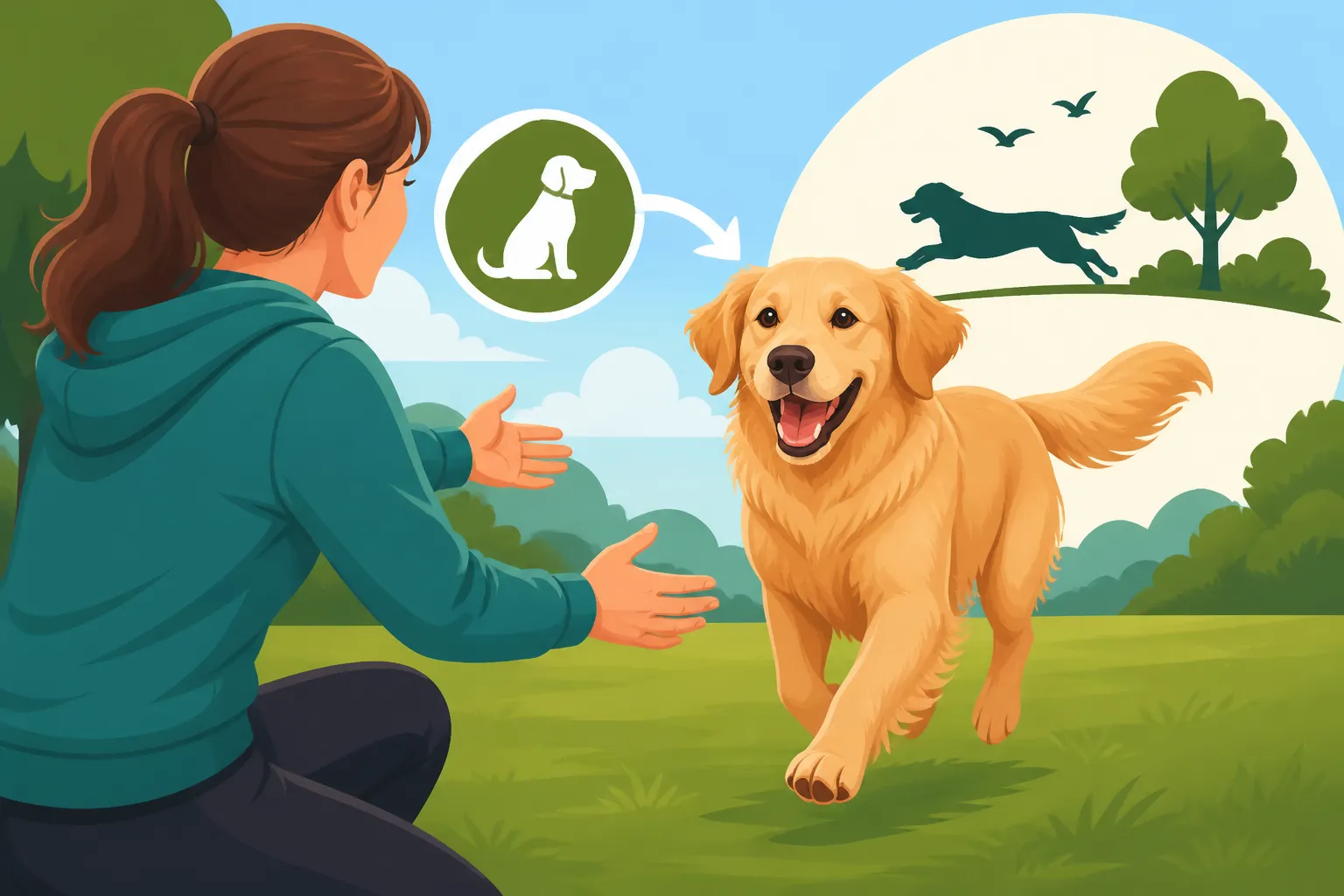
Positive reinforcement is the absolute cornerstone of effective recall training for a Golden Retriever. Every single time your puppy comes to you when called, regardless of how long it took or what they were doing, they should be met with an excited celebration. This means high-value treats – think tiny pieces of cooked chicken, cheese, or hot dogs, not just their regular kibble. Also, enthusiastic praise, petting, and a quick game with a favorite toy can be fantastic rewards. The goal is to make them think, "Wow, coming to Mom/Dad is the BEST thing ever!"
Start in a quiet, distraction-free environment, like your living room or a fenced backyard. Call their name, then "Come!" (or whatever your chosen cue is). As soon as they take a step towards you, praise them lavishly, and when they reach you, immediately reward them. Repeat this many, many times in short, fun sessions throughout the day. Keep it light and enjoyable; avoid drilling it until they're bored. For ideas on the best rewards, consider Best Treats for Training a Golden Retriever.
The "Come" Command: Making it a Game
Turn recall into a game, not a chore. The "puppy ping-pong" game is excellent for this. Have two people sit a short distance apart. One person calls the puppy, rewards them, then the other person calls them, rewards them, and so on. This builds enthusiasm for coming to a person and makes it unpredictable and fun. You can also hide around a corner and call your puppy, rewarding them when they "find" you. This teaches them to seek you out.
Another fun game is to throw a low-value toy a short distance, and as your puppy goes to investigate, call "Come!" As they turn back, reward them with a higher-value treat before they even reach the toy. This teaches them that coming to you overrides even mild distractions. The more you make "come" synonymous with fun, delicious things, and play, the stronger that association becomes. Remember, Golden Retriever Training Sessions That Are Too Long can be counterproductive, so keep them short and sweet.
Proofing Recall in Low-Distraction Environments
Once your Golden Retriever is reliably coming when called indoors, it's time to gradually introduce more distractions. Start with your fenced backyard or a very quiet, contained area. The key word here is gradually. If you go from your living room to a busy dog park, you're setting your puppy up for failure. Use a long line – a lightweight leash that's 15-30 feet long – even in fenced areas, to give you a safety net and prevent them from practicing ignoring you.
Practice calling them when they're mildly distracted by a sniff or a patch of grass. If they hesitate, gently reel them in with the long line while cheerfully repeating your "come" command, and then still reward them enthusiastically when they reach you. This teaches them that "come" is non-negotiable, but also that compliance is always rewarded, even if they needed a little help. Never scold if you have to use the line; the goal is to make coming to you a positive experience, every time.
Advanced Recall Techniques for Adolescent and Adult Goldens
As your Golden Retriever matures, distractions become more potent, and their world expands. This is when you truly put that early foundation to the test. What worked perfectly in your backyard might fall apart at the park. This isn't a sign of failure; it just means you need to up your game and systematically increase the challenge.
Using a Long Line for Safety and Practice
The long line is your best friend for building off-leash reliability. It allows your Golden Retriever to experience the freedom of exploring while giving you control and the ability to practice recall in increasingly distracting environments. It's a bridge between on-leash and true off-leash freedom. Always use a harness with a long line, never attach it to a collar, to prevent injury if they hit the end of the line suddenly.
Start by letting your Golden drag the long line in a safe, open area. Let them wander a bit, sniff around. Then, when they're mildly distracted, call "Come!" If they respond, great, lavish rewards! If they don't, gently step on the line or give it a light tug while repeating your command. When they get to you, still reward them heavily. The goal is to always enforce the command without ever letting them "fail" by ignoring you. This is how you reinforce that "come" means "come, right now." For detailed guidance, see Long Line Training for a Golden Retriever.
Adding Distractions Gradually
This is where many owners go wrong: they jump from the backyard to a highly stimulating environment too quickly. Instead, create a hierarchy of distractions.
- Level 1 (Low Distraction): Fenced yard, quiet park at off-peak hours.
- Level 2 (Medium Distraction): Park with a few people walking by, maybe a dog in the distance.
- Level 3 (High Distraction): Dog park, busy hiking trail, areas with wildlife.
Only move up a level when your Golden is responding reliably at the current level. If you find they're ignoring you at a new level, go back a step. Practice short bursts of recall during walks – call them, reward, then release them to play again. This makes coming to you a positive interruption, not the end of fun. It's about building consistent success. You want them to think of you as the bringer of good things, even when the world is calling.
Emergency Recall: A Lifesaving Command
An emergency recall is a separate, distinct command that you only use for critical situations. This isn't your everyday "come." It's for when your Golden Retriever is about to run into the street, approach a dangerous animal, or disappear over a ridge. Because of its critical nature, it needs to be trained with maximum impact and never used casually.
Choose a unique word or phrase (e.g., "Front!", "Now!", "Code Red!"). This command should only be associated with the absolute highest-value rewards possible – something they rarely get, like a whole piece of cooked steak, a squeaky toy they adore, or an entire handful of their favorite treats. Practice this in very low-distraction settings initially, building its power. You only get a few "uses" of this command before it might lose its intensity, so reserve it for true emergencies. The idea is that no matter what, when they hear that command, their brain immediately thinks "OMG, something amazing is about to happen if I get to my human NOW!"
Common Obstacles to Off-Leash Reliability and How to Overcome Them
Even with the best training, Golden Retrievers face specific temptations that can challenge their recall. It's not always easy, but by understanding these common hurdles, you can implement strategies to keep your Golden safe and responsive.
The Allure of Other Dogs and People
This is perhaps the most common reason a Golden Retriever will "tune out" your recall command. Their breed standard emphasizes their friendly, outgoing nature, which means other dogs and people are often irresistible magnets. They just want to say hello! The problem is, an uncontrolled greeting can be annoying to others, or even dangerous if the other dog isn't friendly.
To overcome this, you need to make you more interesting than the approaching distraction.
- Proactive Recall: As soon as you spot another dog or person, before your Golden gets fully fixated, call them. Reward them lavishly, then decide if a controlled greeting is appropriate. If it is, walk together towards the distraction, keeping them on a loose leash. If not, calmly change direction or create distance. This teaches them to check in with you first.
- Controlled Greetings: If you allow greetings, keep them short and sweet. Call your Golden away after a minute or two, reward heavily, then allow them to go back if appropriate. This teaches them that coming to you doesn't mean the end of fun, but rather a temporary pause for a super reward. Our guide on Golden Retriever Recall Around Other Dogs offers more insights.
- "Leave It" Command: Practice a strong "leave it" command to redirect their attention from an approaching distraction.
Prey Drive and Environmental Scents
That sudden bolt after a squirrel, a rabbit, or even a blowing leaf? That's prey drive kicking in, a strong instinct deeply rooted in their retrieving heritage. Golden Retrievers also have incredible noses, and a fascinating scent trail can be like a compelling novel they just have to finish reading. These are powerful motivators that can make your voice seem like background noise.
- Awareness and Management: Learn to read your Golden Retriever's body language. Are their ears perked? Head down, nose sniffing intensely? Tail high and stiff? These are signs they're locked onto something. Intervene before they bolt.
- High-Value Interruptions: When you see them fixating, use a sharp, happy sound (like a kissy noise) or a favorite squeaky toy to break their focus, then immediately call them and reward. This diverts their attention from the prey.
- Scent Work and Puzzle Toys: Channel their natural sniffing abilities into productive activities. Scent work games, where they search for hidden treats, can satisfy their desire to use their nose in a controlled way, making them less likely to obsess over wild scents outdoors. Puzzle Feeders That Occupy a Golden Retriever can be a great way to do this.
Ignoring You When Something More Interesting Appears
This is the general category for all those moments when your Golden just decides something else is more exciting than you. Maybe it's a puddle, a patch of irresistible mud, or a fascinating piece of garbage. Whatever it is, if they consistently choose the distraction over you, you know you need to recalibrate your value proposition.
- Be More Exciting: Seriously, be the most fun thing in their world. Use an excited, high-pitched voice when you call them. Dance around, clap your hands, offer a game of tug, or pull out a special toy that only appears during recall practice.
- Vary Rewards: Don't always use the same treat. Keep them guessing! Sometimes it's chicken, sometimes cheese, sometimes a tug toy, sometimes a belly rub. The unpredictability makes them eager to find out what amazing thing awaits them when they return.
- Don't Nag: Don't repeat your "come" command endlessly. If they ignore you, you're teaching them that the command is optional. Use your long line to enforce it, or go get them calmly without repeating the command if they're close enough. When they reach you, still reward them. This reinforces that "come" only needs to be said once.
Tools and Aids for Reliable Golden Retriever Recall
While training is primarily about building a strong relationship and using positive reinforcement, there are certain tools and resources that can significantly aid your progress, providing both safety and effective communication.
High-Value Treats and Toys
We've touched on this, but it bears repeating: for recall, your rewards must be irresistible. Regular kibble just won't cut it when a rabbit is bolting across the field. Think about what truly gets your Golden Retriever excited. For many, it's small, smelly, soft treats like:
- Cooked chicken breast, cut into pea-sized pieces
- Small cubes of cheese
- Hot dogs
- Freeze-dried liver or meat treats
- Peanut butter (xylitol-free!) smeared on a lick mat or spoon (for a slow, intense reward)
Have a variety of these on hand and rotate them to keep things novel. For toys, a favorite squeaky ball or a tug rope that only comes out for recall can be incredibly motivating. The key is to make coming back to you feel like hitting the jackpot.
Whistles and Remote Collars (with responsible usage)
These tools can be very effective when used correctly and responsibly as communication aids, not punishment devices.
- Dog Whistle: A whistle provides a consistent, clear sound that carries further than your voice, and its tone doesn't change with your emotions. Train it like any other recall command: blow the whistle, then immediately reward your Golden lavishly when they come. This takes away the ambiguity of your voice fading in a noisy environment. Just be sure to use a distinct whistle tone for recall and practice it consistently.
- Remote Collar (E-collar): This is a highly controversial tool and should only be used with the guidance of a professional, experienced positive reinforcement trainer who specializes in e-collar conditioning. When used correctly, a remote collar applies a low-level, tactile stimulation (like a tap on the shoulder) to get your Golden's attention, at which point you give your recall command and reward their compliance. It's about communicating at a distance, not punishing. Misuse can be detrimental to your dog's trust and well-being. If you are considering this, seek out a trainer who emphasizes humane, positive methods.
The Role of Training Programs and Classes
Sometimes, navigating the complexities of dog training on your own can feel overwhelming. This is where structured training programs and classes come in. They offer expert guidance, a controlled environment for practice, and the opportunity for your Golden Retriever to socialize and learn around distractions.
- Puppy Classes: These are invaluable for building foundational skills like recall in a safe, fun setting. They also provide crucial Socializing a Golden Retriever Puppy opportunities.
- Obedience Classes: Beyond puppyhood, general obedience classes reinforce commands and teach you how to work through more advanced distractions.
- Specialized Recall Workshops: Some trainers offer specific workshops focused solely on recall, which can be a game-changer for persistent issues.
- Online Programs: If in-person classes aren't feasible, reputable online programs can provide structured lessons and support. For example, BAXTER & Bella offers comprehensive online puppy training programs that cover recall and off-leash reliability, providing step-by-step guidance and community support. These programs often teach you how to build a strong bond and communication, which is the bedrock of good recall.
Creating a Safe and Engaging Off-Leash Environment
Achieving reliable off-leash recall isn't just about the command itself; it's about setting your Golden Retriever up for success and ensuring their safety and enjoyment in any environment.
Choosing Appropriate Locations for Practice
Where you practice off-leash skills makes all the difference. You can't expect perfect recall in a bustling downtown park the first time you try it. Start small, controlled, and gradually increase the challenge:
- Fenced Dog Parks (Quiet Times): Look for less crowded times to introduce the environment. Focus on your dog, not just letting them run wild. Practice short recalls away from other dogs.
- Private, Fenced Yards: The safest place to begin and reinforce.
- Sniff Spots or Rented Fields: Many areas now offer private land rentals specifically for dog exercise. These are fantastic for true off-leash practice without unexpected distractions.
- Hiking Trails (with a long line): Use a long line to explore nature safely. It mimics off-leash freedom without the risk.
- Quiet Open Fields: Look for open, contained spaces away from roads and heavy foot traffic.
Always consider the potential hazards: roads, aggressive dogs, wildlife, and poisonous plants. Your Golden Retriever's safety is paramount. When in doubt, keep them on a long line. Consider When a Golden Retriever Can Go Off Leash for more context.
Building a Strong Bond and Trust
Recall isn't just about obedience; it's about the deep bond and trust you share with your Golden Retriever. If your dog trusts that coming to you is always safe, fun, and rewarding, they're far more likely to respond. This trust is built through:
- Positive Interactions: Every interaction should strengthen your bond. Play games, offer praise, give belly rubs, and be a consistent, kind leader.
- Never Punish for Coming: This is critical. If your Golden takes five minutes to finally come to you, but they do come, never scold or punish them. That teaches them that coming back is risky. Always reward, even if you were frustrated. You can adjust your training strategy later, but the act of coming must always be positive.
- Being a Reliable Resource: Make sure you're the source of all good things – food, play, attention, walks. This elevates your value in their eyes.
- "Check-in" Practice: Periodically call your Golden to you during off-leash play, reward them, then immediately release them to play again. This teaches them that coming to you doesn't always mean the end of fun.
Knowing When Not to Trust Off-Leash Freedom
This is a tough one for many Golden Retriever owners because we love seeing our dogs run free. However, a truly responsible owner knows their dog's limits and when to err on the side of caution. Not every Golden Retriever, regardless of how well-trained, is suitable for off-leash freedom in every environment.
Factors to consider:
- Your dog's individual temperament: Is your Golden overly reactive to certain stimuli? Do they have a very high prey drive?
- The environment: Are there roads nearby? Is it a busy area? Are there dangerous wildlife?
- Your training level: Have you consistently proofed recall in this specific type of environment?
- Your dog's health: An older Golden with Arthritis Signs in an Eight-Year-Old Golden or hearing loss might struggle with quick responses.
It's okay to admit that your Golden Retriever might not be a candidate for off-leash excursions in certain situations, and there's no shame in using a long line or keeping them leashed for their safety. Being a responsible owner means making the best decisions for your dog, even if it means sacrificing some "freedom" for their well-being.
Maintaining and Strengthening Recall Throughout Your Golden's Life
Recall isn't a "one and done" training exercise. It's a skill that requires ongoing maintenance and adaptation as your Golden Retriever moves through different life stages. Life happens, distractions change, and a solid foundation can erode without regular reinforcement.
Regular Practice is Key
Think of recall like a muscle – if you don't use it, it weakens. Even if your Golden Retriever has a seemingly perfect recall, you still need to practice it consistently. This doesn't mean formal, hour-long training sessions every day. It means incorporating recall into your daily life:
- Spontaneous Recalls: Call your Golden when they're mildly distracted during a walk or yard play. Reward them, then let them continue what they were doing. This keeps it positive and unexpected.
- Vary Locations: Practice in different environments to generalize the command.
- Vary Rewards: Keep your Golden guessing what amazing reward awaits them when they come back.
- Make it Fun: Keep the energy high and the experience enjoyable. A quick game of tug or chase upon return can be just as rewarding as a treat.
The more often your Golden succeeds at coming when called and is rewarded for it, the stronger that behavior becomes, making it their default response. Our guide on Building Reliable Recall in a Golden Retriever offers more specifics.
Adapting Training for an Aging Golden
As Golden Retrievers age, their physical and cognitive abilities can change, which might impact their recall. They might develop Golden Retriever Arthritis and Joint Decline, or their hearing might start to fade, making it harder for them to hear your command. Their eyesight might also diminish, affecting their ability to spot you quickly.
- Adjust Expectations: Be patient and understanding. What was easy for them as a spry youngster might be harder now.
- Visual Cues: If hearing is an issue, start incorporating clear hand signals with your verbal commands. Your Golden might respond better to a visual cue.
- Proximity: Keep them closer to you in off-leash environments. Reduce the distance they need to travel to reach you.
- Gentle Reinforcement: Use a long line more often, not as a punishment, but as a gentle guide and safety measure.
- Consider a Vibrating Collar: If hearing loss is severe, a vibrating collar (used humanely and trained positively) can serve as an attention-getter, signaling them to look for your visual cue. Again, professional guidance is crucial here.
- Prioritize Safety: As mobility or senses decline, off-leash freedom in busy or unpredictable environments may no longer be safe. Prioritize their well-being by choosing quieter, safer spaces or opting for leashed walks.
When to Seek Professional Help
If you've diligently worked on recall and still find yourself struggling, or if your Golden Retriever develops new behavioral challenges that impact their reliability, don't hesitate to seek professional help. There's no shame in it; even experienced dog owners and trainers consult with colleagues.
- Certified Professional Dog Trainers (CPDT-KA): These individuals have demonstrated knowledge in animal training and behavior. They can assess your specific situation, identify roadblocks, and provide tailored strategies. When looking for help, consider choosing a positive reinforcement trainer, as their methods are humane and build trust.
- Veterinary Behaviorists (DACVB): For more complex or deeply ingrained behavioral issues, especially if anxiety or aggression is involved, a veterinary behaviorist is a veterinarian with specialized training in animal behavior. They can rule out underlying medical conditions and provide comprehensive treatment plans, which may include medication in conjunction with behavior modification.
- Specialized Workshops: As mentioned, some trainers offer focused workshops specifically for recall. These can provide a concentrated boost to your training efforts.
A professional can help you troubleshoot persistent issues, refine your timing, and give you the confidence to achieve that reliable recall you've been dreaming of.
| Recall Training Tool/Method | Description | Pros | Cons |
|---|---|---|---|
| High-Value Treats | Small, soft, extremely palatable food items (chicken, cheese, hot dogs). | Irresistible motivator for most Goldens; easy to carry; immediate reward. | Can lead to weight gain if not managed; Golden may become reliant on treats; some dogs prefer toys. |
| Favorite Toys | A specific squeaky toy or tug rope reserved for recall. | Highly motivating for play-driven Goldens; reinforces play bond; less caloric. | Not always appropriate for all environments; Golden may fixate on toy instead of coming. |
| Long Line | A lightweight leash (15-50ft) used for controlled freedom. | Provides safety net; allows practice in distracting environments; enforces command gently. | Can get tangled; requires constant attention from handler; Golden can still build momentum if not managed. |
| Dog Whistle | A consistent, far-carrying sound cue for recall. | Clear, consistent sound; carries well over distance; unaffected by handler's emotions. | Requires conditioning; whistle must be reliable; can be lost or forgotten. |
| Remote Collar | Device delivering tactile stimulation for attention/communication (advanced). | Can be effective for long-distance communication; helps break strong focus on distractions. | Highly controversial; requires expert, positive reinforcement training; misuse can cause fear/damage trust. |
| Training Classes/Programs | Structured lessons with a professional trainer. | Expert guidance; controlled practice environment; socialization opportunities. | Can be costly; requires time commitment; quality of trainers varies. |
Disclaimer
This article is for general informational purposes only and does not constitute professional advice. Laws, prices and regulations vary by location and change over time. Consult a qualified professional for guidance on your specific situation.