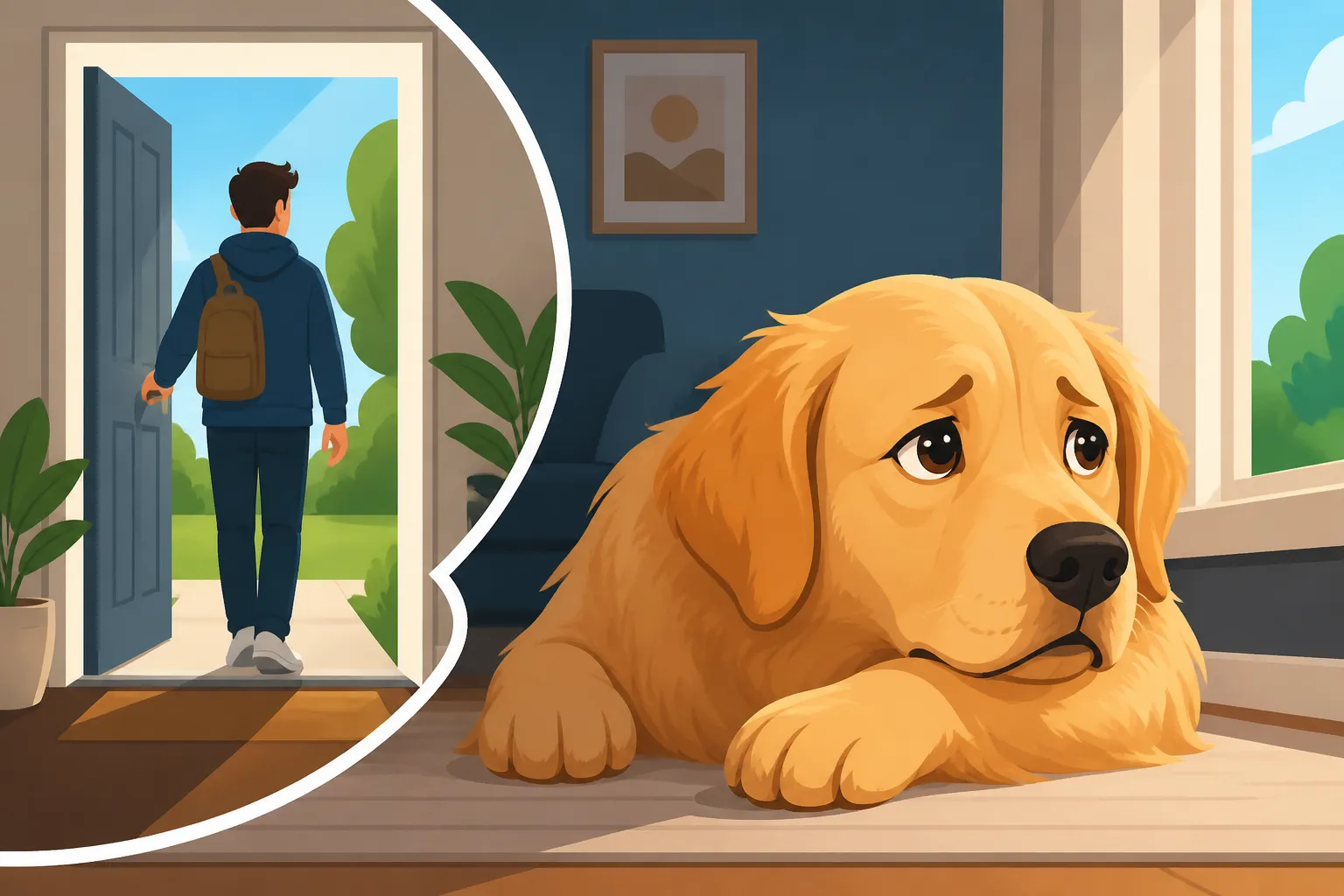
Leaving a Golden Retriever Home Alone
One of the biggest worries for any Golden Retriever parent, especially if you work outside the home, is leaving your beloved companion alone. The thought of them being bored, lonely, or even getting into trouble can weigh heavily on your heart. This guide is here to walk you through the realities of leaving a Golden Retriever home alone, offering practical strategies to ensure their safety, comfort, and well-being, whether you're gone for an hour or a workday.
Understanding Your Golden Retriever's Need for Companionship
It’s not just in your head – your Golden Retriever really does thrive on being with you. Their breed history and inherent nature make them incredibly social creatures, and understanding this is the first step to managing their alone time.
The Pack Animal Instinct
Golden Retrievers were quite literally bred to work alongside humans. Their ancestors were companions in the field, retrieving game and always staying close to their people. This isn't just some quaint historical fact; it's deeply ingrained in their genetic makeup. They see you, your family, and any other pets in the household as their "pack," and they feel most secure and content when they are part of that group. When you leave, it's not just a casual departure for them; it can be an interruption to their fundamental social structure. It’s completely normal to feel a pang of guilt when you head out the door, knowing how much they adore your presence. This strong bond is what makes them such wonderful family dogs, but it also means we need to be extra thoughtful about their solo hours.
Signs Your Golden Is Struggling with Alone Time
Sometimes it’s obvious: you come home to a shredded couch cushion or a puddle on the rug. Other times, the signs of distress are more subtle, but equally important to recognize. Common behavioral issues often stem from either boredom or genuine anxiety. A bored Golden might chew on inappropriate items, simply because they have nothing better to do. They might bark excessively at every leaf blowing past the window. Accidents inside, despite being house-trained, can also be a cry for help.
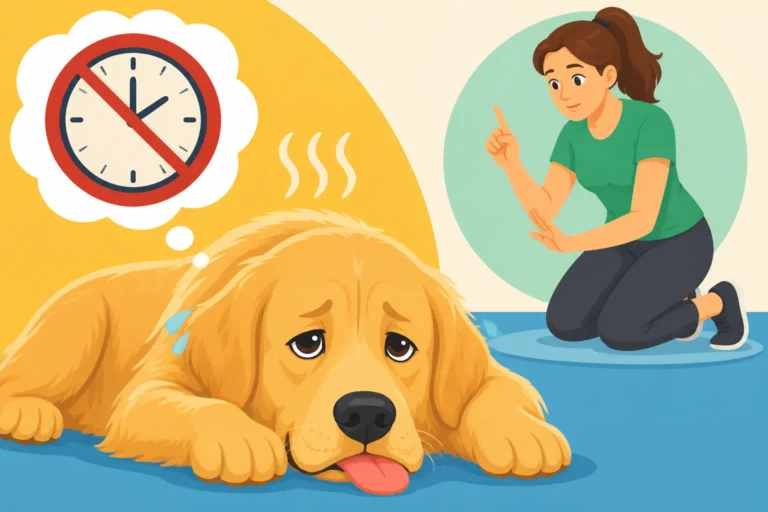
However, it's crucial to distinguish these from true separation anxiety. A Golden experiencing separation anxiety will often exhibit more intense symptoms, such as frantic attempts to escape, self-harm, excessive drooling, or constant vocalization, starting almost immediately after you leave. Their stress levels are high, leading to physical manifestations like rapid panting or pacing. It's a spectrum, and understanding where your dog falls can guide your approach. For a deeper dive, check out Separation Anxiety Versus Boredom in a Golden Retriever. If you suspect true anxiety, consulting a professional is paramount, but for many Goldens, it's about providing the right environment and training to manage their time alone.
Preparing Your Golden Retriever for Alone Time
Successfully leaving your Golden Retriever alone isn isn't just about closing the door and hoping for the best; it's about thoughtful preparation and training. Think of it as teaching them a new skill, one that requires patience and positive reinforcement.
Crate Training as a Foundation
For many Golden Retriever owners, a crate becomes an invaluable tool for teaching alone time. When introduced properly, a crate isn't a punishment, but a safe, cozy den where your dog can feel secure. It taps into their natural instinct to have a small, enclosed space. Start by making the crate a truly positive place – feed meals inside, offer high-value treats, and place their favorite blanket or toy there. Never use the crate for punishment. Gradually increase the time they spend in it while you are home, then for very short periods when you step out of sight. A comfortable dog who views their crate as a sanctuary is much less likely to be destructive or anxious when you're away. If your Golden is vocal about being in their crate, you might find Crate Training a Golden Retriever Who Cries helpful.
Building Alone-Time Tolerance Gradually
This is perhaps the most critical step and requires a good deal of patience. You can’t expect your Golden to go from never being alone to handling an eight-hour workday overnight. Begin with very short departures. Step out the door for five seconds, then come back in before your dog gets distressed. Don't make a big fuss when you leave or return. The goal is to make your departures and arrivals completely mundane events. Gradually increase the duration – maybe a minute, then five minutes, then ten. Practice leaving and returning multiple times a day on weekends or days off. Pay attention to your routine; do you always grab your keys, then your purse, then leave? These become "departure cues." Try to randomize them sometimes, or pick up your keys and then sit back down. This helps your Golden dissociate these cues from your actual departure. For puppies, particularly, Building Alone-Time Tolerance in a Golden Puppy is a fantastic resource.
Mental and Physical Pre-Departure Prep
A tired Golden is a good Golden, especially when it comes to alone time. Before you even think about leaving, ensure your dog has had ample physical exercise. This could be a vigorous walk, a solid fetch session, or a trip to the dog park. The goal is to burn off that boundless Golden energy so they are more inclined to settle down and rest while you're gone.
Beyond physical exhaustion, mental stimulation is just as important. A Golden Retriever's brain needs a workout too! Incorporate some training exercises, hide-and-seek with treats, or a puzzle toy stuffed with their breakfast or a special treat. This engages their problem-solving skills and provides a satisfying mental task. Finally, always offer a last-minute potty break right before you leave. This helps prevent accidents and allows them to be as comfortable as possible during their solo hours. It's a simple step, but one that can make a huge difference in their ability to relax.
Creating a Safe and Stimulating Environment
Once you’ve got the foundational training down, the next step is to ensure the physical space your Golden Retriever occupies while you’re gone is both safe and stimulating. A bored dog often finds its own "fun," and that rarely ends well for your furniture or sanity.
Golden-Proofing Your Home or Designated Space
Whether you allow your Golden Retriever full run of the house or confine them to a specific area like a kitchen or a large crate, that space needs to be thoroughly "Golden-proofed." This means removing anything they could chew, swallow, or get tangled in. Think about electrical cords, loose rugs they might bunch up, houseplants (many of which are toxic), remote controls, shoes, and even accessible pantry doors. Secure trash cans with lids or place them out of reach. If you're using baby gates, ensure they are sturdy enough to withstand a determined Golden. Remember, what seems out of reach to you might be perfectly accessible to a clever and motivated Golden. Defining their alone zone clearly helps them understand boundaries and prevents them from wandering into tempting, potentially dangerous areas.
Enrichment Toys and Tools
A bored Golden is a destructive Golden. Providing appropriate, engaging toys is paramount. Invest in a variety of durable, long-lasting chew toys. Rubber puzzle toys, like those from Kong, are fantastic because you can stuff them with peanut butter, yogurt, or wet food and freeze them, providing a long-lasting challenge. Nylabones or Benebones also offer satisfying chewing opportunities. For something they can bat around and get treats from, there are many options available on Amazon that cater to different levels of difficulty.
Don't forget comfort items; a blanket that smells like you, or even an old, clean t-shirt, can provide a sense of security. The goal is to give them positive outlets for their natural Golden instincts – chewing, problem-solving, and carrying things in their mouths. Diversifying their toy selection helps prevent boredom, ensuring they have something new and interesting to investigate each time you leave. For more ideas on how to keep their minds busy, explore Puzzle Feeders That Occupy a Golden Retriever.
Technology to Bridge the Gap
In our modern world, technology offers some fantastic ways to stay connected and even "supervise" your Golden Retriever from afar. Pet cameras have become incredibly popular, allowing you to check in on your dog via your smartphone. Many come with features like two-way audio, so you can speak to your Golden (though be mindful this can sometimes make anxiety worse if they expect you to return immediately). Some even have treat dispensers, letting you reward good behavior or provide a mid-day distraction.
Beyond cameras, consider leaving on a radio or a "dog TV" channel. Some Goldens find the ambient noise comforting, masking outside sounds that might trigger barking or anxiety. Calming music specifically designed for dogs can also be beneficial. Monitoring tools allow you to observe their behavior, helping you identify if they are resting calmly, getting into mischief, or displaying signs of distress. These tools offer peace of mind and valuable insights into your Golden's solo hours. You can find many of these options by searching for "pet cameras with treat dispenser" on Amazon, or looking for specific brands mentioned in reviews. Cameras and Treat Dispensers for a Lonely Golden delves deeper into these handy gadgets.
How Long Is Too Long? Realistic Expectations
This is the million-dollar question for many Golden Retriever owners. There’s no universal answer, as every dog is an individual, but we can establish some practical guidelines based on age and basic needs.
Age-Appropriate Alone Time
The length of time a Golden Retriever can comfortably and safely be left alone varies significantly with their age.
- Puppies (8-16 weeks): These little ones have tiny bladders and an even tinier attention span. They cannot be left alone for long periods. You're looking at a maximum of 2-3 hours, and even that might be pushing it. They need frequent potty breaks, feeding, and socialization. Leaving them too long can set back house-training and lead to distress. How Long a Golden Retriever Puppy Holds It offers specific timelines.
- Adolescents (4 months – 2 years): This is often the most challenging phase. Their bladders are bigger, but their brains are often still figuring things out. They have more energy and are more prone to mischief or testing boundaries. While they might physically hold it for 4-6 hours, their mental and emotional capacity for being alone can vary wildly. This is when proper training and enrichment are crucial to prevent destructive habits.
- Adult Goldens (2-8 years): A well-adjusted adult Golden Retriever can generally handle being left alone for 6-8 hours, which aligns with a typical workday. However, this assumes they've had proper exercise before you leave, have access to water, and suitable enrichment. Anything beyond 8 hours regularly can be a stretch for most Goldens, potentially leading to boredom or discomfort.
- Senior Goldens (8+ years): Older Goldens may require more frequent potty breaks due to aging bladders or medical conditions. They might also be more prone to separation distress if their senses are declining, making them feel more vulnerable. Their alone time needs often mirror those of a young puppy. Pay close attention to their comfort and physical needs. For comprehensive advice on their later years, see Caring for a Senior Golden Retriever.
The "Golden Rule" for Potty Breaks
Beyond just boredom, bladder control is a primary concern. No dog, no matter how well-trained, should be expected to hold their bladder indefinitely. It's not just uncomfortable; it can lead to urinary tract infections and other health issues over time. A good rule of thumb is that a dog can typically hold their bladder for roughly one hour per month of age, up to about 8-10 hours for an adult.
Here's a quick reference table:
| Age of Golden Retriever | Maximum Recommended Alone Time (without a potty break) | Notes |
|---|---|---|
| 8-10 weeks | 1-2 hours | Very young puppies have minimal bladder control and high needs for comfort and stimulation. |
| 10-16 weeks | 2-3 hours | Bladder capacity is still growing. Training consistency is key. |
| 4-6 months | 3-4 hours | Improved bladder control, but still easily bored or prone to chewing if not managed. |
| 6-12 months | 4-6 hours | Approaching adult capacity, but adolescents are still prone to "teenage" behaviors and energy bursts. |
| Adult (1-7 years) | 6-8 hours (maximum) | A healthy adult can hold it, but longer periods increase the risk of accidents and reduce quality of life. Mid-day breaks are ideal for anything over 6 hours. |
| Senior (8+ years) | 2-6 hours (variable) | Depends heavily on individual health, medication, and bladder control. Seniors may need more frequent breaks than even young puppies. |
Consistency is vital. If you expect them to hold it for too long, accidents will happen, which undermines house-training and adds to your frustration. Aim for the shorter end of these ranges, especially if you notice any signs of discomfort or distress.
Solutions for Extended Absences
Life happens, and sometimes you need to be away for longer than your Golden Retriever can comfortably manage alone. Thankfully, there are several excellent options to ensure they get the care, attention, and potty breaks they need.
Mid-Day Dog Walkers and Pet Sitters
For many working professionals, a mid-day dog walker or pet sitter is a lifesaver. This person can come to your home, let your Golden out for a much-needed potty break, offer a quick walk, and provide some human interaction and cuddles. Breaking up an 8-hour stretch alone can make a world of difference for your dog's physical comfort and mental well-being. It prevents accidents, reduces boredom, and allows them to stretch their legs and sniff around.
When choosing a walker or sitter, always look for someone reputable, insured, and bonded. Ask for references, check their experience with Golden Retrievers, and arrange a "meet and greet" with your dog beforehand to ensure they get along. Discuss your Golden’s specific routine, any quirks, and emergency contacts. Costs can vary widely depending on your location and the services provided, but think of it as an investment in your Golden's happiness and health. Dog Walker Rates for a Large Golden Retriever can give you an idea of what to expect.
Doggy Daycare: Socialization and Supervision
If your Golden Retriever loves other dogs and thrives on constant activity, doggy daycare might be an ideal solution. Daycare facilities offer a supervised environment where your dog can play, socialize, and burn off energy with canine and human companions all day long. This is a fantastic option for high-energy Goldens who might get bored or destructive if left home alone for extended periods.
The benefits are numerous: excellent physical exercise, mental stimulation, and continued socialization. However, there are considerations. Not all Goldens enjoy daycare; some can become overstimulated or stressed in a loud, busy environment. It’s also an additional cost to factor into your budget. Look for facilities with clear safety protocols, separate play areas for different sizes/temperaments, trained staff, and a good handler-to-dog ratio. Always start with a trial day to see how your Golden adjusts before committing to regular attendance. Understanding Doggy Daycare Costs for a Golden Retriever can help you plan your budget.
Enlisting Help from Family or Trusted Friends
Don't underestimate the power of your personal network! If you have family members, close friends, or even trusted neighbors who love dogs, they can be an invaluable part of your Golden Retriever's care plan. Perhaps a neighbor who works from home could pop over for a quick potty break, or a family member could spend an afternoon at your house.
Clearly outlining your expectations and your Golden’s routine is essential. Provide instructions for feeding, potty breaks, medication if needed, and emergency contacts. Offer to reciprocate the favor, or simply express your gratitude with a thoughtful gift or gesture. Building a reliable support system not only provides practical help but also offers peace of mind, knowing your Golden is with someone you trust. Having a backup plan for when your usual arrangements fall through is incredibly helpful, whether it’s a trusted friend or a professional service like those found on BAXTER & Bella for general training and support needs.
Addressing Separation Anxiety vs. Boredom
It's a common misconception that all destructive or distressed behavior when a dog is left alone is "separation anxiety." While true separation anxiety is a serious behavioral issue, often, a Golden Retriever is simply bored or under-exercised. Knowing the difference is crucial for effective intervention.
Distinguishing Between the Two
The key lies in the intensity and motivation behind the behavior.
- Boredom: A bored Golden might chew things, bark occasionally, or have an accident, but these behaviors usually start after a period of being alone and are often aimed at finding entertainment. They might pick up an item to chew (like a shoe) because it's available and interesting. Their demeanor when you return is typically happy and excited, without signs of extreme relief or fear. They just want your attention and a game of fetch.
- Separation Anxiety: This is a panic disorder. The behaviors are often frantic and begin almost immediately after you leave, sometimes even before you're out the door. These can include excessive drooling, destructive chewing focused on escape routes (like doorframes or window sills), relentless barking or howling, inappropriate urination or defecation (even if they were just out), and self-mutilation (like excessive licking or chewing paws). When you return, they might be overly frantic, displaying extreme relief, or conversely, be withdrawn and exhausted. The primary motivation is distress over your absence, not just a desire for entertainment. For a comprehensive comparison, revisit Separation Anxiety Versus Boredom in a Golden Retriever.
Strategies for Mild Separation Distress
If your Golden shows mild signs of distress or occasional boredom, there are several strategies you can employ:
- Counter-Conditioning: Pair your departure with something highly positive. Give them a special, high-value toy (like a frozen Kong) only when you leave, and take it away when you return. This helps them associate your departure with something good.
- Desensitization: Practice your departure routine without actually leaving. Pick up your keys, jingle them, put them down. Put on your coat, take it off. This helps break the association between these cues and your actual absence.
- Calming Aids: Consider using dog-specific calming aids, such as pheromone diffusers (like Adaptil), calming chews, or ThunderShirts, which provide gentle, constant pressure. Always discuss these options with your vet first.
- Consistency and Patience: This cannot be stressed enough. Training alone time is a process. Stick to your routine, be consistent with your departures and arrivals, and reward calm behavior. Avoid making a big deal out of leaving or coming home.
Professional Help for Severe Cases
If you suspect your Golden Retriever is suffering from true separation anxiety, early intervention is critical. This isn't a problem you can typically "fix" with just more toys or exercise.
- Veterinary Consultation: Your first step should be to consult your veterinarian. They can rule out any underlying medical conditions that might be contributing to the behavior (like incontinence for accidents). They may also refer you to a veterinary behaviorist.
- Certified Professional Dog Trainer (CPDT) or Veterinary Behaviorist: These professionals specialize in behavioral issues and can create a tailored behavior modification plan. They will work with you to gradually increase your Golden’s tolerance for being alone, using techniques like desensitization and counter-conditioning in a structured way.
- Medication: In severe cases, a vet behaviorist might recommend medication in conjunction with behavior modification. This isn't a "cure" but can help reduce your dog's anxiety levels enough for the training to be more effective.
Remember, addressing severe separation anxiety is a journey, not a quick fix. It requires dedication, patience, and often, professional guidance. While general training resources like BAXTER & Bella offer valuable tools for obedience and foundational skills, severe anxiety usually requires one-on-one, specialized assistance. Understanding When Golden Retriever Guarding Needs a Behaviorist can also provide insights into when to seek professional help for various behavioral challenges. The ultimate goal is for your Golden Retriever to feel safe and secure, even when you're not physically by their side. Finding the right balance of training, environment, and support ensures they lead a happy and healthy life. For a general guide on how long Goldens can be left, refer to How Long a Golden Retriever Can Be Left Alone and always remember that a single Golden Retriever Training Sessions That Are Too Long can actually be counterproductive.
Disclaimer
This article is for general informational purposes only and does not constitute professional advice. Laws, prices and regulations vary by location and change over time. Consult a qualified professional for guidance on your specific situation.