Why Guide Dog Programs Choose Golden Retrievers
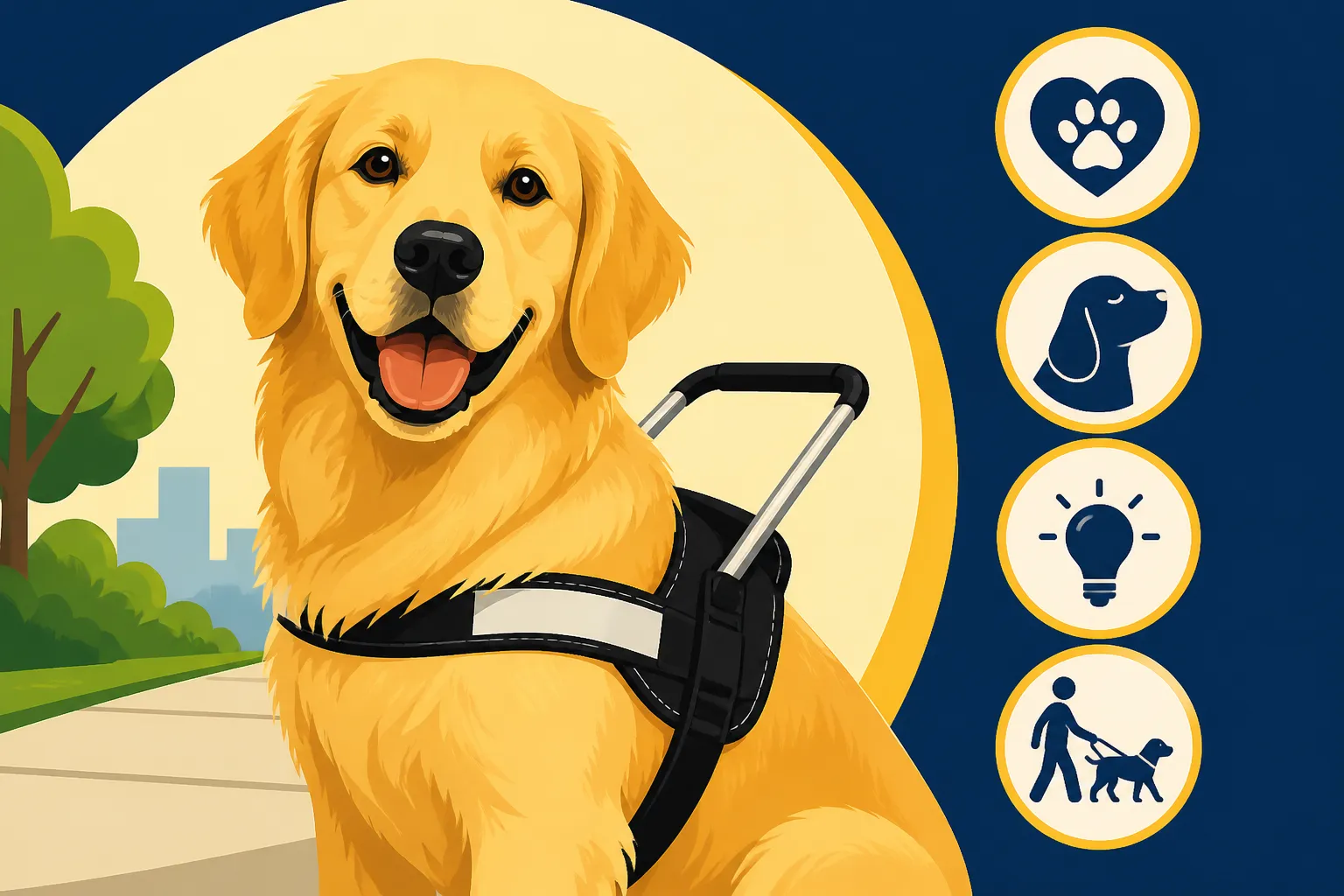
One of the most profound challenges many people face is navigating the world with a visual impairment, a journey that can often feel isolating and full of obstacles. For countless individuals, the dream of greater independence and safety becomes a reality through the incredible partnership with a guide dog. And if you've ever wondered why so many of these life-changing companions are Golden Retrievers, you're in the right place. This guide will delve deep into the specific traits, physical attributes, and innate capabilities that make the Golden Retriever not just a beloved family pet, but an unparalleled choice for guide dog programs around the globe.
Innate Temperament and Trainability
The Golden Retriever's sterling reputation as a friendly and intelligent breed isn't just a marketing ploy; it's deeply ingrained in their genetic makeup, making them uniquely suited for the demanding work of a guide dog. These aren't just pretty faces; they possess a complex set of behaviors and a remarkable capacity for learning that sets them apart.
Calmness and Gentle Nature
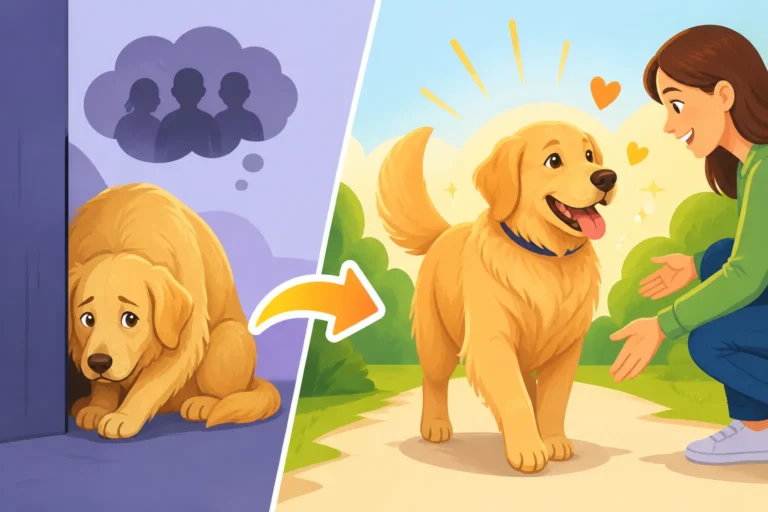
Imagine relying on a dog to lead you through bustling city streets, navigate crowded stores, and calmly lie at your feet during important meetings. This requires a level of composure that few breeds naturally possess. Golden Retrievers are renowned for their stable and unshakeable temperaments. They're not easily spooked by sudden noises like sirens or dropped items, nor do they typically react with aggression or excessive shyness in novel situations. This innate calmness is absolutely critical for a guide dog, as any reactive behavior could put their handler in danger or draw unwanted attention.
Their gentle nature also extends to their interactions with people. A guide dog will encounter countless strangers throughout its life, from store clerks to airport security, and must remain approachable and non-threatening. Goldens excel at this, often greeting new people with a soft wag of the tail rather than an exuberant, knocking-people-over leap. This makes public access a much smoother experience for both the handler and the dog. This gentle disposition is a cornerstone of Golden Retriever Temperament and Personality, making them beloved in any role.
Intelligence and Eagerness to Please
Golden Retrievers consistently rank high on lists of intelligent dog breeds, and for good reason. They are quick learners, capable of understanding complex commands and anticipating their handler's needs. But intelligence alone isn't enough; they also possess an almost insatiable eagerness to please their human companions. This combination is a trainer's dream. When a Golden Retriever is taught a task, they truly want to perform it correctly and receive positive reinforcement. This intrinsic motivation makes the intensive and lengthy guide dog training process far more efficient and successful.
Think about the nuances involved in guiding someone – identifying obstacles, stopping at curbs, finding specific locations, and even performing "intelligent disobedience" by refusing a command if it would lead to danger. These aren't simple rote tasks; they require problem-solving skills and a strong understanding of their role. A Golden's keen intellect allows them to grasp these abstract concepts, while their desire to make you happy drives them to execute these tasks flawlessly. This incredible aptitude is why Why Golden Retrievers Learn Faster Than Most Breeds is often observed in working roles.
Adaptability and Resilience
Life as a guide dog is far from predictable. One day might involve navigating a quiet neighborhood, the next could be a chaotic airport or a busy doctor's office. A guide dog must be able to adapt seamlessly to new environments, different schedules, and varying levels of stimulation without becoming stressed or overwhelmed. Golden Retrievers are typically highly adaptable dogs. They can be active companions when called upon for walks or playtime, yet settle calmly for long periods indoors. This flexibility is vital for their human partners, whose lives may involve diverse routines.
Furthermore, these dogs need to be resilient. Training is rigorous, and they will undoubtedly face situations that challenge them. A guide dog must be able to bounce back from minor setbacks, remain focused despite distractions, and maintain a positive attitude. Their inherent optimism and robust mental fortitude mean they can handle the pressure and continue their vital work with consistency. This trait contributes significantly to their success in various working roles, including search and rescue or therapy work.
Physical Attributes for Service Work
While temperament is paramount, the physical characteristics of a guide dog are equally important. They must be capable of safely leading their handler without undue strain on themselves or the person relying on them. Golden Retrievers tick many of these boxes with their balanced and sturdy build.
Ideal Size and Strength
A guide dog needs to be large enough to provide a stable anchor and physical presence, allowing the handler to feel the dog's movements through the harness and easily follow their direction. Yet, they cannot be so large as to be cumbersome in tight spaces or overly difficult to manage. Golden Retrievers typically fall into an ideal medium-to-large size range, striking a perfect balance. They possess sufficient strength to safely guide an adult human, even if that person stumbles or loses balance slightly, yet they can still fit comfortably under airplane seats or restaurant tables.
Their muscular build and athletic frame, developed for retrieving game, translates perfectly into the stamina and endurance needed for daily guiding. They can walk for considerable distances without tiring, a necessity for a partner who relies on them for all their mobility outside the home. The typical Golden Retriever Weight and Joint Damage is a factor programs consider, aiming for lean, healthy dogs.
Healthy Build and Longevity
Guide dog organizations invest immense resources into training each dog, so selecting breeds known for their sound health and reasonable lifespan is a practical consideration. While Golden Retrievers, like all purebreds, have specific health concerns (such as Golden Retriever Hip and Elbow Dysplasia Explained and certain cancers, as discussed in Cancer in Golden Retrievers and Why the Breed Is Hit Hardest), reputable guide dog programs go to great lengths to breed from lines with extensive health clearances. They meticulously screen breeding dogs for genetic predispositions to minimize the risk of conditions that could shorten a dog's working life or lead to expensive medical issues for the handler.
The goal is to provide a guide dog that can serve its partner reliably for many years, creating a bond that strengthens over time. A healthy Golden Retriever can often work effectively well into their senior years, offering a consistent and devoted partnership. This focus on health and longevity helps justify the significant investment in each dog's training. Programs pay close attention to the Health Clearances a Golden Retriever Breeder Must Show to ensure the best possible start for their puppies.
Low Maintenance Coat and Grooming
While Goldens are known for their beautiful, flowing coats, they are, in fact, relatively low-maintenance compared to some other long-haired breeds. Their double coat provides protection from the elements, but generally requires regular brushing rather than complex styling or frequent professional grooming. For a visually impaired handler, managing a dog's grooming needs must be practical and straightforward. A Golden's coat can be kept clean and tidy with consistent at-home care.
This practicality extends to their general cleanliness. While they shed, their coat doesn't typically mat easily if brushed regularly, and they don't generally require specialized clipping that would be difficult for a handler to oversee. This ease of care ensures that the dog remains comfortable and presentable without adding an undue burden to their owner's daily routine. Grooming is an important aspect of Caring for a Senior Golden Retriever, as it helps keep them comfortable and allows owners to check for lumps or skin issues.
The Journey from Puppy to Guide Dog
The path from a fluffy Golden Retriever puppy to a fully-fledged guide dog is a long and arduous one, demanding exceptional dedication from trainers, foster families, and the dogs themselves. Golden Retrievers consistently prove themselves capable of navigating this demanding process.
Early Socialization and Foundation
The first critical stage for any potential guide dog is early socialization, which typically begins from the moment they are born. Pups are exposed to a wide variety of sights, sounds, textures, and people in a controlled and positive manner. This early exposure, combined with their inherent calm nature, helps them develop into well-adjusted, confident adults who are unfazed by the world around them. Puppy raisers play a vital role here, taking puppies into their homes for the first year or so, providing a loving environment and foundational training.
These puppies learn basic obedience, house manners, and how to behave calmly in public settings. This is where resources like BAXTER & Bella's online puppy training programs can be incredibly beneficial for volunteer raisers, providing structured guidance and support to ensure consistent training from day one. They need to learn simple commands like "sit," "stay," and "come" with absolute reliability, laying the groundwork for more complex tasks later on. A solid understanding of Golden Retriever Puppy Socialization Windows is crucial for ensuring a well-rounded and confident guide dog.
Advanced Task Training
Once the puppies are old enough and have passed initial evaluations, they enter advanced training. This stage focuses on teaching them the specific skills required to guide a visually impaired person. This includes tasks like safely navigating around obstacles, stopping at curbs and stairs, finding specific destinations (e.g., "find the door," "find the chair"), and ignoring distractions. The Golden Retriever's intelligence and strong work ethic shine here. They grasp complex concepts quickly and maintain focus even in distracting environments, a testament to their Golden Retriever Intelligence Rankings.
Trainers use positive reinforcement techniques to build the dog's confidence and problem-solving abilities. They're taught "intelligent disobedience," which means they must refuse a command if it would lead their handler into danger, like stepping into traffic. This requires a dog that can think critically and make independent judgments, skills Goldens often display. For specialized training equipment during these intensive sessions, organizations often rely on trusted suppliers found easily on platforms like Amazon, ensuring trainers have access to the best tools for the job.
Public Access and Client Matching
The final stage involves extensive public access training, where the dogs practice their skills in real-world scenarios – shopping centers, public transport, busy sidewalks, and quiet parks. They learn to be unobtrusive and maintain their focus no matter the chaos around them. Guide dog programs typically test these dogs thoroughly in various situations to ensure they are bomb-proof before matching them with a client.
Matching a guide dog with a client is a meticulous process. It involves considering the client's mobility needs, lifestyle, walking speed, and even personality, to find a dog that will be the perfect partner. A Golden Retriever's adaptable nature means they can often be matched successfully with a wide range of individuals, from those living in urban environments to those in more suburban settings. Their consistent performance and loving demeanor help forge the deep bonds essential for a successful guide dog partnership. Training a Golden Retriever From Puppy to Adult encompasses all these rigorous steps.
Beyond the Harness: The Unseen Qualities
While guiding a person safely is the primary function, a guide dog offers so much more than just physical assistance. The emotional and psychological benefits they provide are immeasurable, and Golden Retrievers are particularly adept at fulfilling these crucial roles.
Emotional Support and Companionship
Living with a visual impairment can often lead to feelings of isolation or a diminished sense of self-reliance. A guide dog doesn't just provide mobility; they offer unwavering emotional support and companionship. The constant, comforting presence of a Golden Retriever can significantly reduce stress and anxiety for their handler. Their affectionate nature means they are always ready for a gentle lean, a soft nudge, or a quiet presence, providing a sense of security and unconditional love. This deep connection helps handlers feel more confident and less alone in the world.
This emotional bond is a powerful tool for mental well-being. Knowing you have a devoted partner by your side, who trusts you implicitly and is always there to guide you, can be profoundly uplifting. It encourages greater independence and participation in daily life, transforming what might once have felt like insurmountable barriers into manageable steps. This aspect of their personality is why Why Golden Retrievers Read Human Emotion Well is so important for their working roles.
Building Unbreakable Bonds
The relationship between a guide dog and its handler is unlike any other. It's built on trust, communication, and mutual reliance. The handler must trust the dog implicitly to navigate safely, and the dog trusts the handler to provide care, guidance, and love. Golden Retrievers are masters at forming these deep, lasting bonds. Their loyalty and devotion are legendary, making them ideal candidates for such a significant partnership. Over time, the dog learns their handler's nuances, their preferred routes, and even their subtle cues, creating a seamless partnership that appears almost telepathic to outsiders.
This unbreakable bond goes beyond just tasks; it becomes the heart of the partnership. The guide dog isn't just a tool; they are a best friend, a confidant, and an integral part of the family. They share quiet moments, celebrate successes, and offer comfort during challenges. The years spent together solidify a connection that enriches both lives. This is part of the magic that makes a Golden Retriever such an incredible companion, whether as a guide dog or a beloved family pet. Building such a bond from puppyhood is critical, which makes Crate Training a Golden Retriever Puppy and other foundational training even more important.
Community Acceptance and Perception
Another subtle yet significant advantage of Golden Retrievers as guide dogs is their widespread acceptance and positive public perception. People generally view Golden Retrievers as friendly, trustworthy, and non-threatening. This often translates to easier public access for handlers. When a visually impaired person enters a store, restaurant, or public building with a Golden Retriever, they are often met with warmth and understanding, rather than suspicion or fear that might be directed towards other breeds.
This positive perception helps to break down barriers and facilitate smoother interactions. It makes the experience of navigating the world less stressful for the handler and can even encourage greater social engagement. The Golden Retriever acts as an ambassador, not just for guide dogs, but for assistance animals in general, fostering a more inclusive and understanding community. Their universally appealing nature makes them an excellent choice for a public-facing role where they are often the first point of contact for their handler with the wider world.
| Trait Category | Golden Retriever Strengths for Guide Work | Why It Matters |
|---|---|---|
| Temperament | Calm, gentle, stable, friendly, confident | Reduces stress, ensures safety, promotes public acceptance |
| Intelligence | Eager to please, quick learner, problem-solver | Efficient training, reliable task execution, intelligent disobedience |
| Physicality | Ideal size/strength, healthy build, moderate grooming | Stable guidance, longevity, practical for handler care |
| Social | High adaptability, strong bonding, positive public image | Seamless integration into diverse environments, deep partnership, easier public access |
Disclaimer
This article is for general informational purposes only and does not constitute professional advice. Laws, prices and regulations vary by location and change over time. Consult a qualified professional for guidance on your specific situation.