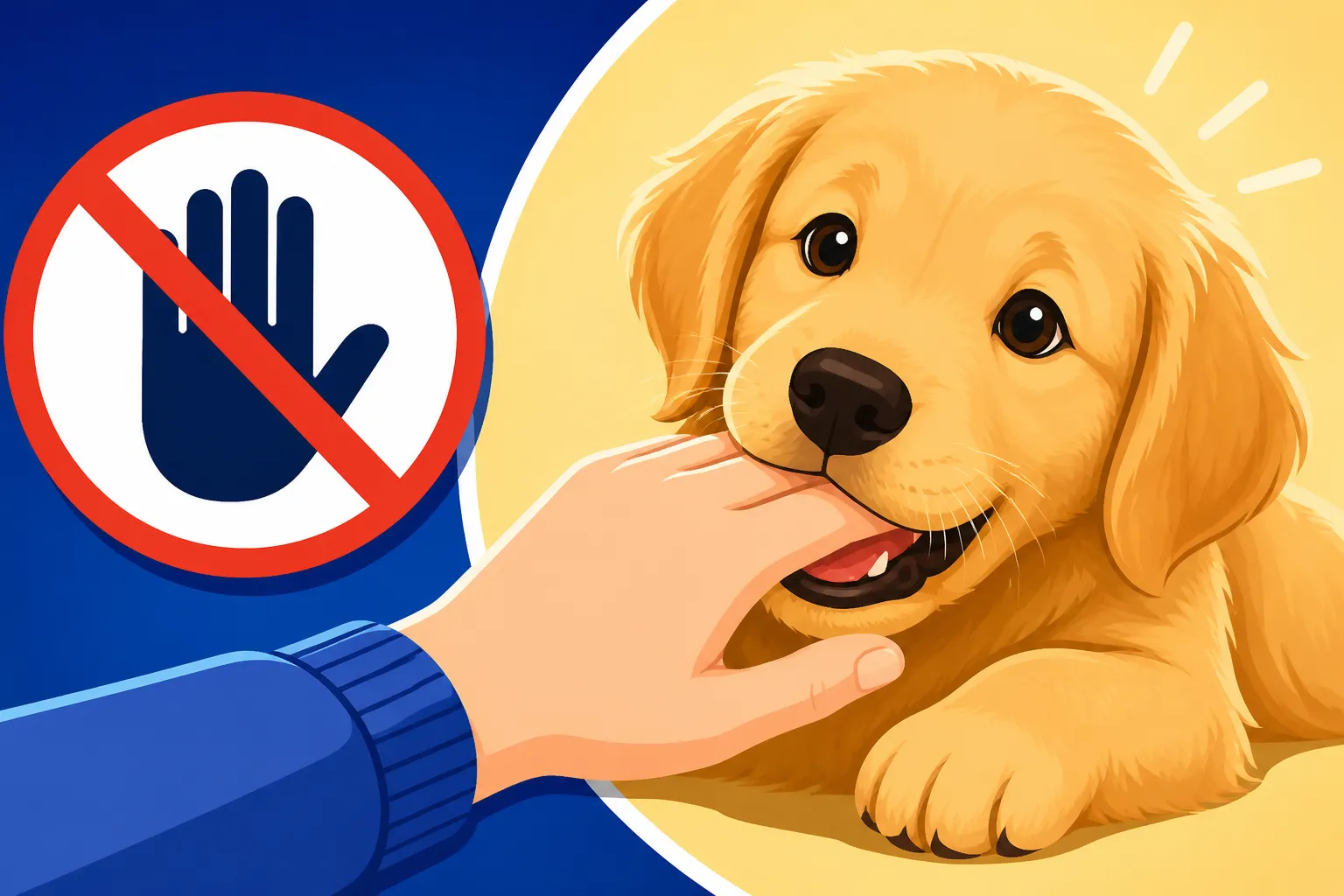
Stopping a Golden Retriever Puppy From Biting
Ah, the adorable Golden Retriever puppy! Those fluffy bundles of joy are absolutely irresistible. But let's be honest, those razor-sharp puppy teeth can quickly turn cuddle time into a painful encounter, leaving your hands looking like a pin cushion. It's a frustrating, common phase, but it's not one you have to just "endure." This comprehensive guide will walk you through understanding why your Golden puppy bites and, more importantly, equip you with actionable strategies to gently and effectively teach them appropriate mouth manners.
Understanding Why Golden Retriever Puppies Bite
It's easy to take puppy nips personally, especially when they latch on with surprising intensity. But it's crucial to remember that your Golden Retriever puppy isn't biting out of malice or aggression; they're simply acting on instinct and exploring their world. This stage, while challenging, is a natural part of their development, and understanding its roots is the first step towards managing it effectively.
Puppy Nipping and Teething
Think about a human baby: they explore with their mouths, putting everything in to taste and feel. Golden Retriever puppies are no different. Their mouths are their primary tools for interaction and investigation. Everything new and interesting gets a good chew. This means your hands, ankles, and even your clothes often become targets for their curious little chompers. They're trying to understand textures, pressure, and the boundaries of their environment, and sometimes, those boundaries include you!
Adding to this natural oral exploration is the often-uncomfortable process of teething. Just like human infants, puppies go through a period where their baby teeth fall out and their adult teeth emerge. This process can be quite irritating and even painful for them. Chewing provides relief, soothing their sore gums, and unfortunately, your fingers might feel just right for that purpose. They're not trying to hurt you; they're seeking comfort, and sometimes, the closest, most available thing is your hand.
During this phase, you might notice your puppy favoring certain textures for chewing or becoming more persistent in their mouthing. This is a clear indicator that their gums are bothering them, and they're trying to alleviate the discomfort. Providing appropriate alternatives, which we'll discuss shortly, becomes paramount in diverting this natural instinct away from your skin.
Play Biting and Instinct
Golden Retrievers, as their name suggests, were bred for retrieving. This means they naturally use their mouths to interact with objects and carry them. They're also highly social animals who learn a lot about interaction through play, especially with their littermates. When puppies play together, they mouth and nip each other. When one puppy bites too hard, the other will yelp, and the biting puppy learns to adjust their pressure. This is how they develop "bite inhibition" – learning how much pressure their jaws can exert without causing harm.
Without their littermates and mother to teach them these lessons, it falls to us, their human families, to continue that education. When your Golden puppy playfully nips at your hands or clothes, they're often inviting you to play, or they're trying to get a reaction. In their canine world, this kind of mouthing is perfectly normal interaction. It's up to us to teach them that while it's normal for dogs, it's not acceptable with humans and that our skin is much more delicate than a littermate's fur.
It's a delicate balance. We don't want to suppress their natural play drive or their instinct to use their mouths, but we need to channel it appropriately. This means acknowledging their playful intent while clearly communicating that human skin is off-limits. If we don't teach them this early, a fully grown Golden Retriever with a playful, but hard, bite can be a real problem.
Overstimulation and Tiredness
Sometimes, puppy biting isn't just about teething or playful exploration; it's a symptom of an overwhelmed little brain. Golden Retriever puppies have boundless energy, but their attention spans are short, and they can get overstimulated surprisingly quickly. Think of a toddler who gets cranky and starts acting out when they're overtired – puppies are very similar. Too much play, too many new sights and sounds, or an overly long training session can tip them over the edge.
When a puppy becomes overstimulated, they can lose control of their impulses. Their nipping might become more frantic, less controlled, and even harder. It's their way of saying, "I'm overwhelmed and I don't know how to cope!" Similarly, an overtired puppy might resort to biting because they're simply too exhausted to process information or engage in more appropriate behaviors. They're past the point of being able to regulate themselves, and the biting is an outlet for that pent-up, exhausted energy.
Recognizing the signs of overstimulation or overtiredness is key to preventing these biting episodes. Instead of pushing through, a well-timed nap in their crate can work wonders. Just like a human child, a well-rested Golden puppy is often a much more cooperative and less mouthy Golden puppy. Ignoring these signals can lead to a cycle of biting and frustration for both you and your developing pup. Consider how important a consistent Golden Retriever Puppy Sleep and Night Crying schedule can be for overall behavior.
The Critical Role of Bite Inhibition
Teaching bite inhibition is perhaps the most vital lesson your Golden Retriever puppy will learn regarding their mouth. It's not about stopping them from ever putting their mouth on you (which, let's be realistic, is nearly impossible for a Golden!), but about teaching them to use their mouth gently. A Golden Retriever with a soft mouth is a safe Golden Retriever, even if they occasionally get a little too enthusiastic.
Teaching a Soft Mouth
The goal here isn't to punish your puppy for biting, but to teach them that human skin is fragile and sensitive, unlike a chew toy or another dog's thick fur. We want them to understand that any pressure from their teeth, even accidental, means the fun stops immediately. This is how they learn to self-regulate the force of their bite. Imagine if your adult Golden Retriever didn't understand this; a playful grab for a dropped treat could accidentally cause real injury.
The process of teaching a soft mouth involves consistent, clear communication from you. Every time those sharp little teeth make contact with your skin, you need to deliver a message that is undeniable: "That hurts, and this game is over." It's not about being harsh; it's about being consistent and understandable from a canine perspective. Puppies learn through cause and effect, and if biting too hard always results in the cessation of positive interaction, they will quickly figure out the connection.
This foundational lesson sets the stage for a lifetime of safe interaction. It means that even if your Golden is a bit clumsy or enthusiastic in their older years, they have been conditioned to control the power of their jaws. This is far more important than just stopping the biting; it's about instilling a fundamental understanding of how to interact gently with the world around them, especially their human family.
The "Ouch!" Method Explained
The "Ouch!" method is a widely recommended technique for teaching bite inhibition, mimicking how puppies learn from their littermates. Here’s how it works step-by-step:
- Exaggerated Yelp: The instant your puppy’s teeth make contact with your skin, even if it's not hard, let out a loud, high-pitched "OUCH!" or "YIP!" like a surprised puppy would. Don't shout angrily; aim for a sound of distress or pain. The goal is to startle them, not scare them.
- Immediate Disengagement: As soon as you yelp, immediately remove your hand (or whatever body part was bitten) from your puppy's mouth. Completely withdraw your attention. This means no eye contact, no talking, no petting. Turn your back or step away.
- Time-Out (Brief): If the puppy follows you or continues to nip at your clothes, calmly walk into another room and close the door behind you for 10-20 seconds. This is not a punishment, but a clear signal that the interaction you want has ended due to their biting. It's a "reverse time-out" – you leave the scene, not them.
- Resume Interaction (Cautiously): After the brief time-out, return and resume playing or interacting with your puppy. If they nip again, repeat the "ouch" and disengage sequence immediately.
- Praise for Gentle Play: When your puppy mouths you very gently, or if they choose a toy instead of your hand, praise them enthusiastically. You want to reward the gentle behavior you do want to see.
The key to this method's success lies in its absolute consistency. Every single time your puppy bites too hard (or even with moderate pressure when they are older), the "game" must end. If sometimes you yelp, and sometimes you just tolerate it, your puppy will get a mixed message and won't learn as quickly. Ensure everyone in the household uses this method identically.
Consistency is Key
This is where many well-meaning puppy owners falter. It's not enough for just one person in the family to consistently apply the bite inhibition techniques. Every single person who interacts with the puppy – partners, children, houseguests – must respond to biting in the exact same way. If Grandma lets the puppy chew on her fingers because "he's just a baby," while you're diligently applying the "ouch" method, your puppy will be thoroughly confused. They'll quickly learn that biting is sometimes okay, and sometimes not, depending on who they're with.
Establishing household rules around puppy interaction is paramount. For instance, young children, who might accidentally reinforce biting by squealing and running (which can seem like a fun game to a puppy), need careful supervision. Teach them how to react with the "ouch" and withdrawal, or better yet, ensure their interactions are always supervised and redirected to toys. It's also important to remember that puppies, especially Golden Retrievers, can be quite persistent. You might feel like you're saying "ouch" a hundred times a day, but don't give up! Each time is a learning opportunity.
The more consistent you are, the faster your Golden Retriever puppy will understand the rules. They are intelligent and eager to please, but they rely on clear, unambiguous signals from their human pack. A united front, where everyone speaks the same "language" regarding bite inhibition, will accelerate their learning and save your hands from further puppy nips. Consistency helps a Golden Retriever learn quickly, as discussed in Why Golden Retrievers Learn Faster Than Most Breeds.
Redirection: Your Golden Retriever Puppy's Best Friend
Once you've mastered the art of teaching bite inhibition, the next crucial step is providing your Golden Retriever puppy with acceptable outlets for their natural chewing and mouthing instincts. Redirection is about giving them a better, more appropriate option instead of your hands or furniture. This isn't just about stopping a behavior; it's about replacing it with a desirable one.
Providing Appropriate Chew Toys
Golden Retriever puppies need to chew. It's a biological imperative, especially during teething. Your job is to make sure they have a constant supply of interesting, safe, and appropriate chew toys readily available. Think variety! Soft, squishy toys for gentle mouthing, textured toys for gum relief, and durable rubber toys for serious chewing sessions. A good strategy is to have several types of toys in their play area, so they always have an option that suits their current chewing mood.
When your puppy starts to mouth your hand, immediately say "No biting" or "Off" in a firm but not angry tone, then present an irresistible chew toy. As soon as they take the toy in their mouth, praise them enthusiastically! This teaches them, "Ah, this is what I'm supposed to chew on!" Many owners find success by rotating toys, so the selection always feels fresh and exciting. You can find a vast array of options on platforms like Amazon, ensuring you have plenty of choices to keep your pup engaged and your hands safe.
It's important to assess the durability and safety of the toys you choose. Golden Retriever puppies, even small ones, can be powerful chewers. Avoid toys that can easily be torn apart, as small pieces can become choking hazards or cause intestinal blockages. Look for toys specifically designed for strong chewers and monitor them for wear and tear, replacing them as needed.
Using Chews for Teething Relief
Beyond just play toys, specific teething chews can be a lifesaver for a nippy Golden Retriever puppy. These are often designed with textures and materials meant to soothe sore gums. Frozen Kongs filled with peanut butter (xylitol-free!), plain yogurt, or wet food can be incredibly effective. The cold numbs their gums, and the challenge of getting the treat out keeps them occupied for an extended period, diverting their attention from your hands.
Harder, durable rubber chews or edible dental chews can also provide significant relief. Just be sure any edible chews are appropriate for your puppy's age and size and don't pose a choking risk. Always supervise your puppy with any new chew to ensure it's safe and they're using it correctly. Some puppies will enjoy a frozen washcloth; others prefer a sturdy Nylabone. Experiment to see what your Golden finds most appealing during those uncomfortable teething days.
Remember to factor in your puppy's age and the stage of their teething when selecting chews. Younger puppies might prefer softer, more pliable options, while older puppies transitioning to adult teeth might need something with more resistance. The goal is always to provide a satisfying, safe alternative to chewing on anything (or anyone) else in the house. For more ideas on effective teething tools, check out Teething Toys That Calm a Golden Retriever Puppy.
Interrupting and Redirecting Effectively
The key to successful redirection is timing and consistency. You need to be proactive, not reactive. If you see your puppy about to lunge for your hand or start mouthing your clothing, try to interrupt them before they make contact. A sharp clap, a quick "uh-uh," or even just inserting a toy between their mouth and your skin can work.
Once you've interrupted the unwanted behavior, immediately present an appropriate chew toy. Wiggle it enticingly, make it more appealing than your hand. As soon as your puppy's mouth closes on the toy, give them enthusiastic verbal praise ("Good chew!"). This isn't just about stopping the bad behavior; it's about actively teaching them what the right behavior is in that moment. The more you pair the redirection with positive reinforcement, the faster they'll learn.
If your puppy is particularly persistent and keeps trying to get to your hands even after redirection, don't engage in a tug-of-war for your fingers. Use the "ouch" method, disengage, and if necessary, employ a brief time-out. This teaches them that trying to bite you results in a complete loss of attention, whereas chewing on their toy results in praise and continued interaction. This clear distinction is vital for them to understand.
Here's a quick comparison of redirection methods:
| Method | Description | When to Use | Benefit |
|---|---|---|---|
| "Ouch!" Method | Exaggerated yelp, immediate disengagement, brief time-out. | Any time teeth touch skin with inappropriate pressure. | Teaches bite inhibition and that biting ends fun. |
| Toy Redirection | Offer an appealing chew toy before or at the moment of unwanted nipping. | When puppy is about to mouth, or for playful nipping. | Provides an acceptable outlet, channels natural chewing. |
| Frozen Treats | Kongs, washcloths, or other freezable items. | During active teething periods or for longer distraction. | Soothes sore gums, provides mental stimulation, prolonged engagement. |
| Crate Time | Short, enforced naps or quiet time in their crate. | When puppy is overstimulated, overtired, or excessively nippy. | Prevents escalation of biting, allows puppy to decompress. |
Managing Overexcitement and Overstimulation
One of the biggest culprits behind frantic, uncontrolled puppy biting is a state of overexcitement or overstimulation. Golden Retriever puppies have an incredible amount of energy, but they also have a very short fuse when it comes to managing that energy. Learning to recognize the signs and proactively manage their environment can dramatically reduce biting incidents.
Recognizing the Signs of Overtiredness
Just like human toddlers, puppies often become unruly and nippy when they're overtired. They might seem like they're "fighting sleep" by becoming extra rambunctious. Watch for subtle cues that your Golden is reaching their limit. These can include: zoomies (sudden bursts of frantic running), persistent nipping that becomes harder or more frequent, ignoring commands they usually know, excessive barking, clumsiness, or even trying to herd your ankles with their mouth.
Often, owners mistake these signs for needing more exercise or play, when in reality, the puppy desperately needs a nap. Pushing an overtired puppy to play more will almost guarantee an increase in biting. Instead of settling down, they get wound up and lose the ability to control their impulses, leading to those frustrating, shark-like attacks on your person.
When you notice these behaviors, it's time to intervene with a calm-down strategy. Don't engage in more rough play. Instead, gently guide them towards their crate or a quiet, designated calm space. Understanding these early warning signs allows you to prevent the biting before it even starts, saving both you and your puppy a lot of frustration.
Implementing Structured Play Sessions
While spontaneous play is wonderful, incorporating structured play sessions into your Golden Retriever puppy's day can help manage their energy and prevent overstimulation. Instead of letting play escalate into a frenzy, keep sessions short, focused, and purposeful. Aim for 10-15 minute bursts of intense, appropriate play, then transition to a calm activity or a rest period.
During these structured sessions, focus on games that involve toys, not your hands. Fetch is fantastic for Goldens, as it taps into their natural retrieving instinct. Use a flirt pole (a pole with a toy at the end) to allow them to chase and "catch" something without directly engaging your hands. Tug-of-war can also be great, but ensure you teach a "drop it" command firmly, and always end the game by putting the toy away before the puppy gets overly excited. Remember that using appropriate toys and not your body helps build good habits.
The key is to end the play session before your puppy becomes overstimulated or overtired. Watch for those early signs we discussed. When you see them starting to get a little too wild, or if their nipping becomes more persistent, calmly stop the game. Put away the toys, take them for a quick potty break, and then transition them to a quiet activity or their crate for a nap. This teaches them that play happens on your terms and has a clear beginning and end.
Creating a Calming Environment
Beyond structured play, actively creating a calming environment can significantly reduce biting behavior. Your Golden Retriever puppy needs a safe, quiet space where they can decompress and sleep without interruption. Their crate, when properly introduced and positively associated, serves this purpose perfectly. Just like a toddler's crib, it's their den for rest and security. You can read more about successfully using a crate in Crate Training a Golden Retriever Puppy.
Establish a routine that includes regular nap times, especially after periods of high activity or excitement. A typical Golden puppy needs a lot of sleep – 18-20 hours a day – and much of that should be in their crate. When you notice them getting mouthy or restless, it might not be a bid for attention, but a signal that they need some quiet time to recharge. Gentle background noise like classical music or a white noise machine can also help some puppies settle down.
Minimize chaotic environments, especially during their "witching hour" (often in the evening). Too many people, loud noises, or uncontrolled interactions can quickly push a puppy past their ability to cope, resulting in a flurry of nips and bites. Instead, try to offer a quiet chew toy, a puzzle feeder, or a snuggle session in a calm space. The more you proactively manage their environment, the less likely they are to resort to nipping as an outlet for their over-stimulated energy. Providing engaging activities like Puzzle Feeders That Occupy a Golden Retriever can also help in creating a calm mental state.
Setting Boundaries and Consistent Training
While understanding natural puppy behaviors is important, it's equally crucial to establish clear boundaries. Your Golden Retriever puppy needs to learn what is acceptable and what is not. This comes through consistent training and ensuring everyone in the household is on the same page.
"No Biting" Command and Management
While the "ouch!" method teaches bite inhibition, you can also introduce a clear verbal cue to stop unwanted mouthing. When your puppy puts their mouth on you in an unacceptable way, immediately say "No bite" or "Off" in a firm, calm voice, then promptly redirect them to an appropriate chew toy. As soon as they take the toy, praise them. The command acts as a warning shot, giving them a chance to choose the right behavior before the consequences (like disengagement or a time-out) kick in.
It's important that this command is used consistently and immediately. Don't wait until the biting is frantic; address it the moment the teeth touch your skin inappropriately. The command should be a prelude to the redirection or the time-out. Over time, your Golden will associate "No bite" with stopping the action and looking for an alternative. This command is more about managing the behavior in the moment, rather than the long-term emotional response of "ouch!"
Management also plays a huge role here. If your puppy is particularly mouthy in certain situations (e.g., when you first sit on the floor, or when you come home), anticipate it. Have a toy ready to shove in their mouth as you greet them, or don't sit on the floor during their peak witching hour. Sometimes, preventing the opportunity to bite is the best management. This proactive approach prevents the habit from forming in the first place, or from being repeatedly reinforced.
Ignoring Unwanted Nipping
One of the most powerful tools in your training arsenal is the power of ignoring. Golden Retrievers are incredibly social and crave attention from their humans. If unwanted nipping or biting always results in a complete withdrawal of attention, your puppy will quickly learn that biting is a surefire way to make the fun stop. This is a subtle but highly effective form of communication for them.
When your Golden puppy nips at your hands or clothes, and you've given your "ouch!" and redirected without success, simply stand up, turn your back, and completely ignore them for a brief period (10-20 seconds). No eye contact, no talking, no pushing them away—just a complete cessation of all interaction. If they persist by nipping your ankles or clothes, calmly walk into another room and close the door, creating that reverse time-out.
This isn't about punishment; it's about making the desired consequence for biting clear: you lose your favorite thing, human attention. Once they calm down and are quiet, you can re-engage. If the biting starts again, repeat the process. It takes patience and consistency, but Goldens quickly learn that calm, gentle behavior earns them cuddles and play, while nipping earns them solitude. This technique is particularly effective for curbing attention-seeking nipping.
Enlisting the Whole Family
For any training to be truly effective with a Golden Retriever, the entire family has to be on board and consistent. This means everyone from the adults to the youngest child needs to understand and apply the same rules and techniques for stopping puppy biting. A puppy will quickly learn who allows what, and if one family member lets them get away with nipping, it undermines all the other efforts.
Hold a family meeting to discuss the "No bite" command, the "ouch!" method, and the importance of redirecting with toys. Make sure everyone understands that consistent responses are not being mean, but are essential for teaching the puppy how to interact safely. Children, in particular, may need extra guidance and supervision, as their natural reactions (like high-pitched squeals or running away) can inadvertently encourage rough play and nipping from a puppy who thinks it's a fun game. Providing them with their own set of safe chew toys and teaching them how to offer those instead of their hands is crucial.
Consider resources like BAXTER & Bella, an online puppy school that often emphasizes involving the whole family in training. Their structured programs can provide a consistent framework and guidance that ensures everyone is on the same page, reinforcing the desired behaviors and making the learning process smoother for both your puppy and your family. A united front will accelerate your Golden Retriever puppy's learning and lead to a well-mannered adult dog sooner. For tips on involving children, consider Golden Retriever Puppy Nipping at Children.
When to Seek Professional Help
While puppy biting is a normal developmental phase, there are times when it goes beyond typical behavior and warrants professional intervention. It's crucial to differentiate between normal puppy mouthing and something more concerning. Ignoring signs of escalating aggression can lead to significant problems down the line.
Persistent or Aggressive Biting
If your Golden Retriever puppy's biting seems unusually intense, frequent, or is coupled with other concerning behaviors, it might be time to seek expert advice. Signs that biting is moving beyond normal puppy mouthing include:
- Biting that draws blood regularly: While accidental nicks happen, if your puppy is consistently breaking skin with little provocation, it's a red flag.
- Biting with growling, snarling, or stiff body language: Normal puppy play nips are usually loose-bodied and playful. If your puppy is showing signs of genuine aggression (e.g., a hard stare, stiff tail, growling, lunging, not letting go), this is a serious concern.
- Failure to respond to bite inhibition techniques: If you've been consistent with the "ouch!" method and redirection for several weeks, and the biting shows no signs of improvement or is getting worse, professional help is needed.
- Resource guarding biting: If your puppy bites when you try to take away a toy, food bowl, or a prized possession, this is a form of resource guarding that needs immediate, expert attention.
- Biting out of fear: If your puppy bites because they are scared or threatened, this indicates a deeper behavioral issue.
It’s important to trust your gut. If you feel like your puppy's biting is truly painful, uncontrollable, or escalating, don't delay in reaching out for help. Early intervention is always best when it comes to behavioral issues.
Consulting a Certified Professional Dog Trainer
If you're noticing any of the concerning signs mentioned above, or if you simply feel overwhelmed and aren't making progress, a certified professional dog trainer or a veterinary behaviorist can be an invaluable resource. They have the expertise to assess your puppy's individual behavior, identify underlying causes, and develop a tailored training plan.
Look for trainers who use positive reinforcement methods and are certified by reputable organizations (e.g., CCPDT, KPA, IAABC). Avoid trainers who advocate for harsh punishment, alpha rolling, or dominance-based techniques, as these can actually worsen fear and aggression in puppies and damage your relationship with your Golden. A good trainer will observe your puppy's interactions, ask detailed questions about their history and your routine, and provide hands-on guidance. They can help you refine your techniques, teach you advanced management strategies, and ensure you're communicating effectively with your pup.
They can also provide valuable insights into canine body language and help you understand what your puppy is trying to tell you, which is particularly helpful if you suspect fear or anxiety is playing a role in the biting. Don't view seeking professional help as a failure; view it as a responsible and proactive step towards ensuring your Golden Retriever grows into a well-adjusted, safe, and happy companion. If you're looking for guidance, remember that Choosing a Positive Reinforcement Trainer for a Golden is a key step.
Addressing Underlying Issues
Sometimes, what appears to be a purely behavioral issue like biting can have underlying medical causes. Pain, discomfort, or even certain neurological conditions can manifest as irritability and increased nipping or aggression in puppies. If the biting is severe, sudden, or accompanied by other changes in behavior (like lethargy, loss of appetite, or limping), it's always a good idea to consult your veterinarian first.
Your vet can rule out any medical reasons for the biting, such as mouth pain from an infection, an injury, or even a nutritional imbalance. Once physical causes are ruled out, your vet can also provide referrals to veterinary behaviorists, who are veterinarians with specialized training in animal behavior. These professionals can prescribe medication if necessary to help manage anxiety or fear that might be contributing to the biting, in conjunction with a behavior modification plan.
Addressing these underlying issues is crucial for a complete and lasting solution. You can't train away pain or fear without first addressing the root cause. A holistic approach, combining veterinary care with positive reinforcement training, offers the best chance for resolving persistent or aggressive biting in your Golden Retriever puppy.
Long-Term Strategies for a Well-Mannered Golden
Teaching your Golden Retriever puppy not to bite isn't a one-and-done lesson; it's an ongoing commitment that evolves as they grow. Building a foundation of good mouth manners in puppyhood will pay dividends for their entire life, ensuring they remain a joy to be around.
Continued Socialization
As your Golden Retriever puppy matures, continued positive socialization is paramount, especially for reinforcing a gentle mouth. This means exposing them to a wide variety of people, places, sounds, and other dogs in a controlled and positive manner. A well-socialized Golden is typically more confident and less likely to resort to nipping out of fear or overexcitement. Take a look at Socialization Checklist for a Golden Retriever Puppy for more ideas.
Enroll your Golden in puppy classes and then more advanced obedience classes. These environments provide structured opportunities for them to interact appropriately with other dogs and humans under supervision. During these interactions, they will continue to refine their bite inhibition, learning how to gauge their play intensity with different playmates. The more positive experiences they have, the less likely they are to feel overwhelmed and resort to mouthiness.
Even after puppyhood, actively seek out opportunities for your Golden to have positive interactions. Invite friends over, take them to dog-friendly places, and ensure they meet new people and dogs regularly. These experiences build confidence and reinforce their gentle nature, ensuring that any residual mouthiness from puppyhood continues to diminish into adulthood.
Ongoing Training and Mental Enrichment
Golden Retrievers are highly intelligent dogs that thrive on mental stimulation. A bored Golden is often a mischievous Golden, and that mischief can sometimes manifest as unwanted mouthing or chewing. Ongoing training, even just 5-10 minute sessions a few times a day, keeps their minds engaged and reinforces good habits.
Continue to teach new commands and tricks. This isn't just about obedience; it's about building communication and strengthening your bond. When your Golden's brain is working, they're less likely to be looking for ways to get into trouble with their mouth. Puzzle toys, snuffle mats, and scent games are excellent ways to provide mental enrichment and satisfy their natural foraging instincts. These activities give their mouth something productive to do, rather than chewing on your shoes or fingers.
Regular exercise, tailored to their age and development, is also vital. A well-exercised Golden is a tired, happy Golden, less prone to destructive chewing or frantic nipping due to pent-up energy. This combined approach of physical activity and mental challenges helps create a balanced, well-behaved dog, reducing the likelihood of unwanted mouthy behaviors. Find out more about keeping them engaged in Mental Enrichment for a Bored Golden Retriever.
Reinforcing a Soft Mouth into Adulthood
Even with a well-trained Golden, it’s beneficial to continue reinforcing a soft mouth throughout their life. This is especially true if your Golden has a habit of gently taking items with their mouth, which is natural for the breed. Praise them enthusiastically for gentle interactions. If they take a treat too roughly, gently remove it, wait a second, and offer it again more softly, perhaps with an open palm.
If you enjoy playing games like fetch or tug, always ensure these games involve toys, not your hands, and teach clear "take it" and "drop it" commands. These commands are essential for control and ensure that even in the excitement of play, your Golden understands the boundaries of their mouth. Remember, a Golden Retriever's soft mouth is a prized trait, and reinforcing it means you'll have a dog who can gently carry a bird (or your slipper!) without damage.
The goal is to foster a Golden Retriever who is confident, well-behaved, and understands how to use their mouth appropriately in all situations. By consistently applying the strategies outlined in this guide – understanding their motivations, teaching bite inhibition, redirecting to appropriate chews, managing overstimulation, and providing ongoing training and socialization – you will set your Golden Retriever puppy up for a lifetime of gentle and joyful companionship. It's a journey, but one well worth taking for such a wonderful breed. As your Golden grows, continue to use these tools to build a well-behaved companion, following through with their Training a Golden Retriever From Puppy to Adult.
Disclaimer
This article is for general informational purposes only and does not constitute professional advice. Laws, prices and regulations vary by location and change over time. Consult a qualified professional for guidance on your specific situation.