How Long a Golden Retriever Puppy Holds It
Bringing a new Golden Retriever puppy home is one of life's greatest joys, but it also comes with a big learning curve – especially when it comes to potty training. One of the most common, and frankly, anxiety-inducing questions new Golden owners have is: "Exactly how long can my puppy hold it?" It feels like you just took them out, and moments later, they're squatting on your rug, looking at you with those innocent eyes. This guide will dive deep into the realistic expectations for a Golden Retriever puppy's bladder control, explore the factors that influence it, and arm you with practical strategies to navigate those crucial first few months.
The Biological Basics of Puppy Bladder Control
It’s easy to get frustrated when a tiny Golden Retriever puppy has an accident just minutes after being outside, but understanding the biological reasons behind this helps us approach potty training with more patience and empathy. Puppies aren't being stubborn; their bodies simply aren't developed enough yet to have full control.
Why Puppies Can't "Hold It" Like Adults
Think about it: a newborn human baby can't control their bladder, right? It's much the same for puppies. Their bladders are very small, and the muscles that control the sphincter are still developing. They lack the neurological maturity to consistently recognize the urge to go, hold it, and then release it in an appropriate place. It’s a complex process that takes time and consistent training to develop.
When your Golden Retriever puppy is very young, say 8 to 10 weeks old, their bladder is essentially a tiny balloon that fills up quickly and has little ability to clamp down. They get a sudden urge, and often, it’s already too late by the time they start looking for a spot. This isn't a defiance issue; it's pure physiology. As they grow, their bladder capacity increases, and their musculature strengthens, allowing them to gain more control.
The Maturation Timeline for Bladder and Bowel
Bladder and bowel control in Golden Retriever puppies is a developmental process that unfolds over weeks and months. It's not an overnight switch that flips on. Typically, puppies start to gain some conscious control around 12 to 16 weeks of age, but even then, it's far from perfect. Full, reliable control often isn't achieved until 4 to 6 months, and for some, it can take even longer, especially during the adolescent phase.
Just like with human children, there will be setbacks. A puppy who was doing great for a week might suddenly have a few accidents. This is normal and doesn't mean your training is failing. It simply means their bodies are still maturing and they are still learning consistency. Patience and consistency from you are paramount during this period. Understanding this timeline can save you a lot of stress and help you avoid punishing your puppy for something they genuinely can't yet control.
A General Rule of Thumb for Golden Retriever Puppies
When you’re trying to figure out how often you need to rush your little fluffball outside, there’s a commonly cited guideline that can be incredibly helpful. However, it's crucial to remember that it's just that – a guideline, not a strict rule set in stone.
The "Age in Months Plus One" Rule
Many puppy parents are familiar with the general rule of thumb that a puppy can hold their bladder for approximately their age in months, plus one hour. So, a 2-month-old puppy might be able to hold it for about 3 hours, a 3-month-old for 4 hours, and so on. This rule primarily applies during the day when the puppy is awake and active.
This guideline helps you set a baseline for your potty schedule. For instance, if you have a 10-week-old Golden Retriever puppy (roughly 2.5 months), you'd aim for potty breaks every 3.5 to 4 hours during their waking hours. This doesn't mean they will hold it that long every time, especially if they've just woken up, eaten, or played vigorously. It just provides a maximum interval to keep in mind. You'll want to take them out much more frequently than this at first.
Real-World Expectations Versus the Rule
While the "age in months plus one" rule is a good starting point, real-world application often means taking your Golden Retriever puppy out more frequently. For very young puppies, especially those under 12 weeks, you should anticipate needing to go out every 30-60 minutes when they are awake and active. This might sound exhausting, and honestly, it often is! But it's vital for preventing accidents and building those good habits.
Think about the first few days and weeks. Your 8-week-old Golden puppy might only be able to hold it for 1-2 hours maximum during the day, and often less. At night, puppies can sometimes hold it a little longer because their metabolism slows down, but you should still plan for at least one or two middle-of-the-night potty breaks for very young pups. As they mature, those intervals will naturally lengthen. Always err on the side of "too frequent" rather than "not frequent enough." A good resource for managing this is understanding the Potty Training Schedule for a Golden Puppy.
Factors Influencing a Golden Retriever Puppy's Holding Time
It’s not just about age; several other factors can significantly impact how long your Golden Retriever puppy can comfortably hold their bladder. Being aware of these can help you anticipate their needs and prevent accidents.
Age and Development Stage
As we've touched upon, age is the primary factor. A tiny 8-week-old Golden Retriever puppy is still a baby, and their internal systems are immature. Their bladder is small, their muscles are weak, and their cognitive understanding of "holding it" is rudimentary. This means very frequent trips outside are a must. They might only manage 15-30 minutes after waking up, eating, or a burst of play.
As your Golden grows, typically around 4-6 months, you'll notice a significant improvement. Their bladder capacity increases, and their ability to consciously control their eliminations becomes much stronger. This is when you can start extending the time between potty breaks more confidently, though consistency is still key. The adolescent phase, around 6-18 months, can sometimes bring temporary regressions in training, including potty habits, as they push boundaries and their hormones fluctuate. Don't be discouraged; just return to the basics.
Diet, Hydration, and Meal Schedule
What and when your Golden Retriever puppy eats and drinks directly influences their potty needs. Puppies process food and water relatively quickly. If your puppy just had a big drink of water, expect them to need to pee within 15-30 minutes. The same goes for after meals. A consistent feeding schedule is one of your best friends in potty training, because it makes their bowel movements more predictable. If you're feeding your puppy three meals a day, as is common for young Goldens, you can pretty much set your watch for a potty break 10-20 minutes after each meal.
Free-feeding, where food is left out all day, makes it very hard to predict when your puppy will need to go, leading to more accidents. Scheduled meals, on the other hand, allow you to control their intake and anticipate their output. You might want to refer to How Much to Feed a Golden Retriever Puppy for guidance on meal frequency. Always ensure they have access to fresh water, but be mindful of timing. If you’re trying to get them to sleep through the night, cut off water access an hour or two before bedtime, but never restrict water during the day.
Excitement, Play, and Stress
Have you ever noticed your Golden Retriever puppy suddenly squatting while playing? Or maybe they pee a little when they get overly excited to see you after you’ve been gone for a while? Excitement, intense play, and stress can all trigger an immediate need to go, even if they just went outside. When puppies get excited, their bodies release hormones that can relax their bladder muscles, making it harder to hold it. This is why "submissive urination" can happen when a puppy is feeling overwhelmed or particularly thrilled.
Similarly, an intense play session can get things moving internally. A puppy focused on chasing a toy might not register the urge to pee until it's critical, leading to an accident right in the middle of the fun. Keeping an eye on their emotional state and activity level can give you clues about impending potty needs. If your puppy is meeting new people, visiting a new place, or engaged in boisterous play, assume they will need a potty break sooner rather than later.
Individual Differences and Breed Tendencies
Just like people, every Golden Retriever puppy is an individual. Some pups might have naturally stronger bladder control earlier than others. While Goldens are generally intelligent and eager to please, making them good candidates for potty training, their sheer enthusiasm and sometimes goofy nature can lead to missed cues or over-excitement accidents.
The Golden Retriever's size also plays a role. As a larger breed, they might have slightly larger bladders than a tiny toy breed, but they also produce more urine overall. Some puppies might also have underlying mild urinary tract issues that make holding it harder, which is something to discuss with your vet if accidents are unusually frequent or accompanied by other symptoms. Paying close attention to your individual puppy’s habits and quirks is always more valuable than any generalized rule.
Practical Strategies for Managing Potty Breaks
Now that we understand the "why," let's talk about the "how." Effective potty training isn't just about taking your puppy out; it's about consistency, routine, and clear communication.
Establishing a Consistent Potty Schedule
Consistency is the single most important tool in potty training a Golden Retriever puppy. Your puppy thrives on routine, and a predictable schedule helps them learn when and where they are expected to eliminate. Create a schedule and stick to it religiously. This means taking your puppy out:
- Immediately upon waking up (from naps and in the morning). This is critical, as their bladders are usually full after sleep.
- After every meal (usually within 10-20 minutes).
- After vigorous play sessions.
- Before bedtime.
- Every 1-3 hours throughout the day when they are awake, gradually extending the time as they get older.
- Before you leave the house (even for a short time).
- Before and after being put in their crate.
Take them to the same designated potty spot every time. The scent of previous eliminations encourages them to go there again. Reward them immediately and enthusiastically with praise and a small, high-value treat as soon as they finish going. This instant reward helps them connect the act of peeing/pooping outside with a positive outcome. A consistent routine is detailed further in Potty Training Schedule for a Golden Puppy.
Crate Training for Bladder Control
The crate is an invaluable tool for potty training your Golden Retriever puppy because dogs naturally don't want to soil their sleeping area. When used correctly, the crate capitalizes on this instinct, helping your puppy learn to hold it for increasingly longer periods. The key is to ensure the crate is appropriately sized – just big enough for them to stand up, turn around, and lie down comfortably. If it’s too large, they might just pee in one corner and sleep in another.
When you put your puppy in the crate, they are less likely to have an accident. This buys you time between supervised outdoor potty breaks. For nighttime, the crate is especially helpful. Your Golden Retriever puppy may wake up and cry when they need to go out, giving you a chance to take them to their designated spot. A good read for this is Crate Training a Golden Retriever Puppy. Remember, the crate should be a safe, comfortable den, not a punishment. Never use it for excessively long periods, as that can force them to soil their space and break down their natural instinct.
| Age of Golden Retriever Puppy | Daytime Max Holding Time (approx.) | Nighttime Max Holding Time (approx.) | Potty Break Frequency (awake) |
|---|---|---|---|
| 8-10 weeks | 1-2 hours | 2-3 hours | Every 30-60 minutes |
| 10-12 weeks | 2-3 hours | 3-4 hours | Every 1-1.5 hours |
| 3-4 months | 3-4 hours | 4-5 hours | Every 2 hours |
| 4-5 months | 4-5 hours | 5-6 hours | Every 2-3 hours |
| 5-6 months | 5-6 hours | 6-7 hours | Every 3-4 hours |
| 6+ months | 6-8 hours | 8-9 hours | Every 4-6 hours |
Note: These are general guidelines. Individual puppies will vary, and "max holding time" assumes a puppy is calm and not over-hydrated or excited. Always take them out immediately after waking, eating, and playing.
Recognizing the Potty Cues
Your Golden Retriever puppy will almost always give you signals that they need to go, even if they're subtle. Learning to read these cues is crucial for successful potty training. Common signs include:
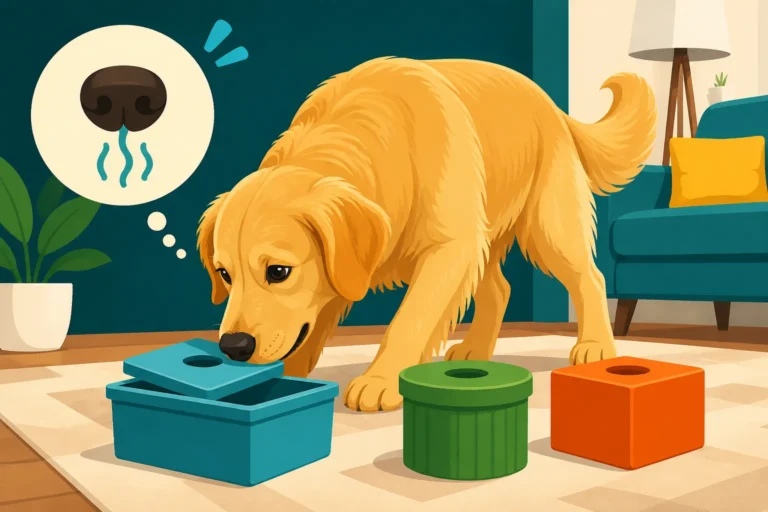
- Sniffing the ground intensely: They might start circling and smelling the floor in a specific way.
- Restlessness or pacing: They can't seem to settle down.
- Whining or barking: Especially if they don't usually do this indoors.
- Going to the door: This is a fantastic sign if they learn it, but it often comes later.
- Suddenly stopping play: They might disengage from whatever they're doing and look distracted.
- Squatting or lifting a leg: This is usually the "too late" sign, but if you catch it, scoop them up and rush them outside!
Some owners even use a bell system on the door, teaching their Golden Retriever puppy to tap the bell when they need to go out. This provides a clear, unmistakable signal. Pay close attention to your puppy's body language; every twitch, sniff, or sudden stillness might be a clue. The more quickly you respond to these cues, the faster your puppy will learn to associate going outside with relief.
What to Do When Accidents Happen (and They Will!)
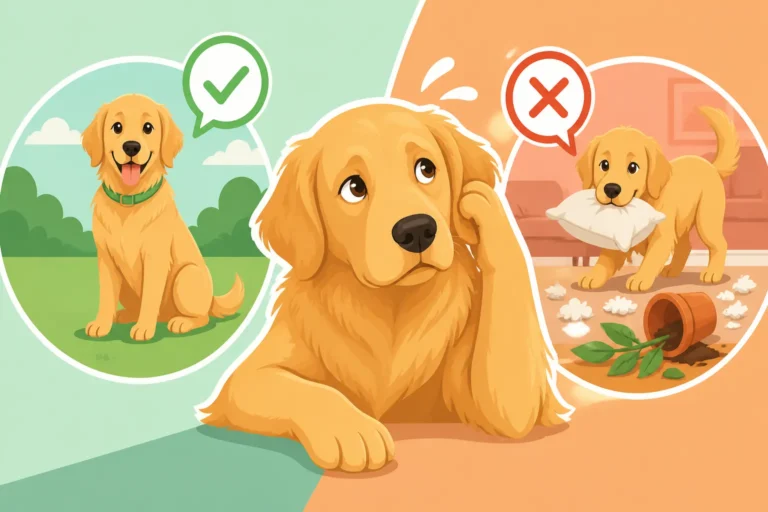
Let’s be realistic: accidents are an inevitable part of puppyhood. No Golden Retriever puppy is perfectly potty trained from day one. How you react to these accidents can either help or hinder your training progress.
Cleaning Up Effectively
When an accident happens indoors, the first thing is to clean it up thoroughly. Dogs are attracted to the scent of their previous eliminations, which can encourage them to go in the same spot again. Standard household cleaners often aren't enough to eliminate the enzymes in urine that dogs can smell. You need an enzymatic cleaner specifically designed for pet odors and stains. Brands like Nature's Miracle or Rocco & Roxie are popular and effective, often available on Amazon or at local pet stores.
Soak the area completely with the enzymatic cleaner, allow it to sit according to the product's instructions, and then blot it up. You might need to repeat this process. If it’s on carpet, you may need to use a shop vac or extractor. Don't just wipe it; really get the cleaner down into the padding. Proper cleanup removes the attractant and prevents your Golden from becoming "potty trained" to a spot inside your home.
Avoiding Punishment and Building Trust
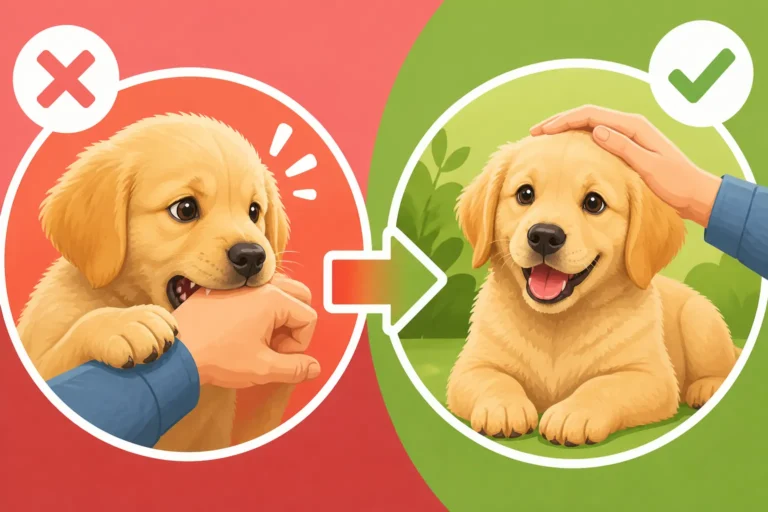
It’s natural to feel frustrated when you find a puddle, especially if you just took them out. However, punishing your Golden Retriever puppy for an accident is counterproductive and can be damaging to your relationship. If you scold them or rub their nose in it (an old, ineffective, and cruel method), they won't learn not to pee inside. Instead, they'll learn that peeing in front of you is dangerous, and they'll start to sneak off to hidden spots to do their business, making potty training even harder.
If you catch them in the act, clap loudly or make a startling noise to interrupt them, then immediately scoop them up (without saying a word in anger) and rush them outside to their designated potty spot. If they finish outside, reward them lavishly. If you only find the accident after the fact, simply clean it up without any fuss. Your puppy won't connect your anger to an event that happened minutes or hours ago. Focus on positive reinforcement for going in the right place, not punishment for mistakes. This approach fosters trust and makes your Golden Retriever puppy eager to please you. Check out Golden Retriever Accidents After Being Trained for more insights on managing setbacks.
When to Consult Your Vet About Potty Issues
While accidents are common, there are times when your Golden Retriever puppy's potty problems might signal something more serious than a training lapse. Knowing when to call your veterinarian is important for your puppy's health.
Signs of a Urinary Tract Infection
Urinary tract infections (UTIs) are not uncommon in puppies, especially female puppies. They can make it very difficult for your Golden Retriever to hold their bladder, even if they're normally well-trained. Look out for these signs:
- Increased frequency of urination: Your puppy seems to need to go out constantly, often only producing small amounts of urine.
- Straining or discomfort during urination: They might hunch over, cry out, or strain, suggesting pain.
- Licking their genital area excessively.
- Bloody or cloudy urine: This is a clear red flag.
- Accidents indoors after being reliably house-trained: A sudden regression can be a sign of a UTI or other health issue.
- Fever or lethargy: General signs of illness.
If you observe any of these symptoms, it's time to call your vet. A simple urine test can usually diagnose a UTI, which is typically treated with antibiotics. Untreated UTIs can lead to more serious kidney infections, so prompt attention is crucial. Puppies need their regular vet check-ups, so make sure you're keeping up with their First Year Vet Costs for a Golden Retriever Puppy and general healthcare.
Addressing Persistent Accidents and Regressions
Sometimes, despite your best efforts and a consistent routine, your Golden Retriever puppy just isn't getting the hang of potty training, or they're having persistent accidents. If your puppy is past 4 or 5 months old and still having daily accidents, or if a previously well-trained puppy suddenly starts having frequent accidents, it's worth a vet visit to rule out medical causes.
Beyond UTIs, other medical conditions can affect bladder control, such as:
- Kidney issues.
- Bladder stones.
- Hormonal imbalances (less common in young puppies, but possible in older pups or adolescents).
- Anatomical abnormalities like ectopic ureters, where a ureter bypasses the bladder, causing continuous leaking. This is usually noticed very early on.
If the vet gives your Golden a clean bill of health, then it's time to reassess your training methods or consider consulting a professional dog trainer or behaviorist. They can observe your routine, identify potential gaps, and offer tailored advice. Sometimes, a fresh pair of expert eyes can pinpoint exactly what's going wrong. Consistency, patience, and a willingness to seek professional help when needed will ultimately lead to a reliably house-trained Golden Retriever.
Disclaimer
This article is for general informational purposes only and does not constitute professional advice. Laws, prices and regulations vary by location and change over time. Consult a qualified professional for guidance on your specific situation.