When a Golden Retriever Can Go Off Leash
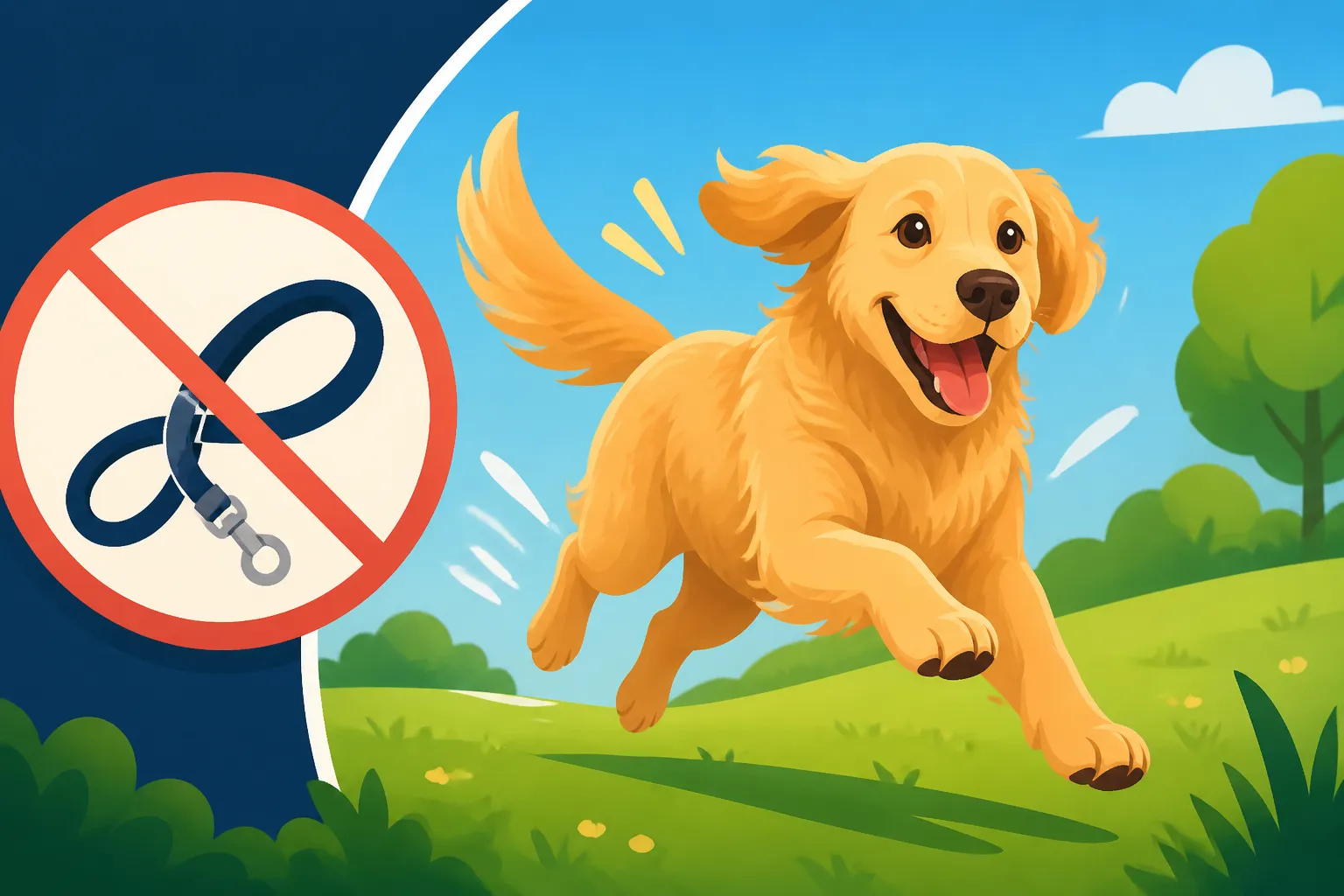
It’s a truly idyllic vision, isn't it? Watching your magnificent Golden Retriever gallop freely across an open field, ears flapping in the wind, only to turn on a dime and sprint back to you with pure joy when you call their name. But for many Golden owners, the reality of off-leash adventures feels far out of reach, often fraught with anxiety about their dog bolting after a squirrel or greeting an unwilling stranger. This guide will walk you through the journey of building that reliable off-leash freedom, detailing when your Golden might be ready and the crucial steps to get there safely and responsibly.
The Dream of Off-Leash Freedom and Why It's Tricky
The idea of a dog roaming freely is deeply ingrained in our perception of canine happiness. We want our Goldens to experience that uninhibited joy, to stretch their powerful legs without the constraint of a leash. Yet, the path to achieving this isn't simply unhooking the leash and hoping for the best. There are innate behaviors and environmental factors that make off-leash reliability a significant undertaking.
Understanding the Golden Retriever's Instincts
Golden Retrievers are, at their core, working dogs bred for specific tasks, and these instincts play a huge role in their behavior, especially off-leash. Their name isn't just for show – they were literally bred to retrieve. This means they often have a high prey drive, an intense desire to chase after anything that moves, be it a rabbit, a ball, or even a blowing leaf. When that instinct kicks in, it can override even the most solid training if not properly proofed. Imagine you're at a park, and a squirrel darts across the path. For a Golden, that's like hearing an air horn calling them to action. Their genetic programming is screaming "GO!" and it takes immense impulse control and a very strong bond with you to choose you over the chase.
Beyond prey drive, Goldens are also incredibly friendly and social. This is a wonderful trait, but it can be a double-edged sword when off-leash. They often want to greet every person and dog they see, sometimes with an exuberant enthusiasm that isn't always appreciated by others. A Golden's friendliness means they might wander off to say hello, not out of disobedience, but out of an overwhelming desire to make new friends. You might think, "Oh, they're just being friendly!" but if they dash across a road to get to someone, or jump on a small child who is startled, it becomes a serious safety issue. Understanding these powerful natural drives is the first step in knowing what you're up against and why training is so vital.
The Risks of Off-Leash Without Training
The dangers associated with an untrained or unreliable off-leash dog are significant and frankly, terrifying to consider. The most immediate concern is always traffic. A Golden Retriever, even a well-meaning one, darting into the street after a ball or a scent can lead to catastrophic consequences. It's not just their safety, but the safety of drivers and pedestrians too. Beyond traffic, there's the risk of your dog getting lost. A sudden loud noise, an unfamiliar scent, or simply getting disoriented can send a Golden far from you, especially in dense woods or unfamiliar territory. It only takes a second for them to disappear over a ridge or into thick underbrush, and then panic sets in.
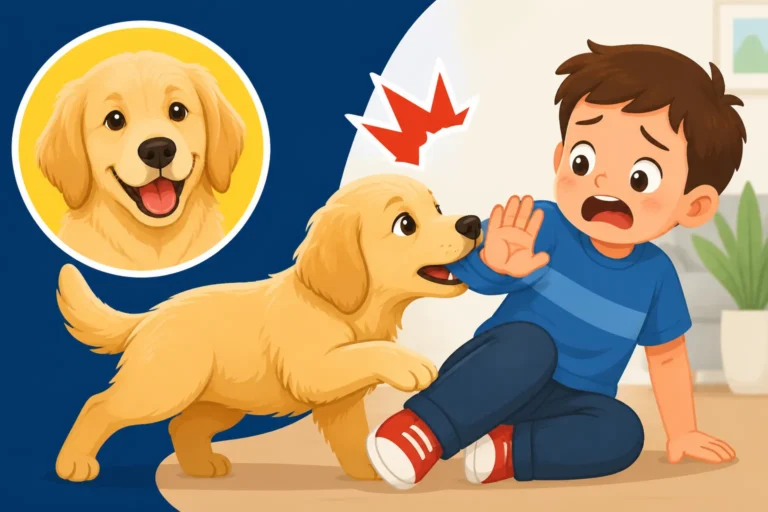
Then there are interactions with other dogs and people. Not every dog is friendly, and not every person wants to be greeted by a large, happy Golden. An off-leash dog, even a gentle Golden, can intimidate or provoke other leashed dogs, leading to fights that result in injuries and expensive vet bills. Imagine your Golden bounding up to a fearful dog or a dog that is leash-reactive; the outcome can be disastrous. Similarly, if your Golden jumps on someone who isn't expecting it, especially a child or an elderly person, it could lead to falls, scrapes, or even a bite if the dog feels threatened or surprised. These aren't just minor annoyances; they can lead to legal liabilities and, tragically, a reputation that follows your dog and breed. No one wants to hear "your dog isn't safe" or face the possibility of having their beloved companion deemed dangerous. It underscores why Golden Retriever Recall and Off-Leash Reliability is not just a nice-to-have, but a necessity for truly safe freedom.
Building the Foundation: Essential Off-Leash Skills
Achieving reliable off-leash control isn't magic; it's a methodical process built on trust, consistency, and reward. You're essentially teaching your Golden that you are the most exciting, rewarding, and safe thing in their environment, even when faced with irresistible distractions. This takes time, patience, and a whole lot of delicious treats.
Mastering the Reliable Recall
The recall – calling your dog back to you – is the single most critical command for off-leash reliability. Without a rock-solid recall, off-leash freedom is simply too dangerous. This isn't just about them coming when it's convenient; it's about them dropping everything, no matter how exciting, and running straight back to you. We start this training early, often with puppies, in low-distraction environments like your living room or a fenced yard. Use a happy, excited tone, get down to their level, and make it the most fun thing they've ever done. Every single time they come, even if it's slow, reward them lavishly with high-value treats (think cheese, cooked chicken, hot dogs) and enthusiastic praise. Never punish them for a slow recall; that only teaches them not to come. If they don't come, calmly go get them, bring them back, and then release them.
Once they've got it down in a quiet setting, you introduce distractions gradually. This is where Building Reliable Recall in a Golden Retriever really comes into play. Use a long line – a 15 to 30-foot leash available on platforms like Amazon – in a securely fenced area. Practice calling them when they are distracted by smells, toys, or even another calm, well-behaved dog. The long line gives you a safety net, allowing you to gently guide them back if they get too absorbed. Remember, the goal is not just to have them return, but to have them happily return, associating your call with incredible rewards. If you feel like your Golden is truly tuning you out when something exciting happens, you might be facing the challenge of Why a Golden Retriever Ignores You Outdoors.
Proofing Commands in Distracting Environments
Training isn't truly "done" until your Golden can perform commands reliably in various environments with different levels of distraction. This process is called "proofing." It means taking your Golden's mastered "sit," "stay," "come," and "leave it" from your quiet living room to the bustling park, the forest trail, or even a busy street corner. Each new environment is like starting over for your dog, because they don't generalize commands easily. You need to practice these commands everywhere, starting with minimal distractions and slowly increasing the challenge. For example, if your Golden knows "sit" perfectly at home, try it in your backyard. Then on a quiet street. Then near a distant jogger. Only when they are consistently performing the command, no matter the distraction, can you consider it "proofed."
This is also where the "long line" becomes invaluable. It allows you to practice off-leash scenarios while maintaining control. A strong "leave it" command is particularly crucial when off-leash, as it can prevent your Golden from investigating dangerous items, chasing wildlife, or bothering other park-goers. Consistency is key here. If you let them get away with ignoring a command once in a distracting environment, you've just taught them that sometimes they don't have to listen. Always set them up for success, and only progress to higher distraction levels when they are reliably successful at the current level. For more structured guidance, online training programs like those from BAXTER & Bella can offer detailed steps for proofing commands in real-world scenarios, helping you progress systematically.
Establishing Trust and Connection
Beyond commands, the most powerful tool for off-leash reliability is the deep bond and trust you share with your Golden Retriever. Your Golden needs to genuinely believe that staying near you, or returning to you, is more rewarding and safe than any other option available. This connection is built through consistent positive reinforcement, clear communication, and shared experiences. Spend quality time together, engaging in activities your Golden loves, whether it's playing fetch, going for hikes, or simply cuddling on the couch. Be predictable and fair in your interactions, and always be your Golden's advocate in new situations. If they're nervous, reassure them. If they're excited, channel that energy into appropriate activities.
A strong connection means your Golden looks to you for guidance and reassurance. When they encounter something new or potentially scary off-leash, they should glance back at you for a cue, rather than reacting instinctively. This isn't just about obedience; it's about a partnership where your Golden sees you as their leader and protector. When your Golden feels secure and understood by you, they are much more likely to respond to your calls, even in exciting situations, because they trust that you always have their best interest at heart. This deep bond also helps with Golden Retriever Puppy Socialization Windows and general confidence, which are vital for a well-adjusted off-leash dog.
Assessing Readiness for Off-Leash Adventures
Deciding when your Golden is truly ready for off-leash freedom is not about age alone, but a combination of their individual maturity, your consistent training efforts, and the specific environment you plan to explore. There's no magic "age" or "month" when a Golden is suddenly ready; it's a gradual assessment based on observed behavior.
Evaluating Your Golden's Temperament and Training Level
Before even thinking about off-leash, honestly evaluate your Golden's temperament. Are they generally calm and focused, or easily excitable and prone to bolting? A naturally calm Golden with a strong desire to please will likely achieve off-leash reliability faster than a high-energy, easily distracted one. Consider their individual personality traits, as Golden Retriever Temperament and Personality can vary. Some Goldens are naturally more independent, while others are velcro dogs that prefer to stay close. It's also crucial to assess their training mastery. Can your Golden perform all their basic obedience commands (sit, stay, down, come, leave it) 100% of the time, in any environment, without hesitation? If not, more training is needed on-leash before even considering off-leash.
Here’s a quick checklist to help you gauge readiness:
| Trait/Skill | Not Yet Ready | Making Progress | Ready for Controlled Off-Leash |
|---|---|---|---|
| Recall (Come!) | Ignores you for distractions; hesitant | Comes eventually; needs multiple calls; distractible | Comes immediately, every time, no matter the distraction |
| "Leave It" | Grabs forbidden items; struggles with high-value temptations | Hesitates but eventually complies; needs strong reminder | Ignores forbidden items on command; strong impulse control |
| Focus on Owner | Constantly scans for distractions; rarely checks in | Checks in occasionally; can be distracted by novelty | Regularly makes eye contact; prioritizes your attention |
| Impulse Control | Chases anything that moves; greets every dog/person | Can be redirected from chase; sometimes over-exuberant greetings | Ignores moving objects (on command); polite greetings |
| Environment Handling | Overwhelmed by new sights/sounds; fearful or overly excited | Adjusts to new environments with some guidance | Confident and calm in novel, moderately stimulating places |
| Age/Maturity | Under 1 year (still a puppy); high energy, short attention span | 1-2 years (adolescent); energy but developing focus | 2+ years (adult); settled temperament, established habits |
Choosing the Right Environment for Off-Leash Practice
Once you feel your Golden is mentally and skillfully ready, the next step is to carefully select the right environment for their initial off-leash experiences. You wouldn't throw someone who just learned to swim into the deep end of the ocean, right? The same applies to your dog. Start in areas that are completely secure and familiar, with minimal distractions. A large, securely fenced private yard or a rented, private dog park is ideal. This allows you to practice without the constant worry of your Golden escaping or encountering unexpected hazards. Remember, the goal is to build confidence and success, not to set them up for failure.
As your Golden demonstrates consistent reliability in these controlled settings, you can gradually move to more open, yet still relatively safe, environments. Think quiet hiking trails away from roads, during off-peak hours, or specific designated off-leash dog parks that you know are well-maintained and frequented by responsible owners. Always avoid busy public areas, especially near roads, until your Golden's recall and impulse control are truly impeccable. Even then, caution is warranted. The key is to progress slowly, always prioritizing your Golden's safety and the safety of others. Observing how your dog handles slight increases in distraction will tell you if they are truly prepared for more expansive freedom. And it goes without saying, always have your leash handy, even if you don't plan to use it immediately.
Legalities and Etiquette for Off-Leash Areas
Before you even step foot outside with your off-leash Golden, it is absolutely crucial to understand the local laws and proper etiquette. Leash laws vary widely by city, county, and state. What's allowed in one park might be strictly forbidden in another. Ignorance of the law is no excuse, and getting caught with an off-leash dog in a leashed area can result in hefty fines, legal trouble, and even the impoundment of your dog. Always check the rules and regulations for any public space you plan to visit. Many communities have specific designated off-leash dog parks; these are generally the safest and most legal places to practice.
Beyond the law, there's a strong code of conduct for off-leash dog owners. This includes:
- Always carrying a leash: Even if your dog is off-leash, you should have a leash with you at all times, ready to clip on if needed.
- Scooping poop: This is non-negotiable. Always pick up after your dog. It's not only polite, it's often legally required.
- Respecting others: If you see someone with a leashed dog, or someone who seems uncomfortable, immediately recall your Golden and leash them. Not every dog or person is comfortable with an off-leash dog approaching.
- Keeping your dog in sight: You should always be able to see your dog and know what they are doing. If they wander too far or disappear behind bushes, it's time to re-evaluate their off-leash readiness or the environment.
- Vigilance: Be aware of your surroundings – other dogs, people, wildlife, and potential hazards. Your off-leash freedom comes with heightened responsibility.
Ignoring these rules not only puts your dog at risk but also contributes to negative perceptions of all dog owners, potentially leading to more restrictive leash laws for everyone. The aim is to be a responsible, considerate pet parent who understands the weight of Golden Retriever Leash Manners for a Strong Golden Retriever and off-leash behavior.
Maintaining Off-Leash Reliability Over Time
Off-leash reliability isn't a "set it and forget it" kind of training. It's an ongoing commitment, a continuous dialogue with your Golden Retriever that requires regular reinforcement and adaptation. Just like any skill, if you don't use it, you lose it—or at least, it gets rusty.
Continuing Education and Reinforcement
Even after your Golden has achieved a stellar off-leash recall, it's crucial to continue practicing and reinforcing those vital skills. Think of it as keeping their "recall muscle" strong. This means not just relying on the command when you absolutely need it, but randomly calling them back during walks, rewarding them handsomely, and then immediately releasing them to continue playing. This teaches them that coming to you doesn't always mean the fun ends; sometimes, it means a delicious treat and then even more fun. Mix up your rewards, too. Sometimes it's a treat, sometimes a favorite toy, sometimes a burst of enthusiastic praise and a game of chase.
Consider enrolling in advanced obedience classes or dog sports like Rally Obedience or agility. These activities not only provide fantastic mental and physical stimulation for your intelligent Golden but also constantly challenge and refine their responsiveness to your commands in increasingly distracting environments. Golden Retriever Obedience Titles and Sports can be a fun way to cement these skills. Even a simple monthly "proofing session" in a new environment, like a different park or trail, can help keep their skills sharp and remind them that your commands are universal, not just tied to one specific location. The goal is to ensure their reliability remains consistent, even as they age or their environment changes.
Handling Setbacks and Unexpected Challenges
No matter how well-trained your Golden is, there will inevitably be moments of challenge or even outright failure. Perhaps a particularly enticing smell overrides their recall, or a sudden, unexpected sound spooks them, causing them to bolt. It happens to the best of us, and it's important not to get discouraged or angry. Instead, view these moments as learning opportunities. If your Golden ignores your recall, re-evaluate the situation. Was the distraction too high? Were you too far away? Was your reward not valuable enough?
When a setback occurs, go back to basics. Re-establish their recall on a long line in a more controlled environment. Practice heavily in areas with lower distractions before attempting higher-distraction scenarios again. Remember, consistency and patience are your best friends. Never rely on an off-leash Golden if you have any doubt about their reliability in a given situation. If you encounter a situation where your Golden consistently struggles, don't hesitate to seek guidance from a certified professional dog trainer. They can offer tailored strategies to address specific challenges and help you and your Golden get back on track. Understanding that progress isn't always linear is part of the journey toward enduring off-leash freedom.
Disclaimer
This article is for general informational purposes only and does not constitute professional advice. Laws, prices and regulations vary by location and change over time. Consult a qualified professional for guidance on your specific situation.