Golden Retriever Stealing Food From Children
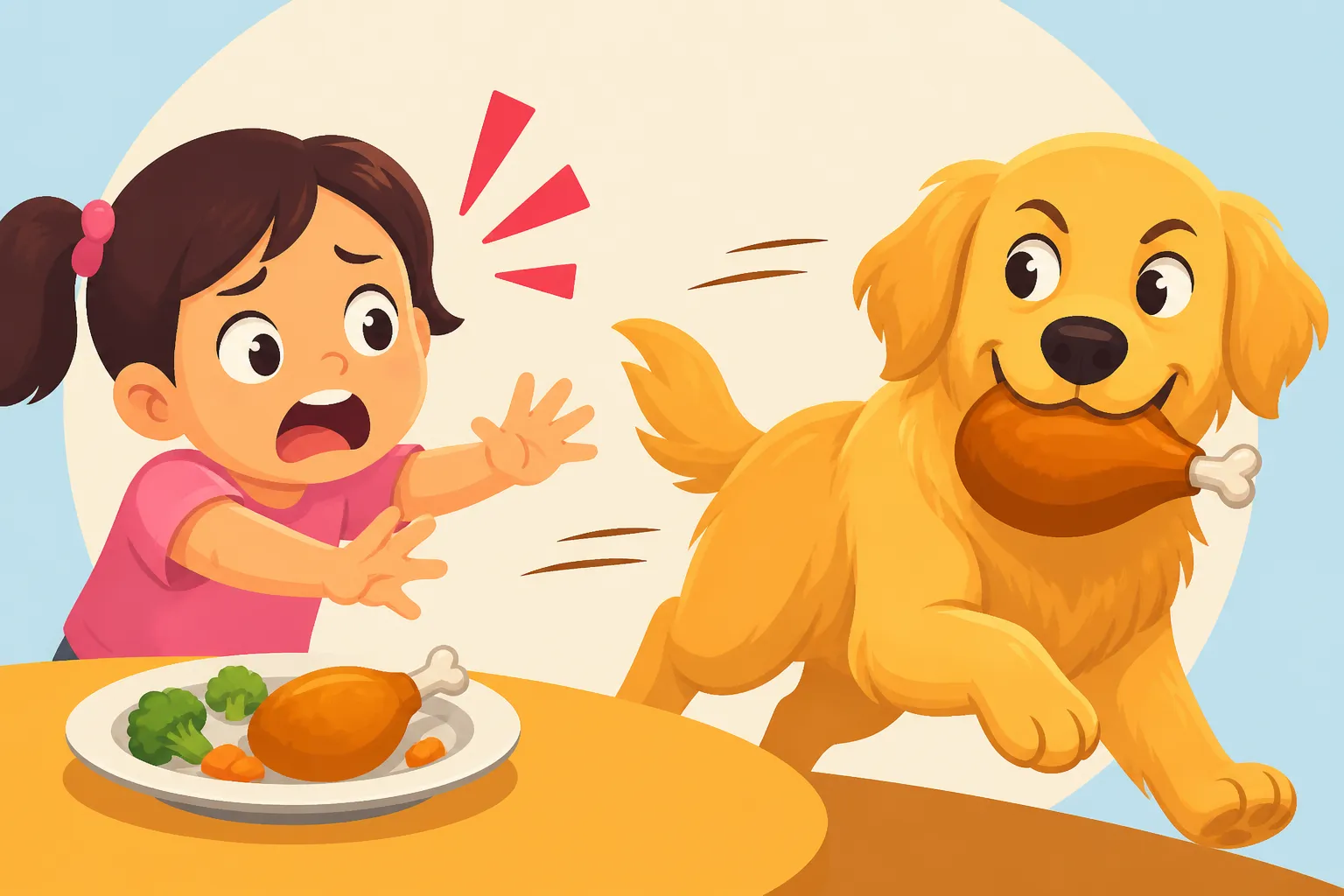
It’s a universal truth for many Golden Retriever owners: your beloved, usually well-behaved companion can transform into a stealthy, four-legged vacuum cleaner the moment a child’s snack is within reach. That half-eaten sandwich, the forgotten apple slice, or the stray cookie crumb becomes a high-stakes target. This behavior isn't just a minor annoyance; it can lead to dangerous situations if your Golden ingests something toxic, creates conflict within the family, or even causes an accidental nip if a child tries to retrieve their treasure. This comprehensive guide is designed to help you understand the root causes behind your Golden Retriever’s snack-snatching tendencies from children and provide you with actionable, empathetic strategies to curb this behavior for a more peaceful and safe home environment.
Understanding the Golden Retriever's Motivation for Food Stealing
Before we can address the behavior, it's crucial to understand why your otherwise angelic Golden Retriever turns into a food bandit. It's rarely out of malice, but rather a complex interplay of instinct, learned behavior, and environmental factors. Goldens are notoriously food-motivated, a trait that makes them wonderful to train but also prone to opportunistic foraging.
Instinctual Drives and Opportunism
Golden Retrievers were bred, in part, to retrieve game, and their strong sense of smell and inherent desire to carry things in their mouths makes them exceptional at finding and "retrieving" stray food items. This isn't just about hunger; it's about opportunity. If food is left unattended and accessible, a Golden's natural inclination is often to investigate and consume it. They operate on a simple principle: if it's there for the taking, it must be fair game. They don't have the human concept of "ownership" or "this belongs to the child."
Furthermore, their excellent scenting ability means they can detect even tiny crumbs or the lingering smell of food long after it's been moved. This makes them persistent scavengers. Combine this with the often erratic eating habits of children – dropping food, leaving plates, or simply being slow to finish – and you have a perfect storm for a Golden Retriever to practice their opportunistic tendencies. For many Goldens, the reward of a tasty snack far outweighs any potential consequence, especially if the consequence is delayed or inconsistent.
Think about it from your Golden's perspective. A child is often a source of dropped treasures. The floor under the high chair, the area around the sofa where snacks are consumed, or even a picnic blanket in the yard becomes a buffet. Your Golden isn't being "naughty"; they're simply being a very successful scavenger, fulfilling a deep-seated, instinctual drive to find and eat available sustenance.
Lack of Clear Boundaries
Often, food stealing stems from a lack of clear, consistent boundaries around food, especially when children are involved. In many households, dogs are allowed to "clean up" dropped food, which inadvertently teaches them that food on the floor or within reach is fair game. While it might seem convenient to let your Golden Hoover up those dropped peas or crackers, this blurs the line between what is acceptable to eat and what isn't.
Children, particularly younger ones, also struggle with consistent boundaries. They might inadvertently invite the behavior by offering scraps, dropping food, or not understanding dog behavior cues. If a Golden learns that nudging a child or even a quick snatch sometimes results in a reward (the food item), that behavior is reinforced and becomes more likely to repeat. Consistency from all family members, both human and canine, is paramount.
Without explicit training, your Golden Retriever doesn't instinctively know that the sandwich on the coffee table is off-limits but the kibble in their bowl is theirs. They learn through repeated experience and clear communication from their human companions. If that communication is mixed – sometimes they get food from the floor, sometimes they’re scolded – they’ll likely continue to try their luck whenever an opportunity arises, especially with less assertive family members like children.
Environmental Accessibility and Reinforcement
The environment itself plays a huge role. If food is consistently left at a Golden Retriever's level – on low tables, stroller trays, or directly in a child's hand while sitting on the floor – the dog has constant opportunities to practice snatching. Each successful theft is a powerful self-rewarding event, solidifying the behavior. It’s like hitting a jackpot every time they try.
This isn't just about the food itself; it's about the positive reinforcement the dog receives. The immediate gratification of the stolen treat makes the behavior incredibly strong and difficult to extinguish once established. If the dog gets the food and experiences no immediate, negative consequence, why would they stop? To a Golden, the world is their oyster, and an unguarded snack is simply an oyster waiting to be opened.
Consider how often food might be accessible during a typical day: a snack in a child's hand while they play, a plate left on a low coffee table during a movie, or crumbs falling from a high chair. Each instance presents an opportunity for your Golden to test the boundaries. Without careful management of the environment, you're constantly putting your Golden Retriever in a position to fail, and each "failure" (from your perspective) is a success (from theirs).
Proactive Management: Setting Your Household Up for Success
The best way to stop food stealing is to prevent it from happening in the first place. Proactive strategies focus on managing the environment, training your Golden Retriever, and educating your children.
Environmental Control and Supervision
One of the simplest yet most effective ways to prevent food snatching is to control the environment. If your Golden Retriever cannot physically reach the food, they cannot steal it. This means being diligent about putting food away, using baby gates, and supervising meal and snack times. Designate "dog-free" zones where children can eat without canine interference.
Investing in tools like baby gates can create safe eating spaces for children, particularly younger ones. You can easily find sturdy gates on platforms like Amazon that can block off kitchen or dining areas during mealtimes. For toddlers in high chairs, ensure no food hangs over the edge and that the dog is not allowed to linger directly underneath, anticipating dropped morsels. When a child is carrying food, teach them to eat while seated at a table or in a designated area where the dog cannot reach.
Supervision is also paramount. An adult should always be present during children's mealtimes and snack times, ready to intervene before a snatch occurs. This isn't about constant hovering, but about being aware of both your child's and your dog's positions and actions. Early intervention, redirecting your Golden away with a quiet "leave it" or leading them to their mat, is far more effective than trying to recover stolen food. How Long a Golden Retriever Can Be Left Alone touches on supervision in a broader sense, but it applies specifically to food situations too.
Foundation Training: "Leave It" and "Stay"
These two commands are absolute game-changers for preventing food stealing. A solid "leave it" command means your Golden Retriever understands that a tempting item, even food, is off-limits. "Stay" keeps them in a designated spot, away from the food source, until released. Both require consistent, positive reinforcement training.
Start practicing "leave it" in a low-distraction environment with items your dog isn't too keen on, gradually increasing the value of the item and the level of distraction. You can find excellent step-by-step guides on online platforms like BAXTER & Bella, which offer comprehensive courses on foundational obedience. When practicing, always reward your Golden with a different, equally delicious treat when they successfully leave the target item alone, ensuring they don't feel deprived.
For "stay," begin with short durations and small distances, slowly building up until your Golden can stay on their mat or in another room while your child eats. This isn't just about avoiding food stealing; it's about teaching impulse control, which is incredibly valuable for a food-motivated breed like the Golden Retriever. Reward generously with Best Treats for Training a Golden Retriever when they hold their stay, making it a positive experience.
Teaching Children How to Interact Around Food
Your children are a crucial part of the solution. They need to understand how their actions influence the dog's behavior. This means teaching them not to tease the dog with food, not to leave food unattended, and what to do if the dog tries to steal something. Teaching Kids How to Handle a Golden Retriever covers general interactions, but specific food etiquette is vital.
Explain to children that dropping food or leaving it within reach teaches the dog that it’s okay to take it. Emphasize that the dog isn't "bad," but they don't understand human rules about food. Teach them to sit at a table for meals and snacks whenever possible, and to clear their plates immediately. If they drop food, instruct them to call an adult, rather than trying to snatch it back, which could lead to a reactive response from the dog.
Make it a family rule: "If food is on the table or in your hand, it's yours. If it's on the floor, call a grown-up." This helps create a unified front and prevents accidental reinforcement. For older children, you can even involve them in the training process, helping to practice "leave it" with the dog under your guidance, reinforcing good habits for everyone.
Responding in the Moment: When a Snatch Occurs
Despite the best proactive efforts, sometimes a Golden Retriever will still manage to snatch food. How you react in that precise moment is critical for preventing the behavior from becoming ingrained or causing further issues.
Calm Interruption and Redirection
If your Golden Retriever manages to grab food, the goal is to interrupt the behavior calmly and redirect them to something appropriate. Avoid chasing, yelling, or making a big scene, as this can inadvertently turn it into a game or create fear. A calm, firm "Leave it!" followed by offering a high-value toy or their own treat in exchange is often the most effective approach.
The key here is the exchange. If your Golden has something, try to trade them for it. This teaches them that letting go of a desirable item doesn't mean losing out entirely; it means getting something even better from you. This technique is also crucial when dealing with Golden Retriever Resource Guarding, which can sometimes manifest around stolen food items. Always have appropriate chew toys or dog-safe treats readily available for such an exchange.
Once the food is secured, immediately redirect your Golden to their designated "place" or mat and reward them for settling there. This reinforces the idea that good things happen when they are calm and in their proper spot, rather than when they are stealing food. It's about teaching an alternative, desirable behavior.
Why Punishment Is Not the Answer
It's tempting to scold or punish your Golden Retriever immediately after they've snatched food, especially when you're frustrated or concerned about the child's safety. However, punishment is generally ineffective and can actually be detrimental. Dogs don't connect punishment with past actions; they only associate it with what's happening right now. If you scold them after they've already eaten the food, they simply learn to fear your presence when food is around, making them more likely to snatch and run, or even guard stolen items more aggressively.
Harsh punishment can also erode trust between you and your Golden Retriever. Instead of learning not to steal, they might learn not to get caught stealing. This can lead to more secretive snatching or even create anxiety around food, potentially escalating into more serious behavioral issues like fear-based aggression or guarding. Your goal is to build a trusting relationship where your dog looks to you for guidance, not to fear your reaction.
Instead of punishment, focus on management and training. Prevent opportunities for theft, teach incompatible behaviors (like "leave it" or "place"), and positively reinforce good choices. If you find yourself constantly resorting to reactive measures, it's a sign that your proactive management strategies need to be strengthened. Remember, Goldens thrive on positive reinforcement, so make good choices rewarding for them.
Building Long-Term Solutions and Preventing Recurrence
Stopping food stealing from children isn't a one-and-done task; it requires ongoing commitment to training and management. Think of it as cultivating a respectful relationship around food, for both your dog and your children.
The Power of Consistency and Positive Reinforcement
Consistency is the absolute bedrock of successful training, especially for a smart and opportunistic breed like the Golden Retriever. Every family member, from the youngest child to the oldest adult, needs to be on the same page regarding rules around food. If one person is lax, the dog will quickly learn to exploit that inconsistency. Make sure everyone understands the rules: no food on low surfaces, dogs on their mat during meals, and always calling an adult if food is dropped.
Positive reinforcement should be your primary tool. Instead of focusing on what you don't want your Golden to do (steal food), focus on what you do want them to do (lie calmly on their mat, ignore dropped food, come when called away from food). Reward these desired behaviors lavishly with praise, attention, and high-value treats. For example, if your child drops a cracker and your Golden looks at it, then looks at you instead, immediately reward that choice.
Consider incorporating brain games and Puzzle Feeders That Occupy a Golden Retriever during times when children might be eating. This keeps your Golden mentally engaged and focused on their own activity, reducing their interest in the children's food. This ongoing reinforcement helps build new, stronger habits over time, making good behavior automatic.
Enlisting Professional Help for Persistent Issues
If you've diligently implemented these strategies and are still struggling with persistent food stealing, it might be time to seek help from a professional dog trainer or veterinary behaviorist. Sometimes, deeply ingrained behaviors require an expert eye to identify subtle triggers or suggest tailored solutions. Choosing a Positive Reinforcement Trainer for a Golden can guide you on finding the right professional.
A certified professional can observe your family dynamics, your Golden's behavior, and the layout of your home to provide personalized advice. They can help troubleshoot specific challenges, refine your training techniques, and provide advanced strategies for impulse control. They might also help rule out any underlying medical issues that could be contributing to excessive hunger or anxiety around food.
Don't view seeking professional help as a failure; view it as an investment in a harmonious household. An expert can offer fresh perspectives and tools, ensuring that your Golden Retriever and your children can coexist safely and happily without constant worry about snatched snacks. They can provide structured plans, such as those found through BAXTER & Bella’s online resources, which are designed to address specific behavioral challenges.
Ongoing Reinforcement and Safety Measures
Even after your Golden Retriever seems to have "graduated" from food-snatching school, ongoing vigilance is necessary. Goldens are intelligent and will always be opportunistic. Life happens: children have friends over who don’t know the rules, you might have a lapse in supervision, or a particularly tempting treat might appear. Always be prepared.
Continue to practice "leave it" and "stay" periodically to keep these commands sharp. Periodically review Foods That Are Dangerous for Golden Retrievers as a family, ensuring everyone knows what items are absolutely off-limits, highlighting the critical importance of keeping them out of reach. Consider creating a "safe zone" for your Golden when you know high-risk food situations are coming up, like birthday parties or holiday meals. This might involve a comfy crate with a stuffed Kong or a separate room where they can relax away from temptation.
| Strategy Type | Description | Key Actions | Benefits |
|---|---|---|---|
| Proactive Management | Setting up the environment and dog for success before issues arise. | Use baby gates (e.g., from Amazon), teach "leave it" consistently, educate children, designate dog-free eating zones, use high chairs. | Prevents problems, builds good habits, reduces stress for all, enhances safety. |
| Reactive Response | How to handle a food-snatching incident in the moment. | Calm interruption with "leave it," immediate redirection to a toy or their own treat (exchange), secure remaining food, lead dog to their mat. | Stops immediate behavior, prevents escalation, avoids fear and guarding, teaches appropriate alternatives. |
| Long-Term Solutions | Sustained efforts to integrate good behavior into daily life. | Maintain strict consistency from all family members, use positive reinforcement, practice commands, consider professional training (e.g., BAXTER & Bella programs), provide mental enrichment (puzzle feeders). | Establishes lasting habits, builds trust, creates a harmonious household, ensures ongoing safety. |
Remember, your Golden Retriever isn't trying to be difficult; they're simply being a dog with strong instincts and an adorable, albeit sometimes inconvenient, love for food. With patience, consistency, and a little forethought, you can guide them to make better choices and ensure a safe, happy environment for your entire family.
Disclaimer
This article is for general informational purposes only and does not constitute professional advice. Laws, prices and regulations vary by location and change over time. Consult a qualified professional for guidance on your specific situation.