Signs a Golden Retriever Is Fearful Not Stubborn
It’s a heartbreaking scenario many Golden Retriever owners eventually face: your sweet, eager-to-please companion suddenly seems to develop a streak of stubbornness. They might refuse a command they once knew perfectly, dig their heels in during a walk, or even shy away from something new you introduce. It's easy to get frustrated and label them as disobedient, but what if these "stubborn" behaviors are actually a cry for help, a sign that your beloved Golden is feeling scared, anxious, or overwhelmed? This guide will help you decipher the subtle yet crucial differences between true stubbornness and fear in your Golden Retriever, empowering you to respond with empathy and understanding.
The Common Misconception: Is Your Golden Retriever Really Being Stubborn?
Golden Retrievers are renowned for their biddable nature, their unwavering loyalty, and that famous "Golden personality" that makes them seem perpetually happy and eager to please. This wonderful temperament is often why we choose them in the first place, and it's also why it can be so jarring when they exhibit behaviors that seem completely out of character. When your Golden suddenly refuses to get in the car, or won't walk past a certain bush on your usual route, or perhaps stares blankly when you ask for a "sit" in a new environment, it's incredibly easy to jump to the conclusion that they're being stubborn. We think, "They know this! They're just choosing not to listen!"
However, true stubbornness in a Golden Retriever is actually quite rare, especially when compared to breeds known for their independent streaks. Goldens inherently want to make you happy; it’s practically written into their DNA. Their primary motivation often revolves around pleasing their people and earning positive attention or rewards. When they appear to be digging their heels in, it's far more likely that an underlying emotion or physical discomfort is at play. They aren't trying to defy you; they might be trying to tell you something is wrong, but we often misread their signals through a human lens of "obedience" versus "disobedience." Understanding this fundamental aspect of the breed's personality is the first critical step in correctly interpreting their actions and avoiding undue frustration on both sides.
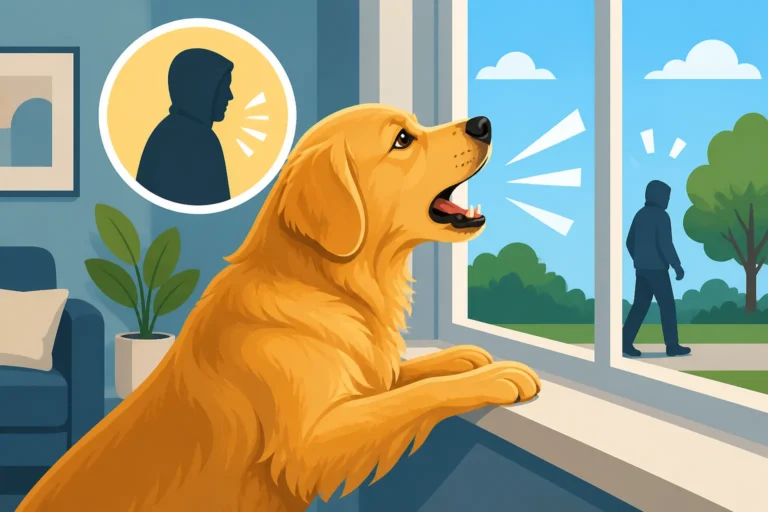
Consider a scenario where you're at the dog park, and your Golden, who usually has perfect recall, suddenly seems to go deaf to your calls. You might call their name louder, perhaps with a hint of exasperation, thinking they're just enjoying themselves too much to listen. But what if they've spotted a new, unfamiliar dog that's making them uneasy? Or maybe a loud, unexpected noise startled them, and they're too overwhelmed to process your command. Their hesitation isn't a deliberate act of defiance; it's a shutdown, a coping mechanism in response to something they perceive as a threat or simply too much to handle. This misinterpretation can lead us to punish a dog who is already feeling vulnerable, exacerbating their fear and potentially damaging the trust you’ve worked so hard to build. It’s vital to shift our perspective from judging their behavior to investigating its root cause. Why Golden Retrievers Read Human Emotion Well explores their sensitivity, which is crucial here.
Subtle Body Language: Unpacking the Silent Signals of Fear in Goldens
The biggest key to distinguishing fear from stubbornness lies in understanding canine body language, especially the subtle cues that Golden Retrievers often display. They are masters of communication, even if they don't use words, and their bodies tell a story long before a growl or a snap ever emerges. What you might perceive as a "blank stare" could actually be a soft, averted gaze, a common sign of appeasement or discomfort. A Golden who is truly being stubborn might stand firm, perhaps even challenge your gaze slightly, but a fearful Golden will often try to make themselves smaller, turn away, or offer calming signals.
Let's break down some of these crucial body language indicators:
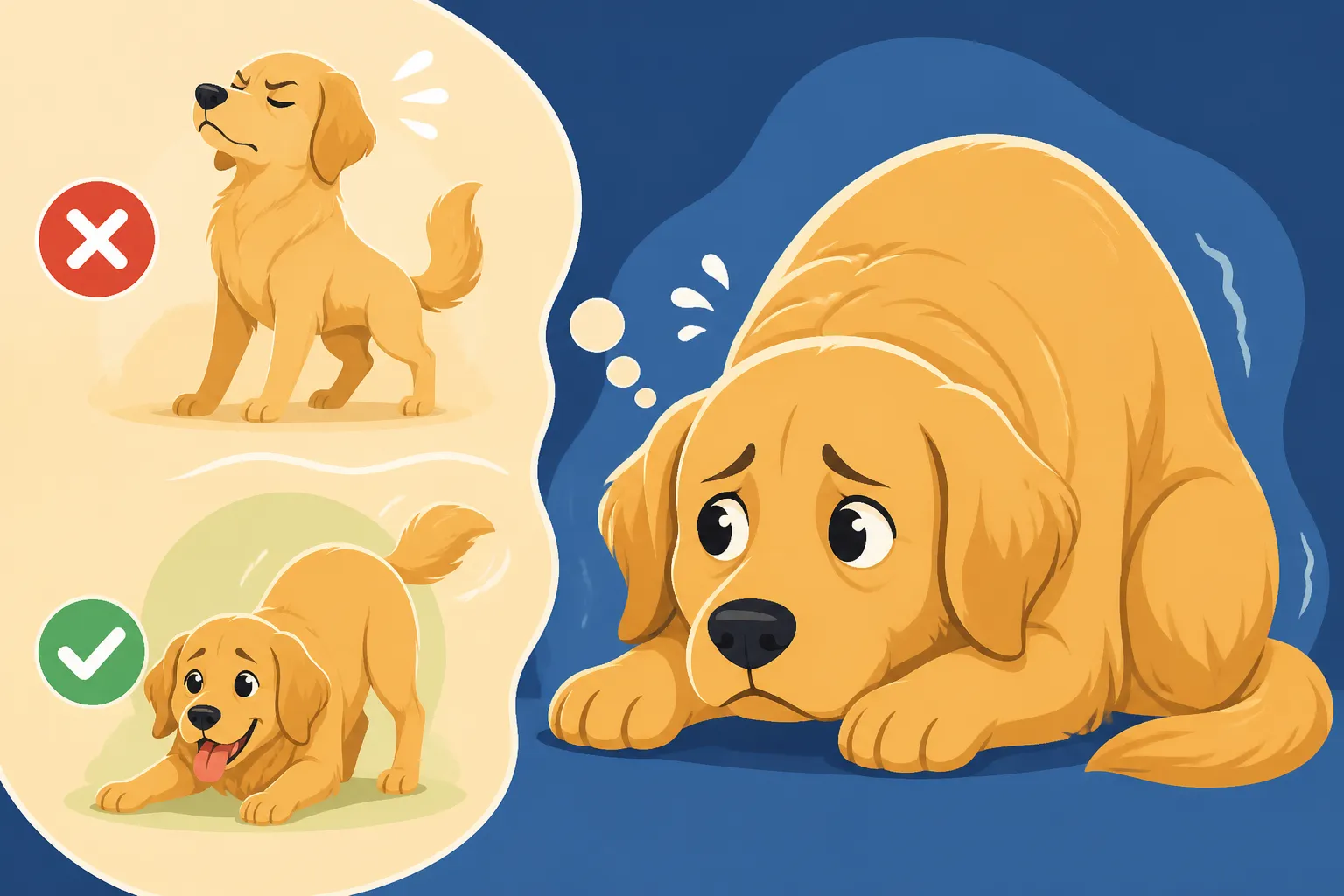
- Tail Carriage: A truly stubborn Golden might hold their tail in its normal, relaxed position, or even wag it defiantly. A fearful Golden, however, will often have a tucked tail, held tightly between their legs, or low and still. It's a clear signal of insecurity or apprehension.
- Ear Position: While Goldens' ears are naturally floppy, pay attention to how they're held. Ears pinned back tightly against the head are a strong indicator of fear or stress. If they’re merely ignoring you, their ears might still be relaxed, or perk up in curiosity towards something else.
- Eye Contact: When a Golden is feeling fearful, they often avoid direct eye contact. They might give "whale eye," where you see the whites of their eyes, or avert their gaze completely. A truly stubborn dog might hold a steady, unyielding stare, or simply glance away casually. The difference is in the tension you see around the eyes and brow.
- Mouth and Tongue: Fear often manifests in subtle mouth movements. Look for lip licking, excessive yawning (when not tired), or a tightly closed mouth with tension around the muzzle. A relaxed Golden will often have a soft, slightly open mouth, perhaps even with a pant. A truly stubborn dog might have a neutral expression.
- Overall Posture: A fearful Golden might crouch low, tense their body, or even tremble slightly. They might try to shrink themselves, almost disappearing into the background. A dog just being stubborn might stand tall and firm, refusing to budge but without the underlying tension of fear. They may also stand in a way that suggests they are ready to bolt or flee the situation, rather than just stand still.
- Piloerection (Hackle Raising): Sometimes, when a Golden is fearful or anxious, the hair along their spine (often from the shoulders to the tail) will stand on end. This is an involuntary physiological response, similar to goosebumps in humans, and is a definite sign of arousal or fear, not stubbornness.
It takes careful observation to catch these nuances, but once you start looking for them, you’ll notice a huge difference in how your Golden communicates their internal state. The context of the situation also matters immensely. Is this "stubbornness" only happening in specific, overwhelming environments, or is it an across-the-board refusal to cooperate? This is where observing the entire picture, rather than just the immediate action, becomes paramount.
Behavioral Manifestations: How Fear Looks Different From Disobedience
Beyond body language, a fearful Golden Retriever will exhibit specific behaviors that clearly differentiate their state from mere disobedience. These actions are often defensive or stress-induced, rather than deliberate attempts to ignore commands. Recognizing these patterns can change your entire approach to the situation.
One of the most telling signs is freezing or fleeing. If your Golden suddenly stops dead in their tracks, unable or unwilling to move, or tries to pull away frantically, that’s a strong indicator of fear. A truly stubborn dog might just stand there, evaluating if your command is worth their effort, perhaps looking at you with a slight head tilt. A fearful dog, however, is often in a state of hyper-arousal or shutdown, too overwhelmed to comply. Imagine a Golden who suddenly slams on the brakes during a walk, refusing to cross a drain grate or pass a barking dog in a yard. This isn't them deciding to be difficult; it's them signaling a perceived threat.
Aggression, particularly fear aggression, is another critical distinction. While Goldens are generally not aggressive, a truly fearful Golden might growl, snarl, snap, or even bite if they feel cornered or unable to escape a perceived threat. This is a last resort for a dog who feels their safety is compromised. A stubborn dog might ignore you, but they aren’t likely to resort to aggression because their life isn’t on the line. If your Golden exhibits any form of aggressive behavior when previously they were docile, it’s a huge red flag pointing to fear or pain, not stubbornness. Signs a Golden Retriever Is in Pain can often overlap with fearful behavior.
Regression in training is also a strong indicator of fear or stress. A Golden who once had perfect "sit" and "stay" commands might suddenly seem to forget them in a new or busy environment. This isn't them being stubborn; it's their brain being too overloaded by sensory input or anxiety to process and execute known commands. Think of it like trying to solve a complex math problem while someone is yelling at you – it’s difficult to concentrate. For a dog, a new sound, a strange person, or an unfamiliar object can be that "yelling." Sometimes, this can even be mistaken for the "teenage regression" phase, where a Golden seems to forget everything they learned. However, while adolescence brings its own challenges, true fear-induced regression is distinct. Why a Golden Retriever Regresses at Adolescence covers this period, but it's important to differentiate it from fear.
Finally, stress-related behaviors like excessive panting, drooling, destructive chewing, or even having accidents inside the house can signal deep-seated fear or anxiety. A stubborn dog won't usually resort to these behaviors because they don't stem from an internal state of panic. A fearful Golden, left alone, might chew through furniture not out of spite, but from overwhelming separation anxiety. Separation Anxiety Versus Boredom in a Golden Retriever goes into more detail on differentiating those states, but they are both rooted in underlying stress. Likewise, a Golden who refuses treats in a certain situation is probably too stressed to eat, a far cry from a dog who is simply choosing not to listen.
Consider this table to help differentiate the behavioral cues:
| Behavior Trait | Appears Stubborn | Appears Fearful |
|---|---|---|
| Response to Command | Ignores, delays, or performs slowly | Freezes, avoids, tries to flee, or shuts down |
| Body Posture | Relaxed, neutral, or slightly challenging | Crouched, tense, low to ground, or trembling |
| Tail Position | Normal wag, relaxed, or still | Tucked tightly, low and still |
| Ear Position | Relaxed, forward, or twitching with interest | Pinned back against head |
| Eye Contact | Direct, inquisitive, or casual glance away | Averted, "whale eye," or darting |
| Mouth & Tongue | Relaxed, soft, gentle pant | Lip licking, excessive yawning, tight lips, drooling |
| Vocalization | Whining for attention, playful barks | Growling, whimpering, high-pitched barks, silence |
| Response to Treats | May ignore if distracted, but generally eager | Refuses treats, even high-value ones, due to stress |
| Overall Context | Consistent across situations, often for perceived gain | Appears in specific, overwhelming, or novel situations |
Addressing the Root: Helping a Fearful Golden Retriever
Once you've identified that your Golden's "stubbornness" is actually fear, your approach completely changes. The goal shifts from demanding compliance to building confidence and providing security. This journey requires patience, empathy, and sometimes, professional guidance.
The first crucial step is to observe and identify triggers. What specifically makes your Golden exhibit these fearful behaviors? Is it loud noises, strangers, other dogs, new places, specific objects, or being left alone? Keep a journal to track patterns. Understanding the "why" is paramount. If your Golden is afraid of thunderstorms, for instance, you can take proactive steps to create a safe space for them, perhaps a comfortable crate covered with blankets. Thunderstorm Fear in Golden Retrievers offers more guidance on this.
Next, focus on creating a safe and predictable environment. Fear thrives on uncertainty. Establish a routine, provide a designated "safe zone" in your home where your Golden can retreat, and use positive reinforcement to reward calm behavior. Never force your fearful Golden into a situation they are clearly uncomfortable with. Instead, use gentle exposure, always allowing them to retreat if needed. This builds trust and teaches them that you are their protector, not someone who will push them into frightening scenarios.
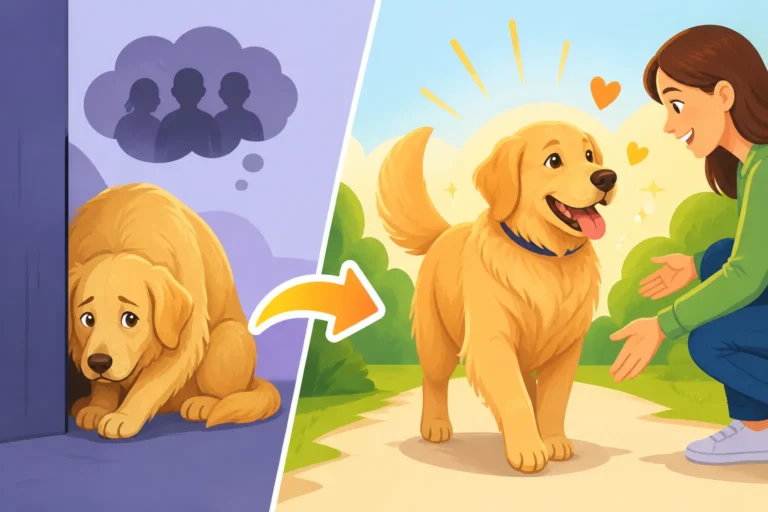
Positive reinforcement is your most powerful tool. When your Golden shows even the slightest bit of courage or relaxation in a challenging situation, reward them generously with treats, praise, or their favorite toy. The goal is to create positive associations with whatever causes them fear. For example, if they're nervous about meeting new people, ask a friendly stranger to toss a treat from a distance rather than approaching directly. Over time, these positive experiences can chip away at their fear. Look for high-value treats that really motivate them, and consider using a clicker for clear communication during training sessions. Best Treats for Training a Golden Retriever offers some ideas.
Desensitization and counter-conditioning are formal training techniques that can be incredibly effective. Desensitization involves gradually exposing your Golden to their fear trigger at a low intensity, so low that they don't react fearfully. Counter-conditioning means changing their emotional response to that trigger, typically by pairing it with something positive, like treats or praise. For example, if your Golden is afraid of car rides, you might start by just having them sit in the car with you for a few seconds, giving treats, then gradually increase the time, engine on, short trips, etc. This must be done at their pace, never forcing them into an overwhelming situation.
For significant or persistent fear, especially if it involves aggression or severe anxiety, consulting a professional is highly recommended. A veterinary behaviorist (a veterinarian with specialized training in animal behavior) or a certified professional dog trainer (CPDT-KA or KPA-CTP credentials are good indicators) can provide tailored strategies. They can assess the specific situation, rule out any underlying medical conditions, and guide you through behavior modification protocols. Avoid trainers who advocate for harsh corrections or punishment, as these methods will only escalate fear and damage your relationship with your Golden. Choosing a Positive Reinforcement Trainer for a Golden is a great resource here.
There are also many products that can help manage anxiety. You can find calming pheromone diffusers or sprays on platforms like Amazon, which can create a more soothing environment in your home. Some Goldens also benefit from anxiety vests or calming chews, also readily available through retailers like Amazon. For ongoing training support, online programs like BAXTER & Bella offer structured curricula that incorporate positive reinforcement techniques, which can be invaluable for working through behavioral challenges at your own pace and from the comfort of your home. They often cover crucial foundational skills like building confidence and managing reactivity, which are essential when addressing fear.
Remember, a fearful Golden Retriever isn't giving you a hard time; they're having a hard time. Your understanding, patience, and commitment to positive methods will be the key to helping them overcome their fears and thrive.
Disclaimer
This article is for general informational purposes only and does not constitute professional advice. Laws, prices and regulations vary by location and change over time. Consult a qualified professional for guidance on your specific situation.