Introducing a Golden Retriever to a Cat
Bringing a new Golden Retriever into a home that already has a cat, or vice-versa, can feel like you're trying to mix oil and water. Many owners worry about immediate chaos, torn furniture, or a perpetually stressed cat hiding under the bed. It’s a common and very real concern, especially with the Golden’s natural exuberance and a cat’s often cautious nature. This guide is here to walk you through a gentle, structured process to help your Golden Retriever and feline friend not just tolerate each other, but hopefully, build a peaceful, even affectionate, relationship.
Understanding the Canine and Feline Dynamic
Before you even think about letting your Golden and your cat share the same air, it’s crucial to understand the fundamental differences in how these two species operate and communicate. They speak entirely different languages, and what’s friendly to one can be terrifying to the other.
Golden Retriever Temperament and Natural Instincts
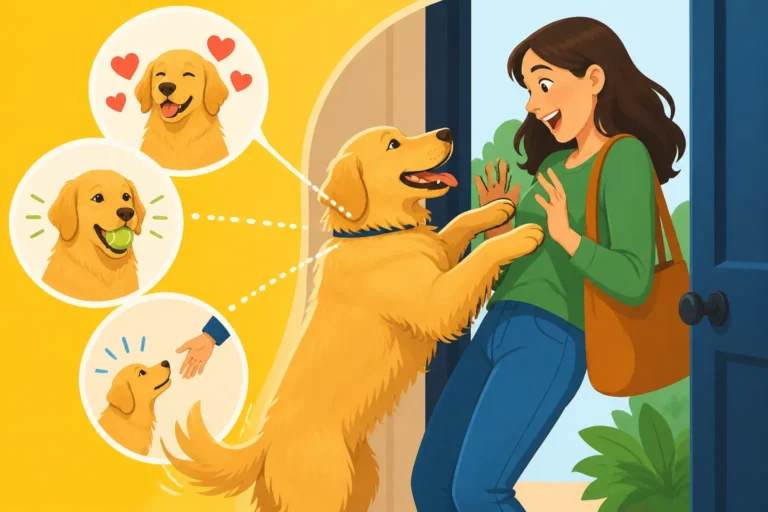
Golden Retrievers are, by nature, incredibly friendly, social, and often playful. They love attention, and their enthusiasm can sometimes be overwhelming, even to other dogs, let alone a small, agile cat. Their retrieving instinct, which makes them such wonderful companions for fetch, can also translate into an interest in chasing small, fast-moving objects – like a scampering cat. It’s not malice; it’s just instinct. They often lack a "personal space" bubble that many cats hold dear, eager to get up close and personal, perhaps with a nudge or a lick, which can be interpreted as a threat by a feline.
Consider a typical Golden, bounding through the house, tail wagging, eager to make a new friend. This is their way of saying hello! But a cat sees a large, fast-moving predator-like creature, making direct eye contact, approaching quickly. This can trigger a flight or fight response instantly. Understanding that your Golden isn't trying to be mean, but rather just being themselves, helps you manage their interactions more effectively. Their deep desire to please us also means they are highly trainable, which is a massive advantage when teaching them to respect the cat. Understanding Golden Retriever Temperament and What to Expect is key to navigating this.
Cat Instincts and Body Language
Cats, on the other hand, are often more solitary creatures, valuing their personal space and security above all else. They communicate through subtle body language – a twitch of the tail, flattened ears, dilated pupils, a slow blink, or a sudden hiss. A direct, prolonged stare from a dog can be seen as an aggressive challenge, while a playful pounce from a Golden might be interpreted as an attack. Cats need to feel safe and have avenues for escape. If they feel trapped or threatened, they will react, either by lashing out with claws or by fleeing and hiding.
It's vital to become fluent in feline body language before the introduction. A cat's slow blink means contentment, while a rapidly twitching tail indicates agitation. A puffy tail and arched back mean they are terrified and preparing to defend themselves. Observing these cues allows you to intervene before an undesirable interaction escalates. Respecting their need for vertical space and escape routes will be paramount.
Pre-Introduction Preparation: Setting Up for Success
The success of your Golden-cat introduction hinges largely on the preparation you do before they ever truly meet face-to-face. This isn't a process you rush; it's a marathon, not a sprint, and patience is your most valuable tool.
Creating Safe Spaces and Vertical Havens
One of the most critical steps is to ensure your cat has ample safe spaces that your Golden cannot access. This means giving your cat vertical territory – cat trees, shelves, or even just high windowsills they can easily jump onto. Cats feel much more secure when they can observe from above and retreat to an unreachable height. Consider cat-only rooms, perhaps with a pet gate that has a small cat flap, or a gate that's set high enough for the cat to slip under but low enough to block your Golden. You can find many styles of these gates on Amazon. This allows your cat to escape if overwhelmed, which is crucial for building confidence.
These safe zones are not just for initial introductions; they should be permanent fixtures in your home. Your cat needs to know that no matter how boisterous your Golden gets, there's always a sanctuary where they can relax undisturbed. This significantly reduces stress and prevents the cat from feeling constantly hunted or anxious.
Scent Swapping and Gradual Exposure
Before any visual contact, let them get used to each other's scent. Scent is incredibly important in the animal world. Start by gently rubbing a soft cloth or towel on your cat's cheeks and body (where their scent glands are), and then place it where your Golden can investigate it, perhaps near their food bowl or sleeping area. Do the same with a cloth on your Golden and place it near your cat’s food or bed. Observe their reactions: curiosity is good, fear or aggression is a sign to slow down.
You can also feed them on opposite sides of a closed door. This creates a positive association with the other animal's scent – "that interesting smell means food is coming!" Over several days, gradually move their food bowls closer to the door, building up the positive association. This slow, controlled scent exposure helps desensitize them to each other, making the eventual face-to-face meeting less startling.
Essential Gear and Supplies
Having the right equipment on hand makes the introduction process smoother and safer.
- Pet Gates: As mentioned, sturdy pet gates are non-negotiable for controlled introductions and maintaining separate spaces. Look for extra-tall ones if your Golden is a jumper!
- Leash and Harness: Your Golden should always be on a leash and harness during initial supervised interactions. This gives you direct control to prevent chasing or overly enthusiastic greetings. A good, comfortable harness that doesn't put pressure on their neck is ideal.
- High-Value Treats: Both animals need positive reinforcement. Have plenty of delicious, tiny treats readily available for your Golden when they remain calm in the cat's presence, and for your cat when they show brave or relaxed behavior. Think small pieces of cooked chicken, cheese, or specialized pet treats.
- Distraction Toys: Engage your Golden with a favorite chew toy or a puzzle feeder during initial meetings to redirect their attention away from the cat. Similarly, have enticing toys for your cat to encourage play and confidence in their safe spaces. A strong, durable chew toy from Amazon can be a lifesaver.
- Feliway/Adaptil Diffusers: These are synthetic pheromone diffusers that can help reduce stress in cats (Feliway) and dogs (Adaptil) respectively. While not a magic bullet, they can create a calmer environment during a potentially stressful period.
The Step-by-Step Introduction Process
This is where the rubber meets the road. Remember, never force interactions. Every step should be gentle, positive, and on their terms as much as possible.
Controlled Visual Introductions
Once they are calm with each other's scent, it's time for the first visual introduction, but still with a barrier. Use a baby gate or two, one above the other if your Golden is tall, or a screen door that allows them to see each other without direct physical contact. Keep your Golden on a leash and harness, and offer high-value treats for calm behavior. If your Golden is fixated on the cat, distract them with a puzzle toy or a training command like "sit" or "down," rewarding them for listening.
Allow the cat to approach the barrier on their own terms. Do not pick up or restrain the cat, as this can increase their anxiety. When the cat chooses to look at the dog or even just walks by calmly, toss them a treat. Keep these initial sessions very short – just a few minutes – and end on a positive note. Repeat these sessions multiple times a day, gradually increasing the duration as long as both animals remain calm. If either shows signs of stress (tail tucked, hissing, growling, lunging), end the session and try again later, starting from an easier distance.
Supervised, Leashed Interactions
When both animals are consistently relaxed and showing positive body language during the barrier introductions, you can move to supervised, leashed interactions in the same room. Your Golden should always be on a leash, held by a calm handler who can easily redirect them. Have another person on hand to monitor the cat, providing treats or enticing them with a toy if they choose to engage. Again, never force the cat to interact. Their safety and comfort are paramount.
The goal here is not immediate friendship, but neutrality. Reward your Golden for calm behavior, for looking at the cat and then looking away, or for lying down. Praise and treats are your best friends. Keep these sessions brief and positive. If your Golden tries to chase or harass the cat, a firm "no" and a gentle leash correction, followed by redirecting their attention to a toy or a calm "sit," is appropriate. This is where consistent training, often facilitated by programs like BAXTER & Bella, can really shine, as it helps your Golden understand boundaries and expectations. End the session before either animal gets overly stressed or agitated.
Gradual Proximity and Off-Leash Freedom
As your Golden consistently demonstrates calm, respectful behavior on the leash in the cat's presence, you can start allowing short periods of off-leash interaction, but only in a strictly supervised environment. This might be a room where the cat has immediate, obvious escape routes to high places. Continue to reward calm, appropriate behavior from your Golden and confidence from your cat. If your Golden gets too rambunctious, immediately put them back on the leash or separate them.
The ultimate goal is to reach a point where they can coexist peacefully, perhaps even sharing a couch or engaging in gentle play. This can take weeks, months, or even longer, depending on the personalities involved. Some Goldens and cats become best friends, curling up together for naps. Others simply coexist, politely ignoring each other, which is also a huge success! Remember that even with off-leash freedom, active supervision is still crucial, especially initially. Keep internalizing Puppy Classes Worth It for a Golden Retriever even if your Golden isn't a puppy, as consistent positive reinforcement and command recall are invaluable.
Troubleshooting Common Challenges
Even with the best intentions and careful planning, hiccups can happen. Knowing how to address common issues can save a lot of stress.
Managing Chase Behavior and Excessive Excitement
It's a Golden Retriever's instinct to retrieve, and for some, that translates into chasing anything that moves quickly. If your Golden consistently tries to chase the cat, this is a clear sign you moved too fast in the introduction process. Go back to barrier introductions or even feeding behind a closed door. Use a long line on your Golden during supervised sessions (a long leash that drags on the floor) so you can step on it to interrupt chase attempts without having to grab their collar directly.
Focus heavily on impulse control training with your Golden. Commands like "leave it" and "stay" are invaluable. Practice these commands frequently in distracting environments, slowly building up to practicing them around the cat. Reward heavily for success. You can also channel their prey drive into appropriate outlets, like playing fetch with a ball or working on scent games, which can be great mental enrichment for a bored Golden Retriever.
Addressing Fear or Aggression from Either Pet
If your cat is showing persistent fear (hiding, hissing, swatting) or your Golden is showing signs of aggression (growling, stiff body, hackles raised), stop all direct interactions immediately. This isn't a situation to push through. Intense fear or aggression can create negative associations that are very hard to undo.
For a fearful cat, reinforce their safe spaces, continue scent swapping, and make sure all interactions are indirect for a longer period. For an aggressive dog, it might be a sign that they need more intensive training or even professional behavioral guidance. Never punish aggression, as this can suppress the warning signs and make the behavior more dangerous. Instead, manage the environment to prevent aggressive incidents and seek advice from a certified professional dog trainer or veterinary behaviorist. They can assess the specific triggers and help you develop a tailored behavior modification plan. Sometimes, what looks like aggression is actually fear-based reactivity. Understanding Signs a Golden Retriever Is Fearful Not Stubborn can provide insight here.
When to Seek Professional Help
If you've followed all the steps, been patient, and are still struggling, don't hesitate to reach out for professional help. A certified professional dog trainer or a veterinary behaviorist has experience with these types of situations and can provide personalized guidance. They can observe your pets in their environment, identify specific triggers, and offer tailored strategies.
It’s an investment in the long-term peace of your household. Many trainers offer virtual consultations, which can be convenient. Programs like BAXTER & Bella also provide a wealth of online resources and one-on-one coaching that can be invaluable for navigating tricky behavioral issues. Don't feel like a failure if you need to call in the experts; it shows you're a responsible pet parent committed to your pets' well-being.
Long-Term Harmony: Living Together Peacefully
Once your Golden and cat have successfully navigated the introduction phase, the work isn't entirely over. Maintaining a harmonious household requires ongoing management and attention to their needs.
Maintaining Boundaries and Respecting Space
Even if your Golden and cat seem to be getting along swimmingly, it's essential to continue reinforcing boundaries. Your cat still needs their safe zones, and your Golden needs to understand that those areas are off-limits. This might mean having cat-specific areas accessible only via pet gates or high shelves. Continue to reward your Golden for respecting these boundaries.
It's also important to ensure both pets have their own resources – separate food bowls, water dishes, beds, and toys. This prevents competition and potential resource guarding issues. While Goldens are generally not known for intense resource guarding, it can develop if they feel their food or prized possessions are threatened. If your Golden ever shows signs of Golden Retriever Guarding a Bone or Toy, address it with a professional trainer.
Continued Enrichment for Both Pets
A bored Golden Retriever or a stressed cat can lead to problems. Ensure both animals are getting adequate physical and mental stimulation. For your Golden, this means regular walks, playtime, and training sessions. Mental Enrichment for a Bored Golden Retriever can include puzzle toys, scent work, and new command training. A tired, well-exercised Golden is generally a calmer Golden, and less likely to pester the cat.
For your cat, enrichment means interactive toys, regular playtime (even 10-15 minutes a day), access to windows for bird watching, and continued access to their vertical territory. Rotate toys to keep things interesting. A happy, confident cat is less likely to feel threatened or become aggressive.
Recognizing Subtle Stress Signals
Even in a seemingly peaceful multi-pet home, it's important to remain observant. Stress signals can be subtle. For your Golden, look for lip licking, yawning (when not tired), averted gaze, stiff body posture, or excessive panting. For your cat, watch for flattened ears, dilated pupils, a twitching tail, excessive grooming, changes in appetite, or increased hiding.
Table: Canine vs. Feline Body Language Cues During Introductions
| Behavior / Cue | Golden Retriever (Canine) Interpretation | Cat (Feline) Interpretation | Recommended Action |
|---|---|---|---|
| Direct Stare | Interest, engagement, challenge (can be playful) | Threat, challenge, impending aggression | Interrupt dog's stare, redirect attention. |
| Wagging Tail | Happy, friendly, excited | Can indicate irritation/agitation (fast, low) | Observe context; generally positive for dog. |
| Curiosity/Approach | Friendly greeting, wanting to play | Threat, invasion of space, danger | Keep dog on leash, reward calm observation, allow cat retreat. |
| Low Growl/Hiss | Warning, fear, discomfort, protectiveness | Warning, fear, defense | Immediately separate, slow down introduction. |
| Puffing Fur/Arched Back | N/A (not typical canine stress response) | Extreme fear, preparing to defend | Immediate separation, ensure cat has escape routes. |
| Licking Lips/Yawning | Stress, appeasement (when not hungry/tired) | N/A (not typical feline stress response) | Reduce stressor for dog, remove from situation. |
| Swatting (claws in) | Playful "tap" (dog) / Warning (cat) | Warning, "back off" | Respect cat's warning, prevent dog from pushing. |
| Swatting (claws out) | Pain, injury (if dog is hit) | Last resort defense | Immediate separation, prioritize safety, slow way down. |
| Relaxed Body/Loose Tail | Comfortable, calm, friendly | Comfortable, calm, trusting | Continue positive reinforcement, gradual progression. |
| Hiding/Escape | Cat feels threatened, needs space | Feeling unsafe, seeking sanctuary | Allow cat space, reinforce safe zones. |
If you notice consistent stress signals, it might indicate that something in their routine needs adjustment, or that a previous issue is resurfacing. Revisit earlier steps in the introduction process, provide more separate downtime, or increase enrichment. Building Alone-Time Tolerance in a Golden Puppy is vital so both animals can have periods of peace without each other.
Living with both a Golden Retriever and a cat can be incredibly rewarding. With patience, understanding, and consistent positive reinforcement, you can create a harmonious multi-species home where everyone feels safe, loved, and respected.
Disclaimer
This article is for general informational purposes only and does not constitute professional advice. Laws, prices and regulations vary by location and change over time. Consult a qualified professional for guidance on your specific situation.