Helping a Shy Golden Retriever Gain Confidence
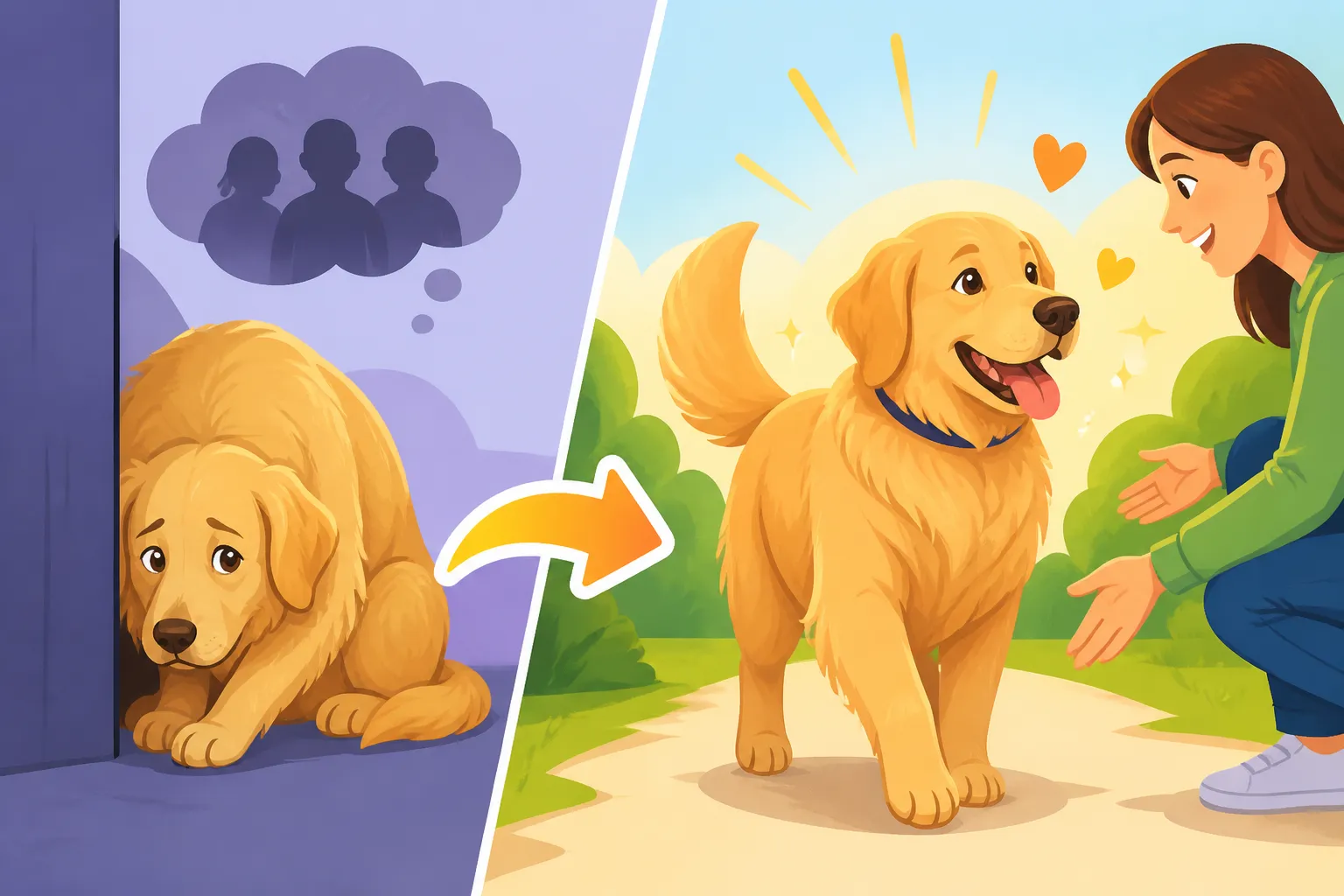
It can be heartbreaking to watch your beloved Golden Retriever shrink away from new people, cower at unfamiliar sounds, or avoid situations that other dogs seem to breeze through. While Goldens are known for their outgoing, friendly natures, not every dog fits that mold perfectly. If your Golden is showing signs of shyness or fear, you're not alone in feeling frustrated and worried. This guide is here to walk you through understanding why your Golden might be acting shy and, more importantly, how you can gently and effectively help them build the confidence they need to truly thrive.
Understanding Why Your Golden Retriever Might Be Shy
It’s easy to assume all Golden Retrievers are born with boundless confidence and an unshakeable love for everyone and everything. When you bring home a puppy or adopt an adult and find them to be timid or fearful, it can feel incredibly confusing and even disappointing. But shyness in dogs, including our beloved Goldens, isn't a sign of weakness; it's a complex behavior rooted in a combination of factors that are often beyond their control. Understanding these roots is the first step toward helping them blossom.
Genetic Predisposition and Early Experiences
Just like people, dogs can inherit certain personality traits, and temperament can be passed down from parent to puppy. A Golden Retriever might simply be genetically predisposed to be a bit more cautious or sensitive. If one or both parents were shy, anxious, or not well-socialized themselves, there's a higher chance their offspring might exhibit similar tendencies. This isn't to say it's a death sentence for confidence, but it does mean your Golden might have a lower threshold for stress or new experiences from the get-go.
Beyond genetics, those critical early weeks and months of a puppy's life play an enormous role in shaping their view of the world. A puppy who had limited positive exposure to different sights, sounds, people, and other friendly dogs during their prime Socializing a Golden Retriever Puppy window (roughly 3 to 16 weeks) can develop a fear of the unknown. Even if they had positive experiences, a single traumatic event, like being startled by a loud noise or having a rough encounter with another dog, can leave a lasting impression and contribute to developing Fearful Behavior in a Golden Retriever. The lack of proper early socialization is a significant factor, as puppies need a wide variety of gentle, positive exposures to learn that the world is generally a safe and interesting place.
Lack of Socialization or Negative Encounters
Even if your Golden started life with a great temperament and decent early socialization, gaps in their experiences or truly bad encounters can set them back. Perhaps they were adopted later in life, or maybe a period of illness or isolation meant they missed out on crucial learning opportunities during their formative months. Imagine a Golden who, for whatever reason, spent their first year mostly in a quiet home with limited exposure to busy streets, car rides, or diverse groups of people. When suddenly faced with these stimuli, their natural caution can quickly escalate into fear.
Furthermore, negative interactions can deeply impact a dog's confidence. A rough play session at the dog park, an accidental kick from a child, or being scared by an overly enthusiastic stranger can all contribute to a Golden developing shyness around specific triggers. These aren't just isolated incidents; for a sensitive dog, they become part of a learned association: "new things/people/places equal danger or discomfort." It’s vital to recognize that what might seem like a minor incident to us can be a significant trauma for a dog with a timid disposition, cementing their desire to avoid similar situations in the future.
Environmental Factors and Stress
Your home environment, daily routine, and even subtle shifts in your household can all impact your Golden Retriever's confidence. A chaotic or unpredictable home, frequent loud noises, or a lack of personal space can heighten a naturally shy dog's anxiety. Goldens thrive on routine and feeling secure in their surroundings. If their world feels constantly in flux, they might retreat into themselves. Think about a house with young children who are still learning how to respectfully interact with dogs, or a home where there's frequent coming and going of unfamiliar guests. While many Goldens adjust, a shy one can find this constant stimulation overwhelming.
Chronic stress, even low-level stress, can also erode a dog's confidence over time. This could stem from living with an overly dominant or reactive housemate dog, feeling confined or bored, or even from medical issues that cause discomfort. A Golden who isn't feeling well might be more irritable and less tolerant of interactions, which can then be misinterpreted as shyness. Sometimes, the source of stress is subtle – a new neighbor with a barking dog, changes in your work schedule, or even new furniture. Paying close attention to your Golden's overall demeanor and seeking to minimize stressors in their environment is crucial for helping them feel safe enough to begin building confidence.
Building a Foundation of Trust and Security
Before you can tackle specific fears or try to "socialize" a shy Golden, you absolutely must establish a strong foundation of trust and security in their everyday life. Think of it like preparing the soil before planting seeds; without good soil, the seeds won't flourish. Your Golden needs to feel unequivocally safe, loved, and understood by you. This isn't a quick fix, but rather a commitment to patient, consistent care that affirms their emotional well-being.
Creating a Safe Space at Home
Every shy Golden Retriever needs a designated "safe zone" in your home – a place where they can retreat and feel completely unbothered. This isn't a punishment; it's their personal sanctuary. This could be a crate covered with a blanket, a quiet corner with a plush bed, or even a spare room. The key is that this space is always available, always peaceful, and always respected by everyone in the household. Teach children and guests that when your Golden is in their safe space, they are not to be disturbed, even for a quick pet. This empowers your dog to self-regulate and manage their own stress levels.
Fill this safe space with comforting items like a favorite bed, a special chew toy, or a shirt that smells like you. This creates positive associations with the area, making it even more appealing. When you see your Golden voluntarily going to their safe spot, praise them calmly and quietly, perhaps dropping a long-lasting chew or puzzle toy, purchased easily from places like Amazon, nearby. This reinforces that retreating is a good and calming choice. Knowing they have an escape route from overwhelming situations drastically reduces anxiety and helps them build the internal resources to eventually cope better when they are out in the world.
Consistent Routine and Predictability
For a shy or anxious Golden, predictability is paramount. A consistent daily routine acts as a psychological anchor, reducing uncertainty and making the world feel less threatening. Knowing when they'll eat, go for walks, have potty breaks, and get cuddle time helps them relax into the rhythm of your home. Sudden changes in routine can be incredibly unsettling for a timid dog, leading to increased anxiety and a regression in any confidence-building progress you've made.
Strive for consistency in your interactions as well. Use clear, calm communication, and avoid sudden movements or loud exclamations that could startle them. A predictable response from you helps build their trust. If you're generally calm and consistent, they learn that they can rely on you to navigate the world safely. For example, if you always leave their food bowl down at the same time and in the same spot, they don't have to worry or anticipate when their next meal will be. This unwavering reliability extends beyond just feeding times; it encompasses your tone of voice, your body language, and the general flow of daily life, all of which contribute to your Golden feeling secure.
Positive Reinforcement and Gentle Handling
Positive reinforcement is the absolute bedrock of confidence building for any dog, but especially for a shy Golden. This means rewarding desired behaviors with high-value treats, gentle praise, or quiet affection, rather than punishing fear-based reactions. When your Golden shows even a tiny flicker of confidence—perhaps sniffing a new object instead of backing away, or taking a treat from a new person—celebrate that small win. This teaches them that engaging with the world, even tentatively, leads to good things. Never force your Golden into a situation that frightens them, as this will only intensify their fear and damage your bond.
Gentle handling also means respecting their personal space and body language. If your Golden turns their head away, yawns, licks their lips, or tries to move away when you reach for them, they are communicating discomfort. Respect these signals. Instead of insisting on a pet, try tossing a treat nearby, or simply sitting quietly with them. Build positive associations with touch through gentle grooming sessions, using a soft brush, or quiet massages if they enjoy them. Resources like BAXTER & Bella’s online puppy school often emphasize these gentle, force-free methods, which are crucial for dogs with a sensitive nature. Over time, these consistent positive experiences will help your Golden associate interaction and new situations with comfort and reward, rather than fear.
Step-by-Step Strategies for Gentle Exposure
Once your Golden Retriever feels safe and secure in their home environment and trusts you implicitly, you can begin the delicate process of gentle exposure. This is not about throwing them into the deep end, but rather about carefully measured, positive experiences that gradually expand their comfort zone. The key here is gradual and positive. Always work at your Golden's pace, and be prepared to take a step back if they show any signs of stress. This slow and steady approach is what truly builds lasting confidence.
Controlled Socialization with Calm Individuals
For a shy Golden, meeting new people or dogs can be terrifying. Start with highly controlled interactions, focusing on quality over quantity. Instead of a bustling dog park, arrange for your Golden to meet one very calm, dog-savvy friend, or another dog known for its gentle demeanor. The initial goal isn't necessarily interaction, but simply peaceful co-existence. For example, have your friend sit quietly a safe distance away while you reward your Golden for simply being in their presence. Gradually decrease the distance over several sessions, always making sure your Golden is comfortable.
When introducing people, instruct them to ignore your dog initially. Have them sit down, avoid direct eye contact, and perhaps gently toss treats near your Golden without trying to pet them. This allows your Golden to approach on their own terms, which is a powerful confidence builder. You might even want to practice with children, making sure they understand to be quiet and gentle, perhaps offering treats from a distance. The aim is to create positive associations: "new people equal yummy treats and a calm environment," rather than "new people equal scary interactions." Remember, even short, positive interactions are more valuable than long, stressful ones.
Gradual Introduction to New Environments
Venturing out into the wider world can be incredibly overwhelming for a shy Golden. Begin with very low-stress environments. Start by simply sitting in your car in your driveway or on a quiet street, letting your Golden observe the world from a safe distance. Reward them with treats for calm behavior. Once they're comfortable with that, move to slightly busier but still manageable places, like a quiet park bench during off-peak hours. The goal is exposure without direct interaction or intense stimulation.
During these excursions, keep them brief and always end on a positive note before your Golden becomes visibly stressed. You can use a comfortable harness and leash, perhaps even a longer line for some freedom of movement in safe, open areas, readily available on Amazon. Focus on discovery; let your Golden sniff and explore new smells and textures, which can be immensely enriching and confidence-boosting. As their comfort grows, you can gradually increase the duration and intensity of these outings. A trip to a quiet walking trail before moving to a neighborhood sidewalk, and then eventually a calm pet-friendly store, demonstrates this progression. Every new place successfully navigated, even briefly, adds another brick to their confidence wall.
Desensitization to Scary Sounds and Objects
Many shy Goldens are also fearful of specific sounds (like thunder, fireworks, or vacuums) or objects (like bicycles, trash cans, or umbrellas). Desensitization involves very slowly exposing your Golden to these triggers at such a low level that they don't react fearfully, paired with positive reinforcement. For instance, if your dog is scared of the vacuum, start by simply having it in the room, off, while you feed them treats. Then, move to turning it on briefly in another room, very quietly, while they get their favorite snacks.
You can often find recordings of common scary sounds online to play at a very low volume. As your Golden remains calm, gradually increase the volume over days or weeks, always pairing the sound with something wonderful, like a meal or a high-value chew. For objects, place the scary item at a distance your Golden can tolerate, and feed them treats. Slowly move the object closer, only as long as they stay relaxed. This process of counter-conditioning replaces their negative association with a positive one. Patience is paramount here; rushing this step can undo weeks of progress. For deeper dives into this, resources like Exposing a Golden Retriever Puppy to Sounds can offer additional guidance.
| Confidence-Building Activity | Description | Key Benefits for Shy Goldens |
|---|---|---|
| Controlled Socialization | Planned, short interactions with calm people or dogs in a safe, predictable environment. | Builds positive associations with others; prevents overwhelming encounters; allows self-paced interaction. |
| Gradual Environmental Exposure | Short trips to progressively busier new places, starting from very quiet locations, observing from a safe distance. | Normalizes new sights and sounds; increases resilience to change; prevents sensory overload. |
| Desensitization & Counter-Conditioning | Slowly exposing the Golden to fear triggers (sounds, objects) at a low intensity, paired with high-value rewards. | Replaces fear with positive associations; reduces reactive behaviors; teaches coping mechanisms. |
| Scent Work & Puzzle Toys | Activities like finding hidden treats or solving food puzzles. | Engages natural instincts; builds focus and problem-solving skills; reduces anxiety; promotes independent confidence. |
| Consistent Positive Reinforcement | Rewarding every tiny step towards confident behavior with treats, praise, or calm affection. | Motivates desired behaviors; strengthens human-dog bond; creates a positive learning environment. |
When to Seek Professional Help and Resources
There are times when, despite all your best efforts, your Golden Retriever's shyness or fear seems overwhelming, unmanageable, or even escalates. This is not a failure on your part, but rather a sign that you and your Golden might benefit from the guidance of a professional. Recognizing when to call in the experts is a crucial part of responsible and empathetic dog ownership. These professionals have specialized knowledge and tools to address deeply ingrained fears and anxiety.
Identifying Signs Your Golden Needs More Support
How do you know if your Golden's shyness has crossed into territory that requires professional intervention? Look for persistent and severe signs of fear or anxiety. This might include extreme trembling, excessive drooling, destructive behaviors only when anxious, constant hiding, aggression (growling, snapping, lunging) born out of fear, or an inability to calm down after a perceived threat. If your Golden is consistently refusing to eat, experiencing frequent house-training accidents, or engaging in compulsive behaviors like excessive licking when stressed, these are also strong indicators.
Another key sign is if their fear significantly impacts their quality of life or your ability to function normally together. For instance, if they can't go for walks without extreme panic, or if visitors are entirely out of the question, it's time for more help. If you feel like you're constantly walking on eggshells around your Golden or that their fear is actually increasing despite your gentle efforts, a professional will be able to offer new strategies and perspectives. Remember, Signs a Golden Retriever Is Fearful Not Stubborn are often subtle, so observe carefully.
Choosing the Right Trainer or Behaviorist
When seeking professional help, it's incredibly important to choose the right kind of expert for a shy or fearful dog. Look for a certified professional dog trainer (CPDT-KA) or, for more severe cases, a certified dog behaviorist (CDBC) or a veterinary behaviorist (DACVB). These individuals specialize in understanding canine body language, learning theory, and fear-based behaviors. They will use force-free, positive reinforcement methods exclusively. Avoid any trainer who advocates for punitive tools or techniques, like choke chains, prong collars, e-collars, or dominance-based training, as these will only exacerbate fear and damage your dog's trust.
Before committing, ask about their philosophy, experience with fearful dogs, and what methods they use. Many offer initial consultations to assess your Golden's specific situation. A good professional will involve you deeply in the training process, teaching you how to implement the strategies effectively. They should be empathetic, patient, and focus on building your Golden's confidence rather than simply suppressing unwanted behaviors. Services like BAXTER & Bella can also provide a solid foundation of positive reinforcement techniques, which can complement professional in-person guidance. You can learn more about finding the right fit in Choosing a Positive Reinforcement Trainer for a Golden.
Supportive Tools and Training Aids
While professional guidance is paramount for severe cases, certain tools and aids can also support your Golden Retriever's journey to confidence. Calming supplements, often recommended by a veterinarian, can sometimes help take the edge off anxiety, making your dog more receptive to training. Adaptil diffusers or collars release synthetic dog appeasing pheromones that can have a calming effect on some dogs. For dogs with noise phobias, thunder shirts or anxiety wraps can provide comforting pressure.
Enrichment toys and activities are also incredibly valuable. Mental Enrichment for a Bored Golden Retriever can help a shy dog focus on positive mental engagement rather than their fears. Puzzle feeders, snuffle mats, and lick mats can provide a calming, self-soothing activity. For walks, a well-fitting, comfortable harness (readily available on Amazon) provides secure control without putting pressure on the neck, which can be perceived as threatening. Always discuss any supplements or significant changes in tools with your veterinarian or behaviorist to ensure they are appropriate and safe for your specific Golden Retriever.
Disclaimer
This article is for general informational purposes only and does not constitute professional advice. Laws, prices and regulations vary by location and change over time. Consult a qualified professional for guidance on your specific situation.