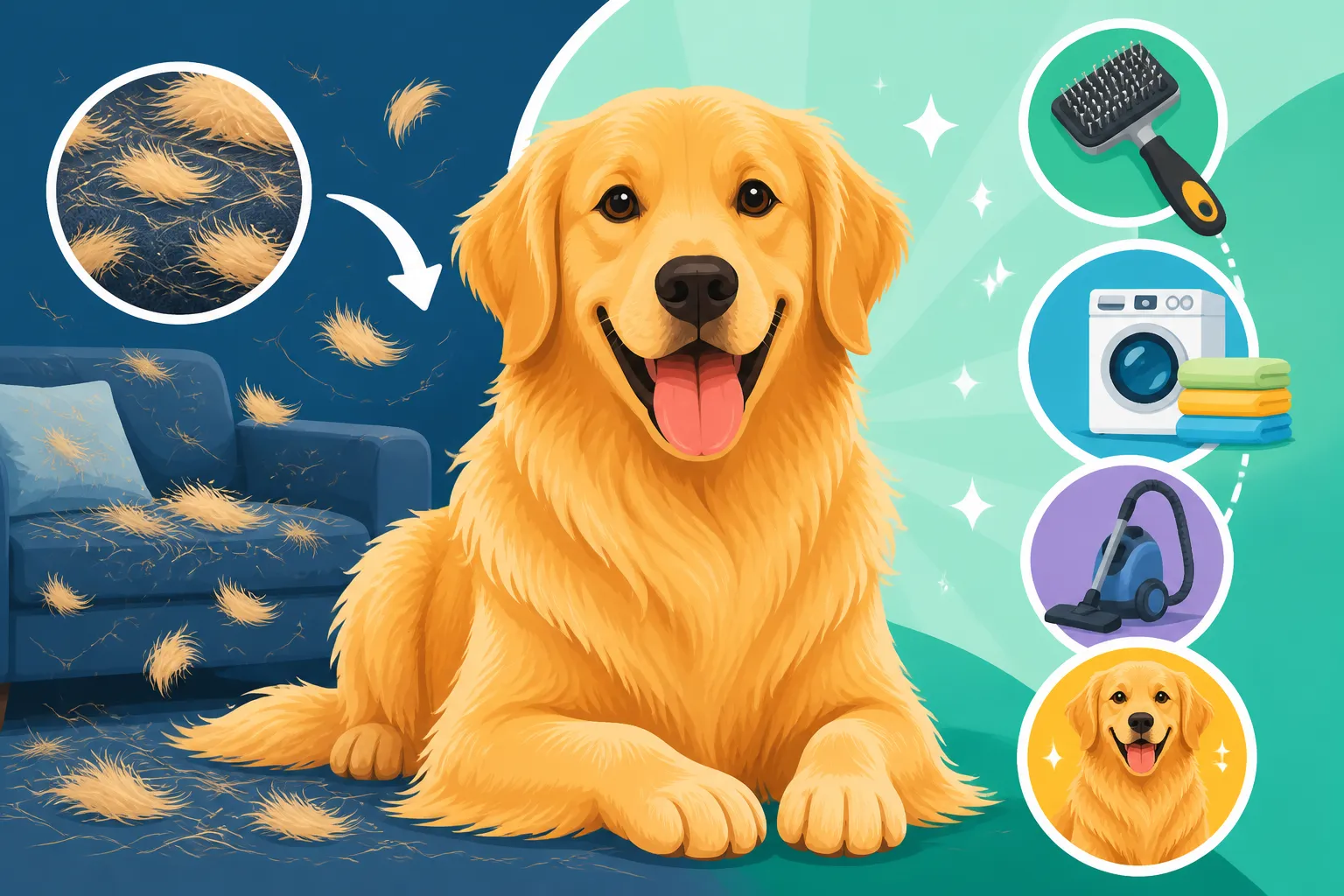
Golden Retriever Shedding and How to Manage It
If you've ever owned a Golden Retriever, you know that their beautiful, flowing coats come with a certain… enthusiasm for shedding. It feels like every surface in your home, every piece of clothing, and even your morning coffee can somehow acquire a golden dusting. It's a constant battle against a fluffy tide, and it can be incredibly frustrating to feel like you're losing. This comprehensive guide is here to equip you with the knowledge and practical strategies to understand why your Golden sheds so much and, more importantly, how to manage the fur fallout effectively, so you can spend less time cleaning and more time cuddling.
Understanding the Golden Retriever's Magnificent Double Coat
Golden Retrievers are renowned for their stunning, luxurious coats, which are a hallmark of the breed's beauty and utility. However, what often surprises new owners, and sometimes even seasoned ones, is the sheer volume of hair these dogs can produce. It's not just "dog hair"; it's a finely engineered, multi-layered system designed for a specific purpose.
The Structure of a Golden Retriever's Coat
Unlike some breeds with single coats, Golden Retrievers are equipped with a robust double coat, a crucial adaptation for their original purpose as retrieving dogs in varying climates and terrains. This double-layer system isn't just for looks; it serves vital protective functions. The outer coat, often called the "guard coat," consists of longer, water-repellent hairs that are somewhat wavy or straight. These hairs act like a natural raincoat, shedding water and dirt and protecting the dog from thorns, brambles, and other environmental elements they might encounter while working in the field.
Beneath this protective outer layer lies the unsung hero of the Golden Retriever's coat: the undercoat. This layer is much softer, denser, and shorter than the guard hairs. Its primary role is insulation. In cold weather, the undercoat traps a layer of warm air close to the dog's body, keeping them toasty. Conversely, in warmer temperatures, it helps to regulate body heat by allowing air to circulate and preventing the sun's direct rays from overheating the skin. It's an incredibly efficient system, but it's also the source of most of the shedding woes we experience as Golden owners.
Why the Double Coat Leads to So Much Shedding
The very efficiency of the Golden Retriever's double coat is precisely what makes them such prodigious shedders. The undercoat hairs have a relatively short growth cycle. They grow, fulfill their insulating purpose, and then are shed to make way for new growth. This constant renewal ensures the insulating properties remain optimal. Think of it like a natural, continuous upgrade cycle for their fur.
When the seasons change, especially from winter to spring and then from summer to fall, this shedding process ramps up significantly. The dog needs to adjust its thermal insulation. In spring, they "blow" their thick winter undercoat to prepare for warmer weather, which results in massive amounts of soft, downy hair coming off in clumps. In the fall, they shed a lighter summer coat to grow in a denser winter undercoat. This cyclical shedding is entirely natural and healthy. However, even outside these major "coat blows," Goldens still shed moderately year-round as individual hairs complete their life cycle. It's not a bug; it's a feature, albeit a fluffy one.
The "Why" Behind the Shedding Extravaganza
It’s one thing to accept that Golden Retrievers shed; it’s another to understand the mechanisms and factors that influence just how much they shed. While it's largely genetic and breed-specific, there are several environmental and health-related reasons that can either exacerbate or mitigate the amount of fur you find around your home.
Genetic Predisposition and Breed History
At the core of a Golden Retriever's shedding tendencies is their genetic makeup and historical purpose. Bred in Scotland during the 19th century by Lord Tweedmouth, Goldens were developed to be exceptional gundogs, retrieving waterfowl and upland game from challenging terrains and cold waters. This demanding job required a coat that could withstand harsh weather conditions, protect against water and brambles, and provide ample insulation. The dense, water-repellent outer coat and the thick, insulating undercoat were essential for their survival and success in the field.
Because these traits were selectively bred for, they are deeply ingrained in the Golden Retriever's DNA. Modern Goldens, even those primarily kept as family companions, retain this robust coat structure and the associated shedding cycles. It's a legacy of their working heritage. You can't breed out the shedding without fundamentally altering what makes a Golden Retriever a Golden Retriever. Understanding this helps manage expectations; a Golden will always shed, regardless of how much you wish they didn't. This genetic predisposition means that no matter what you do, you'll always have some level of fur to contend with. It's part of the package when you bring one of these wonderful dogs into your life.
Environmental Factors and Their Impact
Beyond genetics, several environmental factors play a significant role in how much your Golden sheds. The most obvious is the climate you live in. Dogs living in areas with distinct seasonal changes will experience more pronounced "coat blows" as their bodies adapt to the fluctuating temperatures. For instance, a Golden in a northern state like Minnesota will likely shed a much thicker winter coat in spring than one living in perpetual warmth like Florida.
Indoor environments can also impact shedding. Central heating and air conditioning, while comfortable for us, can sometimes confuse a dog's natural seasonal cues, leading to more constant, though perhaps less dramatic, shedding year-round. Exposure to sunlight, which influences hormonal cycles, also plays a role in signaling when to shed or grow new hair. If your Golden spends a lot of time indoors under artificial light, their natural rhythm might be slightly altered, potentially leading to more continuous shedding instead of distinct seasonal events. Additionally, stress can be a factor. A dog experiencing anxiety or significant changes in their environment might shed more as a physiological response. It’s important to provide a stable and comfortable environment for your furry friend to minimize unnecessary stress shedding.
Health Conditions and Diet That Affect Shedding
Sometimes, shedding isn't just about genes or the weather; it can be a red flag for underlying health issues. Excessive or abnormal shedding, especially if accompanied by other symptoms, warrants a vet visit. Skin allergies, for example, can cause irritation and itching, leading a Golden to scratch and lick excessively, which can loosen and remove more hair. Parasites like fleas or mites can also cause intense itching and subsequent hair loss. Golden Retriever Skin, Ear and Allergy Problems delves deeper into these common issues.
Hormonal imbalances, such as hypothyroidism, are another common culprit in Golden Retrievers. If your Golden's thyroid isn't functioning correctly, you might notice a dull, dry coat, thinning hair, or patches of hair loss, in addition to changes in energy levels and weight. Hypothyroidism in Golden Retrievers provides more information on this condition. Nutritional deficiencies can also manifest as poor coat health and increased shedding. A diet lacking essential fatty acids, vitamins, and minerals can lead to a dry, brittle coat that sheds more readily. Ensure your Golden is on a high-quality, balanced diet suitable for large breeds. Sometimes, switching to a premium kibble, or even exploring fresh food options like those offered by Ollie, can make a noticeable difference in coat luster and shedding volume.
Seasonal Shedding Cycles: Expecting the "Blows"
For Golden Retriever owners, understanding the natural ebb and flow of their dog's shedding is key to managing the fur. It's not a constant, unchanging phenomenon; rather, it follows distinct seasonal patterns, often referred to as "coat blows."
Spring Shedding: The Great Undercoat Escape
Ah, spring! The season of renewal, blooming flowers, and for Golden Retriever owners, the monumental "undercoat escape." As winter temperatures recede and the days grow longer, your Golden's body signals that it’s time to shed the heavy, dense undercoat that kept them warm through the colder months. This is often the most dramatic shedding period of the year. You'll likely notice vast amounts of soft, downy fur coming off in clumps, sometimes feeling like you could knit another dog if you collected it all. It’s not uncommon to find tumbleweeds of Golden hair rolling across your floors, even shortly after a thorough cleaning.
This spring blow can last for several weeks, sometimes even a couple of months, depending on your dog's individual genetics, diet, and the specific climate you live in. The goal for your Golden is to lighten their insulation load, allowing for better air circulation against their skin as the weather warms up. While it can be overwhelming, this intense shedding is a perfectly natural and healthy process. Your best defense during this time is a consistent, proactive grooming routine, focusing on getting that loose undercoat out before it has a chance to settle all over your home.
Fall Shedding: Preparing for Winter's Chill
Just as spring signals a shedding frenzy, autumn brings its own, though often less dramatic, coat blow. As the days shorten and the temperatures begin to drop, your Golden's body prepares for the colder months ahead by shedding its lighter summer coat to make way for a new, thicker winter undercoat. This fall shedding typically isn't as voluminous or sudden as the spring blow, but it's still a noticeable increase in hair around the house.
During this period, you'll be helping your Golden replace old, possibly worn-out undercoat hairs with fresh, robust ones designed to provide maximum insulation. The process might feel a bit more gradual than the spring explosion, but regular grooming is still crucial to help facilitate the turnover of hair and prevent mats from forming as the new coat grows in. Think of it as your Golden's natural way of changing into their winter wardrobe. While not as shocking as the spring shed, you'll definitely want to keep your grooming tools handy. Golden Retriever Coat Blowing in Spring and Fall offers more insights into these seasonal shifts.
Year-Round Shedding: The Constant Companion
Even outside of the two major seasonal coat blows, Golden Retrievers are consistent, year-round shedders. This "maintenance" shedding is simply the natural life cycle of individual hairs. Just like human hair, dog hair grows, reaches a certain length, and then falls out to be replaced by new growth. This continuous process ensures a healthy, vibrant coat.
The amount of year-round shedding can vary from dog to dog. Some Goldens seem to shed a moderate amount consistently, while others have lighter periods between their major seasonal events. Factors like indoor climate (consistent heating or air conditioning can disrupt natural cycles), diet quality, and even stress levels can influence the baseline amount of hair your Golden drops daily. It’s important not to confuse this normal, continuous shedding with excessive shedding that might indicate a health problem. The key is to establish a regular grooming routine that addresses this constant hair turnover, so you can stay ahead of the game and keep your home a little less hairy throughout the year.
Essential Grooming Tools for Managing Shedding
Successfully managing Golden Retriever shedding isn't just about brushing; it's about having the right arsenal of tools for the job. Just like a chef has different knives, a Golden owner needs a variety of brushes and combs to tackle their dog's unique double coat. Using the wrong tool can be ineffective or, worse, cause discomfort or damage to the coat and skin.
Undercoat Rakes: Your Primary Weapon
If there's one tool every Golden Retriever owner needs, it's a good quality undercoat rake. This isn't your grandma's bristly brush; an undercoat rake is specifically designed to reach through the longer guard hairs and gently pull out the loose, dead undercoat without damaging the top coat or irritating the skin. Imagine trying to untangle a knot from a pile of yarn – you wouldn't use a fine-toothed comb on it. An undercoat rake uses longer, widely spaced teeth, sometimes curved, to effectively grab and remove the shedding fur that would otherwise end up all over your house.
There are various types, some with rotating teeth, others with fixed tines. Experiment to find what works best for your Golden's specific coat texture and your comfort. Look for brands that offer ergonomic handles for ease of use, especially during those long spring deshedding sessions. Using an undercoat rake regularly, even daily during peak shedding seasons, is probably the most effective way to reduce the amount of loose hair that detaches from your dog and settles on your furniture. It's truly a game-changer for maintaining their coat and your sanity. You can find a wide variety of effective undercoat rakes on platforms like Chewy or Amazon, making it easy to pick one that suits your needs. Undercoat Rakes and Deshedding a Golden offers an in-depth look at these tools.
Slicker Brushes and Pin Brushes: For Top Coat Maintenance
While undercoat rakes handle the bulk of the shedding, slicker brushes and pin brushes are indispensable for maintaining the overall health and appearance of your Golden's topcoat and preventing mats.
-
Slicker Brushes: These brushes feature fine, short wires packed closely together on a flat or curved surface. They are excellent for removing loose hair from the topcoat, smoothing out tangles, and breaking up minor mats, especially in areas with longer feathering like behind the ears, on the legs, and the tail. Use a slicker brush with a light hand, applying gentle strokes, as the fine wires can be irritating if pressed too hard against the skin. They're great for finishing touches and ensuring the coat lies flat and shiny.
-
Pin Brushes: A pin brush has widely spaced metal pins, often with rubber tips, embedded in a rubber cushion. These are fantastic for general detangling and for grooming Goldens with sensitive skin. They glide through the coat, gently separating hairs and stimulating blood circulation without pulling or scratching. Pin brushes are particularly useful for working through the longer feathering on the legs and tail, helping to prevent mats before they become serious. They can also be used for daily maintenance brushing, helping to remove surface dirt and loose hairs from the topcoat. While they don't remove as much undercoat as a rake, they are crucial for keeping the outer coat smooth and tangle-free.
Deshedding Tools: The Next Level of Fur Removal
Beyond basic brushes and rakes, a category of specialized deshedding tools has emerged, often featuring unique blade designs to pull out even more loose undercoat. Tools like the popular FURminator are examples of this. These tools often have a fine-toothed blade that is designed to reach deep into the undercoat and remove large quantities of dead hair quickly and efficiently.
While highly effective, these specialized deshedding tools require careful use. They are powerful and, if used incorrectly or too frequently, can irritate the skin or even cut the guard hairs, potentially damaging the coat over time. It's generally recommended to use them sparingly, perhaps once a week or even less frequently, outside of intense seasonal shedding periods. Focus on technique: short, gentle strokes, and be mindful of your dog's comfort. Never press down hard. Always follow up with a regular brush to smooth the coat and check for any missed spots. When used correctly, these tools can dramatically reduce the amount of shedding, but always prioritize your Golden's comfort and coat health. Knowing Which Brush Works on a Golden Retriever's Coat can make all the difference.
| Grooming Tool | Primary Use | Benefits | Considerations |
|---|---|---|---|
| Undercoat Rake | Deep undercoat removal, seasonal "blows" | Highly effective at removing large amounts of dead undercoat. | Can be time-consuming; choose one with rotating teeth for less pulling. |
| Slicker Brush | Detangling topcoat, removing surface loose hair | Excellent for feathering, smoothing, and breaking up small mats. | Use gently to avoid skin irritation; not for deep undercoat removal. |
| Pin Brush | General detangling, stimulating circulation | Gentle, good for daily brushing, especially on longer feathering. | Less effective for significant undercoat removal; mostly for topcoat and minor tangles. |
| Deshedding Tool | Aggressive undercoat removal during peak sheds | Removes huge amounts of loose undercoat quickly. | Use sparingly and carefully to avoid skin irritation or coat damage; not for daily use. |
| Wide-Toothed Comb | Checking for mats, finishing touches | Helps find hidden tangles, perfect for finishing and checking for smoothness. | Cannot remove large quantities of hair; best as a secondary or finishing tool. |
Effective Grooming Techniques to Minimize Shedding
Having the right tools is only half the battle; knowing how to use them effectively is what truly makes a difference in managing your Golden Retriever's shedding. A consistent and thoughtful grooming routine will not only reduce the amount of fur floating around your home but also keep your dog's coat healthy and shiny.
Daily Brushing: Your First Line of Defense
During peak shedding seasons, daily brushing is non-negotiable. Even a quick 10-15 minute session can make a world of difference. Outside of these "coat blows," aim for at least 3-4 times a week. The goal of daily brushing is simple: to remove loose hairs before they fall out on their own and become part of your household decor.
Start with an undercoat rake, working in sections. Begin at the neck and work your way down the body, always brushing in the direction of hair growth. Use steady, gentle strokes, making sure to reach the undercoat. Pay extra attention to high-shed areas like the rump, tail, and behind the ears, where mats can also form easily. After the undercoat rake, follow up with a slicker brush or pin brush to smooth the topcoat, remove any remaining loose surface hairs, and distribute natural oils, which helps keep the coat healthy and shiny. This routine not only keeps shedding at bay but also turns grooming into a positive bonding experience for you and your Golden. How Often to Brush a Golden Retriever really breaks down the importance of this.
Bathing and Deshedding Shampoos
Bathing plays a crucial role in the shedding management strategy, especially when done correctly. While too frequent bathing can strip natural oils, a well-timed bath, particularly during a heavy shedding cycle, can help loosen and release dead undercoat. Use a deshedding shampoo specifically formulated for dogs. These shampoos often contain ingredients that help condition the coat and release loose hair, making it easier to brush out.
When bathing, make sure to thoroughly wet your Golden's entire coat, down to the skin. Apply the deshedding shampoo and work it into a rich lather, massaging it well into the undercoat. Let it sit for the recommended time (usually 5-10 minutes) to allow it to work its magic. Rinse thoroughly, ensuring no residue is left behind, as this can irritate the skin. After bathing, gently towel dry your dog, then follow up with a high-velocity dog dryer (if you have one) or a thorough brushing session. The agitation of the bath combined with the drying process will help lift an incredible amount of loose hair. Just remember to always use dog-specific products, as human shampoos can be too harsh for their skin pH. Bathing a Golden Retriever offers more practical advice.
Professional Grooming and Deshedding Services
For many Golden Retriever owners, professional grooming is a lifesaver. While regular home grooming is essential, a professional groomer has specialized tools, techniques, and experience to tackle shedding more effectively than most owners can at home. They can perform a thorough deshedding treatment that often includes specialized shampoos, conditioners, high-velocity dryers, and professional-grade deshedding tools.
A professional deshedding service can often remove an astonishing amount of dead undercoat in one session, significantly reducing the amount of hair you find at home for weeks. Consider scheduling these appointments strategically, particularly at the beginning of spring and fall shedding seasons. This can give you a head start on managing the "coat blow" and prevent the problem from becoming overwhelming. While there's a cost involved, many owners find the reduction in shedding and the health benefits for their dog's coat well worth the investment. Plus, it frees up your time for more walks and cuddles! What to ask a groomer about a Golden Retriever can help you find the right professional.
Managing Hair in Your Home: The Never-Ending Battle
Even with the most diligent grooming routine, a Golden Retriever will still leave some hair behind. It's just a fact of life for us Golden owners. The key is to have strategies in place to manage the fur in your living space, making the "never-ending battle" feel a little less like a losing fight.
Strategic Cleaning: Vacuums and Tools
Let's be honest, your vacuum cleaner is going to be your best friend when you own a Golden. Not just any vacuum, though. You need one specifically designed to handle pet hair. Look for models with powerful suction, brush rolls that don't get easily tangled, and good filtration systems (like HEPA filters) to trap pet dander, which is often what triggers allergies more than the hair itself. Brands like Dyson, Shark, or even dedicated robot vacuums can make a huge difference in maintaining cleanliness. Many pet owners swear by specific attachments, like mini-motorized tools, for upholstery.
Beyond the vacuum, don't underestimate the power of other tools. Rubber brooms are surprisingly effective at gathering hair from hard floors and carpets. Lint rollers become essential accessories for your clothes, furniture, and even car seats. Microfiber cloths can pick up loose strands from surfaces. Consider keeping a small, handheld vacuum in high-traffic areas for quick clean-ups. Regularly cleaning your filters and emptying vacuum canisters is vital to maintain their efficiency. Your cleaning routine will likely become more frequent, but with the right tools, it doesn't have to be an all-day chore. Vacuums That Handle Golden Retriever Hair provides more specific recommendations.
Protecting Your Furniture and Car
If you allow your Golden Retriever on furniture, investing in protective covers is a smart move. Washable throw blankets, dedicated pet throws, or even slipcovers can guard your couches and chairs from being perpetually covered in fur. Choose materials that are easy to vacuum or machine wash. Regularly shaking out and washing these covers will prevent hair buildup. For dog beds, opt for those with removable, machine-washable covers, and invest in an extra cover so you always have a clean one on hand.
Your car is another prime target for Golden hair, especially if your dog loves rides. Car seat covers designed for pets are invaluable. Look for durable, waterproof options that cover the entire back seat or cargo area. Many are hammocks style, which also prevent your dog from falling into the footwell. Keep a dedicated lint roller or a rubber glove (surprisingly good at gathering hair from car upholstery!) in your car for quick clean-ups after outings. Regular interior detailing might become part of your car maintenance, or you can tackle it yourself with a good shop vac and pet hair attachments.
Designating "No-Go" Zones and Managing Air Quality
Sometimes, the simplest way to manage hair in your home is to limit where it goes. Consider designating certain areas of your house as "no-go" zones for your Golden, especially if you have sensitive furniture or allergies. This might mean restricting them from bedrooms or formal living areas. This requires consistent training, but many Goldens learn boundaries well.
Improving your indoor air quality can also help. High-quality air purifiers with HEPA filters can capture airborne pet dander and hair, reducing allergens and the general "dust bunny" phenomenon. Place them in areas where your Golden spends the most time. Regular dusting and wiping down surfaces with a damp cloth will also help trap loose hair before it settles or becomes airborne. While you can't eliminate shedding, these strategies can significantly reduce its impact on your home environment and your quality of life. Keeping Golden Retriever Hair Off the Furniture has more clever tips.
Diet and Supplements for a Healthy Coat
While grooming is your primary defense against shedding, what goes into your Golden Retriever's body is just as important as what comes off of it. A healthy, well-nourished coat sheds less, looks shinier, and is more resilient. Optimizing your dog's diet can truly make a noticeable difference in the quality of their coat and, consequently, the amount of shedding.
The Role of Quality Dog Food
The foundation of a healthy coat starts with a high-quality, balanced diet. Cheap dog foods often use fillers and lower-quality protein sources, which can lead to a dull, dry coat and increased shedding. Look for dog foods where a named meat source (e.g., "chicken meal," "salmon," "lamb") is listed as the first ingredient. Avoid generic "meat meal" or excessive corn, wheat, or soy fillers, especially if your Golden has sensitivities.
A diet rich in easily digestible proteins and essential nutrients provides the building blocks for strong, healthy hair follicles. A shiny coat is often a direct reflection of a dog's internal health. If your Golden's current food isn't delivering results, consider gradually transitioning to a premium brand. Sometimes, exploring fresh food delivery services, like Ollie, which provide human-grade ingredients and customized meal plans, can dramatically improve coat health and reduce shedding. Always Reading a Dog Food Label for a Golden Retriever is key to making informed decisions.
Essential Fatty Acids: Omega-3 and Omega-6
Among the most important dietary components for coat health are essential fatty acids, specifically Omega-3 and Omega-6. These fatty acids are crucial for maintaining skin integrity and coat luster.
- Omega-3 Fatty Acids: Found abundantly in fish oils (like salmon oil, krill oil) and flaxseed oil, Omega-3s are powerful anti-inflammatories. They help reduce skin irritation and dryness, which in turn can prevent excessive scratching and hair loss. They contribute to a soft, supple skin barrier and a shiny, healthy coat.
- Omega-6 Fatty Acids: Found in vegetable oils, poultry fat, and grains, Omega-6s are also vital for skin and coat health. However, the balance between Omega-3 and Omega-6 is important; a diet too high in Omega-6s without sufficient Omega-3s can sometimes promote inflammation. Most quality dog foods will have a good balance, but if your dog has a dull coat or dry skin, supplementing with Omega-3s can be beneficial.
You can add fish oil supplements directly to your Golden's food. Just be sure to choose a high-quality product specifically for pets and follow the dosing instructions for their weight. Fish Oil for a Golden Retriever's Coat goes into more detail about supplementation.
Other Beneficial Supplements and Ingredients
Beyond essential fatty acids, other supplements and ingredients can support a healthy coat and potentially reduce shedding:
- Biotin (Vitamin B7): This B vitamin is well-known for its role in hair and nail health in humans and can be beneficial for dogs too. It supports the production of keratin, the primary protein component of hair.
- Vitamin E: An antioxidant that supports skin health and can help protect cells from damage.
- Zinc: Essential for skin repair and immune function. A deficiency can lead to poor coat quality and skin issues.
- Probiotics: While not directly for coat health, a healthy gut microbiome can improve overall nutrient absorption, indirectly benefiting skin and coat.
Before adding any supplements to your Golden's diet, always consult with your veterinarian. They can help you determine if a supplement is necessary and recommend the appropriate dosage based on your dog's individual needs and existing diet. Sometimes, the problem isn't a lack of a specific nutrient but an underlying absorption issue or other health concern that needs professional attention.
When Shedding is a Sign of Trouble
While Golden Retrievers are notorious for their shedding, there are instances where the amount or pattern of hair loss signals something more serious than a routine coat blow. Knowing the difference between normal shedding and problematic hair loss is crucial for your dog's health.
Identifying Abnormal Hair Loss Patterns
Normal shedding typically involves a generalized loss of hair across the body, often increasing during seasonal changes. However, if you notice any of the following, it's time to consult your veterinarian:
- Patchy Hair Loss (Alopecia): If your Golden is losing hair in specific spots or developing bald patches, this is a red flag. It could indicate parasites (fleas, mites, ringworm), bacterial or fungal infections, or underlying skin conditions.
- Excessive Itching and Scratching: While some itching is normal, constant, intense scratching, licking, or chewing at their coat can lead to self-inflicted hair loss and skin irritation. This often points to allergies (food, environmental, or flea), parasites, or skin infections. Golden Retriever Hot Spots and What Causes Them can sometimes be related to this.
- Dull, Brittle, or Greasy Coat: A healthy Golden coat is typically soft, shiny, and vibrant. If your dog's coat becomes dull, dry, brittle, or unusually greasy, it can indicate nutritional deficiencies, hormonal imbalances, or other internal issues.
- Skin Changes: Along with hair loss, look for redness, inflammation, flakiness, crusts, sores, or unusual odors on the skin. These are all signs of a potential skin problem.
- Changes in Hair Regrowth: If hair loss occurs and the hair doesn't seem to grow back, or grows back slowly and thinly, it warrants investigation.
- Seasonal Inconsistency: While Goldens have seasonal shedding, if your dog is completely bald in areas where their coat should be thick, or if they're shedding profusely out of sync with normal cycles without an obvious environmental reason, it might indicate an issue.
Trust your instincts as an owner. If something just "doesn't look right" with your Golden's coat or skin, a vet visit is the safest course of action.
Common Health Issues Linked to Excessive Shedding
Several health conditions are known to cause abnormal or excessive shedding in Golden Retrievers:
- Allergies: This is perhaps the most common cause of skin and coat issues in Goldens. They can suffer from environmental allergies (pollen, dust mites), food allergies (to specific proteins or grains), or flea allergy dermatitis. The itching leads to scratching, which then causes hair loss and skin damage. Golden Retriever Food and Skin Allergies explains more.
- Hypothyroidism: As mentioned earlier, an underactive thyroid gland is prevalent in Goldens. Symptoms often include a dull, dry, and thinning coat, sometimes with symmetrical hair loss on the flanks. Other signs can be weight gain, lethargy, and cold intolerance.
- Parasites: Fleas, ticks, and mites (like Sarcoptes or Demodex) cause intense itching, irritation, and subsequent hair loss. Regular parasite prevention is crucial.
- Skin Infections: Bacterial (pyoderma) or fungal (ringworm) infections can lead to localized hair loss, redness, and crusting.
- Cushing's Disease (Hyperadrenocorticism): This hormonal disorder, while less common, can cause thin, fragile skin and symmetrical hair loss on the trunk.
- Nutritional Deficiencies: A diet lacking essential fatty acids, protein, or vitamins can lead to a poor coat that sheds excessively.
- Stress: Chronic stress or anxiety can sometimes manifest as increased shedding.
When to Consult Your Veterinarian
It’s always best to err on the side of caution when it comes to your Golden Retriever's health. If you observe any of the abnormal hair loss patterns or accompanying symptoms mentioned above, schedule an appointment with your veterinarian. Don't wait to see if it improves on its own, as some conditions can worsen rapidly without treatment.
Your vet will conduct a thorough physical examination, ask about your Golden's diet, environment, and any other symptoms you've noticed. They may recommend diagnostic tests such as skin scrapings (to check for mites), fungal cultures (for ringworm), blood tests (to check thyroid levels or screen for other systemic illnesses), or allergy testing. Early diagnosis and treatment are key to resolving the underlying issue, improving your Golden's comfort, and restoring their coat to its beautiful, healthy state. Why Goldens Need Vet Visits Twice a Year can help ensure you're on a regular schedule.
Living With a Golden Retriever: Embracing the Fur
Owning a Golden Retriever means embracing a life filled with joy, loyalty, and, yes, a significant amount of fur. While it can be a challenge, understanding their coat, implementing effective grooming, and having strategies for home management can turn the tide from a battle into a manageable routine.
The Trade-Off: Love, Laughter, and Lint Rollers
The reality of living with a Golden Retriever is that you'll likely never be entirely fur-free. Their affectionate nature, boundless energy, and unwavering loyalty often outweigh the minor inconvenience of their shedding. Many Golden owners learn to see the fur not as a nuisance, but as a charming side effect of living with such a wonderful companion. It's a small price to pay for the unconditional love they bring into our lives. You might find a lint roller becomes a permanent fixture in your purse, car, and by the front door – and that's perfectly okay.
The key is to adjust your mindset and your expectations. Instead of fighting against the natural process, learn to work with it. Establish a consistent grooming routine, invest in the right tools, and make peace with the fact that a little bit of golden glitter is just part of the charm. After all, what’s a little fur when compared to the warmth of a furry head resting on your lap or the wagging tail that greets you every time you walk through the door?
Long-Term Management and Patience
Managing Golden Retriever shedding is a marathon, not a sprint. It requires long-term commitment and patience. Your efforts won't eliminate shedding entirely, but they will significantly reduce the amount of loose hair and keep your Golden's coat healthy and comfortable. Remember that consistency is crucial. Regular brushing, appropriate bathing, a high-quality diet, and prompt attention to any unusual changes in their coat will all contribute to a happier, healthier, and less-shedding Golden.
It's about finding a rhythm that works for both you and your dog. As they age, their coat texture and shedding patterns might change slightly, requiring minor adjustments to your routine. Stay observant, stay proactive, and always prioritize your Golden's well-being. With the right approach, you can keep the fur under control and continue to enjoy every moment with your beloved, magnificent Golden Retriever. The Golden Retriever Breed Explained gives a great overview of what makes these dogs so special.
Disclaimer
This article is for general informational purposes only and does not constitute professional advice. Laws, prices and regulations vary by location and change over time. Consult a qualified professional for guidance on your specific situation.