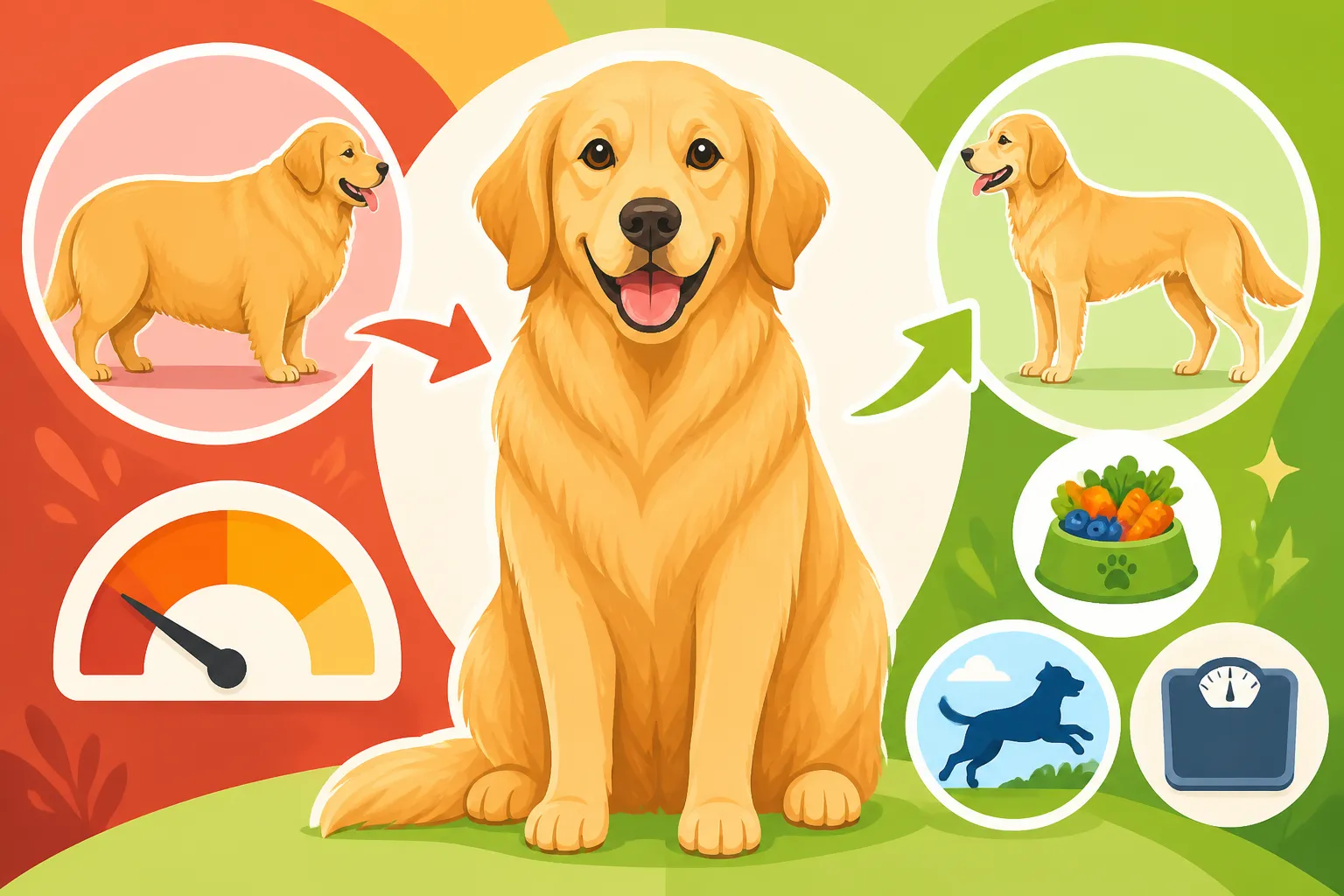
Keeping a Golden Retriever at a Healthy Weight
One of the quietest battles many Golden Retriever owners face is the creeping scale. It's so easy for those extra pounds to accumulate on our beloved, food-motivated companions, often without us even realizing the subtle changes until their youthful bounce starts to fade. This guide will walk you through everything you need to know about keeping your Golden Retriever at a healthy weight, from understanding ideal body condition to crafting the perfect diet and exercise plan, ensuring they live their happiest, healthiest life.
The Silent Threat of Extra Pounds for Your Golden Retriever
It's a scene played out in countless homes: your Golden gives you those soulful eyes while you're eating dinner, or nudges their bowl with an insistent nose, and it's almost impossible to resist. Goldens are notoriously good at making us feel like they're perpetually starving, and coupled with their generally jovial and loving nature, it's easy to let a little extra food slip into their diet. But those "little extras" can add up to a significant health burden, diminishing their quality of life in ways we might not immediately see. The truth is, many Golden Retrievers today are carrying too much weight, and it's a problem that often goes unaddressed until serious issues arise.
Why Weight Creeps Up So Easily on Goldens
Golden Retrievers, bless their hearts, are built to please and have an uncanny ability to connect food with affection. This means they are often masters of manipulation when it comes to getting treats or extra kibble. It's not malicious, it's just how they're wired – if something makes you happy and they get a reward, they'll keep doing it! Think about it: a quick "good boy" with a treat is far easier than a long training session when you're busy. This tendency, combined with their generally robust appetites and an owner's natural desire to spoil their furry family member, creates a perfect storm for weight gain.
Another significant factor is their metabolism. As they mature, especially after spaying or neutering, a Golden Retriever's metabolic rate can slow down. They don't burn calories as efficiently as they did when they were rambunctious puppies or intact adults. Without a corresponding adjustment in their caloric intake or an increase in activity, those calories quickly convert to fat. Before you know it, that sleek, athletic frame starts to broaden, and their waistline disappears under a layer of soft fluff. Many owners don't realize that even a few extra pounds on a Golden are equivalent to a human gaining a significant amount of weight, proportionally speaking. It's a subtle, almost imperceptible creep that happens over months, sometimes years.
The Long-Term Health Risks of Obesity
The idea that a "chubby" dog is a "happy" dog is a dangerous myth. While a little fluff might seem endearing, the health consequences of excess weight for a Golden Retriever are profound and far-reaching. Obesity isn't just a cosmetic issue; it's a serious medical condition that can shorten your Golden's lifespan and dramatically reduce their quality of life. The extra strain on their joints is perhaps the most obvious concern. Goldens are already predisposed to joint issues like hip and elbow dysplasia, and carrying extra weight exacerbates these conditions, leading to earlier onset arthritis and increased pain. Imagine walking around all day with a heavy backpack – that's what your Golden's joints are feeling. Golden Retriever Weight and Joint Damage is a very real and painful consequence.
Beyond joint problems, obesity in Golden Retrievers is linked to a host of other debilitating conditions. It significantly increases their risk for diabetes, a metabolic disorder that requires lifelong management with insulin injections and dietary changes. Heart disease can worsen, as the heart has to work harder to pump blood through a larger body. Respiratory problems can also arise, making exercise difficult and reducing their stamina. Furthermore, there's a concerning link between obesity and certain types of cancer, a disease Goldens are already sadly prone to. Even conditions like bloat, a life-threatening emergency, can be indirectly affected by an overweight status due to altered digestive function. In essence, carrying too much weight means more vet visits, higher medical bills, and a shorter, less comfortable life for your cherished companion.
Understanding Your Golden Retriever's Ideal Body Condition
When you're looking at your Golden Retriever, how do you really know if they're at a healthy weight? The number on the scale is certainly one data point, but it's not the whole picture. Just like with humans, two Goldens of the same height might have different ideal weights depending on their bone structure and build. What's truly critical is their body condition, which assesses the ratio of fat to muscle. Learning to "read" your dog's body is one of the most important skills you can develop as an owner to ensure their long-term health. It helps you recognize early signs of weight fluctuations before they become serious.
What a Healthy Golden Retriever Looks and Feels Like
A healthy Golden Retriever isn't just about a number on the scale; it's about their overall physique and how they carry themselves. When you look at your Golden from above, you should see a distinct waistline, an "hourglass" figure that tucks in behind their ribs and before their hips. If they look more like a furry sausage or a rectangle, they're likely carrying too much weight. From the side, their abdomen should gently tuck up from their rib cage to their hind legs, not sag or hang low. Their ribs should not be visible to the naked eye, as that often indicates being underweight, but you should be able to easily feel them with a light touch, similar to feeling the back of your hand. If you have to press firmly to feel the ribs, there's too much fat covering them.
Beyond the visual, how your Golden feels to the touch is crucial. Run your hands along their sides. You should be able to feel their ribs without applying much pressure. If they're completely covered by a layer of fat, making them hard to distinguish, it's a red flag. Feel their spine and hip bones; these should also be palpable without being sharply protruding. Their muscles should feel firm and well-developed, especially in their hindquarters, not soft and flabby. A healthy Golden will also have a natural spring in their step, good energy levels, and won't pant excessively after moderate exercise. Their coat will be shiny, and their eyes bright. When you know what a healthy Golden feels like, you'll be much quicker to notice changes.
How to Assess Body Condition Score at Home
The Body Condition Score (BCS) is a standardized tool used by veterinarians, but you can learn to apply a simplified version at home. Most BCS systems range from 1 to 9, where 1 is severely underweight, 5 is ideal, and 9 is morbidly obese. Your goal is for your Golden to be a 4 or 5. To do this, perform a simple three-step check:
- Rib Check: Gently run your hands along your Golden's sides. Can you easily feel individual ribs? You should be able to, almost like feeling knuckles through a light blanket. If you have to push to find them, they're too heavy. If the ribs are visible without touching, they're likely too thin.
- Waistline Check: Stand over your Golden and look down at their back. Do you see an indentation, a "waist" behind their rib cage, before their hips? A healthy Golden should have one. If they have a straight, cylindrical shape, they're overweight.
- Abdominal Tuck Check: Look at your Golden from the side. Does their belly tuck up slightly from their chest to their hind legs? It shouldn't hang low or be parallel to the ground. A good abdominal tuck indicates a healthy weight.
Practice these checks regularly, perhaps once a week, so you become familiar with what's normal for your Golden. It's a much more reliable indicator of health than just stepping on a scale. Your vet will also use Golden Retriever Body Condition Scoring during annual check-ups, so understanding it yourself helps you be a more informed partner in their care.
Recognizing the Signs of Being Underweight
While obesity is a more common concern for Golden Retrievers, it's equally important to recognize when your dog might be too thin. Being underweight can also signal underlying health issues or insufficient nutrition. A Golden that is underweight will typically have very prominent ribs, spine, and hip bones that are easily visible and sharply defined, even without touching. Their abdominal tuck will be extremely pronounced, almost a severe concave curve. Their muscles, especially over their back and hindquarters, may appear wasted or very lean.
If you notice your Golden is losing weight despite eating what you believe is an appropriate amount, or if they seem excessively skinny, it's crucial to consult your veterinarian promptly. This could indicate a variety of problems, such as parasites, digestive issues, hyperthyroidism, dental pain making eating difficult, or other serious illnesses like certain types of cancer. Don't try to "fatten them up" on your own without a vet's diagnosis. Your vet can run tests to determine the cause and recommend a targeted feeding plan or medical treatment. It's not just about adding calories; it's about ensuring those calories are being absorbed and utilized properly and that there are no underlying health concerns.
Crafting a Balanced Diet for Optimal Weight Management
Diet is, without a doubt, the cornerstone of weight management for any Golden Retriever. You can walk them for miles, but if their caloric intake consistently exceeds their output, they simply won't lose weight or maintain a healthy one. It’s a bit of a balancing act, and it’s one that often requires more precision than we initially realize. Many well-meaning owners inadvertently overfeed their Goldens, often because they're relying on general guidelines that might not apply to their specific dog's needs or lifestyle. Getting their diet dialed in is a process of educated choices and consistent habits.
Choosing the Right Food for Your Golden's Needs
The market is flooded with dog food options, and it can be incredibly overwhelming to choose the "best" one. For a Golden Retriever, a large breed formula is often recommended, especially during puppyhood, as these are designed to support controlled growth and prevent issues like Why Fast Growth Damages a Golden Retriever's Joints. When it comes to adult food, look for high-quality protein as the first ingredient, followed by digestible carbohydrates and healthy fats. Avoid foods with excessive fillers, artificial colors, or by-products. The nutritional content should align with a large breed's needs.
Always Reading a Dog Food Label for a Golden Retriever is essential. Pay attention to the calorie count per cup or serving, not just the generic feeding guidelines. These guidelines are just a starting point and often err on the side of overfeeding for less active dogs. If your Golden is less active due to age or a health condition, they will need fewer calories. Consider their age, activity level, and whether they are spayed or neutered. Some Goldens thrive on dry kibble, others do well with fresh food subscriptions (brands like Ollie offer pre-portioned, human-grade options), and some may even benefit from a veterinary prescription diet if they have significant weight to lose or specific health concerns. The "right" food is one that provides balanced nutrition, is palatable to your Golden, and helps them maintain an ideal body condition.
Accurate Portion Control and Feeding Schedules
This is where many owners fall short, often without realizing it. "Eyeballing" portions or simply filling the bowl whenever it looks empty is a sure path to an overweight Golden. Precision is key. Once you've chosen a high-quality food, consult your veterinarian to determine the exact caloric intake your Golden needs based on their age, weight, and activity level. Then, measure their food precisely using a kitchen scale or a standard measuring cup, not a random scoop. If the bag recommends 3 cups, and your dog is gaining weight, your vet might suggest reducing it to 2.5 cups, for example.
Most adult Golden Retrievers do well with two meals a day, split into equal portions. This helps regulate their metabolism and prevents them from getting overly hungry. Consistency is important for their digestive system and helps them anticipate meal times. If you have a particularly food-motivated Golden, consider using a slow-feeder bowl or a puzzle toy to make meals last longer, which can also provide mental enrichment. Remember that the amount of food recommended on the bag is for active, intact dogs; if your Golden is a couch potato or has been spayed/neutered, they will likely need significantly less. How Much an Adult Golden Retriever Eats Daily can vary widely based on individual factors.
The Role of Treats and Human Food in Their Diet
Treats are often the silent culprits behind weight gain. It’s easy to forget that those little bits of chicken, cheese, or store-bought biscuits add up, sometimes accounting for a substantial portion of your Golden’s daily caloric intake. The key is moderation and smart choices. Choose low-calorie, healthy treats like small pieces of carrot, apple (without seeds), green beans, or plain cooked chicken. Always factor treats into their daily calorie budget, reducing their kibble intake accordingly if you're giving a lot of extras. You can even use a portion of their daily kibble ration as training treats to avoid adding extra calories.
When it comes to human food, be extremely selective. While some fruits and vegetables are perfectly safe and healthy in small amounts, like those mentioned above, many common human foods are toxic or dangerously high in calories, fats, or sodium. Human Foods Safe for a Golden Retriever are limited. Absolutely avoid chocolate, grapes, raisins, onions, garlic, xylitol (a common sugar substitute), and anything with excessive salt or sugar. If you share table scraps, they should be extremely rare, small, and non-fatty pieces of lean meat or plain vegetables, strictly avoiding anything seasoned. Educate every member of your household, including children and guests, about appropriate treat giving to ensure consistency.
Tailoring Exercise to Your Golden Retriever's Age and Activity Level
While diet is critical, exercise is the other half of the weight management equation. Golden Retrievers are active dogs, bred for retrieving, and they thrive on physical activity. However, what constitutes "enough" exercise can vary significantly based on their age, individual temperament, and any existing health conditions. It's not a one-size-fits-all approach, and pushing a puppy too hard or neglecting an older dog's needs can both lead to problems. The goal is consistent, appropriate activity that burns calories, builds muscle, and provides mental stimulation without causing injury.
Puppy Energy vs. Adult Stamina
Golden Retriever puppies are bundles of boundless energy, but it's crucial to manage their exercise carefully. Their growth plates, the soft areas at the ends of their bones, are still open and highly susceptible to injury from excessive or high-impact exercise. Over-exercising a puppy can lead to long-term joint problems, even exacerbating predispositions to hip and elbow dysplasia. Structured walks on a leash for short durations (about 5 minutes per month of age, twice a day) are ideal. So, a 4-month-old puppy might get two 20-minute walks. Free play in a secure, soft-surfaced yard is also excellent, allowing them to self-regulate. Avoid long runs, intense jumping, or repetitive activities like excessive fetch on hard surfaces until their growth plates have closed, usually around 12-18 months.
Once your Golden Retriever reaches adulthood (typically after 18 months), their stamina is incredible, and they need a significant amount of daily exercise to stay fit and mentally healthy. Most adult Goldens need at least 60-90 minutes of moderate to vigorous activity daily, often split into two sessions. This could include brisk walks, jogging, swimming, fetch in a park, or hiking. Exercise a Golden Retriever Needs Each Day is substantial. Field-line Goldens, in particular, may require even more activity than show-line Goldens. This vigorous activity not only burns calories but also builds lean muscle mass, which helps boost their metabolism and supports their joints. Remember, a tired Golden is often a well-behaved Golden!
Senior Goldens and Maintaining Mobility
As your Golden Retriever enters their senior years, usually around 7-8 years old, their exercise needs will change. They might not have the same boundless energy, and joint pain or other age-related conditions may become a factor. However, it's a common misconception that senior dogs need little to no exercise. Regular, gentle activity is more important than ever for senior Goldens to maintain muscle mass, flexibility, and a healthy weight, which in turn helps manage conditions like arthritis. Without it, their muscles can atrophy, leading to weakness and a vicious cycle of decreased mobility and weight gain.
Focus on low-impact activities like swimming (which is fantastic for joints!), shorter, more frequent walks on soft surfaces, and gentle play. Avoid intense activities that could strain their joints or cause them to stumble. Pay close attention to their cues: if they seem tired or stiff, it's time to stop. Slowing Arthritis Down in an Older Golden Retriever often involves a combination of controlled exercise, joint supplements, and potentially pain management medications. Hydrotherapy (under vet supervision) can also be incredibly beneficial. The goal is to keep them moving comfortably and happily, adapting their routine as their body changes, ensuring they don't gain weight that would put further strain on aging joints.
Incorporating Mental Enrichment and Play
Exercise isn't just about physical exertion; mental enrichment plays a huge role, especially in a smart breed like the Golden Retriever. A mentally stimulated dog is often a happier, calmer dog, less likely to resort to destructive behaviors born of boredom or frustration. Incorporating mental challenges can also help burn energy and engage their brains, which is particularly useful on rainy days or when physical exercise needs to be limited.
Puzzle toys, especially those that dispense treats, are excellent for making meal times last longer and engaging their problem-solving skills. Snuffle mats, where they have to sniff out hidden kibble, tap into their natural scent-hunting instincts. Obedience training sessions, learning new tricks, or practicing their retrieving skills with different objects are all great ways to engage their minds. Even simple games like hide-and-seek (with you or a favorite toy) can be incredibly stimulating. For Goldens, who love to carry things, giving them a job, like carrying the mail or a specific toy, can provide a sense of purpose. A tired mind, combined with a tired body, contributes significantly to overall well-being and helps prevent the kind of boredom-induced eating that can lead to weight gain.
Addressing Common Weight Challenges in Golden Retrievers
Even with the best intentions, managing a Golden Retriever's weight isn't always straightforward. There are specific life stages and behavioral quirks that can throw a wrench into even the most carefully planned diet and exercise regimen. Recognizing these common challenges and having strategies to address them can make all the difference in keeping your Golden at their ideal weight. It's about being proactive and understanding the unique aspects of this wonderful breed.
The Spay/Neuter Weight Gain Conundrum
It's a very common story: a Golden Retriever gets spayed or neutered, and seemingly overnight, they start packing on the pounds. This isn't just anecdotal; there's a physiological reason behind it. Spaying and neutering significantly alter a dog's hormone levels, which can lead to a decrease in metabolic rate. Essentially, they burn fewer calories at rest than they did before the procedure. Coupled with the fact that many dogs become a bit less active after the surgery, perhaps due to less hormonal drive, the caloric surplus quickly accumulates as fat. Why a Neutered Golden Retriever Gains Weight is a real phenomenon that owners need to be aware of.
The good news is that this weight gain is largely preventable with prompt action. The moment your Golden is spayed or neutered, or even in the weeks leading up to it, consult your vet about adjusting their food intake. It's often recommended to reduce their daily calories by about 20-30% to compensate for the metabolic shift. Don't wait until they've already gained weight; be proactive. Continue to monitor their body condition closely and adjust food portions as needed. Maintaining their exercise routine, or even increasing it slightly if they're cleared for activity, is also crucial to counteract the metabolic slowdown.
Managing Weight with Underlying Health Conditions
Sometimes, weight gain or difficulty losing weight isn't simply about too much food and too little exercise. Underlying health conditions can play a significant role, making weight management a complex puzzle. Hypothyroidism, a common condition in Golden Retrievers, is a prime example. An underactive thyroid gland slows down the body's metabolism, leading to weight gain, lethargy, and a dull coat, even if the dog isn't overeating. If your Golden is struggling with their weight despite your best efforts, or if they show other symptoms like excessive shedding or fatigue, a vet visit is essential to rule out medical causes.
Other conditions, such as arthritis, can indirectly lead to weight gain. A dog in pain might be less willing to exercise, leading to a decrease in activity and subsequent weight gain. Certain medications, like some steroids, can also cause increased appetite and fluid retention, contributing to a heavier physique. If your Golden has any chronic health issues, work closely with your veterinarian. They can help you devise a weight management plan that takes into account their medical needs, dietary restrictions, and safe exercise levels. This might involve special prescription diets, pain management, or specific supplements.
Dealing with a Picky Eater or an Overly Enthusiastic One
While many Golden Retrievers are enthusiastic eaters, some can be surprisingly picky, while others are absolute chowhounds who would eat until they burst. Both scenarios present their own weight management challenges. For the overly enthusiastic eater, the biggest hurdle is strict portion control and resisting those pleading eyes. Using a slow-feeder bowl or a puzzle feeder can help prolong mealtime and make them feel more satisfied. Spreading out their daily portion into three smaller meals can also help manage hunger pangs. Ensuring everyone in the household is on the same page about no extra treats or table scraps is paramount.
For the picky eater, the challenge is often ensuring they consume enough calories and nutrients without resorting to unhealthy additions. If your Golden is suddenly picky, rule out dental pain or other health issues first. If it's just a preference, try warming their food slightly to enhance the aroma, adding a little low-sodium chicken broth, or incorporating a small amount of a high-quality, vet-approved fresh food topper (like those from Ollie, which can be purchased through Chewy or Amazon). However, be careful not to create a habit of constantly changing food or adding high-calorie toppings, as this can reinforce pickiness and lead to an unbalanced diet or unwanted weight gain if those toppers are rich. Sometimes, a "tough love" approach – putting the food down for 15-20 minutes, then picking it up until the next meal – can encourage them to eat what's offered.
| Characteristic | Ideal Weight (BCS 4-5) | Overweight (BCS 6-7) | Obese (BCS 8-9) |
|---|---|---|---|
| Ribs | Easily palpable with slight pressure | Palpable with firm pressure, slight fat covering | Difficult to feel, heavy fat covering |
| Waistline | Clearly visible tuck behind ribs when viewed from above | Minimal waist, almost straight line from above | No waist, broad back, looks like a barrel |
| Abdominal Tuck | Distinct tuck-up from chest to hind legs | Flat or slightly saggy abdomen | Pronounced saggy abdomen, no tuck-up |
| Fat Pads | Minimal to none | Small fat deposits over hips, base of tail | Obvious fat deposits over hips, base of tail, neck, shoulders |
| Energy Level | Energetic, eager to play | Slightly less energetic, tires faster | Lethargic, reluctant to move, pants easily |
| Overall Shape | Athletic, lean "hourglass" | Rounder, less defined | Very round, shapeless |
Practical Strategies for Achieving and Maintaining a Healthy Weight
Embarking on a weight management journey for your Golden Retriever requires commitment, consistency, and a partnership approach with your vet. It's not a quick fix but a long-term lifestyle change for both you and your dog. Just like with humans, sustainable weight loss and maintenance come down to a combination of diet adjustments, appropriate exercise, and a healthy mindset. It can feel daunting, especially if your Golden has a significant amount of weight to lose, but breaking it down into manageable steps makes it achievable.
Setting Realistic Goals and Monitoring Progress
Before you start, have an honest conversation with your veterinarian about your Golden's ideal weight range and a realistic target weight. Golden Retriever Ideal Weight by Sex can vary, and your vet can give you specific guidance. Don't aim for drastic, rapid weight loss, which can be unhealthy. A safe and sustainable goal is typically 1-2% of their body weight per week. This might seem slow, but it's much better for their body and more likely to lead to lasting results.
Invest in a reliable pet scale if your Golden is small enough, or make regular trips to your vet's office (many allow you to use their scale for free) or a pet supply store like Chewy or Petco for weigh-ins. Weigh your Golden consistently, perhaps once a week or every two weeks, at the same time of day. Keep a log of their weight, food intake, and exercise. This data will help you and your vet track progress and make necessary adjustments. Don't get discouraged by plateaus; weight loss isn't always linear. Focus on those small, incremental victories and celebrate every pound lost! Regularly performing the Feeling a Golden Retriever's Ribs the Right Way check will also help you track progress beyond the scale.
Consulting Your Veterinarian: Your Best Partner
Your veterinarian is your most valuable resource in this journey. They can accurately assess your Golden's current body condition, rule out any underlying medical causes for weight gain, and help you calculate the precise caloric intake your dog needs. They can also recommend appropriate food choices, including prescription diets if necessary, and advise on safe exercise routines tailored to your Golden's age, health, and current fitness level. Don't hesitate to schedule an appointment specifically to discuss weight management, even if your dog isn't due for a routine check-up.
Your vet can also provide guidance on Putting an Overweight Golden Retriever on a Diet in a structured, healthy way. They can offer advice on portion control, healthy treat alternatives, and strategies for increasing activity safely. Regular follow-up appointments will allow them to monitor your Golden's progress, adjust the plan as needed, and ensure they are losing weight in a healthy manner. Consider your vet as your coach and accountability partner – they want your Golden to be healthy just as much as you do! For senior Goldens, regular vet visits are also crucial for managing potential arthritis and mobility issues that can impact weight. Why Goldens Need Vet Visits Twice a Year is generally recommended, and this is even more important for weight management.
Lifestyle Adjustments for the Whole Family
Successful weight management for a Golden Retriever is a family affair. Everyone in the household needs to be on the same page and committed to the plan. This means no secret treat-giving, no extra scoops of food "just because," and consistent enforcement of rules around table scraps. Educate children and any visitors about the importance of your Golden's diet and exercise regimen. Posting a clear feeding schedule and treat allowance on the fridge can be helpful.
Beyond diet, integrating exercise into the family's routine can make it more enjoyable and sustainable. Instead of seeing walks as a chore, view them as quality time with your beloved Golden. Explore new parks, trails, or even dog-friendly stores together. Make fetch a family game in the yard. If you have multiple Goldens or other pets, ensure each one is getting their appropriate individual portion sizes and exercise. Ultimately, a healthy lifestyle for your Golden often means a healthier, more active lifestyle for the entire family, strengthening your bond and ensuring many more happy, energetic years together.
Preventative Measures and Long-Term Wellness
Maintaining a healthy weight isn't a one-time achievement; it's an ongoing commitment to your Golden Retriever's overall wellness throughout their life. The strategies you implement to help them lose weight are often the very same ones you'll use to keep them at their ideal condition. The key is establishing sustainable habits and being vigilant about small changes before they become big problems. Proactive care is always easier and more effective than reactive intervention.
Regular Vet Checks and Early Detection
Consistent veterinary care is fundamental to long-term weight management and overall health. As mentioned before, Why Goldens Need Vet Visits Twice a Year is often recommended, especially as they get older. These regular check-ups allow your vet to monitor your Golden's weight, body condition score, and overall health. They can catch subtle weight creep early, before it becomes a significant problem. They'll also perform routine bloodwork and physical exams that can detect underlying health issues like hypothyroidism or early signs of arthritis that might contribute to weight gain or reduced activity.
Discussing your Golden's diet, exercise routine, and any changes in their appetite or energy levels with your vet at these appointments is crucial. They can offer tailored advice, suggest modifications to their food, or recommend specific exercise programs. Don't be afraid to bring up any concerns, no matter how small they seem. Early detection and intervention are always the best approach, whether it's for weight management or any other health concern.
Supplements to Support Joint Health and Metabolism
While no supplement is a magic bullet for weight loss, certain ones can play a supportive role, especially for Golden Retrievers prone to joint issues or those in their senior years. Glucosamine and chondroitin supplements are widely used to support joint health and cartilage, which can be invaluable for Goldens carrying extra weight or those already suffering from arthritis. Omega-3 fatty acids (like fish oil) have anti-inflammatory properties that can help reduce joint pain and improve mobility, making exercise more comfortable. They also contribute to a healthy coat and skin.
Other supplements, like L-carnitine, are sometimes recommended to aid in fat metabolism, though their effectiveness varies and should always be discussed with your vet. Probiotics can support a healthy gut microbiome, which plays a role in digestion and nutrient absorption. Before starting any supplement, always consult your veterinarian. They can advise on appropriate dosages, potential interactions with other medications, and whether a particular supplement is truly beneficial for your Golden's specific needs and health status. You can find a wide range of these supplements from reputable retailers like Chewy or Amazon. Joint Supplements for a Golden Retriever are a common consideration for the breed.
Building a Sustainable Routine for Life
The most effective strategy for keeping your Golden Retriever at a healthy weight is to build a sustainable routine that integrates healthy eating and regular exercise into your daily life. This means making conscious choices every day, not just during a "diet" phase. Establish consistent feeding times and stick to them. Measure food accurately every single time. Make walks and playtime non-negotiable parts of your day, rather than something you squeeze in if you have time.
Think long-term. As your Golden ages, their needs will shift, and your routine will need to adapt. Be prepared to adjust food portions as their metabolism slows, or change exercise types as their joints become stiffer. Invest in tools that support this routine, like a good quality kitchen scale for food, a comfortable harness for walks, and durable, engaging toys. By making healthy habits a seamless and enjoyable part of your life with your Golden Retriever, you're not just managing their weight; you're investing in a longer, happier, and more vibrant life together.
Disclaimer
This article is for general informational purposes only and does not constitute professional advice. Laws, prices and regulations vary by location and change over time. Consult a qualified professional for guidance on your specific situation.