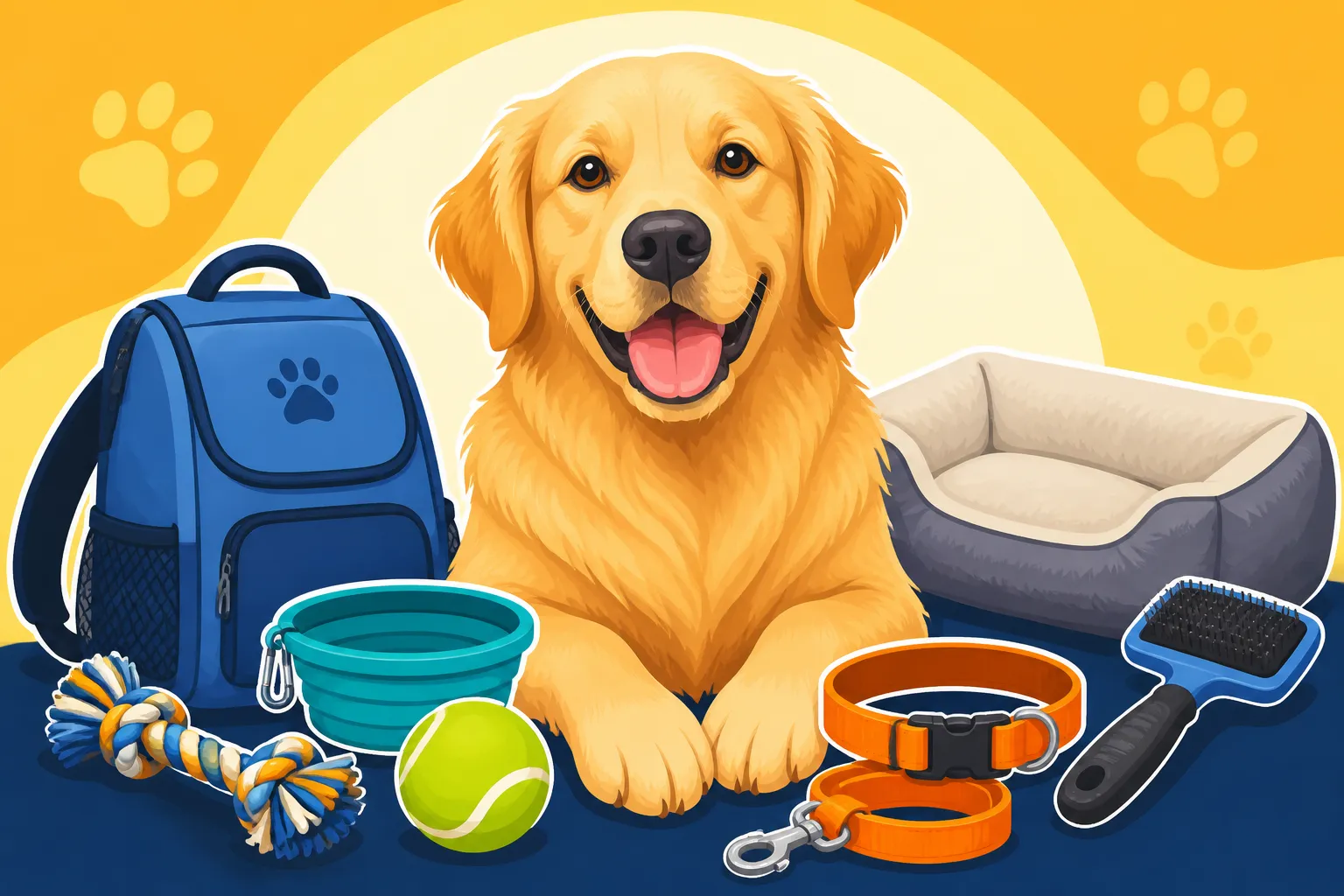
Gear and Supplies a Golden Retriever Needs
Bringing a new Golden Retriever puppy or even an adult rescue into your home is an incredibly exciting time, full of anticipation and joy. But let's be honest, staring at the empty corner where their bed will go, or scrolling through endless online pet supply stores, can quickly turn that excitement into a dizzying sense of overwhelm. There's just so much "stuff" out there, and you want to get it right without breaking the bank or ending up with a pile of unused gadgets. This comprehensive guide is here to walk you through all the essential gear and supplies your Golden Retriever truly needs, from their earliest days as a clumsy pup to their golden years as a cherished family member, ensuring you’re prepared for every stage without the guesswork.
The Basics: Home and Comfort Essentials
When your Golden Retriever first steps paws into your home, whether they're a tiny fluffball or a dignified adult, their immediate needs revolve around safety, comfort, and a sense of belonging. Setting up their personal space properly is crucial for a smooth transition and establishing good habits.
Crates and Beds for Golden Retrievers
A crate isn't just a cage; it's a den, a safe haven where your Golden can retreat, rest, and feel secure. For puppies, it's an invaluable tool for house training and teaching them to settle down. When choosing a crate, consider size carefully. A Golden Retriever puppy will grow surprisingly fast, so investing in a crate that can accommodate their adult size is wise. Look for one with a divider panel that you can adjust as your puppy grows, ensuring the space isn't too large, which can encourage accidents. A full-grown male Golden Retriever typically needs a 42-inch crate, while a female might be comfortable in a 40-inch. Wire crates are popular for their ventilation and ease of cleaning, but soft-sided or furniture-style crates can also be great options for a more aesthetically pleasing solution once your Golden is past their destructive chewing phase.
Beyond the crate, a comfortable bed is a non-negotiable item. Goldens love to lounge and appreciate a soft spot to call their own, often preferring to stretch out rather than curl up tight. For puppies, a durable, chew-resistant bed is paramount. You'd be amazed at what a determined Golden pup can dismantle in minutes! Some owners opt for a cheaper, easily replaceable bed initially, upgrading to an orthopedic or more luxurious option once their dog has matured and proven they won't turn it into confetti. As your Golden ages, an orthopedic bed becomes even more vital, offering joint support and comfort for Golden Retriever Arthritis and Joint Decline. Look for beds with removable, washable covers – because muddy paws and shed fur are simply a part of Golden ownership.
Many Golden owners face the frustration of finding their dog's bed torn to shreds. It’s a common rite of passage. If you're dealing with a serial bed destroyer, consider elevated cot-style beds, which offer durability and airflow, or tough, canvas-like options that are harder to rip. Sometimes, providing plenty of appropriate chew toys can redirect this behavior. Remember, a comfortable resting place contributes significantly to your Golden’s overall well-being and happiness within your home.
Bowls and Feeding Solutions
Mealtime is a big deal for a Golden Retriever! They are food motivated and generally enthusiastic eaters. The type of food and water bowls you choose might seem minor, but they impact hygiene, eating speed, and even health. Stainless steel bowls are often recommended by vets and breeders because they are durable, easy to clean, and non-porous, meaning they won't harbor bacteria like scratched plastic bowls can. Ceramic bowls can also be a good option if they are heavy and chip-resistant, but they can break if dropped. Avoid plastic bowls, especially for puppies, as they can be easily chewed and scratched, leading to bacterial growth and sometimes even allergic reactions around the muzzle.
Many Goldens eat their food with such gusto, they practically inhale it. This fast eating can lead to indigestion, gas, and in severe cases, increase the risk of bloat – a life-threatening condition for deep-chested breeds like Goldens. Slow feeder bowls, with their ridges and compartments, are fantastic for these enthusiastic eaters, forcing them to work a little harder for each bite and slow down their pace. You'll find a wide variety of designs available, from simple inserts to elaborate puzzles, all designed to make mealtime last a bit longer.
For water, a heavy, tip-resistant bowl is a must, especially if your Golden loves to splash. Automatic water dispensers can be convenient for ensuring a fresh supply of water throughout the day, particularly if you have a busy household. Some owners use elevated bowls for older Goldens or those with joint issues, as it can make eating more comfortable. However, there's ongoing debate in the veterinary community about whether elevated bowls increase the risk of bloat; consult your vet for personalized advice if you're concerned about Bloat Risk in a Deep-Chested Golden. Always ensure fresh, clean water is available around the clock.
Everyday Care and Grooming Tools
Golden Retrievers are undeniably beautiful, but that gorgeous double coat and their propensity for adventure mean a certain amount of regular grooming is necessary. It's not just about looking good; proper grooming is essential for their skin health, comfort, and overall hygiene.
Brushes and Deshedding Tools
The Golden Retriever's iconic double coat, with its dense undercoat and water-repellent outer coat, is a marvel of nature, but it also means serious shedding. To manage this, you'll need an arsenal of brushes. An undercoat rake is perhaps your most important tool. It’s designed to reach through the topcoat and gently pull out the loose, dead undercoat that contributes most to shedding and matting. Regular use, especially during seasonal "coat blows" in spring and fall, can significantly reduce the amount of hair floating around your home. Remember, Goldens shed year-round, but these periods are particularly intense. For details on How Much a Golden Retriever Sheds Year Round, you'll find it's a constant effort.
A slicker brush is also indispensable for everyday grooming, helping to smooth the topcoat, remove tangles, and give that beautiful, shiny finish. For the feathering on their legs, tail, and ears, a metal comb or pin brush can work wonders, preventing mats and keeping these longer hairs neat. While some people swear by deshedding tools like the Furminator, use them with caution on a Golden's double coat. Overuse or improper technique can sometimes damage the delicate guard hairs of the topcoat, potentially affecting its protective qualities. Instead, focus on consistent brushing with an undercoat rake and slicker brush to maintain their coat health effectively. Regular brushing sessions also become a wonderful bonding opportunity.
The key to managing Golden Retriever shedding isn't a magic tool, but consistency. Aim for daily brushing, even if it's just a quick five-minute session. During heavy shedding periods, you might need to increase this to 15-20 minutes every day or two. This not only keeps their coat healthy and minimizes hair around the house but also allows you to check for any skin irritations, lumps, or ticks, catching potential issues early.
Bathing and Drying Supplies
Golden Retrievers love to get dirty – it’s just part of their charm! From rolling in mud to swimming in ponds, they'll find ways to accumulate grime. While they don't need daily baths, having the right supplies on hand for when they inevitably need a scrub is crucial. Choose a high-quality dog-specific shampoo and conditioner. Human products can upset their skin's pH balance and lead to dryness or irritation. Look for hypoallergenic formulas, oatmeal-based shampoos, or those designed for sensitive skin, especially if your Golden has any known allergies or skin issues.
One of the biggest challenges after bathing a Golden is drying their thick double coat. If not dried thoroughly, their dense undercoat can remain damp, leading to skin infections like hot spots or a musty odor. Invest in several absorbent towels and, ideally, a high-velocity pet dryer. These aren't just for professional groomers; they significantly cut down drying time, push out loose undercoat, and prevent matting. If a high-velocity dryer isn't an option, be prepared for a longer drying process with towels and perhaps a regular hairdryer on a cool setting (held far from the skin). Never use high heat, as it can burn their skin.
Bathing a Golden can be a full-body workout, so make it as comfortable as possible for both of you. A non-slip mat in the tub or shower helps them feel secure. Having all your supplies laid out beforehand – shampoo, conditioner, towels, and brushes – will make the process smoother. And remember, praise and treats go a long way in making bath time a positive experience for your water-loving companion.
Nail, Ear, and Dental Care Essentials
Beyond brushing and bathing, a Golden Retriever's regular grooming routine must include nail trims, ear cleaning, and dental care. Neglecting these areas can lead to pain, infection, or more serious health problems down the line. For nails, you have a couple of options: traditional nail clippers (guillotine or scissor-style) or a Dremel-style rotary tool. Many Goldens, especially if not introduced to it early, can be resistant to nail trims. A Dremel can be less intimidating for some dogs as it grinds the nail down gradually, reducing the risk of cutting into the quick. Learning to correctly trim their nails is essential, as overgrown nails can cause discomfort, affect their gait, and even lead to joint issues. We have a great resource on Nail Trimming a Golden Retriever Who Hates It to help you get started.
Golden Retrievers, with their adorable floppy ears, are prone to ear infections because the ear flap can trap moisture and heat, creating a perfect breeding ground for bacteria and yeast. Regular ear cleaning is crucial for prevention. Use a vet-approved ear cleaning solution and cotton balls (never cotton swabs, which can push debris further into the ear canal). Gently wipe the visible parts of the ear, ensuring the solution can break down wax and dirt. If you notice any redness, foul odor, excessive scratching, or discharge, it's time for a vet visit, as these are signs of a potential infection.
Dental hygiene is often overlooked but is incredibly important for a Golden's overall health. Just like humans, dogs can suffer from plaque buildup, tartar, gum disease, and tooth decay. The best defense is daily tooth brushing using a dog-specific toothbrush and enzymatic toothpaste (never human toothpaste). Start early with puppies to get them accustomed to it. Dental chews and water additives can help supplement brushing, but they are not a substitute for mechanical cleaning. Regular dental care at home, combined with professional dental cleanings at the vet when needed, can prevent painful dental disease and contribute to your Golden's longevity.
Walking, Training, and Safety Gear
Golden Retrievers are active, intelligent dogs that thrive on regular exercise, mental stimulation, and consistent training. Having the right gear makes all the difference in making walks enjoyable, training effective, and keeping your beloved companion safe.
Leashes, Collars, and Harnesses
Every Golden Retriever needs a sturdy collar with up-to-date identification tags. A flat buckle collar made of nylon or leather is a common choice. Ensure it fits snugly but allows two fingers to slip underneath comfortably. The ID tag should include your dog's name, your phone number, and perhaps your address. Consider adding a microchip, which is a permanent form of identification and highly recommended. For dogs prone to slipping out of collars, or those with smaller heads, a martingale collar can provide extra security without choking, as it tightens gently when pulled and loosens when slack.
When it comes to leashes, a standard 6-foot leash is generally ideal for everyday walks, offering enough freedom while maintaining control. Look for durable materials like nylon or leather with strong hardware. For training recall or allowing more exploration in a safe, open area, a long line (15-30 feet) can be incredibly useful. Retractable leashes are generally not recommended for Goldens; they offer little control, can be dangerous for both dog and owner, and teach dogs to pull. If you're struggling with a Golden who pulls on the leash, a front-clip harness can be a game-changer. It redirects their pulling power to their chest, making it harder for them to drag you down the street. We have a detailed guide on Loose Leash Walking With a Golden Retriever to help you master this skill.
Back-clip harnesses are great for dogs who don't pull much and provide comfort and support. However, for a strong Golden, a back-clip harness might actually encourage pulling as it leverages their chest strength. Experiment with different types to see what works best for your individual dog, always prioritizing safety and comfort. Some popular brands like Ruffwear and Blue-9 Balance Harness are known for their quality and effectiveness.
Training Aids and Toys
Golden Retrievers are eager to please and highly intelligent, making them a joy to train. A few key training aids can make the process even smoother. A treat pouch worn around your waist is invaluable for keeping high-value treats easily accessible during training sessions. This allows for quick rewards, crucial for positive reinforcement. A clicker is another excellent tool for marking desired behaviors precisely, helping your Golden understand exactly what they did right. Consistency is key, and these tools help you deliver it.
No Golden Retriever home is complete without a wide array of toys! Goldens love to carry things, chew, and play fetch. For chewers, look for durable, indestructible toys made from tough rubber or nylon, like those from Kong or Nylabone. These are essential for redirecting inappropriate chewing (like on your furniture) and keeping their jaws strong and teeth clean. Puzzle toys are fantastic for mental stimulation, challenging your Golden to figure out how to get treats out, which can be particularly useful on rainy days or when you need them to settle down. You can learn more about Chew Toys That Survive a Golden Retriever to find the best options.
Given their retrieving heritage, fetch toys are a must. Durable rubber balls, tennis balls (supervised, as they can wear down teeth), and soft training dummies are perfect for tapping into their natural instincts. Always supervise playtime, especially with new toys, to ensure they are safe and won't be ingested. Rotate toys to keep things interesting and prevent boredom, which can sometimes lead to destructive behaviors.
Safety Items for Home and Travel
Keeping your Golden Retriever safe, both at home and on the go, is paramount. Inside the house, baby gates can be incredibly useful for managing a puppy's access to certain areas, particularly during house training or when you can't supervise them directly. This prevents them from getting into trouble, chewing on dangerous items, or having accidents in forbidden zones. As they grow, gates can still be handy for creating quiet spaces or separating dogs when needed.
When traveling in a car, an unsecured Golden Retriever can be a dangerous projectile in an accident and a distracting passenger. Invest in a crash-tested car harness or a sturdy travel crate that can be secured in your vehicle. Brands like Sleepypod and Gunner Kennels are known for their safety standards. This not only protects your dog but also everyone else in the car. For walks, especially at dawn or dusk, reflective gear for both you and your Golden is essential to ensure visibility to drivers and cyclists. Options include reflective collars, vests, leashes, and even light-up tags.
Finally, a well-stocked Building a First Aid Kit for a Golden Retriever is a non-negotiable for every Golden owner. This should include items like sterile gauze, adhesive tape, antiseptic wipes, scissors, tweezers, hydrogen peroxide (for inducing vomiting only under vet guidance), paw balm for protecting their pads, and any regular medications your dog takes. Knowing basic pet first aid can make a critical difference in an emergency. Always have your vet's number and the nearest emergency veterinary clinic's information readily accessible.
Food and Nutrition Considerations
Feeding your Golden Retriever properly is one of the most fundamental aspects of their care, directly impacting their health, energy levels, and longevity. The choices you make about their diet are crucial from puppyhood right through their senior years.
Choosing the Right Food
When your Golden Retriever is a puppy, selecting a high-quality large breed puppy food is vital. These formulas are specifically designed with appropriate calcium and phosphorus levels to support the controlled growth rate of large breeds, helping to prevent developmental orthopedic diseases like hip and elbow dysplasia. Rapid growth in large breed puppies due to overly rich food can put undue stress on their developing joints. A reputable brand will formulate their food to meet the nutritional needs of growing Golden Retrievers, focusing on balanced proteins, fats, and carbohydrates. You can learn more about Large Breed Puppy Food and Why Goldens Need It to understand the specifics.
As your Golden matures, they will transition to an adult formula, typically around 12 to 18 months of age, though your vet can advise on the exact timing. You'll encounter a variety of food types: traditional kibble, wet food, fresh-cooked, and raw diets. Kibble remains the most popular choice due to its convenience and cost-effectiveness. When choosing kibble, look for formulas with real meat as the first ingredient and avoid excessive fillers, artificial colors, and preservatives. Some owners opt for fresh food subscriptions, like those offered by Ollie, which can provide a convenient way to feed human-grade, less-processed meals tailored to your dog's specific needs.
For those considering raw or home-cooked diets, thorough research and consultation with a veterinary nutritionist are absolutely critical to ensure your Golden is receiving a balanced and complete diet. Improperly balanced raw or home-cooked meals can lead to severe nutritional deficiencies or excesses. Regardless of the type of food you choose, always check for an AAFCO (Association of American Feed Control Officials) statement on the label, which indicates the food meets established nutritional standards for your dog's life stage. Reading a dog food label can be complex, but it’s a skill worth mastering to ensure you're making informed choices for your Golden's health. You can also purchase a wide variety of high quality foods from Chewy.
Supplements and Health Boosters
While a complete and balanced diet should ideally provide all the nutrients your Golden Retriever needs, some supplements can be beneficial, particularly as they age or if they have specific health concerns. One of the most common supplements for Golden Retrievers, given their predisposition to joint issues like hip and elbow dysplasia, are joint supplements containing glucosamine and chondroitin. These compounds are believed to support cartilage health and reduce inflammation, potentially easing discomfort and slowing the progression of arthritis. Starting these proactively, especially in working lines or larger Goldens, is a discussion many owners have with their vets.
Fish oil, rich in Omega-3 fatty acids, is another popular supplement. It's renowned for its anti-inflammatory properties and benefits for skin and coat health, helping to keep that beautiful Golden coat shiny and reduce dryness or itching. Some studies also suggest benefits for cognitive function and joint health. Probiotics can be helpful for Goldens with sensitive stomachs or occasional digestive upset, promoting a healthy gut microbiome.
However, it's crucial to approach supplements with caution. Always discuss any potential supplements with your veterinarian before introducing them to your Golden Retriever's diet. What might be beneficial for one dog could be unnecessary or even harmful for another, especially if they are already on medications or have underlying health conditions. Your vet can advise on appropriate dosages and identify any potential interactions or contraindications, ensuring you're investing in supplements that genuinely benefit your dog's health without wasting money on ineffective products.
Health & Wellness Must-Haves
Even with the best preventative care, health issues can arise. Being prepared for common health challenges and emergencies is a crucial part of responsible Golden Retriever ownership, helping you navigate unexpected situations with confidence and speed.
Emergency Preparedness
Beyond the basic first-aid kit mentioned earlier, true emergency preparedness involves knowing where to go and having resources in place. Every Golden Retriever owner should have the contact information for their regular veterinarian, as well as the nearest 24-hour emergency veterinary clinic, prominently displayed and saved in their phone. Knowing the route to the emergency clinic beforehand can save precious minutes in a crisis. Time is often of the essence with conditions like bloat or sudden injuries.
Consider enrolling your Golden Retriever in pet insurance. While it's an added monthly cost, it can be a lifesaver when facing unexpected and expensive veterinary bills, such as those for Golden Retriever Hip Surgery Costs and Options or cancer treatments. Companies like Healthy Paws offer comprehensive plans that can cover a significant portion of emergency care, surgeries, and even some illnesses, providing peace of mind during stressful times. Review policies carefully to understand deductibles, reimbursement percentages, and what conditions are covered or excluded. Building a dedicated emergency fund for vet bills is another excellent strategy, whether you choose insurance or not.
Having a solid plan for emergencies also extends to your daily life. If you have a pet sitter or dog walker, ensure they have all necessary vet contacts, information about your dog's health conditions, and clear instructions on what to do in an emergency. Preparing for the worst-case scenario means you're more likely to achieve the best possible outcome for your beloved Golden.
Preventative Care Items
Preventative care extends beyond vet visits; it involves daily habits and essential supplies that protect your Golden from common parasites and maintain a clean, healthy home environment. Flea, tick, and heartworm preventatives are non-negotiable for Goldens, who love spending time outdoors and exploring. While these are typically prescription medications obtained from your vet, they are an ongoing supply item that you'll need to budget for. Whether you opt for oral medications, topical treatments, or collars, consistency is key to protecting your dog from these prevalent and potentially serious health threats.
Accidents happen, especially with puppies or older Goldens. Having an enzymatic cleaner specifically designed for pet urine is a must-have. These cleaners don't just mask odors; they break down the odor-causing molecules, making it less likely your Golden will return to the same spot. This is especially important during house training. Keep plenty of paper towels and cleaning cloths on hand for quick cleanups.
Regular grooming, as discussed, is a form of preventative care, preventing mats that can hide skin issues and infections. Routine cleaning of ears prevents infections, and dental care protects against painful and systemic health problems. Think of these items not as optional extras, but as fundamental components of your Golden Retriever's ongoing health and well-being, contributing to a longer, happier life.
Seasonal Specifics and Outdoor Adventures
Golden Retrievers are generally robust and adaptable, but their activity levels and comfort can be greatly influenced by the weather. Having specific gear for different seasons and outdoor excursions ensures they stay safe, comfortable, and can enjoy all the adventures you share.
Warm Weather Gear
Golden Retrievers have thick double coats, which, while great for cold weather, can make them susceptible to overheating in hot and humid conditions. When the temperatures rise, special gear becomes essential for their safety. Portable water bottles with attached bowls are invaluable for walks, hikes, or trips to the dog park, ensuring your Golden stays hydrated. Always carry more water than you think you'll need.
Cooling vests or bandanas, which you soak in cold water, can help regulate their body temperature during outings. Cooling mats are also a great indoor option, providing a cool spot for your Golden to lie on without needing electricity or refrigeration. Pay close attention to the pavement temperature – if it's too hot for your bare hand, it's too hot for their paws. Paw balms can offer some protection, but on scorching days, consider booties or simply walk during cooler parts of the day. For more information on Golden Retriever Heat Tolerance and Overheating, understanding the signs of heatstroke is critical.
During summer, longer daylight hours mean more outdoor activity, but also increased exposure to bugs. Ensure your flea and tick preventative is up-to-date, and consider dog-safe insect repellents for areas with high mosquito populations, as they can transmit heartworm. Prioritize shade, hydration, and limiting strenuous exercise during the hottest parts of the day to keep your Golden safe and happy.
Cold Weather Gear
While Golden Retrievers are known for their love of snow and generally handle cold well thanks to their dense double coat, extreme cold can still pose risks. For very cold climates, especially for older Goldens or those with shorter coats, a dog coat or sweater might be beneficial to provide an extra layer of warmth during walks. Always ensure it's a good fit and doesn't restrict movement.
Winter brings unique challenges for paw care. Salt, ice melt chemicals, and abrasive surfaces can irritate and crack their paw pads. Paw balms, applied before and after walks, create a protective barrier. Dog booties can offer even more protection against harsh elements, though many Goldens take some time to get used to wearing them! Check their paws regularly for any signs of cracking, redness, or irritation.
Shorter daylight hours in winter mean more walks in the dark. As with warm weather, reflective gear for both you and your Golden becomes even more important for visibility. A light-up collar or vest can be a wise investment. Keep an eye on the duration of outdoor exposure in freezing temperatures to prevent frostbite, especially on their ears and paw pads.
Outdoor Fun and Water Safety
Goldens adore outdoor adventures and often gravitate toward water. If your Golden is a swimmer, a dog life jacket is a crucial piece of safety equipment, especially in open water, strong currents, or on boats. Even strong swimmers can tire, encounter unexpected obstacles, or get disoriented. A life jacket provides buoyancy and often has a handle on the back, allowing you to easily lift your dog out of the water if needed. Choose one with a snug, comfortable fit that doesn't chafe. You can explore topics like Swimming Safety for Golden Retrievers to ensure your dog is safe.
For hikes or trips to the park, a sturdy backpack for your Golden (once they are fully grown and conditioned) can be a great way for them to carry their own water or waste bags, adding a sense of purpose. Remember to start with an empty pack and gradually add weight. Always carry waste bags and be a responsible pet owner by cleaning up after your Golden. Travel bowls are essential for hydration on any adventure.
Whether you're hitting the trails, heading to the beach, or just enjoying your backyard, having the right seasonal gear ensures your Golden Retriever is comfortable, protected, and ready for whatever adventure comes their way. It’s all about enhancing their quality of life and strengthening the bond you share through shared experiences.
Essential Golden Retriever Supplies Checklist
To make things a little easier, here’s a handy table summarizing the essential gear and supplies your Golden Retriever will need. This isn't an exhaustive list, but it covers the core items that will get you started and keep your Golden happy and healthy.
| Category | Essential Item | Key Considerations |
|---|---|---|
| Home & Comfort | Crate (with divider) | Size for adult Golden (40-42 inch), wire, soft-sided, or furniture style. |
| Dog Bed | Chew-resistant for puppies, orthopedic for adults/seniors, washable cover. | |
| Food Bowls | Stainless steel preferred, non-slip base, slow-feeder option. | |
| Water Bowls | Stainless steel or ceramic, heavy to prevent tipping, automatic dispenser. | |
| Grooming & Hygiene | Undercoat Rake & Slicker Brush | Essential for managing double coat shedding and preventing mats. |
| Dog-Specific Shampoo & Conditioner | Hypoallergenic, oatmeal, or sensitive skin formulas. | |
| High-Velocity Pet Dryer (optional) | Speeds up drying, prevents skin issues. | |
| Nail Clippers or Dremel | Guillotine or scissor-style clippers, or a rotary tool. | |
| Ear Cleaner & Cotton Balls | Vet-approved solution, non-abrasive cotton. | |
| Dog Toothbrush & Toothpaste | Daily dental care, enzymatic toothpaste. | |
| Walking & Training | Collar with ID Tags | Sturdy nylon or leather, two-finger fit, up-to-date ID info. |
| 6-Foot Leash | Durable material, strong clasp. | |
| Harness (Front-Clip for Pullers) | Redirects pulling, comfortable fit. | |
| Training Treats & Pouch | High-value, small treats for quick rewards. | |
| Durable Chew Toys | Kong, Nylabone, Benebone to redirect chewing. | |
| Fetch/Puzzle Toys | Rubber balls, dummies, treat-dispensing puzzles for mental and physical exercise. | |
| Health & Safety | Pet First Aid Kit | Gauze, tape, antiseptic wipes, scissors, paw balm, emergency contact info. |
| Enzymatic Cleaner | For accidents, effectively removes odors. | |
| Waste Bags | Always carry for responsible cleanup. | |
| Car Safety (Harness/Crate) | Crash-tested options for safe travel. | |
| Reflective Gear | For collars, vests, or leashes during low-light walks. | |
| Nutrition | High-Quality Dog Food | Large breed puppy formula, then appropriate adult/senior food. |
| Supplements (Vet-Approved) | Glucosamine/chondroitin for joints, fish oil for coat (consult vet first). | |
| Seasonal/Adventure | Portable Water Bottle | Essential for hydration on the go. |
| Life Jacket (for swimmers) | Essential for water safety, handle for easy retrieval. | |
| Cooling Mat/Vest (for summer) | Helps regulate body temperature in heat. | |
| Paw Balm/Booties (for winter/hot pavement) | Protects paws from harsh elements. |
It’s important to remember that while this list covers the essentials, the world of pet supplies is vast. You’ll naturally find items that become indispensable for your specific Golden Retriever’s needs and personality. Having these foundational items in place will ensure you're well-equipped to provide a loving, safe, and stimulating environment for your furry family member. Planning for the cost of these supplies is also a key part of responsible ownership, as discussed in detail in What a Golden Retriever Costs Every Year After and Crate and Bed Sizing Costs for a Golden.
Disclaimer
The information provided in this article is for general informational purposes only and does not constitute veterinary advice. Always consult with a qualified veterinarian for any health concerns or before making any decisions about your Golden Retriever's diet, care, or medical treatment.