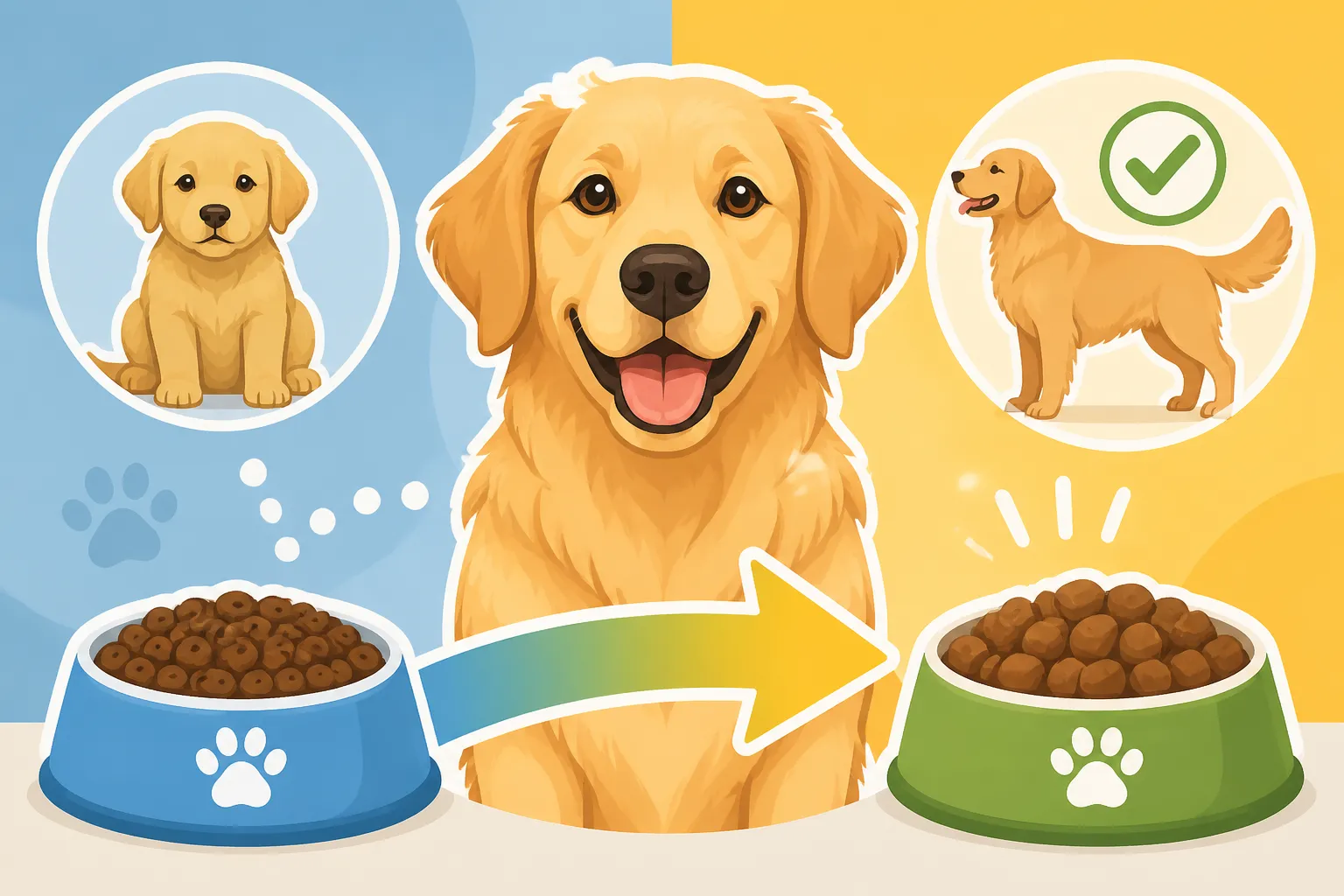
Signs a Golden Retriever Is Ready for Adult Food
Bringing home a Golden Retriever puppy is a whirlwind of joy, excitement, and a surprising amount of worry over every little decision – especially when it comes to their food. It feels like you just mastered their puppy feeding schedule, and now you’re wondering, "How do I even know when my goofy, still-growing pup is actually ready for adult food?" It’s a common question, and honestly, the timing isn't always as straightforward as flipping a calendar page. This guide is here to walk you through the crucial physical and behavioral signs that tell you it’s time to make that important nutritional switch, ensuring your beloved Golden continues to thrive.
Understanding Golden Retriever Growth and Nutritional Needs
Before we dive into the specific signs, it’s really helpful to understand why the timing of this food transition matters so much for Golden Retrievers. These aren't just any dogs; they are a large breed, and their skeletal development is a delicate dance that takes longer than smaller dogs. Puppy food for large breeds is specifically formulated to support this process, preventing too-rapid growth that can lead to lifelong orthopedic issues.
The Nuances of Large Breed Puppy Growth
Golden Retrievers don't just spring up overnight and stop. They have a prolonged growth phase, especially when it comes to their bones and joints. While they might reach most of their adult height by 10-12 months, their bones, particularly their growth plates, are often still developing and closing until they're closer to 18 to 24 months old. This extended period means that their diet needs to support steady, controlled growth, not explosive gains. Traditional puppy foods, not specifically designed for large breeds, can sometimes be too calorie-dense or have an improper calcium-to-phosphorus ratio, which can inadvertently accelerate growth and put undue stress on their developing joints. This is precisely why Why Fast Growth Damages a Golden Retriever's Joints is such a critical read for Golden owners.
It’s a balancing act: you want them to grow strong and healthy, but not too quickly. This is where the right large breed puppy food comes into play, providing appropriate energy and nutrient levels. The goal is to develop a robust skeleton and musculature without overtaxing immature joints. If you started your Golden on a high-quality large breed puppy formula, you've already laid a fantastic foundation for their long-term health.
Why the Right Timing Matters for Long-Term Health
Making the switch to adult food too early can mean your Golden misses out on critical nutrients needed for that final stage of skeletal maturation. Conversely, waiting too long can mean they’re consuming excessive calories and nutrients not appropriate for a dog that's largely finished growing, potentially leading to unnecessary weight gain. Think of it like a teenager still needing specific nutrition for their growth spurts versus a young adult who needs maintenance calories.
The period between 12 to 18 months often represents a shift from rapid growth to a slower "filling out" phase, where muscle mass increases and their frame solidifies. During this time, their caloric needs per pound of body weight typically decrease, even if they are still technically growing. Keeping them on a puppy food that's too rich in calories and fat can contribute to them becoming overweight, which puts additional strain on their developing hips and elbows – areas where Goldens are already predisposed to issues like hip and elbow dysplasia. Maintaining a Golden Retriever Weight and Joint Damage is paramount, and diet plays a massive role.
Physical Signs Your Golden Retriever is Ready
Your Golden Retriever's body will give you the most reliable clues that it's time to transition away from puppy food. These are the tangible changes you can observe and feel, often in conjunction with their age.
Reaching Near-Adult Height and Length
One of the most obvious indicators is when your Golden Retriever has reached close to their full adult height and length. While they might still fill out a bit, the rapid vertical growth spurts characteristic of puppyhood will have largely ceased. For most Golden Retrievers, this typically happens around 12 to 18 months of age. You might notice that they no longer seem to be "shooting up" every other week, and their legs look more proportionate to their body rather than appearing gangly.
Of course, Goldens, like people, come in a range of sizes, but generally, a male Golden Retriever will typically stand between 23-24 inches at the shoulder, and females between 21.5-22.5 inches. While you don't need to measure them with a tape measure every day, a general visual assessment will reveal if they've settled into their adult frame. If they're still looking like a tall, lanky teenager, they might benefit from a little more time on large breed puppy food, or a specific "all life stages" food. It’s important to remember that When a Golden Retriever's Growth Plates Close is crucial for their bone health, and this often extends past their visible height growth.
A Noticeable Slowing of Weight Gain
Another key sign is a deceleration in their weight gain. Puppyhood is all about exponential growth, with pounds adding up quickly. As they approach maturity, this rapid accumulation of weight slows significantly. They might still gain a few pounds as they fill out with muscle, but it won't be the dramatic jumps you saw in their first year. If your Golden has been consistently gaining weight at a steady clip and suddenly that pace dwindles, or they seem to plateau, it's a strong signal their body is shifting gears.
You should regularly monitor their weight, and your vet will do this at routine check-ups. Keep in mind that a sudden drop in weight gain is different from weight loss, which should always be investigated by a vet. We're looking for a smooth, natural tapering off of growth, indicating their metabolic demands for building a rapidly growing body are diminishing. This transition often coincides with them needing fewer calories per pound to maintain their size, making a move to less calorically dense adult food appropriate.
Achieving Optimal Body Condition
Perhaps the most important physical indicator is their body condition. You want your Golden to maintain a lean, healthy weight throughout their growth. You should be able to easily feel their ribs with a slight layer of fat over them, see a noticeable waist when viewed from above, and an abdominal tuck when viewed from the side. If your Golden is starting to look a bit rounder, or you're finding it harder to feel those ribs, it might be a sign they are getting too many calories from their puppy food, even if they're still growing a bit.
This is where understanding Golden Retriever Body Condition Scoring becomes incredibly useful. Many vets use a 9-point scale, aiming for a score of 4 or 5. If your Golden is consistently scoring higher, it’s a clear signal they need a change. Conversely, if they're looking too thin, consult your vet before making any drastic dietary changes. The goal isn't just to switch food, but to maintain a healthy weight and body composition as they mature. Adult dog food typically has fewer calories per serving, which helps prevent unwanted weight gain in a dog whose growth rate is naturally slowing.
Behavioral and Dietary Cues to Watch For
Beyond the physical changes, your Golden Retriever might also display certain behavioral shifts and changes in their eating habits that signal they are ready for a more mature diet.
Less Frequent or Intense Hunger Pangs
One common cue is a change in their appetite or a reduction in the frantic, always-hungry puppy demeanor. Remember those days when your Golden puppy acted like they hadn't eaten in a week, even after just finishing a meal? As they mature, their intense hunger often mellows out a bit. While Goldens are famously food-motivated throughout their lives, a fully-grown Golden will typically have a more regulated appetite. They might not devour their food quite as ravenously, or they might even leave a few kibbles in the bowl occasionally, which would have been unheard of just a few months prior.
This isn't to say they'll suddenly become picky eaters – a Golden Retriever almost never turns down a meal! But the sheer, insatiable drive for food that fuels intense puppy growth often subsides. If you notice they're still eager for mealtime but the desperate, demanding behavior has softened, it's a good indication their body's primary focus has shifted from rapid growth to maintenance. This change can be subtle, but combined with physical indicators, it strengthens the case for a switch.
Stabilized Energy Levels and Activity
Golden Retriever puppies are bundles of boundless energy, often needing multiple intense play sessions a day. While adult Goldens certainly require significant exercise to stay healthy and happy – usually at least an hour or two of vigorous activity daily – their energy levels tend to stabilize and become more predictable as they mature. The crazy "zoomies" might become less frequent, or they might nap more soundly between bursts of activity.
If you find that your Golden isn't quite as manic, or their energy is more controlled and sustained rather than explosive and constant, it can indicate that their body isn't burning through calories at the same frenetic pace as a rapidly growing puppy. Puppy foods are designed to fuel that incredibly high metabolism, but as their energy expenditure stabilizes, those calorie-dense foods can quickly lead to weight gain. Of course, individual Goldens vary, and some will be "busy bodies" well into adulthood, but a general calming of constant puppy energy is a good sign. It's about finding that happy medium where they are active and healthy, but not over-fueled.
Reaching Social and Mental Maturity
While less directly related to diet, a Golden Retriever's social and mental maturation also generally aligns with their physical development. Around 12-18 months, many Goldens start to shed some of their more rambunctious puppy behaviors and become more settled and attentive. They might be more focused during training sessions, better able to settle down in the house, and generally exhibit more "adult" canine manners.
This increased maturity is a holistic sign that their entire system, including their metabolic rate and nutritional needs, is transitioning. It's a period where their brain development slows from rapid learning to refinement, and their body moves from building blocks to maintenance. A dog that is mentally and socially showing signs of adulthood is likely also physically mature enough to handle and benefit from an adult diet. For example, a Golden who's mastering Building Reliable Recall in a Golden Retriever and handling new situations with greater calm might very well be physically ready for adult food, too.
Making the Transition to Adult Food
Once you’ve identified these key signs in your Golden Retriever, the next step is to make the actual switch to adult food. This isn't a "cold turkey" operation; a gradual transition is essential to prevent digestive upset.
Gradual Introduction: The Golden Rule
Sudden changes in diet can be a shock to a dog’s sensitive digestive system, often leading to stomach upset, diarrhea, or vomiting. The golden rule for switching foods is to do it gradually, typically over 7 to 10 days. This allows your Golden Retriever's digestive enzymes and gut flora to slowly adapt to the new formula.
Here's a common schedule you can follow:
| Day | Ratio of New Food to Old Food |
|---|---|
| Day 1-2 | 25% Adult Food / 75% Puppy Food |
| Day 3-4 | 50% Adult Food / 50% Puppy Food |
| Day 5-6 | 75% Adult Food / 25% Puppy Food |
| Day 7-10+ | 100% Adult Food |
Monitor your Golden closely during this period. Watch for any signs of stomach upset, changes in stool consistency, or lack of appetite. If you notice any issues, slow down the transition. For example, if your dog gets an upset stomach on Day 3, stay at the 25/75 ratio for a few more days until their system settles, then slowly increase the new food again. Every dog is different, and some may need a longer transition period than others. This patience will save you and your Golden a lot of discomfort. For more detailed advice, check out How Long to Transition a Golden Retriever's Food.
Choosing the Right Adult Food for Your Golden
Selecting the appropriate adult food is just as important as the timing of the switch. For Golden Retrievers, a large breed adult formula is often the best choice, especially if they are on the larger side or still have a bit of filling out to do. These formulas are designed with optimal protein levels, moderate fat, and appropriate calcium-to-phosphorus ratios to support a mature large breed dog without encouraging excess weight gain or stressing joints. Look for reputable brands that conduct feeding trials and have nutritional statements from AAFCO (Association of American Feed Control Officials).
You’ll find a wide variety of excellent options online from retailers like Chewy or Amazon, offering everything from kibble to fresh food subscriptions like Ollie. Consider your Golden's individual needs:
- Activity Level: A highly active Golden might do well with a slightly higher calorie count, while a more sedate dog will need less.
- Sensitivities: If your Golden has any known allergies or sensitivities, choose a limited ingredient diet or a formula free of those allergens.
- Veterinary Recommendations: Always consult your veterinarian for their recommendations, especially if your Golden has any underlying health conditions.
Reading dog food labels can feel like deciphering a secret code, but understanding key terms and ingredients will help you make an informed choice. Pay attention to the protein sources, fat content, and fiber levels. A high-quality adult food should provide balanced nutrition without excessive fillers.
Adjusting Feeding Amounts and Schedule
Once you've made the full transition to adult food, you'll likely need to adjust the amount you're feeding your Golden Retriever. Adult dog foods are generally more calorically dense for their volume compared to puppy foods (or less dense, but meant for a lower metabolic rate), and your Golden’s energy needs have changed. Always follow the feeding guidelines on the bag as a starting point, but remember these are just guidelines. Your dog's actual needs will depend on their activity level, metabolism, and individual body condition.
It's usually recommended to feed an adult Golden Retriever twice a day. This helps manage hunger, prevent gulping food too quickly (which can be a concern for bloat in deep-chested breeds), and aids in digestion. Distributing their daily caloric intake across two meals is generally healthier and more comfortable for them. Over the next few weeks and months, continuously monitor your Golden's body condition and adjust their food intake as needed. If they start to gain too much weight, slightly reduce their portions. If they seem too thin, you might need to increase it a bit. Regular vet check-ups will also help you fine-tune their diet. For a detailed breakdown of How Much an Adult Golden Retriever Eats Daily, consult resources specific to adult feeding.
Potential Pitfalls and How to Avoid Them
Even with the best intentions, the transition to adult food can sometimes come with a few hiccups. Being aware of these common issues can help you navigate them smoothly.
Switching Too Early or Too Late
One of the most common mistakes owners make is either switching their Golden Retriever to adult food too early or waiting too long.
- Switching Too Early: If you transition before your Golden's growth plates have fully closed, especially for larger individuals who mature slower, you risk depriving them of crucial nutrients needed for optimal skeletal development. Puppy food, particularly large breed formulas, are specifically balanced to support this extended growth phase. Cutting it short can potentially impact bone density and joint health in the long run. Always err on the side of caution and consult your vet if you're unsure, especially if your Golden is still very lanky or under 12-14 months.
- Switching Too Late: Conversely, keeping a fully mature Golden Retriever on calorie-dense puppy food for too long can lead to unwanted weight gain. As their growth slows, their caloric needs decrease. Puppy food's higher fat and calorie content, while perfect for growing pups, becomes excessive for an adult, increasing the risk of obesity and related health problems like arthritis and diabetes. This is why paying close attention to their Golden Retriever Body Condition Scoring is so vital throughout their young adult life.
Finding that sweet spot requires observing all the physical and behavioral cues, not just relying on an arbitrary age. Your vet is your best partner in this decision, offering tailored advice based on your Golden's specific development.
Ignoring Digestive Upset
During the transition period, it’s not uncommon for a Golden Retriever to experience mild digestive upset, such as softer stools or occasional gas. This is often a normal part of their system adapting to new ingredients and nutrient profiles. However, it's crucial not to ignore severe or prolonged symptoms.
- Mild Upset: If you notice slightly softer stools, try slowing down the transition period. Maintain the current mix ratio for a few extra days until their system adjusts before increasing the new food again. A small amount of plain pumpkin puree (not pumpkin pie filling!) can sometimes help firm up stools during this time.
- Severe Symptoms: If your Golden experiences persistent diarrhea, vomiting, lethargy, loss of appetite, or seems to be in pain, stop the transition immediately and contact your veterinarian. These could be signs of a more serious issue, an allergy to an ingredient in the new food, or simply an intolerance that requires a different approach. Never hesitate to seek professional advice when your dog's health is concerned. Remember, Switching a Golden Retriever's Food Without Upset is the goal, and patience is key.
Not Reassessing Food and Exercise After the Switch
Making the switch to adult food isn't the end of your nutritional vigilance; it's just the beginning of a new phase. Many owners make the mistake of setting their Golden Retriever on a new adult food and then assuming their dietary needs are fixed forever. However, your Golden's metabolism, activity level, and body condition can change over time.
- Ongoing Monitoring: Continue to regularly assess your Golden's body condition. Feel their ribs, check for a waist, and ensure they aren't gaining or losing weight unintentionally. If their activity level changes (e.g., you start a new sport like agility, or they become less active due to age), their caloric needs will shift, too.
- Exercise Adjustments: Ensure your adult Golden Retriever is still getting adequate exercise. While their energy might stabilize, Goldens are still an active breed requiring daily physical and mental stimulation. An hour or two of vigorous exercise, like walks, runs, swimming, or active play, helps maintain their healthy weight and muscular condition. Neglecting exercise can quickly lead to weight gain, even on an appropriate adult food. Regularly engaging in Daily Walk Length for a Golden Retriever or other activities is vital for their overall well-being.
By staying attentive to your Golden’s evolving needs, you can ensure they receive optimal nutrition throughout their adult life, keeping them healthy, happy, and thriving for years to come.
Disclaimer
This article is for general informational purposes only and does not constitute professional advice. Laws, prices and regulations vary by location and change over time. Consult a qualified professional for guidance on your specific situation.