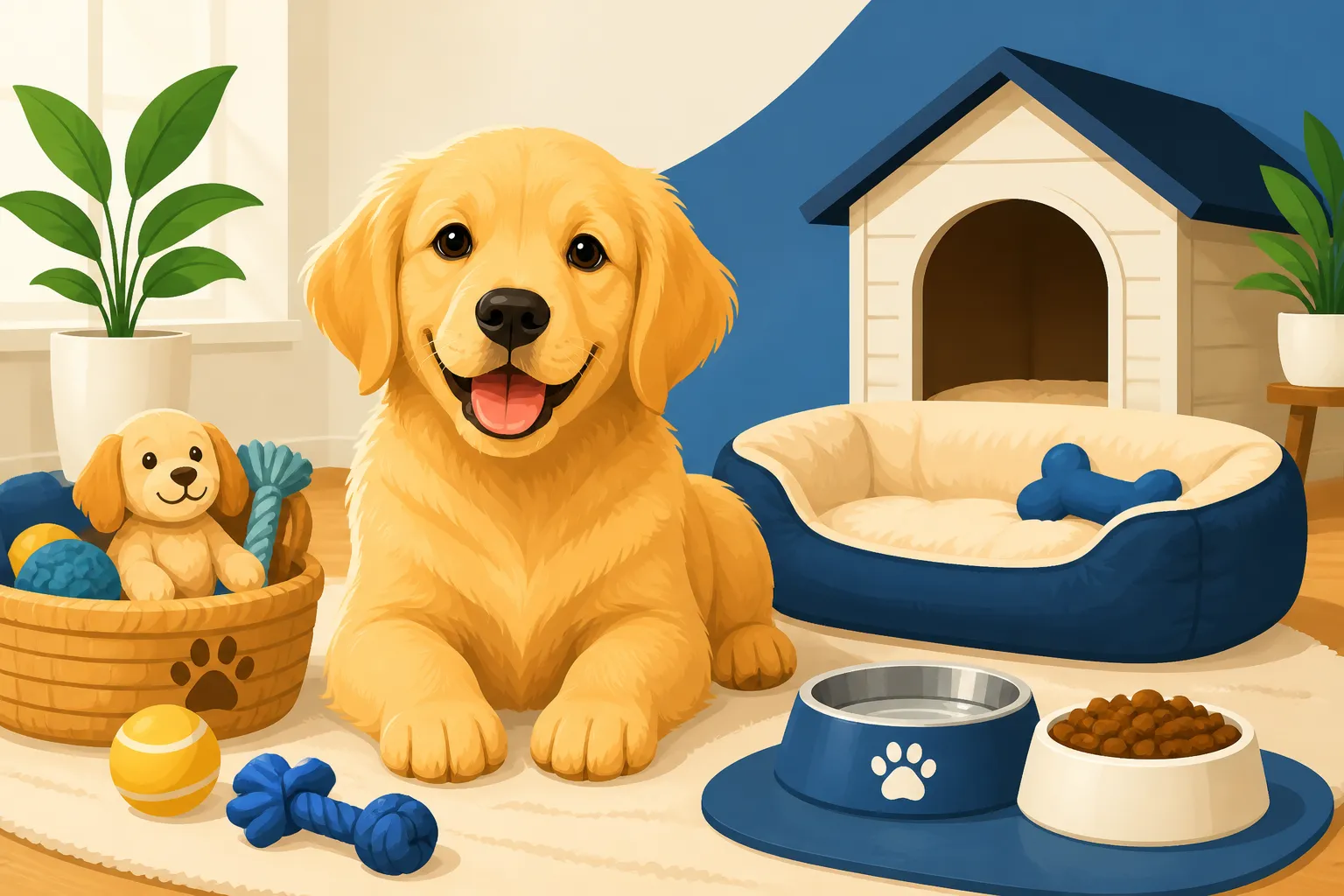
Setting Up a Home for a New Golden Retriever
Bringing home a new Golden Retriever, whether it's a fluffy puppy or a loving adult rescue, is an incredibly exciting time! But let's be honest, it can also feel a bit overwhelming trying to make sure your home is truly ready for this wonderful, energetic, and sometimes mischievous new family member. This guide is all about helping you prepare your space, gather the right supplies, and create an environment where your Golden can thrive, feel safe, and quickly settle into their forever home without you constantly worrying about their safety or your chewed-up belongings.
Puppy-Proofing and Dog-Proofing Your Home
One of the biggest anxieties for new Golden Retriever owners, especially with puppies, is the sheer destructive potential of those little shark teeth and curious noses. Golden Retrievers are notorious for exploring with their mouths, and they'll chew on anything — electrical cords, shoes, furniture legs, socks, you name it. Dog-proofing isn't just about protecting your stuff; it's about protecting your dog from serious harm. Taking the time to secure your home now will save you a world of stress and potential vet bills later. Think of it as creating a safe zone where your Golden can be themselves without constant supervision.
Securing Electrical Cords and Outlets
This is probably one of the most critical steps, as exposed electrical cords pose a severe electrocution hazard, and outlets are just too tempting for a curious pup. Imagine your sweet little Golden puppy, exploring the living room, and suddenly they're gnawing on the lamp cord. It's a terrifying thought. Go through every room, getting down to your dog's eye level to identify potential dangers. Unplug any unnecessary electronics. For cords that must remain plugged in, use cord protectors or hide them behind furniture that's too heavy to move. Cable ties can bundle cords together, making them less appealing to chew on. Outlet covers, similar to those used for toddlers, are also a must.
Don't forget about charger cords for phones, laptops, and other devices. These thin cords are often mistaken for toys and can be incredibly dangerous if chewed. Make it a habit to put all chargers away immediately after use, preferably in a drawer or a cabinet that your Golden can't access. Even if your Golden is past the intense teething phase, some will continue to chew opportunistically, so establishing these habits early is key to their long-term safety.
Removing Choking Hazards and Toxic Substances
Golden Retrievers are renowned for their "soft mouths," but that doesn't mean they won't try to swallow things they shouldn't. Small items on the floor, like coins, hair ties, children's toys, or even bottle caps, can quickly become choking hazards or cause intestinal blockages that require emergency surgery. Get into the habit of scanning floors before your Golden enters a room. Just one misplaced LEGO brick can turn into a nightmare. What a Teething Golden Retriever Destroys goes into more detail about common chew hazards.
Beyond choking hazards, a huge array of common household items are toxic to dogs. Cleaning supplies, medications (both human and pet), antifreeze, pesticides, and certain houseplants are just a few examples. Make sure all chemicals are stored in high, securely latched cabinets that your Golden cannot possibly open, even with their clever paws. Keep all medications in medicine cabinets. If you have houseplants, research whether they are toxic to dogs and move any dangerous ones out of reach or consider rehoming them. Better safe than sorry when it comes to your Golden's health.
Protecting Furniture and Valuables
While your Golden's safety is paramount, you also want to protect your home. Puppies, especially, will see your furniture as giant chew toys or exciting climbing structures. Investing in bitter apple spray for furniture legs or other items you don't want chewed can be a deterrent, though some Goldens are impervious to it. Consider temporary barriers or baby gates to restrict access to certain rooms when you can't supervise. For more valuable items, the simplest solution is to put them away. If it's on a low shelf, assume it's fair game for a curious snout.
You might also find that your new Golden loves to jump on couches, especially if they came from a home where that was allowed. If you prefer them off the furniture, start training immediately with consistent "off" commands and redirecting them to their own bed. It's much easier to set these boundaries from day one than to try to break an established habit later. Remember, a bored Golden is a destructive Golden, so providing plenty of appropriate chew toys and mental stimulation can help spare your furniture.
Essential Supplies for Your Golden Retriever
Walking into a pet store or browsing online can be overwhelming with the sheer number of products available for dogs. It's easy to get carried away! But when you're just starting, focus on the absolute essentials to ensure your Golden's basic needs are met for food, comfort, safety, and hygiene. You can always add more fun stuff later, but getting the core items right is crucial for a smooth transition. Think of this as your Golden Retriever starter kit.
Food and Water Bowls, and Quality Food
First and foremost, your Golden needs sturdy food and water bowls. Stainless steel is often recommended as it's durable, easy to clean, and less likely to harbor bacteria than plastic. Ceramic bowls are also an option, but be mindful of chipping. Consider non-skid bottoms to prevent bowls from sliding across the floor as your enthusiastic Golden eats or drinks. For fast eaters, a slow-feeder bowl can be a lifesaver, helping to prevent bloat (a serious concern for deep-chested breeds like Goldens) and improve digestion. Bloat Risk in a Deep-Chested Golden explains why this is so important.
When it comes to food, choosing a high-quality large breed puppy formula is critical for young Goldens, as it supports proper growth and helps prevent joint issues down the line. For adult Goldens, a balanced adult formula is necessary. Talk to your vet or the breeder about what food they recommend, especially for puppies. Brands like Ollie offer fresh food options, while large retailers like Chewy and Amazon carry a vast selection of kibble from reputable brands. Always transition food gradually over a week to avoid an upset stomach. Choosing Dog Food for a Golden Retriever offers more insights into selecting the right diet.
Collar, Leash, and ID Tags
Before your Golden even steps paw in your home, they need a collar with an ID tag. This tag should include your current phone number and address, and possibly your Golden's name. It's your first line of defense if they ever get lost. A flat buckle collar is standard for daily wear. For leashes, a standard 4-6 foot leash is ideal for training and walks. Avoid retractable leashes, especially for puppies, as they offer less control and can be dangerous.
Harnesses are another option, particularly for puppies or Goldens who tend to pull on the leash. A front-clip harness can be very effective in discouraging pulling, as it redirects their momentum back towards you. Make sure whatever you choose fits properly – you should be able to comfortably slip two fingers under the collar or harness. A snug but not tight fit is key to comfort and safety. As your Golden grows, be prepared to size up their collar and harness periodically.
Grooming Tools
Golden Retrievers have a beautiful double coat that requires regular grooming to stay healthy and manage shedding. You'll want to gather a few key tools from the start. A good quality slicker brush is excellent for removing loose hair and tangles. An undercoat rake is indispensable for getting down into that thick undercoat, especially during seasonal "coat blows" when they shed heavily. Undercoat Rakes and Deshedding a Golden has more details on this. Nail clippers or a Dremel tool are necessary for keeping their nails trimmed, which is vital for paw health and comfort.
Don't forget dog-specific shampoo and conditioner. Human products can irritate their skin. A sturdy comb for de-tangling feathers on legs and tail, and some ear cleaner for those floppy ears, round out the basic grooming kit. Regular grooming sessions from a young age will help your Golden get used to the process, making it less stressful for both of you in the long run.
Appropriate Chew Toys and Puzzle Toys
Golden Retrievers love to chew, and providing appropriate outlets for this natural instinct is crucial. Without good chew toys, they will find other things to chew on – often your shoes, furniture, or remote controls. Look for durable, dog-safe chew toys that are size-appropriate for your Golden. Rubber chew toys, tough nylon bones, and puzzle toys that dispense treats are all excellent choices. Vary the texture and type of toys to keep them engaged.
Puzzle toys are fantastic for mental stimulation, which is just as important as physical exercise for a smart breed like the Golden Retriever. Filling a KONG with peanut butter or plain yogurt and freezing it can provide a long-lasting challenge. These toys are especially helpful when you need your Golden to settle down or when you leave them alone for short periods. Puzzle Feeders That Occupy a Golden Retriever explores many great options.
Creating a Comfortable and Safe Space
Your Golden Retriever needs a designated area where they can feel secure, relax, and retreat. This isn't just about putting a bed in a corner; it's about establishing a sense of place and routine that contributes to their overall well-being. Whether it's a cozy crate, a dedicated corner, or a dog bed in a family area, having their own spot is incredibly important for their mental and emotional health.
Crate Training for Security and Potty Training
Crate training is one of the most valuable things you can do for your Golden Retriever, especially if you're bringing home a puppy. The crate should be seen as a safe den, not a punishment. It provides a secure place for them to sleep, helps immensely with House Training a Golden Retriever by preventing accidents, and gives them a retreat when they need quiet time. Choose a crate that is large enough for your adult Golden to stand up, turn around, and lie down comfortably. For puppies, you can get a larger crate with a divider to adjust the size as they grow.
Introduce the crate positively with treats and praise. Never force your Golden into it. Put a soft bed or blanket inside, along with a safe chew toy. The goal is for them to associate the crate with comfort and safety. Having a designated safe space can also help prevent Separation Anxiety in Golden Retrievers by teaching them to be content and secure when you're not right by their side. Many Goldens actually love their crates and will seek them out for naps!
Comfortable Bedding and Dedicated Resting Spots
Beyond the crate, your Golden Retriever will appreciate a comfortable bed or two around the house. Goldens are prone to joint issues like hip and elbow dysplasia, so orthopedic beds are an excellent investment, especially as they get older. Golden Retriever Hip and Elbow Dysplasia Explained highlights why joint support is so critical. Look for beds with removable, washable covers, because let's face it, Goldens can be messy. You might want one bed in a high-traffic family area and another in a quieter spot, like your bedroom, if you plan for your Golden to sleep there.
Consider the location of these beds. A bed in the living room allows them to be part of the family without being underfoot. A bed near your desk can keep them calm while you work. The key is to provide options for rest in different parts of the home, allowing them to choose where they feel most comfortable and secure at any given moment.
Designated Eating and Potty Areas
Establishing clear areas for eating and potty breaks is vital for routine and cleanliness. Your Golden's food and water bowls should be placed in a quiet, easily accessible area where they won't be disturbed while eating, but also where spills are easy to clean. Kitchens or utility rooms are often good choices. Avoid placing bowls in high-traffic hallways where people might trip over them or disturb your dog.
For potty training, especially for puppies, choose a specific outdoor spot that you consistently take them to. This helps them understand that this is the place to go. Supervise them closely, and praise lavishly when they relieve themselves in the correct spot. Immediately after waking up, after eating, and before bedtime are critical times for potty breaks. Consistency is your best friend here, and it helps them quickly learn the routine.
Establishing Routines and Boundaries
Golden Retrievers thrive on routine. They are intelligent dogs who learn quickly, and a predictable schedule helps them feel secure, understand expectations, and reduces anxiety. From day one, start implementing a consistent schedule for feeding, potty breaks, exercise, and training. This structured environment is not about rigidity; it's about providing a framework that allows your Golden to flourish and become a well-adjusted member of your family.
Consistent Feeding and Potty Schedules
One of the cornerstones of successful integration is a consistent feeding and potty schedule. For puppies, this means multiple small meals a day and very frequent potty breaks – every 2-4 hours initially, and immediately after waking, eating, and playing. For adult Goldens, two meals a day is typical. Sticking to these times helps regulate their digestive system and makes potty training much more predictable. For example, if they eat at 7 AM and 5 PM, their potty needs will become more regular around those times.
Keep a log if needed, especially for puppies, to track when they eat, drink, and go potty. This data will help you anticipate their needs and prevent accidents. Remember, consistency applies to everyone in the household; make sure all family members are on the same page regarding the schedule. It eliminates confusion for your Golden and reinforces good habits.
Regular Exercise and Mental Stimulation
Golden Retrievers are an active breed and require regular physical exercise to stay healthy and happy. This means daily walks, playtime in a securely fenced yard, or trips to a dog park if your Golden is well-socialized and vaccinated. Puppies need shorter, more frequent play sessions, while adult Goldens typically need at least an hour or two of moderate to vigorous exercise daily. Exercise a Golden Retriever Needs Each Day details how much activity they thrive on.
Beyond physical exercise, mental stimulation is equally important. Golden Retrievers are smart dogs and can become bored and destructive if their minds aren't engaged. Incorporate short training sessions throughout the day, play games like fetch or hide-and-seek, and use puzzle toys. Even a simple walk where they get to sniff new smells is mentally stimulating. A tired Golden, both physically and mentally, is a happy Golden and a much calmer household companion.
Establishing Household Rules and Training
From the moment your Golden enters your home, start establishing clear, consistent household rules. Decide what behaviors are allowed and what are not. For instance, is jumping on guests acceptable? Is the couch off-limits? Will they be allowed to beg at the table? Once you've set these rules, communicate them to everyone in the household, and enforce them consistently. Inconsistency is incredibly confusing for dogs and can lead to frustration and behavioral issues.
Enroll your Golden in puppy classes or basic obedience training. This not only teaches them essential commands but also helps with Socializing a Golden Retriever Puppy and strengthens the bond between you and your dog. Positive reinforcement methods, using treats and praise, are highly effective with Goldens, who are eager to please. The more you invest in training early on, the more harmonious your life with your Golden Retriever will be.
| Category | Essential Item | Notes |
|---|---|---|
| Feeding & Water | Stainless Steel Bowls | Durable, easy to clean, consider non-skid. |
| Quality Dog Food | Large breed puppy or adult formula, vet-approved. | |
| Slow Feeder Bowl (optional) | Great for fast eaters, helps prevent bloat. | |
| Safety & ID | Collar | Flat buckle, check fit regularly. |
| ID Tags | With current phone number and address. | |
| Leash (4-6 ft) | Standard nylon or leather, no retractable. | |
| Front-Clip Harness (optional) | Good for leash pulling. | |
| Crate (appropriate size) | Den for security, aids potty training, get a divider for pups. | |
| Baby Gates | To restrict access to certain areas. | |
| Cord Protectors/Ties | Secure electrical cords. | |
| Comfort & Rest | Dog Bed (orthopedic recommended) | Comfortable, washable cover, multiple if desired. |
| Soft Blanket/Crate Pad | For coziness in crate or bed. | |
| Grooming | Slicker Brush | For daily brushing, removing tangles. |
| Undercoat Rake | Essential for shedding seasons. | |
| Nail Clippers/Dremel | Keep nails trimmed to prevent issues. | |
| Dog Shampoo & Conditioner | pH balanced for dogs, avoids skin irritation. | |
| Ear Cleaner | For floppy ears prone to infections. | |
| Play & Training | Durable Chew Toys | Rubber, nylon, appropriate size, variety of textures. |
| Puzzle Toys | For mental stimulation, treat dispensing. | |
| Training Treats | High-value, small, soft treats. |
Disclaimer
This article is for general informational purposes only and does not constitute professional advice. Laws, prices and regulations vary by location and change over time. Consult a qualified professional for guidance on your specific situation.