Slow Feeder Bowls for a Fast-Eating Golden
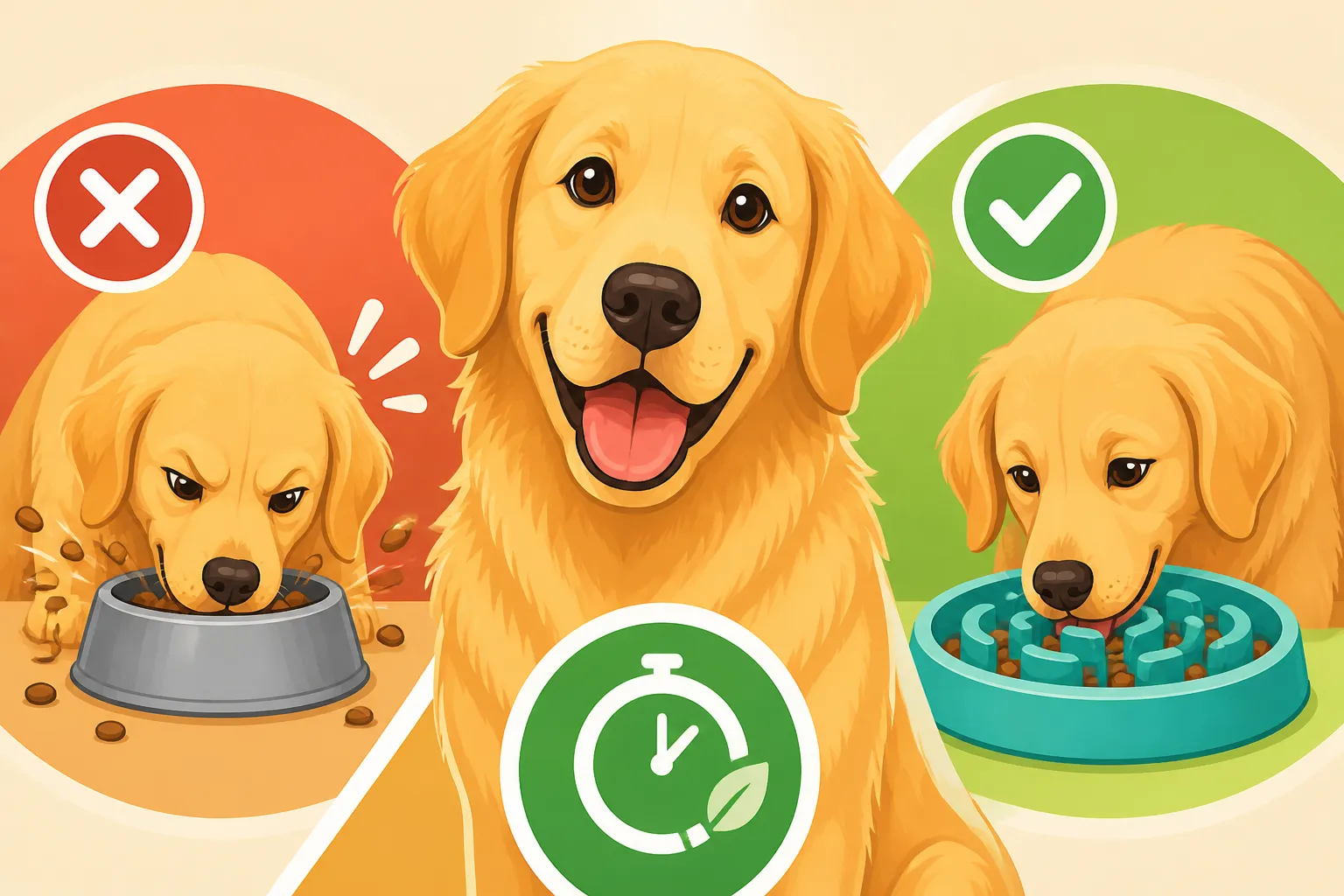
Oh, the Golden Retriever gobble! If you're a Golden owner, you know exactly what I'm talking about. One minute you put down a bowl of perfectly portioned kibble, and the next, it's a shining, empty vessel with your furry friend looking up at you, ready for more. It's frustrating, and honestly, a bit alarming. This guide is all about tackling that fast-eating habit head-on, exploring why our beloved Goldens devour their meals like they haven't eaten in a week, and how slow feeder bowls can be a real game-changer for their health and your peace of mind.
Why Golden Retrievers Eat So Fast and Why It's a Problem
It's not just a cute, quirky habit. That lightning-fast eating can actually lead to some serious health concerns for your Golden. You might wonder why they do it, especially when they're otherwise so well-behaved and generally not food-deprived. It often comes down to a mix of instinct and breed-specific traits that make Goldens particularly prone to the "inhale, don't chew" method of dining.
The Instinct Behind the Gobble
Goldens, like many breeds, carry remnants of their wild ancestors. In the wild, food was a scarce resource, and eating quickly meant you got your share before a rival, or before a larger predator arrived. Even though our domesticated Goldens are far removed from that reality, that primal instinct can still kick in. When a bowl of food is presented, especially if there's another pet in the house or even just the perceived competition of their human family nearby, that "eat now or lose it" mentality can emerge. It's not about being truly hungry in the modern sense; it's a deep-seated programming that says, "Secure your meal!"
Beyond pure instinct, some Goldens might develop this habit if they were part of a large litter and had to compete for resources, even if only briefly. A puppy who had to push his way to mom for milk, or vie with littermates for kibble once weaned, might carry that learned behavior into adulthood. It's a survival tactic that, while understandable, isn't ideal for their digestive system. You might also notice that the excitement of mealtime itself can contribute. For a Golden, food isn't just fuel; it's a high-value reward, a moment of joy, and that enthusiasm can translate into a hasty approach to eating.
The Dangers of Speedy Eating
The biggest, most terrifying risk associated with fast eating in deep-chested breeds like Golden Retrievers is bloat, also known as Gastric Dilatation-Volvulus (GDV). This isn't just an upset tummy; it's a life-threatening emergency where the stomach fills with gas and can twist, cutting off blood supply. It's incredibly painful and can be fatal if not treated immediately. If you've ever had a Golden, you know the fear of Bloat in Golden Retrievers and the Signs Owners Miss. Rapid eating causes dogs to swallow a lot of air along with their food, which contributes to gas buildup in the stomach.
But bloat isn't the only concern. Eating too fast can also lead to:
- Choking: Large, unchewed pieces of kibble can easily get stuck in your Golden's throat.
- Vomiting or Regurgitation: Their digestive system can't keep up with the volume, leading to them throwing up undigested food shortly after eating. This is not only messy but means they're not absorbing nutrients properly.
- Indigestion and stomach upset: Swallowing air and large chunks of food makes it harder for their stomach to process the meal, potentially causing gas, discomfort, and diarrhea.
- Nutrient malabsorption: If food passes through their system too quickly or isn't properly broken down, they won't absorb all the vital nutrients their body needs, impacting their overall health and energy levels.
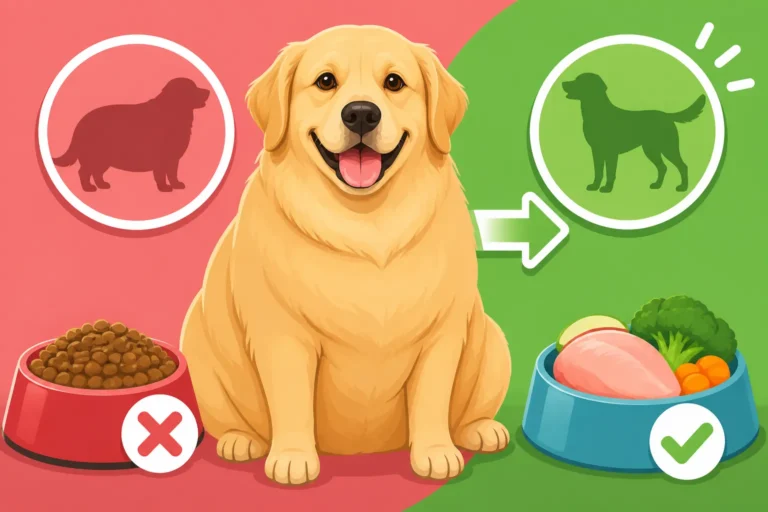
- Weight gain: Believe it or not, eating quickly can make dogs feel less full, leading them to beg for more food sooner and potentially leading to overeating and How Extra Weight Shortens a Golden Retriever's Life.
These aren't minor inconveniences; they are serious health implications that every Golden owner should be aware of. Preventing them is far easier, and less costly in terms of both worry and Golden Retriever Emergency Vet Bills, than treating them.
How Slow Feeder Bowls Work and Their Benefits
Thankfully, there's a simple, effective tool designed specifically to address this problem: the slow feeder bowl. These bowls aren't magic, but they sure feel like it when you see your Golden actually taking their time. They work by introducing obstacles that physically prevent your dog from gulping down large mouthfuls of food.
Different Designs and Mechanisms
Slow feeder bowls come in a fantastic array of designs, each with its own approach to making mealtime a more thoughtful endeavor. The most common designs include:
- Raised Ridges and Mazes: These are bowls with various shapes and patterns – spirals, waves, or geometric bumps – molded into the bottom. Your Golden has to navigate their muzzle around these obstacles to get to each piece of kibble, making it impossible to scoop up a giant mouthful. It's like a mini-adventure for their tongue! Some are shallow and open, while others have deeper, more intricate patterns.
- Puzzle Feeders: These take the concept of obstacles a step further, often requiring your Golden to use their paws or nose to manipulate parts of the feeder to release food. They can range from simple designs with sliding covers to more complex ones with compartments your dog has to figure out how to open. These are fantastic for mental enrichment, turning mealtime into a brain game.
- Insertable Obstacles: Some products are not full bowls but rather inserts that you place into your existing dog bowl. These often have suction cups on the bottom to keep them in place and provide a similar maze-like structure to a dedicated slow feeder bowl. They can be a good starting point if you're unsure about committing to a whole new bowl.
Many of these designs are readily available on platforms like Chewy or Amazon, giving you plenty of options to explore. The variety ensures you can find something that suits your Golden's eating style and your aesthetic preferences.
Beyond Just Slowing Down Mealtime
While the primary benefit of a slow feeder bowl is right there in the name – slowing down eating – the positive effects ripple out to many other aspects of your Golden's well-being.
First and foremost, it drastically reduces the risk of bloat, choking, and post-meal regurgitation. When your Golden takes smaller bites and swallows less air, their digestive system has a much easier time doing its job. This means fewer worried glances from you and a more comfortable experience for them. Think of the relief of not having to clean up a pile of half-digested food five minutes after dinner!
Beyond the immediate physical benefits, slow feeder bowls also offer significant mental enrichment. Our Goldens are highly intelligent dogs, and they thrive on having tasks to do. A slow feeder turns mealtime into a puzzle, engaging their brain and satisfying their natural curiosity. This mental stimulation can help reduce boredom, which in turn can lead to fewer destructive behaviors around the house. A mentally tired dog is often a happy, well-behaved dog. For Goldens, who often love to "work" and figure things out, this can be a quiet, satisfying activity that keeps them engaged.
Finally, slowing down eating can improve nutrient absorption. When food is eaten at a reasonable pace, it allows the digestive enzymes more time to work, breaking down food efficiently and ensuring your Golden gets all the goodness from their meals. This can contribute to better overall health, coat quality, and sustained energy levels throughout the day. It also allows your Golden to feel fuller longer, as their body has time to register the meal, which could even help with managing Golden Retriever Weight and Joint Damage by preventing overeating.
Choosing the Right Slow Feeder Bowl for Your Golden
With so many options out there, picking the perfect slow feeder bowl might seem a little daunting. But by considering a few key factors specific to our wonderful Golden Retrievers, you can narrow down the choices and find one that truly works for your furry family member.
Material and Durability Considerations
Golden Retrievers are not delicate eaters, and they can be quite enthusiastic with their bowls. You'll want something robust that can withstand daily use, enthusiastic nudging, and perhaps even some chewing, especially if you have a younger, mouthier Golden.
- Stainless Steel: This is often the gold standard for durability and hygiene. Stainless steel bowls are incredibly tough, resistant to chewing and scratching, and very easy to clean. They're non-porous, meaning they won't harbor bacteria or smells. Many slow feeder designs are now available in stainless steel.
- Ceramic: These bowls are heavy and stable, making them hard for a determined Golden to push around. They're also very easy to clean and often come in attractive designs. The main drawback is their fragility; if dropped, ceramic bowls can chip or break. This might not be the best choice if your Golden is particularly prone to knocking things over.
- Food-Grade Plastic: Plastic slow feeders are widely available and often the most affordable option. Look for high-quality, BPA-free, food-grade plastic that is durable and less likely to scratch. While generally sturdy, some Goldens with strong jaws might be able to chew on the plastic ridges over time, potentially ingesting small pieces. Always inspect plastic bowls for wear and tear.
When I was looking for a slow feeder for my own Golden, Rusty, I remember worrying about how quickly he'd demolish a flimsy plastic one. We went with a hard plastic that had rubber feet, which has held up wonderfully for years. It’s important to find a balance between durability and the specific needs of your dog.
Size and Capacity for a Golden Retriever
Goldens are medium to large dogs, and they need a bowl that can comfortably hold their full meal portion without overflowing. A slow feeder that's too small will be frustrating for them, making mealtime even harder, and potentially not slowing them down enough if they can still scoop too much food.
Consider the following:
- Volume: Check the bowl's capacity in cups. An adult Golden Retriever typically eats between 2-4 cups of food per day, usually split into two meals. So, you'll need a bowl that can easily accommodate 1-2 cups of kibble per feeding, with enough space for the food to spread out and engage with the slow-feeding design. For example, if you feed your Golden 1.5 cups per meal, look for a bowl rated for at least 2-3 cups to give the food room.
- Footprint and Depth: The overall size of the bowl matters. A wider bowl with shallower obstacles might be easier for a Golden with a broader muzzle to navigate than a very deep bowl with tightly packed ridges. You want them to be able to comfortably reach the food without struggling or getting frustrated.
- Base Stability: Because Goldens can be enthusiastic, choose a bowl with a wide, stable base or non-slip rubber feet. This prevents the bowl from sliding all over the floor, reducing mess and potential frustration for your dog. A heavy ceramic or stainless steel option naturally offers more stability.
Here's a quick comparison of general slow feeder types for Goldens:
| Slow Feeder Type | Ideal For | Pros | Cons |
|---|---|---|---|
| Simple Maze/Ridges | Most Goldens, beginners | Effective, easy to clean, widely available | May not challenge highly motivated eaters for long |
| Complex Maze/Swirls | Experienced slow eaters, food-motivated | More challenging, greater mental stimulation | Can be harder to clean, might frustrate some Goldens |
| Interactive Puzzle | Highly intelligent, easily bored Goldens | Excellent mental enrichment, very slow eating | Requires more effort from owner, potential for chewing |
| Dish/Tray with Separators | Broad-muzzled Goldens, those who push food | Good for spreading food, less head-down straining | Less effective for extremely fast gulpers |
| Ball/Dispenser Toy | Playful Goldens, for small portions | Fun, good for enrichment, encourages activity | Not ideal for full meals, can be messy |
When you're browsing sites like Chewy or looking at reviews on Amazon, pay close attention to what other Golden Retriever owners say about specific models. Their experiences can be incredibly insightful!
Design and Challenge Level
This is where you match the bowl to your Golden's personality and eating habits.
- For the "Vacuum Cleaner" Golden: If your dog inhales food faster than you can say "sit," you'll want a bowl with a higher challenge level. Look for intricate maze patterns or deeper ridges that force them to work harder for each bite. A simple, shallow design might not be enough to truly slow them down.
- For the Easily Frustrated Golden: Some Goldens might get discouraged if the challenge is too high initially. If your dog whines, paws aggressively at the bowl, or gives up easily, start with a simpler design. A bowl with wider, gentler curves might be a good stepping stone. You want it to be a puzzle, not an impossible task.
- Consider Mental Stimulation: As mentioned, puzzle feeders offer the most mental stimulation. If your Golden is prone to boredom or needs more brain work, an interactive slow feeder can be a fantastic choice. Even a high-quality fresh food like Ollie can be spread into these kinds of bowls, making mealtime even more engaging and delicious. It forces them to think and problem-solve, which is a great way to combine mealtime with enrichment.
Ultimately, the best bowl is one that effectively slows down your Golden's eating without causing undue stress or frustration. It might take a little trial and error, but the health benefits are well worth the effort.
Introducing Your Golden to a Slow Feeder Bowl
You've picked out the perfect slow feeder bowl, brought it home, and now it's time for the big reveal. While Goldens are generally adaptable and eager to please, introducing a new feeding method still requires a little thought and patience to ensure a smooth transition.
Making the Transition Smooth
For some Goldens, it's love at first bite – they take to the slow feeder like a duck to water. For others, it might be a bit confusing or even frustrating initially. Here’s how to make the introduction as positive as possible:
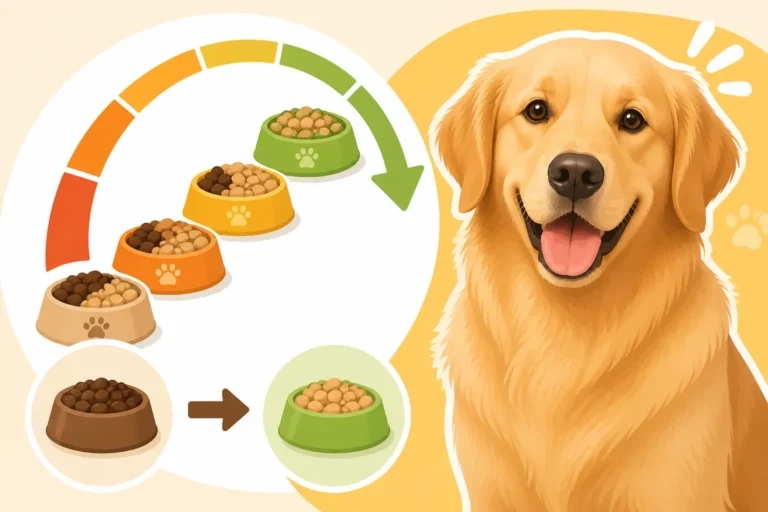
- Start with Familiar Food: Don't change your Golden's food at the same time you introduce the new bowl. Keep everything else consistent. The goal is to make the bowl the new thing, not the food, especially if you're already feeding a consistent diet. If you are considering switching foods, perhaps to something like Ollie, do that before or after your Golden has adjusted to the new bowl.
- Make it Easy at First: For the very first few times, don't fill the slow feeder completely to its maximum challenge. Scatter a smaller amount of food in it, ensuring there's plenty of kibble easily accessible on the surface. This allows your Golden to get the reward of eating quickly enough that they don't get frustrated right away. As they get the hang of it, you can increase the amount of food and thus the challenge.
- Positive Reinforcement: When your Golden approaches the slow feeder and starts eating, offer verbal praise ("Good dog!"), even if they're still working slowly. The idea is to associate the new bowl with positive experiences. Never scold them if they seem confused or try to "cheat" by knocking the bowl around.
- Stay Nearby: For the first few meals, stay in the room. Your presence can be reassuring, and you can offer gentle guidance if needed. If they walk away in frustration, you can try gently nudging a few pieces of food into an easier spot to restart their interest.
Remember, the goal is not to punish them for eating fast, but to help them eat in a healthier way. Patience is key. If your Golden seems to be struggling, take a step back and make it easier for the next meal.
Troubleshooting Common Issues
Even with the best intentions, you might encounter a few bumps in the road. Here are some common issues and how to troubleshoot them:
- Frustration and Pushing the Bowl: If your Golden pushes the bowl around or tries to flip it, it's likely they're frustrated by the obstacles.
- Solution: Ensure the bowl has a non-slip base or is heavy enough not to move easily. You might need to try a different design with a lower challenge level. Also, ensure the bowl isn't too small for their muzzle. Sometimes, simply scattering a few treats around the outside of the bowl before putting it down can redirect their initial high-energy focus.
- Giving Up: If your Golden takes a few bites and then walks away, they might be finding it too difficult or not rewarding enough.
- Solution: Reduce the amount of food or try a simpler slow feeder design. You could also try mixing in a few higher-value treats with their kibble to increase the appeal. Sometimes, they just need a bit more encouragement from you.
- Still Eating Too Fast: Some super-motivated Goldens might still find a way to eat quickly, even with obstacles.
- Solution: This is a sign you need a higher-challenge bowl. Look for designs with more intricate patterns or deeper grooves. You could also try splitting their meal into even smaller portions throughout the day, using the slow feeder for each. Consider a true puzzle feeder that requires more active engagement.
- Messy Eating: If your Golden is making a huge mess, scattering kibble everywhere, they might be trying to bypass the slow feeder design.
- Solution: This could also point to a bowl that's too challenging. Or, it could be that the design isn't deep enough to contain the food as they try to pick it out. A mat placed under the bowl can help contain the mess, but ultimately, finding a bowl that works with their natural eating style, not against it, will reduce the mess.
The world of slow feeder bowls, easily accessible through retailers like Chewy or Amazon, offers a fantastic solution to a common Golden Retriever problem. By choosing wisely and introducing it with patience, you'll not only enhance your dog's mealtime experience but significantly contribute to their long-term health and well-being, steering clear of scary issues like bloat. It’s a small change that can make a huge difference in the life of your beloved Golden.
Disclaimer
This article is for general informational purposes only and does not constitute professional advice. Laws, prices and regulations vary by location and change over time. Consult a qualified professional for guidance on your specific situation.