Fruits and Vegetables Safe for Golden Retrievers
It's completely natural to look at your Golden Retriever's sweet, hopeful face as you snack on a piece of fruit or a crisp vegetable and wonder, "Can they have some of this?" You want to give your beloved companion the best, and sharing healthy human foods seems like a great way to do that and add a little something extra to their bowl. However, the internet is full of conflicting advice, and the last thing any of us wants to do is accidentally harm our furry family members. This comprehensive guide is here to clear up the confusion, walking you through which fruits and vegetables are perfectly safe and even beneficial for your Golden Retriever, how to prepare them, and what toxic items to absolutely keep out of paw's reach.
Why Adding Fruits and Vegetables to Your Golden Retriever's Diet Matters
Just like us, Golden Retrievers thrive on a balanced diet, and while their primary nutrition comes from high-quality dog food, a little extra goodness from fruits and vegetables can go a long way. Many Golden owners are constantly looking for ways to enhance their dog's health, whether it's supporting their immune system or providing healthy, low-calorie treats that won't pack on the pounds. Adding certain produce items isn't just about sharing; it's about strategically boosting their overall well-being.
Think of it this way: your Golden's kibble is a fantastic foundation, designed to provide all the essential nutrients. But imagine if you only ate a perfectly formulated nutrition bar every single day. You'd probably crave a fresh apple or a handful of berries now and then! The same goes for our dogs. Introducing safe fruits and veggies can offer a delightful variety of textures and flavors that stimulate their senses and provide additional health benefits that complement their regular diet.
Beyond the Bowl: Nutritional Boosts and Variety
When you look at the vibrant colors of fresh produce, you're looking at a powerhouse of vitamins, minerals, and antioxidants. These aren't just empty calories; they're packed with beneficial compounds that can support various bodily functions in your Golden Retriever. For instance, many fruits and vegetables are rich in Vitamin C, an antioxidant that helps reduce inflammation and support immune health, or Vitamin A, crucial for good vision and skin.
Beyond the specific vitamins, fiber is a huge player found abundantly in most safe fruits and vegetables. Fiber aids in digestion, helps maintain healthy bowel movements, and can contribute to a feeling of fullness, which is incredibly useful for Goldens who always seem to be hungry. Offering a small piece of carrot or a few blueberries can provide a rewarding treat that's far more nutritious than many processed dog biscuits you might find on the shelves at your local pet store or even on Chewy. It's about providing natural, wholesome goodness that your dog's body can readily use.
Moreover, adding these natural treats provides wonderful mental enrichment. The crunch of a raw carrot, the softness of a banana slice, or the burst of a berry offers different sensory experiences than their everyday kibble. This can be especially engaging for smart, food-motivated breeds like Golden Retrievers. It's not just about the nutritional value; it's about adding joy and variety to their daily routine, which strengthens their bond with you.
Addressing Common Golden Retriever Health Concerns with Produce
Golden Retrievers, as much as we adore them, come with their share of health predispositions. Many owners worry about weight management, especially as Goldens get older and their activity levels might decrease. Other significant concerns include the prevalence of cancer in the breed and joint health. While fruits and vegetables aren't a cure-all, they can certainly play a supportive role in preventative health measures.
For weight management, low-calorie, high-fiber vegetables like green beans or carrots are absolute superstars. If you're struggling to keep your Golden Retriever at an ideal weight, swapping out high-fat treats for a handful of steamed green beans can make a huge difference in their overall caloric intake. Every extra pound your Golden carries puts more strain on their joints, potentially worsening conditions like hip or elbow dysplasia, so healthy snacking is a real game-changer. How Extra Weight Shortens a Golden Retriever's Life explores this in more detail.
Furthermore, the antioxidants found in many fruits and vegetables are thought to combat oxidative stress in the body. While more research is always ongoing, a diet rich in antioxidants is generally considered beneficial for cellular health, which is particularly relevant given that cancer in Golden Retrievers is such a widespread and heartbreaking concern for so many of us. Cancer in Golden Retrievers and Why the Breed Is Hit Hardest is a topic that weighs heavily on Golden owners' minds, and providing them with nutrient-dense foods is one way we try to be proactive. Water-rich fruits also contribute to hydration, which is essential for overall organ function, especially during warmer months or after intense exercise.
Safe Fruits for Your Golden Retriever (And How to Serve Them)
When it comes to sharing fruits with your Golden, preparation is just as important as knowing what's safe. While the fleshy part of many fruits is benign, certain seeds, pits, and rinds can be toxic or present a choking hazard. Always be diligent in your preparation!
Sweet Treats: Berries, Apples, and Bananas
These fruits are often readily available and loved by many Goldens, offering a delicious and nutritious boost.
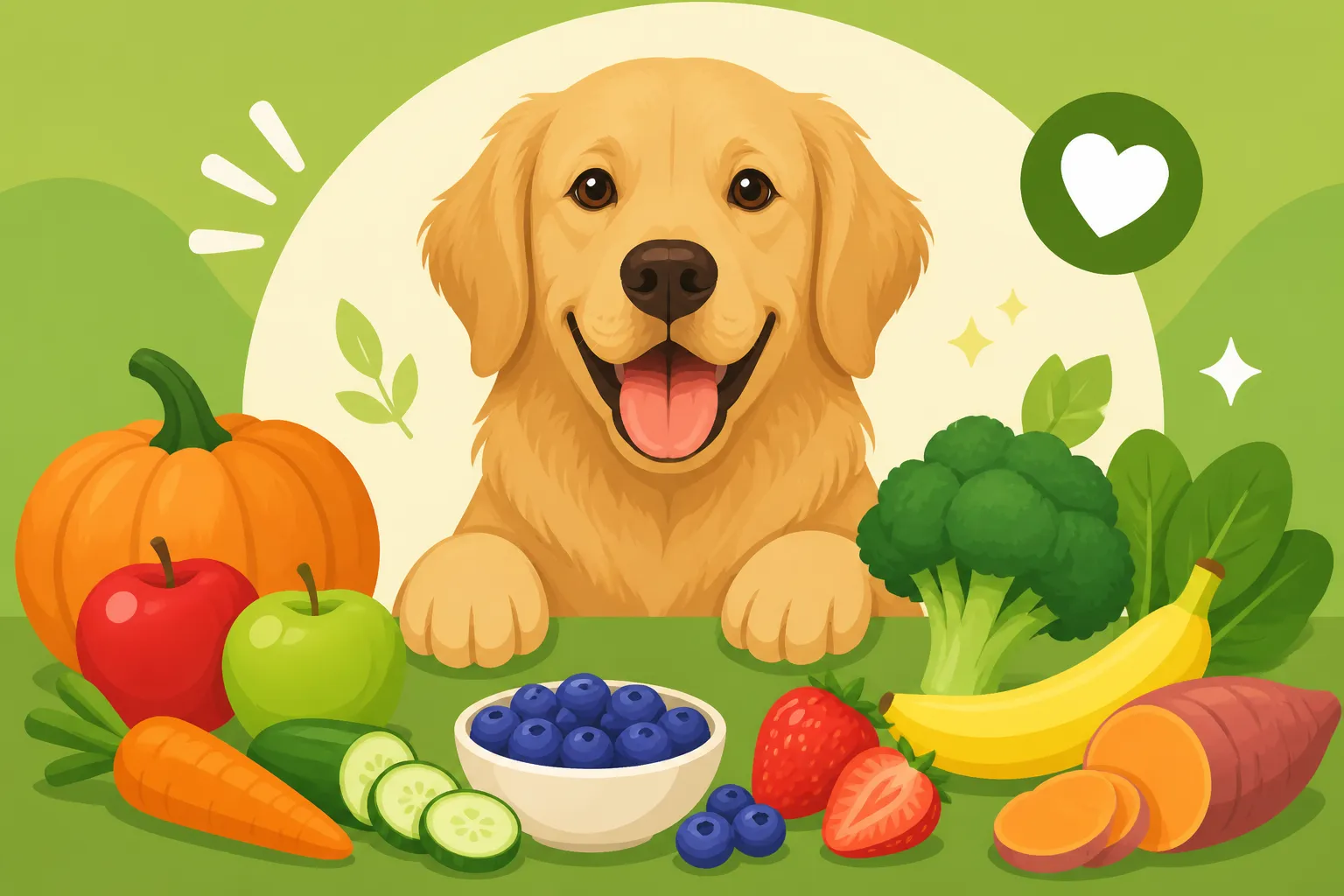
Blueberries, Strawberries, and Raspberries: These small, colorful berries are packed with antioxidants, vitamins C and K, and fiber. Blueberries are often hailed as a superfood for dogs due to their high antioxidant content. They're small enough for many Goldens to eat whole, though you might want to cut larger strawberries into smaller pieces. They can be given fresh or frozen, with frozen berries being a fantastic refreshing treat on a hot day. Always wash them thoroughly before serving. While they are healthy, remember that berries do contain natural sugars, so offer them in moderation – a small handful is usually sufficient.
Apples: An apple a day might keep the doctor away for humans, and parts of it can be good for Goldens too! Apples are a great source of vitamins A and C, as well as fiber. The satisfying crunch of an apple can even help clean your dog's teeth a little. However, the crucial rule with apples is to always remove the core and all seeds. Apple seeds contain a small amount of cyanide, which can be harmful if ingested in large quantities over time. Slice the apple into small, manageable pieces, especially if your Golden tends to gulp down treats. You can leave the skin on, as it contains extra fiber, but some dogs may prefer them peeled.
Bananas: These soft, sweet fruits are a good source of potassium, vitamin B6, and vitamin C. Most Goldens absolutely adore bananas due to their naturally sweet taste and creamy texture. However, they are also relatively high in sugar and calories, so they should be offered as an occasional treat in very small amounts. A few small, coin-sized slices are plenty for a large Golden Retriever. They can be a great, easily digestible option if your dog has a slightly upset stomach, but definitely not an everyday staple. Moderation is key to ensure these treats don't contribute to unwanted weight gain. Treats That Fit a Golden Retriever's Calories explains how to factor these into their daily intake.
Hydrating Options: Melon and Pears
For a refreshing, water-rich snack, especially when the weather warms up, melons are an excellent choice. Pears also offer a lovely texture and nutritional benefits.
Watermelon and Cantaloupe: These melons are fantastic for hydration, especially during summer months. They're mostly water, making them a low-calorie, thirst-quenching treat. They also provide vitamins A, B6, and C, as well as potassium. The golden rule for any melon is to remove all seeds and rind. Watermelon seeds can cause intestinal blockages, and the rind can be difficult to digest, leading to stomach upset, or even present a choking hazard. Cut the melon flesh into small, bite-sized cubes. Offering frozen chunks of seedless watermelon is a delightful way to help your Golden beat the heat. Keeping a Golden Retriever Cool in Summer details other ways to keep your pup comfortable in warm weather.
Pears: Pears are another sweet fruit that can be safely shared with your Golden Retriever. They are a good source of fiber and vitamins C and K. Like apples, the seeds and core of pears must be removed before serving, as pear seeds also contain traces of cyanide. Peel the pear and cut it into small, manageable pieces to prevent choking. The soft, somewhat grainy texture is often appealing to dogs. Always ensure the pear is ripe, as unripe fruit can sometimes be harder to digest. A small amount as an occasional treat is best due to its sugar content.
Safe Vegetables for Your Golden Retriever (And How to Serve Them)
Vegetables offer a different array of nutrients and can be wonderful, low-calorie additions to your Golden's diet. Often, they require cooking or specific preparation to make them digestible and safe.
Green Goodness: Broccoli, Green Beans, and Spinach
Incorporating green vegetables is a fantastic way to boost your Golden's nutrient intake without adding excessive calories. These greens offer a wealth of vitamins and fiber.
Broccoli: This cruciferous vegetable is packed with vitamins C and K, as well as fiber. It can be a healthy treat, but it's important to offer it in moderation and properly prepared. Small amounts of cooked, plain broccoli florets are generally safe. Avoid giving large quantities, as broccoli contains isothiocyanates, which can cause mild to severe gastrointestinal irritation in dogs, leading to gas and stomach upset if consumed in excess. The stalk is also quite fibrous and can be a choking hazard or difficult to digest, so stick to the soft florets, steamed or boiled without any seasonings.
Green Beans: These are truly a superstar vegetable for Golden Retrievers, especially for those who need to watch their weight. Green beans are low in calories and fat, yet rich in fiber, vitamins K, C, and A. They can be a fantastic filler for hungry Goldens without adding many calories. You can offer them fresh, steamed, or frozen (plain, no added salt or seasonings). Many owners find that frozen green beans make an excellent crunchy treat, satisfying their Golden's desire to chew while being incredibly healthy. They're a great alternative to higher-calorie treats and can even be mixed into their regular kibble to add volume to their meal.
Spinach: This leafy green is a powerhouse of vitamins A, B, C, and K, as well as iron and antioxidants. It can be given to Golden Retrievers in small quantities. However, spinach contains oxalates, which can interfere with calcium absorption and, in very large amounts over time, could contribute to kidney issues. For the average, healthy Golden Retriever, a small serving a few times a week is unlikely to cause problems. It's often best served lightly steamed or finely chopped and mixed into their food, as cooked spinach is easier for dogs to digest than raw. If your Golden has a history of kidney issues, it's always best to consult your vet before adding spinach to their diet. Many fresh dog food subscriptions, like Ollie, incorporate healthy vegetables like spinach into their formulations, making it easy to ensure proper proportions.
Rooting for Health: Carrots and Sweet Potatoes
These root vegetables are often crowd-pleasers with Goldens, offering both nutritional benefits and satisfying textures.
Carrots: Crunchy, sweet, and incredibly healthy, carrots are a favorite for many dogs. They are an excellent source of beta-carotene, which converts to vitamin A in the body, vital for vision and immune function. Carrots are also high in fiber and their firm texture can help clean teeth and satisfy your Golden's chewing instincts. You can offer them raw or cooked. Whole baby carrots or larger carrots cut into chunks are great for chewing. For smaller pieces, you can shred them and mix them into food. They are a low-calorie, vitamin-rich snack that’s easily accessible and generally well-tolerated.
Sweet Potatoes: These vibrant root vegetables are a fantastic addition to a Golden Retriever's diet, provided they are prepared correctly. Sweet potatoes are loaded with vitamins A, C, B6, and manganese, as well as dietary fiber. They are also known for being gentle on the stomach and are often recommended for dogs with digestive sensitivities. The absolute golden rule here is that sweet potatoes must never be fed raw. Raw sweet potatoes are hard to digest and can cause intestinal blockage. Always serve them cooked and plain—baked, boiled, or steamed. Mash them or cut them into small, soft cubes. Avoid any seasonings, butter, or sugar. They make a wonderful, healthy topping for kibble or a standalone treat. What Feeding an Adult Golden Costs Each Month can fluctuate, but adding economical veggies like sweet potatoes is a savvy way to boost nutrition without breaking the bank.
Here’s a quick overview of some excellent choices for your Golden:
| Fruit/Vegetable | Key Benefits | How to Serve | Important Notes |
|---|---|---|---|
| Blueberries | Antioxidants, Vit C, K, Fiber | Fresh or frozen, small amounts | Great training treats, moderate sugar |
| Apples | Vit A, C, Fiber | Peeled, cored, seeded, cut small | Remove all seeds and core |
| Bananas | Potassium, Vit B6, C | Small slices, occasional treat | High in sugar, use sparingly |
| Watermelon | Hydration, Vit A, B6, C | Seedless, rindless, cubed | Excellent on hot days, pure flesh only |
| Broccoli | Vit C, K, Fiber | Cooked, plain florets, small amounts | Can cause gas, moderate portions |
| Green Beans | Vit K, C, A, Fiber | Fresh, frozen, steamed, plain | Low calorie, good for weight management |
| Carrots | Vit A, Fiber, dental health | Raw or cooked, whole or chopped | Satisfying crunch, natural sweetness |
| Sweet Potatoes | Vit A, C, B6, Manganese, Fiber | Cooked, mashed or cubed, never raw | Gentle on digestion, no seasonings |
Important Considerations and Warning Signs
While introducing safe fruits and vegetables to your Golden Retriever's diet can be highly beneficial, it's crucial to approach it with common sense and caution. Not all human foods are created equal in a dog's digestive system, and even the good ones need to be handled carefully.
Moderation is Key and Preparation Matters
Remember that these fruits and vegetables are treats and supplements, not the main course. Your Golden Retriever's primary nutrition should always come from a high-quality, balanced dog food designed for their specific life stage. Overfeeding even healthy treats can lead to an unbalanced diet or unwanted weight gain. Start with very small quantities, especially when introducing a new food, to see how your Golden's digestive system reacts. Some dogs might be more sensitive than others and experience mild gas or loose stools if given too much, too fast.
Always, always wash any produce thoroughly before giving it to your dog. This removes pesticides, dirt, and bacteria that could upset their stomach or pose a health risk. Similarly, proper preparation is non-negotiable. We've talked about removing seeds, pits, and rinds for safety, but it's also essential to cut everything into bite-sized pieces appropriate for your Golden. A large chunk of apple might be exciting, but it's also a choking hazard for an enthusiastic eater. For puppies, who are still developing their chewing skills and digestive systems, even smaller pieces are prudent.
Finally, resist the urge to add any human seasonings, oils, or butter. While it might make the vegetable more appealing to you, these additives can be harmful to your Golden Retriever. Salt, garlic, and onions (which we'll cover next) are particularly dangerous, and fats can lead to pancreatitis. Plain is always the best way to serve these natural treats. If you have any concerns about your Golden's diet or specific health conditions, such as diabetes or kidney disease, it's always wise to have a chat with your veterinarian before making significant dietary changes. Regular vet visits, as discussed in Why Goldens Need Vet Visits Twice a Year, are essential for monitoring their overall health.
Foods to Absolutely Avoid and What to Do If Ingested
Just as there are safe foods, there are also highly toxic ones that every Golden Retriever owner should be aware of. Knowing these can literally save your dog's life.
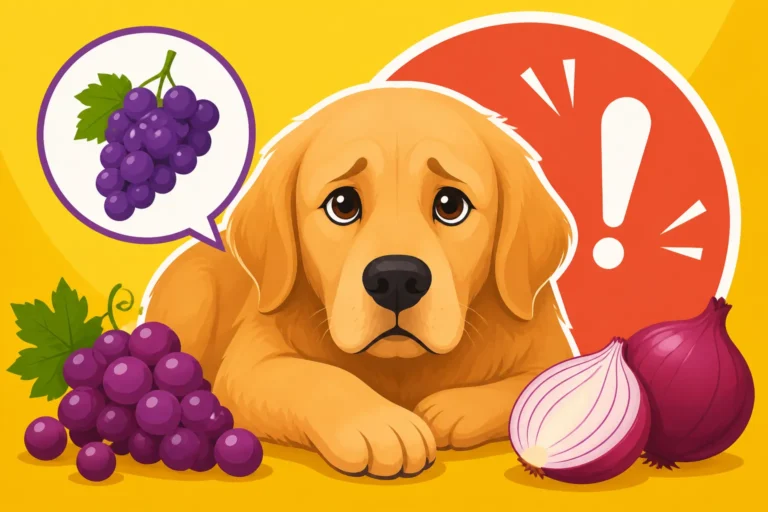
Grapes and Raisins: These are perhaps the most notorious and dangerous. Even small amounts of grapes and raisins can cause acute kidney failure in dogs. The exact toxic substance is still unknown, but their effects can be devastating. Never, ever give your Golden Retriever grapes or raisins.
Onions, Garlic, Chives, and Leeks: All members of the Allium family are toxic to dogs. They contain compounds that can damage a dog's red blood cells, leading to anemia. Garlic is about five times more potent than onions. Avoid giving your dog any food seasoned with these, and certainly don't offer them raw or cooked.
Avocado: While the fleshy part of the avocado might seem harmless, the skin, pit, and leaves contain a fungicidal toxin called persin, which can cause vomiting and diarrhea in some dogs. The large pit is also a choking hazard and can cause intestinal blockage. It's simply best to keep avocados away from your Golden.
Cherry Pits: Like apple and pear seeds, cherry pits contain cyanide. While the flesh of a cherry in very small amounts might not be harmful, removing every pit is tedious and risky. It's safer to avoid cherries altogether.
Xylitol: This artificial sweetener is found in many sugar-free products, including gum, candy, certain peanut butters, and some baked goods. Xylitol is extremely toxic to dogs, causing a rapid release of insulin that leads to a sudden drop in blood sugar (hypoglycemia), liver failure, and even death. Always check the ingredients label on human foods, especially peanut butter, before sharing them with your Golden. Xylitol and Other Poisons in a Golden's Reach goes into greater detail about this hidden danger.
Rhubarb: The leaves and stalks of rhubarb contain oxalates, which can be toxic to dogs, leading to kidney issues and other problems. Keep your Golden away from this plant.
What to do if your Golden eats something dangerous: If you suspect your Golden Retriever has ingested any of these toxic foods, it is critical to contact your veterinarian or an emergency veterinary hospital immediately. Do not wait for symptoms to appear, as some toxins act quickly. Time is of the essence in these situations. Symptoms to watch for can include vomiting, diarrhea, lethargy, loss of appetite, abdominal pain, or changes in urination, but prompt action before symptoms become severe is always best. For a comprehensive list of emergency situations, refer to Grapes, Onions and Golden Retriever Emergencies.
Bringing a Golden Retriever into your life is a commitment to their health and happiness. By understanding which fruits and vegetables are safe and how to properly offer them, you can enrich their diet and provide them with tasty, wholesome treats that contribute to their long, joyful life by your side.
Disclaimer
This article is for general informational purposes only and does not constitute professional advice. Laws, prices and regulations vary by location and change over time. Consult a qualified professional for guidance on your specific situation.