Xylitol and Other Poisons in a Golden’s Reach
Oh, the sheer panic that washes over you when you realize your beloved Golden Retriever has eaten something they shouldn't have! It’s a fear every dog parent knows, especially with a breed as curious and prone to "taste-testing" the world as our Goldens. This guide is here to walk you through the insidious dangers lurking in plain sight within your home, from the silent killer xylitol to common household foods and chemicals, and equip you with the knowledge to protect your furry family member and act swiftly if an emergency strikes.
The Silent Killer in Your Pantry: Xylitol Explained
Let's start with a big one, because it's become an increasingly common and terrifying threat: xylitol. Many dog owners are still unaware just how deadly this seemingly innocuous sweetener can be, and it's popping up in more and more products every day. It’s a constant battle to stay vigilant, and the stakes are incredibly high for our sweet Goldens.
What is Xylitol and Where is it Hiding?
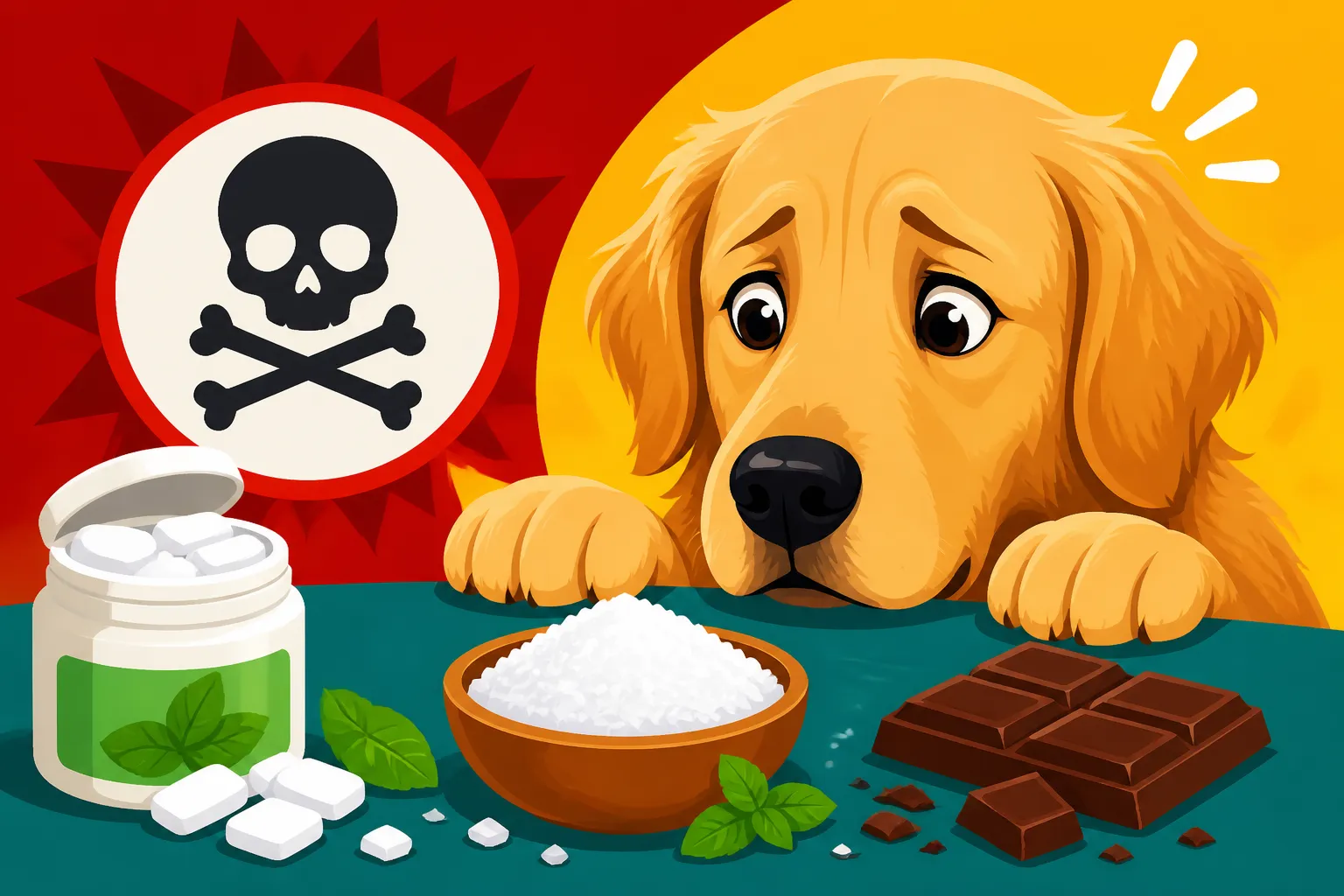
Xylitol is a natural sugar alcohol used as a sugar substitute. For humans, it's generally harmless, even beneficial for dental health, which is why you'll find it in so many "sugar-free" items. But for dogs, it's a completely different story. It often feels like it's trying to sneak its way into everything, making our job as Golden Retriever parents even harder.
Think about the sheer variety of items in your home that might contain xylitol:
- Sugar-free chewing gum and mints: This is perhaps the most well-known culprit. A dropped pack of gum, easily snatched by a quick-witted Golden, can be enough to cause a severe reaction. They often come in bright, appealing packaging that isn't designed to be dog-proof.
- Sugar-free candies and chocolates: While chocolate itself is toxic to dogs, if it's also sugar-free and contains xylitol, it's a double whammy of danger.
- Certain brands of peanut butter: This one is particularly alarming because peanut butter is a staple treat for many dogs, used in Kongs or as a pill hider. Always, always check the ingredient label on any peanut butter before giving it to your Golden. It's truly eye-opening how many popular brands now include it. I know I spend extra time checking every jar at the grocery store, and for peace of mind, many owners opt for trusted brands available on sites like Chewy that clearly label their products as xylitol-free or specifically for dogs. If you're using a fresh food service like Ollie, you can generally trust their ingredients are safe, but it’s always good to be mindful of anything store-bought. Whether Golden Retrievers Can Have Peanut Butter is a great article to dive deeper into this specific concern.
- Toothpaste and mouthwash: Since xylitol fights cavities, it's a common ingredient in human oral hygiene products. If your Golden likes to "help" you brush your teeth or gets into the bathroom trash, this can be a real problem.
- Baked goods and dessert mixes: Many "sugar-free" or "low-carb" baking mixes, cakes, and cookies use xylitol. Imagine your Golden snagging a muffin off the counter – a perfectly normal Golden Retriever maneuver – and it happens to be a sugar-free one.
- Some supplements and vitamins: Certain chewable vitamins, especially children's ones, and some protein powders can contain xylitol. We often store these in accessible places, not realizing they could be deadly.
- Medications: Liquid medications, especially those for children, might use xylitol to improve taste.
The bottom line is that if you see "sugar-free," "diet," or "low-carb" on a label, or if it's a product designed to be sweet without actual sugar, assume it might contain xylitol and keep it far away from your dog.
Why Xylitol is So Dangerous for Golden Retrievers
The reason xylitol is so deadly to dogs boils down to how their bodies process it. When a dog ingests xylitol, their pancreas mistakes it for real sugar (glucose). This triggers a rapid and potent release of insulin into their bloodstream. Insulin's job is to lower blood sugar, and with a massive, inappropriate surge, the dog's blood sugar levels plummet drastically and dangerously low. This condition is called hypoglycemia.
But it doesn't stop there. In some cases, especially with higher doses of xylitol, dogs can also develop acute liver failure. The exact mechanism for this liver toxicity isn't fully understood, but it can be devastating, leading to irreversible damage.
The speed at which this happens is terrifying. Hypoglycemia can set in within 10 to 60 minutes after ingestion, and if left untreated, it can quickly lead to seizures, coma, and even death. The amount of xylitol needed to cause a severe reaction is surprisingly small. Even a single piece of sugar-free gum could be enough to harm a smaller dog, and while Goldens are larger, it still takes very little to cause a problem. This isn't like chocolate where a small amount might just cause an upset stomach; xylitol is a medical emergency from the first bite.
Recognizing Xylitol Poisoning Symptoms
Knowing the symptoms of xylitol poisoning is critical because early intervention can literally be the difference between life and death. Your Golden might initially seem fine, but don't let that lull you into a false sense of security. The symptoms often progress rapidly.
Here's what to look for:
- Vomiting: This is often one of the first signs, as the dog's body reacts to the toxin.
- Weakness or lethargy: Your normally energetic Golden might become unusually tired, slow, or unwilling to move. They might seem "off."
- Lack of coordination (ataxia): They might stumble, seem drunk, or have difficulty walking in a straight line. Their hind legs might seem particularly weak.
- Difficulty standing: As weakness progresses, they may struggle to get up or maintain balance.
- Tremors or shaking: Involuntary muscle contractions can indicate severe hypoglycemia affecting the nervous system.
- Seizures: This is a very serious sign that the brain is being deprived of necessary glucose.
- Collapse or coma: At this stage, the situation is critical, and immediate veterinary intervention is paramount.
If you suspect your Golden has ingested any amount of xylitol, even if they aren't showing symptoms yet, don't wait. Call your veterinarian or an animal poison control center immediately. Time is of the essence. Having an emergency fund set aside is always a good idea for these unexpected situations; What a Golden Retriever Emergency Fund Needs offers great advice on this.
Beyond Xylitol: Other Common Household Poisons
While xylitol is a major concern, it's far from the only dangerous substance lurking in our homes. Our Goldens, with their curious noses and sometimes indiscriminate appetites, are vulnerable to a whole host of everyday items we take for granted. Creating a safe environment is an ongoing commitment.
Human Medications and Supplements
This category is a huge one, and frankly, a very common cause of poisoning in dogs. Many human medications, even over-the-counter ones that seem harmless to us, can be incredibly toxic to Goldens. They don't process drugs the same way we do, and a dose perfectly safe for a human can be lethal for a dog.
Consider these common culprits:
- Pain relievers (NSAIDs like ibuprofen, naproxen, aspirin): Just a few tablets of ibuprofen, common brands like Advil or Motrin, can cause severe stomach ulcers, kidney failure, or liver damage. Acetaminophen (Tylenol) causes liver damage and red blood cell damage, especially in higher doses. Never give your dog human pain medication without direct veterinary instruction.
- Antidepressants and ADHD medications: Many of these can cause neurological symptoms like tremors, seizures, disorientation, and heart problems.
- Heart medications and blood pressure drugs: Even a small amount can cause life-threatening drops in blood pressure, heart rate abnormalities, or even kidney failure.
- Cold and flu medications: These often contain multiple active ingredients, many of which are dangerous to dogs, like decongestants (pseudoephedrine) and cough suppressants (dextromethorphan), leading to hyperactivity, increased heart rate, and seizures.
- Vitamins and supplements: While some vitamins are good for dogs, excessive iron (especially in prenatal vitamins) can cause severe gastrointestinal upset and liver damage. Vitamin D supplements can cause kidney failure. Again, children's chewable vitamins often contain xylitol, creating a dual threat.
The best defense is to keep all human medications, prescription or over-the-counter, locked away or stored in high, secure cabinets. A dropped pill that rolls under the couch might be sniffed out by your Golden, and it could be disastrous. Always be mindful when handling pills and make sure none are accidentally dropped.
Household Cleaners and Chemicals
Our homes are full of products designed to clean, disinfect, and maintain, but many of these are highly corrosive or toxic if ingested by a curious Golden. The vibrant colors and sometimes pleasant scents might even attract them.
- Bleach and disinfectants: These can cause severe burns to the mouth, esophagus, and stomach. Even inhaling the fumes can be irritating.
- Drain cleaners and oven cleaners: These are highly corrosive and cause immediate, severe tissue damage on contact, both internally and externally.
- Laundry detergents and pods: The concentrated nature of laundry detergent pods makes them particularly dangerous. Ingestion can lead to severe vomiting, diarrhea, airway irritation, and chemical burns.
- Antifreeze: This is extremely toxic, and its sweet taste makes it deceptively appealing to animals. Even a small lick can cause acute kidney failure and death. Clean up any spills immediately and store it securely.
- Pesticides and insecticides: Products like slug bait, ant traps, and rodenticides are designed to kill pests, and they can be just as deadly to your Golden. Rodenticides, in particular, often contain appealing flavors and can cause internal bleeding or neurological damage over days or weeks. If you use them, ensure they are in areas completely inaccessible to your dog.
- Fertilizers and garden chemicals: Many lawn and garden products contain chemicals that can cause gastrointestinal upset, organ damage, or even seizures. Be sure to follow package directions for safe application and keep your Golden off treated areas for the recommended time.
Always keep these products in their original containers, out of reach, and in secure cabinets. If you're cleaning, keep your Golden out of the area until surfaces are dry and ventilate thoroughly.
Foods You Share That Are Toxic
It's tempting to share bits of our meals with our Goldens, especially when they give us those adorable puppy-dog eyes. But many common human foods are highly dangerous for them, and it's essential to know which ones are strictly off-limits. Goldens are known for their love of food, so vigilance is key.
Here are some of the most critical to avoid:
- Chocolate: We all know this one, but it bears repeating. The darker the chocolate, the more toxic it is due to higher levels of theobromine. It can cause vomiting, diarrhea, hyperactivity, tremors, seizures, and heart problems. A small amount of milk chocolate might just cause an upset stomach in a larger Golden, but dark chocolate or baking chocolate can be lethal. If you think your Golden has eaten chocolate, refer to What to Do If a Golden Retriever Eats Chocolate.
- Grapes and raisins: These can cause acute kidney failure in some dogs, and the mechanism isn't fully understood, meaning even a small amount can be deadly. It's not dose-dependent in a predictable way, so even one dropped raisin is a concern. For more detailed information, see Grapes, Onions and Golden Retriever Emergencies.
- Onions, garlic, chives, and leeks: These all belong to the Allium family and can cause damage to a dog's red blood cells, leading to anemia. This can happen with raw, cooked, or powdered forms. Keep them out of your Golden's reach, whether in a meal or as a spice.
- Avocado: The pit, skin, and leaves of avocado contain persin, a fungicidal toxin that can cause vomiting and diarrhea in dogs. While the flesh might be less problematic for dogs than some other animals, it's best to avoid it altogether.
- Macadamia nuts: These can cause weakness, tremors, vomiting, fever, and central nervous system depression. The good news is they are rarely fatal, but they can make your Golden very sick.
- Alcohol: Even small amounts of alcohol can cause significant intoxication, vomiting, disorientation, tremors, and severe drops in blood sugar and body temperature. Keep all alcoholic beverages and foods containing alcohol away from your Golden.
- Coffee, tea, and caffeine: These contain methylxanthines, similar to chocolate, and can cause hyperactivity, tremors, seizures, and heart issues. Keep coffee grounds, tea bags, and energy drinks safely stored.
- Yeast dough: Uncooked yeast dough can rise in a dog's stomach, causing painful bloating (which can lead to a more serious condition like bloat, covered in Bloat Symptoms Every Golden Retriever Owner Should Know) and produce alcohol as it ferments, leading to alcohol poisoning.
- High-fat foods: While not strictly "poison," excessive fatty foods (like bacon grease, rich sauces, or fatty trimmings) can cause pancreatitis, a painful inflammation of the pancreas that can be severe.
It's always better to err on the side of caution. If you want to give your Golden a treat, stick to dog-specific treats or vet-approved fruits and vegetables like carrots or apple slices.
Plants and Yard Hazards
Our yards and indoor plant collections can also harbor hidden dangers. Goldens love to explore with their mouths, and a curious nibble could lead to big trouble.
- Sago Palm: This tropical plant is extremely toxic, especially the seeds (nuts). Ingestion can cause severe vomiting, diarrhea, liver failure, and death. If you have one, consider removing it or keeping it completely out of reach.
- Lilies: While more notoriously toxic to cats, certain lilies can cause severe gastrointestinal upset and kidney damage in dogs.
- Azaleas and Rhododendrons: These beautiful flowering shrubs contain grayanotoxins, which can cause vomiting, diarrhea, weakness, central nervous system depression, and even cardiovascular collapse.
- Oleander: All parts of this common ornamental shrub are highly toxic and can cause severe heart problems, gastrointestinal upset, and death.
- Tulips and Hyacinths (bulbs): The bulbs of these spring flowers are particularly toxic and can cause severe gastrointestinal irritation, vomiting, and diarrhea if dug up and ingested.
- Marijuana and Cannabis products: With the increasing legalization of cannabis, accidental ingestion by pets is on the rise. THC (the psychoactive component) can cause disorientation, lethargy, drooling, balance problems, dilated pupils, and in severe cases, seizures and coma. Edibles designed for humans often contain high concentrations and flavors appealing to dogs.
Before bringing a new plant into your home or yard, always check if it's safe for pets. A quick search online can save you a lot of heartache.
Emergency Protocol: What to Do If Your Golden Ingests a Toxin
The moments after you realize your Golden has eaten something potentially poisonous can feel like an eternity. Your heart races, your mind scrambles, and it's easy to panic. But staying calm and acting quickly and intelligently is paramount. This isn't the time to hesitate or rely on internet forums.
Immediate Steps to Take
Your first and most important step is to call your veterinarian or an emergency veterinary clinic immediately. If it's after hours and your vet isn't available, find the nearest emergency vet. You can also call a pet poison control hotline like the ASPCA Animal Poison Control Center or the Pet Poison Helpline. These services often charge a consultation fee, but the expertise they provide is invaluable and can save your dog's life.
When you call, be prepared to provide as much information as possible:
- What your Golden ate: Be as specific as possible. If it was a product, read the label (e.g., "sugar-free gum with xylitol," "acetaminophen 500mg"). If it was a plant, describe it.
- How much they ate: Estimate the quantity. Was it one piece of gum or a whole pack? A single pill or a spilled bottle? This is critical for assessing the dose.
- When they ate it: Give an approximate time. Knowing the timeframe helps determine how much of the toxin has been absorbed and what treatment is most appropriate.
- Your Golden's weight and age: This helps the vet calculate potential toxic doses.
- Any symptoms you're observing: Even subtle changes are important to mention. Signs a Golden Retriever Is in Pain can help you recognize discomfort.
- Have the packaging handy: If possible, bring the packaging of the ingested item with you to the vet. This provides precise ingredient lists.
Do not try to find information online or attempt home remedies before speaking to a professional. Every second counts.
When to Induce Vomiting
This is a critical point: NEVER induce vomiting in your Golden Retriever without explicit instructions from a veterinarian or poison control expert. While inducing vomiting can sometimes be helpful to remove toxins from the stomach, it can also be extremely dangerous in certain situations.
Reasons why you should not induce vomiting without guidance:
- Corrosive substances: If your Golden ingested something like bleach, drain cleaner, or oven cleaner, making them vomit could cause more damage to their esophagus and mouth on the way back up.
- Sharp objects: If they swallowed something sharp, vomiting could cause internal tears or obstructions.
- Hydrocarbon products (e.g., gasoline, paint thinner): These can be easily inhaled into the lungs during vomiting, leading to severe pneumonia.
- Already symptomatic: If your Golden is already lethargic, weak, having seizures, or unconscious, inducing vomiting could cause them to choke or aspirate the vomit into their lungs.
- Long time since ingestion: If too much time has passed (usually more than 1-2 hours), the toxin may have already been absorbed, and inducing vomiting might be pointless or even harmful.
- Specific toxins: For some toxins, vomiting isn't the primary concern, or other treatments are more urgent.
Your vet or poison control will advise if inducing vomiting is safe and necessary, and they'll tell you the safest way to do it (usually with a specific dose of hydrogen peroxide, never salt or other outdated methods). They will weigh the risks and benefits based on the specific toxin and your Golden's condition.
Preventing Future Incidents
The best defense against poisoning is prevention. It requires constant vigilance, especially with a breed like the Golden Retriever who loves to explore the world with their mouth.
Here are some proactive steps you can take:
- Golden-proof your home: Get down on your hands and knees and look at your home from your Golden's perspective. What's at nose level? What's within reach of a playful paw or a jumping Golden? Secure all cabinets with child-proof locks, especially those under sinks, in pantries, and in bathrooms. Use high shelves for medications and chemicals.
- Read labels carefully: Make it a habit to read ingredient lists on new products, especially anything food-related that's labeled "sugar-free." This is particularly important for items like peanut butter, which you might purchase from Amazon or your local grocery store.
- Store human food safely: Keep all human food, especially snacks, off counters and in sealed containers or cabinets. Goldens are notoriously good counter-surfers. Golden Retriever Counter Surfing and Food Stealing offers strategies to mitigate this common behavior.
- Mind your medications: Keep all medications in their original, child-proof (and Golden-proof!) containers. Never leave pills on nightstands or low tables. Be extra careful when taking your own medication to avoid dropping any.
- Secure your trash: Invest in a sturdy, lidded trash can that your Golden can't knock over or open. Many food scraps and packaging in the trash can be dangerous.
- Know your plants: Research any plants you have in your home or yard to ensure they are non-toxic to dogs. Remove any dangerous ones or place them in completely inaccessible areas.
- Educate your family and guests: Make sure everyone in your household, including children and visitors, understands what foods and items are dangerous for your Golden and the importance of not feeding them human food or leaving hazardous items within reach.
- Consider a pet first-aid kit: A well-stocked kit can be incredibly useful in various emergencies. Building a First Aid Kit for a Golden Retriever details what you should include.
- Regular vet check-ups: Keeping up with routine veterinary visits (like the twice-yearly checks discussed in Why Goldens Need Vet Visits Twice a Year) helps ensure your Golden is in good overall health, which can sometimes impact how they react to toxins, and allows you to discuss any concerns with your vet.
By being proactive and staying informed, you can significantly reduce the risk of your beloved Golden Retriever encountering these dangerous, everyday poisons. Their curiosity is part of their charm, but it also requires our constant, loving vigilance to keep them safe.
Common Household Toxins and Their Potential Impact
Here's a quick reference guide to some common household items that can be toxic to your Golden Retriever, along with the general type of harm they can cause. Remember, this is not exhaustive, and immediate veterinary attention is always recommended if ingestion is suspected.
| Toxin Category | Specific Examples | Primary Concern/Impact | Severity (General) |
|---|---|---|---|
| Sweeteners | Xylitol (sugar-free gum, peanut butter, toothpaste) | Rapid blood sugar drop (hypoglycemia), liver failure | Severe |
| Human Food | Chocolate (dark), Grapes/Raisins, Onions/Garlic, Alcohol | Cardiac issues, kidney failure, red blood cell damage, CNS depression | Moderate to Severe |
| Medications (OTC) | Ibuprofen, Acetaminophen, Naproxen, Cold/Flu meds | GI upset, kidney/liver damage, ulcers, neurological effects | Moderate to Severe |
| Household Cleaners | Bleach, Drain Cleaner, Laundry Detergent Pods, Antifreeze | Chemical burns, GI upset, organ damage (kidney), internal bleeding | Severe |
| Pesticides | Rodenticides, Slug Bait, Insecticides | Internal bleeding, neurological damage, GI upset | Severe |
| Plants | Sago Palm, Azaleas, Oleander, Lily bulbs | Liver failure, cardiac issues, GI upset, neurological effects | Moderate to Severe |
| Recreational Drugs | Marijuana, Cannabis Edibles | CNS depression, disorientation, tremors, seizures | Moderate |
Disclaimer
This article is for general informational purposes only and does not constitute professional advice. Laws, prices and regulations vary by location and change over time. Consult a qualified professional for guidance on your specific situation.