Rinsing a Golden Retriever After Salt Water
There’s nothing quite like seeing your Golden Retriever bounding into the ocean, joyfully splashing and retrieving in the waves. Their sheer delight is infectious! But then, as the salty spray settles and the sun begins to set, a different feeling often creeps in: the worry about what all that salt water is doing to their beautiful coat and delicate skin. It's a valid concern, and leaving that salt and sand in place can lead to some uncomfortable issues for your furry companion. This comprehensive guide is here to walk you through exactly why rinsing your Golden Retriever after a dip in the salt water is so important, and how to do it effectively to keep them happy and healthy.
Why Salt Water Isn't Always a Golden Retriever's Best Friend
While the ocean offers endless fun for a water-loving Golden, it's also a powerful environment with elements that can be surprisingly harsh on their skin, coat, and even their internal system. Understanding these impacts is the first step to mitigating them. It's not about stopping the fun, but about ensuring the fun doesn't come with a hidden cost later on.
The Drying Effects on Skin and Coat
Golden Retrievers are blessed with that glorious, dense double coat, which is fantastic for insulation and water resistance. However, it's also a magnet for salt and sand. When your Golden dives into the ocean, the salt water strips away the natural oils that protect their skin and keep their coat healthy and shiny. Think about how your own skin feels after a day at the beach – dry, tight, maybe a little itchy. Your Golden experiences something similar, but multiplied by their entire body and dense fur.
Left unrinsed, this residual salt continues to draw moisture out of the skin, leading to dryness, flakiness, and irritation. For a breed already prone to skin sensitivities, this can quickly escalate into discomfort. Persistent scratching or licking due to irritation can then open the door to secondary infections, or even stubborn skin conditions like Golden Retriever Hot Spots and What Causes Them. The sand, too, acts as an abrasive, getting trapped in their fur, especially in the "feathers" on their legs and tail, and between their paw pads, causing chafing and further irritation.
Ingestion Risks and Dehydration
It’s almost inevitable that a Golden Retriever who loves the water will ingest some of it, especially if they’re retrieving toys or just excitedly splashing around. A little bit of salt water usually isn't a huge deal, but too much can lead to gastrointestinal upset. We're talking vomiting and diarrhea, which are no fun for anyone. More seriously, excessive salt water intake can lead to hypernatremia, a condition where there's too much salt in the blood. This can cause severe dehydration, lethargy, seizures, and in extreme cases, be life-threatening.
Even if they're not drinking mouthfuls, the combination of exertion and salt water can accelerate dehydration. Your Golden might feel thirsty after a swim and, if fresh water isn't readily available, might be tempted to drink more ocean water, creating a dangerous cycle. It's a common pitfall owners overlook, thinking a dog drinking water is always a good thing, without considering what they're drinking.
Hidden Hazards: Sand, Critters, and Scratches
Beyond the visible salt and sand, beach environments can harbor a myriad of other issues for your curious Golden. Sand, as mentioned, gets everywhere. It can irritate delicate skin, but also work its way into ears, leading to discomfort and potentially Ear Infections in Floppy-Eared Goldens. It can also get lodged in the eyes, causing irritation or corneal abrasions.
The ocean itself, while vast and beautiful, isn't always pristine. Depending on local conditions, it can contain bacteria, algae, or other microscopic organisms that might irritate your dog's skin or cause upset if ingested. Furthermore, beaches often have sharp shells, broken glass, discarded fishing hooks, or other debris that can cut paw pads. Imagine the discomfort of a tiny cut, then having salt and sand rubbed into it! Always inspect your Golden's paws carefully after a beach outing.
The Essential Salt Water Rinse: Your Step-by-Step Guide
The good news is that most of these issues are easily prevented with a thorough and timely rinse. It's not just about getting them clean, it's about restoring their skin's balance and preventing potential health issues. Think of it as an essential part of the post-beach ritual, just like packing up your own gear.
Pre-Rinse Prep and What You'll Need
Preparation is key to a stress-free rinse. You don't want to be scrambling for supplies with a wet, sandy Golden eager to shake off on your car seats. Ideally, you'll have a plan before you even head to the beach.
First, consider your fresh water source. If you're lucky enough to be at a beach with dedicated dog washing stations, fantastic! Otherwise, you'll need to bring your own. Large jugs of tap water work well, or you can invest in a portable camping shower or a pressure sprayer designed for gardening that you fill with water. These are readily available on platforms like Amazon or Chewy and can be game-changers for convenience. You'll want enough water to thoroughly soak and rinse your Golden – don't skimp! For a large Golden, this might mean several gallons.
Next, gather your other essentials: a couple of large, absorbent towels dedicated to your dog (perhaps one for initial drying, one for more thorough drying), a gentle dog-specific shampoo and conditioner (especially if your Golden has sensitive skin or you plan a full bath), and an ear cleaner. Some owners also like to have a paw balm on hand. Make sure everything is within easy reach before you start.
The Rinsing Process Itself
The moment your Golden is out of the water and done with their beach activities, the clock starts ticking. The sooner you can rinse them, the better. Aim to rinse them within minutes of leaving the salt water.
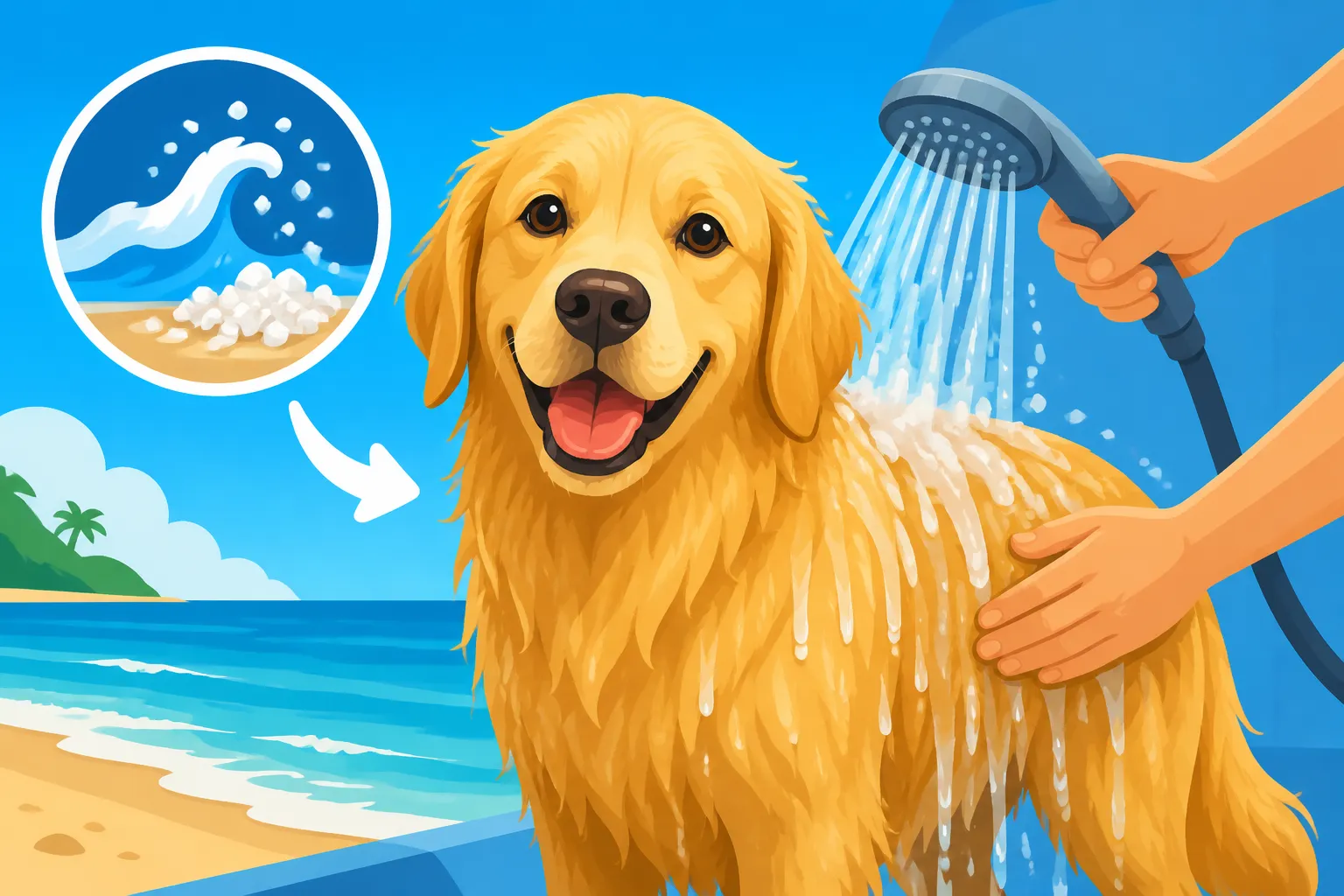
Start by wetting your Golden thoroughly with fresh water. If you're using a hose, ensure the water pressure isn't too strong, which can be uncomfortable or even frightening for some dogs. Work your way from their head down to their tail and paws. The goal is to flush out as much salt and sand as possible mechanically. Pay special attention to areas where salt and sand love to hide: under their chin, behind their ears, in their armpits, along their belly, and especially in their dense feathering on their legs and tail.
If you brought shampoo, apply it now, working it into a lather. Focus on gently massaging it through their entire coat, down to the skin. This helps to loosen any remaining salt, sand, and grime. A good lather ensures you're getting deep into that thick undercoat. Don't forget their paw pads – sand can really stick there. Rinse thoroughly, and we mean thoroughly. You want to ensure no shampoo residue is left behind, as this can also cause skin irritation. Imagine you’re rinsing out every single grain of sand and every particle of salt. Keep rinsing until the water running off your Golden looks perfectly clear and their coat feels clean, not slimy or gritty.
Post-Rinse Care and Drying Techniques
Once you've rinsed all the salt and shampoo away, it's time to dry your Golden. This step is just as critical as the rinse itself, especially for a breed with a thick double coat. Excess moisture trapped against the skin can lead to bacterial or yeast infections, and once again, dreaded hot spots.
Start with a vigorous towel dry. Use your absorbent towels to blot and rub, squeezing out as much water as possible from their coat. Pay extra attention to their chest, belly, and legs, which tend to hold a lot of water. If your Golden is tolerant of a low-heat blow dryer specifically designed for dogs, this can be incredibly helpful for getting the undercoat completely dry. Just be mindful of the heat setting and keep the dryer moving to avoid burning their skin. If not, multiple towels and a good amount of time in a warm, airy spot (or even a car ride with the windows down, if weather permits) will be necessary. For more tips on Drying a Golden Retriever's Thick Coat, check out our detailed guide.
Finally, don't forget those floppy ears! Water trapped in the ear canal creates a perfect breeding ground for bacteria and yeast, which can quickly lead to painful infections. Use a cotton ball or a soft cloth to gently wipe the visible parts of their ear flaps and just inside the ear canal. You can also use a veterinarian-approved ear drying solution to help absorb moisture.
Beyond the Immediate Rinse: Ongoing Care After Ocean Adventures
The immediate rinse is crucial, but caring for your Golden's skin and coat after a salt water adventure doesn't stop there. It's about a holistic approach to their well-being, recognizing the stresses that environmental factors can place on their body.
Moisturizing and Skin Health
After stripping away natural oils, your Golden's skin might need a little extra TLC. If your dog has particularly dry or sensitive skin, applying a dog-safe leave-in conditioner or a moisturizing spray after they are completely dry can help restore hydration. There are many excellent products designed to soothe and nourish canine skin and coats. You can find these on pet supply sites like Chewy or at your local pet store. Look for ingredients like oatmeal, aloe vera, or natural oils.
It’s also important to be vigilant for any signs of irritation or a developing hot spot in the days following the beach trip. Redness, excessive licking, scratching, or any moist, painful lesions should prompt a call to your vet. Regular Grooming a Golden Retriever's Double Coat can also help distribute natural oils and keep their skin and coat in top condition, making them more resilient to drying elements. Maintaining a healthy coat also contributes to overall comfort, especially during seasons of Golden Retriever Coat Blowing in Spring and Fall.
Ear and Paw Inspection
Even with a thorough rinse, things can be missed. Make it a routine to inspect your Golden's ears and paws thoroughly after every beach outing. For their ears, gently lift the flap and look for any redness, discharge, or foul odor. If you see or smell anything unusual, or if your Golden is shaking their head or scratching their ears more than usual, it’s time for a vet check. Regular Cleaning a Golden Retriever's Ears Correctly can prevent many issues.
For their paws, carefully check between each toe pad and all around the pads themselves. Look for any cuts, scrapes, splinters, or excessive redness. Sand can be deceptively irritating, and a small cut can quickly become infected if left unnoticed. If you find any minor cuts, clean them gently with an antiseptic wipe suitable for dogs and monitor them closely. If they seem deep, are bleeding, or show signs of infection, consult your vet.
Monitoring for Health Issues
Keep a close eye on your Golden for the next 24-48 hours after their beach visit. Watch for any signs of lingering stomach upset from salt water ingestion, such as continued vomiting, diarrhea, or unusual lethargy. Make sure they have constant access to fresh water and are drinking normally. If these symptoms persist or worsen, contact your veterinarian immediately.
Beyond the immediate issues, consider their overall health. A healthy dog with a robust immune system and well-nourished skin and coat will bounce back more easily from environmental stressors. Feeding a high-quality, balanced diet, perhaps incorporating fresh ingredients like those found in Ollie meals, can contribute to their overall resilience.
Gear and Planning for a Golden's Beach Day
A little foresight and the right equipment can make all the difference in ensuring your Golden's beach days are nothing but fun, from start to finish.
Portable Rinsing Solutions
As mentioned, having a reliable fresh water source is paramount. Beyond large jugs, there are several clever products on the market specifically designed for rinsing dogs on the go. Portable dog showers, often pressure-activated, can be found on retailer websites like Amazon or specialized pet supply stores like Chewy. These typically hold a few gallons of water and come with a spray nozzle, making the rinsing process much more efficient and effective than trying to pour from a bottle.
Another option is a battery-operated pump sprayer, similar to what you might use for gardening. These offer good pressure and a consistent stream, making quick work of a sandy coat. Whichever method you choose, test it at home first to ensure your Golden isn't afraid of the sound or spray. The easier and less stressful the rinse, the more likely you are to do it thoroughly every time.
Essential Beach Bag Items
Your Golden Retriever's beach bag should be as well-stocked as your own! Here’s a checklist of must-haves:
- Plenty of Fresh Water: More than you think you’ll need for drinking, plus your rinsing water.
- Collapsible Water Bowl: For easy hydration.
- Absorbent Towels: At least two for a Golden.
- Gentle Dog Shampoo/Conditioner: For a thorough wash.
- Ear Cleaner/Drying Solution: Crucial for preventing infections.
- Paw Balm: To protect and soothe pads.
- Doggy Sunscreen: For light-colored noses or thin-haired areas, if needed.
- First-Aid Kit: Include antiseptic wipes, gauze, vet wrap, and tweezers for splinters or ticks. Our guide on Building a First Aid Kit for a Golden Retriever has more details.
- Shade: A small beach tent or umbrella is vital, especially on hot, sunny days to prevent Golden Retriever Heat Tolerance and Overheating.
- Waste Bags: Always clean up after your dog.
- Long Leash/Tie-Out: If off-leash isn't permitted or safe.
- Favorite Floating Toys: To encourage water play.
Choosing Dog-Friendly Beaches
Finally, always research and choose dog-friendly beaches that welcome canine companions. Not all beaches allow dogs, and some have seasonal restrictions or specific off-leash areas. Respecting these rules is important for both your dog's safety and continued access to these recreational spaces. Look for beaches with amenities like freshwater showers, if possible, as this will simplify your post-swim routine immensely. Ensuring a safe and permitted environment makes the whole experience more enjoyable for both of you.
| Aspect of Salt Water Exposure | Potential Problem | Solution / Care Step |
|---|---|---|
| Skin/Coat | Dryness, irritation, hot spots, matting | Thorough fresh water rinse immediately, gentle shampoo, towel dry completely, apply conditioner/balm, regular grooming. |
| Ingestion | Vomiting, diarrhea, dehydration, hypernatremia | Provide constant fresh drinking water, limit ocean water intake, monitor for symptoms, contact vet if severe. |
| Ears | Trapped water, sand, ear infections | Clean and dry ears thoroughly post-swim, use ear drying solution, inspect regularly. |
| Paws | Cuts, abrasions, irritation from sand/debris | Inspect paw pads meticulously after beach, clean any wounds, apply paw balm if dry or cracked. |
| Eyes | Sand irritation, redness | Rinse eyes gently with saline solution if irritated, monitor for persistent redness or discharge. |
| Overall Health | Fatigue, general discomfort | Ensure complete drying, monitor energy levels and appetite, provide a nutritious diet. |
Disclaimer
This article is for general informational purposes only and does not constitute professional advice. Laws, prices and regulations vary by location and change over time. Consult a qualified professional for guidance on your specific situation.