Signs a Golden Retriever Is in Pain
It's one of the toughest parts of being a Golden Retriever parent: knowing when your cheerful, resilient companion is actually hurting. Goldens are notoriously stoic, masters at putting on a brave face even when they're experiencing significant discomfort. This guide is dedicated to helping you decipher those subtle, often heartbreaking, cues your beloved Golden might be giving you, so you can intervene early and provide the relief they deserve. We'll explore everything from physical shifts to nuanced behavioral changes that signal something isn't quite right.
Understanding How Goldens Hide Pain
One of the most challenging aspects of caring for a Golden Retriever is their incredible ability to mask discomfort. They're bred to be hardy, eager-to-please dogs, and this natural stoicism, combined with an evolutionary instinct to hide weakness, means they often suffer in silence. It's not that they're trying to deceive us; it's simply how they're wired.
Instinct to Mask Discomfort
Think about a wild animal; showing weakness or pain makes them vulnerable to predators. While our Goldens live pampered lives in our homes, that ancient instinct to appear strong and capable still runs deep. They might push through joint stiffness to chase a ball, or try to greet you enthusiastically despite a nagging ache. This ingrained behavior means that by the time a Golden is openly limping or crying out, the pain they're experiencing is often quite severe. It's a testament to their loyalty and desire to be with us, but it places a huge responsibility on owners to look beyond the surface. This is why paying close attention to slight variations in their daily routine or demeanor is so crucial.
Subtle Behavioral Shifts
Because outright yelping or obvious lameness can be late indicators, we need to become detectives of nuance. A subtle behavioral shift might be something as simple as your Golden being slightly less enthusiastic about their morning walk, taking a moment longer to stand up from a nap, or choosing to lie in a different, perhaps more guarded, position than usual. It could be a slight hesitation before jumping into the car, a less vigorous tail wag, or a subtle change in their chewing habits. These tiny deviations from their normal happy-go-lucky self are often the first, and most important, clues that something is amiss. Learning to spot these is key to catching pain early, before it escalates.
Physical Manifestations of Pain
When a Golden Retriever is experiencing pain, their body will often give away clues, even if they're trying their best to hide it. These physical signs can range from obvious changes in how they move to more subtle alterations in their appearance or grooming habits. Becoming attuned to these visible indicators can help you pinpoint potential issues.
Changes in Movement and Gait
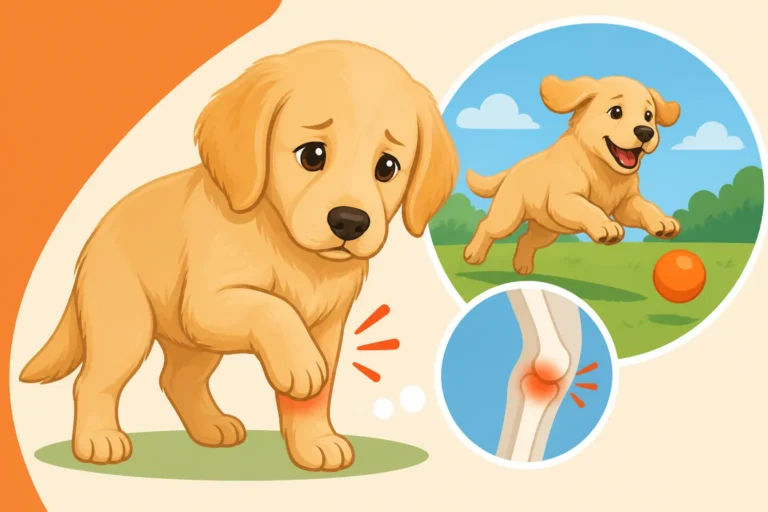
This is perhaps one of the most common ways pain expresses itself, though it might not always be a dramatic limp. You might notice your Golden is simply moving slower, less fluidly. Perhaps they're reluctant to go up or down stairs, or they hesitate before jumping onto the couch (even if they still manage it). A classic sign of hip or elbow pain, especially in younger Goldens, is a "bunny hopping" gait, where they use both back legs together to propel themselves forward, almost like a rabbit. You might also observe stiffness, particularly after resting, which seems to ease slightly once they've "warmed up."
Another subtle sign is a change in how they distribute their weight. If one leg or paw is sore, they might shift their weight to the other side, leading to an uneven stance or a slight head bob as they walk. Observing your Golden walk from different angles – from the front, back, and side – can sometimes reveal these slight asymmetries that are easy to miss during casual observation. Conditions like Golden Retriever Hip and Elbow Dysplasia Explained are unfortunately common in the breed, and these early changes in gait can be critical indicators.
Posture and Body Language
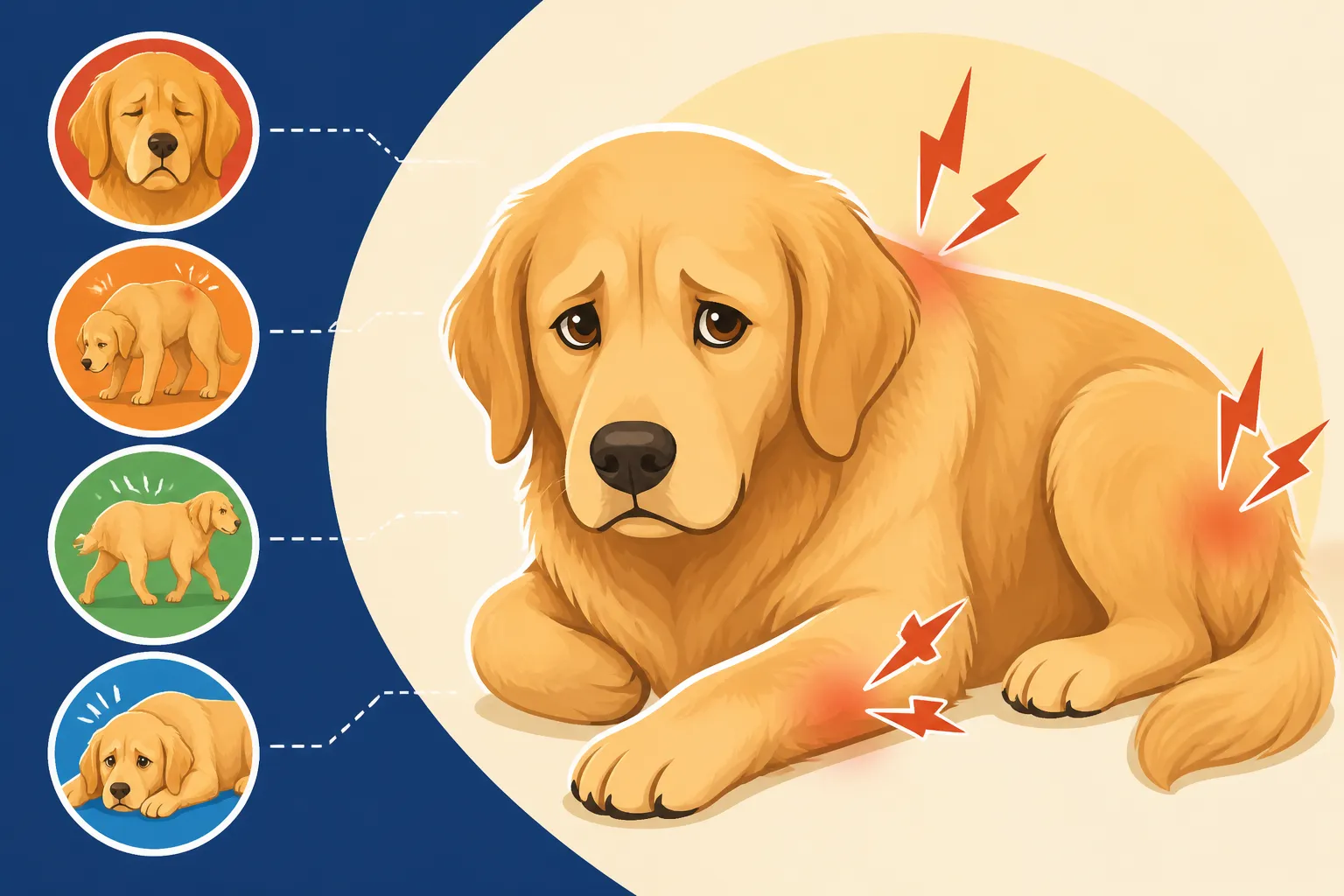
A Golden in pain might adopt unusual postures to try and relieve pressure on a sore spot. You might see a hunched back, a tucked tail, or a head held lower than usual. If they have abdominal pain, they might stand in a "prayer position" with their front paws down and their rear end elevated, a classic sign of discomfort. They might also shift their weight repeatedly when standing or lying down, constantly trying to find a comfortable position that simply doesn't exist. If your normally sprawling Golden suddenly curls up tightly or refuses to stretch out, it could be a sign they're protecting a painful area. For senior Goldens, this could be an early indicator of Signs a Golden Retriever Is Aging Early.
Furthermore, watch their eyes. Pain often manifests as narrowed eyes, a furrowed brow, or a generally duller, more distant expression. Their ears might be held back or down, not necessarily in fear, but simply as a sign of overall malaise. A stiff body, even when at rest, can also point to generalized pain or soreness throughout their muscles and joints.
Grooming and Self-Mutilation
Goldens are meticulous groomers, but excessive licking, chewing, or biting at a specific area of their body can be a huge red flag. This isn't just about itchy skin; they might be trying to soothe an underlying pain. For example, constant licking of a paw could indicate a thorn, a broken nail, or even early arthritis in a joint. Excessive licking can also lead to secondary problems like moist dermatitis, often called Golden Retriever Hot Spots and What Causes Them. If you notice a patch of fur that's constantly wet, discolored from saliva, or if they've chewed the fur away entirely, investigate immediately.
This behavior can also extend to rubbing against furniture or scratching more frequently than usual, particularly if the pain is localized to an area they can't easily reach with their mouth, such as their back or flanks. Sometimes, you might even notice a change in their coat quality over a painful area, like thinning hair or a dull patch, due to constant attention.
Changes in Breathing and Heart Rate
While these signs can be harder for an owner to pick up on without specific tools, they are important internal indicators of pain. A Golden in significant pain, especially internal or acute pain, might have an elevated heart rate. You might also notice changes in their breathing patterns. This could manifest as shallow, rapid breathing, or conversely, very deliberate, slow breaths. Panting, when it's not hot or after strenuous exercise, can be a sign of stress or pain. This is particularly relevant if the panting is accompanied by restlessness or an inability to settle.
If you observe continuous, heavy panting indoors, especially when your Golden hasn't been exerting themselves, it warrants close attention. It could signal anything from anxiety to internal pain or even a serious issue like Bloat in Golden Retrievers and the Signs Owners Miss. Monitoring these subtle physiological changes, alongside other behavioral cues, provides a more complete picture of your dog's well-being.
Behavioral and Temperamental Changes
Beyond the physical, pain can deeply affect your Golden Retriever's personality and how they interact with the world around them. These shifts can be particularly distressing for owners, as they strike at the heart of the Golden's beloved nature.
Altered Interaction and Affection
Your Golden Retriever is known for their unwavering affection, so a change in their typical interaction patterns is a significant indicator of distress. A dog in pain might become withdrawn, preferring to lie alone rather than engage in family activities. They might stop greeting you at the door with their usual exuberance, or they may flinch or growl if you try to pet a sensitive area. Conversely, some Goldens become overly clingy or seek constant reassurance from their owners, as if asking for help.
It's heartbreaking to see a normally gentle Golden snap or growl, but it's crucial to understand that this is almost always a pain response, not aggression. They're communicating that they're hurting and need space. If your Golden suddenly shies away from touch, especially from children or strangers, it's a strong signal that they might be in discomfort. Keep an eye out for how they react to their favorite toys or people. A lack of interest in what usually brings them joy is a tell-tale sign.
Appetite and Thirst Fluctuations
Changes in eating and drinking habits are often clear indicators that something is wrong. A Golden in pain might refuse their meals entirely, eat only a small portion, or show a decreased enthusiasm for food they usually adore. This can be particularly noticeable if the pain is in their mouth, jaw, neck, or abdomen. Sometimes, a dog might try to eat but then drop food or whimper. Conversely, some dogs might drink excessively if they are in pain, especially if they are running a fever or experiencing internal inflammation.
If your Golden is usually a food enthusiast, a sudden disinterest in their bowl or treats is a major red flag. Monitor their water intake as well; both increased and decreased thirst can be signs of underlying health issues. A consistent record of their eating and drinking can be helpful information to provide your veterinarian.
Sleep Disturbances
Pain rarely takes a break, and it can significantly disrupt a Golden Retriever's sleep patterns. You might notice your dog struggling to get comfortable, pacing endlessly before finally lying down, or frequently shifting positions throughout the night. They might wake up more often, or have difficulty falling into a deep sleep. Restlessness, especially during what should be quiet hours, is a common sign.
Some Goldens in pain might actually sleep more than usual, using sleep as a coping mechanism or because their body needs more rest to heal. However, this increased lethargy is usually accompanied by a reluctance to engage when awake. Pay attention to where your Golden chooses to sleep; if they abandon their favorite soft bed for a harder surface, it could be an attempt to find relief for aching joints or muscles. Conversely, an old dog with Golden Retriever Arthritis and Joint Decline might seek out extra soft bedding for comfort.
House Training Accidents
A well-house-trained Golden Retriever suddenly having accidents indoors can be incredibly frustrating, but it's often a sign of underlying pain or medical issues, not a behavioral lapse. If getting up, walking to the door, or holding their bladder/bowel causes discomfort, they might relieve themselves closer to where they are. Older Goldens with arthritis, for example, might simply not be able to hold it as long or move fast enough to get outside.
Urinary tract infections, which can be painful, also lead to increased accidents. If you notice any straining, dribbling, or changes in the color or smell of urine, it's definitely time for a vet visit. Never punish a Golden for an accident; instead, view it as a clue that they might be struggling with something physical.
Subtle Vocalizations and Unusual Sounds
While Goldens typically don't vocalize pain overtly until it's quite severe, they do have a range of subtle sounds that can indicate discomfort. Learning to distinguish these from their usual happy noises can be crucial for early detection.
Whining, Crying, and Yelping
Perhaps the most recognizable vocal signs of pain are whining, crying, or yelping. However, these aren't always loud or dramatic. You might hear soft, low whines that seem to come from nowhere, especially when your Golden is resting or shifting position. A sudden, sharp yelp if they jump, are touched in a particular spot, or try to get up can indicate acute pain. This is different from a playful yelp during roughhousing; a pain-related yelp will usually be accompanied by a startled or fearful reaction, or an immediate retreat from the activity.
It's also important to consider the context. A Golden who whines habitually when they want attention or a treat might not be in pain, but if a usually quiet dog suddenly starts to vocalize without a clear external trigger, it's worth investigating. Even a subtle, higher-pitched whine that you might initially dismiss as an attention-seeking behavior could be your dog trying to tell you something hurts.
Grunting and Groaning
These lower, guttural sounds are particularly common in older Golden Retrievers or those suffering from chronic conditions affecting their joints or spine. You might hear soft grunts or groans as they lie down, stand up, or try to adjust their position. These sounds indicate the effort and discomfort involved in moving stiff or sore body parts. It's often not an aggressive sound, but rather one of resignation or quiet struggle.
Listen closely, especially when they are transitioning from one position to another. A healthy Golden should be able to move fluidly and silently. If these grunts become more frequent or louder, it's a strong signal that their pain is increasing and warrants a veterinary assessment. Even though these sounds are often associated with aging, they shouldn't be dismissed as "just getting old" but rather as a call for help to manage their discomfort. This can be related to conditions like Golden Retriever Arthritis and Joint Decline.
Common Sources of Pain in Golden Retrievers
Given their genetics and physical build, Golden Retrievers are predisposed to several conditions that can cause significant pain. Understanding these common ailments can help you anticipate potential issues and recognize the signs more quickly.
Joint-Related Ailments
Unfortunately, joint problems are a widespread concern in the Golden Retriever breed. Golden Retriever Hip and Elbow Dysplasia Explained are conditions where the joints don't form correctly, leading to instability, grinding, and eventually, painful arthritis. Even young Goldens can experience discomfort from these issues, though symptoms often worsen with age. Signs include limping, stiffness, reluctance to exercise, difficulty getting up, and a noticeable change in gait. Early detection and management are crucial for maintaining their quality of life.
Beyond dysplasia, Goldens are prone to general Golden Retriever Arthritis and Joint Decline as they age. This degenerative joint disease can affect any joint, but hips, elbows, and spine are most common. The pain from arthritis can be chronic and debilitating, affecting their mobility and overall demeanor. Keeping your Golden at a healthy weight, as discussed in Golden Retriever Weight and Joint Damage, can significantly reduce the strain on their joints and slow the progression of these painful conditions. Many owners explore options for Managing Golden Retriever Hip Dysplasia Without Surgery through medication, physical therapy, and supplements.
Cancer and Tumors
It's a heartbreaking reality that Golden Retrievers have a very high incidence of cancer. Sadly, Cancer in Golden Retrievers and Why the Breed Is Hit Hardest is a common concern for many owners. Many types of cancer, especially bone cancers like Osteosarcoma and the Golden Retriever, can be extremely painful. These tumors often cause lameness, swelling, and a reluctance to bear weight on the affected limb. Internal tumors, even if not directly on a bone, can cause generalized pain, lethargy, and changes in appetite.
Lumps and bumps are a part of life for many Goldens, but it's vital to have any new or changing mass checked by your vet, as discussed in Lumps on a Golden Retriever That Need a Vet. While not all tumors are malignant or painful, early diagnosis is key for better outcomes. Sometimes, even seemingly benign tumors can cause pain if they're in a location that puts pressure on nerves or obstructs movement. Regular vet check-ups are paramount for early detection.
Digestive and Abdominal Pain
While often acute, digestive issues can cause severe and sudden pain in Golden Retrievers. One of the most critical and painful emergencies is Gastric Dilatation-Volvulus (GDV), commonly known as Bloat in Golden Retrievers and the Signs Owners Miss. This condition causes the stomach to twist, trapping gas and food, leading to immense pain and a life-threatening situation. Signs include restlessness, unproductive retching, a distended abdomen, and obvious distress.
Other less severe but still painful digestive issues can include pancreatitis, inflammatory bowel disease, or even simple gastric upset. Symptoms might include vomiting, diarrhea, loss of appetite, lethargy, and a hunched posture or sensitivity when touched around the abdomen. Any persistent digestive upset, especially if accompanied by signs of pain, warrants immediate veterinary attention.
When to Consult Your Veterinarian
Recognizing the signs of pain in your Golden Retriever is the first step, but knowing when to act is equally important. When in doubt, it's always better to err on the side of caution and consult with a professional.
Don't Wait for Obvious Signs
Given your Golden's tendency to hide pain, waiting for a dramatic limp or a loud yelp means the underlying issue has likely progressed significantly. If you observe any of the subtle signs discussed – a persistent change in gait, unusual posture, excessive licking, altered appetite, restlessness at night, or a change in temperament – it's time to schedule an appointment with your veterinarian. Early intervention can make a world of difference in managing pain, improving outcomes, and potentially slowing the progression of certain diseases.
Don't dismiss changes as "just old age" or "being lazy." Goldens, even senior ones, still deserve to live as comfortably and pain-free as possible. A proactive approach to their health is the best way to ensure they continue to enjoy their golden years. Remember, veterinarians are experts at identifying even the most subtle indicators of discomfort that might escape our notice. Consider how invaluable pet insurance like Healthy Paws can be in these situations, allowing you to focus on your Golden's health without financial worry when unexpected pain or illness strikes.
Preparing for the Vet Visit
When you notice signs of pain, preparation for your vet visit can significantly aid in diagnosis. Keep a journal of observations: when did the symptoms start? Are they worse at certain times of day or after particular activities? Have you noticed any specific triggers? Take videos of your Golden's altered gait, difficulty getting up, or unusual postures. Sometimes, in the sterile environment of the vet office, dogs can "perform" better, masking their symptoms. A video provides objective evidence.
Be ready to discuss your Golden's diet, exercise routine, any recent changes in their environment, and their medical history. Your veterinarian will likely perform a thorough physical examination, including palpating joints and muscles, observing their movement, and potentially recommending diagnostic tests such as X-rays, blood work, or even an MRI. This comprehensive approach, often supported by knowing that you have a plan like Healthy Paws to help cover costs, ensures the best possible care for your beloved companion. Remember, regular wellness checks, such as those covered in Why Goldens Need Vet Visits Twice a Year, also help establish a baseline for your vet, making it easier to spot deviations.
Here's a quick reference guide to help you identify and interpret common pain signals:
| Category | Specific Signs | Potential Implications |
|---|---|---|
| Movement & Posture | Limping (subtle or obvious), stiffness, reluctance to jump/climb stairs, bunny hopping, hunched back, tucked tail, "prayer position," restlessness | Joint pain (arthritis, hip/elbow dysplasia), muscle strain, back injury, abdominal discomfort, paw injury |
| Behavioral Changes | Withdrawal, decreased interaction, increased clinginess, snapping/growling when touched, loss of appetite, excessive thirst, house soiling, changes in play behavior, lethargy, decreased enthusiasm, reluctance to perform usual activities | Systemic illness, anxiety, joint pain, dental pain, abdominal pain, cancer, neurological issues, emotional distress |
| Grooming Habits | Excessive licking/chewing a specific area, fur discoloration from saliva, hot spots, self-mutilation | Localized pain (joint, muscle, skin irritation), allergies, broken nail, foreign body, nerve pain |
| Vocalizations | Soft whining, crying, yelping (especially when moving/touched), grunting, groaning when lying down/standing up | Acute pain, chronic pain (arthritis), fear, anxiety, discomfort during transitions |
| Physiological | Panting when not hot/exercising, rapid or shallow breathing, elevated heart rate (harder to detect at home) | Pain (acute or chronic), stress, fever, internal bleeding, cardiac issues, respiratory distress, bloat |
Disclaimer
The information provided in this article is for general informational purposes only and is not a substitute for professional veterinary advice. Always consult with a qualified veterinarian for any health concerns or before making any decisions related to your Golden Retriever's health or treatment.