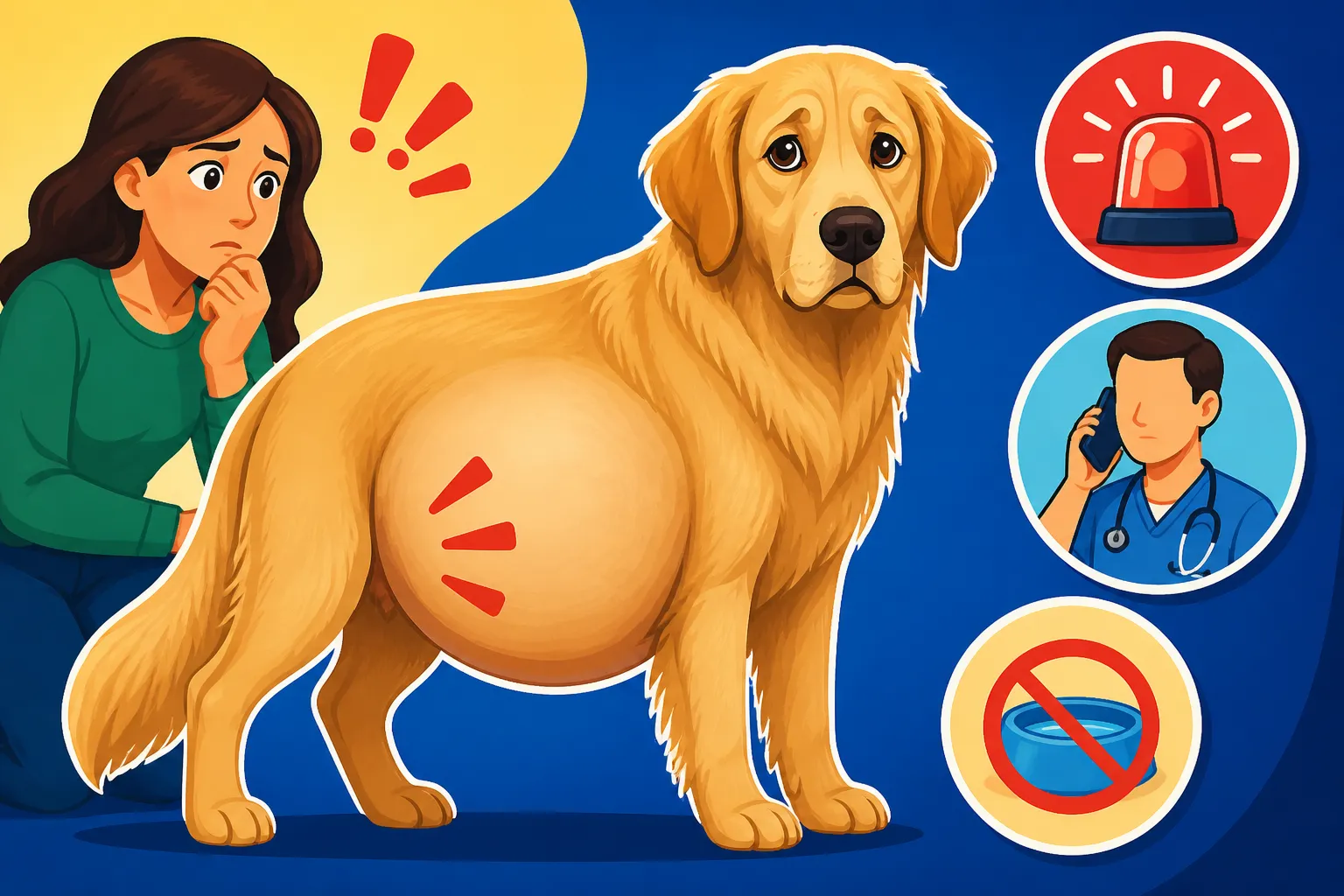
What to Do When a Golden Retriever Bloats
Few things strike fear into a Golden Retriever owner's heart quite like the possibility of bloat. One minute your beloved companion is fine, perhaps just finished a meal or a drink, and the next, they can be fighting for their life. This terrifying condition, medically known as Gastric Dilatation-Volvulus (GDV), can progress with alarming speed, and knowing what to do immediately can literally be the difference between life and death. This guide will walk you through recognizing the critical signs, the urgent steps you must take, and what to expect at the veterinary hospital, along with essential preventative measures to help protect your Golden.
Recognizing the Urgent Signs of Bloat in Golden Retrievers
Bloat isn't just an upset stomach; it's a life-threatening emergency where a dog's stomach fills with gas and can then twist upon itself, cutting off blood supply and causing rapid deterioration. Golden Retrievers, with their deep chests, are unfortunately among the breeds at higher risk. Owners often kick themselves for missing early signs, but the truth is, GDV can be incredibly deceptive in its onset.
The Silent Start: Subtle Early Indicators
Sometimes, the initial signs of bloat are so subtle, they're easy to dismiss as just a little indigestion. Your Golden might seem a bit restless, pacing around the house, unable to settle into a comfortable position. You might notice them drooling more than usual, or perhaps they’ll make repeated attempts to vomit without actually bringing anything up – this is often described as "retching" or "dry heaving." It’s a gut-wrenching sound and sight because you know they're trying, but nothing is coming out. They might also appear anxious, looking at their flank, or generally just "off." Don't underestimate these small cues; they're your early warning system. Many Golden Retriever owners notice their dog seems uneasy, unable to relax, even before any obvious abdominal distension. If your dog seems uncomfortable after eating or drinking, especially if they are a fast eater, pay very close attention.
Visible Symptoms: The Expanding Abdomen and Distress
As bloat progresses, the signs become much more apparent and alarming. The most defining symptom is a visibly distended abdomen, especially on the left side, right behind the ribs. It will feel hard and tight, like a drum. This distension can develop shockingly quickly. Your Golden might stand with an arched back, indicating significant abdominal pain. Their breathing might become labored and shallow, or rapid as they struggle to get enough oxygen. Their gums may appear pale or even blueish if their circulation is severely compromised. They might collapse, become weak, or even go into shock. At this stage, your dog is in extreme distress, and there is no time to spare. The sight of a beloved Golden Retriever in such severe pain is unforgettable and truly terrifying. These visible signs demand immediate, emergency veterinary intervention, as detailed in our guide on Bloat Risk in a Deep-Chested Golden.
Here's a quick reference table for identifying bloat symptoms and their urgency:
| Symptom Category | Specific Symptoms | Urgency Level | What to Do |
|---|---|---|---|
| Early/Subtle | Restlessness, pacing, anxiety, excessive drooling | High | Observe closely, prepare for vet visit |
| Moderate | Repeated unsuccessful attempts to vomit (retching/dry heaving) | Critical | Call emergency vet immediately, head there now |
| Whining, looking at flank, apparent abdominal discomfort | Critical | ||
| Severe/Obvious | Hard, visibly distended abdomen (especially left side) | EMERGENCY | Rush to emergency vet, this is life-threatening |
| Labored or rapid breathing, shallow breaths | EMERGENCY | ||
| Pale or blue-tinged gums, weak pulse | EMERGENCY | ||
| Weakness, collapse, unable to stand | EMERGENCY |
Immediate Actions to Take When Bloat is Suspected
When you suspect bloat, panic is a natural reaction, but it’s crucial to channel that energy into swift, decisive action. Every minute counts, and hesitation can have devastating consequences.
Contacting Your Emergency Veterinarian STAT
The very first thing you need to do, without delay, is call your emergency veterinary clinic. Do not call your regular vet if it’s outside of normal business hours, as you'll waste precious time being redirected. Look up the number for the nearest 24-hour emergency vet right now, if you don't already have it saved in your phone. When you call, state clearly and calmly that you suspect your Golden Retriever has bloat (GDV). This will alert them to the severity of the situation and allow them to prepare for your arrival. They might advise you on immediate steps, like how to best transport your dog or what to expect once you arrive. Having a plan and a number on hand is essential for any Golden Retriever owner, as emergencies can arise unexpectedly, and the costs can be significant, which is why many owners consider pet insurance from providers like Healthy Paws.
For example, if you're in the Los Angeles area, you might call institutions like the VCA Animal Specialty & Emergency Center or ACCESS Specialty Animal Hospitals. In other regions, a quick search for "24-hour emergency vet near me" should yield several options. Time is truly of the essence; delaying this call can drastically reduce your dog's chances of survival.
Safe Transport to the Veterinary Clinic
Once you've made the call, getting your Golden Retriever to the clinic safely and as comfortably as possible is your next priority. If your dog is able to walk, guide them carefully to your car. If they are weak or unable to stand, you may need assistance. A large towel or blanket can be fashioned into a makeshift stretcher for smaller dogs, but for a Golden, you might need a stronger solution, perhaps a sturdy board or even a heavy-duty wagon if one is accessible. Be gentle, as moving a dog with bloat can cause immense pain and further stress. Avoid any movements that might put pressure on their abdomen. Keep them as still and flat as possible in the car. Having a second person to help monitor your dog during the drive and keep them calm can be invaluable. Even though your mind will be racing, try to maintain a calm demeanor; your dog can pick up on your anxiety, which could exacerbate their stress. Understanding Signs a Golden Retriever Is in Pain can help you be even more gentle during transport.
Understanding Veterinary Care for a Golden Retriever with Bloat
Once you arrive at the emergency clinic, a team of dedicated veterinary professionals will take over. The initial focus will be on stabilizing your dog and confirming the diagnosis.
Diagnostic Procedures and Initial Stabilization
Upon arrival, the veterinary team will immediately assess your Golden's condition. This typically involves checking vital signs, like heart rate, respiration, and gum color. Blood tests might be drawn to check for organ damage and overall health. The definitive diagnostic tool for GDV is an X-ray of the abdomen. This imaging will confirm if the stomach is dilated with gas and, crucially, if it has twisted (volvulus).
Simultaneously, the vets will begin efforts to stabilize your dog. This usually includes administering intravenous (IV) fluids to combat shock and maintain blood pressure, as well as pain medication to alleviate their severe discomfort. They may also attempt to decompress the stomach by carefully inserting a tube down the esophagus and into the stomach to release the trapped gas. If this isn't possible, or if the stomach is severely twisted, a large needle (trocar) might be used to puncture the stomach from outside the body to relieve pressure, a temporary measure to allow the dog to be stable enough for surgery. This initial phase is critical to prepare your dog for the intensive treatment required.
Emergency Surgery: Gastric Dilatation Volvulus Correction
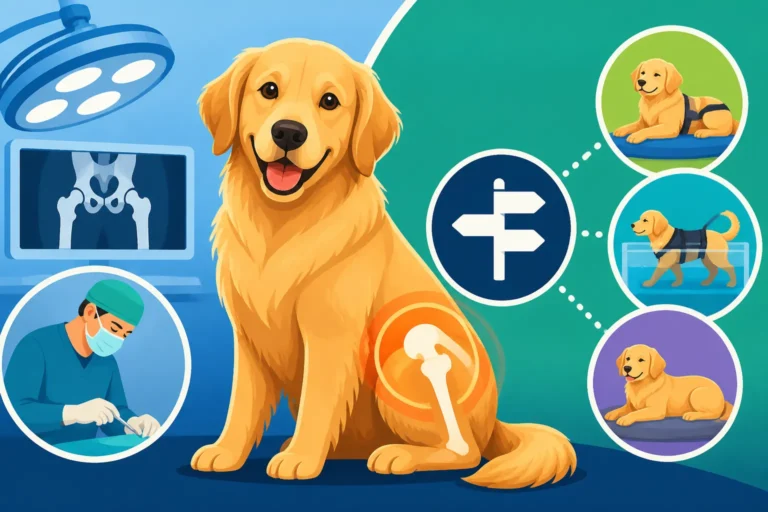
If GDV is confirmed and your Golden Retriever is stable enough, emergency surgery is the only definitive treatment. This is a major, life-saving operation. During the surgery, the veterinary surgeon will carefully de-rotate the stomach, returning it to its normal position. They will then assess the stomach and spleen for any damage caused by the lack of blood flow. In some severe cases, portions of the stomach or spleen that have died due to ischemia may need to be removed.
A crucial part of the surgery, especially for Golden Retrievers, is a procedure called gastropexy. This involves surgically attaching the stomach to the abdominal wall. The goal of a gastropexy is not to prevent bloat (the stomach still can dilate with gas), but to prevent the stomach from twisting again (the volvulus component). This significantly reduces the risk of recurrence, which is incredibly high without the procedure. While an emergency can be financially daunting, a good pet insurance plan from a company like Healthy Paws can make these critical decisions less stressful, helping to cover a substantial portion of the Emergency Bloat Surgery Costs for a Golden. It's a heavy thought to consider, but this surgery is often the best, and only, path to survival.
Post-Operative Care and Recovery
After such an intensive surgery, your Golden Retriever will require careful post-operative care, often in the intensive care unit (ICU). They will be closely monitored for complications such as arrhythmias (irregular heartbeats), peritonitis (inflammation of the abdominal lining), and further organ damage. Pain management will continue, and they will likely have an IV drip for fluids and medication.
You can expect your Golden to be hospitalized for several days, depending on the severity of their condition and how well they recover. During this time, the veterinary team will gradually reintroduce small amounts of water and then bland food. Once they are home, you will need to continue a regimen of pain medication, antibiotics, and strict activity restrictions for several weeks. Their diet may also need to be adjusted permanently, favoring smaller, more frequent meals. Full recovery can take time, but with vigilant care and following your vet's instructions, many Golden Retrievers go on to live full, happy lives after surviving GDV. Your vet will provide a detailed plan, including when you can start increasing activity and what specific dietary changes might be best. Knowing about Why Goldens Need Vet Visits Twice a Year underscores the importance of ongoing professional guidance, especially after a major medical event like bloat surgery.
Preventing Future Episodes of Bloat in Your Golden Retriever
While bloat can't be entirely eliminated as a risk, especially in deep-chested breeds like Golden Retrievers, there are several proactive steps you can take to significantly reduce the chances of it happening again or even happening in the first place.
Dietary and Feeding Modifications
One of the most effective ways to lower the risk of bloat is by adjusting your Golden's feeding routine. Instead of feeding one large meal a day, break their daily food allowance into two or three smaller meals. This reduces the amount of gas and food sitting in the stomach at any one time. Using a slow-feeder bowl or placing a large, clean rock in their regular bowl can slow down fast eaters, preventing them from gulping air along with their food. Raised food bowls were once thought to help prevent bloat, but current research suggests they may actually increase the risk in certain breeds. It's generally recommended to feed from ground level unless your vet specifically advises otherwise for a different medical reason.
Crucially, avoid vigorous exercise immediately before or after meals. Give your Golden at least an hour of rest before and after eating to allow their stomach to digest without excessive movement. Ensure they always have access to fresh water, but try to prevent them from guzzling large amounts of water all at once, especially after exercise or a meal. If your Golden tends to drink very quickly, consider offering smaller, more frequent water breaks. Changing food types should be done gradually to avoid digestive upset, as sudden changes might contribute to bloat risk. You might also want to look into Whether Raised Bowls Cause Bloat in Goldens for more detailed information on feeding setups.
Prophylactic Gastropexy
For Golden Retrievers considered at high risk for bloat, a prophylactic gastropexy is a preventative surgical option. This elective procedure is often performed at the same time as spaying or neutering when the dog is already under anesthesia, making it a less invasive and often more cost-effective choice than an emergency surgery. During a prophylactic gastropexy, the stomach is permanently tacked to the abdominal wall, just as in the emergency procedure, preventing it from twisting.
While it doesn't stop the stomach from dilating with gas, it effectively eliminates the life-threatening volvulus component. This can offer immense peace of mind for owners, knowing they've drastically reduced the risk of a fatal GDV episode. It's a decision to discuss thoroughly with your veterinarian, weighing the risks and benefits for your individual Golden, especially considering factors like their age, overall health, and the breed's predisposition. Many owners find the investment worthwhile, and, again, pet insurance plans from companies like Healthy Paws often offer coverage for preventative procedures like this, or at least for the emergency surgery should bloat occur despite preventative measures. Learning about Spaying and Neutering Timing for Goldens is also relevant, as it can be an opportune time for this preventative surgery.
Environmental and Lifestyle Considerations
Beyond diet and surgery, a few other lifestyle adjustments can contribute to a lower bloat risk. Minimize stress for your Golden Retriever, as stress can sometimes play a role in digestive issues. Provide a calm eating environment away from other pets or disruptions. Ensure your dog has a consistent routine, which can help reduce anxiety. Regular, moderate exercise is important for overall health, but as mentioned, timing it correctly around meals is key. Avoid high-stress situations or vigorous play right after your Golden has eaten or drunk a lot of water.
Supervise your dog during playtime, especially if they tend to ingest objects or eat grass rapidly, as this can introduce excessive air into the stomach. While not a direct cause, some anecdotal evidence suggests certain types of food, like those with very high fat content or those that expand greatly with water, might be problematic for some dogs. Discuss any dietary concerns with your vet, and read our in-depth guide on Choosing Dog Food for a Golden Retriever. Always ensure your Golden stays hydrated, but again, in a controlled manner. By combining these preventative strategies, you can significantly empower yourself to protect your beloved Golden Retriever from the devastating impact of bloat.
Disclaimer
The information provided in this guide is for informational purposes only and does not constitute veterinary medical advice. Always consult with a qualified veterinarian for any health concerns or before making any decisions about your pet's health or treatment. In cases of suspected bloat, immediate veterinary attention is critical.