Golden Retriever Retrieving Instinct and How to Use It
If you're a Golden Retriever owner, you know the feeling: you walk in the door and suddenly, your dog is presenting you with a shoe, a favorite toy, or even a crumpled sock, tail wagging furiously. It's not just a cute quirk; it's a deep-seated instinct, a part of their very being. This guide is all about understanding that powerful retrieving drive, how it shaped the breed, and most importantly, how you can channel it into joyful, productive activities that strengthen your bond and keep your beloved Golden happy and engaged.
Understanding the Golden Retriever's Core Instinct: The Drive to Retrieve
The Golden Retriever isn't just a friendly face; they are purpose-bred athletes with an undeniable, inherent drive to retrieve. This isn't something they learn from scratch; it's woven into their genetic code, a trait meticulously cultivated by their originators. To truly appreciate your Golden's enthusiastic offerings, you have to look back at where they came from and what they were designed to do. It puts their daily habits into a whole new light.
A History Rooted in Retrieval: From Game to Goodies
Imagine the Scottish Highlands in the mid-19th century. Bird hunting was a popular pastime, but the existing retriever breeds weren't quite cutting it. They were either too rough with downed game or struggled to navigate the diverse terrain. This is where Lord Tweedmouth, a Scottish aristocrat, stepped in. He had a vision for a dog that could not only locate and bring back game but do so gently and reliably, regardless of the environment. His careful breeding program, beginning with a yellow Wavy-Coated Retriever named Nous and a Tweed Water Spaniel named Belle, laid the foundation for the Golden Retriever we know and love today.
The progeny of Nous and Belle, and subsequent careful crosses with Irish Setters and more Tweed Water Spaniels, solidified the retrieving instinct. These dogs were selected specifically for their ability to retrieve shot game, both on land and in water, without damaging it. They needed intelligence, biddability, and an unwavering desire to please their handler, all traits that made them excellent working companions. So, when your Golden brings you your mail, they're not just being silly; they're fulfilling a deeply ingrained historical purpose, a living testament to their heritage. It’s an echo of the past, right there in your living room.
The "Soft Mouth" Advantage: Why Goldens Don't Crush Things
One of the most remarkable and defining characteristics of the Golden Retriever is their "soft mouth." This isn't just a charming phrase; it's a critical genetic trait that was deliberately bred into them. A dog with a soft mouth can pick up and carry delicate items—like a freshly shot bird—without biting down too hard, leaving it undamaged. For a Golden, this means they can carry an egg, a baby chick, or even a fragile glass ornament without breaking it. You can see this in action if you've ever watched a Golden gently take a treat from your hand with barely a touch of their teeth.
This ability stems from a combination of genetics and early training. While the predisposition is there, good breeders and early puppy experiences reinforce this gentle handling. It's why Goldens are so often chosen as therapy or service dogs; their innate desire to carry things is paired with the careful control to do so without harm. They instinctually understand the pressure needed, a far cry from breeds that might inadvertently damage what they retrieve. This soft mouth is a gift, allowing them to participate in many activities safely and effectively. Why Golden Retrievers Have Soft Mouths delves deeper into this fascinating trait.
More Than Just Fetch: The Psychological Aspects of Retrieving
While "fetch" is the classic expression of the retrieving instinct, it's actually much more than just a game. For a Golden Retriever, retrieving is a complex behavioral pattern that taps into their innate drives for cooperation, problem-solving, and bonding. When they retrieve, they are actively engaging in a partnership with you, fulfilling their purpose, and earning your approval—which, for a Golden, is a huge motivator. It provides a sense of accomplishment and reinforces their place within the "pack."
Consider the joy on their face when they successfully bring back a toy or a ball. That's not just excitement; it's deep satisfaction. It's a mental workout as much as a physical one, requiring focus, memory, and an understanding of cues. Neglecting this instinct can lead to boredom, frustration, and even undesirable behaviors as your Golden tries to find an outlet for this powerful drive on their own. By understanding and embracing this core aspect of their psychology, you unlock a deeper connection and provide a rich, fulfilling life for your companion.
Recognizing the Signs of a Strong Retrieving Drive in Your Golden
Observing your Golden Retriever's behavior closely will quickly reveal the strength of their retrieving drive. It manifests differently at various life stages, but the underlying impulse is almost always present. From puppyhood to their senior years, Goldens offer clear signals that they are just waiting for an opportunity to bring you something. Being attuned to these signs allows you to redirect and encourage appropriate retrieving behaviors from the start.
The Puppy Stages: Nipping, Carrying, and Mouthing Everything
Golden Retriever puppies are notoriously mouthy. While some of this is typical puppy exploration and teething, a significant portion stems from their budding retrieving instinct. They will mouth your hands, clothing, and anything else within reach, not necessarily with aggression, but with a desire to hold and carry. This is their soft mouth developing, and they’re figuring out how to use it. They might pick up socks, small toys, or even your wallet and trot off with it, not to chew, but to possess and perhaps present.
This is a critical time to start channeling that instinct positively. Instead of scolding them for mouthing, redirect them to appropriate chew toys or soft retrieval items. Encourage them to carry specific items, praising them when they do so gently. This early intervention is crucial for Stopping a Golden Retriever Puppy From Biting and shaping their retrieving habits. Ignoring this stage can lead to more problematic behaviors later on, as an unchanneled drive often finds its own, sometimes less desirable, outlets.
The Adolescent Enthusiast: Bringing You All the Things
As your Golden moves into adolescence (roughly 6 months to 2 years), their retrieving instinct often intensifies and becomes more deliberate. They're no longer just randomly mouthing things; they are actively seeking items to bring to you. You might find a collection of toys at your feet when you sit down, or they might greet you at the door with a treasured object in their mouth, eager for your attention. This "gift-giving" behavior is a classic Golden trait, a way of initiating interaction and showing affection.
During this phase, they're also testing boundaries and developing their confidence. Their retrieving might become more boisterous. They might snatch things they shouldn't, not out of malice, but because they want to retrieve them for you (or keep them). This is where consistent training becomes paramount. Reinforce polite retrieving, teach "drop it" and "leave it," and ensure they have plenty of appropriate toys. This is also a good time to introduce Fetch Games That Tire a Golden Retriever and other structured retrieval play, helping to burn off that adolescent energy constructively.
Adult Manifestations: Consistent Carriers and Fetch Fanatics
By adulthood, a Golden Retriever's retrieving drive is typically well-established. They become consistent carriers, often choosing a favorite toy or object to hold while they greet you, relax, or move around the house. For many adult Goldens, fetch becomes less a game and more a way of life. They might bring you a ball repeatedly, dropping it at your feet with an expectant look, ready for the next toss. Their enthusiasm is boundless, and their focus on the task is impressive.
In some adult Goldens, the retrieving drive can be so strong that they become almost obsessive about it. They might pace with a toy, constantly seeking someone to engage in a game. This is a sign that their need for mental and physical stimulation through retrieval is high. For these dogs, simple fetch might not be enough. Exploring more advanced forms of retrieval or even competitive dog sports can provide the necessary outlet and keep them fulfilled, ensuring that their powerful instinct is a source of joy, not frustration.
Harnessing the Instinct for Everyday Life and Training
The Golden Retriever's retrieving instinct isn't just for fun; it's a powerful tool for training and enhancing their daily life. By understanding how to properly channel this natural drive, you can build a more obedient, engaged, and well-mannered companion. It turns a core breed trait into a foundation for communication and teamwork.
"Bring It": The Foundation of Controlled Retrieval
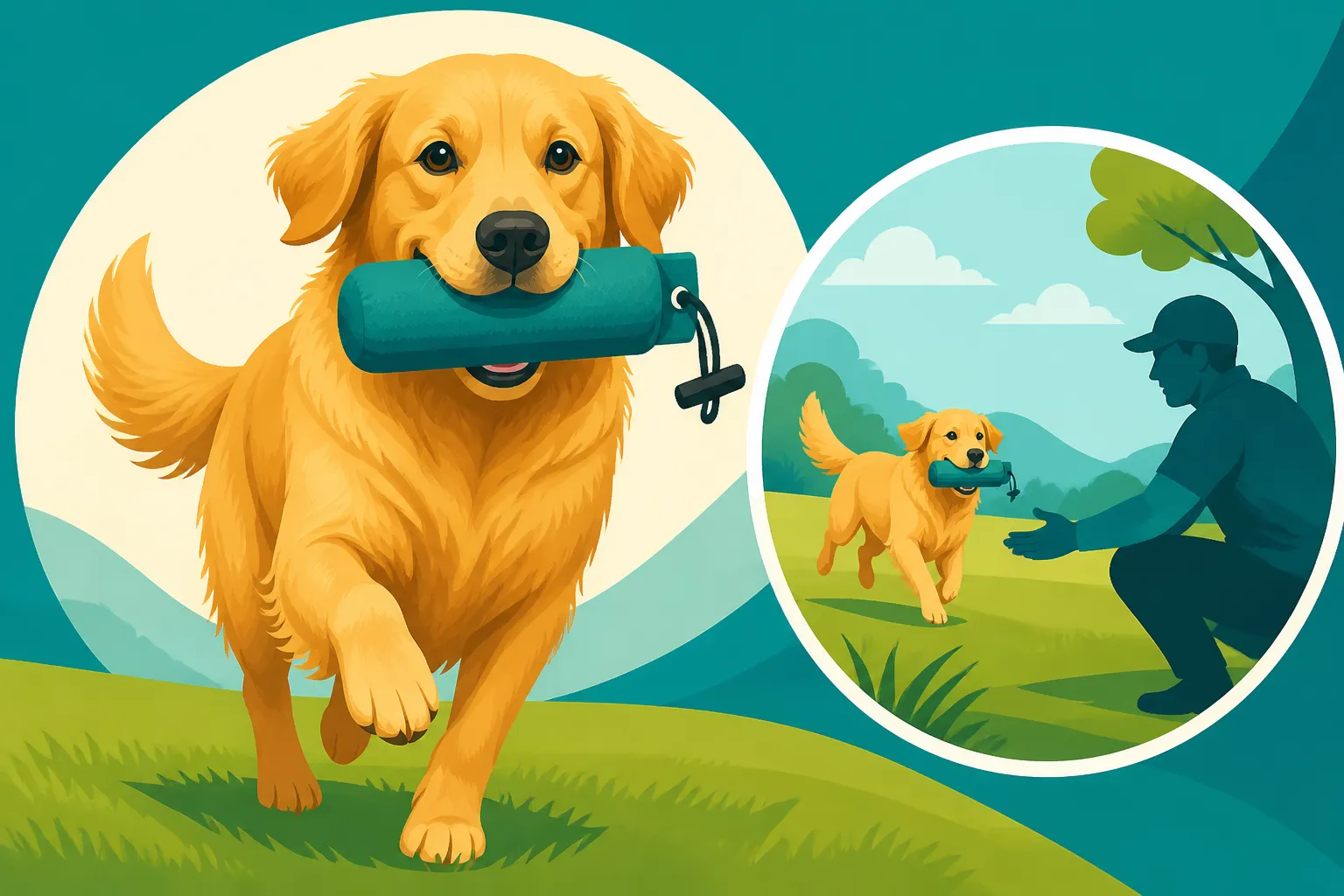
Teaching your Golden the "bring it" or "fetch" command is fundamental. It transforms their natural inclination to pick up objects into a controlled, purposeful action. Start with high-value, easy-to-grab toys in a low-distraction environment. Toss the item a short distance, encourage them to pick it up, and then use an excited voice and hand gestures to lure them back to you. When they get close, offer a treat or praise, then encourage them to drop the item into your hand. This is often where "drop it" comes in, which we'll discuss next.
Consistency is key. Always make it a positive experience, rewarding them heavily for bringing the item to you, rather than running off with it. As they understand the concept, gradually increase the distance and introduce more varied objects and environments. This command is more than just a party trick; it's a building block for advanced training, helping your Golden understand that bringing things to you is always rewarding. It also helps with Golden Retriever Recall and Off-Leash Reliability as they learn to come back to you even with exciting items.
Teaching "Drop It" and "Leave It" for Safety and Manners
While "bring it" encourages your Golden to pick things up, "drop it" and "leave it" are equally, if not more, important for safety and good manners. Goldens, with their love for carrying things, sometimes struggle with letting go, especially if they perceive the item as high value.
"Drop It": Start by having your Golden hold a less valuable toy. Then, offer a high-value treat right at their nose. The moment they open their mouth to take the treat, say "drop it," and praise them as the toy falls. Immediately give them the treat. Repeat this many times. The goal is for them to associate the verbal cue with releasing the item, knowing that something even better is coming. Over time, you can fade the treat by offering praise or a different, equally fun toy. This skill is vital for preventing resource guarding and ensuring you can retrieve an object from them safely.
"Leave It": This command teaches your Golden not to pick up an item in the first place. Begin with a treat or toy on the floor, covered by your hand. Say "leave it," and when your Golden looks away from the item (even for a split second), reward them with a different, high-value treat from your other hand. Gradually, expose the item for longer periods, always rewarding them for not touching it. This command is invaluable for preventing them from picking up dangerous objects on walks or undesirable items around the house. Mastering "leave it" is a cornerstone of impulse control and helps manage Golden Retriever Counter Surfing and Food Stealing.
Integrating Retrieval into Daily Routines and Chores
The retrieving instinct can be incredibly useful beyond just playtime. Many Goldens absolutely love having a job to do, and incorporating retrieval into daily routines provides mental stimulation and reinforces their helpful nature. Think about simple tasks where they can assist. For instance, after bringing in the mail, you can teach them to carry it from the mailbox to a designated spot inside the house.
Consider teaching them to retrieve specific items: "Bring me your leash," "Get your toy box," or "Where's the remote?" (Okay, maybe not the remote unless you have a truly soft-mouthed, reliable Golden!). Start with one or two items, using positive reinforcement. Hold the item, say its name, and encourage them to take it gently. Then, guide them to a "drop off" spot. Over time, they can learn to differentiate between several items. This kind of mental engagement provides excellent Mental Enrichment for a Bored Golden Retriever and deepens the bond between you by making them feel like a valued, contributing member of the household. It’s not just a cute trick; it’s genuine teamwork.
Beyond Basic Fetch: Advanced Retrieval Games and Activities
While a simple game of fetch can be incredibly satisfying for a Golden Retriever, their intelligence and profound retrieving drive mean they're capable of so much more. There's a whole world of advanced retrieval games and activities that can challenge their minds, hone their skills, and provide immense joy. These activities tap into different aspects of their natural abilities, pushing them beyond just bringing a ball back.
Scent Work and Hide-and-Seek: Engaging Their Noses
Golden Retrievers have an incredible sense of smell, another trait honed by their hunting heritage. Combining this with their retrieving instinct opens up a fantastic avenue for mental and physical enrichment: scent work. Instead of just throwing an item, try hiding it and having them find it. Start simple by placing a favorite toy just out of sight and encouraging them to "find it." Use enthusiastic praise when they succeed.
As they get better, hide the item in more challenging locations—under a blanket, behind a door, or even in another room. You can also introduce specific scents using scent training kits (often found on Amazon). Teach them to find a particular scented object and bring it back to you. This game, essentially a sophisticated version of hide-and-seek, provides immense mental stimulation. It not only exercises their retrieving drive but also their powerful nose, making for a truly tired and content Golden.
Dock Diving and Water Retrieval: Goldens in Their Element
It's no secret that many Golden Retrievers adore water. Their lineage as water retrievers means they are often naturals in the pool, lake, or ocean. Dock diving is a fantastic sport that combines their love for water, their retrieving drive, and their athleticism. It involves dogs running down a dock and leaping into a pool of water to retrieve a toy, with distance or height being measured. The sheer exhilaration on a Golden's face as they fly through the air after a toy is something to behold.
Even if competitive dock diving isn't your goal, incorporating water retrieval into their exercise routine is hugely beneficial. Throwing a floating toy into a pond or calm lake allows them to swim, retrieve, and burn energy in a low-impact way, which is great for their joints. Just ensure safety first: use a dog-friendly life vest, especially in open water, and always supervise. Swimming as Exercise for a Golden Retriever offers more insights into safe water play. Water retrieval is truly where many Goldens feel most alive and connected to their roots.
Field Trials and Hunt Tests: Competitive Outlet for the Instinct
For those Golden Retriever owners who want to fully embrace and challenge their dog's retrieving heritage, field trials and hunt tests offer a structured, competitive outlet. These events simulate hunting scenarios, requiring dogs to mark fallen birds (or training dummies), remember their locations, navigate challenging terrain, and bring them back gently to the handler. They are judged on their natural abilities, training, and style.
There are different levels, from beginner "Started" tests to advanced "Master" hunter titles, and the journey through them is incredibly rewarding. It demands immense focus, obedience, and teamwork from both dog and handler. Participating in these sports truly honors the Golden Retriever's original purpose and allows them to perform the tasks they were bred for. It's an intense form of mental and physical exercise that showcases the breed's intelligence and athleticism. It requires significant commitment but builds an unparalleled bond through shared endeavor and achievement. Golden Retriever Obedience Titles and Sports provides more details on various canine activities.
Common Challenges and How to Address Them
While the Golden Retriever's retrieving instinct is generally a wonderful trait, it can sometimes lead to specific behavioral challenges if not properly managed. Understanding these potential pitfalls and having strategies to address them ensures that the retrieving drive remains a source of joy, not frustration.
Resource Guarding Related to Retrieved Items
One challenge that can arise with a strong retrieving drive is resource guarding. This occurs when a dog becomes possessive of an item, growling, snapping, or otherwise communicating that they don't want you or another animal to take it. With Goldens, this can sometimes happen with a retrieved toy, especially if it's high-value. While Goldens are generally good-natured, resource guarding is a natural instinct in all dogs, and it's essential to address it proactively.
The key is to teach your Golden that people approaching their items (or even taking them) always leads to something positive. Practice trading: offer a high-value treat in exchange for the item, then give the item back. Make sure the "trade" is always better than what they currently have. Never punish them for guarding, as this can escalate the behavior. Instead, consistently show them that you are not a threat and that sharing is rewarding. Working on a strong "drop it" command is also crucial here. If you notice signs of Golden Retriever Resource Guarding, seeking guidance from a professional trainer experienced in positive reinforcement methods is highly recommended.
Excessive Mouthing or Destructive Chewing
As mentioned earlier, Golden Retriever puppies are very mouthy. If this isn't properly redirected, it can persist into adolescence and even adulthood, leading to excessive mouthing of hands or clothing, or even destructive chewing. While their soft mouth means they rarely intend harm, a large adolescent Golden "mouthing" your arm can still be uncomfortable and inappropriate.
The solution involves consistent redirection and providing appropriate outlets. Always have a variety of sturdy chew toys readily available. When your Golden tries to mouth you, immediately redirect them to an acceptable chew toy. Praise them heartily when they choose the toy. For destructive chewing, ensure they are getting enough mental and physical exercise. A bored Golden is often a destructive chewer. Consider puzzle toys, sniff games, and plenty of structured play sessions. Make sure forbidden items are out of reach. Companies like BAXTER & Bella offer excellent online resources and courses that can guide you through these training challenges with positive, effective methods.
The "Refusal to Drop" Predicament
You've thrown the ball, your Golden has enthusiastically retrieved it, but then… they keep it. They might run off, play keep-away, or just stand there, tail wagging, but absolutely refusing to release the item. This "refusal to drop" is a common and frustrating issue for many Golden owners, especially during adolescent phases when Goldens can become a bit more stubborn or "selective" in their obedience.
This often stems from a lack of a strong "drop it" command, or because the dog has learned that keeping the item prolongs the game or gets them attention. To address this, go back to basics with "drop it," making sure the reward for dropping is always high value (a super tasty treat, or immediately re-throwing a different toy). Avoid chasing them, as this often reinforces the game of keep-away. If they refuse to drop, calmly walk away for a moment, signaling that the game is over until they comply. Using a long line in an open area can help you regain control without chasing. Remember, patience and consistency will teach them that dropping the item leads to more fun, not the end of it.
Tools and Aids to Support Your Golden's Retrieving Instinct
Equipping yourself with the right tools and knowing where to find help can make a huge difference in successfully channeling your Golden Retriever's retrieving instinct. From the actual objects they retrieve to expert guidance, these aids enhance the training experience and ensure a happy, engaged dog.
Choosing the Right Retrieval Toys
Not all toys are created equal when it comes to Golden Retrievers and their retrieving drive. Durability is key, as Goldens can be enthusiastic chewers, even with their soft mouths. Consider materials that are safe, non-toxic, and can withstand repeated fetching and mouthing.
Here's a quick guide to choosing effective retrieval toys:
| Toy Type | Description | Benefits | Considerations |
|---|---|---|---|
| Rubber Balls | Durable, bouncy, often float. Brands like Kong or Chuckit! are popular. | Excellent for fetch, outdoor play, easy to clean, can be chewed without quick destruction. | Ensure size is appropriate to prevent choking. |
| Floating Toys | Specifically designed to stay afloat in water, often brightly colored. | Ideal for water retrieval, highly visible for easy spotting. | Check for durability if your Golden is a strong chewer. |
| Soft Dummies | Canvas or synthetic fabric "birds" or "bumpers." | Mimic real game, excellent for field training, gentle on teeth, satisfying to carry. | May not withstand heavy chewing, can get soggy if used extensively in water. |
| Rope Toys | Made from braided cotton or synthetic rope. | Good for tug (as a reward after retrieval), some can act as dental floss. | Can unravel and be ingested; supervise use. Not ideal for delicate retrieval work. |
| Puzzle Toys | Dispense treats when manipulated. | Provide mental stimulation, can incorporate retrieving by having them "find" the dropped treat. | Supervision needed to prevent destruction; not primarily for fetch. |
For many of these, you can find a wide selection on Amazon, making it easy to experiment with what your Golden loves best. Remember, rotate toys to keep things fresh and exciting, and always supervise playtime, especially with new toys, to ensure safety.
Training Aids and Online Resources
Beyond physical toys, various training aids and resources can greatly assist in harnessing your Golden's retrieving instinct. A long line (a lightweight, extra-long leash) is invaluable for practicing recall and "drop it" in open spaces, allowing you to maintain control without chasing. Clickers can also be fantastic for marking desired behaviors precisely during retrieval training, giving your Golden clear feedback the moment they do something right.
For comprehensive guidance, online training platforms and courses are a treasure trove. Services like BAXTER & Bella provide structured, positive reinforcement training programs that cover everything from basic puppy manners to advanced obedience, including specific modules on recall and retrieving. These resources often include video tutorials, live Q&A sessions, and a supportive community, allowing you to learn at your own pace from home. They can be particularly helpful for breaking down complex behaviors into manageable steps.
Professional Guidance and Community Support
Sometimes, you might hit a snag, or your Golden's retrieving instinct manifests in a way that feels challenging to manage alone. Don't hesitate to seek professional guidance. A certified professional dog trainer or a behaviorist specializing in positive reinforcement can assess your dog's specific needs and create a tailored training plan. They can help with issues like persistent refusal to drop, resource guarding, or channeling very high drives into appropriate activities like competitive sports.
Connecting with other Golden Retriever owners, either through local breed clubs, online forums, or social media groups, can also provide invaluable support and advice. Sharing experiences, tips, and even finding training buddies can make the journey more enjoyable and less overwhelming. Many Golden Retriever clubs offer opportunities for members to participate in hunt tests, obedience trials, or simply organized group walks, providing a great way to socialize your dog and continue their training in a fun, supportive environment.
The Lifelong Joy of a Retrieving Golden
Embracing and encouraging your Golden Retriever's retrieving instinct is more than just managing a breed characteristic; it's about unlocking a source of profound joy and connection that lasts a lifetime. This powerful drive, so fundamental to who they are, offers countless opportunities for enrichment and partnership.
Mental and Physical Benefits of Retrieval Play
Retrieval play, in its many forms, offers a holistic approach to your Golden's well-being. Physically, it provides excellent cardiovascular exercise, helps maintain a healthy weight, and builds strong muscles. Whether it's chasing a ball across a field, swimming after a dummy, or navigating an agility course, these activities keep their bodies fit and agile, helping to prevent issues like Golden Retriever Weight and Joint Damage and supporting their overall longevity.
Mentally, the benefits are just as significant. Retrieval requires focus, problem-solving, and decision-making. It prevents boredom, which is a common cause of destructive behavior in intelligent breeds. A Golden who is regularly engaged in mentally stimulating retrieval games is a happier, calmer, and more content dog. It satisfies their innate need for purpose and work, channeling their energy into productive and fulfilling activities.
Strengthening the Bond Through Shared Activity
Perhaps the most beautiful aspect of a retrieving Golden is the way it deepens the bond between you and your dog. Every successful retrieve, every shared moment of play, every new skill learned together, builds trust, communication, and mutual understanding. When you engage in activities that tap into their natural instincts, you are speaking their language, acknowledging and celebrating who they are at their core.
This shared activity creates a partnership, a team where you both have roles and goals. It's in these moments—the triumphant return of a soggy tennis ball, the gentle placement of a retrieved slipper in your hand, or the focused search for a hidden toy—that the true magic of owning a Golden Retriever comes alive. Their retrieving instinct isn't just a quirk; it's an invitation to a lifetime of joyful engagement, a powerful reminder of the incredible history and purpose embedded within this remarkable breed.
Disclaimer
This article is for general informational purposes only and does not constitute professional advice. Laws, prices and regulations vary by location and change over time. Consult a qualified professional for guidance on your specific situation.