Potty Training Schedule for a Golden Puppy
Bringing a new Golden Retriever puppy home is one of life's greatest joys, but let's be honest, it often comes with a significant challenge: potty training. Those little accidents on your rug or tile can be incredibly frustrating, leaving you wondering if you'll ever have a clean floor again. This comprehensive guide is here to walk you through establishing an effective potty training schedule for your Golden puppy, tackling common hiccups, and setting both of you up for success.
Understanding Your Golden Puppy's Bladder Control
Before we dive into schedules, it's really helpful to understand the biology behind your Golden Retriever puppy's potty habits. They aren't trying to frustrate you; their bodies simply aren't developed enough for complete control yet. Knowing what to expect from a physiological standpoint can dramatically reduce your stress and help you approach training with more empathy and patience.
Age-Based Potty Holding Capacity
A good rule of thumb for how long a puppy can physically "hold it" is their age in months, plus one hour. So, an eight-week-old puppy (two months) can typically hold their bladder for about three hours. This is a guideline, not a strict rule, and it assumes they aren't actively playing, eating, or just woken up, all of which trigger an immediate need to go. Young Golden puppies, with their relatively small bladders, need very frequent trips outside. Expect to be taking a two-month-old puppy out every hour or two during the day, and definitely after every nap, meal, and play session. As they get older, their bladder muscles develop, and they gain more control, allowing for longer stretches between breaks. It's a gradual process, and rushing it only leads to more accidents and frustration for everyone involved.
Consider how much your Golden Retriever puppy is growing during this time. Their bodies are developing rapidly, and everything from their bones to their internal organs is maturing. This includes their bladder and sphincter muscles. Just like a human toddler, they need time and practice to master bodily functions. It's truly a developmental stage they can't simply "decide" to skip.
Recognizing Potty Cues
Your Golden Retriever puppy will almost always give you a heads-up before they need to relieve themselves, if you know what to look for. These cues can be subtle at first, especially if you're caught up in other things, but with practice, you'll become a pro at spotting them. Common signs include sniffing around intently, circling, whining, pawing at the door, or suddenly stopping play to wander off. Some puppies might even start heading towards a specific spot where they've had accidents before.
It’s crucial to interrupt these behaviors before an accident happens. Don't scold them; simply make a sudden, cheerful noise (like "Oops! Let's go outside!") and immediately scoop them up or leash them, then whisk them to their designated potty spot. If you scold them after the fact, they won't associate the scolding with the act of peeing or pooping inside, but rather with you being angry when they relieve themselves. This can make them secretive about going to the bathroom, hiding in another room, which only makes training harder. By recognizing the cues and acting quickly, you teach them that going outside is the expected and rewarded behavior.
Establishing a Potty Training Schedule
The key to successful potty training is consistency and a predictable routine. Golden Retrievers thrive on routine, and a clear schedule helps them learn when and where they are expected to go. Without a schedule, your puppy is left guessing, which inevitably leads to accidents.
Daily Routine: Waking to Bedtime
Your daily schedule should be rigorous, especially in the first few weeks. Think of it as a constant dance between play, eating, sleeping, and potty breaks. Here’s a sample breakdown that can be adapted to your puppy's specific needs:
- First thing in the morning: As soon as you hear them stir, or at a set time, take them directly outside. No play, no greetings, just straight out. Reward immediately when they go.
- After every meal: Within 5-15 minutes of finishing their food, outside they go. Digestion gets things moving!
- After every nap: Waking up means a full bladder. Outside immediately.
- After every play session: A burst of activity often stimulates their bladder. Take them out.
- Every hour or two in between: Even if they haven't just done one of the above, regular trips are essential.
- Before bedtime: One last potty trip right before they settle into their crate for the night.
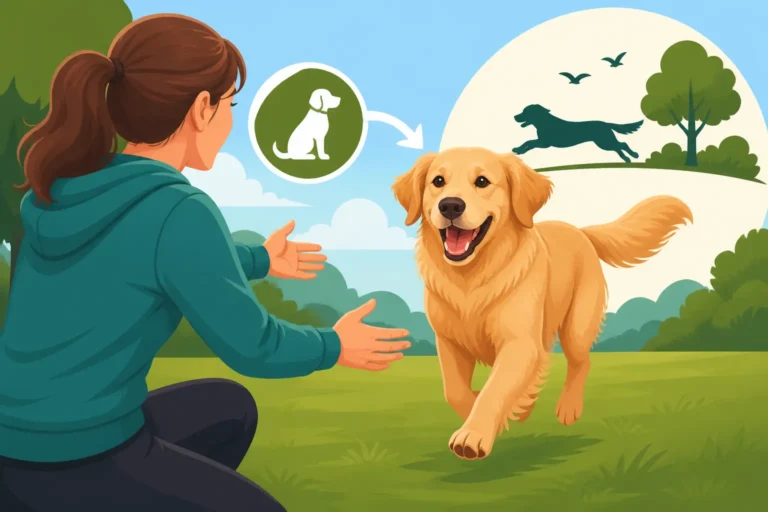
When you take them out, always go to the same designated potty spot. This helps them associate that particular area with relieving themselves. Use a consistent phrase, like "Go potty!" or "Pee-pee time!", so they connect the words with the action. When they go, offer immediate, high-value praise and a special treat. The timing of the reward is critical; it must happen within seconds of them finishing their business, so they clearly understand what they're being rewarded for. This positive reinforcement makes going outside a highly desirable act. You might find a high-quality treat that really gets their attention, as this is a pivotal part of their early learning. For some great training tips and resources that might include schedule templates, you could explore online training platforms like BAXTER & Bella.
Overnight Potty Breaks
This is often the most challenging part for new puppy owners, as it involves sacrificing some sleep. However, it's absolutely vital for successful potty training and preventing bad habits. A young Golden Retriever puppy, typically under 4-5 months old, will likely need one or two overnight potty breaks.
Here’s how to manage it:
Set an alarm for 2-4 hours after their last potty break and bedtime. When the alarm goes off, quietly take your puppy out. Don't engage in play, don't turn on too many lights, and keep interactions minimal. The goal is to make it a purely functional potty trip, not a fun play session. Once they've done their business, give quiet praise and bring them straight back to their crate. As your puppy matures and gains better bladder control, you can gradually extend the time between overnight breaks. You'll notice they start holding it longer, and you can adjust your alarm accordingly. Overnight Potty Breaks for a Golden Puppy delves deeper into managing nighttime needs.
Making sure your Golden Retriever puppy is comfortable in their crate can significantly aid in this process. A crate that's appropriately sized (just enough room to stand up, turn around, and lie down, but not enough to use one end as a bathroom and sleep in the other) leverages their natural instinct not to soil their sleeping area. You can find excellent crates and other essential puppy supplies on platforms like Amazon.
Feeding Schedule Impact
What and when your Golden Retriever puppy eats directly influences their potty schedule. Puppies have fast metabolisms, and what goes in often comes out relatively quickly. To make potty training more predictable, establish a consistent feeding schedule and avoid free-feeding.
For young puppies (8-12 weeks), aim for three meals a day. Serve meals at consistent times, for example, 7 AM, 12 PM, and 5 PM. After each meal, within 5-15 minutes, take your puppy directly outside for a potty break. This predictability makes it much easier to anticipate when they’ll need to go. If you’re free-feeding, meaning food is always available, your puppy will graze throughout the day, making their potty times erratic and harder to track. This can lead to more accidents because you simply can't predict when their digestive system will be stimulated.
As your Golden puppy gets older, typically around 4-6 months, you can transition them to two meals a day, usually morning and evening. Again, maintain consistency with these meal times. Always provide fresh water throughout the day, but you might consider picking up the water bowl about an hour or two before their final potty break and bedtime. This can help reduce the need for overnight potty trips by ensuring their bladder isn't overly full right before sleep. Just be sure they have plenty of access to water during the day, especially after exercise. Remember that healthy growth and development are paramount, and their feeding schedule plays a big role; you can find more information in our guide on Golden Retriever Puppy Feeding Amounts and Schedule.
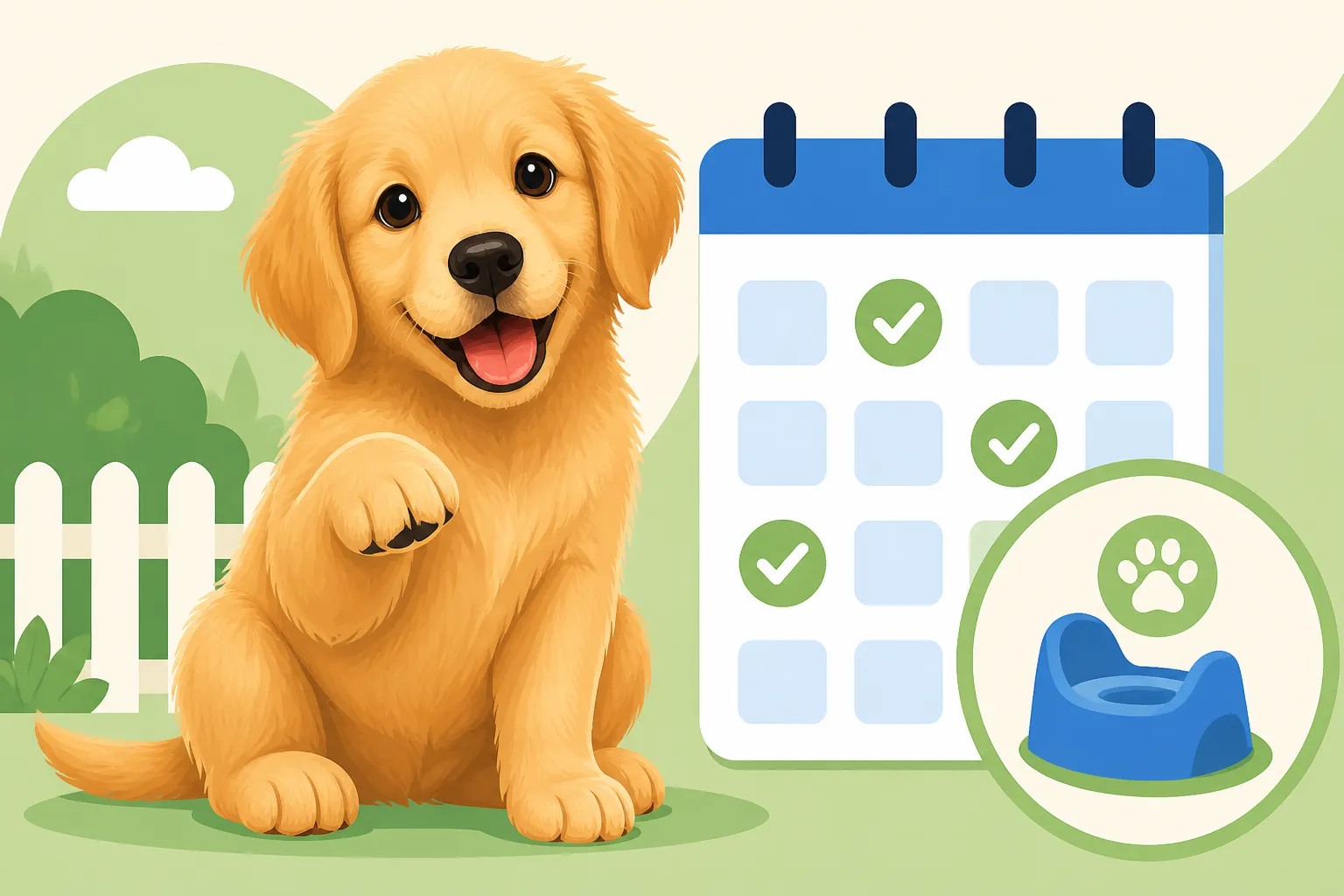
Here's a sample potty training schedule for an 8-12 week old Golden Retriever puppy:
| Time | Activity | Potty Break? |
|---|---|---|
| 7:00 AM | Wake up, immediately outside | Yes |
| 7:15 AM | Breakfast | No |
| 7:30 AM | Immediately outside after eating | Yes |
| 7:45 AM | Playtime / Training | No |
| 8:45 AM | Outside after play | Yes |
| 9:00 AM | Crate for nap | No |
| 11:00 AM | Wake up from nap, immediately outside | Yes |
| 11:15 AM | Playtime / Training | No |
| 12:00 PM | Lunch | No |
| 12:15 PM | Immediately outside after eating | Yes |
| 1:00 PM | Crate for nap | No |
| 3:00 PM | Wake up from nap, immediately outside | Yes |
| 3:15 PM | Playtime / Training | No |
| 4:45 PM | Outside after play | Yes |
| 5:00 PM | Dinner | No |
| 5:15 PM | Immediately outside after eating | Yes |
| 5:30 PM | Evening playtime / Family time | No |
| 6:30 PM | Outside | Yes |
| 7:30 PM | Outside | Yes |
| **8:30 PM ** | Outside | Yes |
| 9:00 PM | Water bowl up. Quiet time, last potty for the night | Yes |
| 9:15 PM | Crate for bedtime | No |
| 1:00 AM | Overnight potty break (no play!) | Yes |
| 4:00 AM | Overnight potty break (no play!) | Yes |
Note: This is a sample schedule and will need adjustment based on your puppy's individual needs, energy levels, and bladder control.
Common Potty Training Challenges and Solutions
Even with the best intentions and a solid schedule, you're bound to run into a few bumps in the road. Potty training isn't always linear; there will be accidents, frustrations, and perhaps even moments where you question if your Golden Retriever puppy will ever get it. Rest assured, these challenges are normal, and with the right approach, you can overcome them.
Accident Management
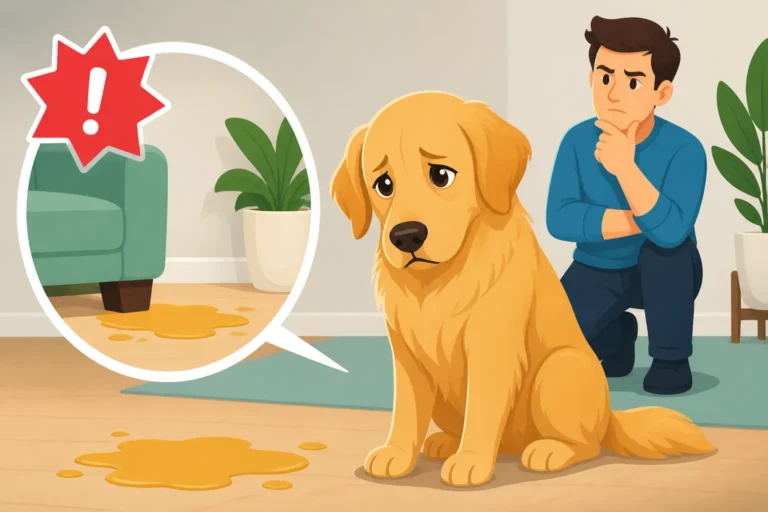
Accidents are going to happen. It's an inevitable part of puppyhood, and it's how you react to them that truly matters. The golden rule: never punish your puppy for an accident. If you catch them in the act, a quick, sharp clap or an "Ah-ah!" can interrupt them. Immediately pick them up (if small enough) or leash them, and rush them outside to their designated spot. If they finish going outside, praise and reward generously. This teaches them that inside is not the place, and outside is.
If you find an accident after the fact – a puddle on the floor, a little pile on the rug – it's too late to correct your puppy. They won't connect your anger with something they did minutes or hours ago. Simply clean it up thoroughly, without making a fuss. The key here is to use an enzymatic cleaner specifically designed for pet odors, which breaks down the enzymes in urine and feces. Regular household cleaners might remove the stain, but they leave behind a scent that only your puppy can detect, signaling to them that this is an acceptable "potty zone" for future incidents. Products available on Amazon often include highly-rated enzymatic cleaners that are essential for eliminating these lingering odors. For more on what to do when things go awry, check out Golden Retriever Accidents After Being Trained.
Every accident is a learning opportunity for you, the human. It usually means you missed a cue, waited too long, or the schedule wasn't quite tight enough. Reflect on why the accident happened and adjust your routine or vigilance accordingly.
Regression Periods
Just when you think your Golden Retriever puppy has finally mastered potty training, they might suddenly start having accidents again. This is incredibly frustrating, especially when you felt like you were making so much progress. These "regression periods" are quite common, often coinciding with developmental stages like adolescence, or simply a change in routine.
Adolescence, typically between 6-18 months for Goldens, is a time of major brain development and testing boundaries. Your once-attentive puppy might suddenly seem to "forget" their training or become easily distracted. It's not malicious; it's a phase. During these times, it's vital to revert to basics, just like you would with a brand new puppy. Go back to more frequent potty breaks, praise heavily for outdoor success, and be extra vigilant for cues. Don't assume they're doing it on purpose; approach it with the understanding that they're still learning and maturing.
Changes in routine can also trigger regressions. A new work schedule, a vacation, guests in the house, or even a different type of weather can throw a puppy off. Be prepared to reinforce the schedule during these times. If your Golden Retriever is typically reliable but suddenly has an accident, consider any recent changes in their environment or schedule that might be contributing. It often just requires a temporary tightening of your routine and a little extra patience to get them back on track.
Weather and Potty Training
Golden Retrievers generally love being outside, but extreme weather can make potty breaks a real challenge. A driving rain, a blizzard, or scorching summer heat can make even the most enthusiastic puppy reluctant to go outside and do their business. This reluctance can lead to accidents indoors.
In cold or wet weather, try to make the potty trip as quick and efficient as possible. Have a designated sheltered spot, if possible, or be ready with an umbrella for yourself. Don't linger for play; just go out, let them do their business, praise, and come back in. Consider a warm coat for very cold temperatures, especially for younger puppies.
In hot weather, similarly, keep trips brief to prevent overheating. Seek out shady spots. Remember that Golden Retriever Heat Tolerance and Overheating is a serious concern. The hard pavement can also get dangerously hot and burn their paws, so try to find grassy areas.
Some Golden puppies might develop a fear of certain weather conditions, like thunder or heavy rain, which makes them even more hesitant to go out. In these cases, it's important to be extra patient and try to desensitize them to the sounds and sights, perhaps with gentle exposure and positive reinforcement indoors first. During severe weather, if getting outside safely is genuinely impossible, have an indoor potty solution ready as a temporary measure, such as puppy pads in a specific, contained area. While pads are not ideal for long-term training as they teach the puppy it's okay to go inside, in an emergency, it's better than an accident on your carpet.
Tools and Aids for Successful Potty Training
Potty training a Golden Retriever puppy isn't just about the schedule; it's also about leveraging the right tools to make the process smoother, clearer, and more successful for both of you. These aids help manage your puppy's environment and communicate expectations effectively.
Crate Training Essentials
A crate is arguably the most valuable tool in your potty training arsenal. Golden Retrievers, by nature, are den animals and, when properly introduced, often view their crate as a safe, comfortable personal space. Crucially, dogs are instinctively clean and generally will not soil their sleeping area. This natural instinct is what makes a crate such an effective potty training aid.
The key is to choose the right size crate. It should be just large enough for your Golden puppy to stand up, turn around, and lie down comfortably, but not so large that they can designate one end as a "bathroom" and sleep in the other. For a growing Golden Retriever, an adult-sized crate with a divider is ideal. You can adjust the divider as your puppy grows, ensuring the space is always appropriate. Brands like Midwest or Frisco often offer crates with adjustable dividers, readily available on Amazon. Make the crate a positive place by feeding meals inside, offering special toys (like a Kong stuffed with peanut butter), and never using it for punishment. Crate Training a Golden Retriever Puppy offers a deeper dive into this beneficial method.
When your puppy is in their crate, you can trust that they will try their best to hold their bladder and bowels. This gives you peace of mind and significantly reduces indoor accidents. As soon as they are let out of the crate, the very first thing you do is take them directly outside to their potty spot.
Leashes and Designated Potty Spots
Using a leash, even in a fenced yard, is incredibly important during potty training. It keeps your Golden Retriever puppy focused on the task at hand and prevents them from getting distracted by tempting smells, leaves, or squirrels. When you take your puppy out, always go to the same general area in your yard or on your walk. This designated potty spot helps them associate that specific location with relieving themselves.
When you arrive at the spot, stand still and give your consistent potty cue (e.g., "Go potty!"). Don't engage in play, don't talk on the phone, and don't get distracted. Your job is to supervise and wait. This focused approach communicates to your puppy that this is "business time." Once they've done their business, immediately offer enthusiastic praise and a high-value treat, then you can allow for a short play session or continue your walk. This creates a strong positive association with pottying in the correct spot.
If you let your puppy roam freely in the yard without a leash, they might get distracted, play, and then come inside to have an accident. The leash ensures they understand the purpose of being outside. For those living in apartments or without a yard, Potty Training a Golden Retriever With No Yard provides specific advice on managing urban potty training.
Effective Cleaning for Accidents
As mentioned earlier, accidents are a part of the learning process. What's crucial for long-term success is how thoroughly you clean them up. Regular household cleaners, even those with strong scents, often don't eliminate the microscopic scent markers left by urine and feces. To a puppy, these lingering scents are like a billboard saying, "Potty here again!"
This is where enzymatic cleaners become your best friend. These specialized cleaners contain enzymes that break down the organic matter in pet waste, completely neutralizing the odor. You simply soak the affected area (carpet, rug, tile grout) with the cleaner, let it sit according to the product's instructions, and then blot it up. Do not scrub, as this can push the odor deeper into the fibers. You might even want to cover the damp area with a towel to prevent your puppy from investigating it while the cleaner works its magic.
Having a good enzymatic cleaner on hand from day one is non-negotiable. Look for highly-rated options from brands like Nature's Miracle or Rocco & Roxie, which are widely available on Amazon. Investing in a quality cleaner saves you headaches, preserves your home, and prevents your Golden Retriever puppy from repeatedly choosing the same indoor accident spot.
Consistency and Patience: The Golden Rule
Potty training your Golden Retriever puppy can feel like a marathon, not a sprint. There will be days when you feel like you've made huge strides, and then days when it seems like you're back to square one. This rollercoaster of progress is completely normal. The most powerful tools you have in your arsenal are consistency and unwavering patience.
The Importance of Positive Reinforcement
Golden Retrievers are eager to please and highly motivated by praise, affection, and food rewards. This makes positive reinforcement the absolute best training method for them. When your puppy successfully potties outside, make it a huge celebration! Use an excited, happy tone of voice, give them a special treat they adore, and offer plenty of petting and praise. The key is to deliver this reward immediately – within 1-3 seconds of them finishing their business. This rapid reward helps your puppy clearly associate the act of going potty outside with the positive outcome.
Avoid any form of punishment, scolding, or negative reinforcement during potty training. As discussed, punishing a puppy for an accident, especially after the fact, teaches them to fear you or to hide their elimination, rather than teaching them where to go. It can damage your bond and make the training process longer and more stressful for both of you. Remember, a Golden Retriever puppy is still learning the rules of your human world. They want to do the right thing, but they need clear, consistent, and positive guidance to understand what that "right thing" is. The more positive the experience of going outside becomes, the faster they will generalize this behavior. For ideas on high-value rewards, you might find Best Treats for Training a Golden Retriever helpful.
When to Seek Professional Help
While most Golden Retriever puppies can be successfully potty trained with a consistent schedule and positive reinforcement, there are times when it's okay, and even advisable, to seek professional help. If you've been diligently following a schedule for several weeks, managing accidents, and your puppy is still having frequent, unpredictable accidents, it might be time for a vet visit.
A veterinarian can rule out any underlying medical conditions, such as a urinary tract infection (UTI), bladder stones, or other health issues that could be affecting your puppy's ability to hold their bladder or control their bowels. Sometimes, a physical problem is the root cause, and no amount of training will fix it until the medical issue is addressed. First Year Vet Costs for a Golden Retriever Puppy highlights the importance of regular veterinary care, especially in their formative months.
If medical issues are ruled out, consulting with a professional dog trainer or a certified veterinary behaviorist can be incredibly beneficial. They can assess your specific situation, observe your puppy's behavior, and offer personalized strategies. Sometimes, an outside perspective can identify subtle cues you might be missing or suggest adjustments to your routine that you hadn't considered. They can also provide guidance if your puppy is exhibiting other challenging behaviors that might be linked to stress or anxiety, which can sometimes manifest as house soiling. Don't view seeking professional help as a failure; view it as a proactive step to ensure your Golden Retriever puppy has the best chance at success and a happy, healthy life in your home.
Disclaimer
This article is for general informational purposes only and does not constitute professional advice. Laws, prices and regulations vary by location and change over time. Consult a qualified professional for guidance on your specific situation.