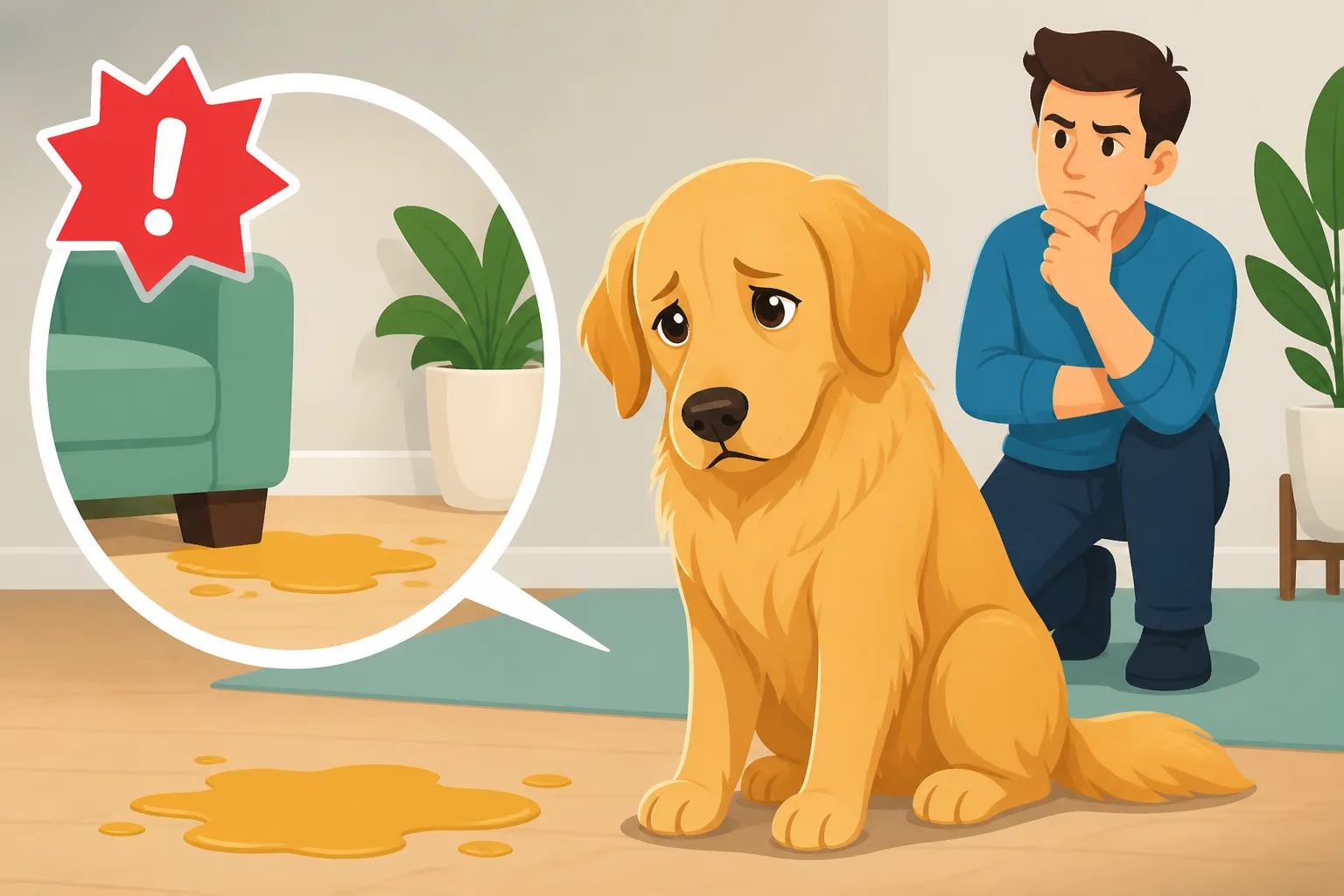
Golden Retriever Accidents After Being Trained
It's truly deflating when you've put in all the hard work to house train your Golden Retriever, gone through months of diligent trips outside, and celebrated countless dry days, only for accidents to start happening again. You might feel frustrated, confused, and even a little betrayed by your usually reliable companion. This guide is here to walk you through the common reasons why a previously house-trained Golden might suddenly start having accidents indoors and offer practical, empathetic advice on how to get things back on track.
Ruling Out Medical Reasons for Accidents
Before you even begin to consider behavioral issues, the absolute first step when a house-trained Golden Retriever starts having accidents indoors is a visit to your veterinarian. Dogs, just like people, can develop health problems that directly impact their ability to control their bladder or bowels, and many of these conditions can arise quite suddenly or worsen with age. It's not about being "naughty" when there's an underlying physical cause; it's a genuine struggle your dog is facing.
Urinary Tract Infections and Other Infections
One of the most frequent culprits behind sudden house-training regression is a urinary tract infection (UTI). These infections can cause a constant urge to urinate, making it incredibly difficult for your Golden to hold it until they get outside. They might strain to pee, pass only small amounts frequently, or even have blood in their urine. However, sometimes the only noticeable sign is an increase in accidents indoors, especially if your Golden is particularly stoic. Other infections, like bladder stones or kidney infections, can also cause similar symptoms and discomfort, leading to a breakdown in house manners.
Your vet will likely perform a urinalysis to check for bacteria, crystals, or other abnormalities in your Golden's urine. This simple test can quickly confirm or rule out a UTI or other bladder issues. If an infection is found, a course of antibiotics or other medication is usually all it takes to clear it up, and your Golden's house training should return to normal once they feel better. Ignoring these signs can lead to more serious kidney problems, so don't delay that vet visit.
Age-Related Incontinence or Cognitive Decline
As Golden Retrievers age, their bodies can start to change in ways that affect their bladder and bowel control. This is often not a behavioral problem but a physical one, similar to how older people might experience incontinence. Weakened bladder muscles, hormonal imbalances (especially in spayed females), or even conditions like Hypothyroidism in Golden Retrievers can contribute to leakage or full accidents. These might manifest as puddles while they're sleeping, or they might simply not be able to "hold it" as long as they once could.
Beyond physical changes, older Goldens can also experience canine cognitive dysfunction, sometimes referred to as "doggy dementia." This condition can cause disorientation, changes in sleep-wake cycles, and a forgetting of previously learned behaviors, including house training. They might simply forget to ask to go out, or become confused about where they are supposed to relieve themselves. If you're noticing other signs of aging or disorientation, such as staring blankly, pacing, or changes in their interaction with you, it’s definitely something to discuss with your vet. Catching Signs a Golden Retriever Is Aging Early can help you manage these changes more effectively.
Other Health Issues
While UTIs and age-related issues are common, a variety of other health conditions can also lead to indoor accidents. Diabetes, for instance, often causes increased thirst and urination, meaning your Golden will need to relieve themselves much more frequently. Kidney disease can also lead to similar symptoms. Sometimes, even seemingly unrelated issues like severe arthritis or hip dysplasia can make it painful or difficult for your Golden to get up and go outside in time, or to adopt the proper squatting posture.
Your vet might recommend a full senior blood panel or other diagnostic tests to check for these broader health concerns. It’s crucial to remember that your Golden isn't being stubborn or defiant if they're experiencing accidents due to pain or illness; they're simply unable to control it. Addressing the underlying medical issue is the key to resolving the house-training problem. This also highlights why Why Goldens Need Vet Visits Twice a Year is so important, especially as they get older.
Behavioral Causes of Regressed House Training
Once medical causes have been thoroughly ruled out by your veterinarian, it’s time to look at potential behavioral or environmental factors. Many of these stem from stress, changes in routine, or incomplete training foundations that are only now surfacing. It’s rarely about malice; it’s usually about miscommunication, anxiety, or a misunderstanding of expectations.
Stress, Anxiety, and Environmental Changes
Golden Retrievers are creatures of habit and can be sensitive to changes in their environment or routine. Stress and anxiety are huge contributors to house-training regression. Think about what might have changed in your home lately: Did you move to a new house? Is there a new baby or pet? Has your work schedule changed, leading to your Golden being left alone for longer periods? Even subtle shifts can cause a dog to feel insecure or anxious, which can manifest as indoor accidents.
Separation anxiety is a particularly common cause in Goldens. If your dog is anxious when left alone, they might have accidents specifically when you're gone. This isn't out of spite, but often a symptom of extreme distress. You might notice other signs like destructive chewing, excessive barking, or pacing when you prepare to leave. Addressing Golden Retriever Separation Anxiety Signs through behavior modification and management techniques, such as providing mental enrichment like puzzle toys or having a trusted dog walker come by, can make a huge difference. Sometimes, a change in routine, like moving from working at home to going into an office daily, can be enough to trigger these issues.
Marking Behavior and Incomplete Training
While not always about "potty accidents," marking behavior is another common reason for indoor urination, especially in intact males but sometimes even in spayed females. Marking is often territorial and can be triggered by new smells (a new visitor's shoes, a new piece of furniture, or another dog visiting) or changes in the household hierarchy. This is distinct from an accident; it's usually smaller amounts of urine on vertical surfaces. If your Golden is peeing on furniture legs, walls, or curtains, it's likely marking.
Sometimes, the initial house training wasn't as solid as you thought. Perhaps your Golden was only partially trained and still had a few accidents that were cleaned up without proper supervision or reinforcement. Or maybe the house-training schedule relaxed too much too quickly. Adolescent Goldens, in particular, can experience a Why a Golden Retriever Regresses at Adolescence phase where previously learned commands and behaviors, including house training, seem to temporarily disappear. Going back to basics can help solidify those foundations. For example, if you trained with a specific positive reinforcement technique, consider revisiting those steps.
Attention-Seeking or Learned Behavior
As much as we love our Goldens, they are smart and sometimes learn that certain behaviors get a reaction. If accidents only happen when you are home and visible, and especially if you tend to make a big fuss when you discover a puddle, your Golden might inadvertently be using accidents as a way to get your attention. It's not malicious, but if it works (even if the attention is negative), they might try it again. This is rare, but it does happen.
Another scenario is if your Golden has learned that it’s acceptable to relieve themselves in a certain spot indoors if it’s not cleaned up thoroughly with an enzymatic cleaner. The lingering scent can act as a beacon, telling them, "Hey, this is a good spot to go!" If they've had a medical issue that caused accidents and the area wasn't properly cleaned, they might continue to use that spot even after the medical issue is resolved. This is why thorough cleanup is so vital.
Re-Establishing Solid House Training Habits
Once you've ruled out medical issues and identified potential behavioral triggers, it's time to systematically re-establish good house-training habits. This process often feels like going back to square one, but with an adult Golden, they usually catch on much faster than a puppy because they already understand the concept. Consistency, patience, and positive reinforcement are your best friends here.
Back to Basics: Management and Supervision
Treat your Golden like a brand new puppy for a while. This means going back to strict supervision and management to prevent accidents from happening indoors. The fewer opportunities your dog has to pee or poop inside, the faster they'll revert to their old, good habits. This involves:
- Frequent Potty Breaks: Take your Golden out much more often than you think they need to go, especially after waking up, after eating or drinking, and after play. Use a consistent phrase like "Go potty!" every time.
- Leash Trips: Even in a fenced yard, go out with your Golden on a leash. This ensures they actually go and don't just wander around or get distracted. It also allows you to praise and reward them immediately when they do their business.
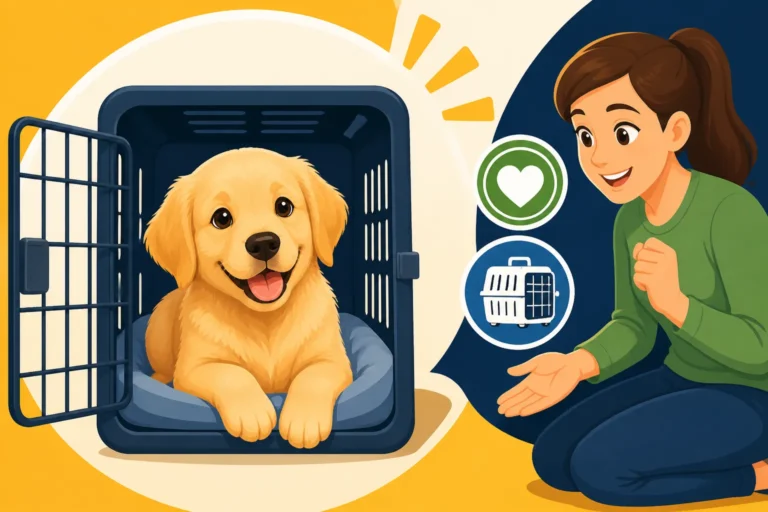
- Crate Training Revisited: If your Golden is crate trained and comfortable with it, use the crate when you cannot actively supervise them. Most dogs won't soil their sleeping area. Just ensure the crate is appropriately sized – big enough to stand up and turn around, but not so big they can relieve themselves in one corner and sleep in another. If you need a refresher, check out Crate Training a Golden Retriever Puppy.
- Umbilical Cord Method: When you are home, keep your Golden on a leash tethered to you. This "umbilical cord" method ensures you know exactly what they're doing at all times, preventing unnoticed accidents.
- Enzymatic Cleaners: Invest in a good enzymatic cleaner (many great options are available on Amazon) to thoroughly clean up any past accidents. Regular household cleaners might remove the visible stain, but enzymatic cleaners break down the odor-causing molecules that only a dog can smell, preventing them from being attracted back to the same spot.
Reinforcing the Right Place
Every single time your Golden successfully eliminates outside, make it a party! Offer high-value treats (think chicken or cheese, not just kibble), enthusiastic verbal praise ("Good potty!"), and perhaps even a quick game of fetch afterwards. You want them to associate going outside with the best rewards possible. This positive reinforcement is key to re-establishing the desired behavior. Over time, you can gradually phase out the highest-value treats as the habit solidifies.
Be mindful of the weather, too. If it's raining or snowing, some Goldens might be reluctant to spend much time outside. Make sure they have a sheltered spot or consider getting a doggy raincoat so they're more comfortable. Sometimes, going out for a quick, specific potty break, then returning inside for a longer play session, can be more effective than expecting them to hang out in inclement weather. Think about the Potty Training Schedule for a Golden Puppy principles and apply them to your adult dog, adjusting frequency as needed.
Addressing Underlying Stress or Anxiety
If stress or anxiety is at the root of the problem, simply re-training isn't enough; you need to address the underlying emotional state.
- Environmental Enrichment: Provide plenty of mental stimulation to keep your Golden engaged and less anxious. This could include puzzle toys, chew toys, or even scent work games. Mental Enrichment for a Bored Golden Retriever can significantly reduce stress-related behaviors.
- Consistent Routine: Goldens thrive on routine. Try to keep feeding times, potty breaks, and exercise schedules as consistent as possible. Predictability helps reduce anxiety.
- Safe Space: Ensure your Golden has a comfortable, quiet "den" or safe space where they can retreat if they feel overwhelmed. This could be their crate, a cozy dog bed in a quiet room, or even a designated spot under a table.
- Consider Professional Help: For severe anxiety, such as intense separation anxiety, a certified professional dog trainer or veterinary behaviorist might be needed. They can help you develop a comprehensive behavior modification plan, and sometimes, medication can be a helpful tool in conjunction with training. Online platforms like BAXTER & Bella offer structured training courses that can guide you through managing various behavioral challenges, including anxiety, with expert support.
- Increase Outdoor Time: Sometimes, the simplest solution is more outdoor time. Longer walks, extra sniffy walks, or even trips to a dog park (if your Golden enjoys them) can help relieve boredom and stress, as well as providing more opportunities to eliminate outside.
| Cause Type | Common Signs | Initial Action | Long-Term Strategy |
|---|---|---|---|
| Medical | Frequent urination, straining, small puddles, leaks, lethargy, increased thirst | Immediate vet visit, urinalysis, blood tests | Medication, dietary changes, age-appropriate management |
| Stress/Anxiety | Accidents when alone, destructive behavior, pacing, panting, changes in routine, new additions to home | Identify stressor, create safe space, increase exercise | Behavior modification, enrichment, professional trainer |
| Incomplete Training | Accidents on specific spots, territorial marking, young adult dog, inconsistent past training | Back to basics (supervision, leash trips), enzymatic cleaning | Consistent positive reinforcement, re-establish routine |
| Attention-Seeking | Accidents only when owner present, seeking reaction, not trying to hide it | Ignore accident, clean thoroughly, reward good behavior | Increase positive attention for desired behaviors |
When to Call in a Professional
You've done your best, you've been consistent, and you've ruled out medical issues, but the accidents are still happening. It can feel disheartening, but this is exactly when it's time to call in the cavalry. Sometimes, an objective eye and specialized expertise are exactly what you need to crack the case.
Consulting Your Veterinarian First
Always, always, always start with your vet for any change in your Golden's behavior, especially something like house-training regression. Even if you suspect it's behavioral, a subtle medical issue might be at play that you haven't considered. Your vet can perform a thorough physical exam, blood work, and urinalysis to ensure there isn't an underlying health problem causing the accidents. They can also offer advice on specific medications if anxiety or incontinence is a diagnosed issue. Don't underestimate the power of a good vet; they are your Golden's primary healthcare provider and the first line of defense against many problems. For example, they might test for conditions like Golden Retriever Hypothyroidism Symptoms Owners Notice, which can have far-reaching effects on behavior and body function.
They might also discuss whether your Golden's diet is appropriate or if they need any supplements to support bladder health. Sometimes, a simple change in diet or the addition of a joint supplement can make a world of difference if pain is making it difficult for your Golden to hold it or get outside in time. They can also help you understand How Extra Weight Shortens a Golden Retriever's Life by putting extra strain on joints, which can indirectly contribute to accidents if mobility becomes an issue.
Engaging a Certified Professional Dog Trainer or Behaviorist
If your vet gives your Golden a clean bill of health, then it's time to consult with a certified professional dog trainer or a veterinary behaviorist. These experts specialize in understanding canine behavior and can help you identify the root cause of the accidents and develop a tailored training plan. A good trainer will use positive reinforcement methods and focus on understanding why your Golden is having accidents, rather than simply punishing the behavior.
A behaviorist, often a veterinarian with advanced training in animal behavior, can provide even deeper insights, especially if anxiety, fear, or other complex emotional issues are at play. They can also prescribe medication if necessary, working in conjunction with your regular vet, to help manage severe behavioral problems that contribute to house-training lapses. Services like BAXTER & Bella, while not replacing a local behaviorist for severe issues, can provide foundational training support and guidance that might be all you need for less complex cases, offering structured programs and direct access to trainers for advice. They can help you revisit basic commands or work on specific behavioral challenges that might be indirectly impacting house training.
Remember, patience is paramount. Re-training an adult dog takes time, consistency, and a deep understanding of why the behavior is occurring. With the right approach and professional guidance, most Goldens can get back to their reliably house-trained selves.
Disclaimer
This article is for general informational purposes only and does not constitute professional advice. Laws, prices and regulations vary by location and change over time. Consult a qualified professional for guidance on your specific situation.