Golden Retriever Puppy Nipping at Children
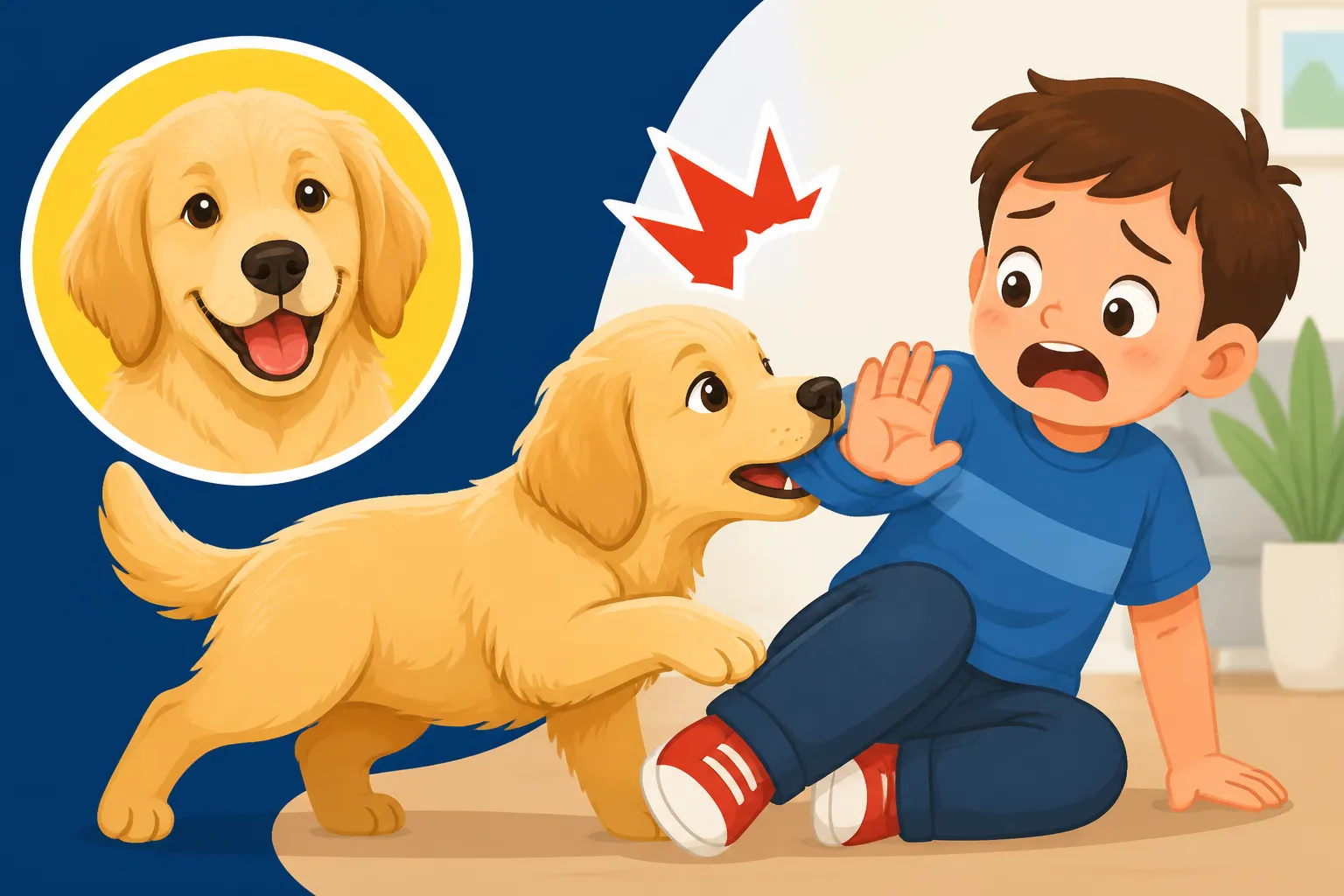
Bringing a Golden Retriever puppy home is a whirlwind of joy, wagging tails, and endless cuddles. But for families with children, that joy can sometimes be overshadowed by a common, yet unsettling, puppy behavior: nipping. It’s incredibly frustrating, and often quite painful, when your adorable fluffball constantly nips at little hands, ankles, and clothing, leaving parents worried about their child’s safety and well-being. This comprehensive guide will walk you through why your Golden puppy is nipping at your children and, more importantly, equip you with actionable strategies to gently and effectively curb this behavior, fostering a harmonious home for everyone.
Understanding Why Golden Retriever Puppies Nip
It's easy to feel frustrated, or even a little worried, when your sweet Golden Retriever puppy seems to have an obsession with nipping at your children. You might wonder if there's something wrong, or if your puppy is "mean." Rest assured, this behavior is incredibly common for puppies of all breeds, and especially for Retrievers who are naturally mouthy. Understanding the root causes of this nipping is the first step toward effectively addressing it.
The Natural Instinct to Mouth
Think about how puppies interact with their littermates. They play, wrestle, and explore the world predominantly with their mouths. This is their primary way of gathering information about their environment and establishing boundaries with their siblings. When a puppy plays too rough, a littermate will yelp, teaching the biting puppy about bite inhibition – how much pressure is too much. Without this natural schooling, puppies come into our homes with undeveloped "soft mouths."
Golden Retrievers, in particular, were bred to retrieve game gently, carrying birds back to hunters without damaging them. This means they inherently possess a strong oral fixation and a natural inclination to carry things in their mouths. When a child's hands are waving, their ankles are running by, or their clothing is dangling, it presents a prime opportunity for a puppy to engage in this natural mouthing behavior. They aren't trying to hurt your child; they're simply exploring, playing, and acting on their instincts. A child's squeals and quick movements can even unintentionally escalate the play, making the puppy think they're having a grand time, further encouraging the nipping.
Teething Pain and Relief Seeking
Just like human babies, Golden Retriever puppies go through a teething phase that can be quite uncomfortable. Around 3 to 6 months of age, their sharp puppy teeth fall out, and their larger, stronger adult teeth begin to emerge. This process can cause sore gums, and puppies instinctively look for ways to relieve this pain. Chewing and nipping provide counter-pressure that can temporarily soothe their aching mouths.
Unfortunately, soft targets like human hands, feet, and even clothing can feel particularly good to a teething puppy. They don't differentiate between your child's fingers and a chew toy. If your puppy seems to nip more frequently or with more intensity during this period, it's highly likely they're seeking relief from teething discomfort. It's not malicious; it's a physiological need. Imagine how desperate you'd be for relief if your mouth ached constantly! Providing plenty of appropriate, safe chew toys, especially those that can be frozen, can be a game-changer here.
Over-stimulation and Fatigue
Puppies, much like toddlers, can become overtired and overstimulated very easily. While Golden Retriever puppies are known for their boundless energy and playful nature, they also need a lot of sleep. When a puppy is surrounded by the excitement of children, with their unpredictable movements, high-pitched voices, and constant invitation to play, it's easy for them to get wound up beyond their capacity to cope calmly.
An overstimulated or fatigued puppy often reverts to primitive behaviors, including increased nipping and mouthiness. They might start zooming around, become less responsive to commands, or act "hyper" before suddenly turning into a land shark. These are often signs that your puppy is past their limit and desperately needs a quiet break. Recognizing these cues and proactively removing your puppy from the exciting environment to a calm, designated resting spot can prevent many nipping incidents. Ignoring these signs and pushing a tired puppy to continue interacting can lead to frustrating and painful encounters for your children.
Essential Strategies for Managing Nipping
Now that we understand why your Golden Retriever puppy might be nipping, let's dive into some concrete, actionable strategies to manage and eventually stop this behavior. Consistency and patience are your best friends here, especially when involving children in the training process.
Teaching Bite Inhibition
This is perhaps the most critical lesson your puppy needs to learn. In their litter, puppies learn that a painful bite results in the other puppy yelping and ending play. You need to replicate this lesson. When your Golden puppy nips too hard at you or your child, a sharp, high-pitched "Yelp!" (mimicking another puppy) can be very effective.
The key is timing and follow-through. The moment those teeth apply pressure that hurts, make the "yelp" sound. If the puppy pauses, immediately reward them with a calm "good dog" or a tiny treat. If they continue to nip, or if the nip was particularly hard, you'll need to escalate. Immediately stand up, turn your back, and briefly disengage from them, or even leave the room for 10-20 seconds. This teaches them that hard bites end all fun. For children, it's often better for an adult to manage the "yelp" and disengagement, or to teach the child to calmly remove their hand and walk away. It’s a delicate balance, as we don’t want children to encourage further nipping. This concept is explored further in Yelping Versus Ignoring a Biting Golden Puppy. Over time, you're teaching your puppy to control the pressure of their bite.
Redirection and Providing Appropriate Chews
The goal isn't to stop your Golden puppy from using their mouth entirely, but to teach them what is acceptable to mouth and what isn't. Every time your puppy goes to nip a hand, an ankle, or clothing, immediately and calmly redirect their attention to an appropriate chew toy. Keep a variety of enticing toys readily available in every room your puppy spends time in.
Offer different textures and levels of durability. Some puppies prefer soft, plush toys, while others crave the satisfying resistance of a durable rubber chew. Brands found on platforms like Amazon offer a vast selection of sturdy puppy-safe toys that can withstand a Golden's strong jaws. Interactive puzzle toys that dispense treats can also be excellent for engaging their minds and mouths. Redirecting a Golden Retriever Onto a Toy discusses more about this technique. The moment their teeth connect with the toy, praise them enthusiastically! This reinforces the positive choice. For children, teach them to always have a toy in hand when interacting with the puppy, and to offer the toy the instant the puppy’s mouth starts heading for them.
Supervised Interactions and Safe Spaces
Unsupervised interactions between a Golden Retriever puppy and children can quickly go south. Puppies are fast, impulsive, and sometimes clumsy, and children, especially young ones, can be unpredictable in their movements and reactions. Therefore, constant, vigilant supervision is non-negotiable. This means an adult is actively watching and ready to intervene at all times when the puppy and child are together.
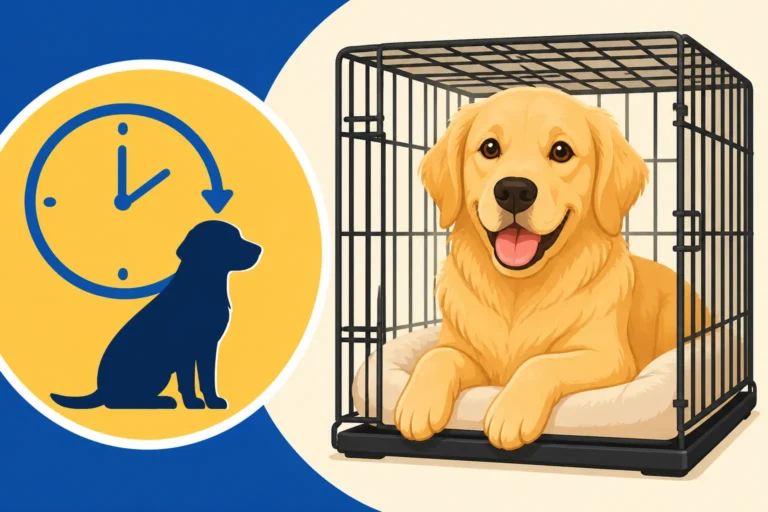
Consider the "umbilical cord" method: keep your puppy leashed to you (or another adult) in the house when children are present. This allows you to immediately step in and redirect any unwanted nipping. Furthermore, designate a "safe space" for your puppy – a crate, a playpen, or a specific dog bed in a quiet corner – where they can retreat and be undisturbed. This is their sanctuary, a place where they won't be bothered by children, allowing them to decompress and rest. Teach your children that when the puppy is in their safe space, they are to be left completely alone. A well-implemented Crate Training a Golden Retriever Puppy routine can make this space invaluable. This reduces overstimulation and gives the puppy a much-needed break from the excitement.
| Nipping Reason | Puppy Behavior | Recommended Solution | What NOT to Do |
|---|---|---|---|
| Natural Instinct | Mouthing, playful bites, grabbing clothes | Redirection to appropriate toys, chewables | Punish or swat, which can cause fear or escalate |
| Teething Pain | Nipping on hands, ankles, objects | Provide frozen toys, chew sticks, soft chews | Offer old shoes or anything resembling human items |
| Over-stimulation | Frenzied nipping, zooming, ignoring commands | Implement immediate "time-outs" in a quiet space | Allow continued rough play, which exacerbates |
| Lack of Bite Inhibition | Harder bites that cause pain, punctures | "Yelp!" and immediate disengagement (end play) | Let children endure painful bites or respond harshly |
Establishing Clear Boundaries and Training
Beyond just managing the moment, establishing clear boundaries and consistently training your Golden Retriever puppy is essential for long-term success. This isn't just about stopping the nipping; it's about teaching your puppy how to be a well-behaved, respectful member of the family, especially around children.
Consistent Rules for Everyone
One of the biggest hurdles in training a puppy, particularly in a household with children, is inconsistency. What one person allows, another forbids, and this sends mixed signals to your puppy. If Mom doesn't allow nipping, but Dad occasionally lets the puppy mouth his hand during playtime, or a visiting grandparent gives in, the puppy quickly learns that the rules are flexible. This confusion can make training much harder and prolong the nipping phase.
It is paramount that everyone in the household – parents, children, and regular visitors – understands and adheres to the same set of rules regarding nipping and interaction with the puppy. Hold a family meeting to discuss what is acceptable and what isn't. Create a clear action plan for what to do when the puppy nips. For instance, the "yelp and disengage" method (as discussed earlier) must be a universal response. Children, while supervised, need to be taught how to calmly withdraw their hands and offer a toy instead of pulling away quickly or yelling, which can often inadvertently excite the puppy more. Calm, clear communication from all family members will help your Golden puppy understand expectations much faster.
Teaching "Leave It" and "Off"
These two commands are incredibly powerful tools for managing a mouthy Golden Retriever puppy, especially around children. They provide your puppy with clear instructions on what not to do and are invaluable for safety and control.
- "Leave It": This command teaches your puppy to ignore or move away from something they are interested in. Start by practicing in a low-distraction environment. Hold a treat in your closed fist. When your puppy tries to get it, say "Leave it!" and keep your hand closed. The moment they stop trying and look away (even for a second), open your hand, mark the good behavior with "Yes!" or a clicker, and give them a different, even better, treat from your other hand. Do not give them the "leave it" treat. Gradually progress to putting the treat on the floor, then using lower-value items they might be interested in, and finally to real-life scenarios like telling them to "leave" a child's dangling toy or a sock.
- "Off": This command is perfect for teaching your puppy not to jump on people or grab things they shouldn't. When your puppy jumps up, say "Off!" and immediately turn your back. Ignore them until all four paws are on the floor. The moment they are on the ground, turn back and calmly praise them, perhaps offering a calm pet or a treat. You can also use "Off" to deter them from grabbing at clothing or toys from a child. The key is never to reward jumping or grabbing by giving attention, even negative attention.
Consistent practice of "Leave It" and "Off" will empower both you and your children to safely and effectively communicate boundaries to your Golden Retriever puppy.
Encouraging Calm Behavior Around Children
While Golden Retrievers are known for their playful energy, it’s vital to teach your puppy how to be calm and gentle around children. This isn't just about stopping unwanted behaviors but actively reinforcing desired ones. Instead of solely focusing on what you don't want them to do, think about what you do want.
- Reward Calmness: Actively seek out and reward moments when your puppy is calmly lying near a child, observing them quietly, or engaging in gentle play with an appropriate toy. A quiet "Good settle!" and a small, high-value treat can work wonders. This teaches your puppy that being calm and gentle earns them positive attention and rewards.
- Structured Playtime: Rather than allowing chaotic, unsupervised play sessions that can quickly escalate to nipping, implement structured playtime. Use a long line or leash to keep the puppy tethered to an adult during these sessions, allowing for immediate intervention. Encourage games like "fetch" with a soft toy that teaches them to bring items back, rather than "tug-of-war" which can sometimes encourage more intense mouthing.
- Mental Enrichment: A tired Golden Retriever puppy is a good Golden Retriever puppy. But physical exercise isn't the only way to tire them out. Mental stimulation is equally important, and often helps reduce excessive nipping because a mentally fulfilled puppy is less likely to be bored or overstimulated. Engage your puppy in puzzle feeders, scent games, or short training sessions that teach new commands. Resources like BAXTER & Bella offer comprehensive online training programs that can guide you through these mental enrichment activities and positive reinforcement techniques, specifically designed to help families raise well-behaved puppies. These activities engage their intelligent minds and satisfy their natural instincts in appropriate ways.
By focusing on these positive reinforcement strategies, you're building a foundation of good behavior, rather than simply reacting to bad habits.
Long-Term Prevention and When to Seek Help
Stopping Golden Retriever puppy nipping at children is a process that requires ongoing commitment, well beyond the initial puppy stage. It's about instilling lifelong habits and knowing when to reach out for professional assistance.
Continued Socialization and Exposure
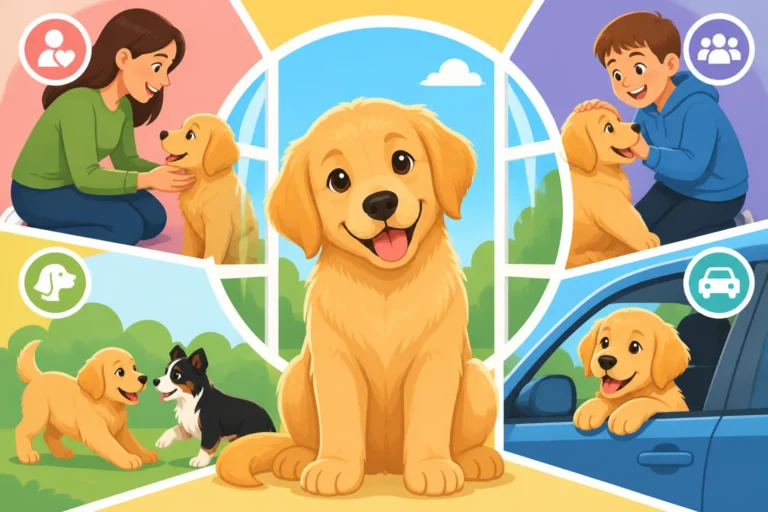
While puppyhood (especially the first 16 weeks) is a critical socialization window, it doesn't end there. Socialization Checklist for a Golden Retriever Puppy outlines many important steps, but socialization is a continuous journey. Your Golden Retriever puppy needs continued, positive exposure to a wide variety of people, including children of different ages, as well as new environments, sounds, and sights. However, this exposure must always be managed and positive.
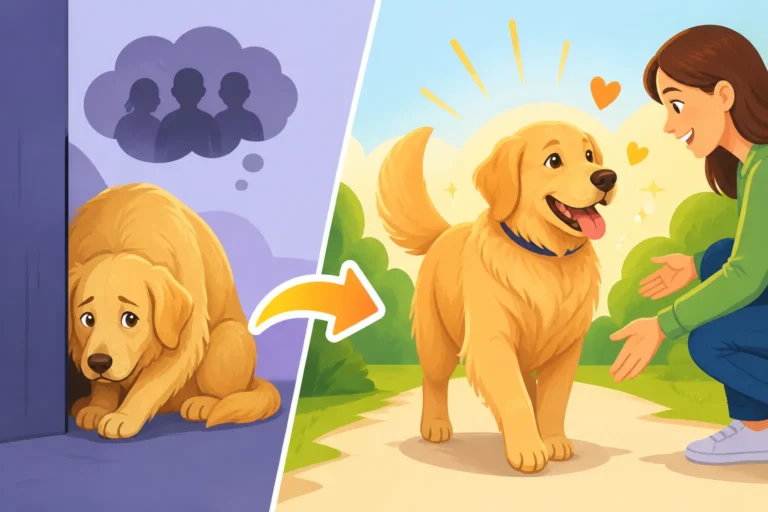
Don't just throw your puppy into a group of screaming children and hope for the best. Instead, arrange calm, supervised interactions. Perhaps a neighbor's child can sit quietly on the couch and toss a toy for your puppy, while you supervise closely. Attend puppy classes where they learn to interact appropriately with other dogs and people in a controlled environment. Puppy Classes Worth It for a Golden Retriever can be a great investment. The goal is to build confidence and ensure your Golden learns that children are a source of good things, not just exciting targets for nipping. A well-socialized Golden is less likely to become fearful or reactive, which can sometimes manifest as nipping in later stages.
Managing Golden Retriever Adolescence
Just when you think you've got this puppy thing figured out, your Golden Retriever will hit adolescence, typically between 6 months and 2 years of age. This phase is notorious for what feels like a "teenage regression," where old, unwanted behaviors – including nipping – can resurface. Why a Golden Retriever Regresses at Adolescence covers this challenging period in detail.
During adolescence, your Golden will experience a surge of hormones, an increase in energy, and a strong urge to explore their independence. They might "forget" some of their training, test boundaries, and even challenge your authority. The key here is to double down on consistency. Don't assume they "know better" and get frustrated. Instead, go back to basics with your training. Reinforce "Leave It" and "Off." Continue with redirection and chew toy management. Increase their mental and physical exercise outlets, as adolescent Goldens have even more energy to burn. Maintain strict supervision around children, just as you did when they were younger. This phase requires even more patience and a firm, gentle hand to guide them through.
Consulting a Professional Trainer or Behaviorist
Most Golden Retriever puppy nipping is normal, developmentally appropriate behavior that can be managed with consistent training and redirection. However, there are times when it’s wise to seek professional help. If your puppy’s nipping is:
- Excessively forceful: Regularly drawing blood despite your efforts to teach bite inhibition.
- Accompanied by other concerning behaviors: Such as growling, stiff body language, or reluctance to disengage.
- Causing significant fear or injury to your children: Making it impossible for them to safely interact.
- Not improving despite consistent training: You've tried everything, but the behavior persists or escalates.
In these situations, it's time to consult with a certified professional dog trainer or a veterinary behaviorist. They can assess your puppy's individual temperament, your family dynamics, and the specific triggers for the nipping. They can offer personalized strategies, sometimes even recommending specific behavior modification protocols or, in rare cases, medication if anxiety or fear is a significant underlying factor. Early intervention for problematic nipping can prevent it from developing into more serious behavioral issues down the road. Remember, there's no shame in asking for help; it's a responsible step towards ensuring a safe and happy home for both your Golden Retriever and your children.
Disclaimer
This article is for general informational purposes only and does not constitute professional advice. Laws, prices and regulations vary by location and change over time. Consult a qualified professional for guidance on your specific situation.