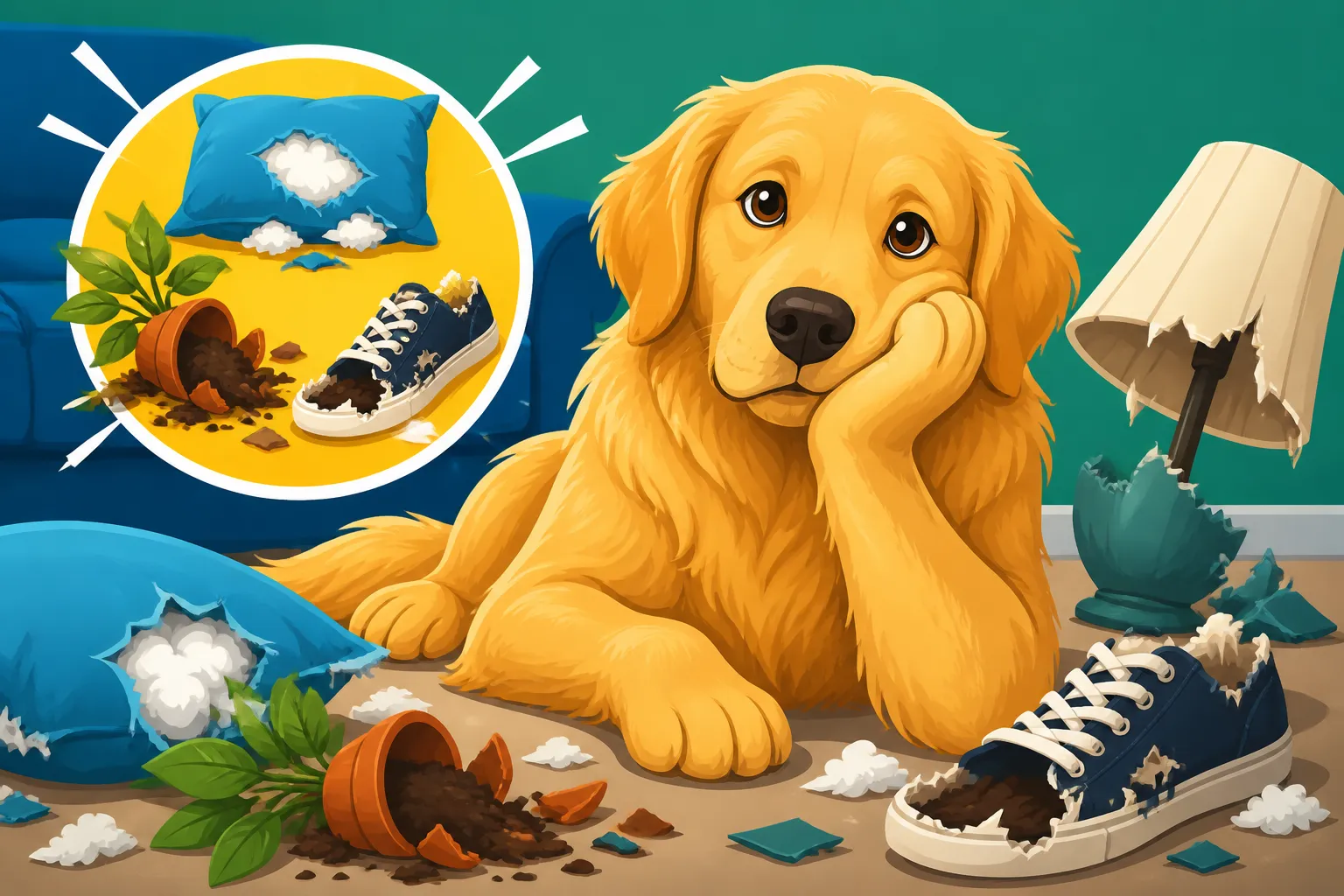
What a Bored Golden Retriever Destroys
Oh, the sheer frustration of walking into your home after a long day, only to find a scene of utter devastation: a chewed-up couch cushion, a discarded shoe in pieces, or perhaps a new, unsolicited "redecoration" of your baseboards. For Golden Retriever owners, this isn't just a hypothetical nightmare; it's a very real, disheartening experience that often leaves us wondering, "Why my sweet, intelligent Golden?" This guide is here to shed light on exactly what a bored Golden Retriever might turn into a casualty, why they resort to such destructive measures, and most importantly, how to prevent these unwelcome home makeovers and keep your furry friend happy and your belongings intact.
The Deep Roots of Destructive Boredom in Golden Retrievers
When your Golden Retriever turns into a canine wrecking ball, it’s rarely out of malice. Instead, it’s almost always a cry for help – a symptom of boredom, anxiety, or unmet needs. Understanding these root causes is the first step to curbing destructive behaviors. Golden Retrievers are truly special dogs, bred for a purpose, and when that purpose isn't fulfilled, things can go awry.
Their Innate Energy and Working Drive
Let's face it, Golden Retrievers weren't bred to be couch potatoes. They come from a long line of working dogs, originally developed in Scotland to retrieve game for hunters. This means they possess a strong innate drive to do something. They have boundless energy, a keen intelligence, and a desire to please. When these powerful instincts aren't channeled appropriately, they can manifest as destructive behaviors. Imagine a high-performance athlete being told to sit in a room all day; eventually, they'd find a way to let off steam, and it might not be pretty!
This drive isn't just about physical activity; it's about having a job, even if that "job" is just playing fetch or learning new tricks. Their ancestors spent hours in the field, actively engaging their minds and bodies. Our modern Goldens still carry that genetic blueprint. If they're left to their own devices with nothing stimulating to occupy them, their minds will create their own "work," which often involves deconstructing your home one item at a time. It’s their way of problem-solving when they don't have better options.
The Critical Need for Mental Stimulation
It's a common misconception that simply providing a big yard is enough for a Golden Retriever. While physical exercise is crucial, their intelligence demands mental gymnastics too. Golden Retrievers are smart cookies; they thrive on learning and problem-solving. If their brains aren't challenged, they can quickly become under-stimulated, leading to boredom. This isn't just about knowing basic commands like "sit" or "stay." It's about ongoing engagement, puzzle-solving, and novel experiences.
A Golden who isn't mentally challenged might start "rearranging" furniture to find hidden treasures (or just for the fun of it), or meticulously dissecting a cushion to understand its inner workings. Their intelligent minds are constantly seeking input, and if you don't provide it, they'll find it themselves. Think of it this way: a bored genius is a dangerous genius, and your Golden is definitely a genius in dog form! This is where continued training and enrichment come into play, preventing them from turning their sharp minds towards destructive endeavors.
The Impact of Insufficient Physical Exercise
Beyond mental stimulation, Golden Retrievers absolutely need adequate physical exercise. A tired dog is a good dog, and a Golden Retriever is no exception. They are energetic companions built for stamina, whether it's long walks, swimming, or vigorous games of fetch. Exercise a Golden Retriever Needs Each Day is a topic we discuss often because it's so fundamental to their well-being. If they don't get to burn off that excess energy, it doesn't just disappear; it gets pent up and needs an outlet.
This pent-up energy can lead directly to destructive chewing, digging, or even hyperactivity indoors. Imagine having all this energy buzzing inside you with no way to release it. You'd probably feel restless and agitated, right? Your Golden feels the same. A quick trip to the backyard often isn't enough; they need structured activity that gets their heart rate up and allows them to stretch their powerful muscles. Without it, your sofa might just become the next victim of their unspent physical exuberance.
The Unfortunate Gallery of a Bored Golden's Destruction
When a Golden Retriever is bored, almost anything is fair game. They're not particular about what they choose to dismantle; if it's accessible and provides some form of stimulation (texture, smell, sound, challenge), it's a potential target. This can range from minor annoyances to significant damage, leaving you bewildered and frustrated.
Household Items and Furniture Casualties
This is often where the biggest financial and emotional toll comes in. Your beautiful home decor can quickly become a Golden's chew toy if they're not given appropriate alternatives.
- Couch Cushions and Upholstery: The soft, squishy texture of a couch cushion is incredibly appealing to a bored Golden. They might start by simply mouthing it, but boredom can escalate this into full-blown shredding. The foam inside provides a satisfying tearing sensation, and the scent of their humans makes it even more comforting, albeit in a destructive way. We've all seen the dramatic photos online, and sometimes, those are real-life scenes after a Golden has had a particularly uninspired afternoon.
- Table and Chair Legs: Wooden furniture offers a different kind of chewing experience – something hard and resistant. Pups, especially those going through Golden Retriever Chewing Through Adolescence, might target these as a way to relieve teething discomfort or simply because they're there. The splintering wood can provide a novel texture, and the height is often just right for a good chew session. This isn't just an eyesore; it can be dangerous if they ingest splinters or if the furniture becomes unstable.
- Remote Controls, Books, and Children's Toys: These items are often left within easy reach and are filled with interesting textures, sounds, and sometimes even the alluring scent of a human. A remote control's buttons can be satisfying to gnaw, a book's pages can be ripped with gusto, and a child's plush toy might be seen as a perfect "prey" item to disembowel. These aren't usually targeted out of spite, but simply because they are available, interesting, and provide an outlet for oral fixation.
Personal Belongings: The Scent-Driven Destruction
Goldens are incredibly scent-driven. Anything that carries your personal scent can be a powerful magnet, especially when they're feeling anxious or bored in your absence.
- Shoes and Slippers: This is perhaps the most iconic item of destruction for many dog owners. Why shoes? They carry your strongest scent, they have interesting textures (leather, fabric, rubber), and they're usually at floor level, making them easy pickings. For a Golden, chewing your shoe might be a form of self-soothing or an attempt to feel closer to you. It's frustrating for us, but for them, it's a treasure trove of sensory information and a perfect chew.
- Clothing and Laundry: A pile of dirty laundry or clothes left on the floor is like an open invitation. Your shirts, socks, underwear – all carry your unique scent, making them highly attractive. The soft fabric is also easy to tear and can be comforting. While it might seem like they're being naughty, they're often seeking comfort or simply a way to engage with your scent when you're not there. It’s also surprisingly easy for them to snag a loose thread and unravel an entire garment.
- Eyeglasses, Wallets, and Keys: These are particularly maddening losses. These items are often small, within reach on coffee tables or nightstands, and have interesting components (plastic frames, leather, jingling metal). They're not meant to be chew toys, but to a bored Golden, they're just another object to explore with their mouth. The cost of replacing these items can quickly add up, making prevention paramount.
Walls, Doors, and the Great Outdoors
Sometimes, the destruction goes beyond mere household items and extends to the very structure of your home or garden. This often indicates a higher level of frustration or anxiety.
- Chewing Drywall or Baseboards: When a Golden feels confined, stressed, or desperately bored, they might resort to chewing on walls or baseboards. This isn't usually their first choice, but it speaks to a deep need for an outlet. The texture can be satisfying, and the act of creating a hole can be a powerful release of energy. This type of damage is often seen in dogs experiencing separation anxiety or those not getting enough mental and physical stimulation.
- Scratching at Doors and Door Frames: Similar to chewing walls, scratching at doors or door frames is a sign of intense desire to get out or to reach their owner. This behavior is common in Goldens who are left alone for too long or who haven't been properly crate trained. They're trying to "dig" their way to freedom or to you, often leaving significant cosmetic and structural damage in their wake.
- Digging Up the Yard or Garden: While some digging is natural for dogs, excessive or destructive digging in a Golden Retriever often points to boredom or a lack of appropriate outdoor activities. They might be trying to create a cool spot, chase critters, or simply expend energy. A perfectly manicured garden can quickly resemble a lunar landscape if your Golden isn't given other stimulating tasks or supervised outdoor time. We’ve all seen those craters!
Spotting the Warning Signs Before the Damage Escalates
No Golden Retriever wakes up and decides, "Today, I shall destroy the house!" Destructive behavior is usually the culmination of ignored cues or unaddressed needs. Learning to recognize the subtle (and not-so-subtle) signs of boredom before your Golden starts chewing on your antique chair leg can save you a lot of heartache and expense. It's all about proactive observation and understanding your dog's language.
Subtle Behavioral Cues Indicating Undermet Needs
Before the actual destruction begins, your Golden will likely be sending out signals that they're under-stimulated. These aren't always obvious, but once you know what to look for, they become clear.
- Pacing and Restlessness: If your Golden is constantly wandering from room to room, unable to settle, or pacing back and forth, they're likely feeling restless and have pent-up energy. They're searching for something to do, an outlet for their physical or mental energy. This isn't just a casual stroll; it's an agitated movement, often accompanied by sniffing everything intently.
- Excessive Whining or Barking: While Goldens do communicate vocally, an increase in whining, especially without an obvious reason (like needing to go outside), can be a sign of boredom or frustration. They might be trying to get your attention or expressing their discontent. Similarly, excessive barking at nothing in particular, or "demand barking" at you, often indicates a need for engagement.
- Attention-Seeking Behavior: Your Golden might nudge you repeatedly, bring you toys without engaging in play, or follow you around the house more than usual. They're trying to tell you they're bored and need interaction. This isn't always cute; sometimes it's a frantic attempt to get any kind of attention, positive or negative. Ignoring these early bids for attention can inadvertently push them towards more extreme behaviors to get a reaction.
Changes in Routine or Environment
Sometimes, a shift in your household can trigger boredom and subsequent destructive behaviors. Goldens thrive on routine and can be sensitive to changes.
- Sudden Increase in Alone Time: If your work schedule suddenly changes, or if you've recently returned from a long vacation and your Golden is now alone more often, they might struggle. An abrupt increase in unsupervised time can lead to anxiety and boredom, which they then alleviate through destruction. They might not understand why their routine has changed, leading to frustration. How Long a Golden Retriever Can Be Left Alone touches on how important it is to manage this transition carefully.
- Lack of Regular Exercise Outlets: Perhaps the weather has been bad, preventing your usual long walks, or you've been sick and unable to play fetch. A temporary reduction in their usual physical activity can quickly lead to an overload of energy, which they'll seek to discharge in other ways. Their bodies are built for movement, and a sudden decrease can be tough for them to handle.
- New Items in the Home: Believe it or not, sometimes a new piece of furniture or a renovation can be confusing or stimulating for a Golden, leading them to investigate with their mouths. The new scent, texture, or even just the change in their familiar environment can pique their curiosity, leading to chewing as a way of exploring.
Pre-Destruction Nipping or Mouthiness
Goldens are known for being "mouthy," especially as puppies. This oral exploration is natural, but it's important to differentiate playful mouthing from frustrated nipping that could precede destruction. Why Golden Retriever Puppies Are So Mouthy is something all new Golden owners grapple with.
- Chewing on Inappropriate Items While You're Present: If your Golden starts to mouth or lightly chew on things they shouldn't (a blanket, your arm, a pillow) even when you're there, it's a sign they're looking for something to do with their mouth. This is a crucial moment to redirect them to an appropriate chew toy. Ignoring this can teach them that these items are acceptable to chew on, or that they need to escalate the behavior to get your attention.
- An Increase in "Soft Mouth" Carrying: Goldens have a natural "soft mouth" and often carry things around. While this is part of their charm, an increase in carrying inappropriate items – especially if they then start to gently chew them – can be a precursor to more vigorous destruction. They're exploring their world with their mouth, and if what they pick up is interesting enough, it might just become a chew toy.
- Frustrated Nips During Play: If during a game of tug or fetch, your Golden starts to nip a bit harder or seems more frantic in their movements, it could indicate an underlying frustration or over-excitement that, if left unmanaged, could lead to destructive behaviors when they're alone. Learning to read these signals and adjusting play or providing a calming activity can make a huge difference.
Effective Strategies to Redirect and Prevent Boredom Destruction
The good news is that destructive behavior rooted in boredom is highly preventable and manageable. It requires a combination of understanding your Golden's needs, establishing clear boundaries, and providing ample, appropriate outlets for their energy and intelligence. It's about setting them up for success, not failure.
Establish Structured Exercise Routines
This is foundational. Your Golden needs to move. Consistent, engaging physical activity is the best way to burn off excess energy and prevent restlessness.
- Daily Long Walks: Aim for at least two substantial walks a day. These aren't just potty breaks; they're opportunities for your Golden to sniff, explore, and stretch their legs. Vary your routes to keep things interesting. Let them stop and sniff; it's mentally stimulating! A walk around the block isn't enough for a Golden who was bred to work for hours. Consider using a comfortable harness that discourages pulling for a more enjoyable experience for both of you.
- Vigorous Play Sessions: Beyond walks, integrate high-energy play. Fetch is a Golden Retriever's superpower. Swimming is another excellent, low-impact exercise that most Goldens adore. If you have access to a safe body of water, it can be an incredible energy burner. Tug-of-war with appropriate rules can also be a fantastic way to engage their prey drive in a controlled manner. Remember, the goal is a tired but content Golden, not an over-exercised one, especially if they are still growing.
- Canine Sports and Activities: For Goldens with truly boundless energy, consider dog sports like agility, obedience trials, or even dock diving. These activities provide both physical and mental stimulation, allowing them to use their natural talents. It's an investment of time, but the payoff in a well-behaved, happy dog is immense.
Implement Mental Enrichment and Training
A physically tired Golden is good, but a mentally tired Golden is even better. Engaging their minds is key to preventing boredom.
- Puzzle Toys and Interactive Feeders: These are lifesavers for keeping a Golden occupied. Instead of just putting their food in a bowl, use puzzle feeders that require them to work for their meal. Toys that dispense treats as they roll or are manipulated can keep them busy for extended periods. You can find a huge variety of these on platforms like Amazon, from simple treat balls to more complex sniff mats and hide-and-seek toys. Puzzle Feeders That Occupy a Golden Retriever are a fantastic way to make mealtime last and engage their brain.
- Ongoing Obedience and Trick Training: Goldens love to learn and please their owners. Regular training sessions, even just 10-15 minutes a day, provide mental stimulation and reinforce your bond. Teach them new tricks, practice advanced commands, or refine existing ones. A structured online training program, like those offered by BAXTER & Bella, can provide a wealth of ideas and guidance for keeping your Golden mentally sharp and engaged throughout their life, from puppyhood to adulthood. It’s not just about teaching them to sit; it’s about giving them an active role in learning.
- Scent Work and Nose Games: Goldens have incredible noses. Utilize this by hiding treats around the house or yard and encouraging them to find them. This "work" taps into their natural instincts and is incredibly tiring for their brains. Even simple games of "find it" can be wonderfully enriching.
Provide Appropriate Chew Outlets
Since Goldens are naturally mouthy, it's essential to give them acceptable items to chew on.
- Variety of Safe Chew Toys: Don't just give them one type of toy. Rotate a selection of durable chew toys with different textures and consistencies. Look for toys specifically designed for strong chewers. Hard rubber toys, sturdy nylon chews, and puzzle toys that can be stuffed with treats are excellent choices. This variety keeps them interested and provides different oral sensations.
- Long-Lasting Edible Chews: For unsupervised times, bully sticks, yak chews, or other long-lasting, digestible chews can be a great way to keep them occupied. Always supervise your Golden with new chew items to ensure they are safe and don't pose a choking hazard. Choose high-quality products that are appropriate for their size and chewing style.
- Kong-Type Toys: These are invaluable. Fill them with peanut butter, plain yogurt, or canned pumpkin, then freeze them. A frozen Kong can keep a Golden happily occupied for a significant amount of time, providing both a mental challenge and a satisfying chewing experience.
Utilize Crate Training and Create a Safe Space
A crate, when introduced properly, is not a punishment; it's a safe, den-like space for your Golden.
- Proper Crate Training: If your Golden is going to be left alone, a properly crate-trained dog will often feel secure and less inclined to be destructive in their den. Crate Training a Golden Retriever Puppy needs to be a positive experience, never forced or used for punishment. The crate should be a comfortable, positive retreat where they feel safe.
- Designated Safe Zone: Even without a crate, designate a "safe zone" for your Golden when you can't supervise them directly. This could be a dog-proofed room (like a laundry room or kitchen) with all tempting items removed. Ensure they have access to water, appropriate chew toys, and a comfortable bed.
Manage Alone Time Wisely
How you manage your Golden's time alone can significantly impact their behavior.
- Gradual Increase in Alone Time: If your Golden struggles with being alone, gradually increase the duration of your absences. Start with short periods, then slowly extend them. This helps them build confidence that you will always return.
- Pre-Departure Exercise: Before you leave, ensure your Golden has had plenty of exercise and a potty break. A tired dog is more likely to settle down and rest than to get into trouble.
- Consider a Dog Walker or Daycare: If you have long workdays, hiring a dog walker or enrolling your Golden in doggy daycare a few times a week can be a game-changer. It breaks up their day, provides social interaction, and ensures they get exercise and mental stimulation when you can't be there.
Here's a quick comparison of common boredom-driven destructive behaviors and their likely underlying needs:
| Destructive Behavior | Primary Motivation (Likely) | Recommended Solutions (Key Focus) |
|---|---|---|
| Chewing Furniture/Shoes | Oral fixation, comfort (scent), energy release, exploration | Appropriate chew toys, long-lasting chews, redirection, increased exercise/mental stimulation |
| Shredding Fabric (Cushions, Clothes) | Sensory stimulation, anxiety, attention-seeking, comfort | Puzzle toys, interactive feeders, scent games, secure safe space, increased interaction |
| Digging (Yard/Garden) | Instinctual behavior, energy release, seeking comfort/prey | Designated digging pit, increased outdoor exercise, supervised yard time, mental stimulation |
| Chewing Walls/Doors | High anxiety, frustration, confinement, separation distress | Crate training (positive), professional behavior consultation, gradual alone time training |
| Excessive Barking/Whining | Attention-seeking, boredom, anxiety, unmet needs | Mental enrichment, structured training, consistent routine, ignore demand barking |
By understanding why your Golden Retriever might resort to destructive behaviors and implementing these proactive strategies, you can transform your home from a potential demolition site into a peaceful sanctuary for both you and your beloved companion. It takes consistency, patience, and a deep understanding of what makes a Golden Retriever tick, but the effort is always worth it for a happy, well-adjusted dog.
Disclaimer
This article is for general informational purposes only and does not constitute professional advice. Laws, prices and regulations vary by location and change over time. Consult a qualified professional for guidance on your specific situation.