Why a Golden Retriever Regresses at Adolescence
It's incredibly frustrating, isn't it? You spend months diligently training your Golden Retriever puppy, celebrating every milestone – the perfect sit, the lightning-fast recall, the peaceful crate nights. Then, seemingly overnight, that sweet, compliant puppy vanishes, replaced by a canine teenager who acts like they've forgotten every single command you ever taught them. This sudden backslide, or "regression," during adolescence is a common, often exasperating, phase for many Golden owners, making you question everything you thought you knew about your dog. This comprehensive guide will explore why your Golden Retriever seems to regress during adolescence, what to expect during this challenging period, and, most importantly, how to navigate it with patience and understanding to come out stronger on the other side.
Understanding Golden Retriever Adolescence: More Than Just a "Phase"
When your once-perfect puppy suddenly develops selective hearing and a penchant for pushing boundaries, it’s easy to feel like you’ve failed as an owner. But take a deep breath; what you’re experiencing is a completely normal, if trying, developmental stage known as canine adolescence. It’s far more than just a temporary "phase"; it's a profound period of physical and mental growth that reshapes your dog, much like human puberty.
When Adolescence Hits and How It Looks Different
For most Golden Retrievers, adolescence typically begins around six months of age and can last until they are anywhere from eighteen months to two years old, sometimes even longer for larger or slower-maturing individuals. The exact timing can vary, but the signs are usually unmistakable. You might notice your Golden, who used to come bounding when called, suddenly pausing, giving you a defiant look, and then taking off in the opposite direction after an interesting smell. Or perhaps the house-training that was so solid now has occasional "accidents" because they got distracted mid-potty break or simply couldn't be bothered to ask to go out.
This stage can feel particularly jarring for Golden Retriever owners because these dogs are so well-known for their biddability and eagerness to please as puppies. Their inherent desire to work with you often makes early training a breeze, setting a high bar. When adolescence hits, the contrast can be shocking. Suddenly, your angelic Golden might act like they've never heard the word "sit" before, or their mouthing, which you thought you’d trained out, makes a surprising comeback, sometimes with more force. It's crucial to remember that this isn't a personal affront or a sign that you've messed up their training; it’s a natural, albeit challenging, part of their journey to adulthood.
The Brain's Role in Teenage Dog Behavior
To truly understand why your Golden is acting like a rebellious teenager, we need to look at what's happening inside their head. During adolescence, a dog's brain undergoes significant remodeling, particularly in the prefrontal cortex – the area responsible for impulse control, decision-making, and planning. In adolescent dogs, this part of the brain is still very much under construction. Think of it like a human teenager: they might understand the consequences of their actions intellectually, but their impulse control often lags behind, leading them to make rash decisions.
This neurological immaturity means that while your Golden knows the command, their ability to execute it reliably when there are competing distractions or strong impulses is severely compromised. Their emotional responses might be heightened, making them more reactive to things that wouldn't have bothered them as a younger puppy. They are reacting more instinctively to their environment and less from a place of rational thought or learned obedience. This explains why they might hear you, process the command, and then immediately get sidetracked by a leaf blowing across the yard. Their brain isn't yet fully equipped to filter out distractions and consistently prioritize your instructions over novel stimuli or their own desires.
Common Behavioral Regressions in Adolescent Goldens
The adolescent period in Golden Retrievers isn't just about general moodiness; it manifests in very specific and often frustrating behavioral regressions. These are the areas where you'll most likely see your previously well-behaved pup suddenly backslide, making you feel like you're starting from scratch.
The Sudden Loss of Recall and Leash Manners
One of the most alarming regressions for any Golden Retriever owner is the sudden disappearance of a once-reliable recall. You’ve practiced in the backyard, at the park, maybe even in slightly distracting environments, and they’ve always come back quickly, eagerly. Then one day, you call, and your Golden pauses, catches a scent, spots another dog, or sees a person in the distance, and it’s as if you’re speaking a foreign language. They might look at you, then dart off in the opposite direction, testing the limits of their newfound freedom and your patience. This isn’t because they’ve forgotten the command, but because their world has opened up, and the allure of external stimuli now often outweighs the reward of coming back to you. They're more confident, more exploratory, and often, more interested in their agenda than yours.
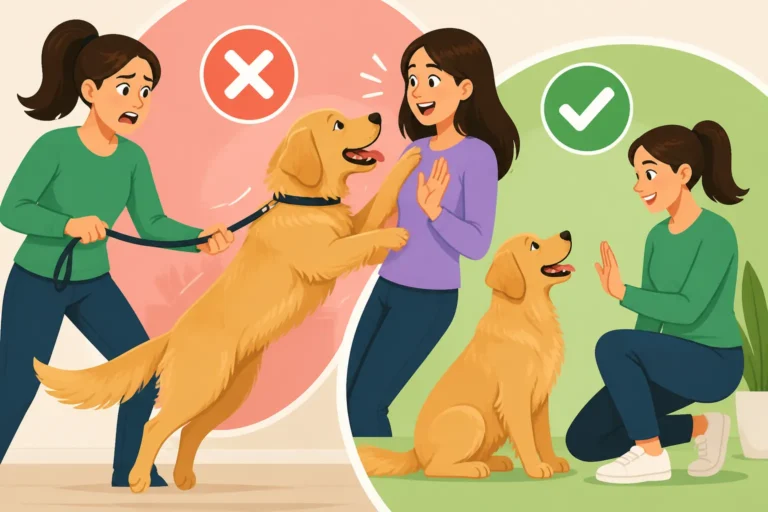
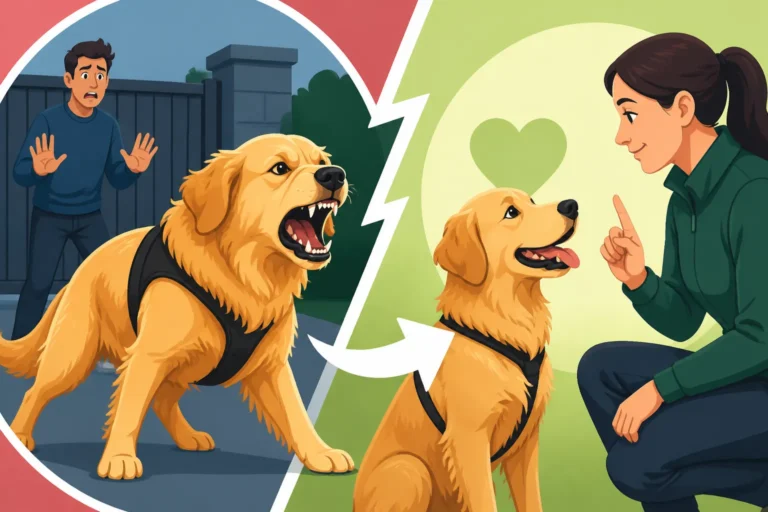
Leash manners can also take a nosedive. Your Golden, who used to walk politely by your side, suddenly becomes a freight train, dragging you down the street in pursuit of every smell, every person, and every squirrel. This often coincides with a significant growth spurt, meaning they now have adult strength combined with a burgeoning desire to explore. Goldens are naturally social, and adolescent enthusiasm for greeting every passerby or dog can translate into lunging or persistent pulling. Many owners find a front-clip harness can be a helpful tool during this phase to regain some control and make walks more enjoyable. You might find our article Golden Retriever Pulling and Front-Clip Harnesses offers some good tips for this particular challenge.
Increased Chewing, Nipping, and Destructive Tendencies
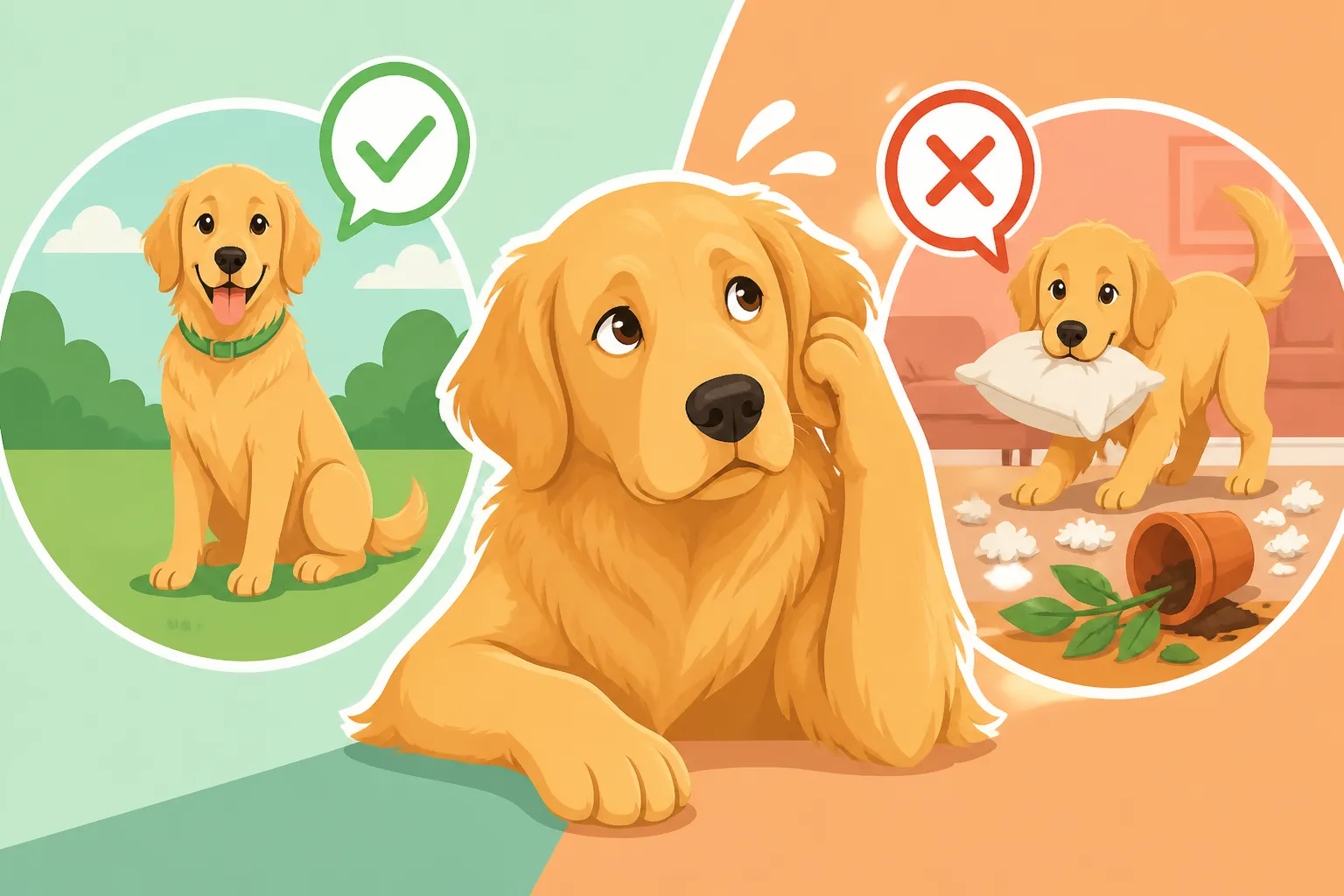
Just when you thought you were past the destructive puppy chewing phase, your adolescent Golden might decide your favorite shoes, the corner of the coffee table, or even the drywall, is their new chew toy. This isn't usually due to teething, as their adult teeth are fully in by this age, but rather a combination of boredom, anxiety, stress, or simply an overwhelming urge to mouth and chew. Goldens, by nature, are oral dogs, and adolescence can amplify this instinct, making them seek out appropriate (or inappropriate) items to satisfy this need.
Accompanying the chewing, you might notice a return of nipping or rougher play biting. What was once cute puppy mouthing can now feel more forceful and less controlled, particularly if they are trying to get attention or initiate play. Owners often feel like their dog is intentionally being destructive or naughty, but more often than not, it’s an outlet for pent-up energy, anxiety, or a lack of understanding of appropriate boundaries. Providing a variety of durable chew toys, perhaps sourced from Amazon where you can find a wide range of options, can be a lifesaver during this period, redirecting their urges onto acceptable items. For more on this, check out Golden Retriever Chewing Through Adolescence.
Testing Boundaries and Ignoring Commands
This is perhaps the most classic "teenager" behavior. Your Golden knows "sit," "stay," and "down" perfectly well, but during adolescence, they might suddenly act as if these commands are entirely new to them. You give a command, and you're met with a long, deliberate stare, a slow, grudging compliance, or outright defiance. This "selective hearing" is a hallmark of the adolescent period. They aren't deaf; they are simply choosing to prioritize other stimuli or testing to see if the rules still apply, and if there are any loopholes.
This boundary-testing isn't typically malicious, but rather an exploration of their newfound independence and a way to figure out their place in the world and your household. They are essentially asking, "Can I get away with this?" or "What happens if I don't listen right now?" This can be incredibly frustrating, making you feel disrespected or like all your hard work was for nothing. However, it's a critical part of their development where they learn about consistency, consequences, and the enduring nature of your leadership. It's a reminder that even established commands need to be reinforced with the same enthusiasm and consistency as when they were a tiny puppy.
Why the Regression Happens: Unpacking the Causes
Understanding what regression looks like is one thing, but knowing why it happens is key to maintaining your sanity and effectively helping your Golden through this stage. There are several interwoven factors contributing to this challenging period, from internal biological shifts to external environmental influences.
Hormonal Surges and Maturing Bodies
A major driver behind adolescent regression is the cascade of hormonal changes occurring as your Golden Retriever approaches sexual maturity. For unspayed females, the approach of their first heat cycle can bring about significant behavioral shifts, including increased wandering, restlessness, and changes in their social interactions with other dogs. Unneutered males, driven by testosterone, become far more interested in scents, marking territory, and seeking out potential mates, which can lead to increased reactivity, roaming, and a noticeable decline in focus on their handler. Even if your Golden has been spayed or neutered, the developmental timeline for these hormonal changes still impacts brain development and behavior, contributing to a period of heightened excitability and decreased inhibition. Our article Spaying and Neutering Timing for Goldens offers more insight into this.
Beyond hormones, their bodies are also maturing physically. They're growing into their adult size and strength, which can sometimes lead to an awkward period where they might feel a bit clumsy or unsure of their larger bodies. This physical maturation can also bring increased confidence and boldness, making them more willing to challenge established rules or explore new environments with less apprehension than their puppy selves. It’s a complex interplay of biology and psychology that creates the "teenage" dog you see before you.
Environmental Factors and Overwhelm
As your Golden Retriever transitions from puppyhood to adolescence, their world inevitably expands. What started as a safe, predictable home environment now includes longer walks in varied neighborhoods, trips to the dog park, interactions with many different people and dogs, and exposure to a multitude of new sights, sounds, and smells. While this broader experience is essential for their development, it can also be incredibly overwhelming and stimulating. An adolescent Golden might become easily overstimulated, leading to a breakdown in their ability to focus and follow commands. The sheer volume of new information they are processing can lead to increased distractibility and impulsive behaviors.
Furthermore, a lack of consistent routine or insufficient early Socializing a Golden Retriever Puppy can exacerbate these issues. If they weren't properly exposed to various environments and social situations as a puppy, they might be more reactive or fearful as an adolescent, leading to behaviors like barking at strangers or lunging at other dogs. Conversely, too much exposure without proper decompression time can also lead to stress and acting out. It’s a delicate balance to strike between providing enriching experiences and ensuring they aren’t constantly in a state of sensory overload.
The Need for Independence and New Challenges
One of the most fundamental shifts during adolescence is your Golden's developing sense of independence. As puppies, they are highly dependent on their human caregivers for everything, instinctively sticking close and seeking guidance. However, as they mature, there's a natural drive to explore, to problem-solve, and to assert their capabilities more autonomously. This isn't a malicious act of rebellion; it’s a crucial stage where they learn to navigate the world on their own terms.
This burgeoning independence often comes with an increased need for mental and physical stimulation that goes beyond the basic commands learned in puppyhood. A bored adolescent Golden Retriever is a recipe for destructive behavior. If they aren't given appropriate "jobs" or challenging activities, they will absolutely find their own, whether it’s redesigning your landscaping by digging holes or performing intricate dental work on your couch cushions. They need outlets that engage their intelligent, active minds and bodies. Our guide on Mental Enrichment for a Bored Golden Retriever delves deeper into how to satisfy this need for new challenges. This natural drive means owners need to be proactive in providing structured activities that channel this energy productively.
Strategies for Navigating Your Golden's Teenage Years
Dealing with an adolescent Golden Retriever can feel like an uphill battle, but with the right approach, you can successfully guide them through this stage. The key is to remember that this is a temporary, developmental period, and your consistent, patient efforts will eventually pay off.
Consistency, Patience, and Re-establishing Foundations
The most important strategy during your Golden’s adolescent regression is to go back to basics. Treat them as if they are a younger puppy again when it comes to training. This means very short, frequent training sessions, focusing on commands they should know but are now struggling with. Reward heavily for desired behaviors, using high-value treats and enthusiastic praise. Every single interaction is a training opportunity, and it’s critical not to let unwanted behaviors slide, even if you’re tired or frustrated. If your Golden jumps on you, consistently turn your back. If they pull on the leash, consistently stop walking until the leash loosens.
Establishing absolute consistency across all family members is non-negotiable. Everyone in the household needs to use the same commands, hand signals, and apply the same rules and expectations. This prevents your clever Golden from finding loopholes or getting mixed signals, which only prolongs the regression. Patience is truly a virtue here. There will be days when you feel like you’ve made no progress, but trust that your consistent efforts are slowly reinforcing the desired behaviors. Remember that this phase will pass, and a strong foundation built during this time will lead to a more reliable adult dog. If you're looking for guidance on brushing up on those core commands, our article First Commands to Teach a Golden Retriever can be a great refresher. For owners who need a structured approach to get back on track, online training programs, like those offered by BAXTER & Bella, can provide step-by-step instruction and support, ensuring you're implementing consistent training methods effectively.
Providing Appropriate Outlets for Adolescent Energy
Golden Retrievers are energetic dogs, and their adolescent phase often means an increase in their already considerable energy levels. Providing appropriate and sufficient outlets for this energy is paramount. This isn't just about longer walks; it's about structured exercise that engages both their body and mind. Think about increasing the duration and intensity of their daily walks, incorporating safe off-leash running in secure areas, swimming (which Goldens typically adore), and vigorous games of fetch. Our article Exercise a Golden Retriever Needs Each Day offers a good overview of their needs.
Beyond physical exercise, mental stimulation is equally important. Adolescent Goldens thrive on challenges. Engage them with puzzle toys, scent work games (like hiding treats around the house), and more advanced obedience training or even dog sports like agility or rally. A Golden who is both physically tired and mentally engaged is far less likely to be destructive or "misbehave" out of boredom. It’s often said, "A tired Golden is a good Golden," and this rings especially true during their teenage months. For a variety of innovative and durable puzzle feeders and interactive toys, browsing Amazon can yield excellent results to keep your adolescent Golden engaged and prevent destructive behaviors that stem from boredom. You might also want to read Fetch Games That Tire a Golden Retriever for more ideas.
Seeking Professional Guidance When Needed
While adolescent regression is a normal part of development, there are times when it escalates beyond what you feel equipped to handle on your own. If your Golden’s behaviors are becoming genuinely dangerous (e.g., severe aggression, biting with intent to harm), causing significant stress to your household, or if you simply feel overwhelmed and unsure how to proceed, don't hesitate to seek professional guidance. This is a sign of a responsible owner, not a failure.
A certified professional dog trainer can provide tailored strategies, observe your Golden's behavior in context, and offer hands-on coaching to help you re-establish control and positive habits. For more complex behavioral issues, especially those rooted in fear, anxiety, or true aggression, a veterinary behaviorist might be necessary. These professionals have a deeper understanding of the neurological and physiological components of behavior and can prescribe medication if needed alongside behavior modification plans. Early intervention can prevent minor issues from becoming entrenched problems. Knowing when to call in an expert can make all the difference in navigating this challenging phase successfully and strengthening your bond with your Golden Retriever. Our post Choosing a Positive Reinforcement Trainer for a Golden can help you select the right professional.
| Common Adolescent Regression | Why It Happens | How to Address It |
|---|---|---|
| Ignoring Recall | Brain development, higher distraction, testing boundaries | "Puppy proof" recall practice on long lines, high-value treats, structured games. Keep sessions fun. |
| Destructive Chewing | Boredom, stress, seeking attention, oral fixation | Increase structured exercise, provide appropriate chew toys (e.g., from Amazon), mental stimulation with puzzle feeders. |
| Leash Pulling | Increased strength, desire to explore, excitement | Consistent loose-leash training with frequent stops, use a front-clip harness, change directions often to reset focus. |
| Selective Hearing | Testing boundaries, increased independence, distraction | Go back to basics with known commands, short training sessions, high rewards for compliance, practice in varied environments. |
| Nipping/Mouthing | Seeking attention, over-excitement, play initiation | Redirect to appropriate chew toys, use "time-outs" for over-arousal, consistent bite inhibition practice. |
Disclaimer
This article is for general informational purposes only and does not constitute professional advice. Laws, prices and regulations vary by location and change over time. Consult a qualified professional for guidance on your specific situation.